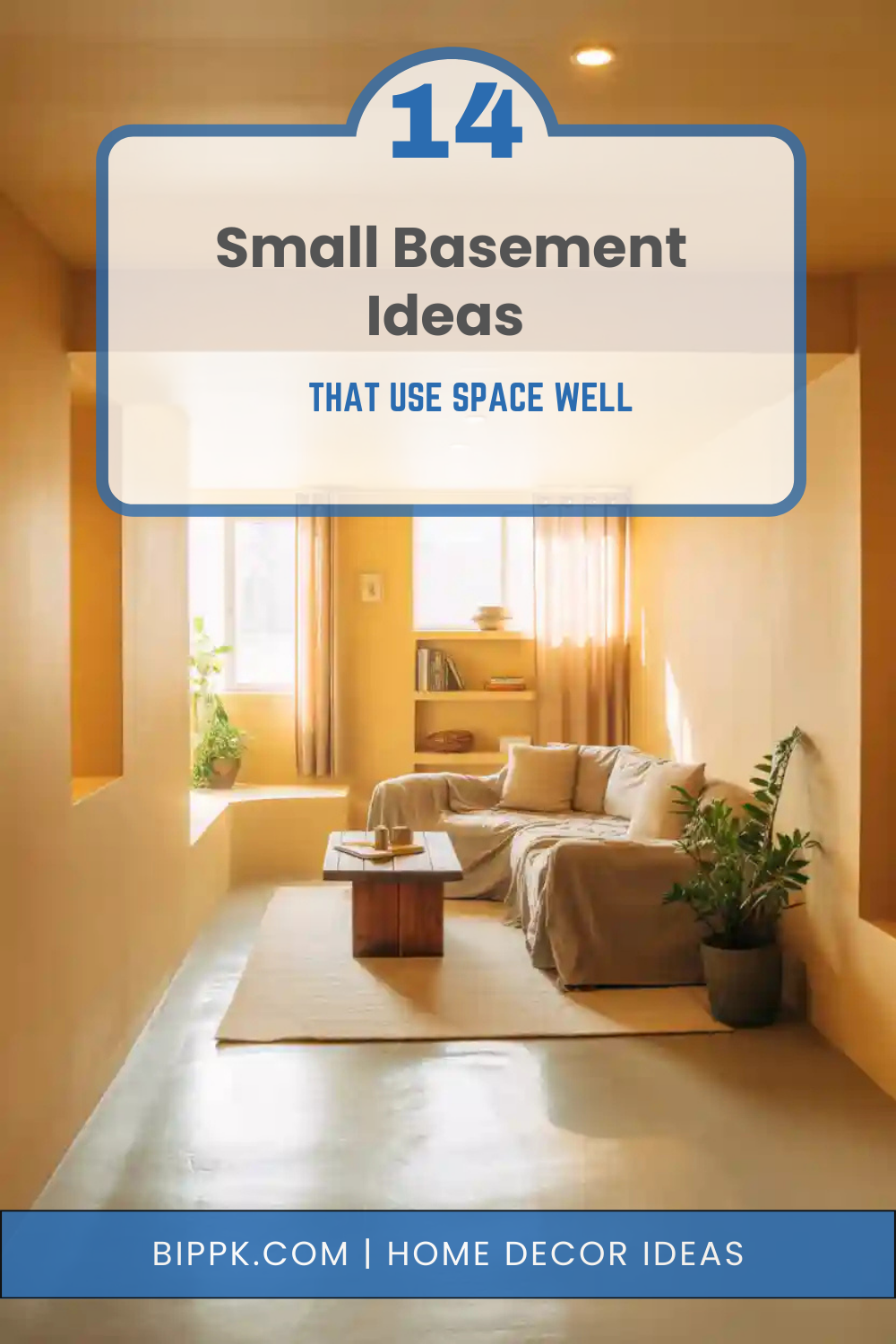
14 Small Basement Ideas That Use Space Well
Small basements often feel challenging to design because of limited square footage, low ceilings, and lack of natural light. However, with smart planning and intentional design choices, even the smallest basement can become a functional, comfortable, and stylish part of the home. The key is using every inch wisely—choosing layouts that improve flow, furniture that serves multiple purposes, and design elements that make the space feel open rather than cramped.
Thoughtful lighting, clever storage solutions, and well-defined zones can completely transform a basement from an overlooked area into a valuable living space. Whether you want a cozy family room, a small home office, a guest area, or extra storage, the right ideas can help you maximize both function and comfort. These 14 small basement ideas that use space well focus on practical solutions and smart design strategies that make compact basements feel purposeful, organized, and inviting.
1. Create Clear Zones for Multiple Uses
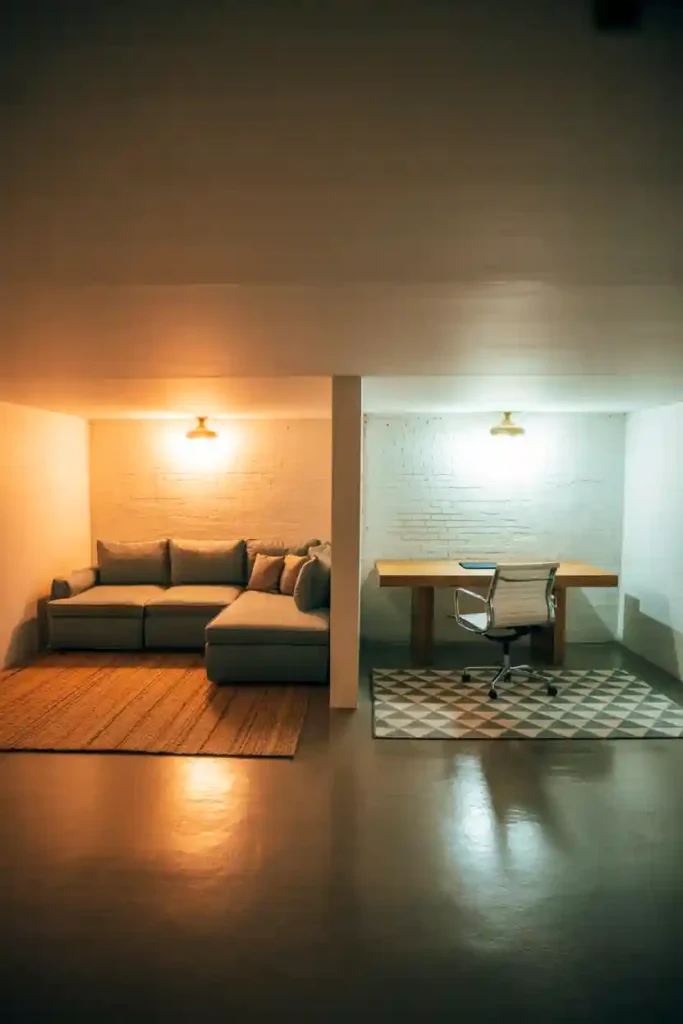
In a small basement, creating clear zones is essential for making the space feel organized and functional. Instead of treating the basement as one undefined room, dividing it into purpose-driven areas helps maximize every square foot. Even without walls, visual zoning can make the space feel larger and easier to use. Start by deciding how the basement will function. You might combine a seating area with a small workspace, a play area, or a storage zone. Rugs, lighting, and shelving can further separate zones without closing off the space.
Clear zoning prevents clutter and confusion, allowing the basement to support multiple activities comfortably. When each area has a role, the basement feels intentional rather than cramped. This approach turns a small basement into a flexible, efficient living space that truly works for everyday needs.
2. Use Built-In Storage to Save Floor Space
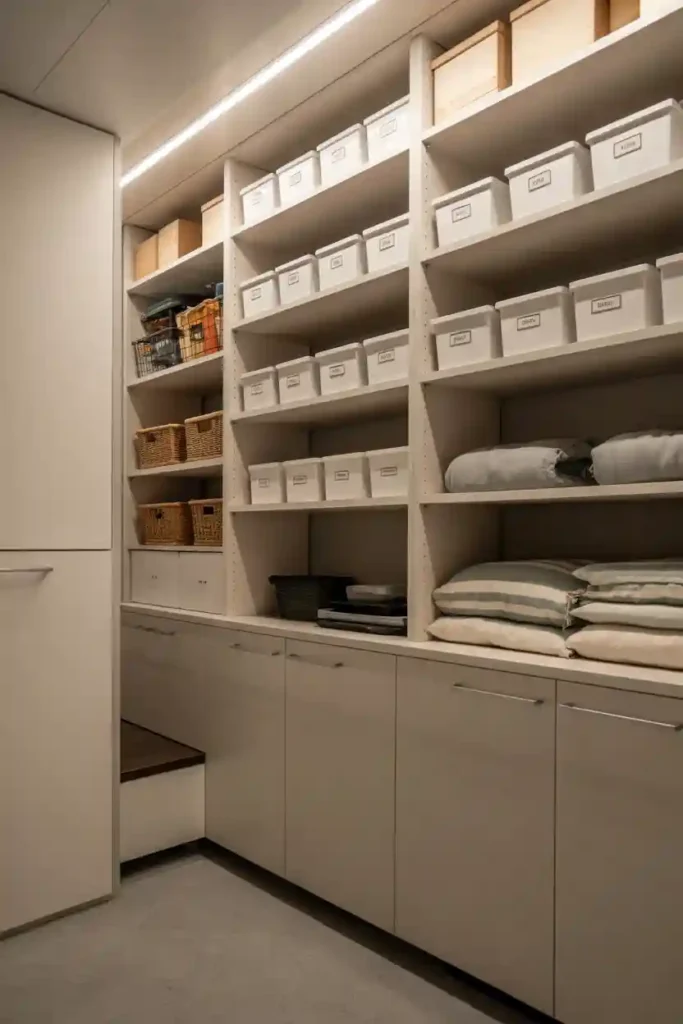
Built-in storage is one of the smartest solutions for small basements. Because floor space is limited, using walls efficiently helps keep the area open and uncluttered. Built-ins provide storage without the bulk of freestanding furniture, making the room feel more streamlined. Consider built-in shelves, cabinets, or bench seating with hidden storage. These can be installed along walls or under stairs to make use of otherwise wasted space. Built-ins also help visually tidy the room, keeping items organized and out of sight. When finished in light or neutral colors, they blend into the walls, helping the basement feel larger.
Using built-in storage allows you to store essentials while maintaining open walkways and comfortable movement. It’s a practical solution that improves both function and appearance, ensuring your small basement stays organized, efficient, and visually balanced.
Read Also: 15 Fun Laundry Room Ideas That Make Chores Enjoyable
3. Choose Low-Profile Furniture
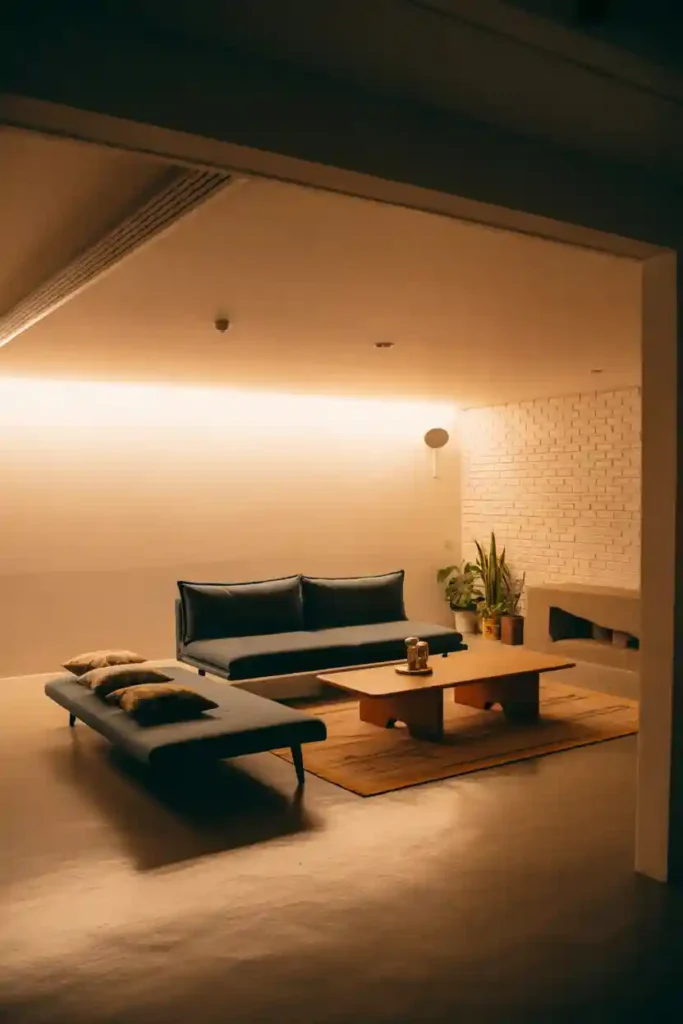
Low-profile furniture is ideal for small basements, especially those with lower ceilings. Pieces with shorter backs and slimmer frames help maintain openness and prevent the space from feeling boxed in. This design choice makes a noticeable difference in how spacious the basement feels. Sofas, chairs, and tables with clean lines and minimal bulk allow sightlines to remain clear. Instead of oversized sectionals, opt for compact seating that still offers comfort. Low coffee tables and streamlined storage pieces further support a balanced layout. Furniture legs also help by allowing light to flow underneath, creating a lighter visual feel.
Low-profile furniture helps maintain proportion and scale in a small basement. It keeps the room functional without overwhelming it. This approach makes the space feel intentional, comfortable, and well-designed, even with limited square footage.
4. Add Mirrors to Open Up the Space
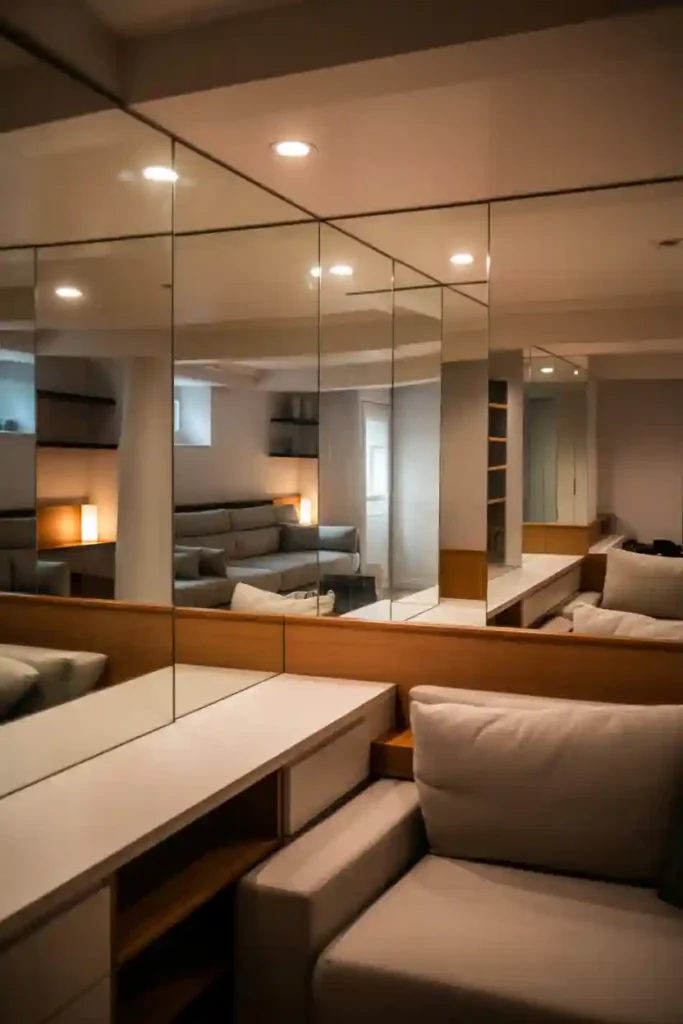
Mirrors are a powerful design tool for small basements, especially those lacking natural light. Strategically placed mirrors reflect light and visually expand the space, making it feel brighter and more open. Placing a mirror opposite a light source—such as a lamp or window well—helps distribute light more evenly throughout the room. Large wall mirrors or mirrored panels can make narrow basements feel wider. Even decorative mirrors add depth and interest while enhancing brightness.
Mirrors also help break up solid walls, reducing the enclosed feeling that small basements often have. When combined with light colors and thoughtful lighting, mirrors significantly improve the overall atmosphere. This simple addition creates the illusion of space, making a small basement feel more welcoming, airy, and comfortable.
5. Use Light Wall Colors for Brightness
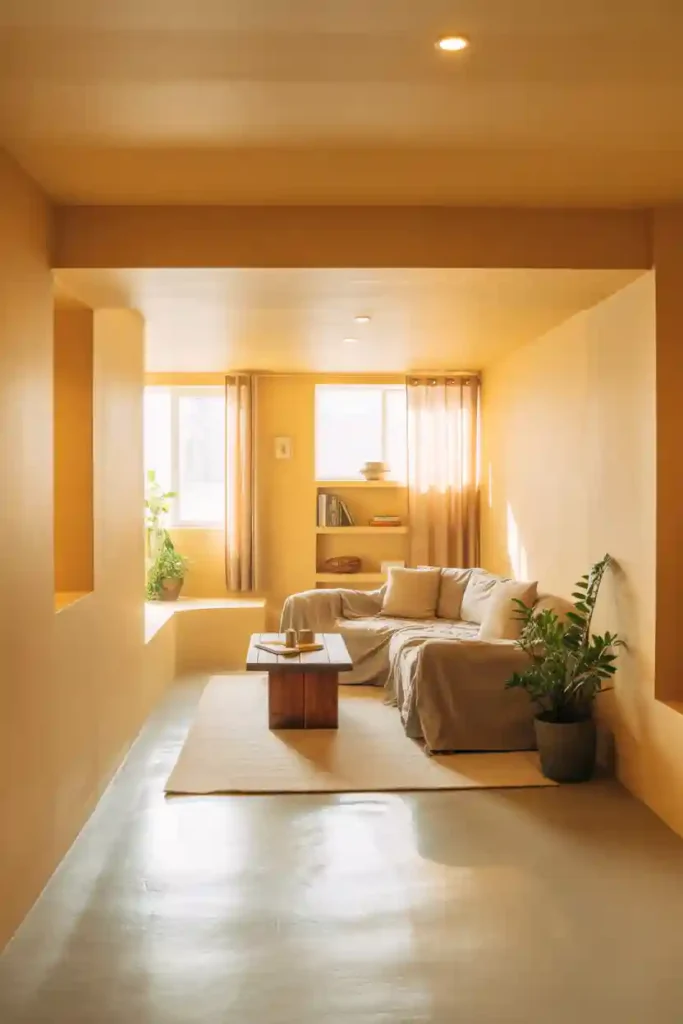
Light wall colors are one of the easiest ways to make a small basement feel larger and more inviting. Since basements often lack natural light, darker shades can make the space feel heavy and closed in. Light neutrals help reflect available light and visually expand the room. Soft whites, warm creams, light grays, and pale beige tones work especially well. These colors bounce artificial light around the room, reducing shadows and making the basement feel more open. Light walls also create a calm backdrop that allows furniture and décor to stand out without overwhelming the space.
Choosing a consistent light color throughout the basement improves flow and prevents the area from feeling chopped up. Paired with light flooring and simple décor, this approach creates a clean, airy feel that maximizes the perception of space in even the smallest basement.
6. Incorporate Smart Lighting Layers
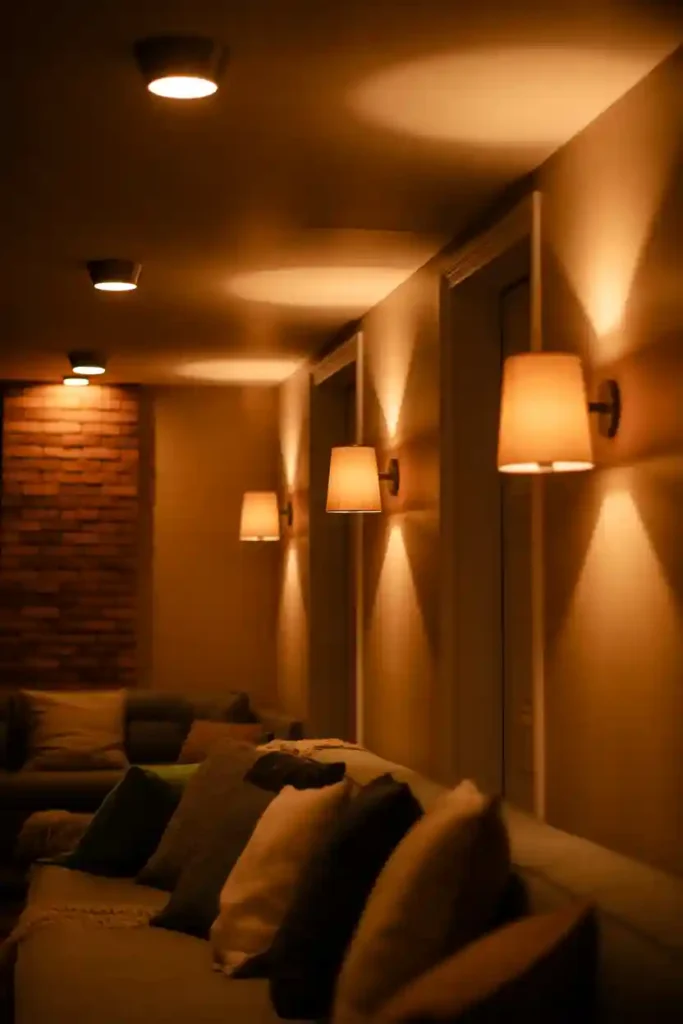
Lighting plays a crucial role in how a small basement feels and functions. Relying on a single overhead light often creates harsh shadows and an uninviting atmosphere. Layered lighting, on the other hand, adds depth, warmth, and usability. Start with recessed ceiling lights or flush-mount fixtures to provide even general lighting without lowering the ceiling visually. Add wall sconces or floor lamps to soften the space and create cozy zones. Task lighting, such as desk lamps or under-shelf lights, ensures specific areas are functional.
Layered lighting allows you to adjust the mood and brightness depending on how the basement is used. It also helps define zones without physical dividers. With the right lighting plan, a small basement feels brighter, more comfortable, and intentionally designed rather than dark and cramped.
7. Opt for Multi-Functional Furniture
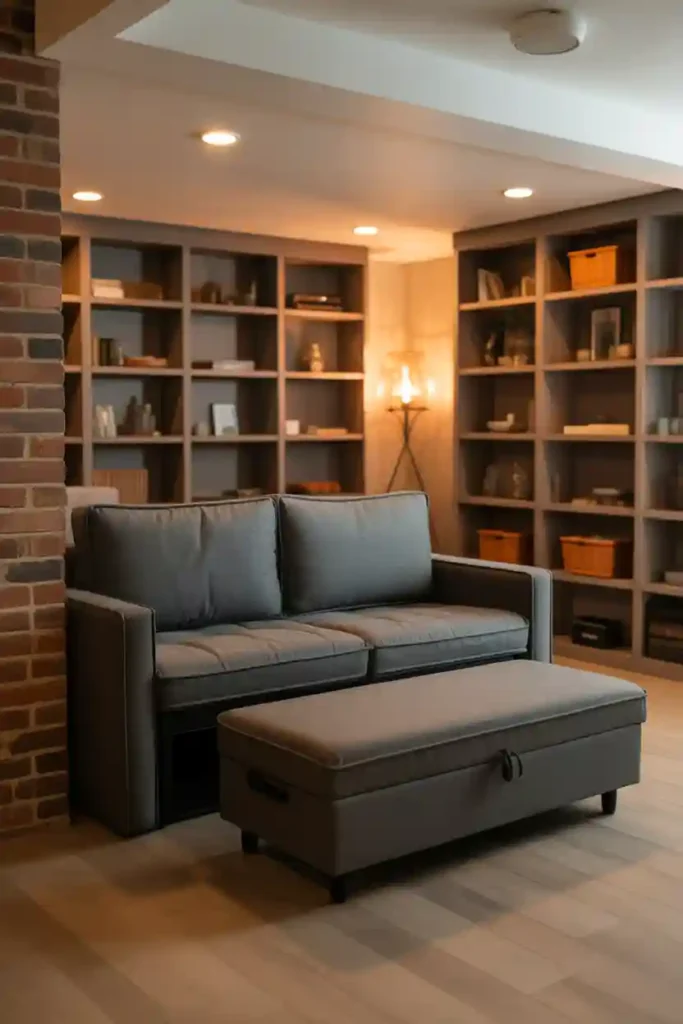
Multi-functional furniture is a game changer in small basements where every inch matters. Pieces that serve more than one purpose reduce clutter and increase usability without overcrowding the space. Consider ottomans with hidden storage, sleeper sofas, or benches that double as seating and storage. Fold-down desks or nesting tables are also great options for flexible layouts. These pieces allow the basement to adapt easily to different needs, whether it’s relaxing, working, or hosting guests.
By choosing furniture that works harder, you avoid filling the room with unnecessary items. Multi-functional pieces keep the basement streamlined and efficient while maintaining comfort. This smart approach ensures your small basement remains practical, organized, and visually balanced.
8. Turn Corners into Useful Nooks
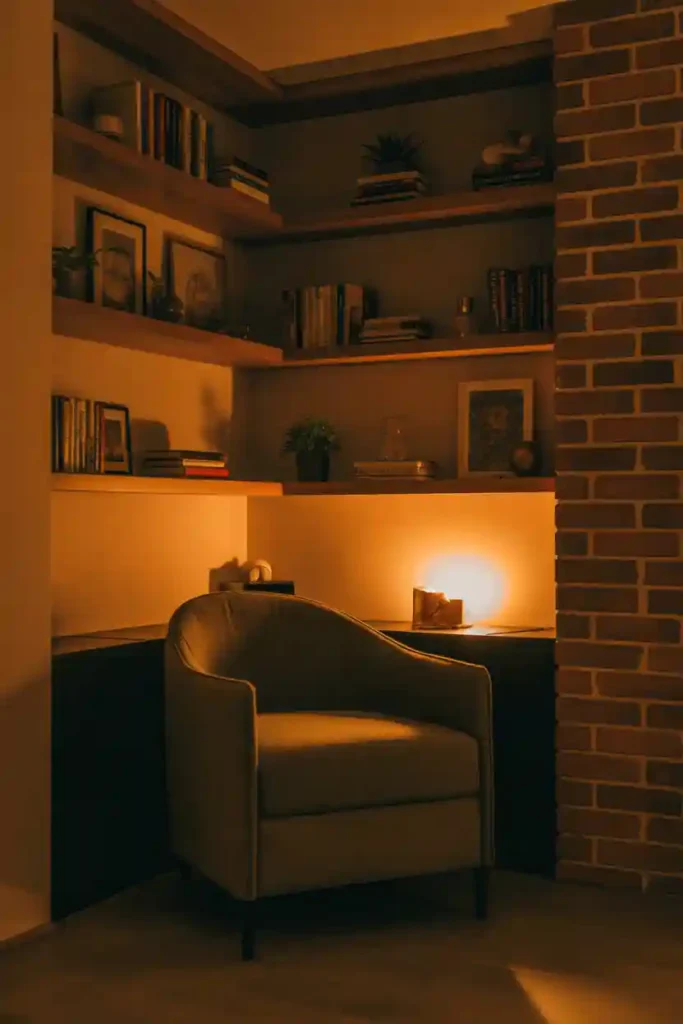
Corners are often underused in small basements, but with a little creativity, they can become valuable functional spaces. Turning corners into useful nooks helps maximize square footage without impacting the overall flow of the room. A corner can easily become a reading nook with a compact chair and wall-mounted shelves. It can also house a small desk, storage unit, or entertainment setup. Using vertical space in corners adds function without taking over the room.
These small, purposeful nooks help prevent wasted space and make the basement feel thoughtfully designed. When every corner has a role, the basement feels larger and more efficient. This strategy is especially helpful in compact layouts where open floor space is limited.
9. Use Vertical Storage and Shelving
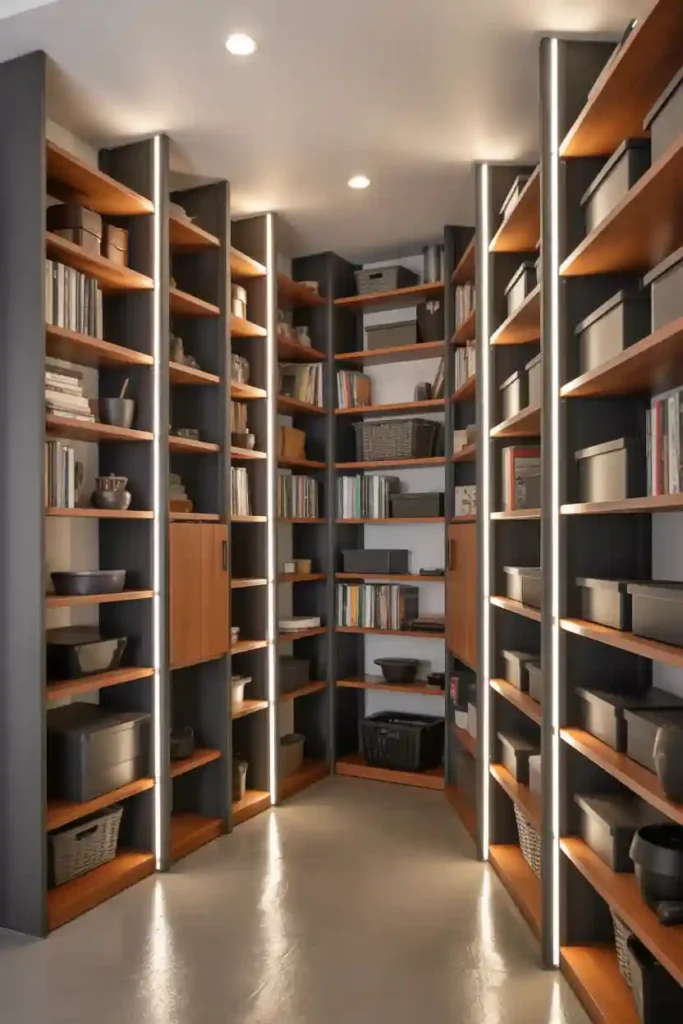
When floor space is limited, vertical storage becomes essential in a small basement. Using wall height effectively allows you to store more without making the room feel crowded. Tall shelving units, wall-mounted cabinets, and floating shelves keep belongings organized while preserving open floor space. Vertical storage works especially well for books, décor, storage bins, or entertainment accessories. Open shelves keep the space visually lighter, while closed cabinets help hide clutter. Installing shelving up to the ceiling draws the eye upward, making the basement feel taller and more spacious.
This approach also keeps frequently used items within easy reach while maintaining a clean layout. By moving storage upward instead of outward, you create a more efficient and breathable basement design that feels intentional rather than cramped.
10. Create a Cozy Seating Area
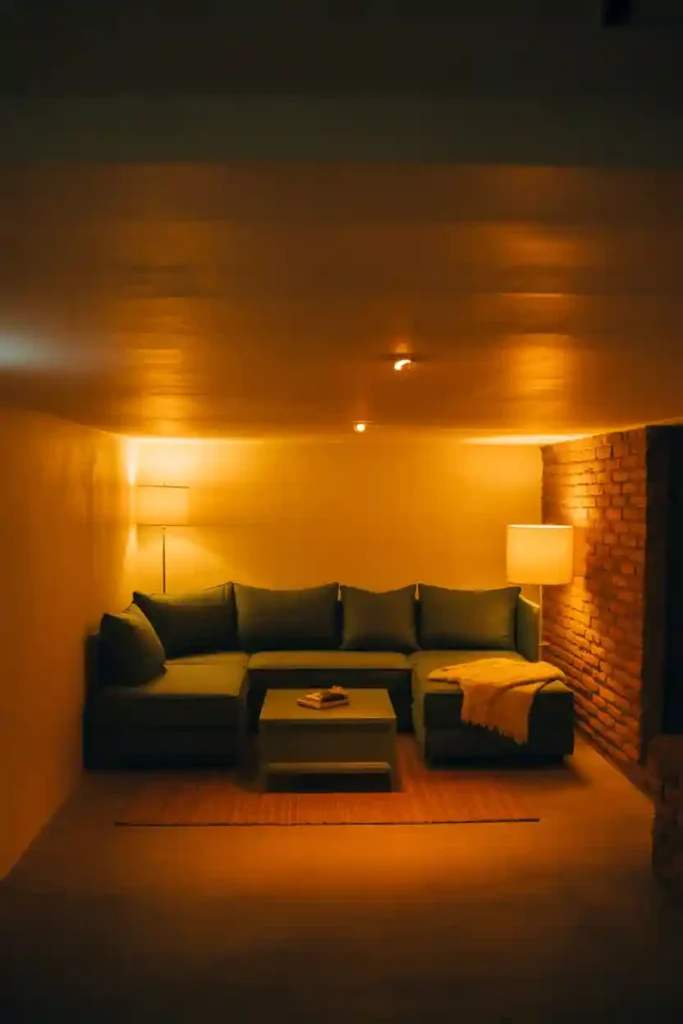
A small basement can still feel inviting when it includes a dedicated seating area designed for comfort. Creating a cozy seating zone encourages relaxation without requiring a lot of space. The key is choosing the right scale and arrangement. Use a compact sofa or a pair of armchairs positioned close together to promote conversation. Add a small coffee table or ottoman to anchor the area without overcrowding it. Soft textures like throw pillows, blankets, and an area rug help define the seating space and add warmth.
Lighting also plays a major role in creating coziness. Floor lamps or wall sconces provide soft illumination without taking up valuable surface space. With thoughtful design, a small seating area can feel intimate, functional, and welcoming, making the basement a comfortable place to unwind.
11. Keep Decor Minimal and Purposeful

In a small basement, less truly is more. Over-decorating can quickly make the space feel cluttered and visually overwhelming. Keeping décor minimal and purposeful helps maintain a clean, open feel while still allowing personality to shine through. Focus on a few statement pieces rather than many small accents. Wall art, a textured rug, or a single decorative shelf can add character without crowding the room. Stick to a consistent color palette to avoid visual chaos and help the basement feel cohesive.
Purposeful décor means choosing items that serve both function and style, such as decorative storage baskets or stylish lighting fixtures. This approach keeps the basement visually calm, organized, and balanced. By editing décor carefully, the space feels intentional, spacious, and easy to enjoy.
12. Add a Small Home Office Setup
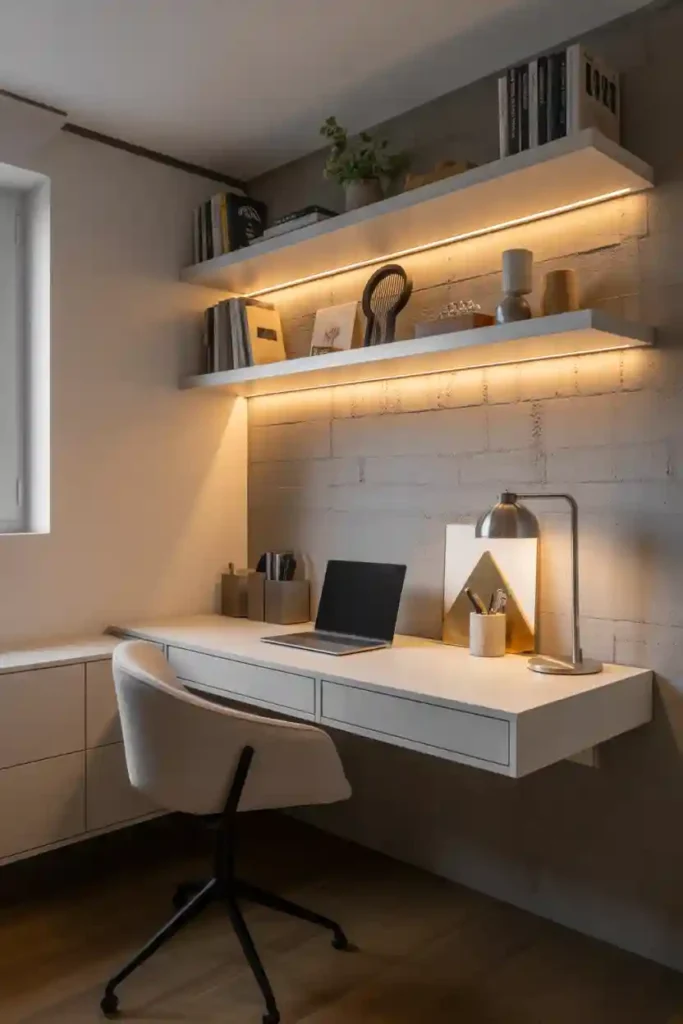
A small basement can be an excellent place for a home office when space upstairs is limited. Even a compact setup can feel productive and comfortable if designed thoughtfully. The key is keeping the workspace efficient without overwhelming the room. Choose a slim desk or wall-mounted work surface to save floor space. Pair it with a comfortable but compact chair that can tuck neatly underneath. Use vertical shelving or wall organizers to store office supplies, keeping the work area clutter-free. Good lighting is essential, so include a desk lamp or wall-mounted light to brighten the workspace.
Placing the office in a quiet corner of the basement helps maintain focus while preserving the main area for other uses. With smart planning, a small basement office can feel organized, functional, and well integrated into the overall layout.
13. Use Area Rugs to Define Spaces

Area rugs are a simple yet effective way to define zones in a small basement without using walls or dividers. Rugs help visually separate different functions, such as seating, work, or play areas, while maintaining an open layout. Choose rugs that fit the scale of each zone rather than oversized pieces that overwhelm the room. Light or neutral rugs help keep the basement feeling open, while subtle patterns add interest without clutter. Layering textures through rugs also adds warmth and comfort to basement floors.
Using rugs creates structure and flow, guiding movement through the space naturally. This technique makes a small basement feel organized and intentional while still flexible. When used thoughtfully, area rugs enhance both function and style without sacrificing precious square footage.
14. Maintain an Open Layout for Better Flow
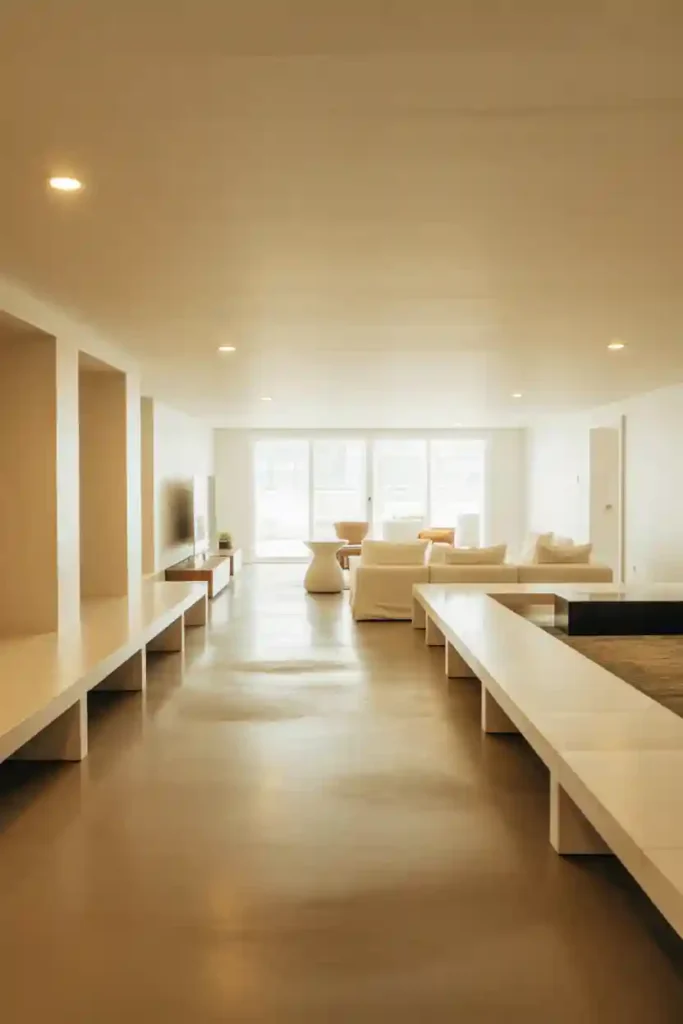
An open layout is one of the most effective ways to make a small basement feel larger and easier to navigate. Avoid unnecessary walls or bulky dividers that break up the space and restrict movement. Instead, focus on furniture placement and visual cues to guide flow. Keeping walkways clear improves circulation and prevents the basement from feeling cramped. Open layouts also allow light to travel more freely, making the space feel brighter and more connected. Using consistent flooring and wall colors throughout the basement enhances this effect.
An open layout encourages flexibility, allowing the basement to adapt to different activities over time. With fewer barriers and thoughtful spacing, even a small basement can feel spacious, functional, and comfortable for everyday living.
Final Words
A small basement doesn’t have to feel dark, cramped, or underused. With smart planning and thoughtful design choices, it can become one of the most functional spaces in your home. From using vertical storage and multi-functional furniture to defining zones and maintaining an open layout, each idea focuses on making the most of what you have. Lighting, color, and intentional décor all play a role in transforming a compact basement into a welcoming and efficient area.