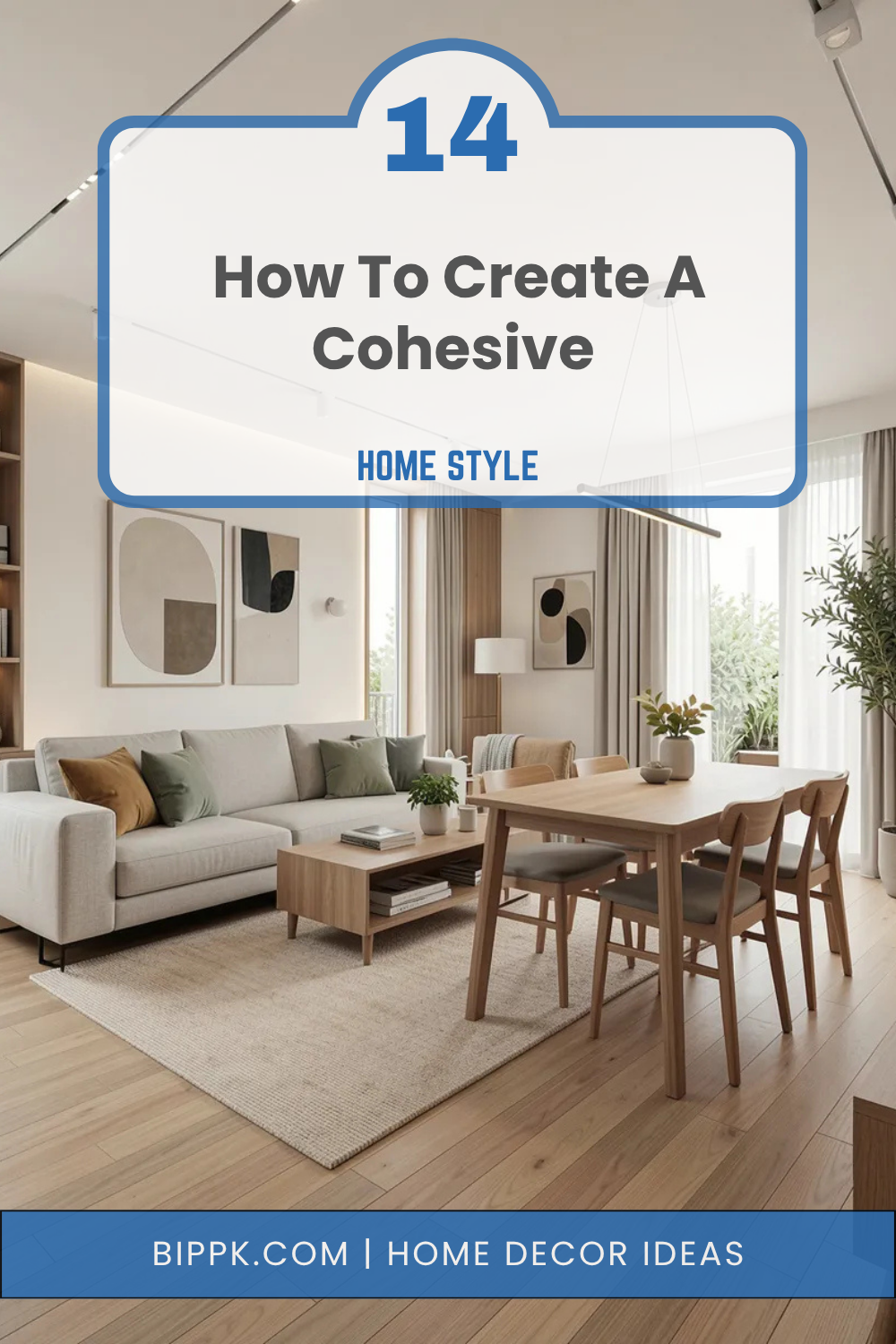
14 How To Create A Cohesive Home Style
Creating a cohesive home style is the secret to making your space feel polished, intentional, and visually connected. Without a clear direction, even beautiful furniture and decor can feel mismatched or cluttered. A cohesive home doesn’t mean everything has to look identical it means all elements work together harmoniously through color, materials, and overall design choices.
Interior designers achieve this by repeating patterns, maintaining consistency, and balancing different elements across rooms. The result is a home that flows naturally from one space to another while still reflecting personality and comfort. In this guide, you’ll discover 14 ways to create a cohesive home style that are simple, practical, and beginner-friendly. Whether you’re decorating a new home or refreshing your current space, these ideas will help you bring everything together seamlessly. With the right approach, you can create a home that feels unified, stylish, and effortlessly inviting.
1. Define Your Overall Style First
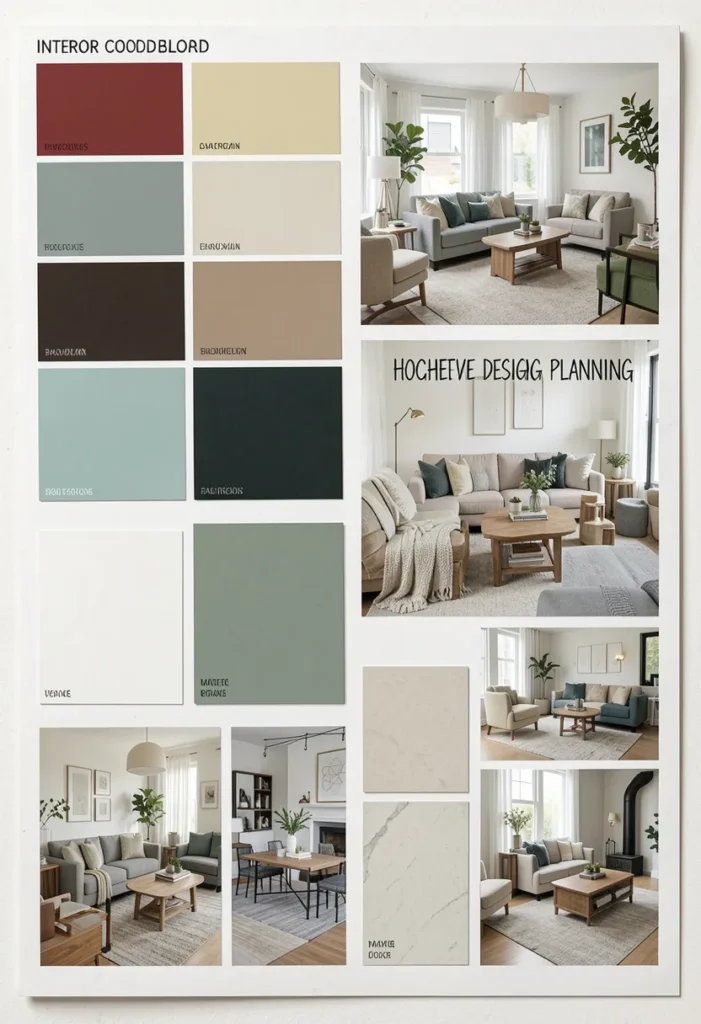
Before buying furniture or decor, it’s important to define your overall style. Designers always begin with a clear vision whether it’s modern, farmhouse, minimalist, or eclectic. This helps guide every decision moving forward.
Browse inspiration online, create a mood board, and identify common elements you’re drawn to. Look at colors, textures, and furniture shapes that repeat across your preferences. Having a defined style doesn’t mean you can’t mix elements, but it ensures your choices stay aligned. Without this step, your home can easily feel disjointed.
2. Stick to a Consistent Color Palette
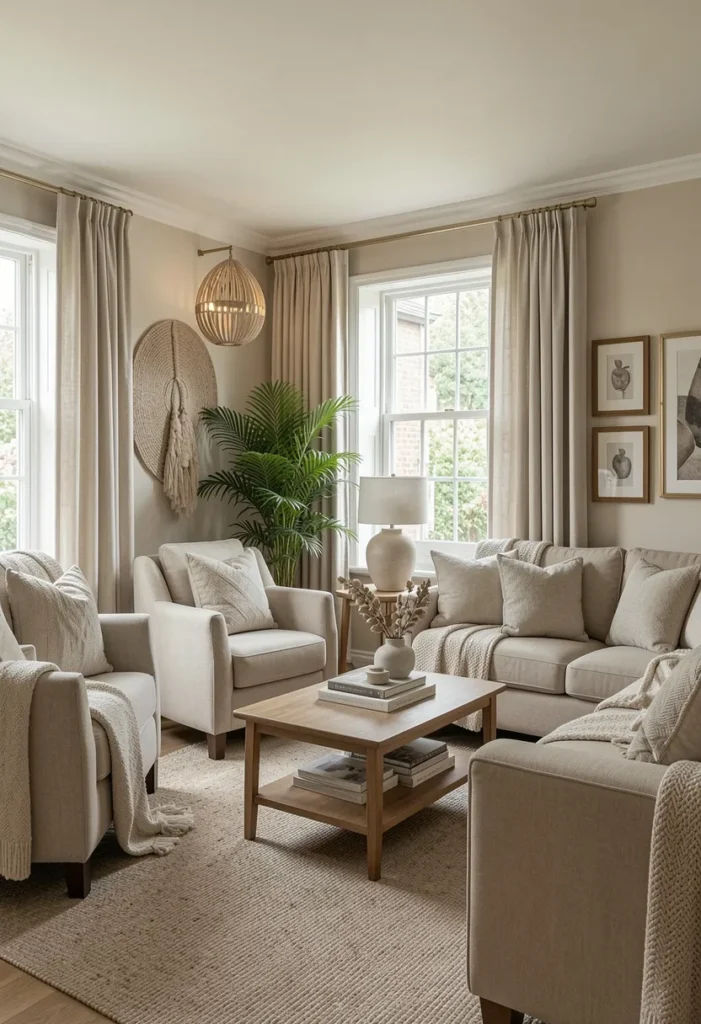
A consistent color palette is one of the most effective ways to create cohesion. Choose 2–4 main colors and repeat them throughout your home.
Use a dominant neutral for walls and larger furniture, then add accent colors through decor like cushions, rugs, and artwork. Repeating colors in different rooms creates a natural visual flow. Avoid introducing too many new colors in each space, as this can break the sense of unity. Instead, vary shades and tones within your palette for depth.
3. Maintain Consistent Flooring
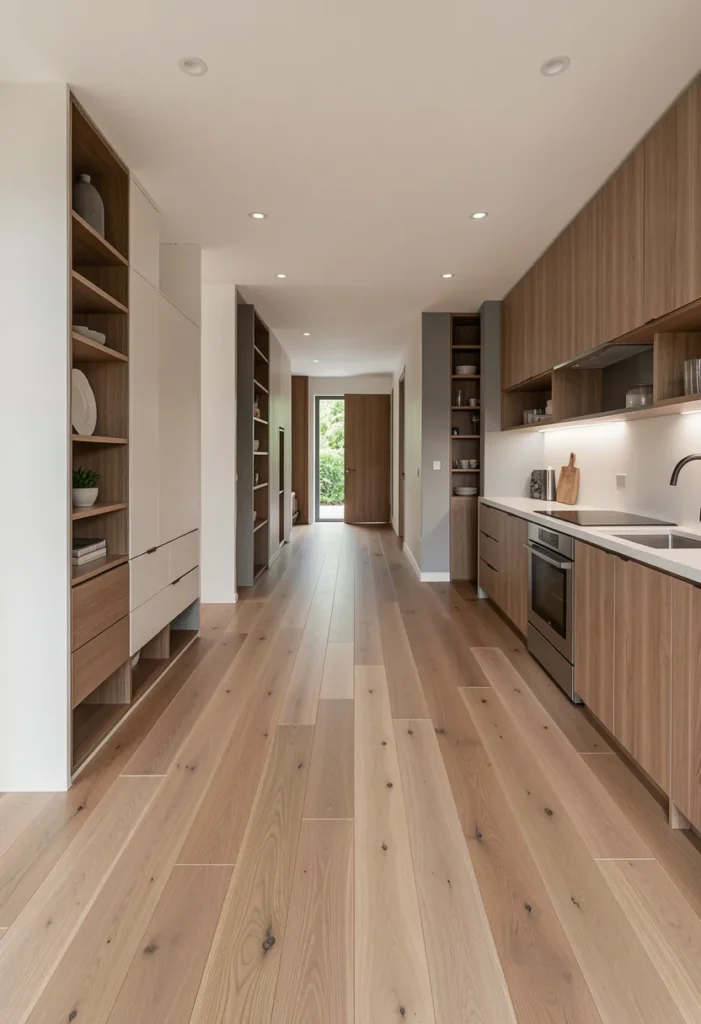
Flooring plays a major role in connecting spaces. Using the same flooring material throughout your home creates a seamless transition between rooms.
If consistent flooring isn’t possible, choose complementary materials or similar tones. This prevents abrupt visual breaks. Rugs can also help unify spaces by echoing colors and textures from other areas. Consistent flooring makes your home feel larger and more connected.
4. Repeat Materials and Finishes
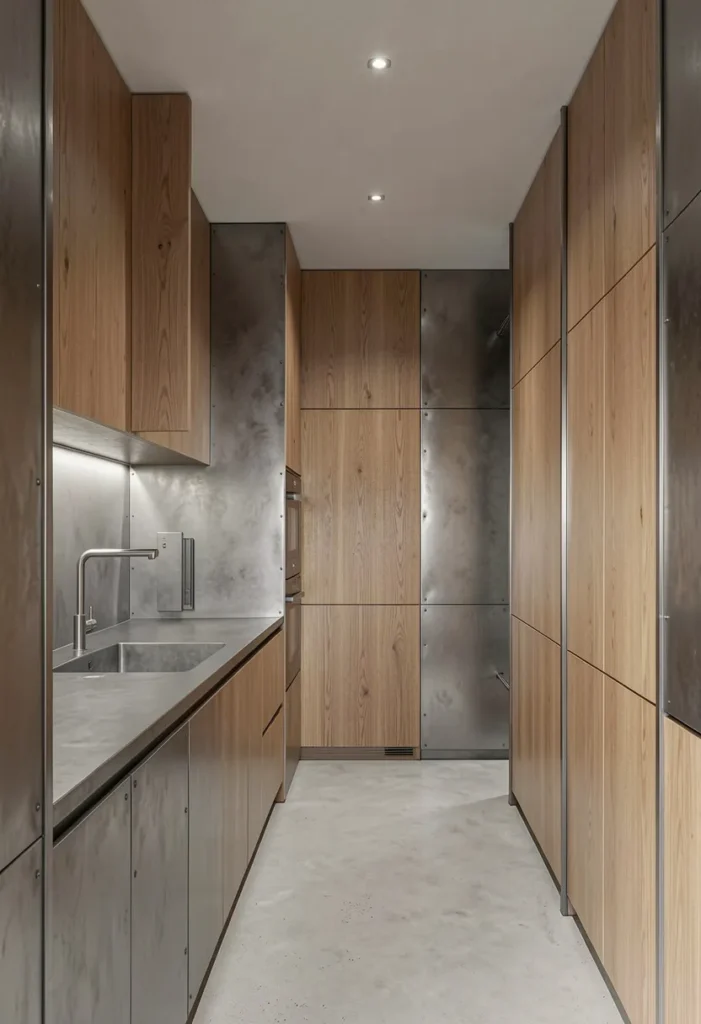
Designers often repeat materials like wood, metal, or glass across different rooms to create continuity. For example, if you use brass fixtures in one room, incorporate similar finishes elsewhere.
This repetition doesn’t have to be exact variations still work as long as they feel related. Matching tones and textures helps maintain harmony. Repeating materials creates subtle connections that make your home feel thoughtfully designed. It’s a simple yet powerful way to achieve cohesion.
See Also: 12 Interior Design Basics For Beginners
5. Use Similar Furniture Styles
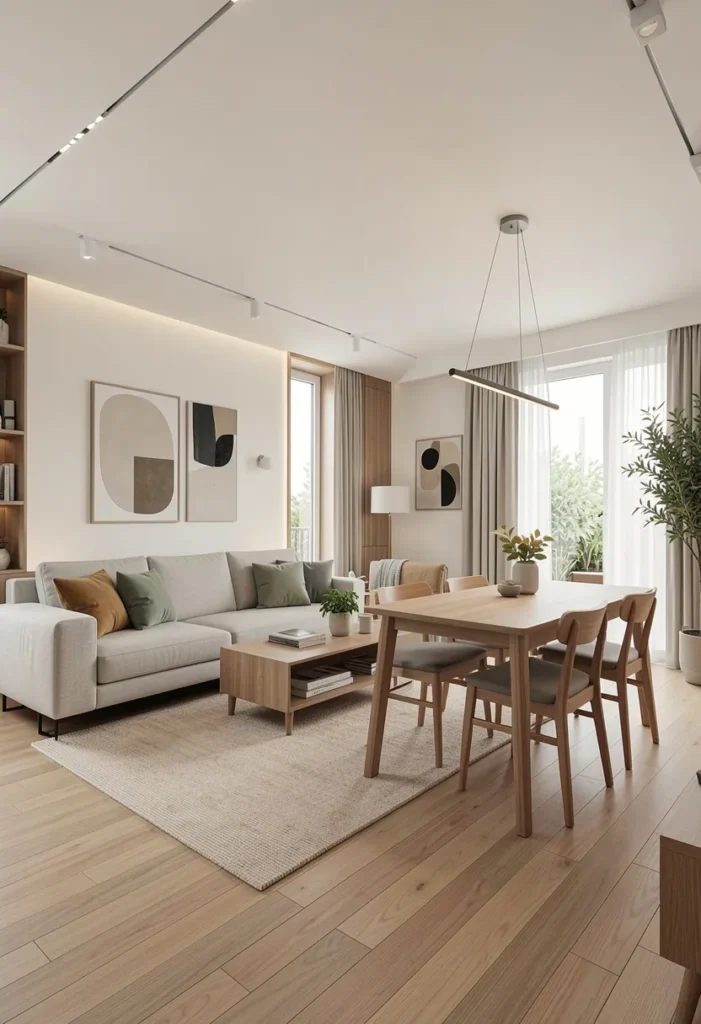
While each room can have its own personality, keeping furniture styles consistent helps maintain flow. Mixing drastically different styles can feel chaotic if not done carefully.
For example, if your home leans modern, choose furniture with clean lines throughout. If you prefer traditional style, stick to classic shapes and details. You can still add variety through color and accessories, but the overall style should remain aligned. This approach creates a unified look without making spaces feel identical.
6. Create Visual Flow Between Rooms
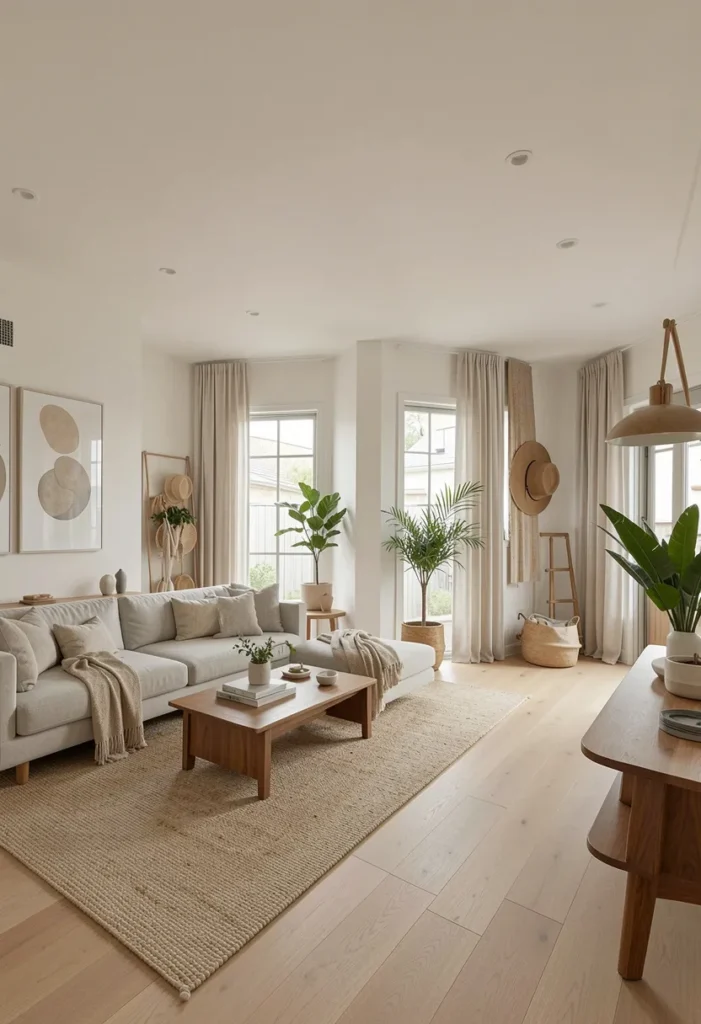
Visual flow ensures that one room naturally leads into another. Designers achieve this by repeating colors, patterns, or design elements.
For example, a color used in the living room can appear in artwork or decor in the dining room. This creates a subtle connection. Open layouts benefit especially from this technique, but it works in any home. A strong visual flow makes your home feel intentional and well-designed.
7. Keep Wall Treatments Consistent
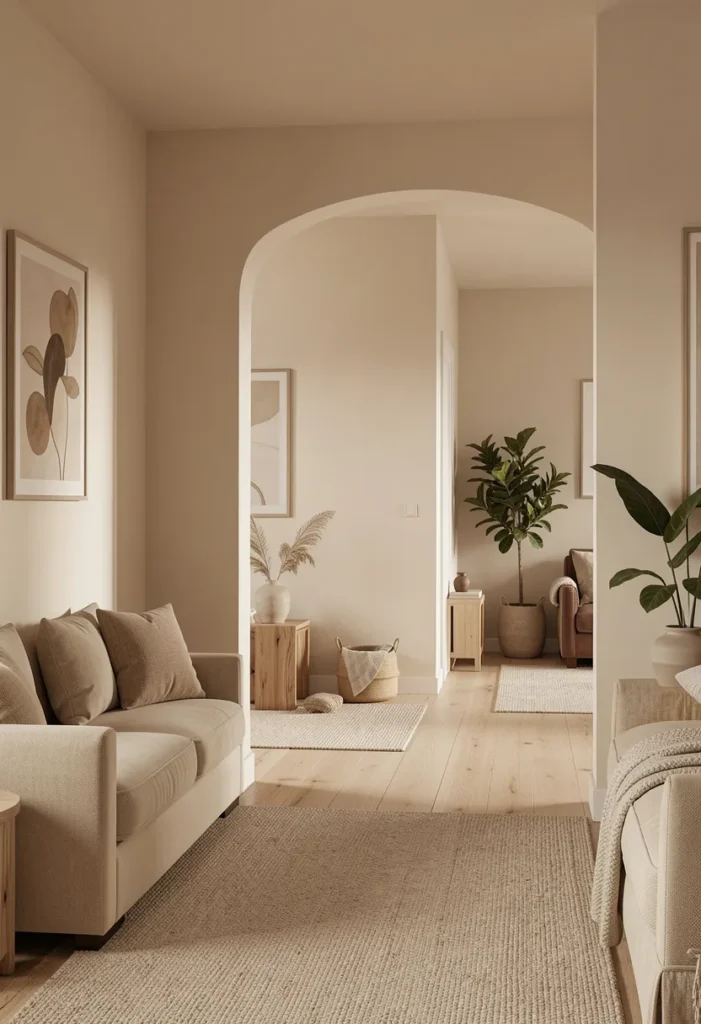
Walls play a huge role in defining your home’s style. Using consistent paint colors, paneling, or wallpaper helps unify spaces.
This doesn’t mean every room must be identical, but transitions should feel smooth. For example, use similar tones or complementary colors. Consistent wall treatments create a clean backdrop that ties everything together. They also make your home feel more spacious and organized.
8. Coordinate Decor and Accessories
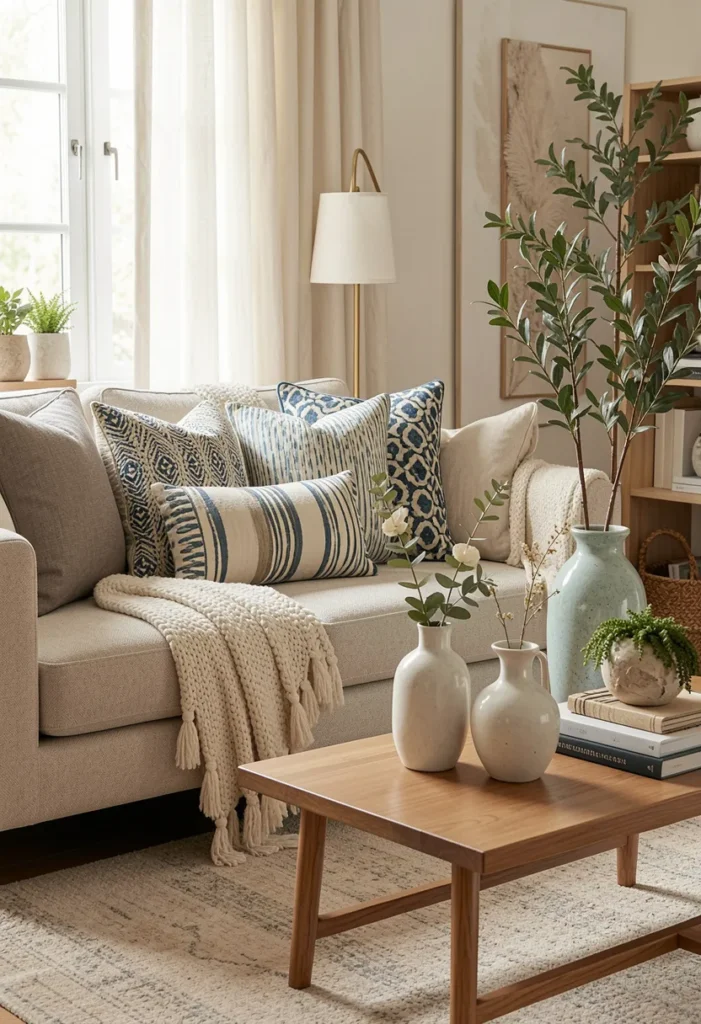
Accessories like cushions, vases, and artwork should complement your overall design. Designers carefully select decor that aligns with the color palette and style.
Avoid random or mismatched items that don’t fit your theme. Instead, choose pieces that echo colors, textures, or shapes used elsewhere. Coordinated decor enhances cohesion without overwhelming the space. Small details can make a big difference in achieving a polished look.
9. Use Rugs to Connect Spaces
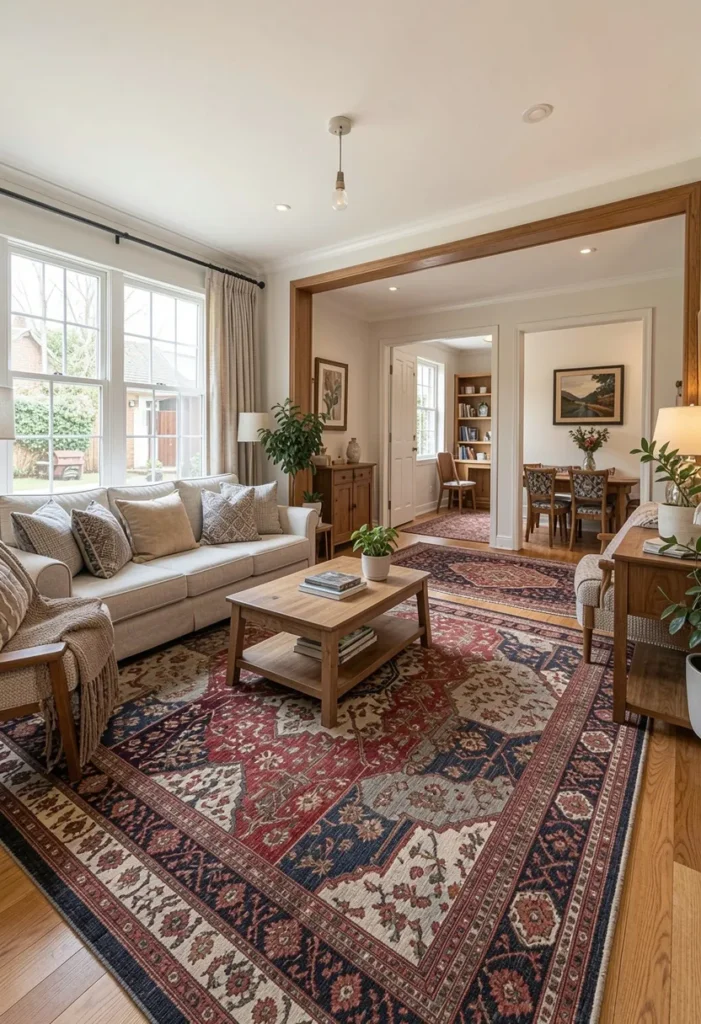
Rugs are excellent for linking different areas, especially in open-plan homes. Choosing rugs with similar colors or patterns creates continuity.
Layering rugs or using complementary designs helps maintain flow while defining zones. Ensure rugs fit properly within each space to avoid a disconnected look. Rugs act as visual anchors that tie rooms together.
10. Maintain Consistent Lighting Style
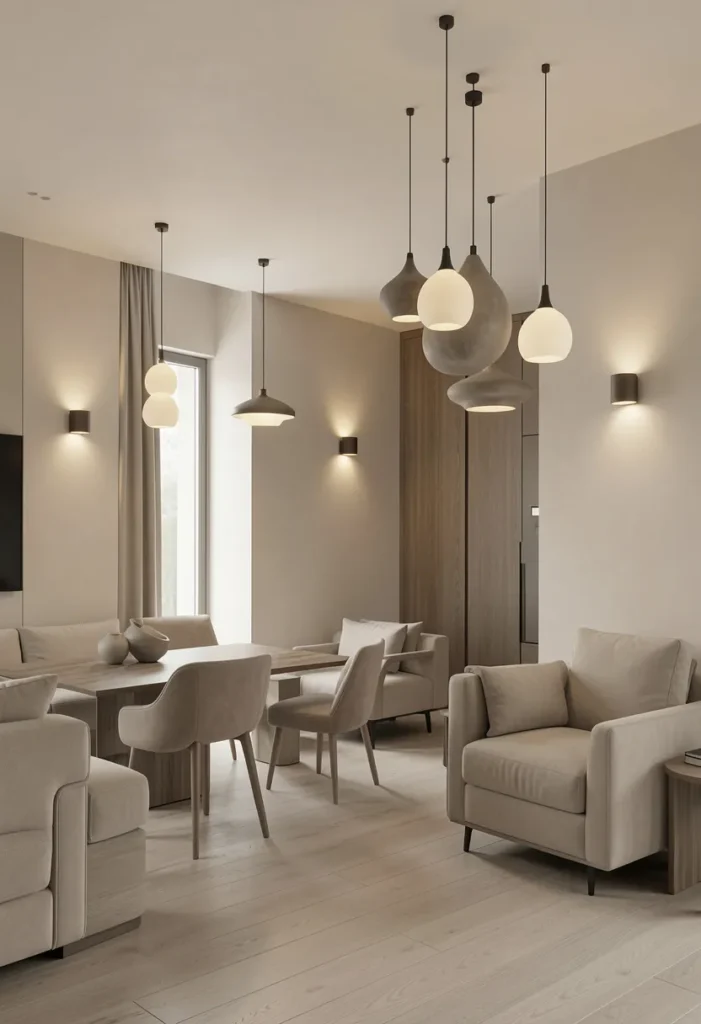
Lighting fixtures should follow a similar design theme throughout your home. Whether modern, industrial, or classic, consistency helps unify spaces.
Mixing too many different styles can feel disjointed. Instead, choose fixtures that share similar finishes or shapes. Layered lighting adds depth while maintaining cohesion. Consistent lighting enhances both functionality and aesthetics.
11. Balance Open and Closed Storage
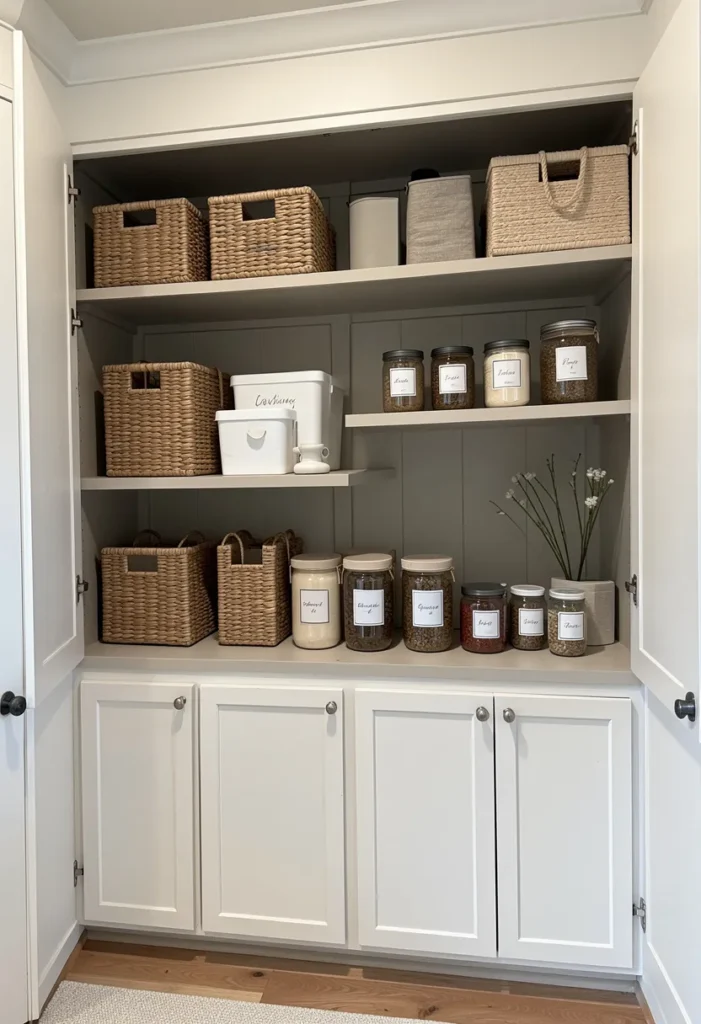
Storage solutions should blend with your design style. Open shelves, cabinets, and hidden storage should feel consistent across rooms.
Using similar materials and finishes ensures they don’t stand out awkwardly. Balanced storage keeps your home organized while maintaining visual harmony. It also prevents clutter, which can disrupt cohesion.
12. Incorporate Repeating Patterns
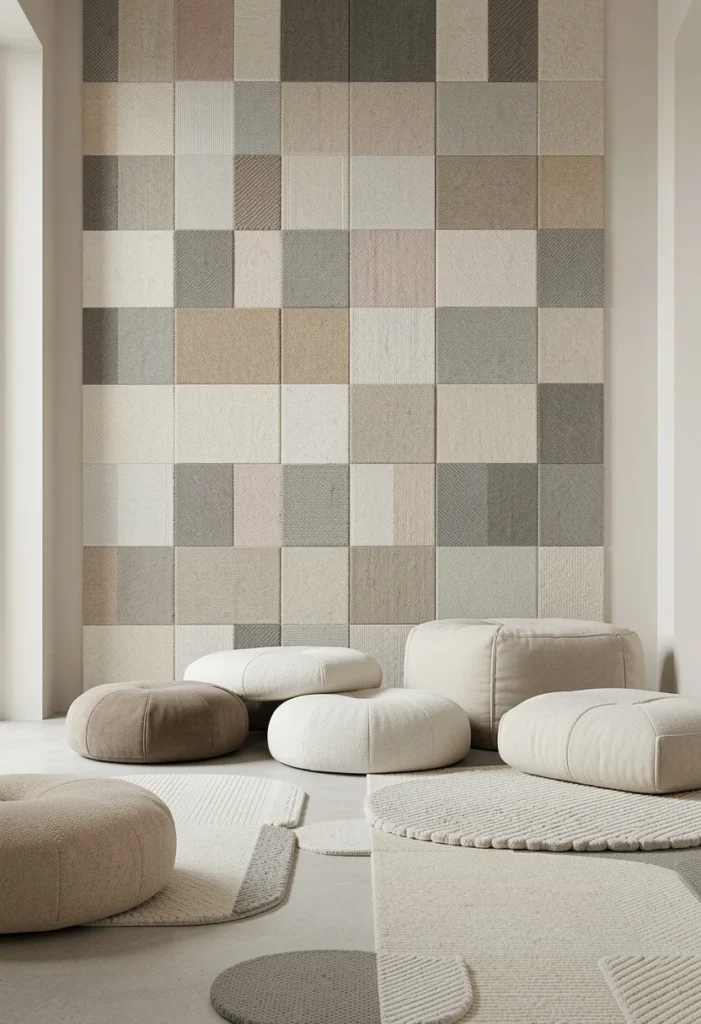
Patterns can unify your home when used thoughtfully. Repeating similar patterns in textiles, rugs, or wallpaper creates visual rhythm.
This doesn’t mean identical patterns everywhere variations work as long as they feel related. Patterns add interest while maintaining consistency. They help tie different elements together in a subtle way.
13. Keep Transitions Smooth
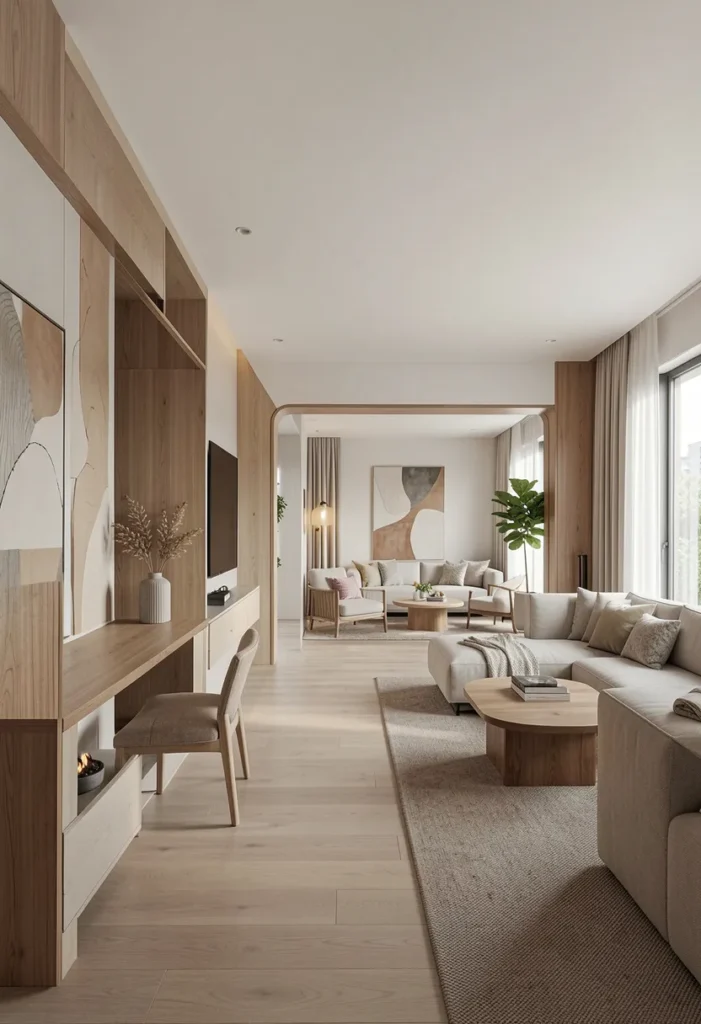
Transitions between rooms should feel natural, not abrupt. Designers use gradual changes in color, lighting, or decor to connect spaces.
Avoid drastic shifts that make rooms feel disconnected. Instead, blend elements from one space into the next. Smooth transitions create a sense of continuity throughout your home. This makes your space feel more relaxing and well-planned.
14. Stay True to Your Personal Style
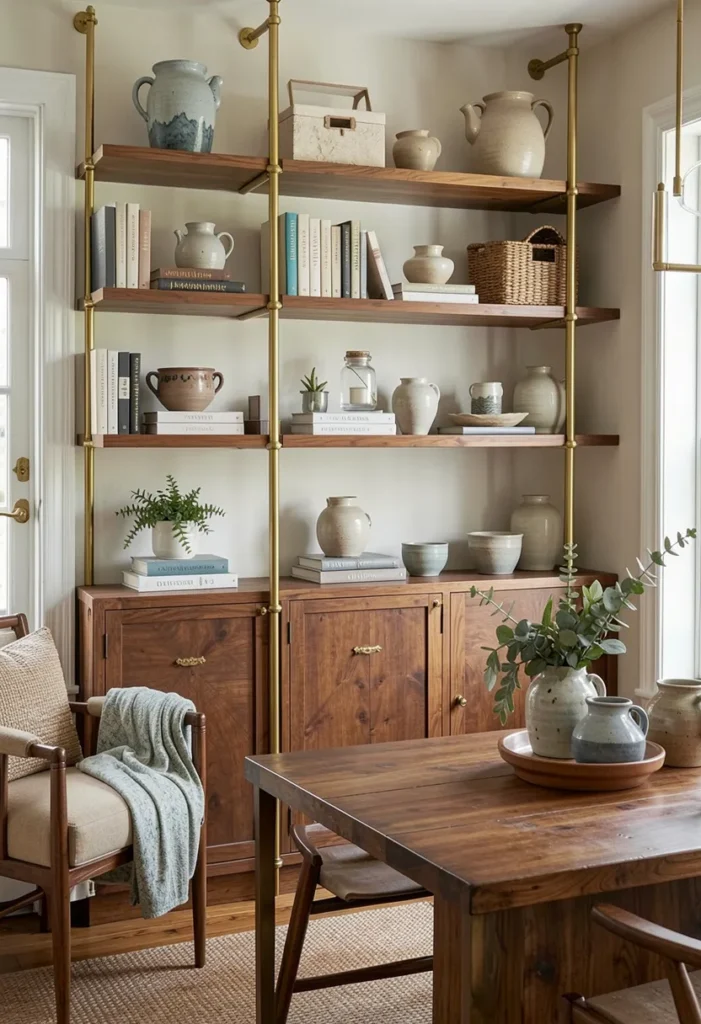
Finally, cohesion doesn’t mean losing your personality. Your home should reflect your taste while maintaining harmony. Choose items you love, but ensure they fit within your overall design direction. Personal touches add warmth and authenticity.
Balancing personal style with design principles creates a home that feels both unique and cohesive. This is what truly makes a space feel complete.
Final Words
Creating a cohesive home style is all about intention and consistency. It’s not about making every room look the same, but about ensuring each space connects visually and feels like part of a larger whole. By focusing on elements like color, materials, furniture style, and flow, you can bring harmony into your home without sacrificing personality.