How To Decorate With Books Like a Designer
Books are more than just reading material they are powerful design tools that add personality, texture, and warmth to any space. Learning How To Decorate With Books Like a Designer means seeing them as both functional and decorative elements. From coffee tables to built-in shelves, books can create height, structure, and visual balance when styled thoughtfully.
Designers often use books to introduce color, layer accessories, and tell a story about the people who live in the home. Instead of simply lining them up on a shelf, they stack, rotate, and mix them with objects like vases, sculptures, and greenery. The key is intentional placement and balance.
1. Create Structured Stacks for Height and Balance
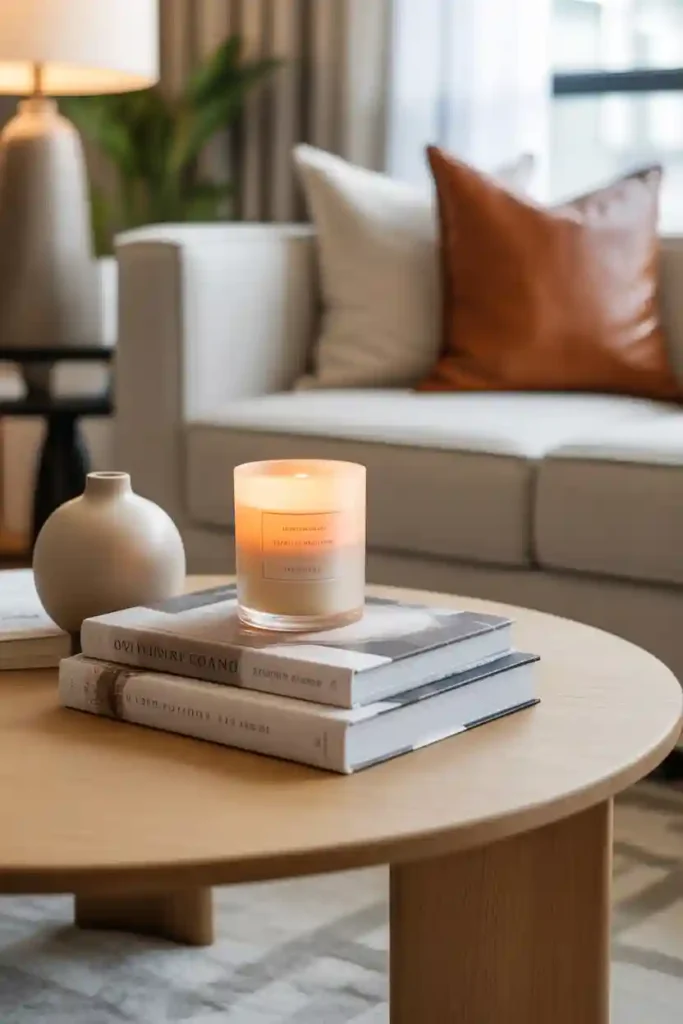
One of the easiest ways to master How To Decorate With Books Like a Designer is by creating intentional stacks. Instead of placing books upright in a single row, try stacking them horizontally in groups of two to five. This instantly adds dimension and allows you to vary height across a surface. Stacked books work beautifully on coffee tables, consoles, nightstands, and shelves. The key is to keep the stacks tidy and aligned. Choose books with complementary colors or similar themes to maintain cohesion. You can also remove bright dust jackets for a softer, more neutral appearance.
Designers often place a decorative object on top of a stack such as a candle, small plant, or sculptural piece. This layering technique creates depth and keeps the styling from feeling flat. Structured stacks add rhythm to a room. When balanced across the space, they feel curated rather than cluttered, making your decor look polished and intentional.
2. Mix Vertical and Horizontal Placement
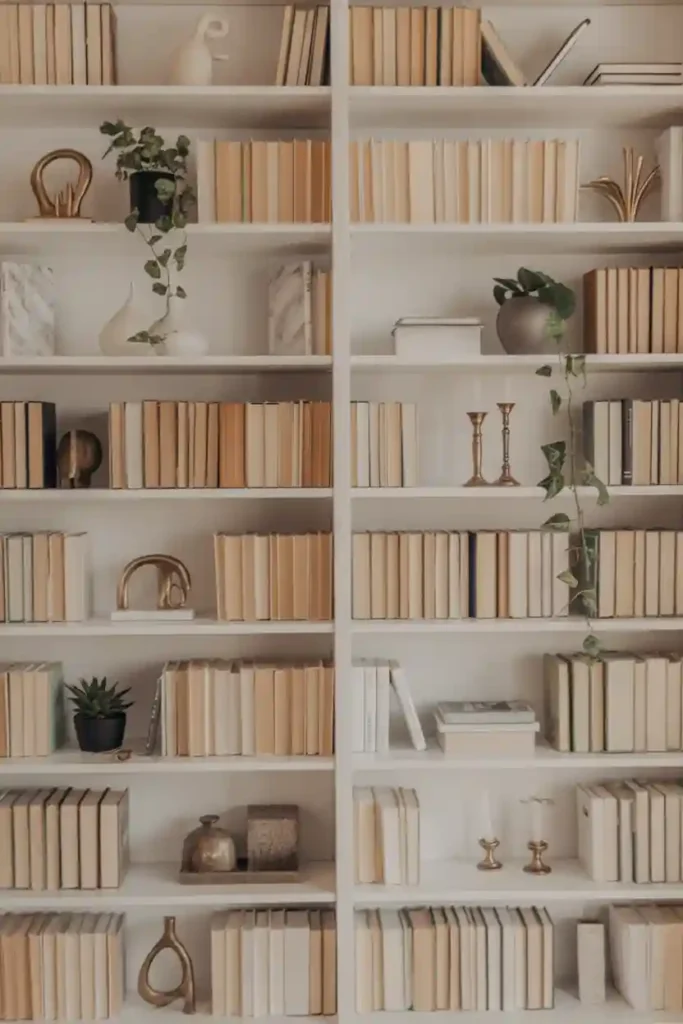
Variety is essential when learning How To Decorate With Books Like a Designer. Combining vertical and horizontal arrangements prevents shelves from looking rigid or overly symmetrical. Place some books upright with stylish bookends to create structure. Next to them, add a horizontal stack to break up the line. This combination creates visual movement and keeps the eye engaged.
Avoid overcrowding shelves. Leave small pockets of empty space to allow each section to breathe. Negative space is just as important as the books themselves. When mixing orientations, maintain balance by distributing similar colors or sizes throughout the shelf. This creates harmony even with varied placement. The result is a bookshelf that feels layered, dynamic, and professionally styled rather than stiff or overly organized.
Read Also: How To Mix Metals In Decor Without Clashing
3. Use Books as a Base for Decorative Objects
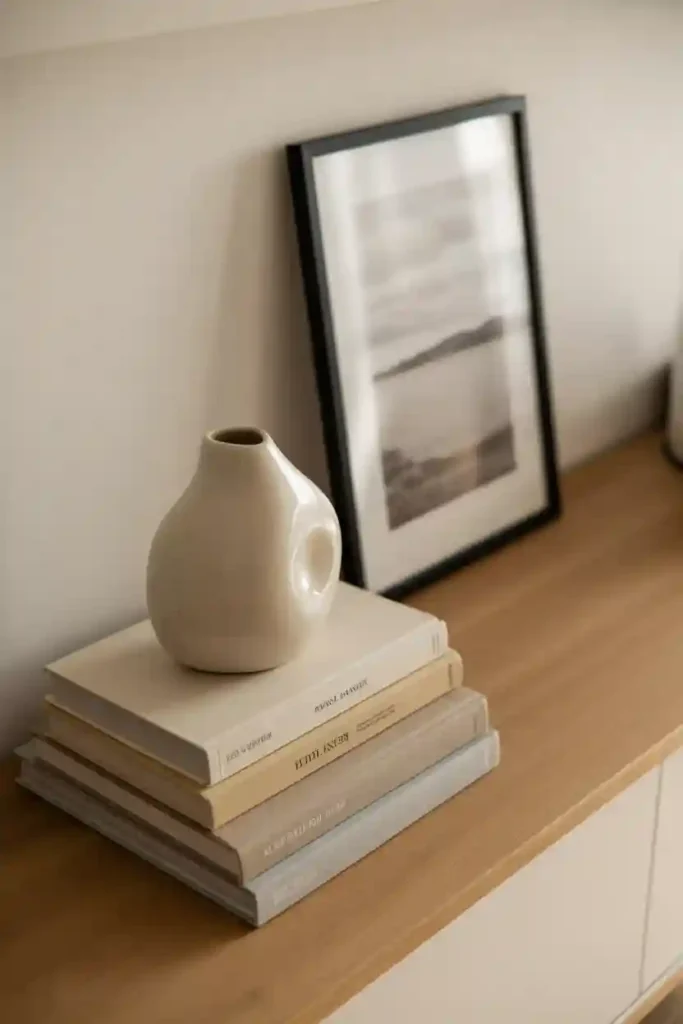
Designers often treat books as decorative platforms. Understanding How To Decorate With Books Like a Designer means using them as foundations for styling. Stacked books provide height and stability for objects like vases, sculptures, framed photos, or candles. This layering technique creates dimension and draws the eye upward.
Choose books with cohesive spine colors to avoid visual clutter. Neutral, monochromatic, or tonal groupings work especially well. The object placed on top should contrast slightly in texture or shape to add interest. For example, a smooth ceramic vase looks beautiful atop linen-covered books. A brass object adds warmth when placed on darker spines. Using books as bases elevates small accessories and makes styling feel intentional. This simple method instantly upgrades coffee tables, consoles, and nightstands.
4. Color Coordinate for a Cohesive Look
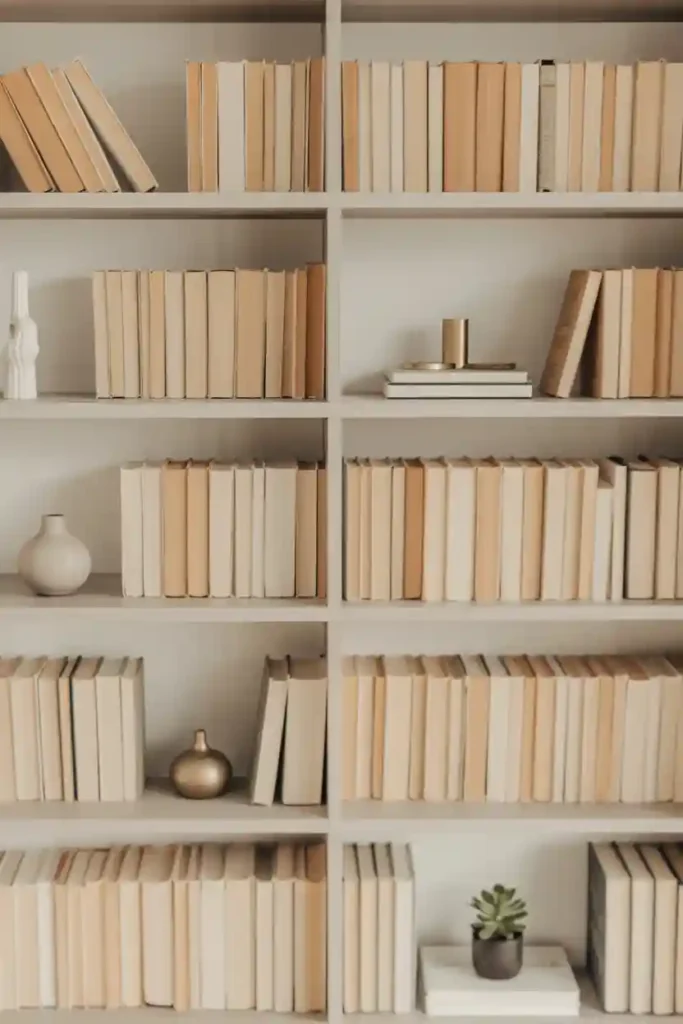
Color coordination is a refined approach to How To Decorate With Books Like a Designer. Organizing books by color creates a clean, visually pleasing display. You can group books in tonal sections such as whites, beiges, blues, or earth tones to maintain harmony. This works especially well in minimalist or modern spaces where visual calm is important.
Alternatively, choose a dominant color palette that matches your room’s decor. For example, if your space features warm neutrals, select books with cream, tan, and muted brown spines. Avoid overly bright or clashing covers unless they fit your overall aesthetic. Removing dust jackets can create a more cohesive appearance if needed. Color coordination brings order and elegance to shelves while still showcasing personality. The result feels curated and thoughtful rather than random.
5. Style Coffee Table Books with Intention
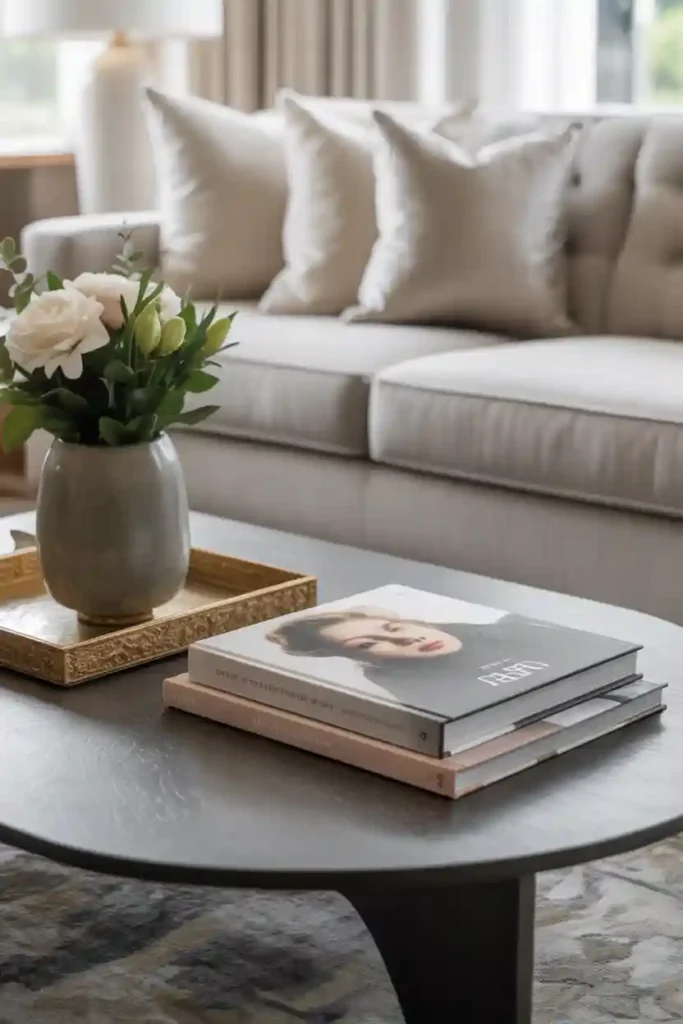
Coffee table books are essential when learning How To Decorate With Books Like a Designer. These oversized books are both functional and decorative. Place one large book as a base, then add one or two smaller ones on top for dimension. Keep the stack centered or slightly offset depending on the table shape.
Balance the books with complementary objects, such as a decorative tray, floral arrangement, or sculptural bowl. The arrangement should feel balanced but not overly symmetrical. Leave some open surface space so the table doesn’t appear crowded. The books should anchor the display rather than overwhelm it. Thoughtfully styled coffee table books make your living space feel sophisticated and curated, creating a focal point that feels both practical and beautiful.
6. Incorporate Books Into Unexpected Spaces
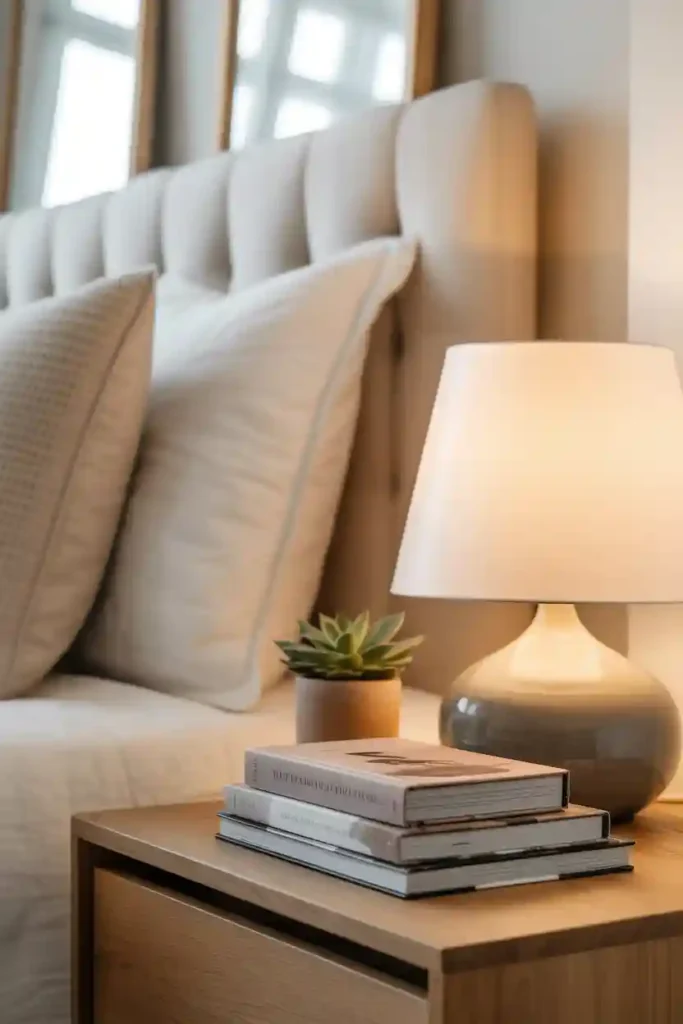
A designer approach to How To Decorate With Books Like a Designer includes placing books beyond traditional shelves. Think nightstands, kitchen counters, entryway consoles, or even bathroom shelves. In a bedroom, a small stack on a nightstand paired with a lamp creates warmth and personality. In an entryway, books beneath a decorative bowl add structure and height.
Bathrooms can feel elevated with a small stack of neutral-toned books on open shelving. Just ensure they’re kept away from moisture. Using books in unexpected places makes your home feel lived-in and layered. It also creates visual continuity when similar tones or themes appear throughout different rooms. This thoughtful placement transforms everyday spaces into curated, designer-inspired environments.
Final Words
Learning How To Decorate With Books Like a Designer is about balance, layering, and intention. By stacking thoughtfully, mixing orientations, using books as decorative bases, coordinating colors, styling coffee tables, and incorporating books into unexpected areas, you can elevate your space effortlessly.