

13 Minimal Living Room Ideas That Feel Cozy
Creating a living room that feels both minimal and cozy is all about balance. Minimal design focuses on simplicity, clean lines, and uncluttered spaces, while coziness brings warmth, comfort, and personality into the room. When combined thoughtfully, these two styles create a peaceful environment that feels inviting without appearing crowded or overwhelming. A minimal living room does not have to feel cold or empty the right textures, colors, and furniture choices can make the space feel warm and relaxing.
By using soft lighting, natural materials, and carefully selected decor, you can achieve a comfortable atmosphere that still looks clean and modern. The key is choosing quality over quantity and allowing each piece to serve a purpose. These minimal living room ideas will help you design a calm and welcoming space that feels stylish, functional, and effortlessly cozy.
1. Soft Neutral Color Palette
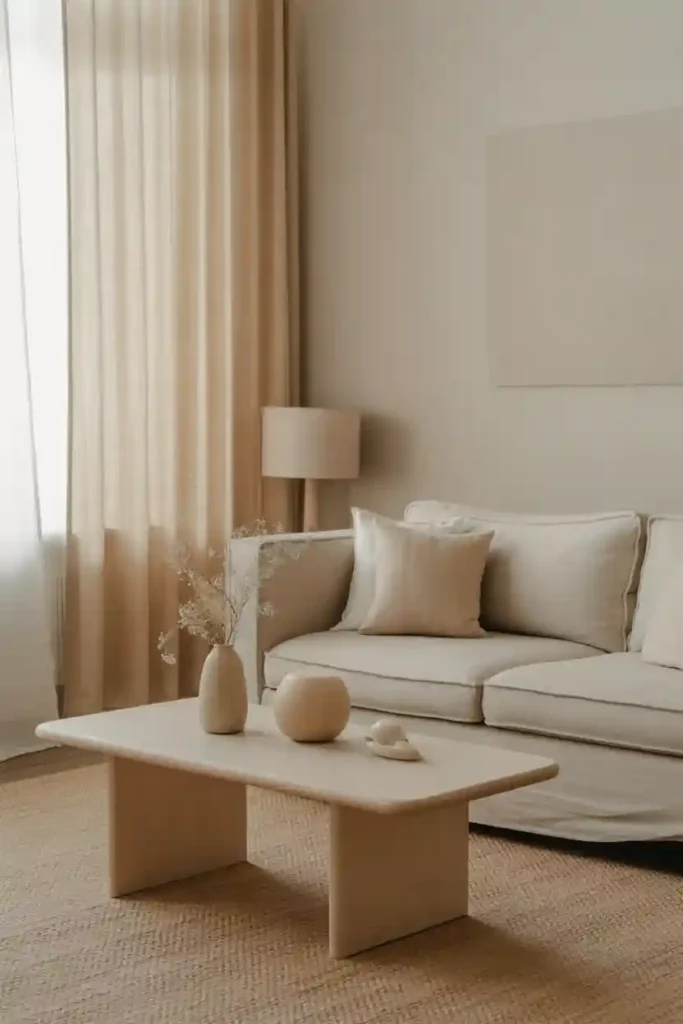
A soft neutral color palette is one of the easiest ways to create a minimal living room that still feels warm and welcoming. Shades like warm white, beige, soft gray, and light taupe provide a calm foundation while making the space feel bright and open. Neutral tones reduce visual clutter and help the room feel peaceful and organized. Instead of using many bold colors, focus on layering similar tones. A cream sofa paired with off-white walls and a light wood coffee table creates subtle contrast without overwhelming the space. Soft neutral palettes also allow textures to stand out more clearly, which adds depth without adding clutter.
You can introduce warmth with linen curtains, wool throws, or cotton cushions. These simple additions make the room feel lived-in and comfortable while maintaining a clean look. Minimal artwork and simple decorative pieces help keep the room balanced. A single framed print or a ceramic vase works better than many small items.
2. Warm Lighting Layers
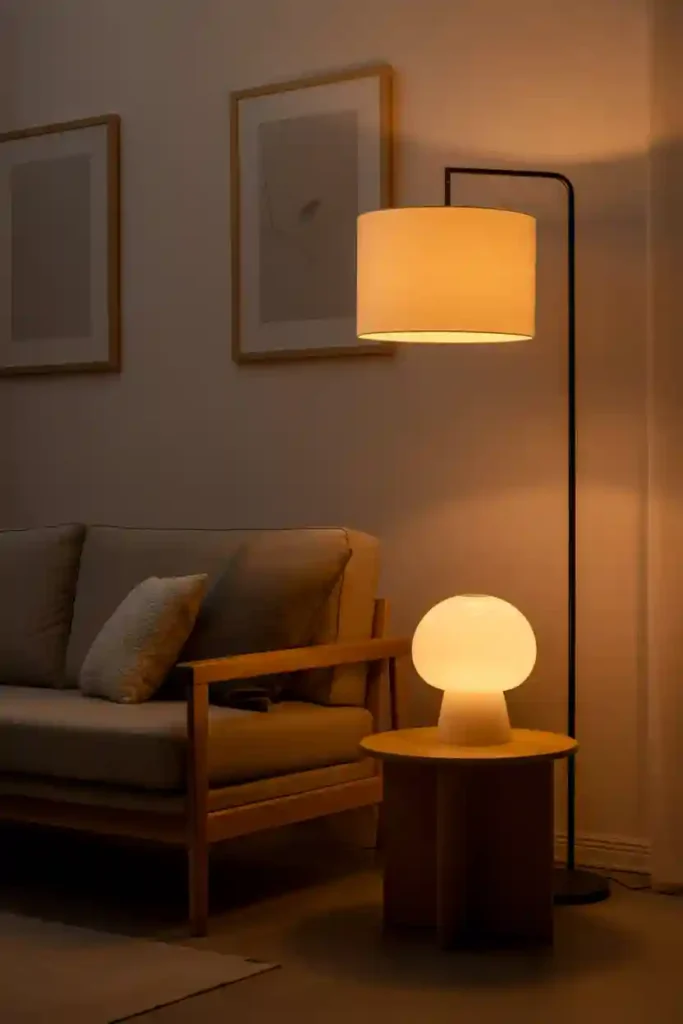
Lighting plays a major role in making a minimal living room feel cozy instead of cold. A single bright ceiling light can make the space feel harsh, while layered lighting creates a soft and inviting atmosphere. Start with a gentle overhead light that provides general illumination. Then add table lamps or floor lamps with warm bulbs to create a relaxing glow. Warm lighting makes neutral colors appear softer and more comfortable.
Soft lighting is especially important in the evening when you want the living room to feel relaxing. A simple fabric lampshade helps diffuse light and creates a gentle mood. Avoid using too many fixtures. Instead, choose two or three well-placed lights that provide both function and style. Warm lighting enhances textures like wood, wool, and linen, making the room feel naturally cozy without adding extra decoration.
Read Also; 16 Laundry Room Design Trends to Watch
3. Comfortable Simple Sofa
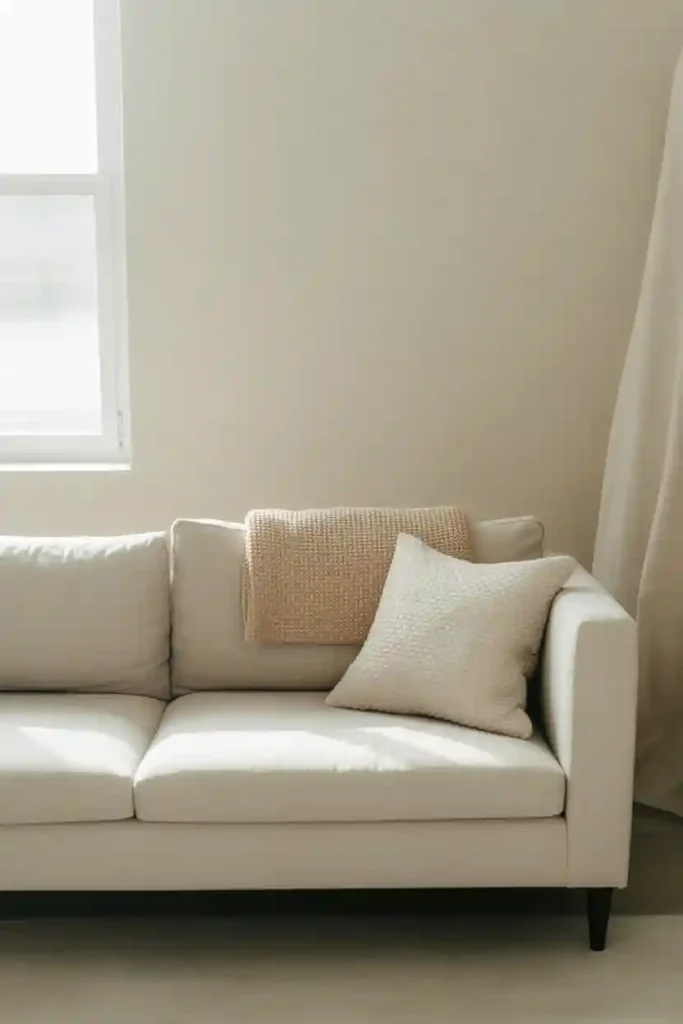
The sofa is usually the main feature of a living room, so choosing a comfortable but simple design is essential. A clean-lined sofa in a neutral color keeps the room looking minimal while still providing a cozy place to relax. Avoid overly decorative styles or bright patterns. A plain fabric sofa in beige, gray, or cream blends easily with minimal decor and creates a calm appearance.
Comfort is just as important as style. Soft cushions and supportive seating make the room feel welcoming and practical for everyday use. Add one or two textured throw pillows to introduce warmth without clutter. A soft blanket folded over the armrest also adds a cozy touch. Choosing a medium-sized sofa helps maintain open space while still offering enough seating. A simple sofa allows the rest of the room to feel balanced and uncluttered.
4. Natural Wood Elements
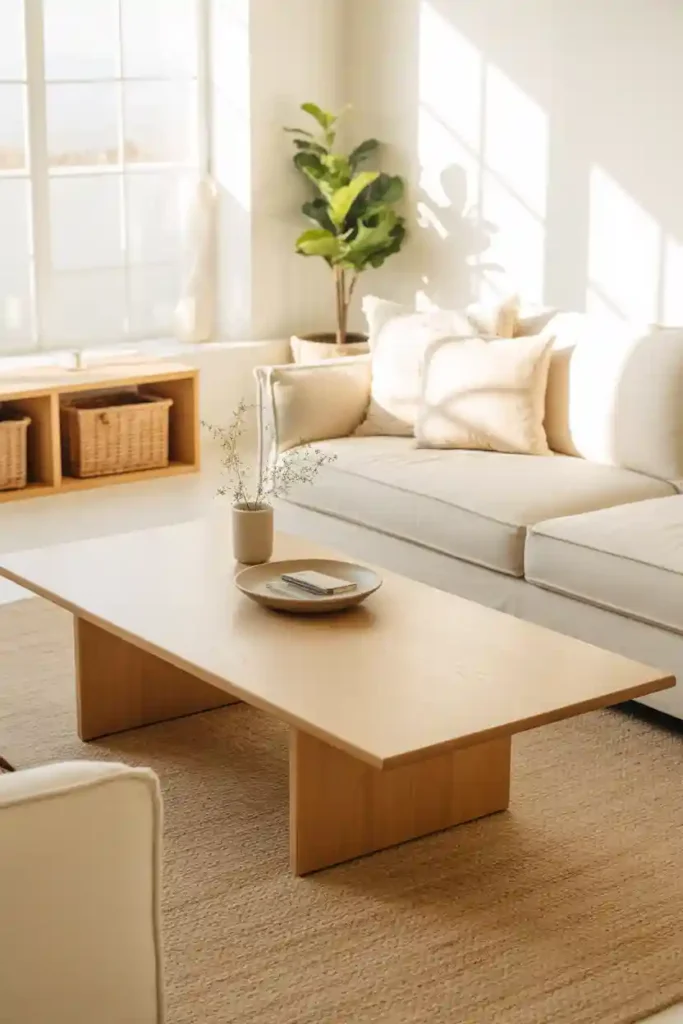
Natural wood instantly adds warmth to a minimal living room. Light or medium wood tones help soften clean lines and bring a natural feeling into the space. A wooden coffee table, side table, or shelving unit can become a subtle focal point. The natural grain of wood adds texture without making the room feel busy.
Wood works especially well with neutral colors. A pale oak table paired with a cream sofa creates a relaxed and balanced look. Avoid using too many wood pieces in different finishes. Keeping the tones consistent helps maintain a calm and simple appearance. Even small touches like a wooden tray or picture frame can make a difference. Natural materials help a minimal space feel grounded and comfortable.
5. Soft Textured Rugs
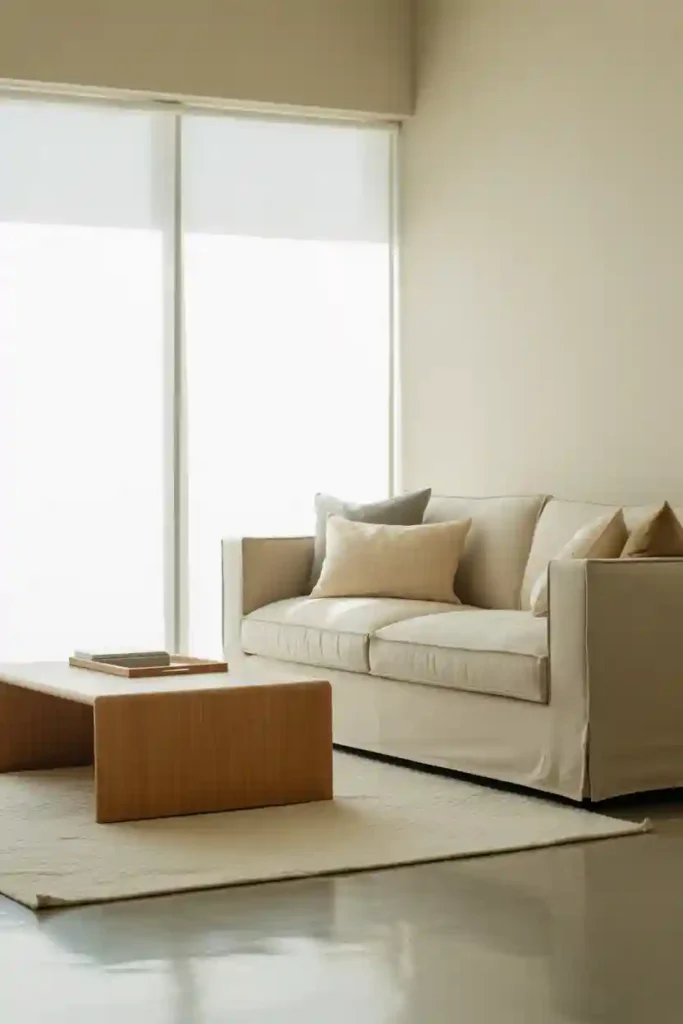
A soft rug makes a minimal living room feel warmer and more comfortable. Rugs help define the seating area and add visual softness to the space. Choose simple patterns or solid colors that match the overall palette. Neutral rugs in cream, beige, or light gray work especially well.
Textures like wool or cotton add warmth without making the room feel crowded. A plush rug also makes the space feel more inviting. Keep the design simple to maintain a minimal look. Avoid bold patterns that draw too much attention. A properly sized rug helps anchor the furniture and creates a balanced layout. Soft rugs make the living room feel cozy while still keeping the design clean and simple.
6. Decluttered Surfaces
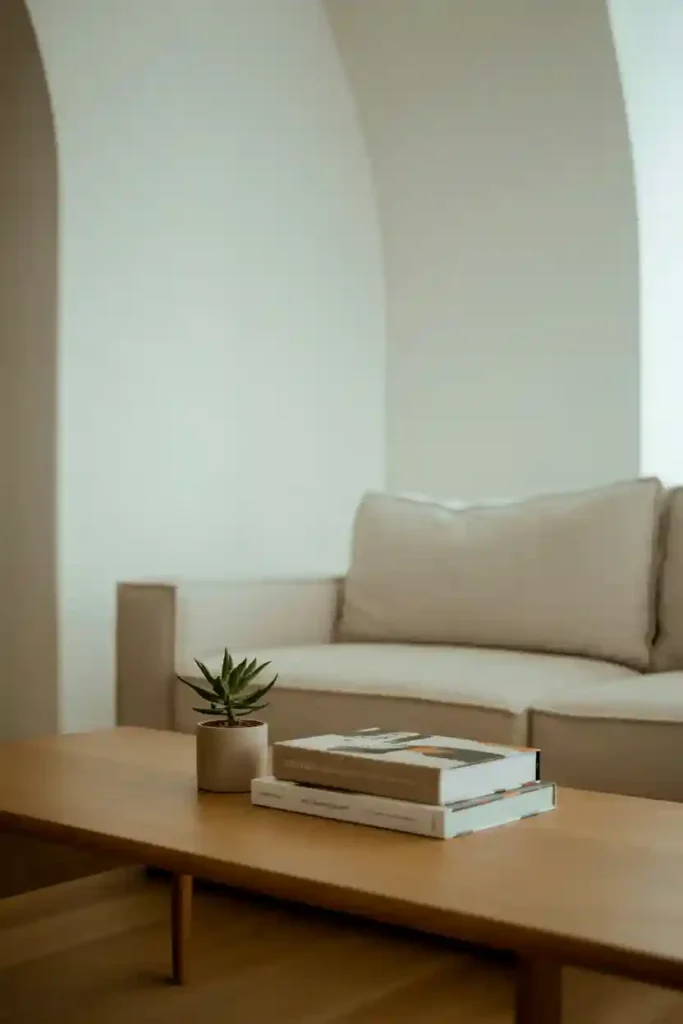
Minimal living rooms feel calm because surfaces are kept clean and uncluttered. Coffee tables, shelves, and side tables should only display a few meaningful items. Instead of many small decorations, choose two or three larger pieces. A stack of books, a candle, or a small plant works well.
Keeping surfaces clear makes the room easier to maintain and visually relaxing. Storage baskets or cabinets can help hide everyday items and keep the room organized. Decluttering does not mean removing personality. Carefully selected items still allow the room to feel personal and welcoming. Simple arrangements create a peaceful and balanced look.
7. Cozy Throw Blankets
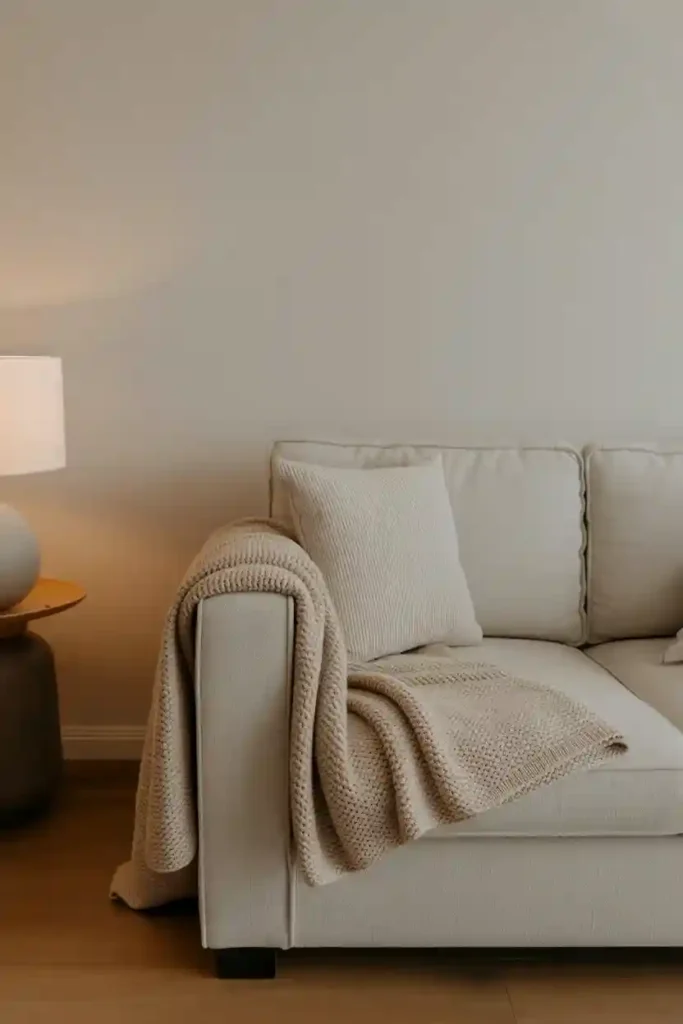
Throw blankets are one of the easiest ways to make a minimal living room feel instantly warmer and more inviting. In a simple space where decoration is limited, soft textiles become especially important. A carefully chosen throw blanket can add both comfort and visual interest without disrupting the clean look of the room. Neutral tones such as cream, warm beige, soft gray, or muted earth colors work best in minimal interiors. These shades blend naturally with the rest of the room while still adding gentle contrast. The goal is to enhance the space rather than dominate it.
Texture plays a big role in making a minimal room feel cozy. Knit blankets, woven cotton throws, or light wool fabrics create a soft layered look that feels relaxed and welcoming. Draping a blanket loosely over the sofa or folding it neatly on the armrest creates a natural appearance. Avoid using too many blankets at once. One or two well-chosen pieces will maintain the minimal style while adding warmth. A simple throw blanket makes the room feel lived-in and comfortable without creating clutter.
8. Simple Wall Art
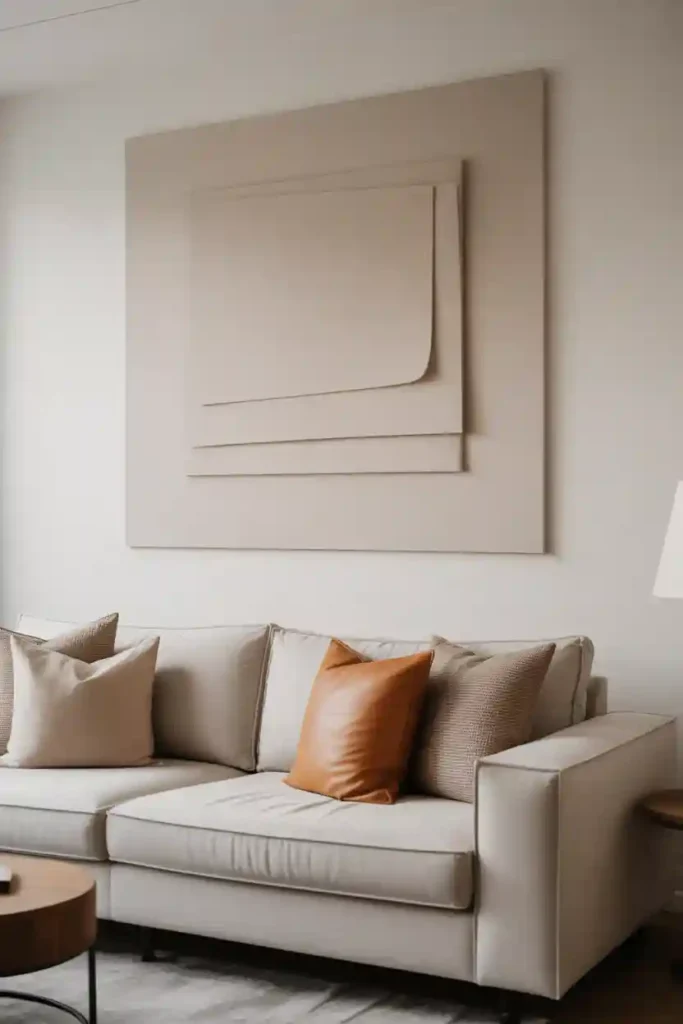
Wall art helps bring personality into a minimal living room while keeping the design clean and uncluttered. Instead of filling the walls with many decorations, minimal design focuses on a few carefully selected pieces that create balance and harmony. One large artwork often works better than a gallery wall in a minimal space. A single oversized print or painting creates a calm focal point without overwhelming the room. Simple abstract designs, soft landscapes, or line drawings are ideal choices because they maintain a peaceful atmosphere.
Neutral or muted colors help the artwork blend naturally with the rest of the room. Black and white prints or soft earthy tones work especially well with minimal decor. Leaving some empty wall space is just as important as adding art. Blank areas allow the room to feel open and breathable. Simple frames in wood, white, or black finishes keep the overall look consistent and clean. Minimal wall art helps complete the room while preserving a cozy and relaxed feeling.
9. Indoor Plants
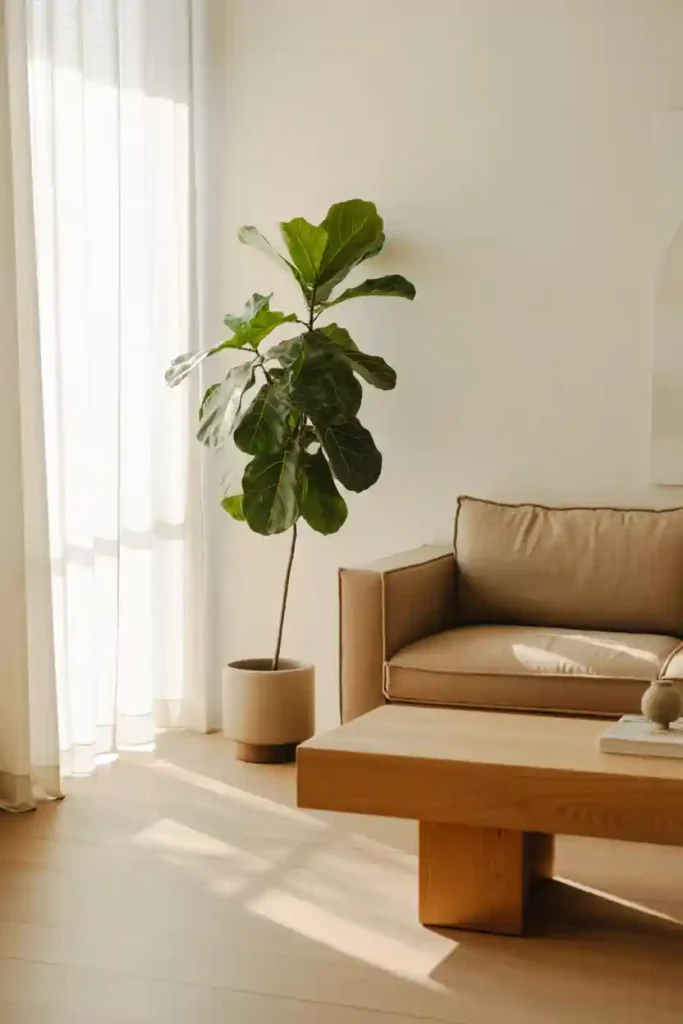
Indoor plants are a perfect addition to a minimal living room because they add life and freshness without making the space feel crowded. Natural greenery creates a calm and welcoming environment while maintaining simplicity. A single medium or large plant can make a strong visual impact. Placing a plant near a window allows it to receive natural light while also enhancing the room’s atmosphere. Plants soften sharp edges and straight lines often found in minimal interiors.
Choose plants with simple shapes and clean leaves for the best results. Tall leafy plants or compact potted plants both work well depending on the available space. Neutral pots made of ceramic, clay, or simple matte finishes maintain the minimal style. Avoid overly decorative containers that draw too much attention. Plants also make the room feel more comfortable and lived-in without adding unnecessary objects. Even one well-placed plant can transform a simple living room into a warm and inviting space.
10. Light Curtains
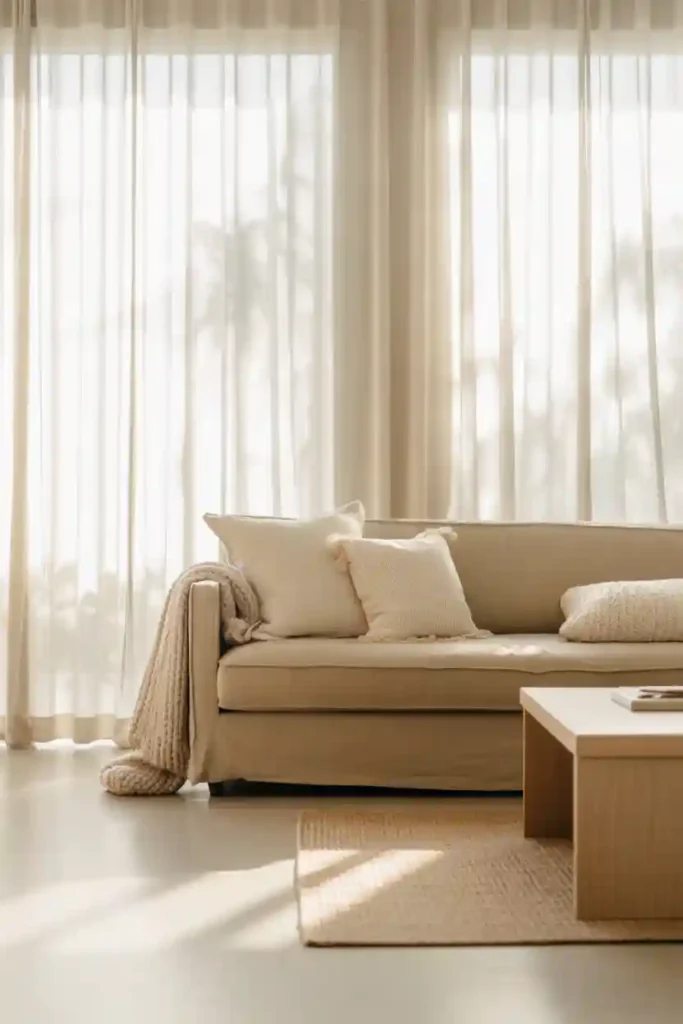
Light curtains help create a soft and peaceful atmosphere in a minimal living room. They allow natural light to flow into the space while maintaining privacy and comfort. Natural light makes a room feel larger, brighter, and more welcoming. Sheer fabrics or lightweight linen curtains work especially well in minimal interiors. These materials create a gentle and airy feeling that complements simple furniture and neutral colors.
Curtains in soft shades such as white, cream, or light beige blend easily with most color palettes. Neutral curtains help maintain a calm appearance and avoid visual distractions. Simple curtain styles without heavy patterns or decorative details support a clean and uncluttered look. Straight panels that fall naturally from ceiling to floor create an elegant and relaxed effect.
11. Low Profile Furniture
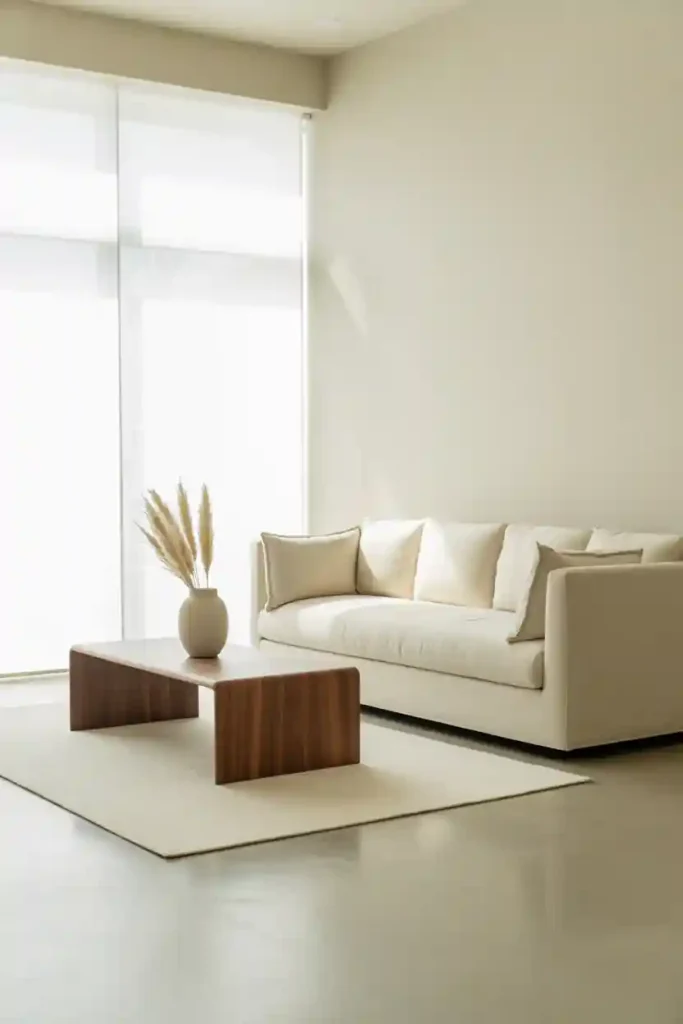
Low profile furniture is a great way to make a minimal living room feel calm, open, and comfortable. Furniture that sits closer to the floor creates a relaxed atmosphere and helps the room appear more spacious. This style works especially well in minimal interiors because it keeps the visual lines simple and uncluttered. A low sofa paired with a simple coffee table creates a balanced and grounded look. The lower height allows more wall space to remain visible, which makes the room feel lighter and less crowded. This approach is especially helpful in small living rooms where openness is important.
Choose furniture with clean lines and simple shapes. Avoid bulky or oversized pieces that take up too much visual space. Smooth fabrics and neutral colors help maintain a peaceful appearance. Low furniture also encourages a relaxed lifestyle and makes the room feel more inviting. Keeping the arrangement simple allows each piece to stand out without overwhelming the space. Low profile furniture supports both comfort and minimal style.
12. Cozy Reading Corner
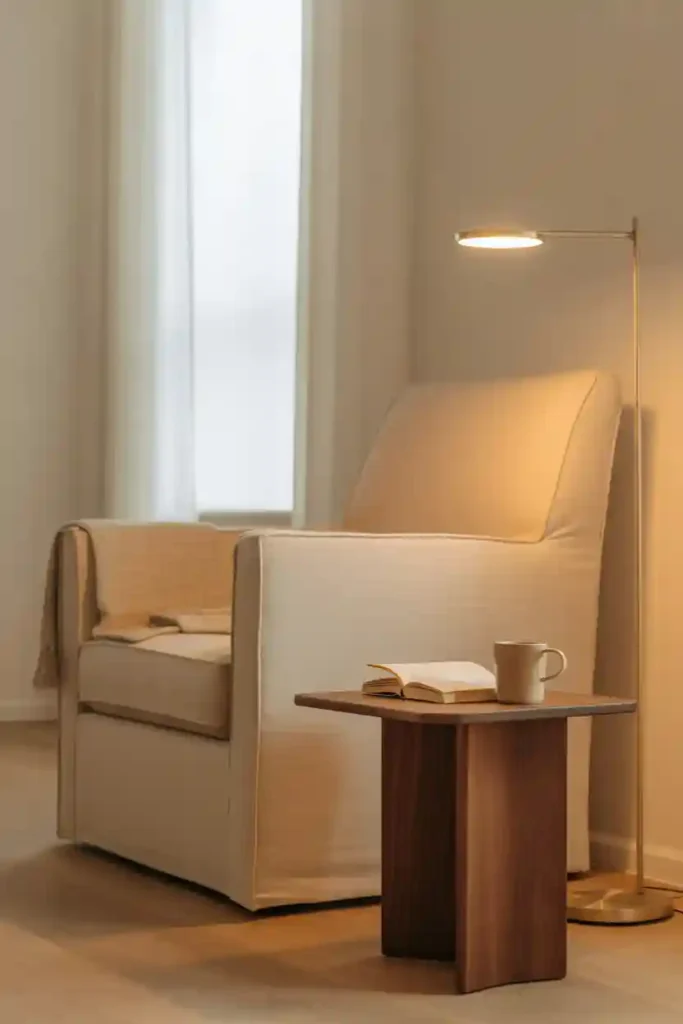
A cozy reading corner adds warmth and function to a minimal living room without creating clutter. Even a small unused corner can become a relaxing space with just a few carefully chosen elements. Start with a comfortable chair in a neutral fabric. A soft cushion or small throw blanket makes the chair more inviting while maintaining simplicity. The goal is to create a quiet space that encourages relaxation.
A small side table can hold a book or a cup of tea while keeping the area practical. A simple floor lamp or table lamp provides soft lighting that makes the corner comfortable in the evening. Keep decorations minimal so the space feels calm rather than crowded. A small stack of books or a single decorative object is enough. Position the reading corner near a window if possible. Natural light makes the area more pleasant during the day. A reading corner adds personality and comfort while preserving a minimal look.
13. Balanced Furniture Layout
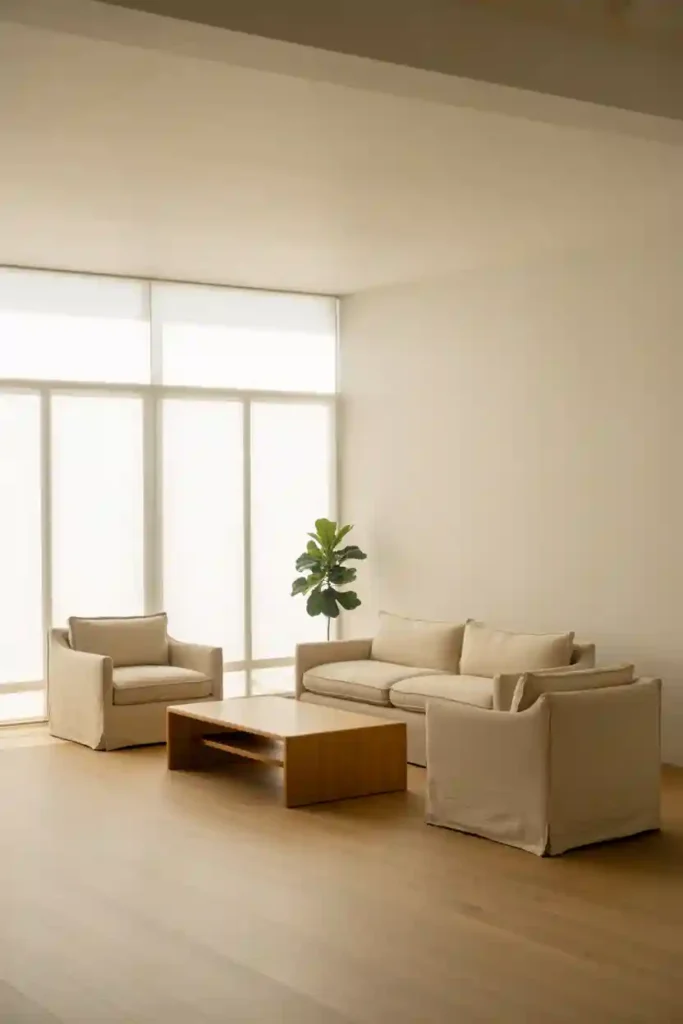
A balanced furniture layout is essential for creating a minimal living room that feels both cozy and functional. The way furniture is arranged can make a big difference in how comfortable and organized the space feels. Start by choosing a main focal point such as a sofa or coffee table. Arrange other furniture pieces around this central area to create a natural flow. Keeping the layout simple helps the room feel calm and easy to move through.
Avoid overcrowding the space with too many pieces. Leaving open areas between furniture allows the room to breathe and makes it feel larger. Clear walking paths improve comfort and practicality. Symmetry can help create a peaceful atmosphere. Matching chairs or evenly spaced furniture pieces create visual balance. At the same time, slight variations keep the room from feeling too formal. A balanced layout should feel natural and relaxed. Thoughtful arrangement helps a minimal living room feel cozy without adding extra decoration.
Final Words
Creating a minimal living room that feels cozy is all about finding harmony between simplicity and comfort. By focusing on neutral colors, soft textures, natural materials, and thoughtful layouts, you can design a space that feels both inviting and uncluttered. Every element from low profile furniture and warm lighting to cozy throws and indoor plants works together to create a peaceful, functional, and stylish living room.