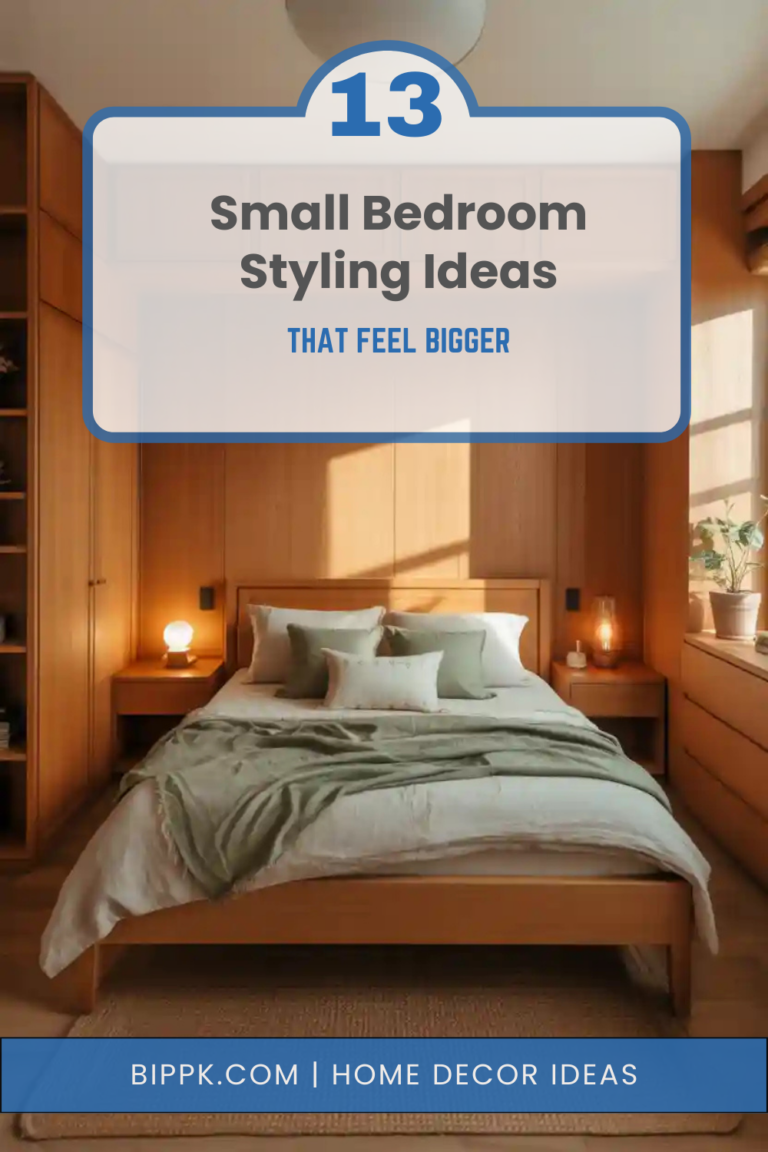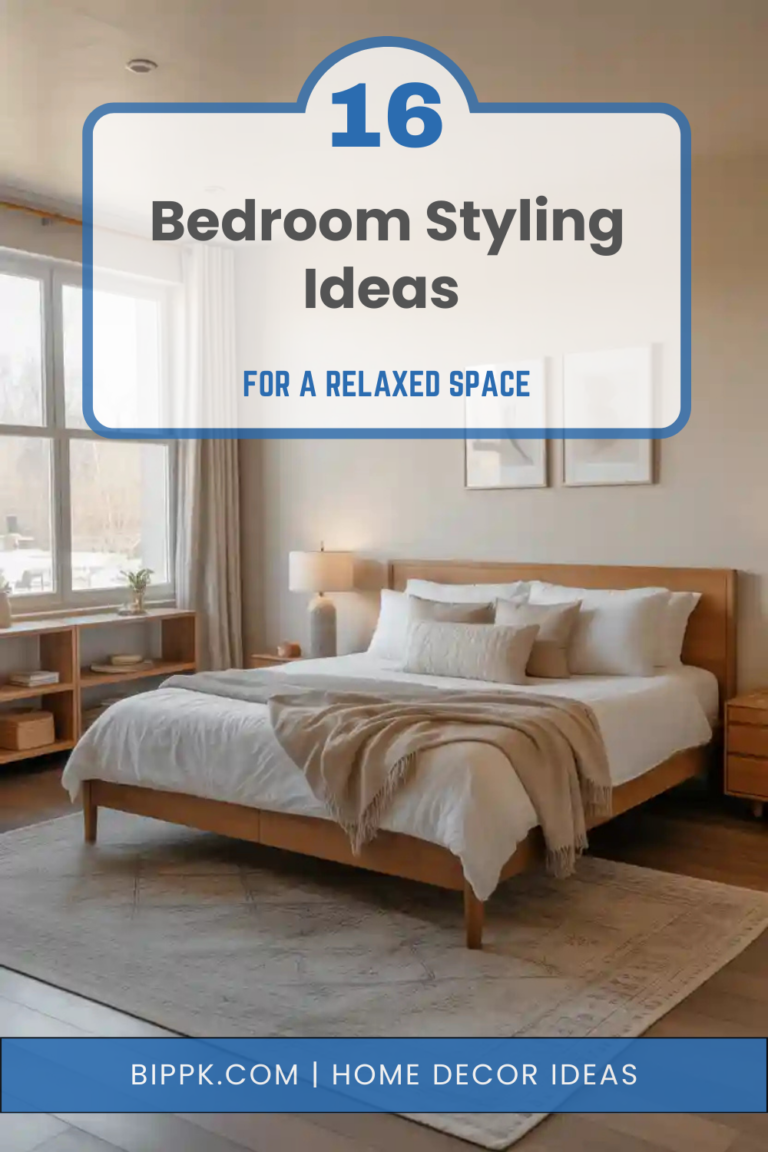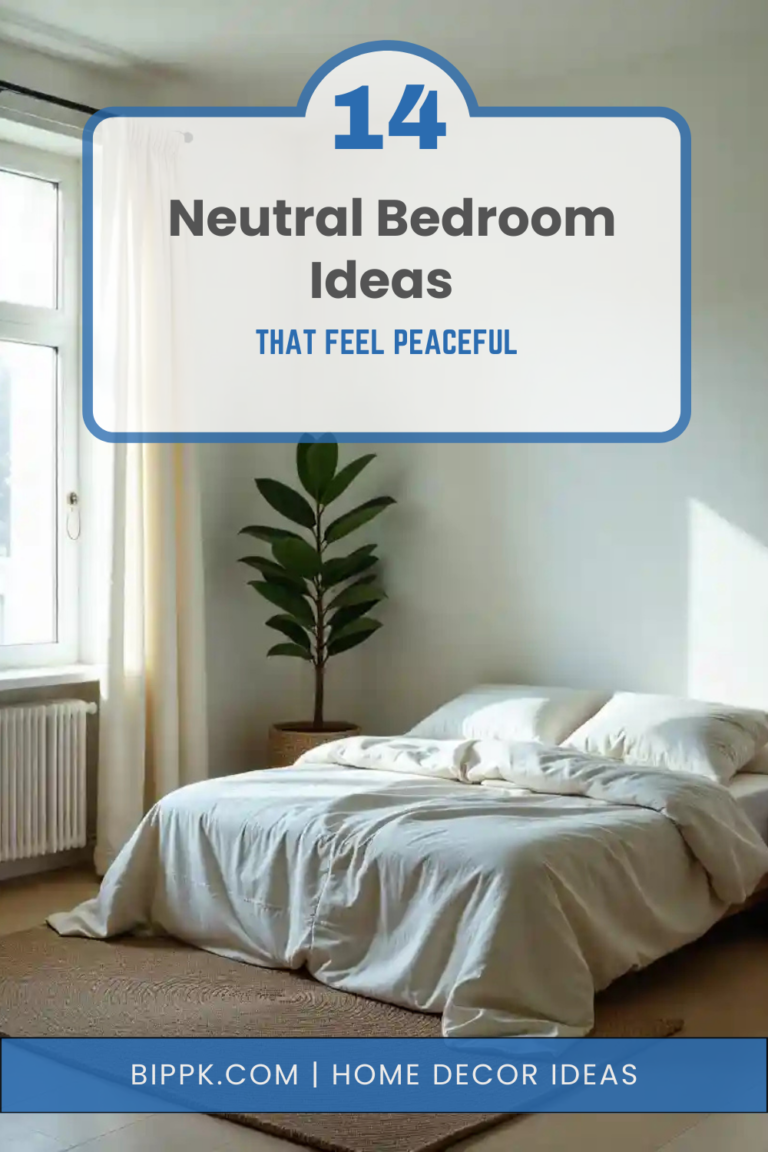
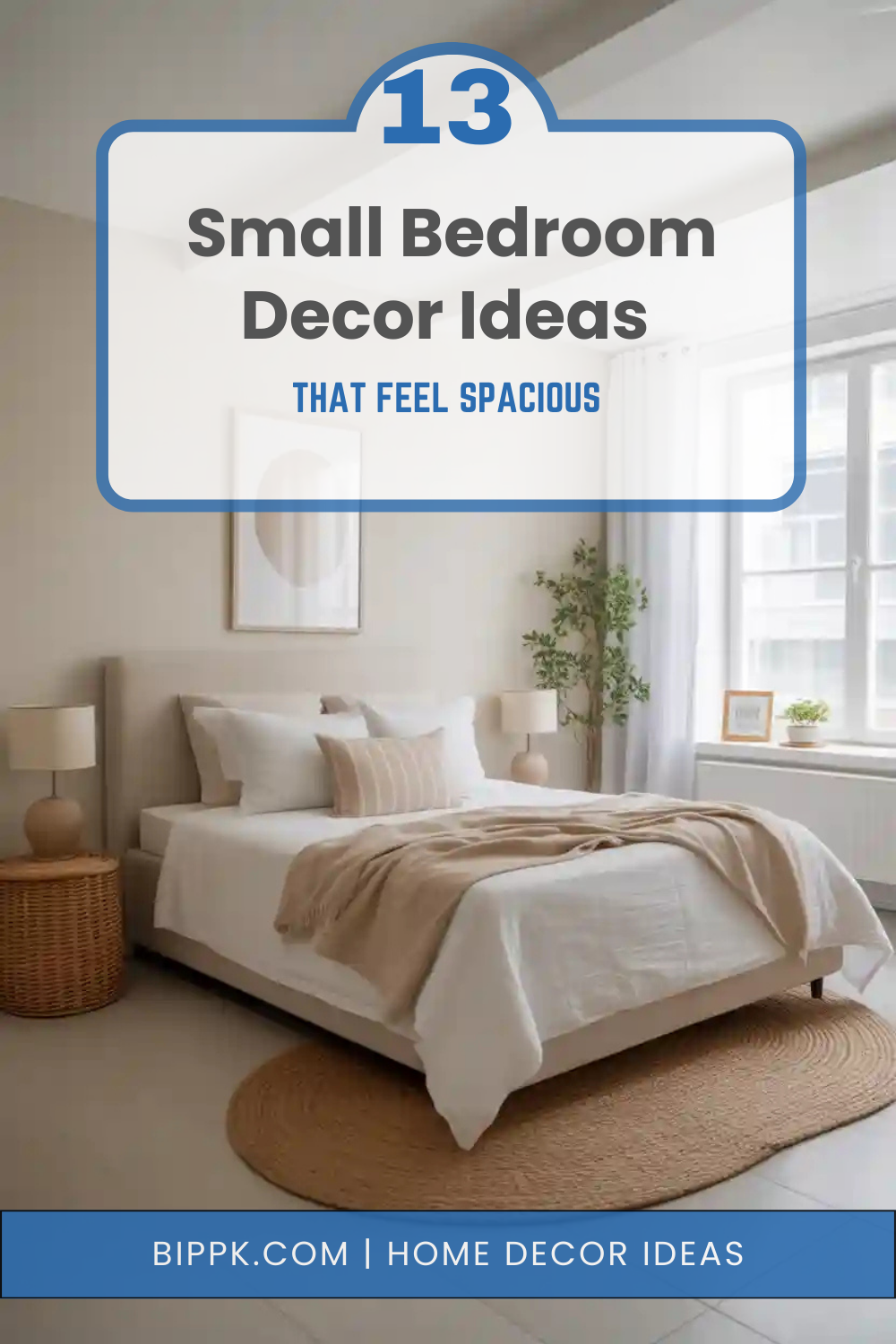
13 Small Bedroom Decor Ideas That Feel Spacious
Decorating a small bedroom can feel like solving a puzzle where every piece has to work twice as hard. Limited square footage often leads to clutter, cramped layouts, and a space that feels more stressful than restful. But the truth is, a small bedroom can feel open, airy, and surprisingly spacious with the right design choices. From clever furniture placement to light-enhancing color palettes, thoughtful decor can visually expand even the tiniest rooms.
The key lies in balancing function with simplicity—choosing elements that add comfort without overwhelming the space. Strategic use of light, mirrors, vertical storage, and soft textures can transform a compact bedroom into a cozy retreat that feels larger than it actually is. Whether you live in an apartment, studio, or small home, these ideas prove that size doesn’t limit style. Below are 13 small bedroom decor ideas that feel spacious, practical, and beautifully inviting.
1. Use Light Neutral Colors to Open Up the Room
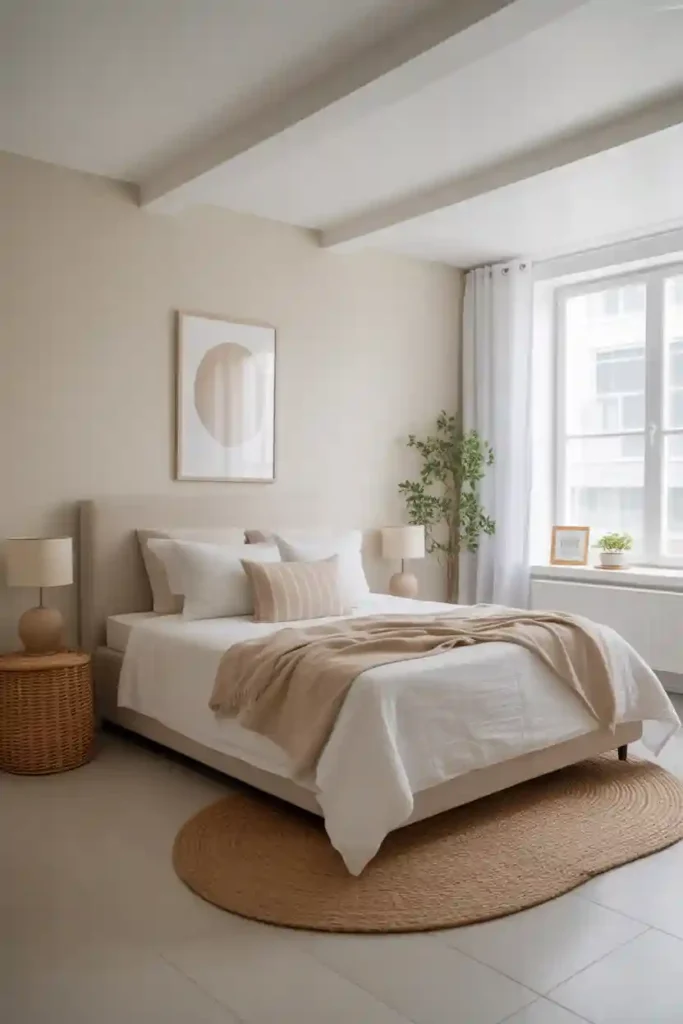
Light neutral colors are one of the most effective ways to make a small bedroom feel spacious. Shades like soft white, warm beige, pale gray, and muted pastels reflect light rather than absorb it, which helps the room feel brighter and more open. When walls, ceilings, and even larger furniture pieces stay within a similar light palette, visual boundaries soften and the space feels less boxed in.
This doesn’t mean the room has to feel boring—layering different textures like linen bedding, woven rugs, or matte finishes adds depth without heaviness. Keeping the color palette cohesive also prevents visual clutter, which is essential in a small bedroom. Even a slightly darker accent, like a light wood nightstand or soft taupe throw, can add warmth without shrinking the room. The overall goal is to create an uninterrupted flow that tricks the eye into seeing more space.
2. Choose Multi-Functional Furniture Pieces
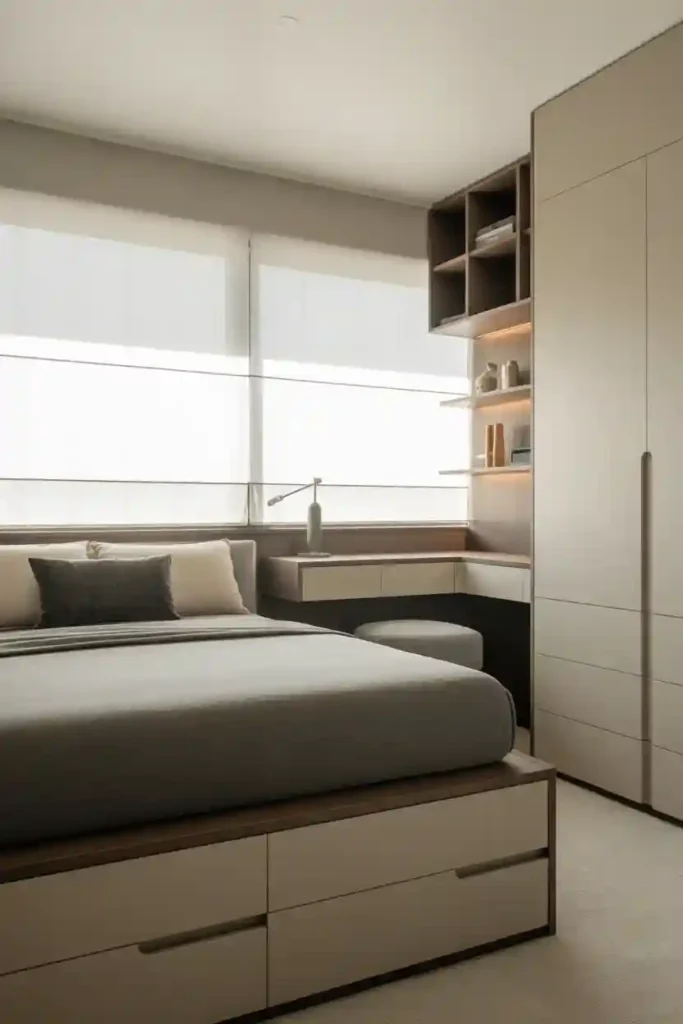
In a small bedroom, every piece of furniture should earn its place. Multi-functional furniture helps reduce clutter while maximizing usability, making the room feel more open and efficient. Beds with built-in drawers, storage ottomans, or nightstands with shelves eliminate the need for extra furniture that can crowd the floor. A desk that doubles as a vanity or a bench that provides hidden storage keeps essentials organized and out of sight.
When fewer items occupy the room, the space naturally feels larger and calmer. Opt for streamlined designs with clean lines rather than bulky, ornate pieces that visually weigh the room down. Furniture that serves more than one purpose also allows for better circulation, which is key to creating a spacious feel. The result is a bedroom that feels thoughtfully designed rather than cramped.
Read Also: 12 Apartment Styling Tips That Make a Difference
3. Maximize Vertical Space with Tall Storage

When floor space is limited, vertical space becomes your best friend. Tall wardrobes, vertical shelving, and wall-mounted cabinets draw the eye upward, making the room feel taller and more expansive. Instead of spreading storage horizontally, stacking it vertically keeps the footprint small while providing plenty of room for clothing, books, and decor.
Floor-to-ceiling shelves create a built-in look that feels intentional rather than cluttered. Keeping heavier items lower and lighter decor higher maintains visual balance. This approach also leaves more open floor area, which instantly makes a bedroom feel less crowded. Vertical storage not only solves organization issues but also enhances the overall sense of openness when styled simply.
4. Use Mirrors to Reflect Light and Space
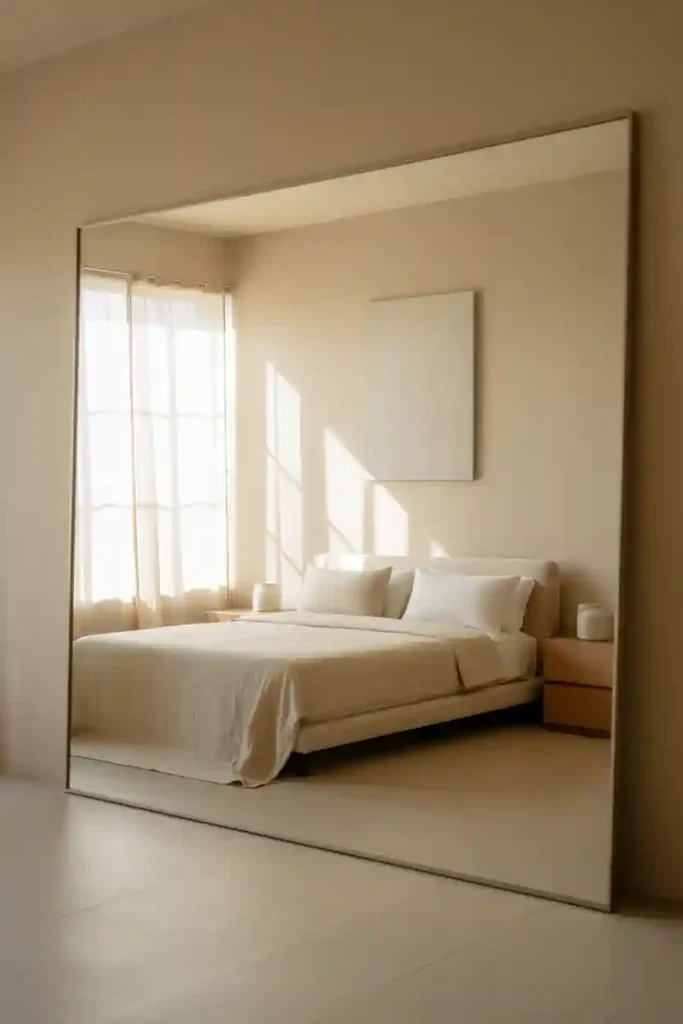
Mirrors are one of the most powerful decor tools for making a small bedroom feel spacious. When placed strategically, mirrors reflect both natural and artificial light, instantly brightening the room and creating the illusion of depth. A large wall mirror or mirrored wardrobe doors can visually double the space by reflecting the surrounding walls and furniture. Positioning a mirror opposite or adjacent to a window is especially effective, as it bounces daylight throughout the room and makes the bedroom feel more open and airy.
Even smaller bedrooms benefit from slim, minimalist mirror frames that don’t add visual bulk. Mirrors also soften sharp corners and help blur the boundaries of the room, which reduces the boxed-in feeling common in compact spaces. To keep the look cohesive, choose mirrors that complement the room’s color palette and style. When used thoughtfully, mirrors don’t just decorate—they transform a small bedroom into a brighter, more expansive retreat.
5. Keep the Layout Simple and Uncluttered
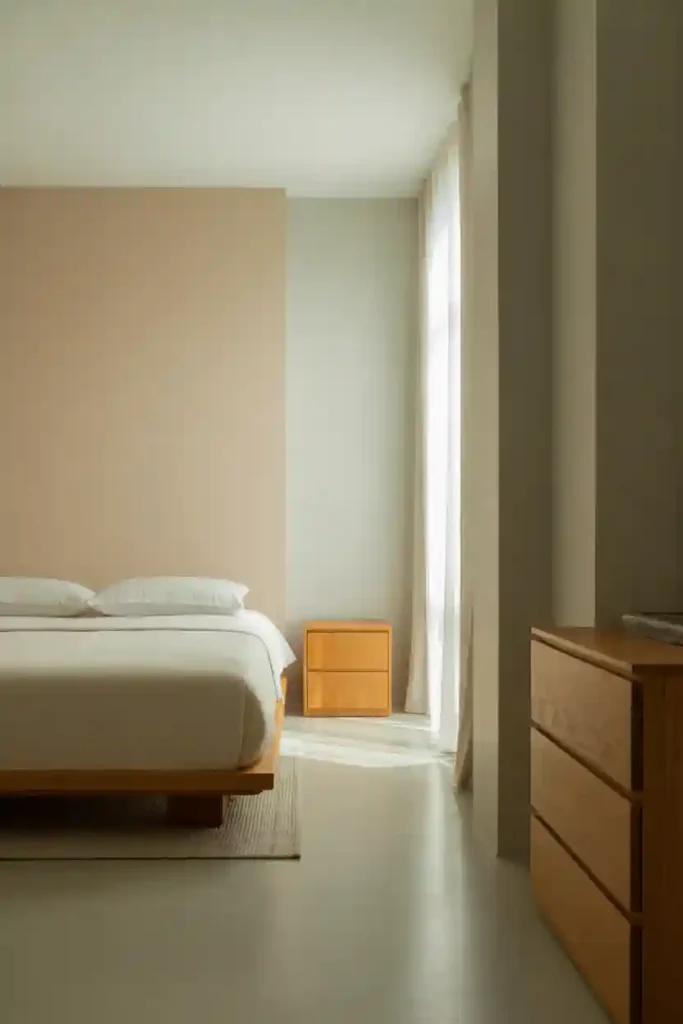
A simple, uncluttered layout is essential when decorating a small bedroom. Too much furniture or poor placement can quickly make the room feel tight and overwhelming. Start by prioritizing only the essentials, such as the bed, a nightstand, and one storage piece. Keeping furniture pushed closer to the walls opens up the center of the room, improving flow and making movement easier.
Clear walking paths around the bed help the space feel functional and breathable rather than cramped. Visual clutter matters just as much as physical clutter, so limiting decor and keeping surfaces clean plays a huge role in creating a spacious feel. Matching furniture styles and finishes also prevents visual interruption. When the eye can move freely around the room without obstacles, the bedroom feels noticeably larger, calmer, and more comfortable—perfect for rest and relaxation.
6. Opt for Low-Profile Furniture

Low-profile furniture is a smart choice for making a small bedroom feel taller and more open. Beds that sit closer to the floor, low dressers, and compact nightstands reduce visual weight and leave more open wall space above. This creates the illusion of higher ceilings, which instantly makes the room feel more spacious. Low-profile pieces also allow light to travel more freely throughout the room, enhancing brightness and openness.
When paired with light bedding and minimal decor, this furniture style keeps the bedroom feeling modern and uncluttered. Avoid bulky headboards or oversized frames that dominate the space. Instead, choose sleek designs with clean lines that blend effortlessly into the room. The result is a balanced bedroom that feels airy and expansive without sacrificing comfort or style—ideal for small spaces that need to feel bigger than they are.
7. Use Floating Furniture to Free Floor Space
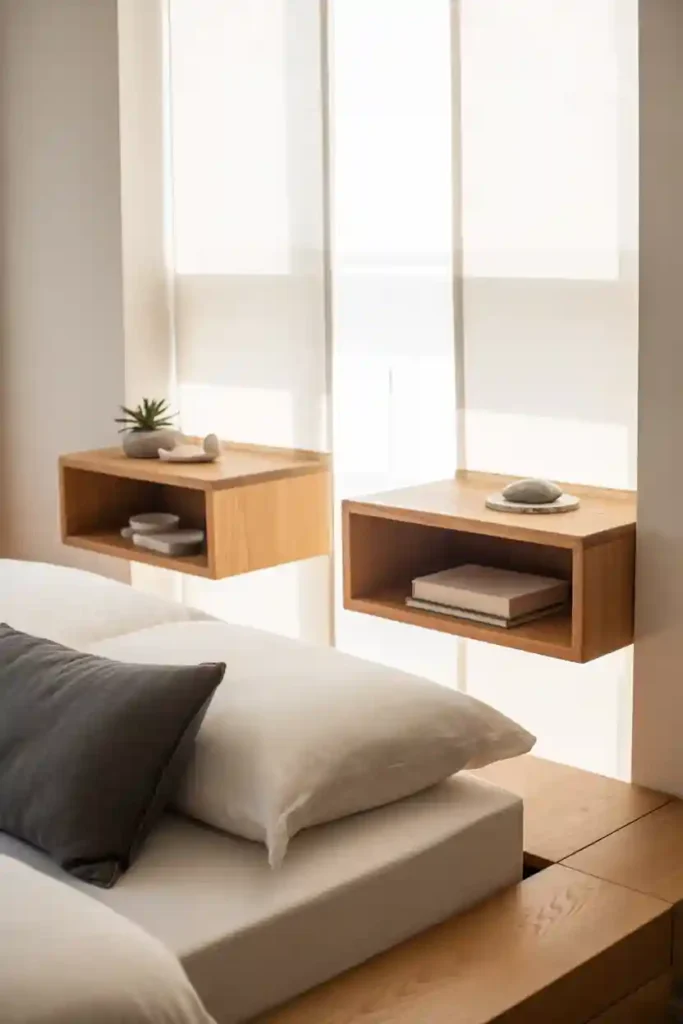
Floating furniture is an excellent solution for making a small bedroom feel more spacious without sacrificing function. Wall-mounted nightstands, floating shelves, and even floating desks create visible floor space underneath, which instantly makes the room feel larger. When more of the floor is exposed, the eye perceives the room as more open and less cluttered.
Floating furniture also has a lighter visual presence compared to traditional pieces with legs and bulky bases. This helps reduce visual heaviness, especially in tight spaces. Another benefit is improved organization—floating nightstands with drawers or shelves provide storage while keeping surfaces clean and minimal. Pair these pieces with soft lighting or simple decor to maintain balance. By lifting furniture off the floor, you create a modern, streamlined look that enhances both functionality and spaciousness in a small bedroom.
8. Choose Light, Airy Window Treatments
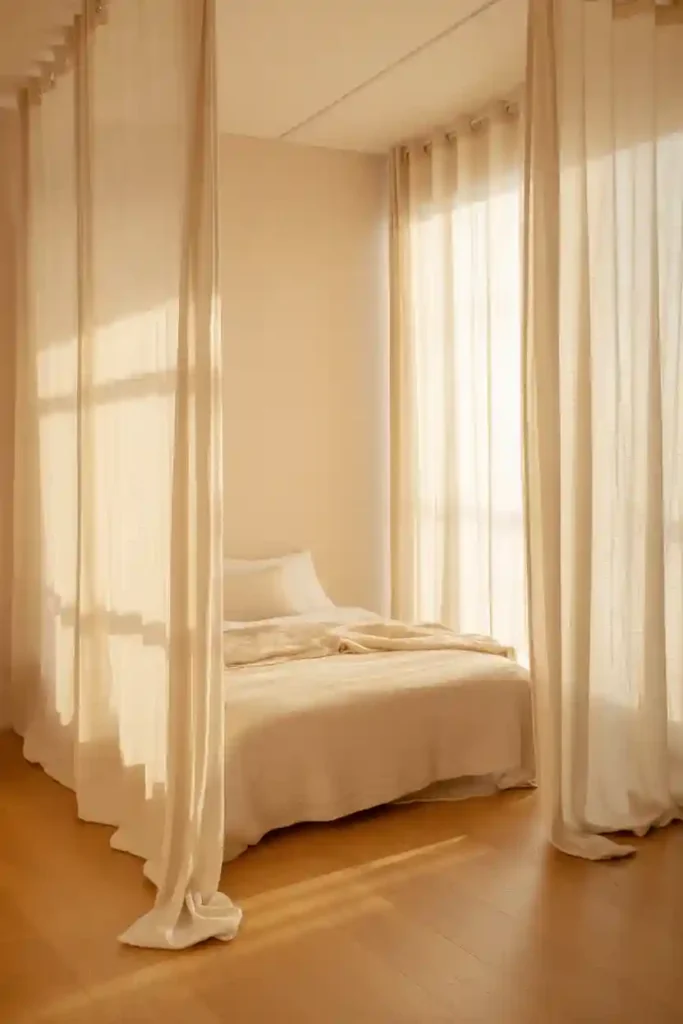
Window treatments can make or break the feeling of space in a small bedroom. Heavy, dark curtains tend to absorb light and visually shrink the room, while light and airy options help it feel open and inviting. Sheer curtains, lightweight linen drapes, or simple roller blinds allow natural light to flow freely throughout the space.
Hanging curtains higher—closer to the ceiling—and extending them down to the floor creates the illusion of taller windows and higher ceilings. Choosing neutral or soft tones keeps the look cohesive and prevents visual interruption. Light window treatments also add a sense of softness without overwhelming the room. By maximizing daylight and minimizing bulk, your bedroom instantly feels brighter, larger, and more comfortable.
9. Stick to a Cohesive Color Palette
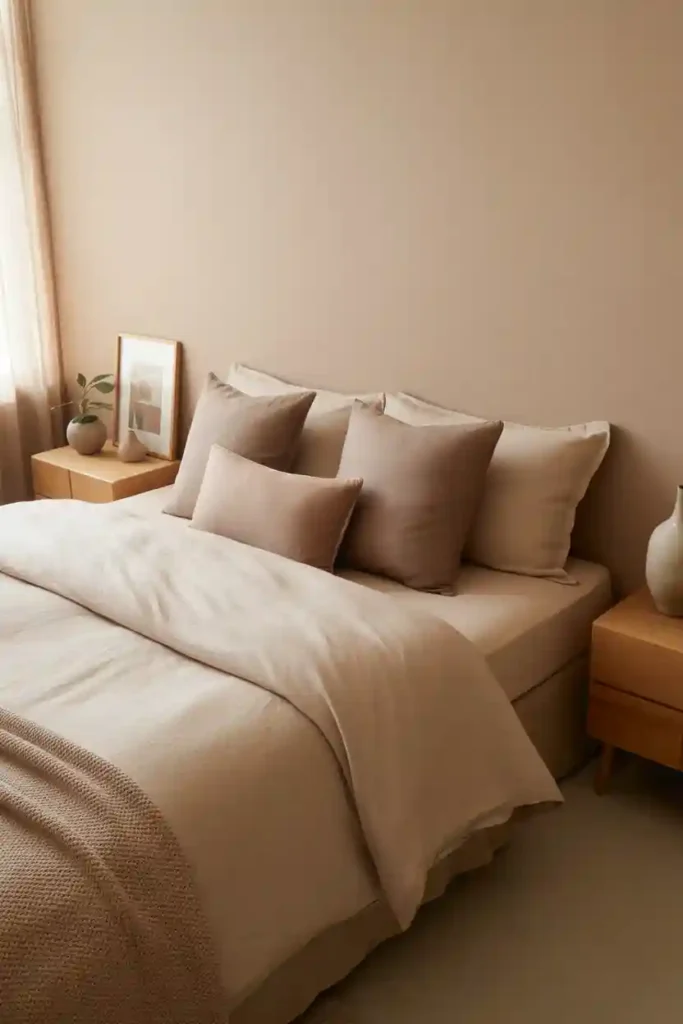
A cohesive color palette is essential for creating a spacious feel in a small bedroom. When too many colors compete for attention, the room can feel fragmented and visually crowded. Limiting your palette to two or three complementary shades creates harmony and allows the eye to move smoothly around the space. Neutral bases like white, beige, or light gray work especially well, while subtle accents in soft pastels or warm earth tones add interest without chaos.
Keeping furniture, bedding, and decor within the same color family reduces harsh contrasts that can visually break up the room. Texture can replace bold color for depth—think woven fabrics, soft throws, or matte finishes. A well-coordinated palette brings calm, balance, and an open feel, making even the smallest bedroom appear thoughtfully designed and more spacious.
10. Incorporate Hidden Storage Solutions
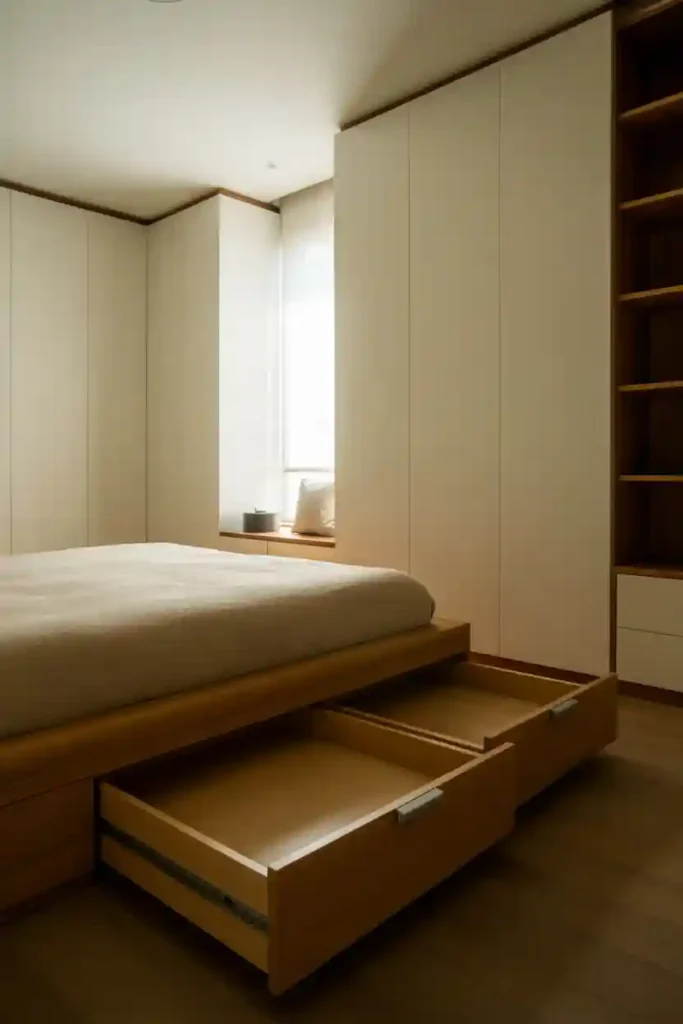
Hidden storage is essential for keeping a small bedroom feeling open and uncluttered. When everyday items are out of sight, the room instantly appears larger and more peaceful. Under-bed drawers, storage boxes, or lift-up bed frames make excellent use of space that would otherwise go unused. Built-in wardrobes or recessed shelving blend seamlessly into the room, preventing bulky furniture from overwhelming the layout.
Storage benches at the foot of the bed or ottomans with hidden compartments add function without visual clutter. The goal is to maintain clean surfaces and open floor space, allowing the eye to move freely. A bedroom with effective hidden storage feels organized, intentional, and effortlessly spacious. This approach also makes daily routines smoother, as everything has a designated place without disrupting the overall design.
11. Use Vertical Lines to Create Height
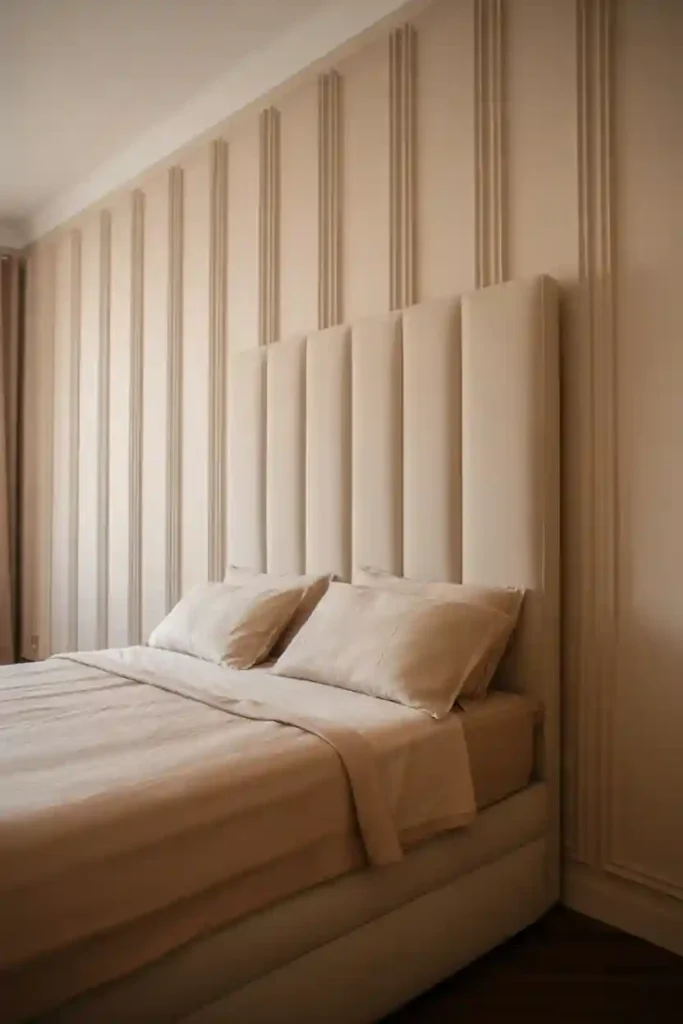
Vertical lines are a simple yet powerful way to make a small bedroom feel taller and more expansive. Elements like vertical wall paneling, striped wallpaper, tall headboards, or floor-to-ceiling curtains naturally draw the eye upward. This visual movement emphasizes height rather than width, helping the room feel less cramped. Even subtle vertical details, such as narrow shelving units or elongated artwork, can achieve the same effect.
To avoid overwhelming the space, keep colors light and patterns understated. Vertical lines work best when paired with minimal decor and streamlined furniture. By visually stretching the walls upward, this technique enhances the perception of space and creates a more balanced, airy bedroom environment.
12. Keep Decor Minimal but Meaningful
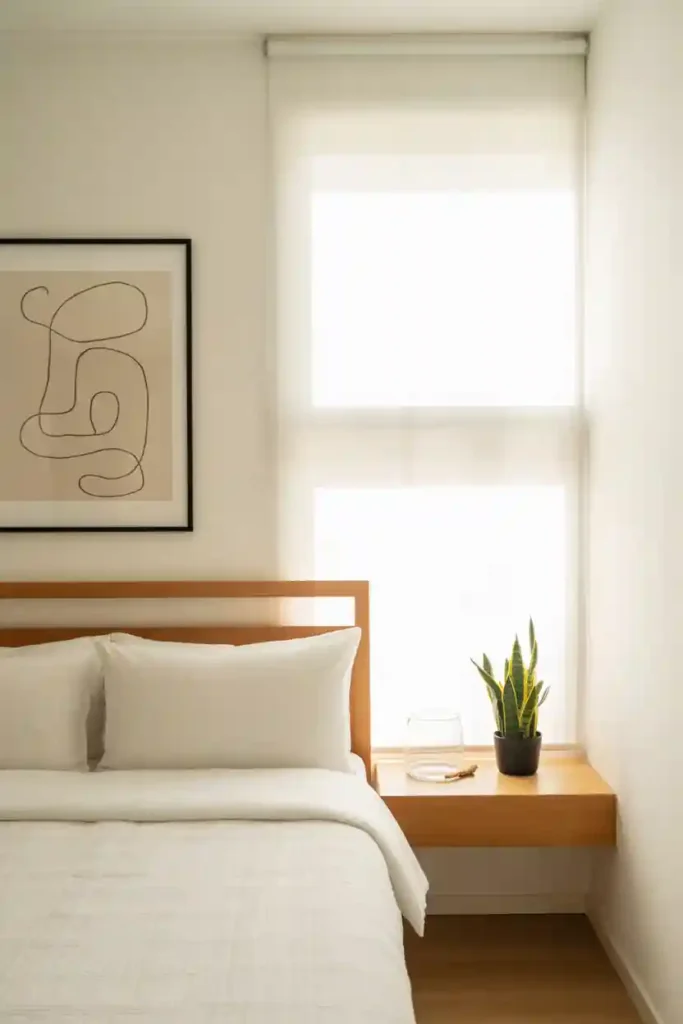
Minimal decor is key to maintaining a spacious feel in a small bedroom, but it doesn’t mean stripping the room of personality. Choosing a few meaningful pieces—such as a framed artwork, a small plant, or a decorative pillow—adds character without clutter. Too many accessories can overwhelm the space and make it feel smaller than it is.
Focus on quality over quantity and let each item serve a purpose, whether aesthetic or functional. Keeping nightstands and surfaces mostly clear allows the room to breathe. When decor is intentional and restrained, the bedroom feels calm, open, and thoughtfully styled. This balance creates a space that is both visually appealing and relaxing.
13. Let Natural Light Be the Star

Natural light is one of the most effective ways to make a small bedroom feel spacious. Sunlight instantly brightens the room, enhances colors, and creates an open, airy atmosphere. Keeping windows unobstructed allows light to flood the space and visually expand the walls. Avoid placing bulky furniture in front of windows or using heavy window treatments that block light.
Light-colored walls and reflective surfaces help bounce sunlight throughout the room, amplifying its effect. Even small bedrooms feel larger when filled with natural light. Designing the space to highlight daylight ensures your bedroom feels fresh, inviting, and far more expansive than its actual size.
Final Words
Designing a small bedroom doesn’t have to feel limiting. With thoughtful decor choices, even the most compact space can feel open, calm, and beautifully balanced. By focusing on light colors, smart storage, simple layouts, and intentional furniture choices, you can visually expand your bedroom without knocking down walls.