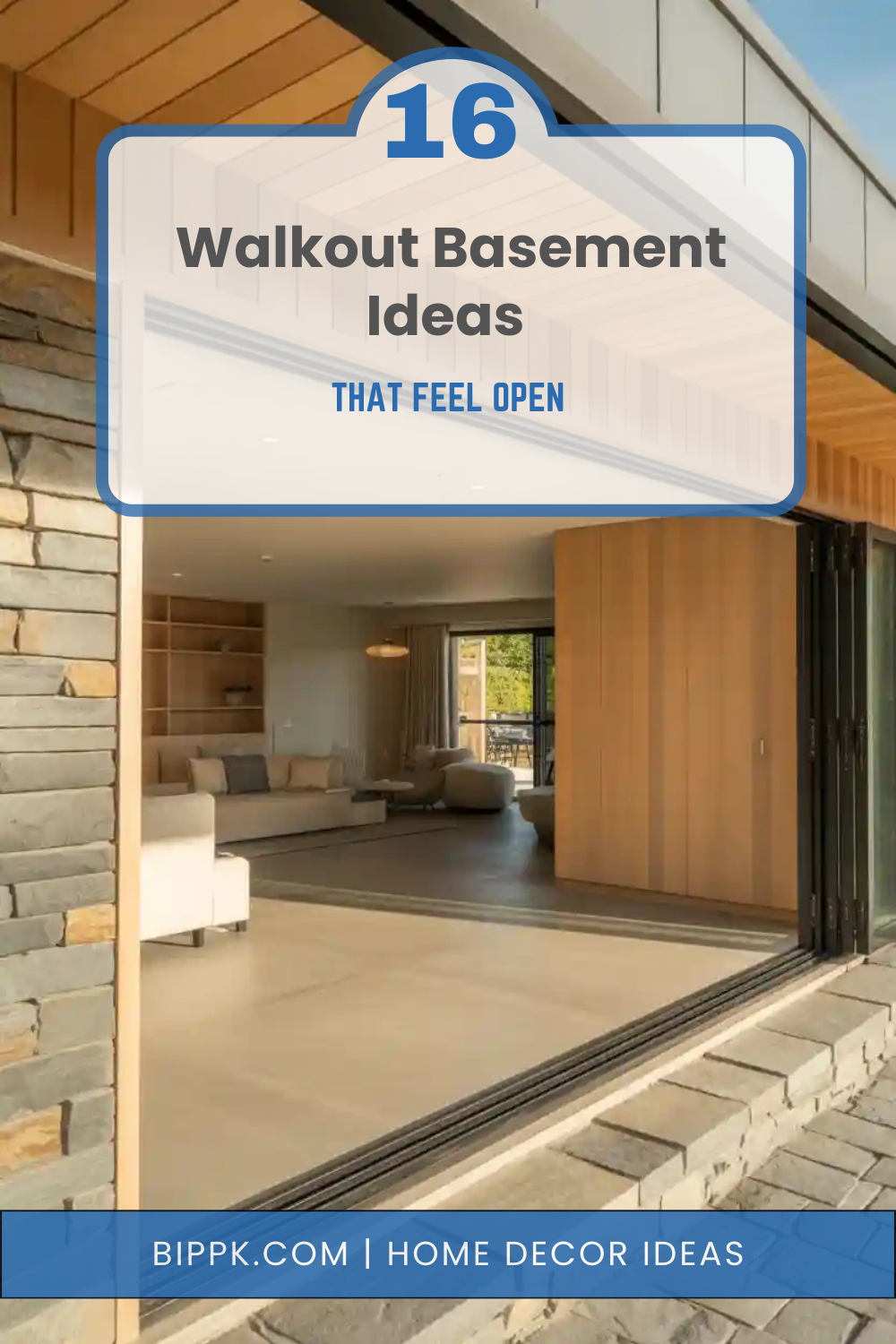
16 Walkout Basement Ideas That Feel Open
A walkout basement is one of the most valuable features a home can have, yet it’s often underused or poorly designed. With direct outdoor access and the potential for natural light, a walkout basement doesn’t have to feel dark, cramped, or purely functional. When designed thoughtfully, it can feel just as open, bright, and inviting as the main living areas upstairs. From smart layout planning to light-enhancing materials and seamless indoor-outdoor transitions, the right design choices can completely transform this lower level into a space that feels expansive and connected.
Whether you’re creating a family room, guest suite, home office, or entertainment zone, openness should be the guiding principle. In this guide, you’ll discover 16 walkout basement ideas that focus on maximizing light, improving flow, and creating visual continuity. Each idea emphasizes practical design strategies that help eliminate the typical “basement feel,” turning your walkout level into a stylish, airy, and highly livable extension of your home.
1. Floor-to-Ceiling Glass Doors for Maximum Light
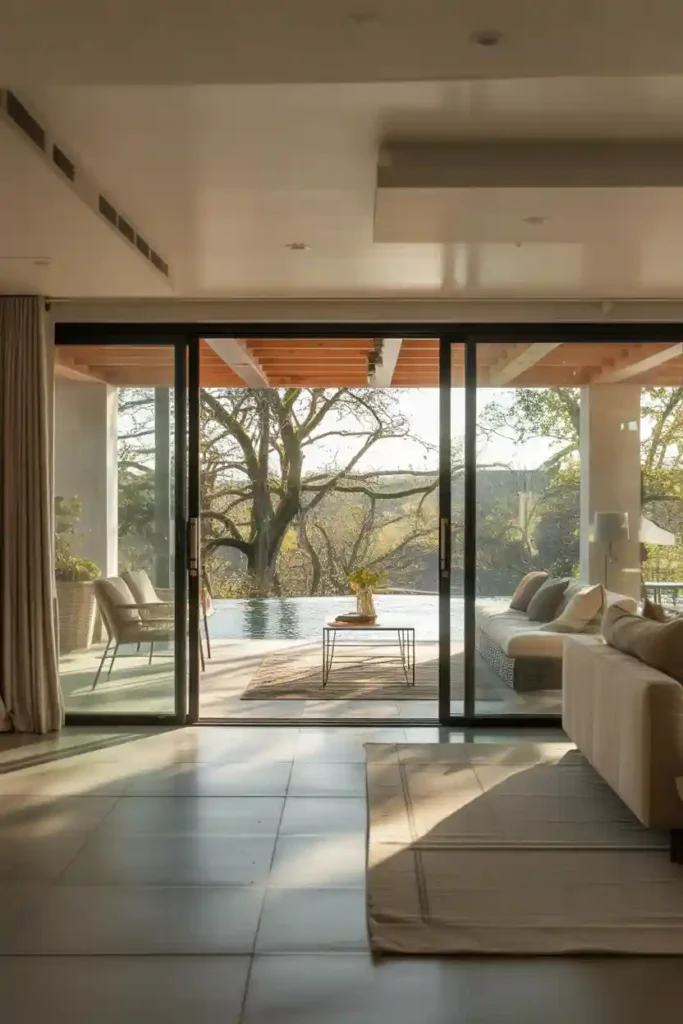
One of the most effective ways to make a walkout basement feel open is by installing floor-to-ceiling glass doors. These doors immediately erase the visual barrier between indoors and outdoors, allowing sunlight to flood the space throughout the day. Sliding or bi-fold glass doors are especially effective because they take up minimal visual space while offering expansive views. When fully opened, they create a seamless transition to a patio, deck, or garden, making the basement feel like a true ground-level living area rather than a lower level.
To enhance the openness even further, choose slim black or neutral frames that don’t interrupt sightlines. Pair the doors with light flooring that continues outside, such as stone-look tile or concrete pavers, to visually extend the interior space outward. Keep window treatments minimal—sheer curtains or motorized shades work best. This approach not only brightens the basement but also creates a strong connection to nature, making the space feel larger, fresher, and more inviting.
2. Open-Concept Layout Without Visual Barriers
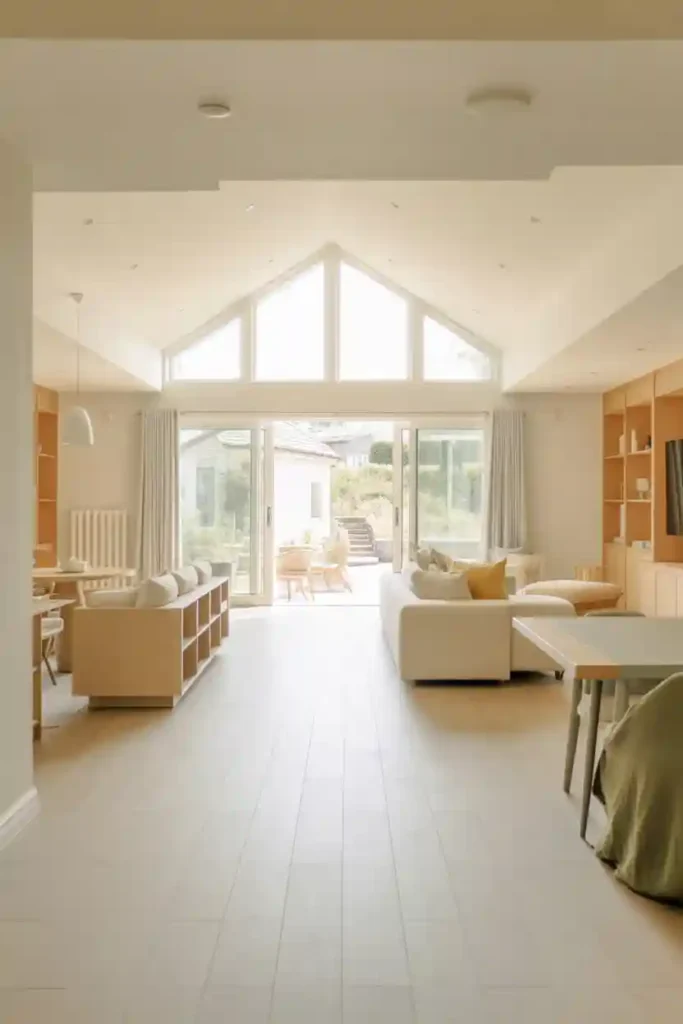
An open-concept layout is essential for creating a walkout basement that feels spacious and airy. Removing unnecessary walls allows light from exterior doors and windows to travel freely across the entire space. Instead of dividing the basement into small enclosed rooms, define zones through furniture placement, area rugs, or ceiling treatments. This keeps the layout functional without sacrificing openness.
For example, a sectional sofa can subtly separate a living area from a game or media zone, while a dining table can define an entertaining space near the walkout doors. Keep sightlines clear from one end of the basement to the other. Low-profile furniture works best, as it doesn’t block views or light. If privacy is occasionally needed, consider glass partitions or open shelving instead of solid walls. This strategy maintains visual continuity while allowing flexibility. An open-concept walkout basement feels less like a basement and more like a spacious extension of your main floor living area.
Read Also: 15 Minimal Entryway Ideas That Feel Open
3. Light Neutral Color Palette Throughout
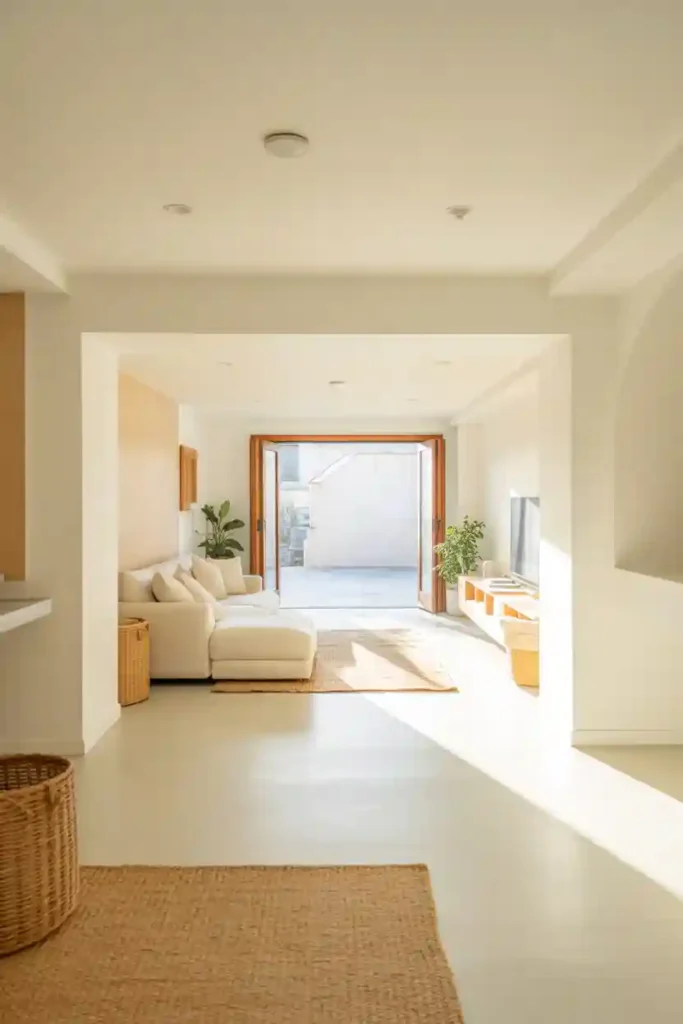
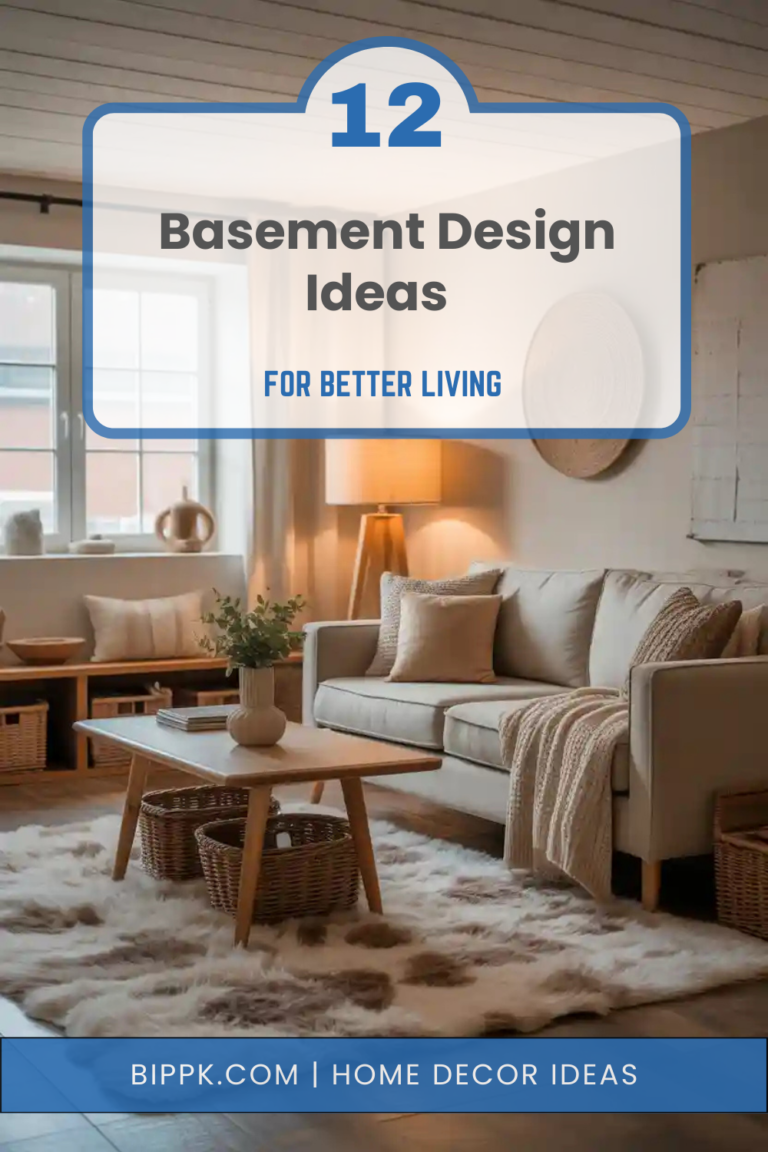
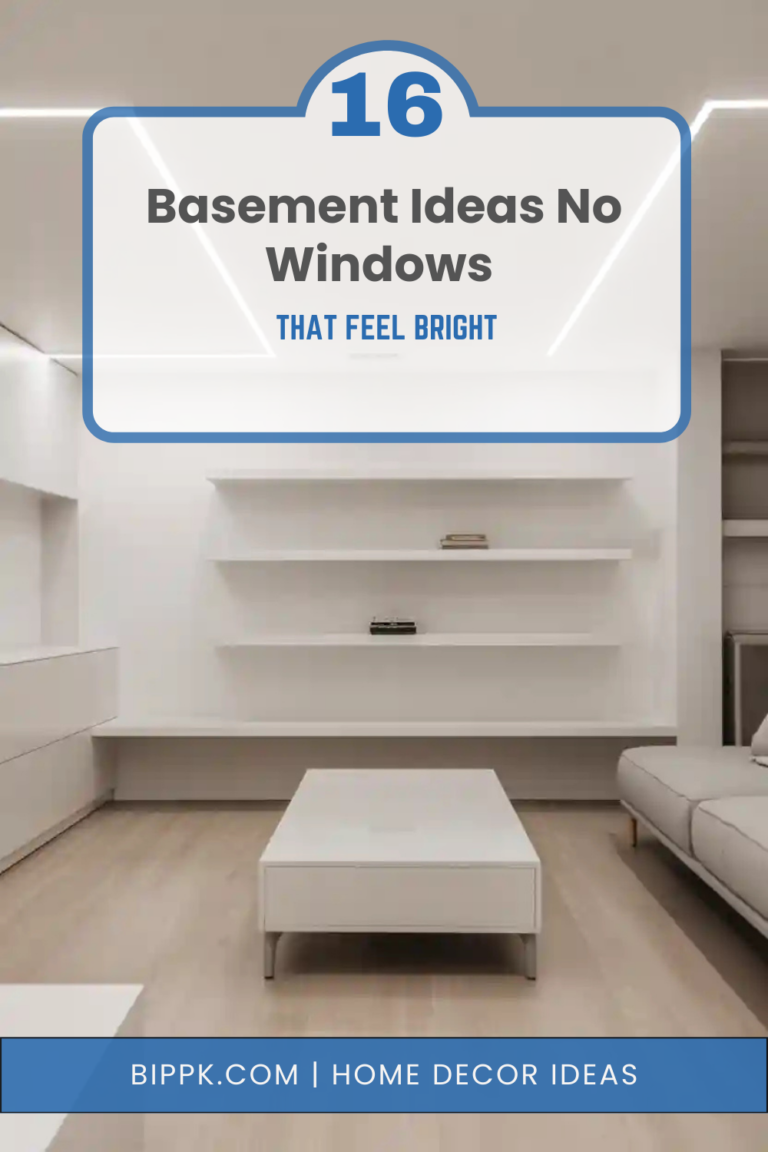
Color plays a powerful role in how open a space feels, especially in a basement. A light neutral palette instantly reflects more light and makes walls feel farther apart. Shades like soft white, warm beige, light greige, or pale taupe are ideal for walkout basements because they enhance brightness without feeling cold or sterile. Using the same color family across walls, ceilings, and trim also reduces visual breaks, creating a seamless look.
To prevent the space from feeling flat, layer different textures instead of bold colors. Think linen upholstery, woven rugs, wood accents, and matte finishes. Keep ceilings white or slightly lighter than the walls to visually lift the height of the room. Flooring should also stay light—wide-plank wood, light vinyl, or polished concrete work beautifully. This cohesive palette makes the entire walkout basement feel unified, open, and calming while allowing natural light to bounce effortlessly throughout the space.
4. Continuous Flooring for Visual Flow
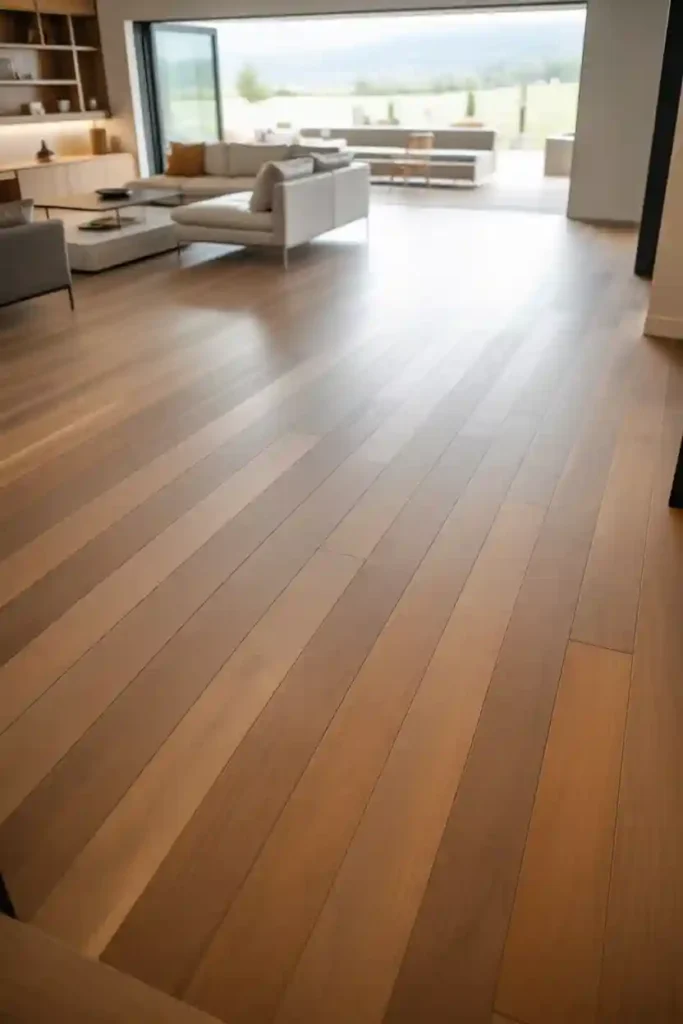
Using continuous flooring throughout your walkout basement is a subtle yet powerful way to enhance openness. When flooring changes frequently, it visually chops up the space, making it feel smaller. A single flooring material, used from wall to wall, creates uninterrupted flow and expands the perceived size of the basement.
Wide-plank flooring is especially effective, as longer boards draw the eye across the room. Light wood tones, wood-look vinyl, or large-format tiles work well in walkout basements because they’re durable and reflective. If your basement opens directly to an outdoor patio, consider extending a similar flooring material outside to blur the boundary between indoors and outdoors. This continuity strengthens the open, ground-level feel. Avoid busy patterns or dark finishes, as they absorb light and make spaces feel enclosed. Consistent flooring helps unify the entire basement into one expansive, breathable living area.
5. Built-In Storage That Keeps Floors Clear
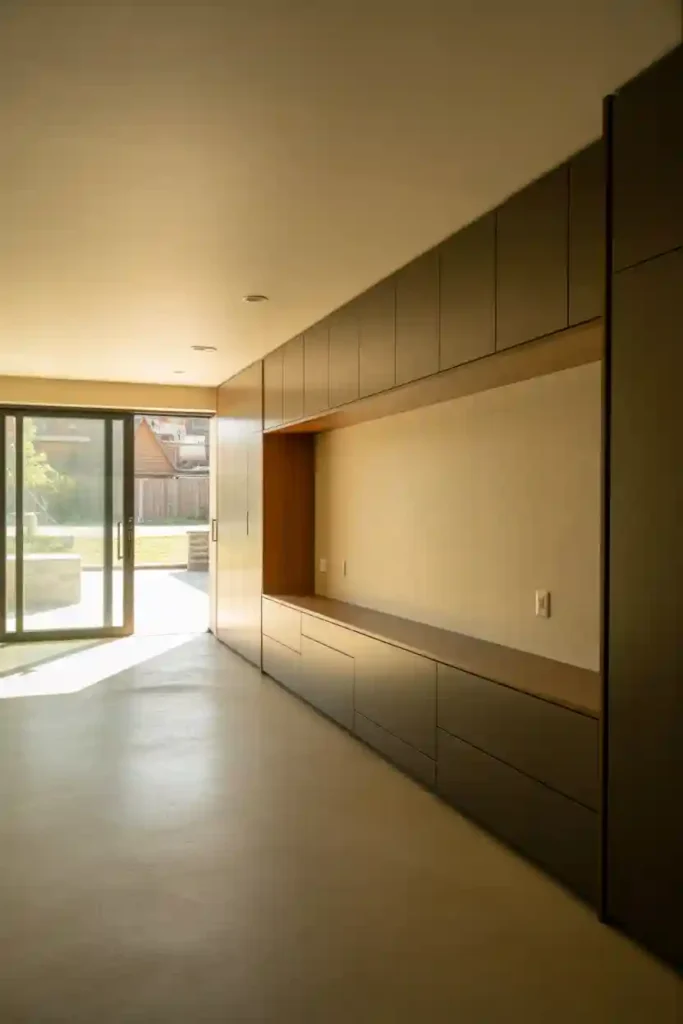
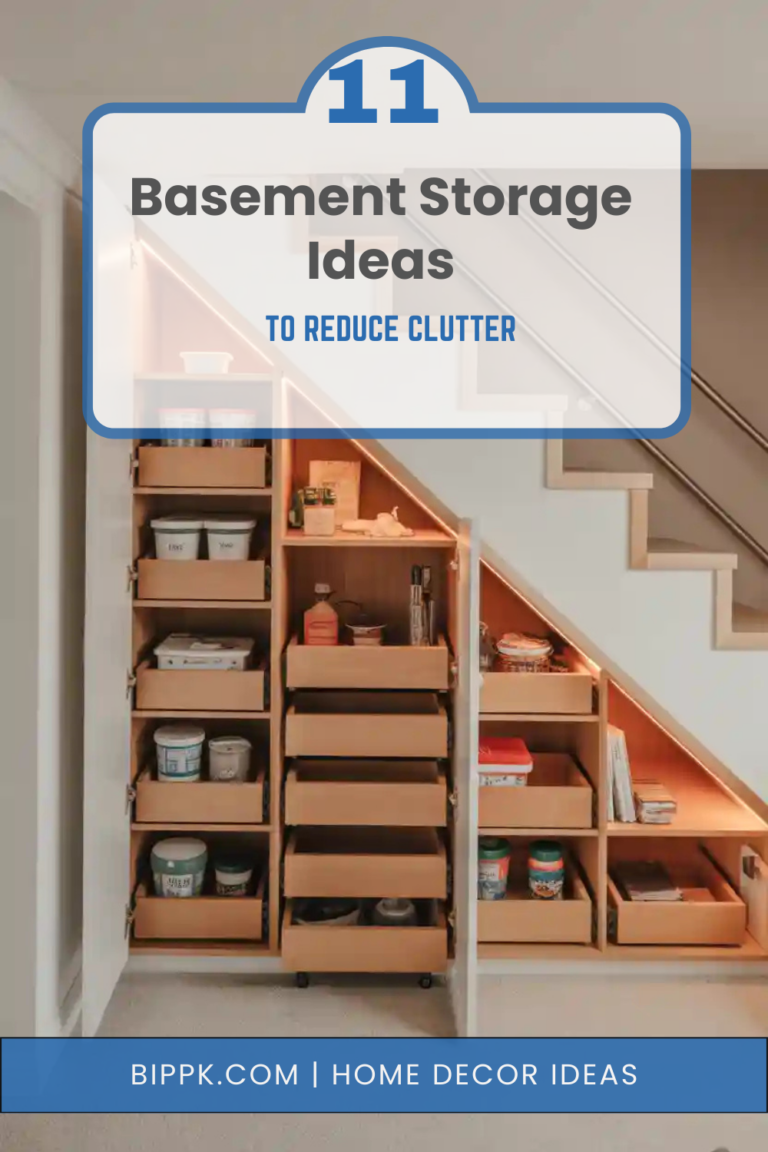
Clutter is one of the fastest ways to make a basement feel closed in. Built-in storage solutions help maintain openness by keeping floors and surfaces clear. Wall-mounted cabinets, recessed shelving, and built-in media units provide ample storage without taking up valuable floor space. When storage blends into the walls, the room feels more streamlined and spacious.
Choose built-ins in the same color as the walls to minimize visual contrast. Flat-panel doors and handle-less designs keep the look modern and clean. Open shelving can be used sparingly to display decor, but avoid overcrowding. In walkout basements used for entertaining or family living, built-in benches with hidden storage near the doors are both practical and visually light. By reducing visual clutter and maximizing wall space, built-ins help maintain a calm, open atmosphere throughout the basement.
6. Strategic Recessed and Layered Lighting
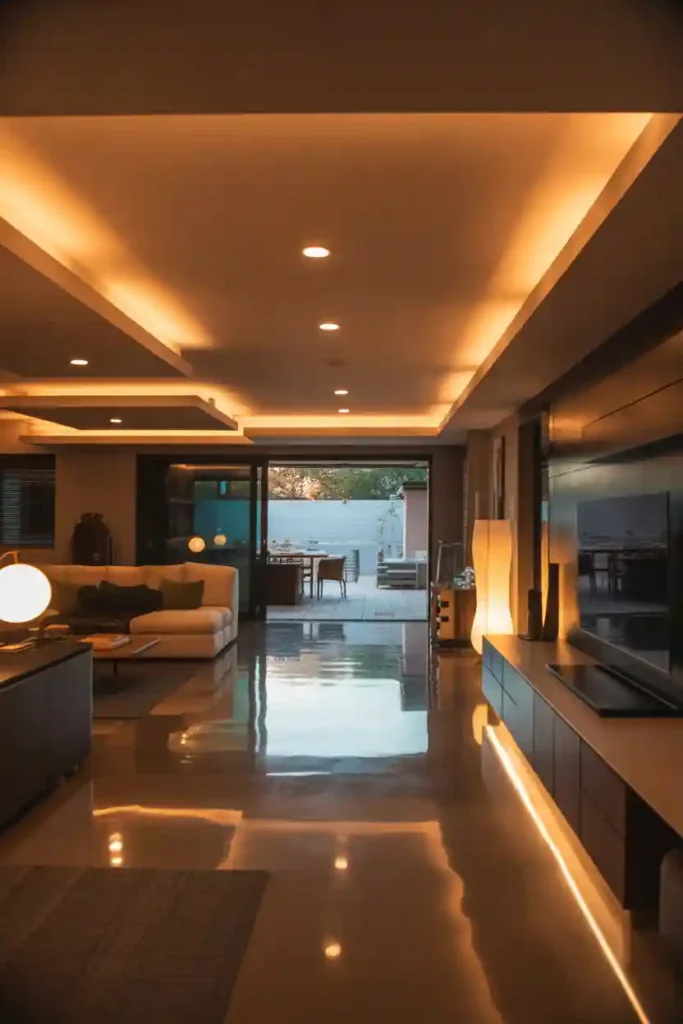
Even with natural light, lighting design is crucial in making a walkout basement feel open. Recessed lighting provides even illumination without visual clutter, keeping ceilings clean and unobstructed. Place recessed lights strategically to eliminate dark corners and highlight key areas like seating zones or walkways.
Layer your lighting by adding wall sconces, floor lamps, or LED strip lighting under shelves to create depth. Warm light temperatures prevent the space from feeling cold while still enhancing brightness. Avoid bulky chandeliers or low-hanging fixtures that visually lower the ceiling height. Dimmers are especially important, allowing you to adjust lighting levels throughout the day and evening. Well-planned lighting ensures that every corner of the walkout basement feels welcoming, balanced, and open—regardless of the time of day.
7. Low-Profile Furniture for an Airy Look
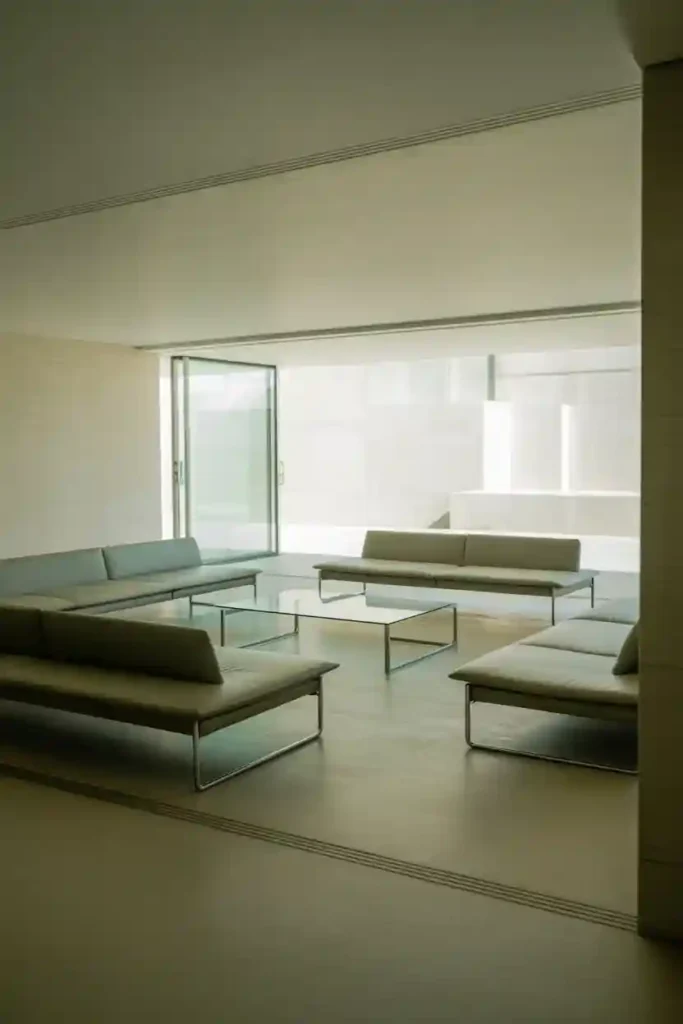
Furniture selection plays a major role in how open your walkout basement feels. Low-profile furniture keeps sightlines clear and emphasizes horizontal space, making ceilings appear higher. Sofas with slim arms, low backs, and raised legs allow light to pass underneath, reducing visual heaviness.
Avoid oversized sectionals or bulky recliners that dominate the room. Instead, opt for modular seating that can be rearranged easily. Glass or acrylic coffee tables are excellent choices because they visually disappear, maintaining openness. Keep furniture spacing generous to allow easy movement and clear pathways to the walkout doors. This thoughtful approach ensures the basement feels comfortable yet uncluttered, promoting a relaxed and spacious atmosphere ideal for everyday living or entertaining.
8. Glass Railings for Staircases
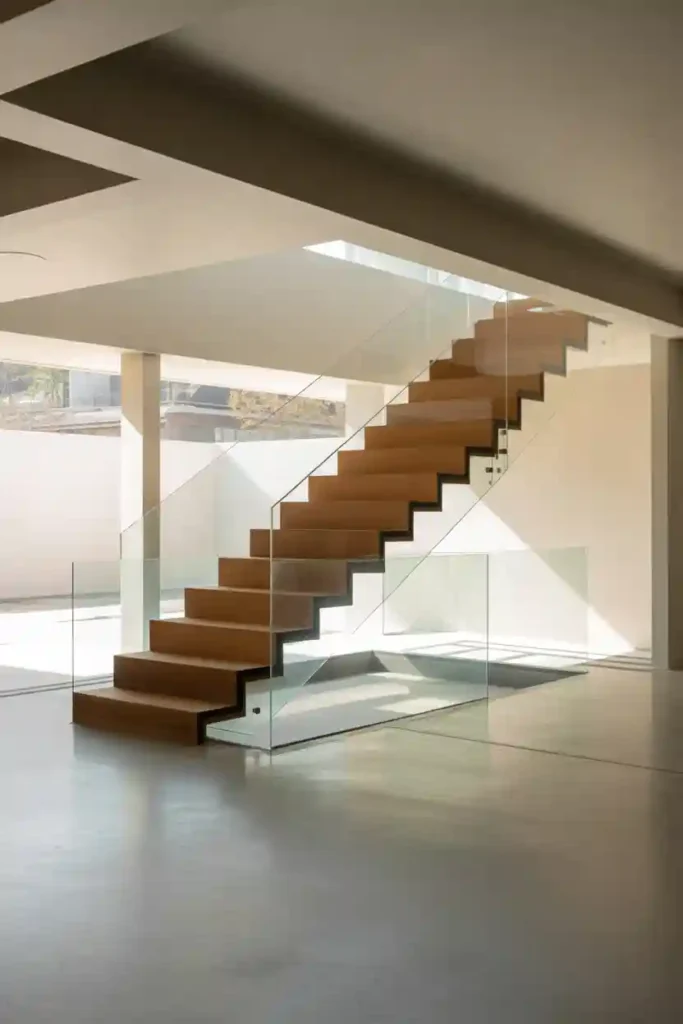
If your walkout basement includes stairs leading to the main floor, replacing traditional railings with glass panels can dramatically increase openness. Glass railings allow light to flow between levels and prevent the staircase from becoming a visual barrier. This creates a stronger connection between floors and makes the basement feel less enclosed.
Choose clear or lightly tinted glass with minimal metal framing for a sleek, modern look. Pair the glass railing with open-riser stairs if possible, further enhancing transparency. This design choice not only improves light distribution but also adds a high-end architectural feel. By eliminating heavy visual elements, glass railings help the walkout basement feel integrated with the rest of the home rather than separated.
9. Seamless Indoor-Outdoor Design Connection
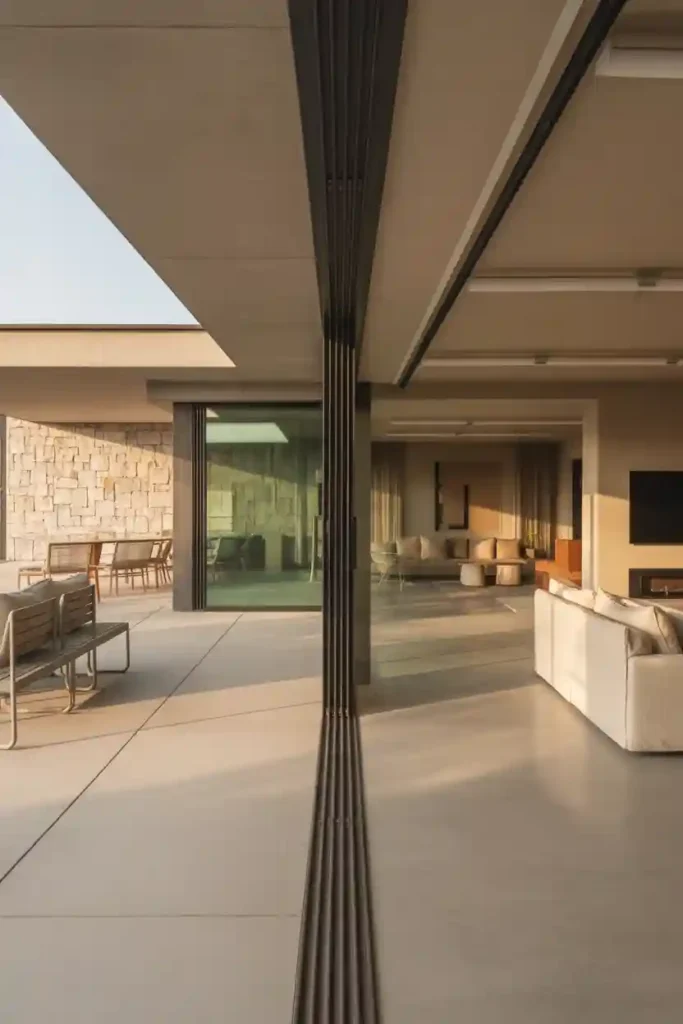
Designing your walkout basement with the outdoor space in mind instantly makes it feel more open. Coordinate colors, materials, and styles between the interior and exterior areas. For example, if your patio features wood decking, echo that tone inside with wood accents or flooring.
Large planters, outdoor rugs, and matching furniture styles create visual continuity when the doors are open. This approach makes the basement feel like part of a larger living environment rather than a closed interior space. Even when doors are closed, the cohesive design keeps the connection strong. A seamless indoor-outdoor relationship enhances openness and encourages natural flow between spaces.
10. Light-Reflective Finishes and Materials
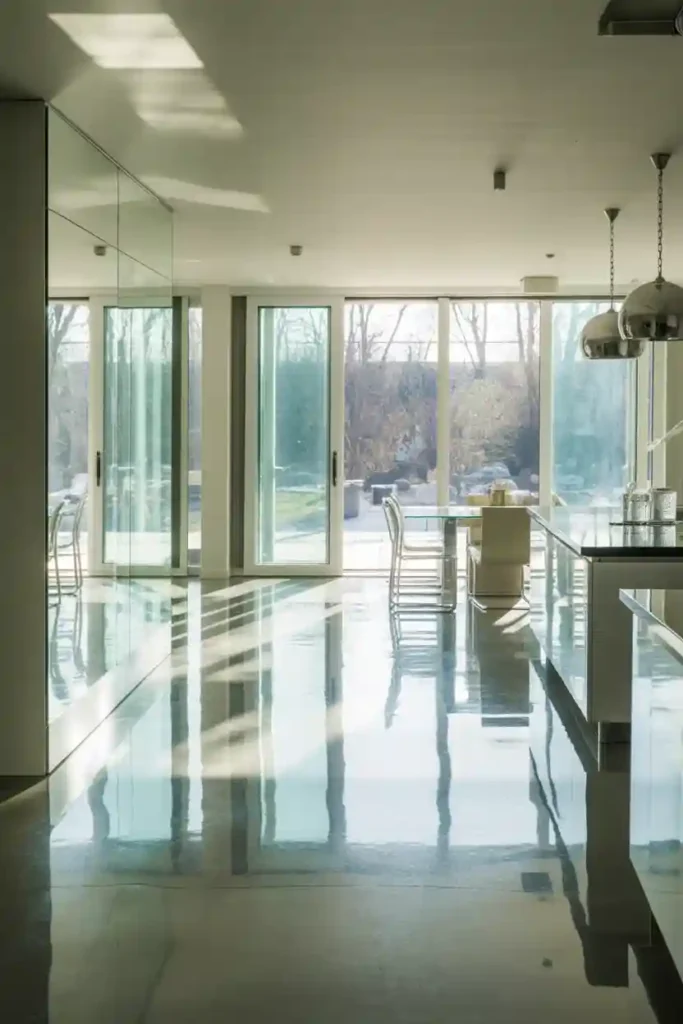
Using reflective finishes helps amplify natural and artificial light in a walkout basement. Glossy tiles, satin wall paints, polished concrete floors, and metallic accents subtly bounce light around the room. Mirrors are especially effective when placed opposite windows or glass doors.
Avoid overly shiny surfaces that can feel harsh; instead, aim for soft reflection that enhances brightness without glare. Even small details like reflective backsplash tiles in a basement bar or glass shelving can make a difference. These finishes work together to brighten the space and visually expand it, contributing to a more open and uplifting environment.
11. Minimalist Window Treatments
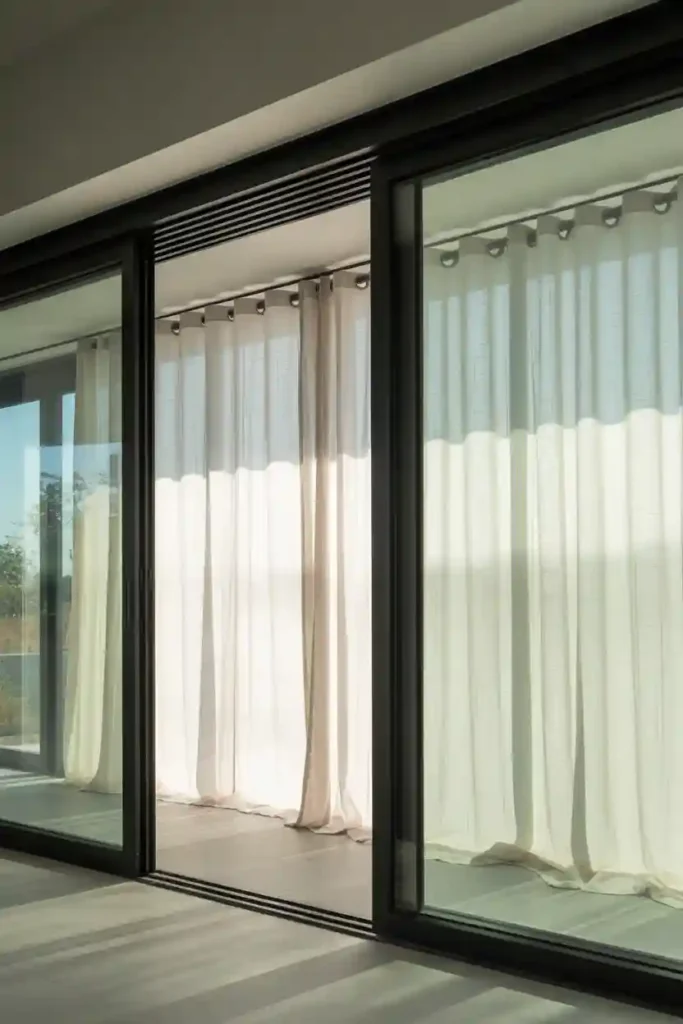
Heavy curtains can quickly make a walkout basement feel closed off. Minimalist window treatments allow maximum light while maintaining privacy. Sheer curtains, roller shades, or motorized blinds are ideal choices that disappear visually when not in use.
Choose light fabrics and neutral colors that blend with the walls. Mount curtain rods close to the ceiling to create the illusion of taller windows. Keeping windows as unobstructed as possible emphasizes openness and highlights the basement’s walkout advantage. This simple design choice ensures the space stays bright, fresh, and visually expansive.
12. Open Shelving Instead of Upper Cabinets
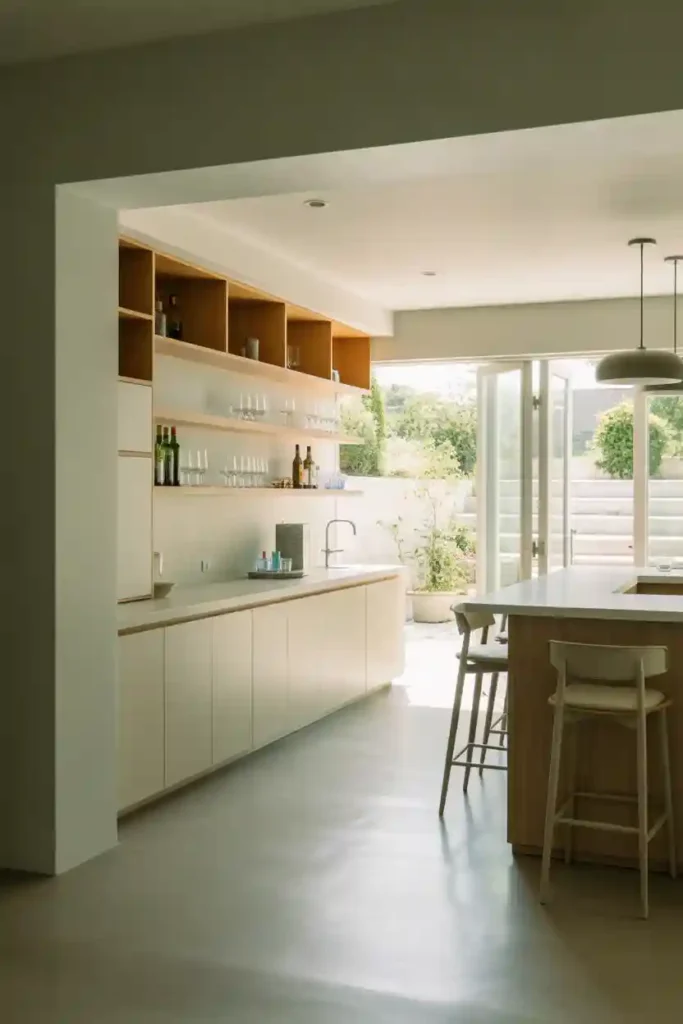
In walkout basements with kitchens or bars, open shelving can make the space feel lighter than traditional upper cabinets. Open shelves reduce visual bulk and allow walls to breathe. Use them to display glassware, ceramics, or simple decor while keeping the look organized.
Stick to a limited color palette and avoid overcrowding shelves. Floating shelves in wood or metal add warmth without heaviness. When paired with light wall colors and good lighting, open shelving enhances openness while maintaining functionality. This approach works especially well near walkout doors, where light can highlight displayed items beautifully.
13. Vertical Design Elements to Increase Height
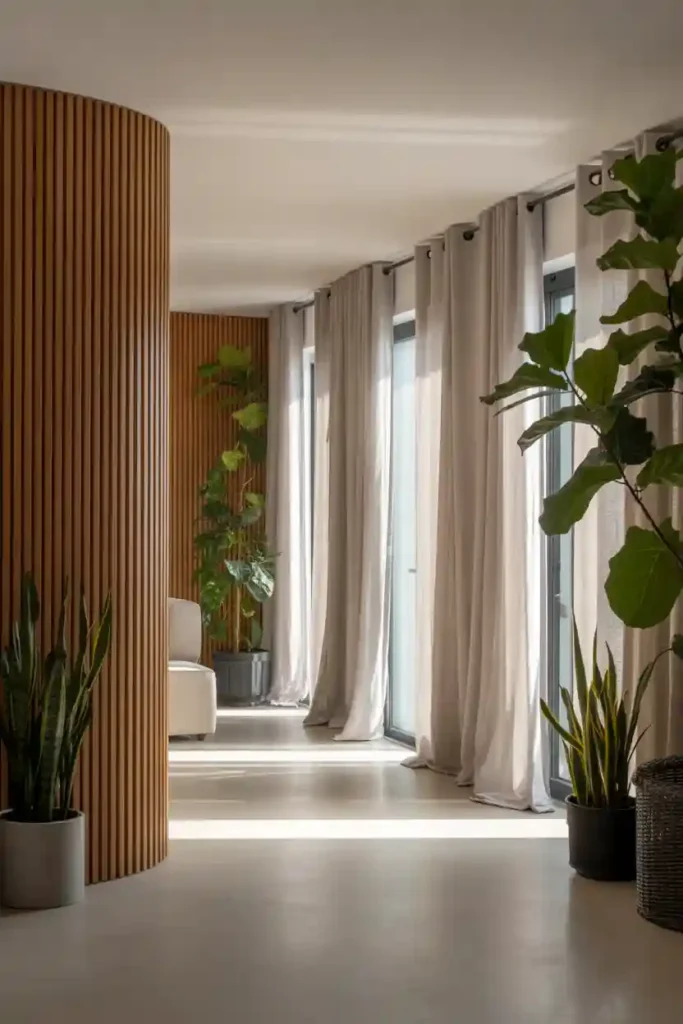
To counteract the naturally lower ceilings found in some basements, vertical design elements can visually stretch the space upward. Vertical wall paneling, tall shelving, and floor-to-ceiling curtains draw the eye up, making ceilings feel higher.
Use subtle vertical patterns rather than bold stripes to keep the look refined. Tall indoor plants placed near the walkout doors also reinforce vertical movement while connecting to nature. These elements work together to balance proportions and prevent the basement from feeling compressed.
14. Defined Zones Without Walls
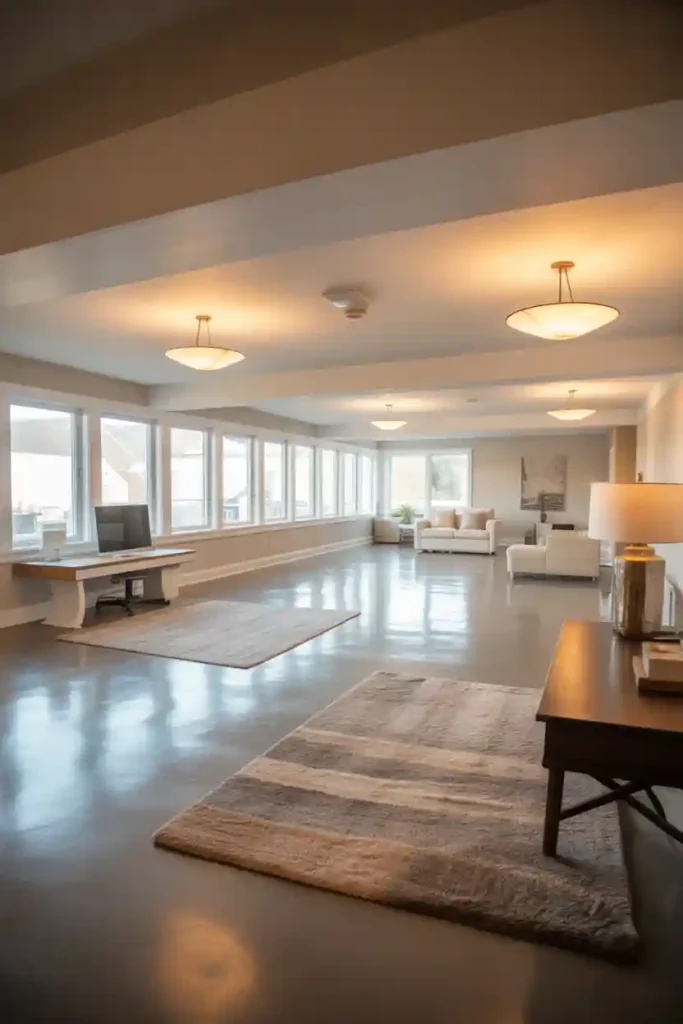
Creating functional zones without walls is key to maintaining openness. Area rugs, lighting changes, and furniture orientation can clearly define spaces while keeping everything visually connected. For example, pendant lights can define a dining area, while a large rug anchors a seating zone.
This approach allows flexibility and ensures light reaches every corner of the basement. It also makes the space adaptable as needs change over time. Defined zones without physical barriers preserve openness while maintaining order and functionality.
15. Natural Materials for a Fresh, Open Fee
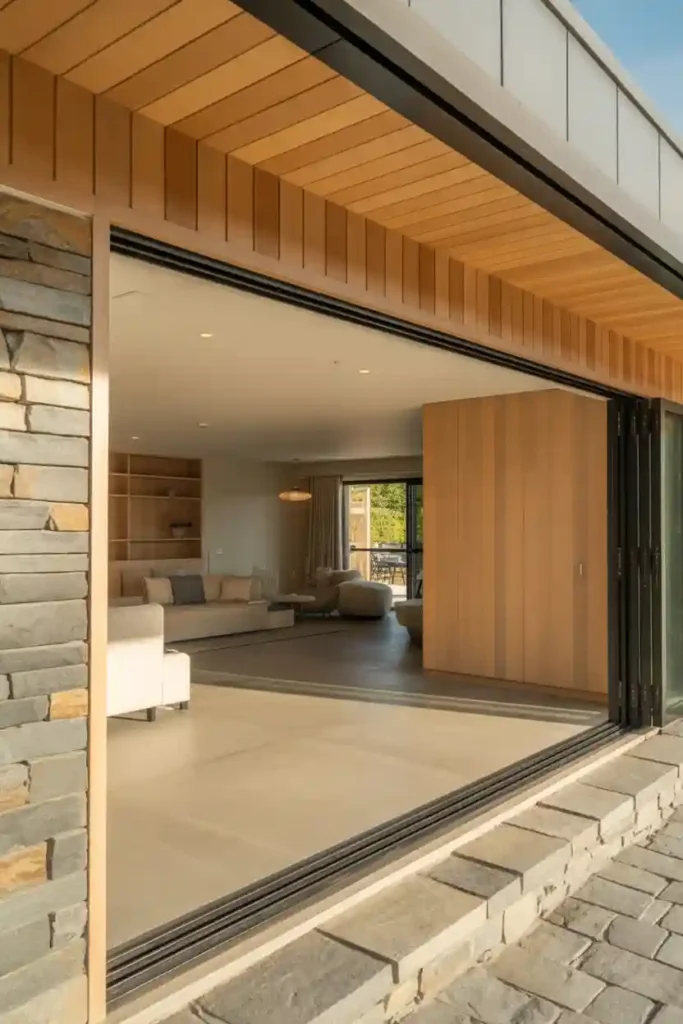
Natural materials like wood, stone, and linen bring warmth without heaviness. They create a relaxed, breathable atmosphere that enhances openness. Light wood tones and stone textures work particularly well in walkout basements by reinforcing the connection to the outdoors.
Use natural materials sparingly and consistently to avoid visual clutter. When balanced with light colors and simple forms, they contribute to a calm, expansive environment that feels grounded and inviting.
16. Minimal Decor with Purposeful Styling
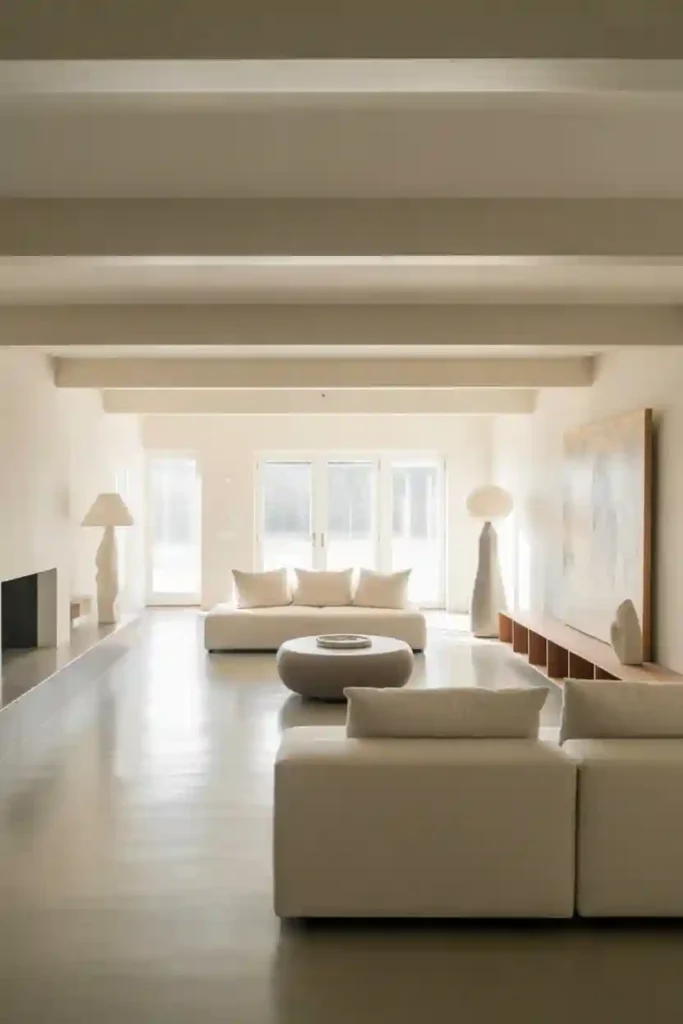
Finally, keeping decor minimal ensures your walkout basement remains open and uncluttered. Choose a few statement pieces rather than many small accessories. Large artwork, sculptural lighting, or a bold area rug can add personality without overwhelming the space.
Leave negative space intentionally—it allows the room to breathe. Every decor item should serve a purpose, whether functional or aesthetic. This thoughtful styling approach keeps the focus on light, space, and flow, ensuring your walkout basement truly feels open and welcoming.
Final Words
A walkout basement offers a rare opportunity to create a lower level that feels just as open and inviting as the rest of your home. With the right design choices—ample natural light, open layouts, light colors, and seamless indoor-outdoor connections—this space can completely shed the traditional basement feel. Whether you’re transforming it into a family room, guest suite, home office, or entertainment area, focusing on openness ensures long-term comfort and versatility.