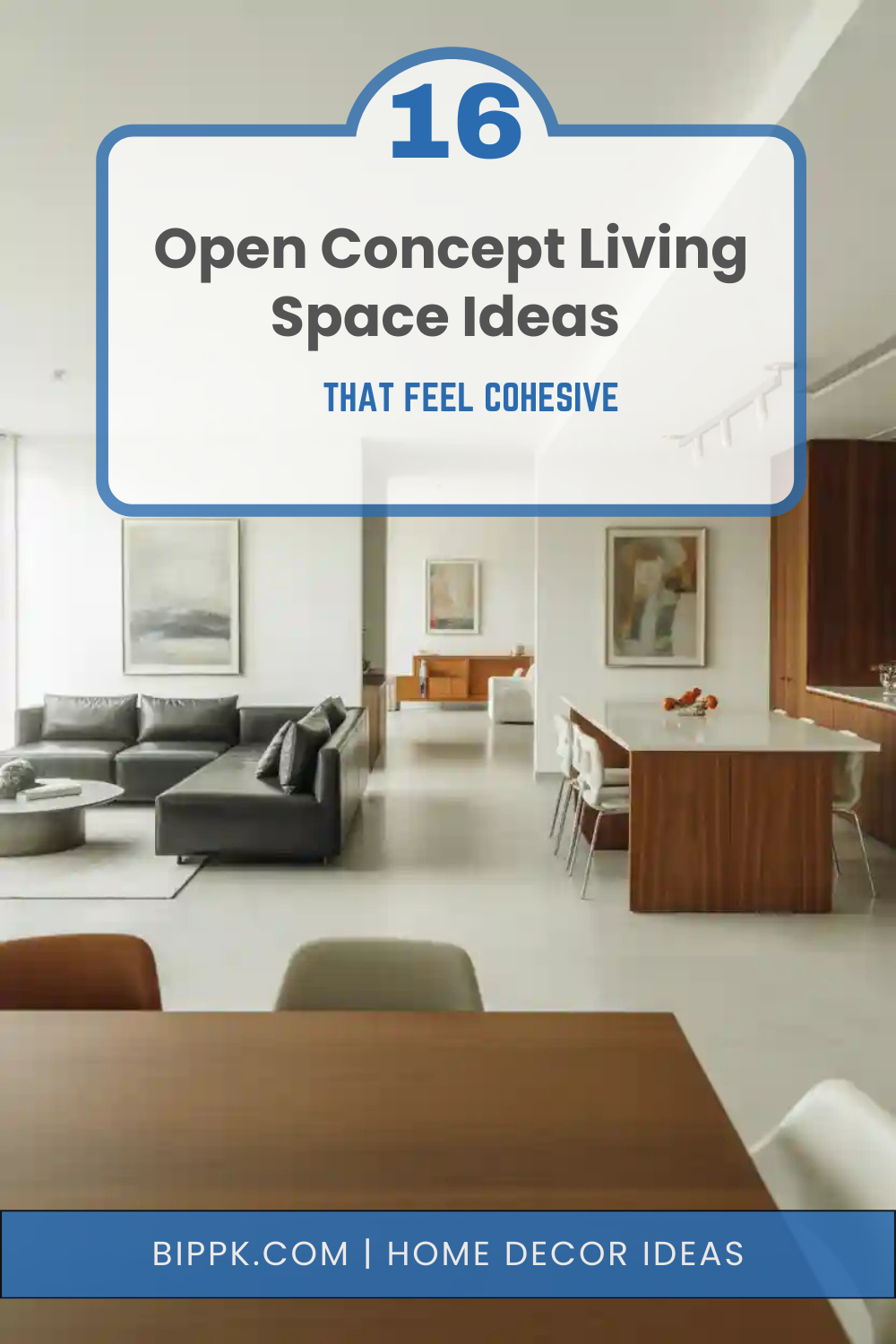
16 Open Concept Living Space Ideas That Feel Cohesive
Open concept living spaces are highly desirable for their spaciousness and versatility, but they can also be challenging to design. Without walls or distinct divisions, it’s easy for large open areas to feel disconnected, chaotic, or lacking in purpose. The key to a cohesive open concept layout is creating clear zones, balancing scale and proportion, and using design elements to unify the space.
Thoughtful furniture placement, strategic use of rugs, lighting, and color schemes help tie together living, dining, and kitchen areas while maintaining flow and functionality. Cohesion doesn’t mean everything must match—it’s about harmony, rhythm, and visual continuity that make a space feel welcoming and intentionally designed. These 16 open concept living space ideas will show you how to define areas, maintain openness, and create a stylish yet functional home where every corner feels connected.
1. Use Rugs to Define Functional Zones
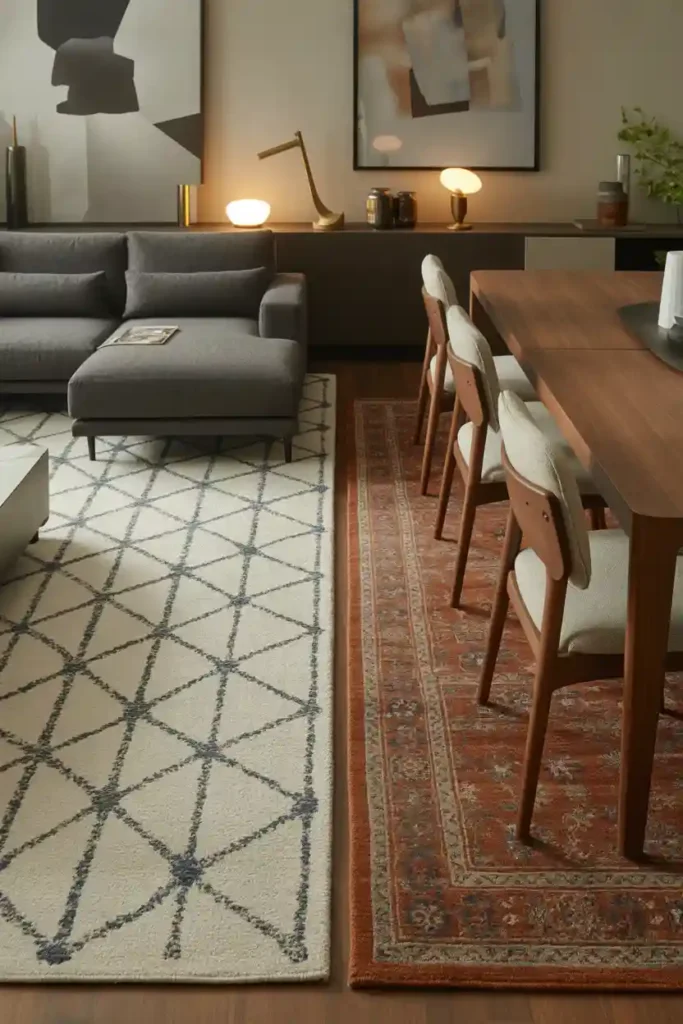
In an open concept living space, rugs are one of the most effective tools for creating visual boundaries. Since there are no walls to separate areas, rugs help define distinct functional zones such as the living area, dining space, or workspace.
Choose rugs that are appropriately sized for each zone. For a seating area, the rug should be large enough so that at least the front legs of sofas and chairs rest on it. In dining spaces, the rug should extend beyond the table and chairs to maintain balance and ease of movement. Using complementary or matching rug colors and textures across zones helps maintain cohesion and prevents the space from feeling disjointed. Layering rugs with varied textures can also add warmth and depth, tying different areas together while still allowing each zone to feel distinct.
2. Anchor Areas with Focal Points
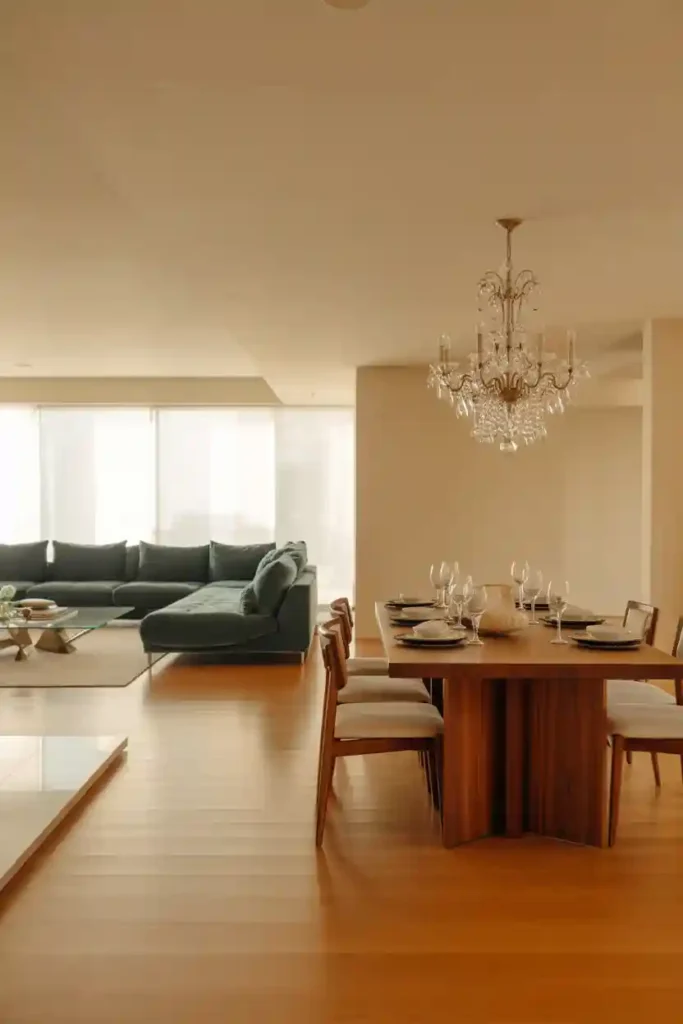
Creating focal points in each area of an open concept space gives the room structure and purpose. Without walls, the eye can wander, making large open areas feel disorganized. Anchoring each zone with a focal point helps draw attention and visually organizes the layout.
For a living area, a fireplace, large sectional, or media wall can act as the anchor. In the dining space, a statement chandelier or bold table centerpiece works well. Even smaller corners, such as a reading nook, can have a chair with a lamp as a subtle focal point. The key is to balance the visual weight of each zone so no single area overwhelms the others. Focal points guide furniture placement and reinforce cohesion, making an open concept living space feel intentional, inviting, and functional.
Read Also: 16 Large Living Room Ideas for Better Layout
3. Consistent Color Palette Throughout
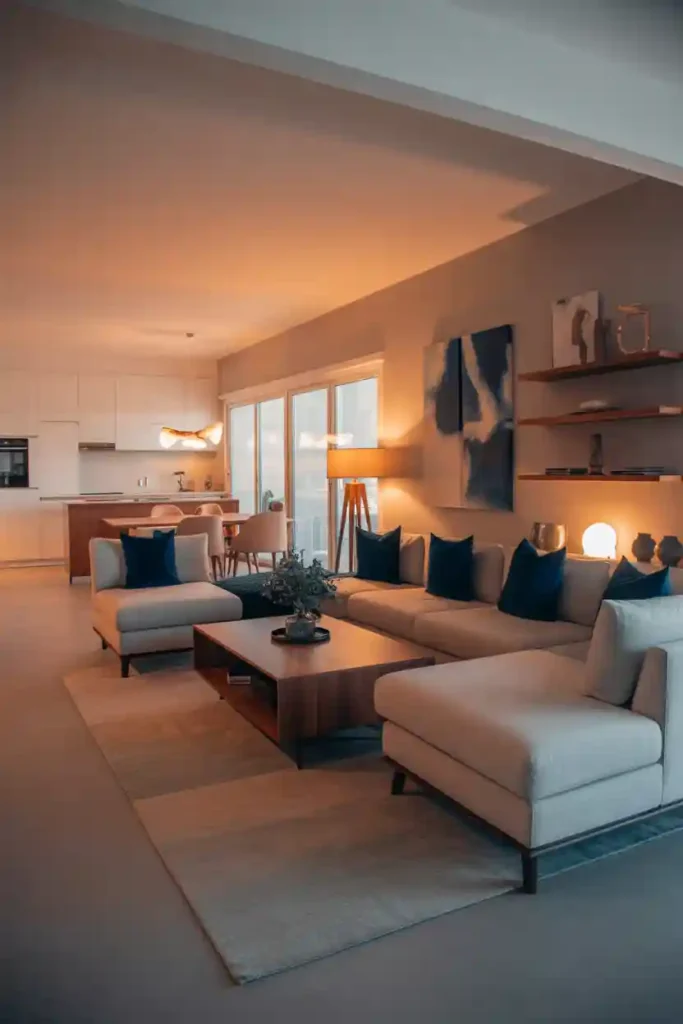
A consistent color palette is essential for tying together multiple zones in an open concept layout. Using complementary tones for walls, furniture, and decor ensures the space feels harmonious rather than fragmented.
Neutral bases like beige, cream, gray, or soft whites allow flexibility, while pops of color can be repeated across different zones to create rhythm. For example, a navy accent pillow in the living area can match dining chairs or a small decorative object in the kitchen. Consistency in color connects visually separate areas, making the open layout feel unified. It also helps maintain a calm and welcoming environment, preventing the space from feeling chaotic or overly busy despite the lack of walls.
4. Furniture Arrangement for Flow
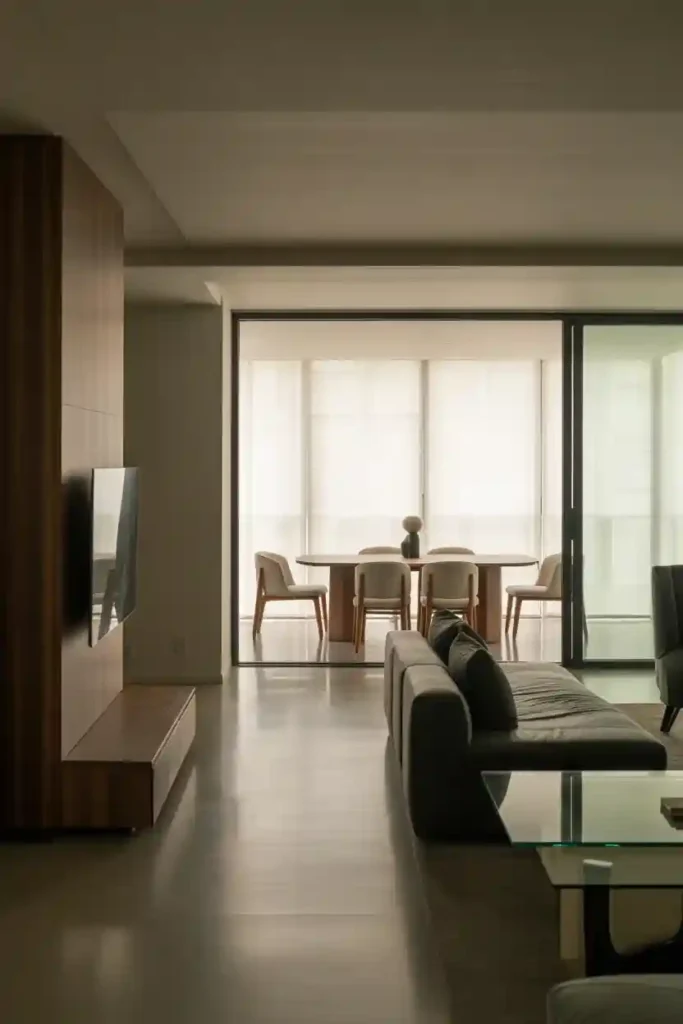
In open concept living spaces, furniture arrangement determines both functionality and visual cohesion. Proper placement creates natural pathways and ensures each zone feels connected rather than scattered.
Floating furniture away from walls is often effective, especially for living areas. Sofas, chairs, and tables should be grouped to encourage conversation and define each area. Aligning furniture to sightlines—so the living, dining, and kitchen zones relate visually—reinforces flow. Consider the scale of each piece: larger furniture anchors zones, while smaller accent pieces add balance. Well-planned arrangements prevent clutter, guide movement, and help the space feel comfortable and cohesive. Thoughtful layout allows multiple activities to coexist without one area overpowering the others, making the open concept feel purposeful and inviting.
5. Layer Lighting for Cohesion
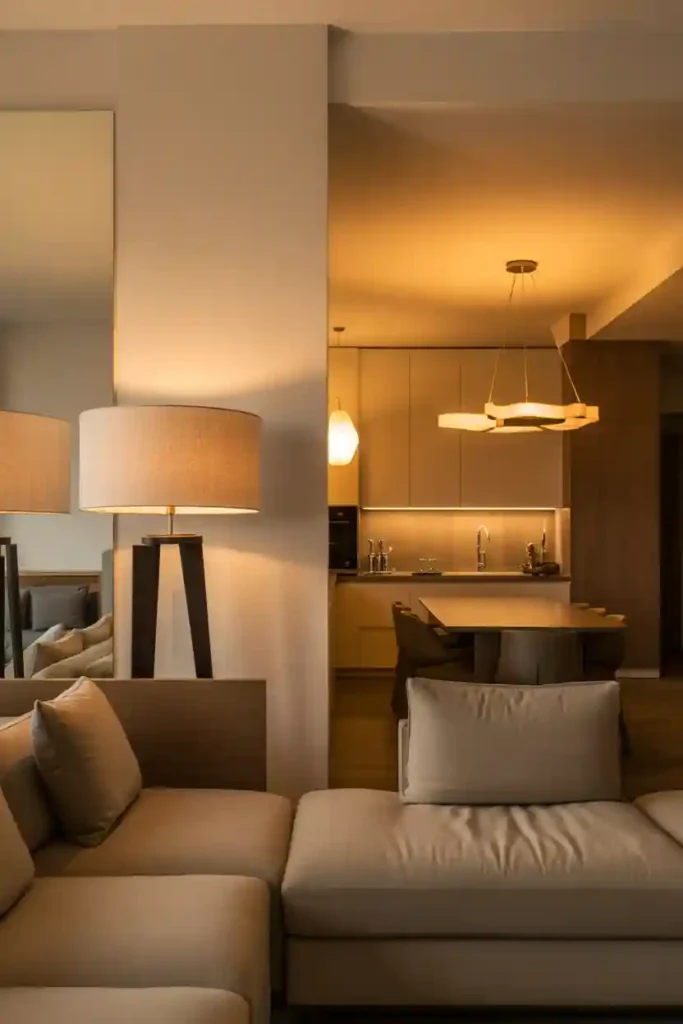
Lighting is a powerful tool in open concept spaces, helping to define zones while maintaining a unified feel. A combination of ambient, task, and accent lighting ensures each area is functional and visually connected.
Overhead lighting, such as chandeliers or pendant lights, anchors dining or seating areas. Floor lamps and table lamps provide localized lighting for reading or conversation nooks. Recessed lighting or wall sconces adds depth and balance across the open space. Using similar finishes or tones for fixtures throughout the room ties the design together. Layered lighting not only improves functionality but also creates warmth and rhythm, guiding the eye naturally from one area to another. Thoughtful placement and a cohesive lighting style make the entire open concept space feel inviting, intentional, and well-balanced.
6. Use Open Shelving Strategically
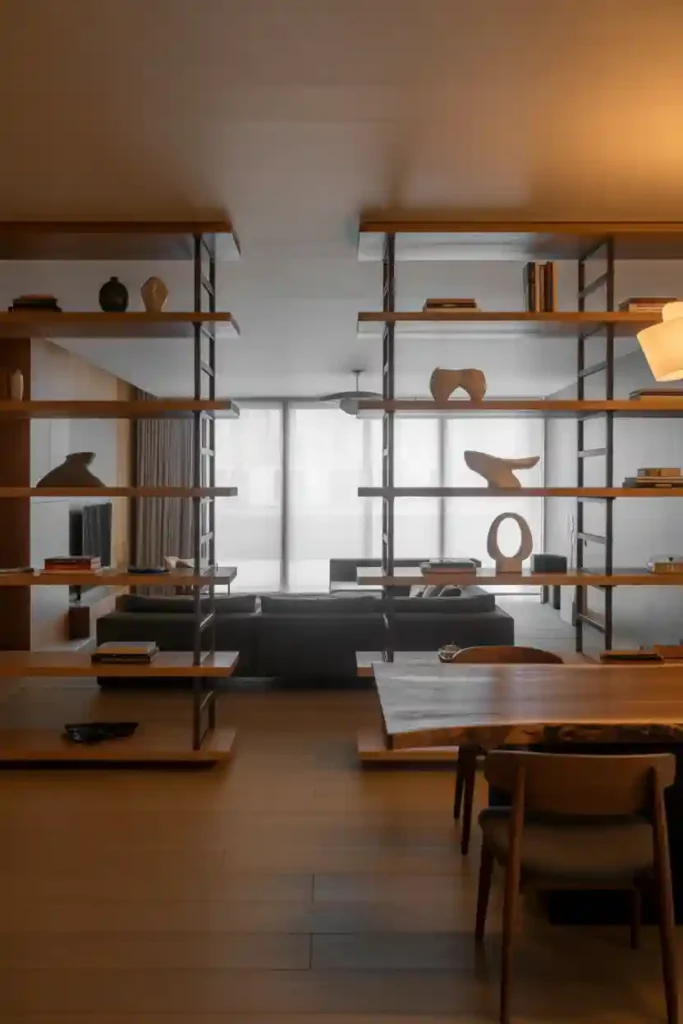
Open shelving is a smart design element for open concept spaces because it provides storage and display without blocking sightlines. Shelves can subtly separate areas while keeping the room airy and visually connected.
In the living area, open shelving can display books, plants, and decor, creating visual interest. In kitchens or dining zones, it can store dishes, glassware, or artful objects. The key is to balance open and closed storage to avoid clutter. By carefully styling open shelves with a consistent color palette and texture, you maintain cohesion while giving each zone definition. Open shelving enhances functionality and flow, making the space feel curated, organized, and connected.
7. Incorporate Islands or Console Tables
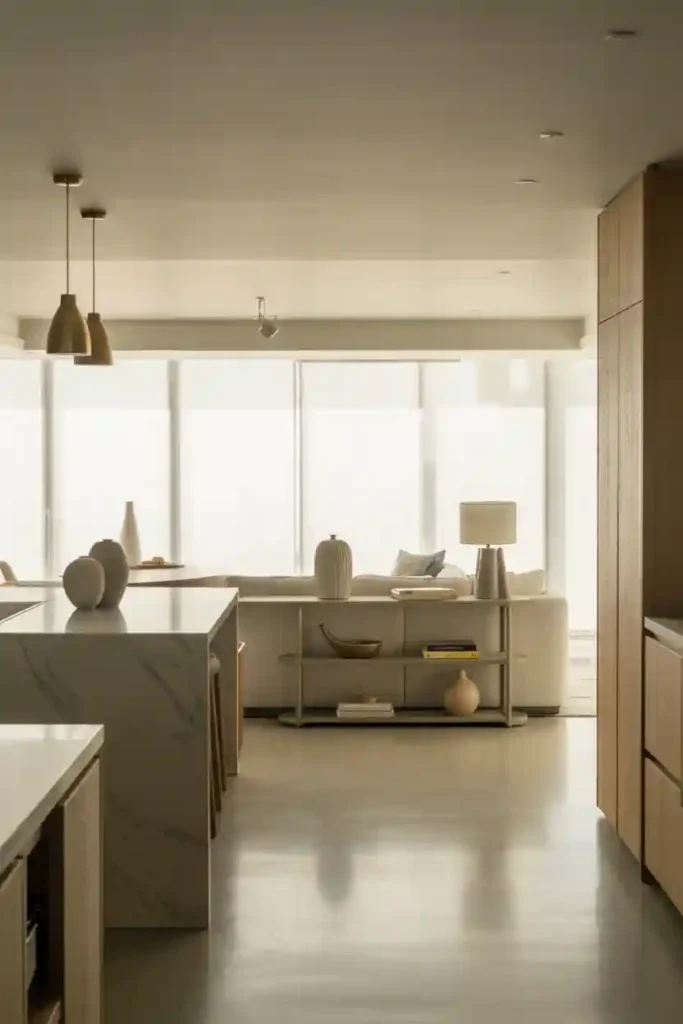
Islands and console tables act as practical dividers in open concept living spaces. A kitchen island naturally separates the cooking area from the living and dining zones while maintaining openness. Similarly, a console table behind a sofa can define the living area without closing it off.
These pieces serve dual purposes: they organize the layout and add storage or display space. Choose materials and colors that complement the overall palette to reinforce cohesion. Placement is key—ensure pathways remain clear and zones feel connected. Islands or console tables help the space feel structured and functional, giving each area purpose without compromising the airy, open feel.
8. Maintain Sightlines Across Spaces
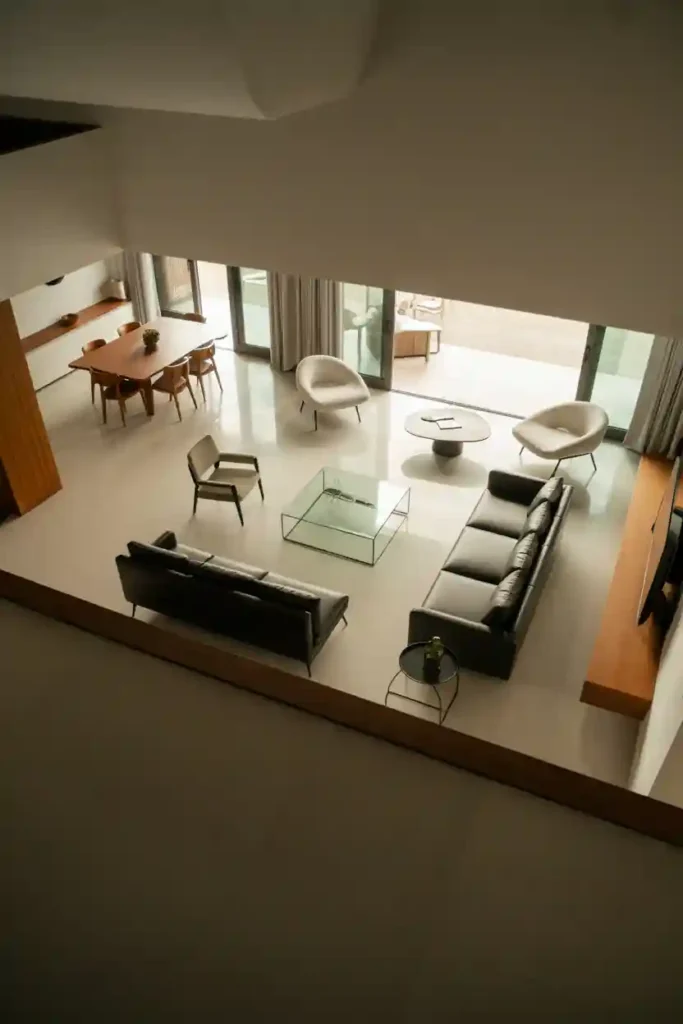
One of the most important principles in an open concept layout is maintaining clear sightlines. Open views make the space feel larger, cohesive, and connected, preventing it from feeling disjointed or chaotic.
Arrange furniture so it doesn’t block key lines of sight. Low-profile sofas, minimal partitions, and transparent or open shelving help preserve openness. Aligning zones visually allows the eye to flow naturally from the living area to the dining space and kitchen. Maintaining sightlines also enhances natural light distribution and creates a sense of balance. By ensuring visibility and openness, the entire living space feels unified, airy, and thoughtfully designed.
9. Mix Textures for Unity

In an open concept living space, mixing textures is a subtle way to unify separate zones while adding warmth and visual interest. Combining smooth, rough, soft, and natural materials creates cohesion across furniture, rugs, and decor.
For example, pair a linen sofa with a wooden coffee table, a plush rug, and metal or ceramic accent pieces. Even if different zones serve different functions, repeating textures—like natural wood in the dining table and shelving, or soft textiles in seating areas—helps visually link the spaces. Layering textures also adds depth and comfort, preventing a large open area from feeling flat or impersonal. Thoughtful use of texture ensures that each zone feels connected while retaining its unique identity. It’s an effective way to balance openness with intimacy, making the space feel cohesive and inviting.
10. Repeat Accent Colors or Patterns
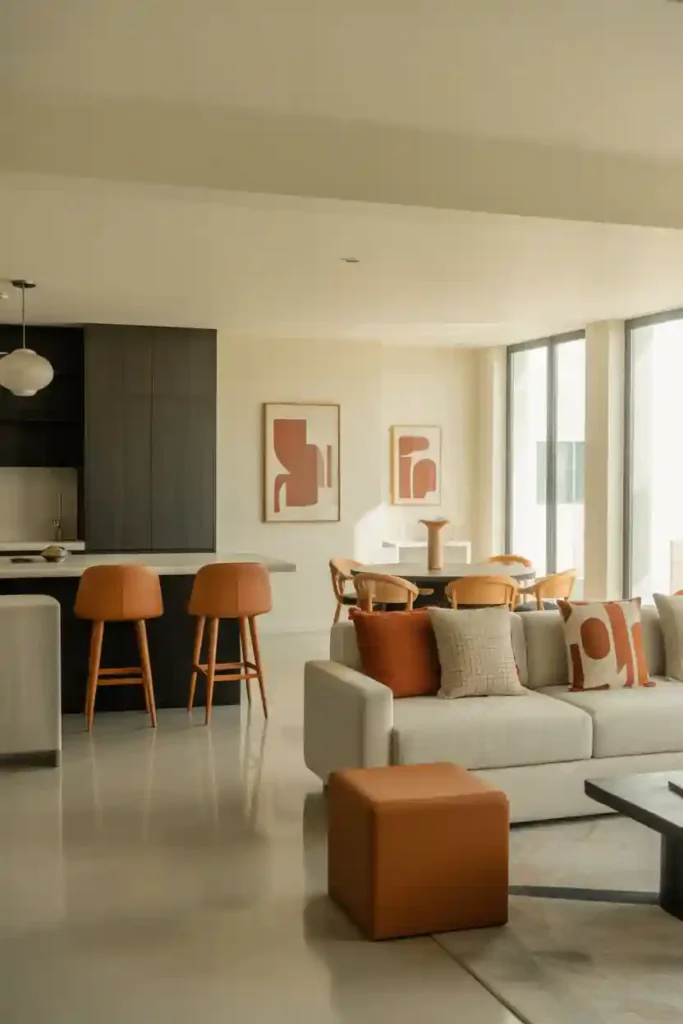
Repeating accent colors or patterns throughout an open concept space reinforces cohesion. Using a consistent color or pattern in pillows, throws, decor, or furniture ties separate zones together visually.
For instance, a navy throw in the living area can match dining chairs or kitchen barstools. Geometric patterns on rugs, cushions, or artwork repeated in different areas create harmony without monotony. Accent repetition establishes rhythm and flow, guiding the eye naturally across the room. This technique makes the space feel intentional, balanced, and thoughtfully curated, ensuring that even with multiple functional zones, the open concept living space reads as one cohesive design rather than disconnected fragments.
11. Flexible Seating Options
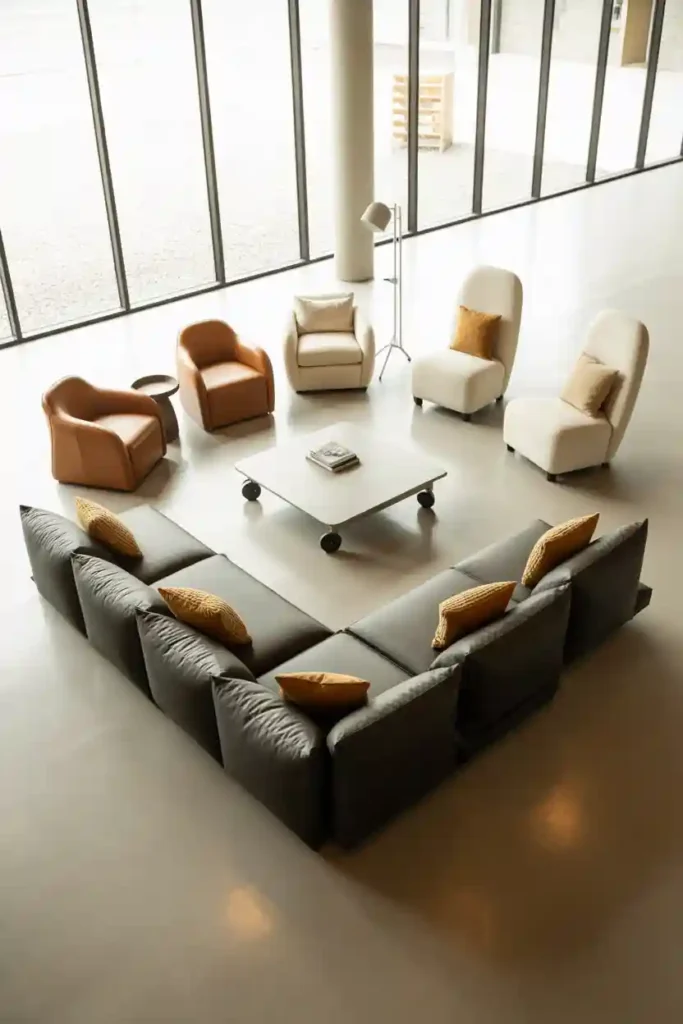
Flexible seating is key in open concept layouts, providing versatility and adaptability for gatherings, family time, or quiet moments. Incorporating movable chairs, ottomans, or benches allows the space to shift depending on use.
Sectionals or modular sofas can be reconfigured to accommodate large gatherings or create intimate corners. Poufs and benches provide extra seating without crowding zones. Flexible seating maintains openness while improving functionality. It also encourages social interaction by allowing people to move furniture to suit conversation or activities. By planning adaptable arrangements, your open concept living space feels dynamic, comfortable, and cohesive, ensuring every area works for both everyday living and entertaining.
12. Use Low Furniture to Preserve Openness
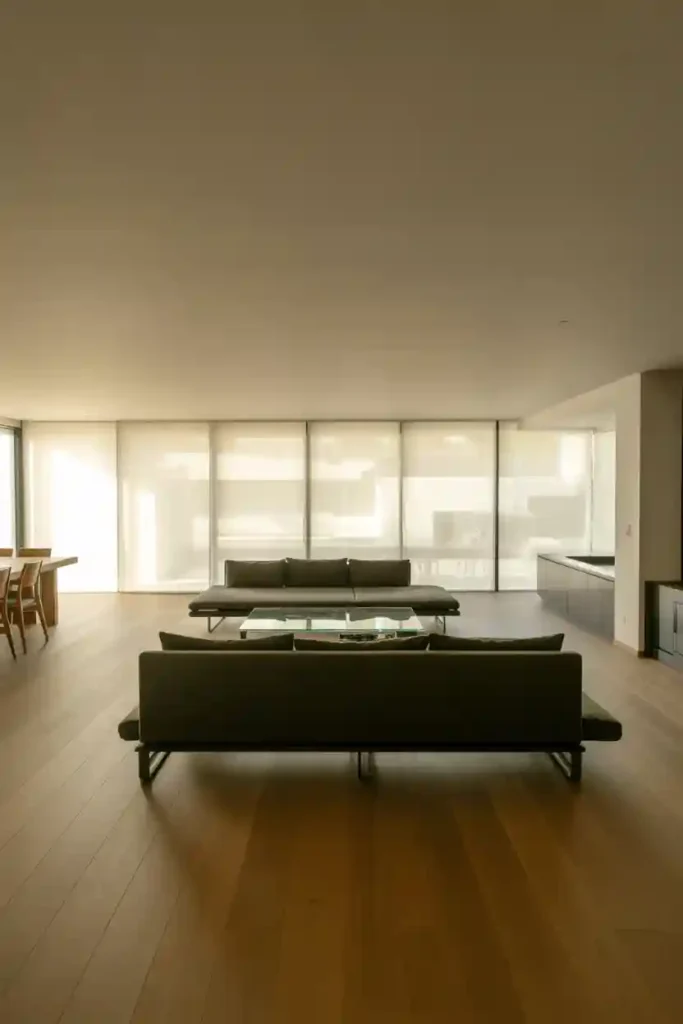
Low-profile furniture helps maintain the airy, connected feel essential in open concept spaces. Sofas with low backs, short coffee tables, and streamlined chairs allow sightlines to remain open, linking zones visually.
This approach is especially effective in rooms with high ceilings or wide layouts. Low furniture creates a sense of spaciousness while still defining functional areas. Combine low pieces with rugs, layered lighting, and cohesive decor to anchor each zone without visually cutting off other spaces. Low-profile furniture ensures that large open rooms feel welcoming, balanced, and cohesive rather than fragmented or empty. It’s a simple but powerful strategy to maintain openness and flow across the entire layout.
13. Add Decorative Partitions Without Walls
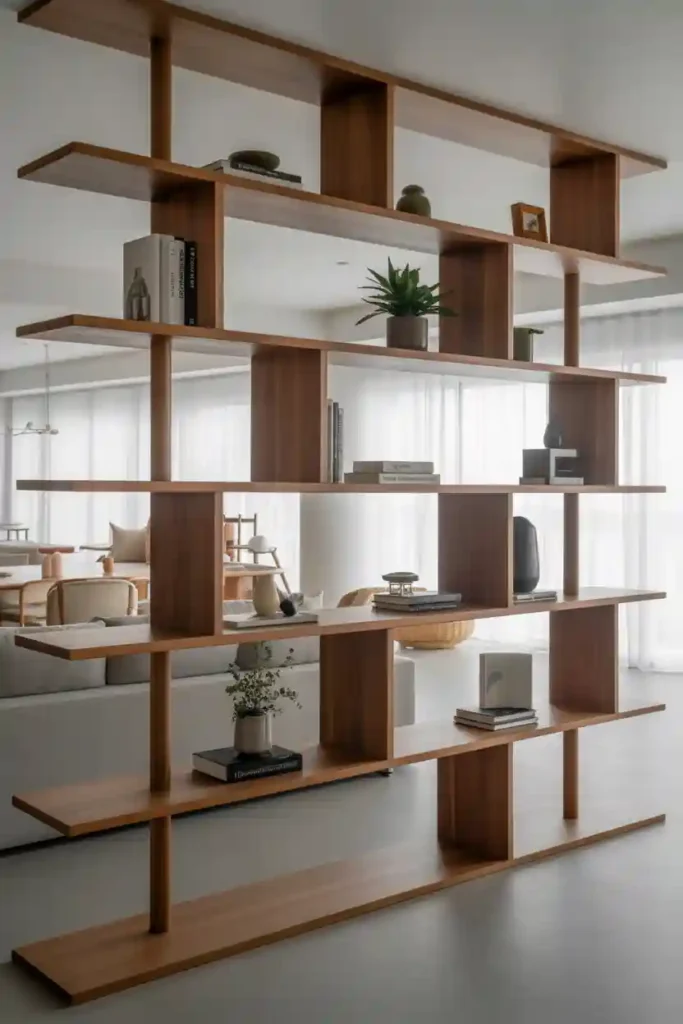
In an open concept living space, decorative partitions are a stylish way to subtly separate zones while maintaining openness. Options like open shelving, screens, or glass dividers create boundaries without blocking light or flow.
For example, an open bookshelf between the living and dining areas can display books, plants, or art while still allowing visual connection. A glass or metal screen can define a reading nook or office corner without cutting off sightlines. Partitions add structure and interest, helping each area feel purposeful. Choosing materials and colors that match the overall palette ensures cohesion. Decorative partitions make a large open space feel layered and organized, providing a sense of intimacy in a spacious, airy layout.
14. Incorporate Greenery to Connect Zones
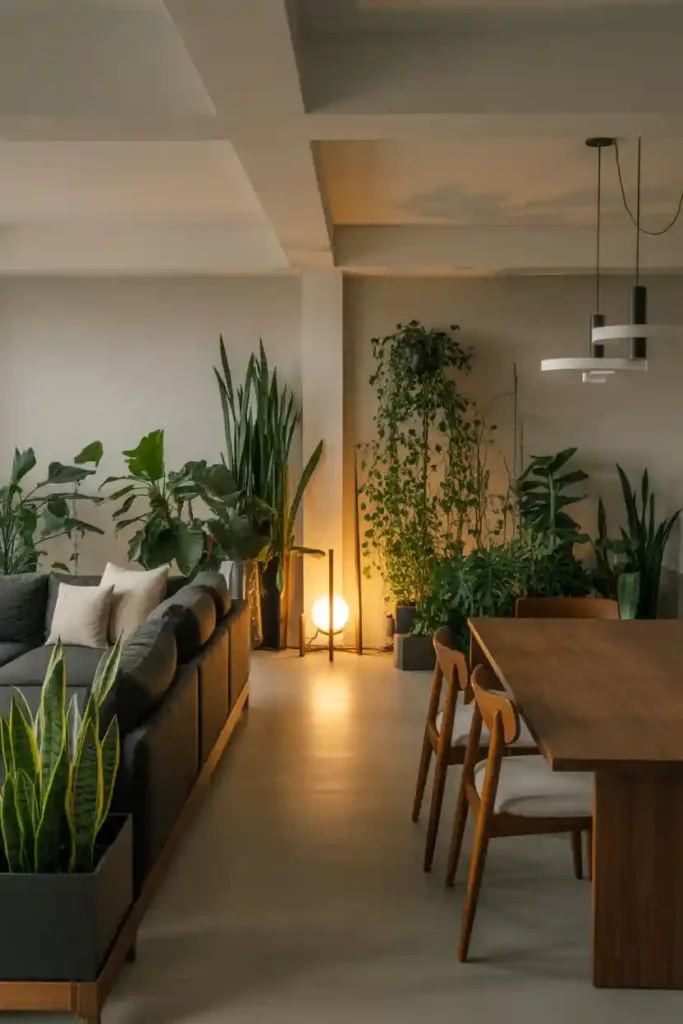
Plants are a natural way to tie together different areas in an open concept layout. Greenery adds life, color, and texture, while subtly linking zones across the space.
Large potted plants can anchor corners or act as soft dividers, while smaller plants on shelves or tables create rhythm and continuity. Using similar pots, planters, or types of plants throughout the room ensures a cohesive look. Greenery enhances the airy feel and adds warmth, making the space feel comfortable and connected. It also improves visual flow, helping the eye travel naturally from the living area to the dining or kitchen zones. Thoughtfully placed plants unify the design while keeping the open concept lively and welcoming.
15. Use Art and Accessories to Tie Areas Together
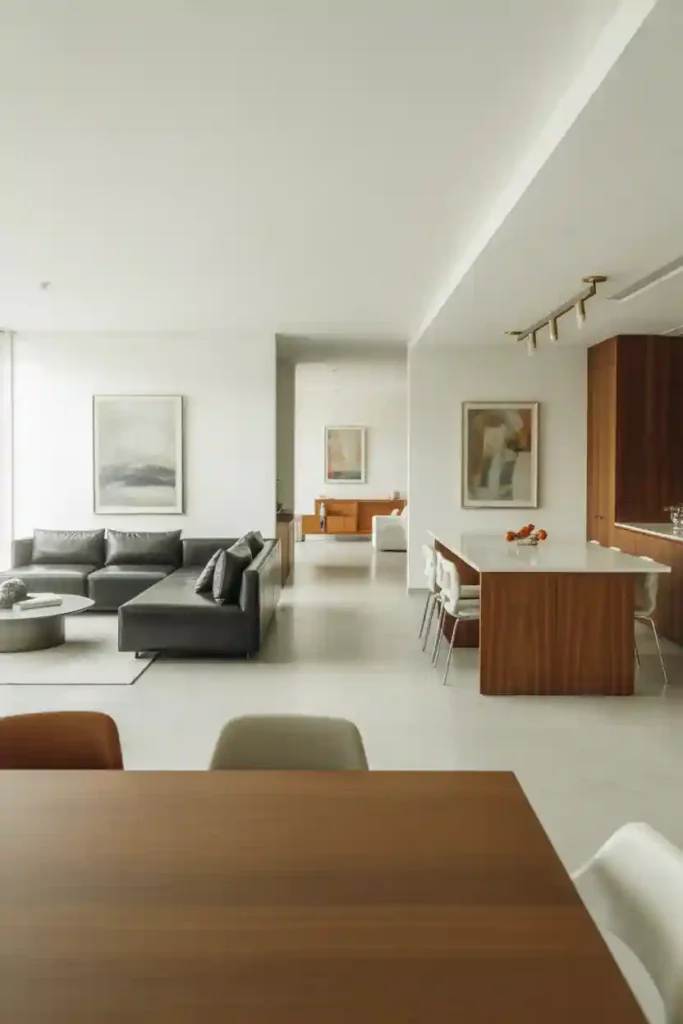
Art and accessories can unify an open concept space by repeating color, style, or theme across zones. Coordinated artwork, cushions, vases, or decorative objects create visual rhythm that links the living, dining, and kitchen areas.
Place large-scale art in one area and smaller complementary pieces in other zones to maintain balance. Repeating textures or patterns in decor items subtly reinforces cohesion. Accessories also allow each zone to feel individualized while still part of a harmonious whole. When chosen thoughtfully, art and accessories prevent the space from feeling disjointed, adding personality and warmth. This approach ensures that even multiple functional zones feel intentional, stylish, and connected.
16. Keep Decor Minimal and Purposeful
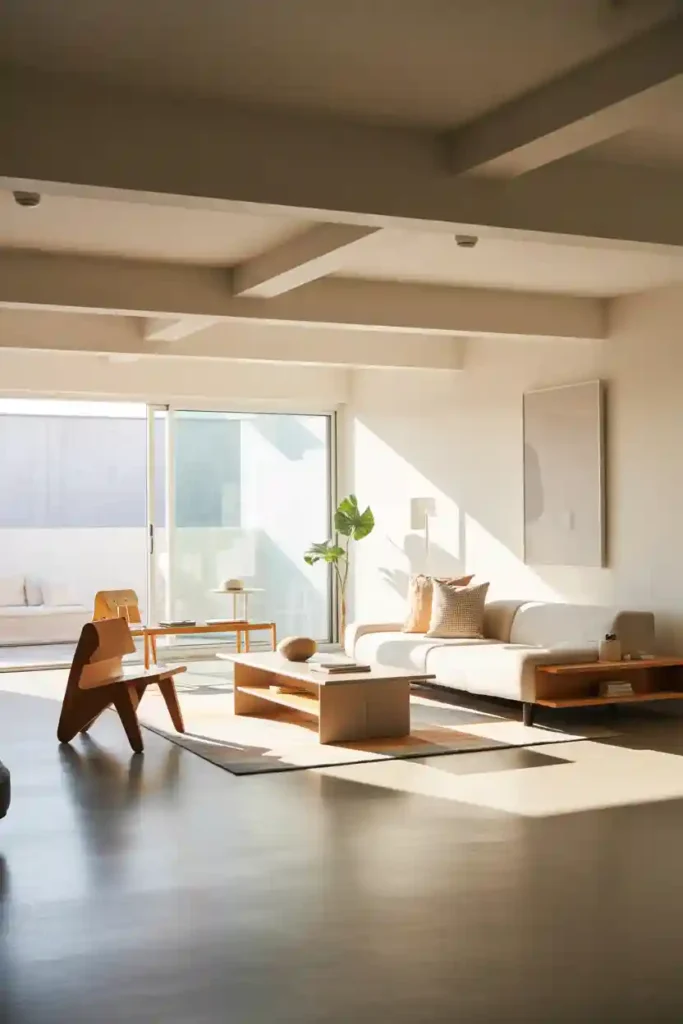
In open concept layouts, minimal and purposeful decor prevents the space from feeling cluttered or chaotic. Large areas can easily become visually overwhelming if every surface is filled with objects.
Choose decor pieces that serve a functional or aesthetic role. For example, a statement rug, a sculptural light fixture, or a few carefully chosen accessories can anchor each zone without overcrowding it. Minimal decor enhances clarity and flow while allowing open sightlines and natural light to shine. Purposeful styling creates harmony, making the entire open concept living space feel clean, cohesive, and inviting. Less truly is more in achieving a well-balanced and functional open layout.
Final Words
Designing an open concept living space can feel challenging, but with the right strategies, it’s possible to create a home that’s both spacious and cohesive. By defining zones with rugs, furniture, or subtle partitions, layering lighting, and repeating colors, textures, and patterns, every area can feel intentional while remaining connected. Thoughtful styling, minimal decor, and greenery help unify the space and enhance flow, making the layout functional, inviting, and visually balanced. Whether you’re entertaining, relaxing, or working, these ideas ensure each zone works harmoniously without compromising openness.