17 Small Dining Room Ideas That Feel Spacious
Designing a small dining room that feels spacious is a creative challenge, but with the right strategies, it’s entirely achievable. Small spaces often come with limitations, but these can be transformed into opportunities for style and functionality. Thoughtful furniture choices, clever layouts, and smart décor techniques can open up even the coziest rooms, making them feel airy and inviting. Light colors, reflective surfaces, and furniture that maximizes vertical space are key tools to enhance openness, while multifunctional pieces ensure the room is practical for daily use.
Whether you live in an apartment, townhouse, or compact home, a small dining room can be both stylish and functional. In this guide, we’ll explore 17 small dining room ideas that feel spacious, providing actionable tips, creative inspiration, and image prompts to help you visualize each concept. From furniture selection to lighting strategies, these ideas will transform your small dining space into a comfortable, stylish, and open area perfect for entertaining or family meals.
1. Choose a Round or Oval Dining Table
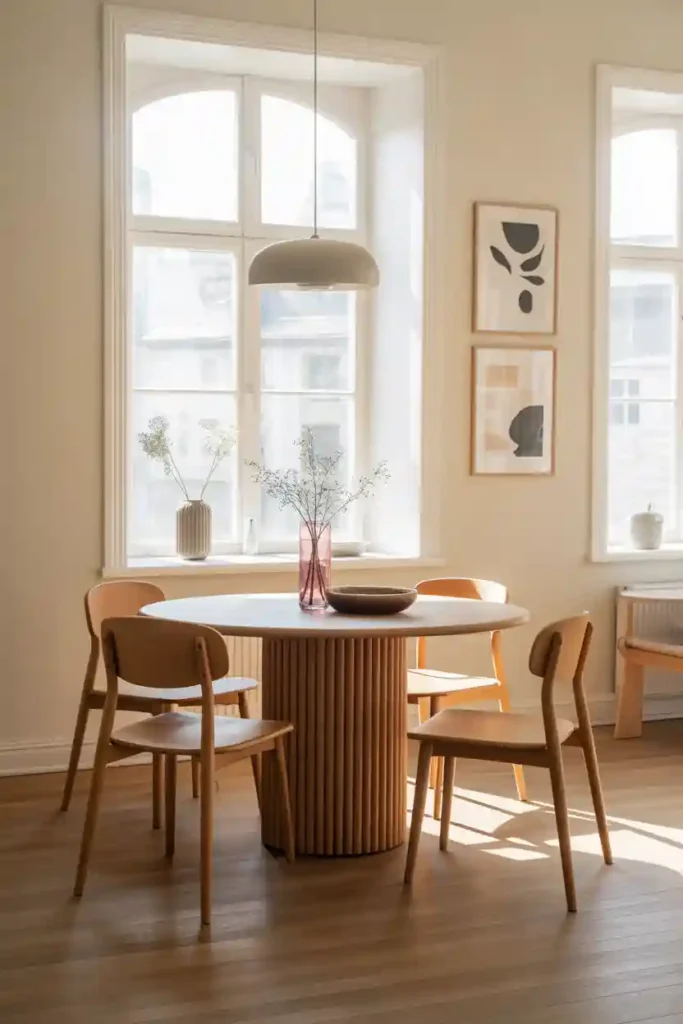
A round or oval dining table naturally opens up a small space by eliminating sharp corners and creating smoother circulation. Unlike rectangular tables, which can make a room feel boxed in, round tables encourage an organic flow, allowing movement around the table without obstruction. They’re ideal for compact dining rooms because they can often seat more people without taking up additional floor space. Pairing a round table with a pedestal base further frees up legroom and creates a visually lighter feel.
Light-colored chairs and minimalistic table décor enhance the airy effect, while a simple centerpiece like a vase or fruit bowl maintains elegance without overcrowding. Round tables are also versatile in design, complementing modern, Scandinavian, or farmhouse styles. If your space is narrow, consider an oval table that can fit comfortably along the length of the room while maintaining the benefits of rounded edges.
2. Use Transparent Furniture
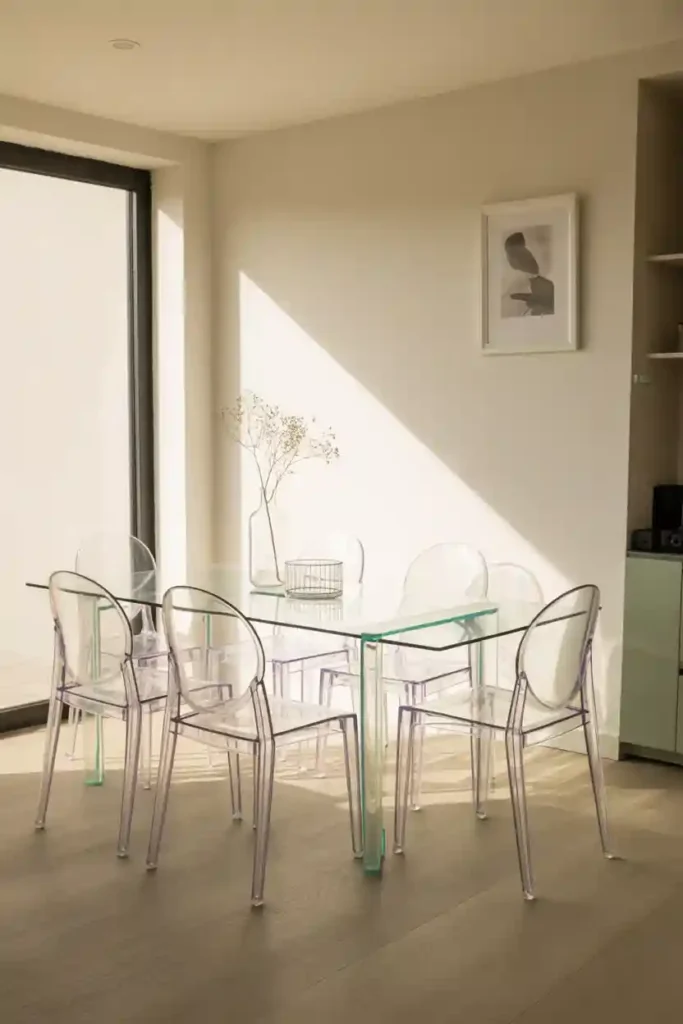
Transparent furniture, like acrylic or glass tables and chairs, is a clever way to make a small dining room feel larger. These pieces reduce visual clutter because they don’t obstruct sightlines, allowing your eyes to travel freely across the room. A glass table paired with acrylic chairs maintains function without adding visual weight. Transparent furniture works particularly well in rooms with limited natural light because it doesn’t absorb light or block reflections, enhancing brightness. You can mix transparent seating with a subtle rug or warm-toned tabletop to add texture and comfort without compromising openness.
This approach suits contemporary, minimalist, or even eclectic styles. Additionally, transparent furniture can easily blend with existing décor, making it a flexible solution for small spaces. In tight areas, it can make movement feel effortless, while still providing a stylish focal point for family meals or entertaining guests.
Read Also: 17 Modern Bedroom Decor Ideas That Feel Relaxed
3. Incorporate a Bench Instead of Chairs
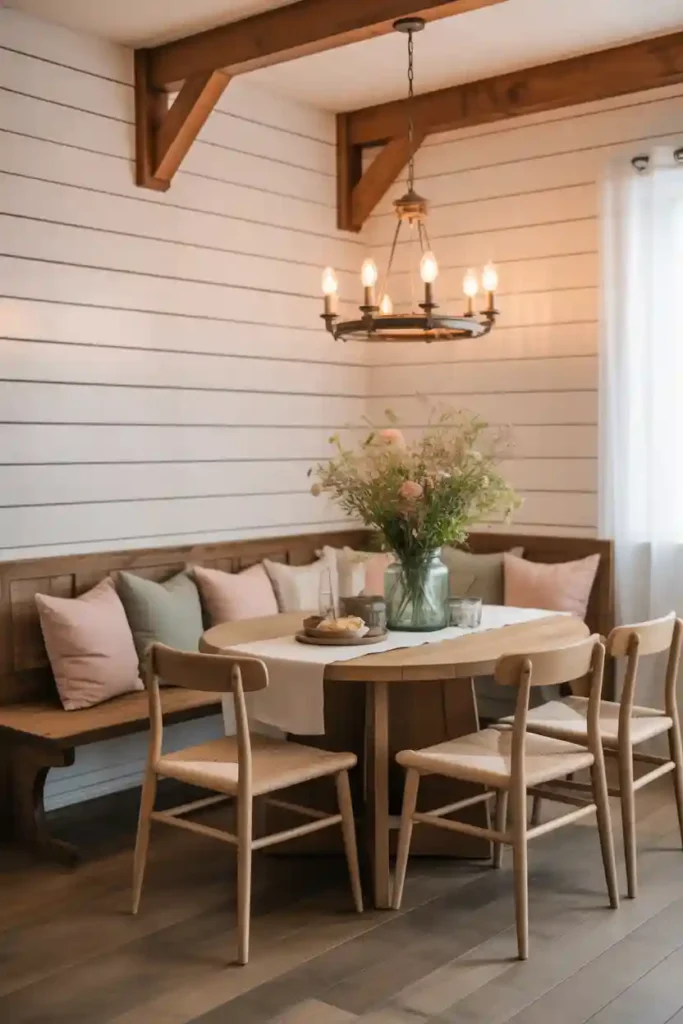
Benches are an excellent alternative to chairs in small dining rooms because they optimize space and flexibility. A bench can slide under the table when not in use, freeing up floor space and creating a streamlined look. They also allow for more seating without adding extra furniture legs, which can clutter the room visually.
To keep it cozy, add cushions or a long throw to the bench, providing comfort while maintaining a stylish, cohesive appearance. Benches work beautifully in modern farmhouse, Scandinavian, and contemporary interiors, complementing both round and rectangular tables. For narrow dining rooms, consider placing a bench along a wall to maximize circulation and avoid overcrowding. A bench can also serve multiple purposes—use it as extra seating elsewhere in the home or for casual lounging, making it a multifunctional investment.
4. Light-Colored Walls and Furniture
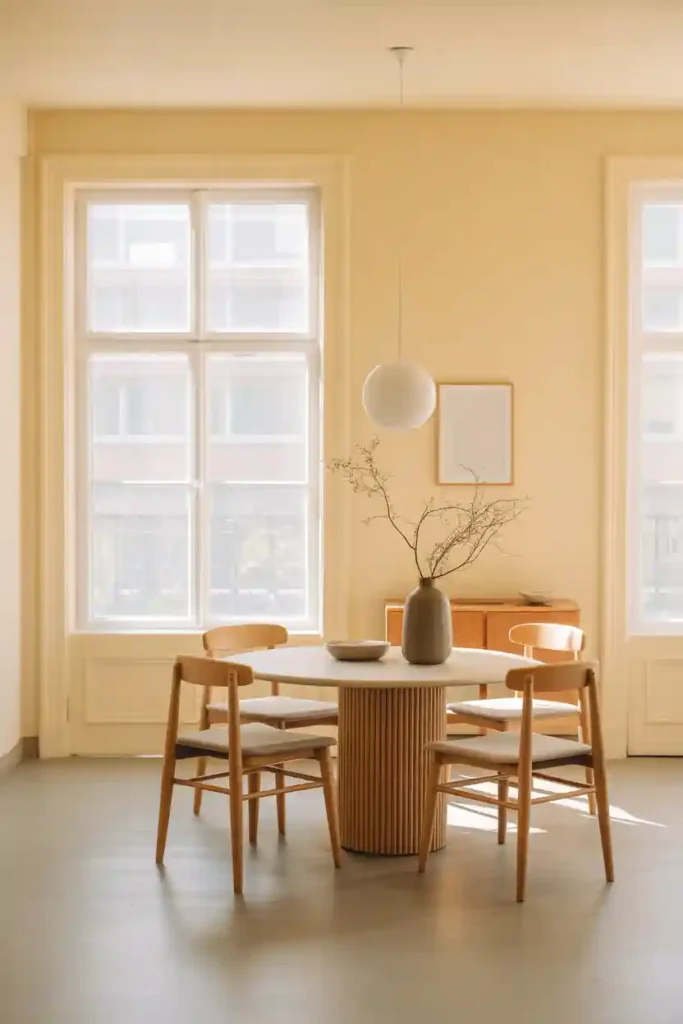
Light colors are a timeless trick to make any small space feel larger. Soft shades of white, cream, beige, and pastel tones reflect natural light, creating the illusion of depth and openness. When paired with light-colored furniture, the effect is amplified, as the room feels visually connected rather than broken up by contrasting tones. Light walls also provide a neutral backdrop, allowing small décor items, artwork, or statement lighting to shine without overwhelming the space.
You can add subtle pops of color through chair cushions, table runners, or small decorative pieces to maintain personality. Light tones work well with minimalist, Scandinavian, and coastal designs, enhancing the airy feel while maintaining warmth. Even a dark feature piece can stand out beautifully against a light backdrop, making the room stylish yet uncluttered.
5. Add a Large Mirror
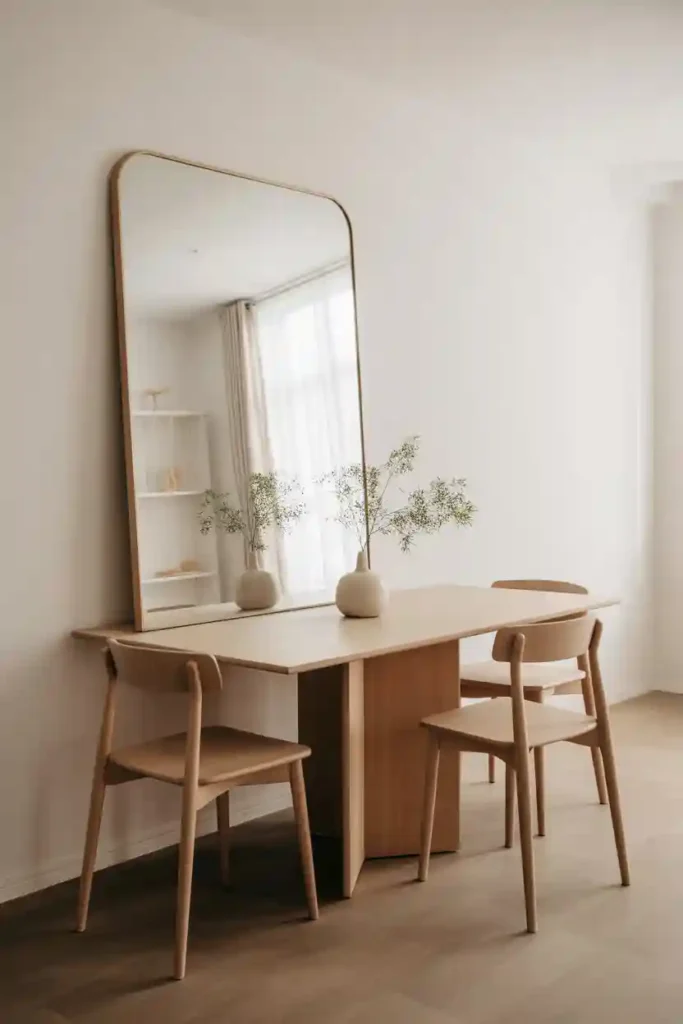
Mirrors are a powerful tool for creating the illusion of space. In a small dining room, a large wall-mounted mirror reflects light, visually doubling the room’s size and making it feel brighter and more open. Choose a mirror with a sleek frame or decorative border that complements your furniture and décor style.
Positioning the mirror opposite a window enhances the effect by reflecting natural light throughout the space. Mirrors can also serve as a subtle focal point, adding elegance and depth without taking up floor space. For an extra design touch, consider grouping smaller mirrors in a gallery arrangement to create a modern, artistic statement. This technique is particularly effective in rooms that feel narrow or lack natural light, providing an instant sense of openness and sophistication.
6. Hang Pendant Lighting
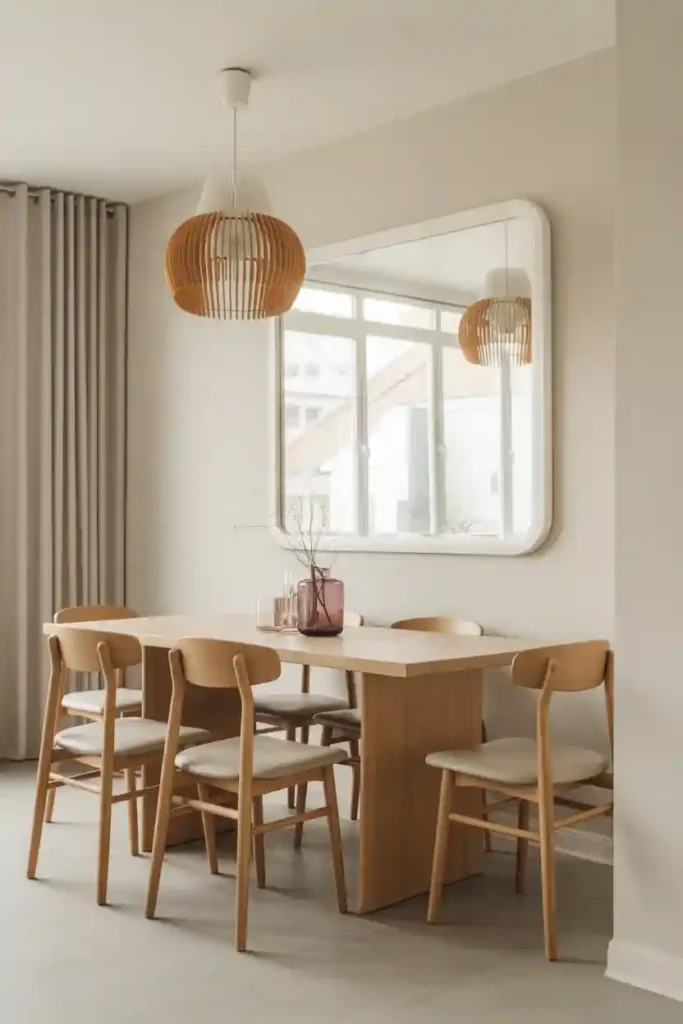
Pendant lighting draws the eye upward, emphasizing the vertical space in a small dining room. A single pendant or small chandelier over the dining table creates a visual focal point while freeing up surface space for other décor. Opt for fixtures with slim, elongated designs to maintain openness, and avoid oversized lights that can dominate the room. Materials like glass, metal, or woven fibers add style without adding bulk.
Lighting with adjustable height offers flexibility, allowing you to customize the ambiance for meals, gatherings, or work. A well-placed pendant can also complement a round or oval table, creating a balanced visual effect. Layering pendant lighting with subtle wall sconces or under-shelf lights enhances depth, brightness, and the overall spacious feel.
7. Use Multifunctional Furniture
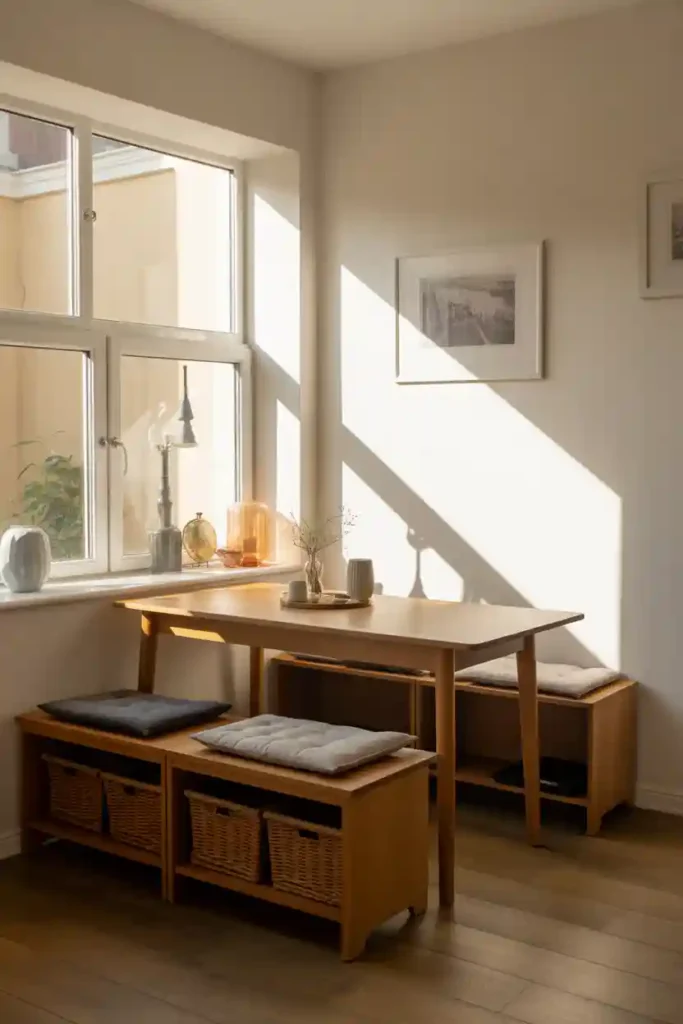
In small dining rooms, every piece of furniture must pull double duty. Multifunctional furniture is essential for maximizing space and keeping the area organized. Consider extendable dining tables that can grow when guests arrive and shrink for daily use, or storage benches that double as seating and hidden storage. Nesting tables can serve as extra surfaces when needed but tuck away neatly when not in use. Even chairs with built-in storage or foldable designs help maintain a spacious feel.
Choosing multifunctional furniture not only saves physical space but also reduces visual clutter, which is key in compact rooms. Materials such as light wood, acrylic, or slim metals keep the furniture visually light. This approach is especially useful in apartments or narrow dining areas where flexibility is crucial. By strategically selecting pieces that serve more than one purpose, your small dining room can remain stylish, functional, and open.
8. Create Vertical Storage

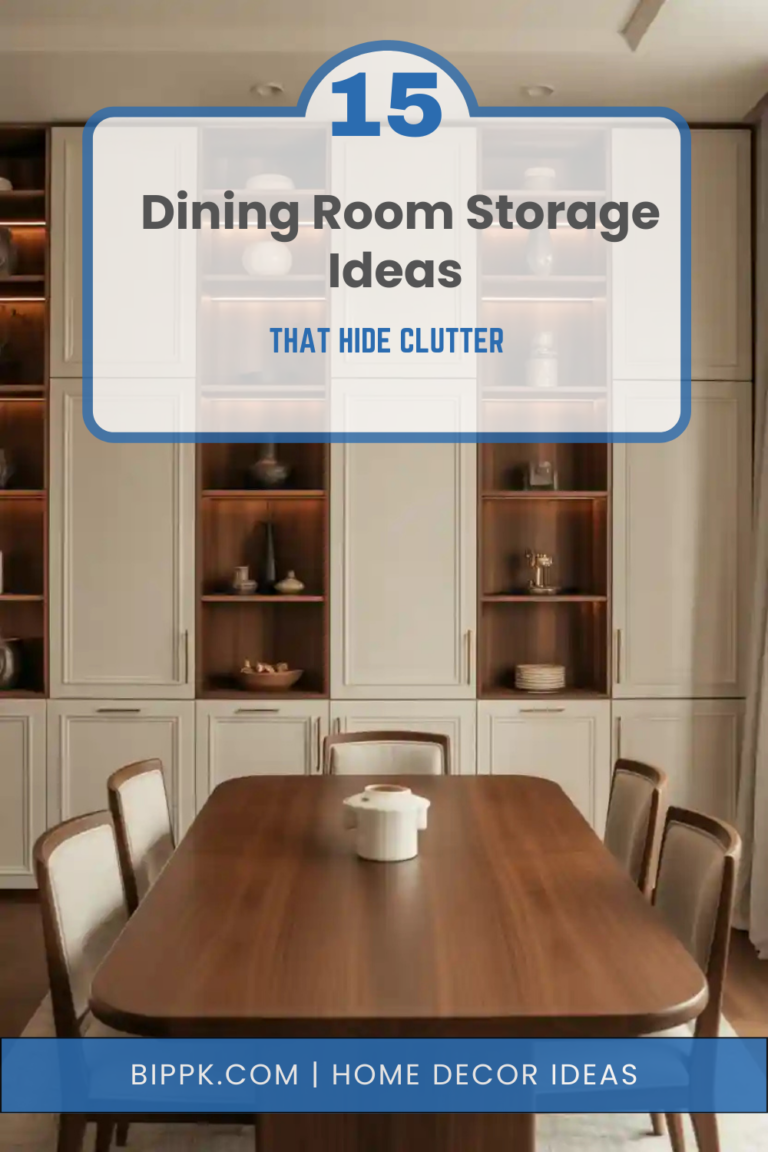
When floor space is limited, look upward. Vertical storage solutions, like tall shelving units, wall-mounted shelves, or floating cabinets, take advantage of unused wall space and free up the floor area. These can store dishes, glassware, decorative items, or plants, adding both function and style. Open shelving keeps the room feeling airy, while closed cabinets reduce visual clutter. Using vertical storage also draws the eye upward, emphasizing the height of the room and creating an impression of space.
Combine shelves with minimal décor and neutral colors to maintain a clean, organized look. For a touch of personality, display small plants, ceramics, or framed photos without overcrowding the surfaces. Vertical storage is particularly effective in narrow or long dining rooms, where floor space is precious. By lifting items off the floor, you increase circulation, making the space feel open and welcoming.
9. Keep the Floor Clear
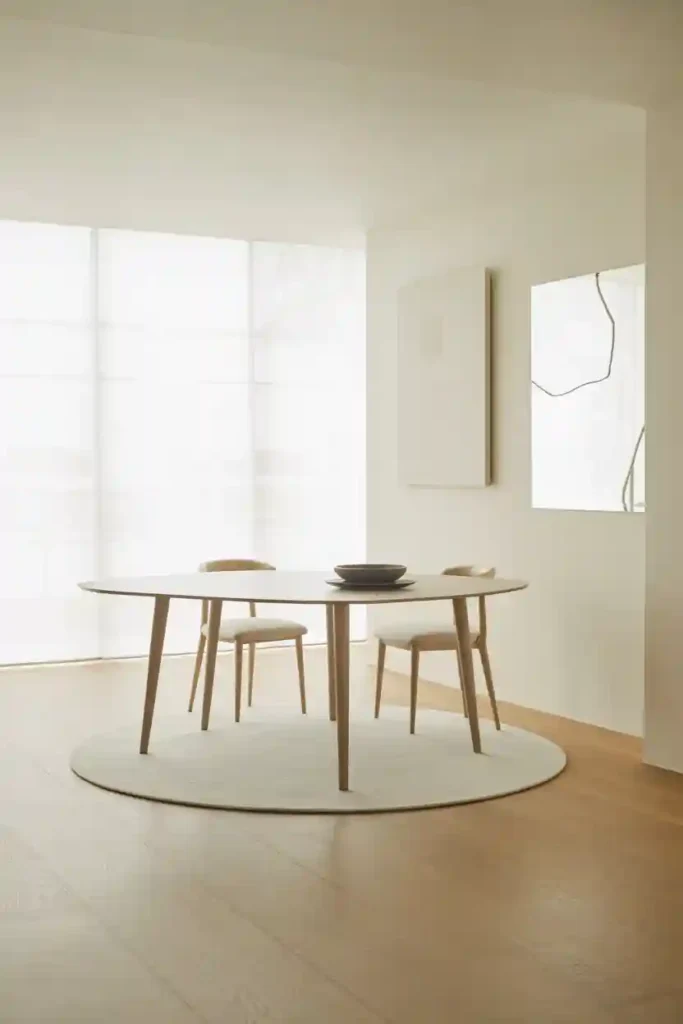
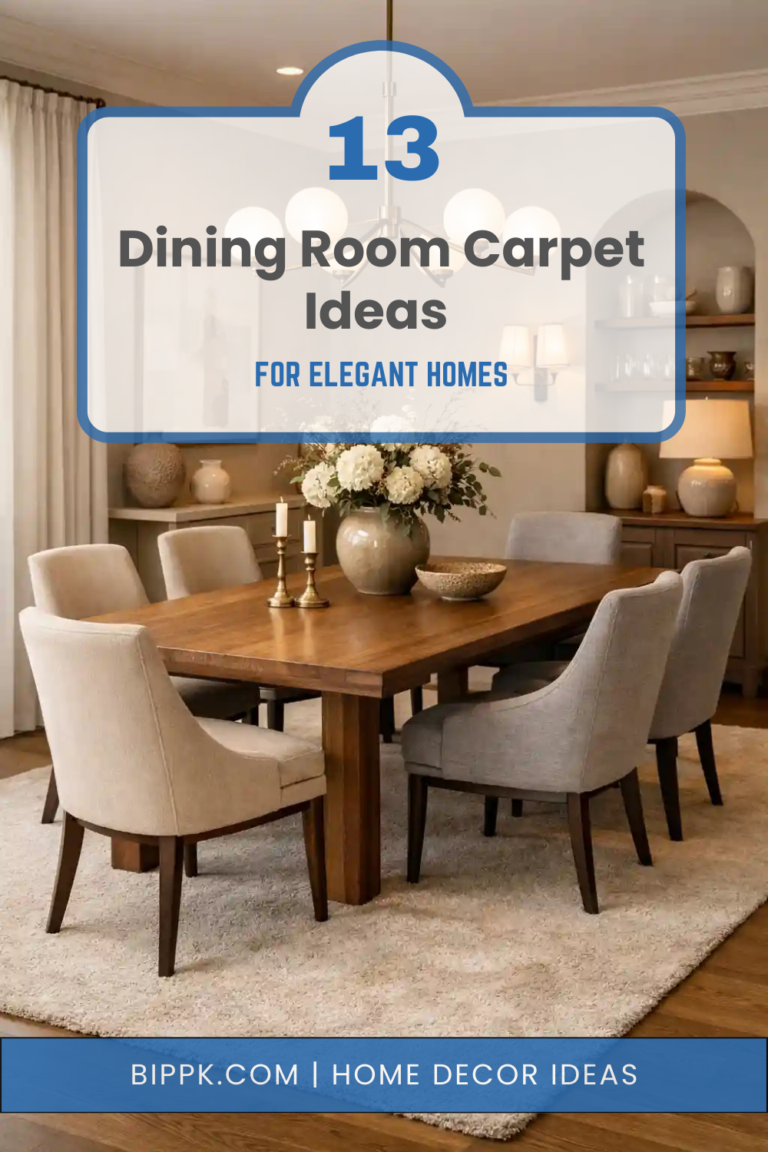
Open floor space is one of the easiest ways to make a small dining room feel larger. Avoid bulky furniture, oversized rugs, or unnecessary décor that takes up valuable space. Instead, use a compact dining table and chairs with slender legs, and select a small or medium-sized rug to define the dining area without visually crowding it. Clearing the floor also improves movement and circulation, making the room feel less cramped.
Transparent or lightweight furniture can complement this approach, as they reduce visual weight while maintaining functionality. Even small design choices, like wall-mounted lighting instead of floor lamps, help keep the floor clear. Minimalist décor and careful organization prevent clutter, which is essential in compact spaces. By focusing on floor openness, your dining area feels airy, welcoming, and comfortable for daily meals or entertaining guests.
10. Opt for Wall-Mounted Seating
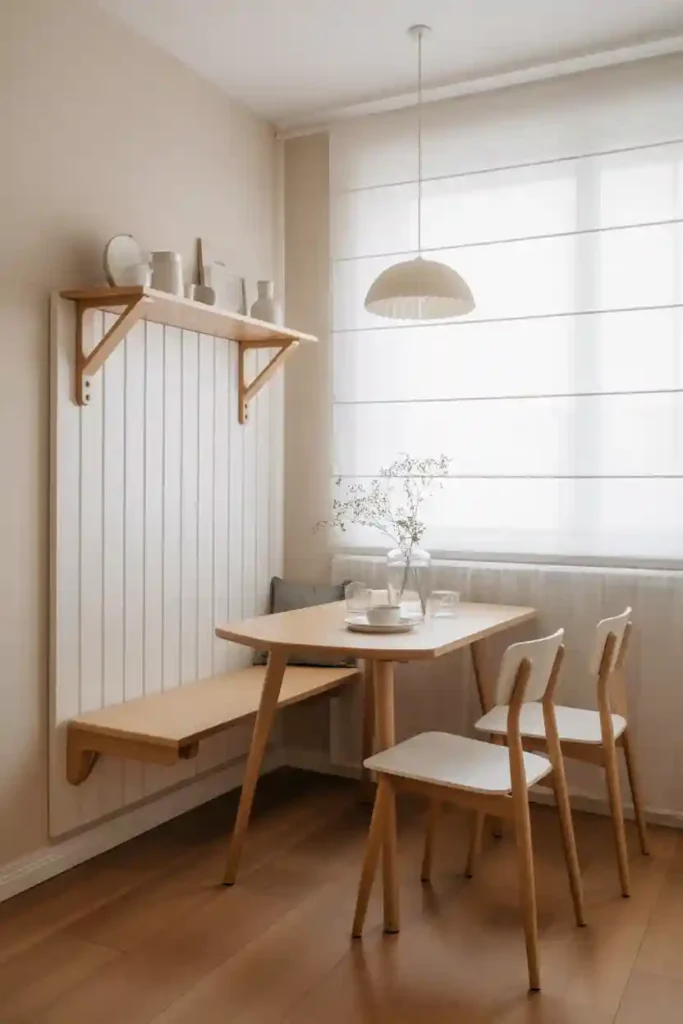
Wall-mounted seating is a clever solution for small dining rooms, especially those with limited floor space. Fold-down benches or wall-mounted drop-leaf tables can be tucked away when not in use, freeing up circulation and giving the room a clean, open feel. Floating seating eliminates the bulk of traditional chairs, making narrow spaces more functional and visually light. These pieces are perfect for compact dining nooks or kitchens where space is at a premium.
Adding cushions or upholstered pads makes wall-mounted seating comfortable while maintaining a sleek look. Combined with a small, lightweight table, this setup creates a practical and stylish dining area without overcrowding. Wall-mounted seating also adds a modern, minimalist touch, and it can double as additional storage if you choose models with hidden compartments or hooks underneath. The result is a flexible, airy dining space that feels larger than it really is.
11. Use Reflective or Glossy Surfaces
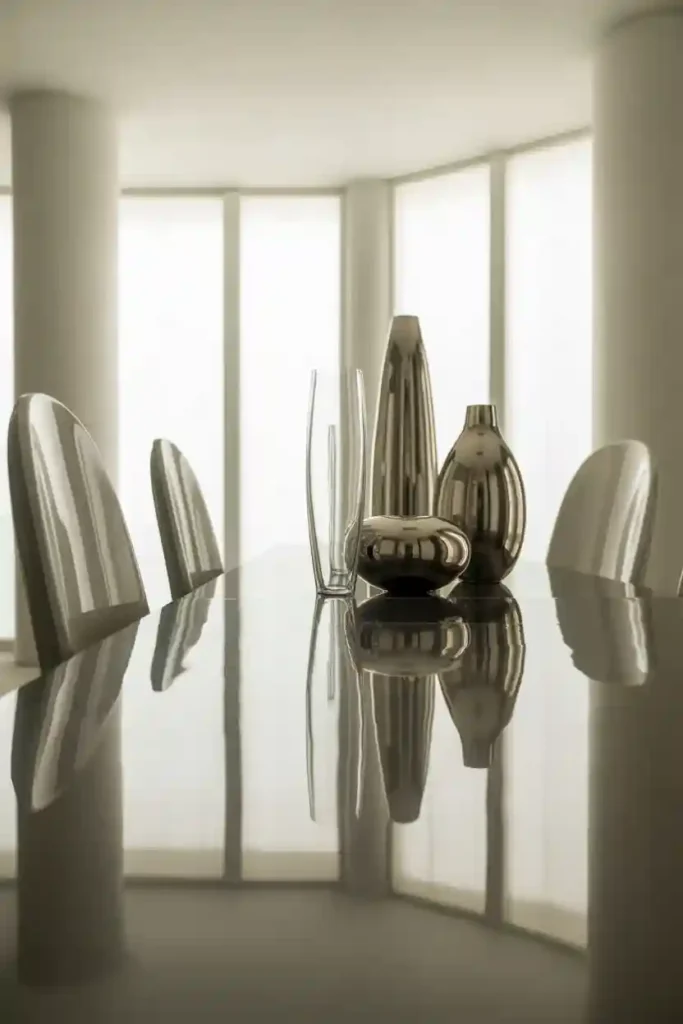
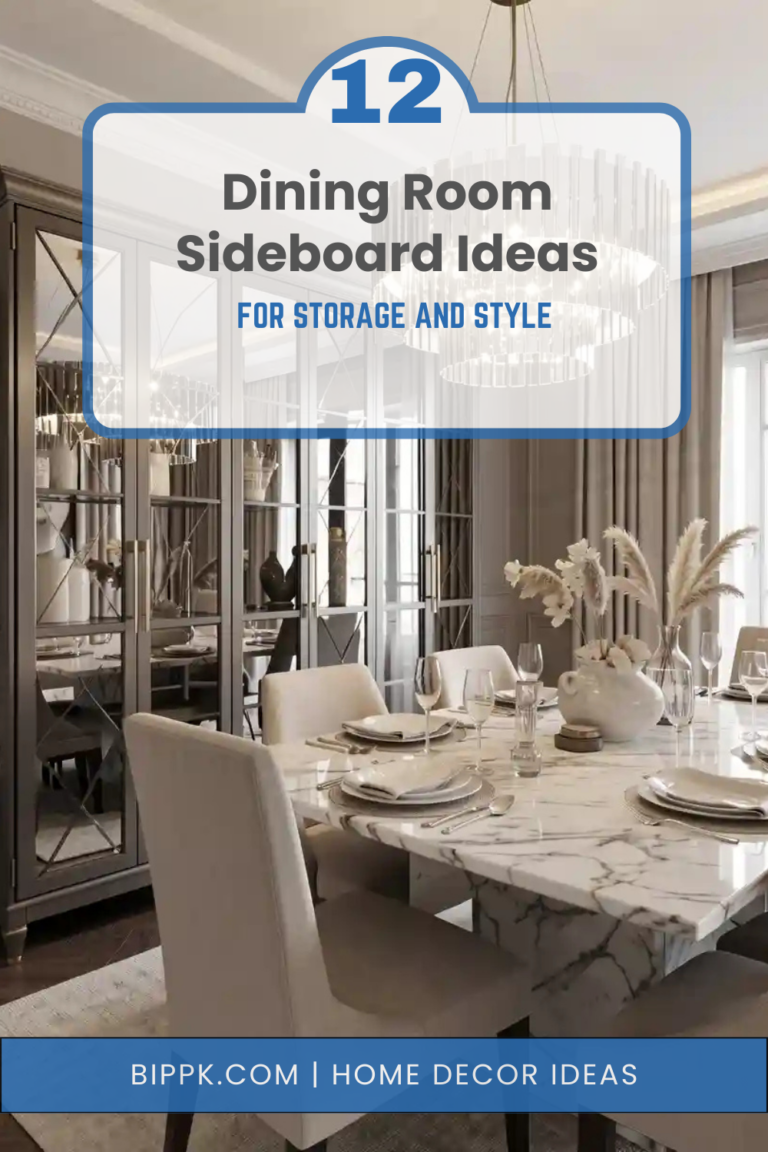
Reflective surfaces are a simple but effective way to enhance the sense of space in a small dining room. Glossy tables, lacquered cabinets, mirrored backsplashes, or metallic décor elements bounce light around the room, creating depth and openness. Even subtle metallic accents, like brass handles, silver tableware, or chrome chair legs, help prevent the room from feeling flat.
A glass tabletop combined with a light-colored rug and walls maximizes this effect, making the dining area visually airy. Reflective surfaces pair well with minimalist décor and modern furniture, ensuring the room feels open without being overly flashy. These surfaces also allow light from windows or pendant fixtures to spread across the room, brightening dark corners. Incorporating glossy or mirrored elements is a smart way to make a small space feel luxurious, contemporary, and spacious at the same time.
12. Hang Art at Eye Level
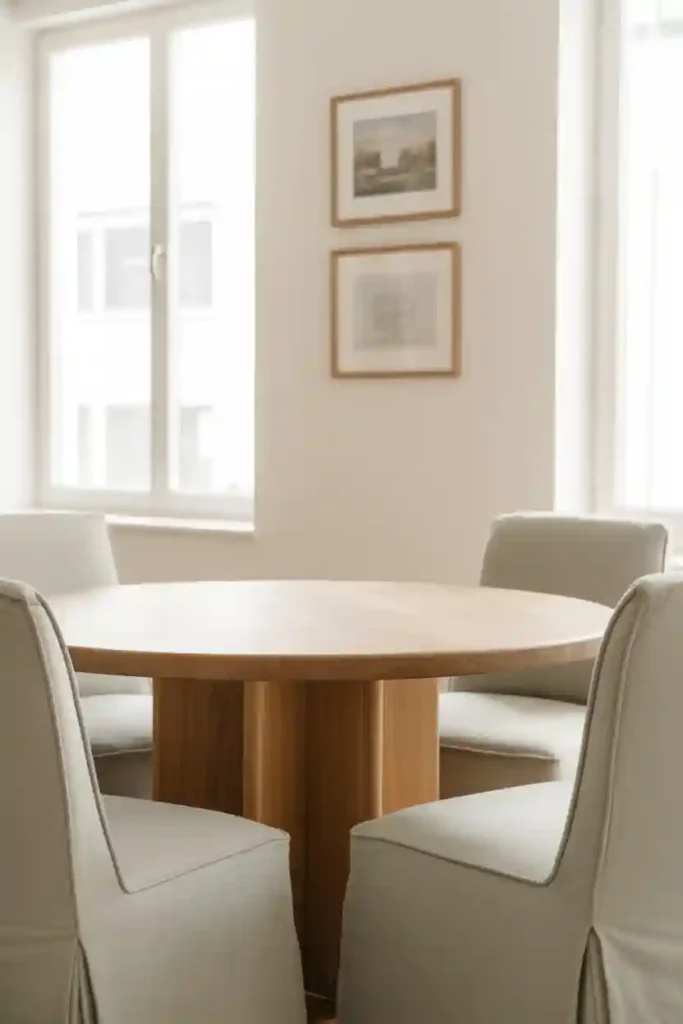
Hanging art at eye level is a subtle design trick that can make a small dining room feel more open. When artwork is placed too high or low, it can disrupt the visual flow and make walls feel crowded. By keeping art at eye level, you create a horizontal visual line that draws attention across the room rather than up or down, enhancing the sense of width. Choose medium-sized pieces or small grouped galleries rather than one oversized artwork to maintain balance and proportion.
Simple frames, light-colored mats, or minimalistic art keep the look clean and airy. You can also use art to introduce texture, color, or pattern without adding physical bulk, which is ideal for compact spaces. Hanging art thoughtfully helps define the dining area, adds personality, and complements other décor elements, all while maintaining a spacious feel.
13. Maximize Natural Light
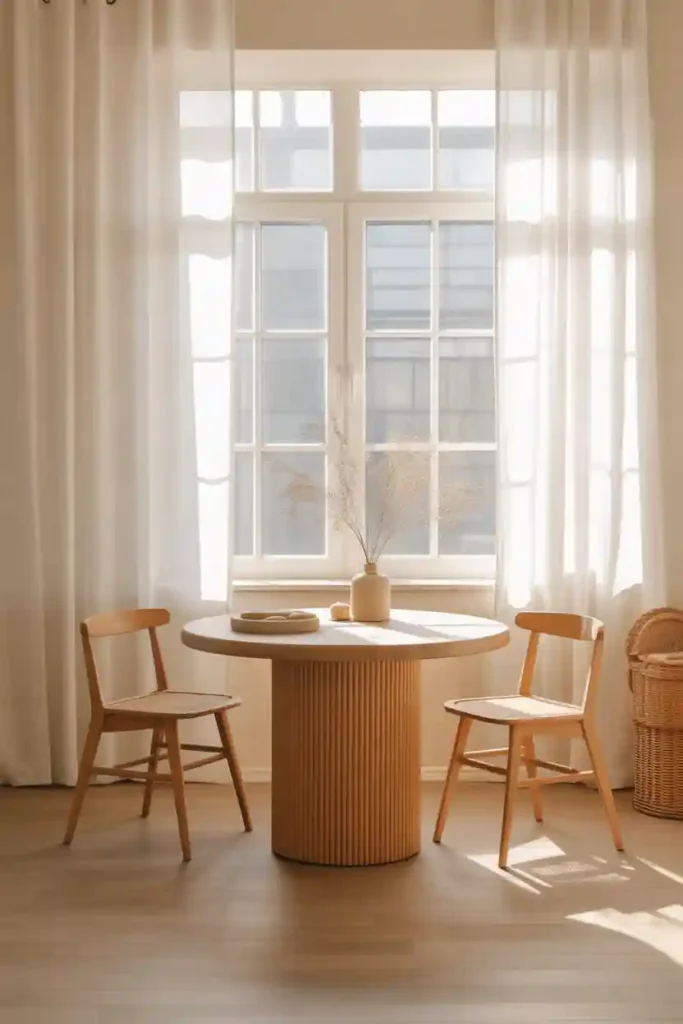
Natural light is one of the most effective ways to make a small dining room feel spacious and welcoming. Large windows, skylights, or glass doors allow sunlight to fill the room, instantly brightening the space and creating an airy atmosphere. If privacy is a concern, opt for sheer curtains or light-filtering blinds that diffuse light without blocking it. Reflective surfaces, like a mirror or glossy furniture, can further amplify the effect by bouncing light around the room.
Keep window areas free from bulky furniture to allow maximum light penetration. Light-colored walls, floors, and furniture also enhance the brightness and openness created by natural light. Additionally, natural light highlights textures, plants, and décor accents, making the room feel lively and inviting. For apartments or homes with limited windows, positioning the dining table close to available light sources ensures meals are enjoyed in a bright and cheerful setting.
14. Use Slim Furniture
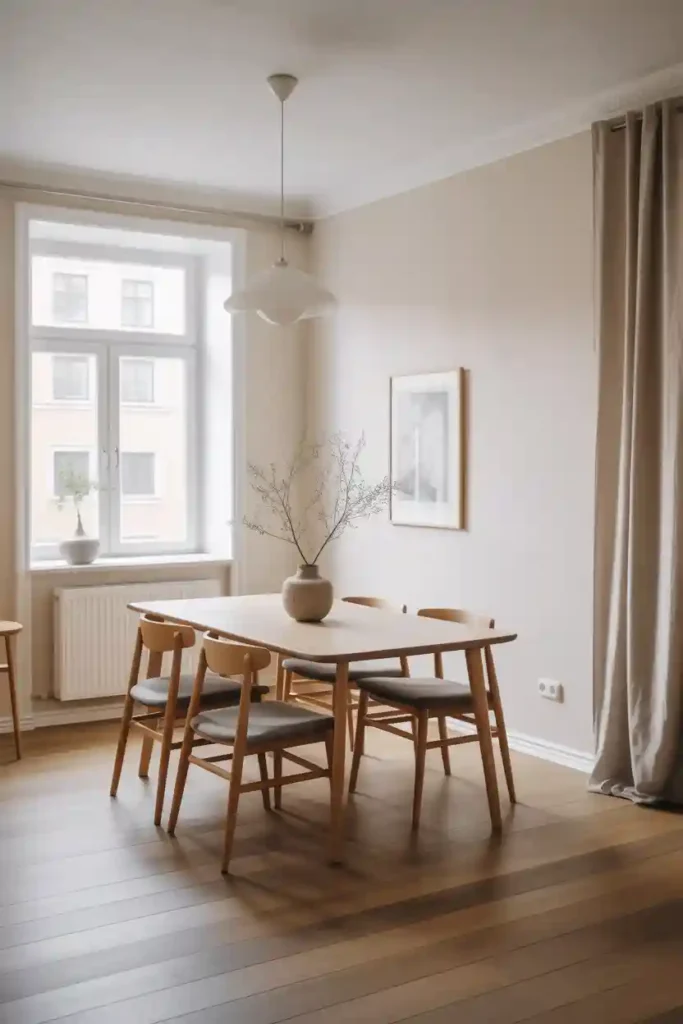
Slim furniture is essential for maintaining a sense of openness in small dining rooms. Tables and chairs with slender legs, minimalistic frames, and lightweight materials take up less visual space, making the room feel larger than it really is. Avoid bulky, overstuffed furniture that dominates the room and restricts movement. Transparent or slim-profile chairs, narrow dining tables, and floating shelving work especially well in compact spaces.
Slim furniture also allows for better circulation, so multiple people can move comfortably around the room without feeling cramped. Materials like light wood, metal, or acrylic are ideal because they are both sturdy and visually unobtrusive. Pairing slim furniture with minimalist décor, soft rugs, or cushions adds comfort while maintaining an airy feel. By carefully choosing pieces with sleek proportions, your small dining room can feel stylish, functional, and uncluttered.
15. Layer Textures, Not Furniture
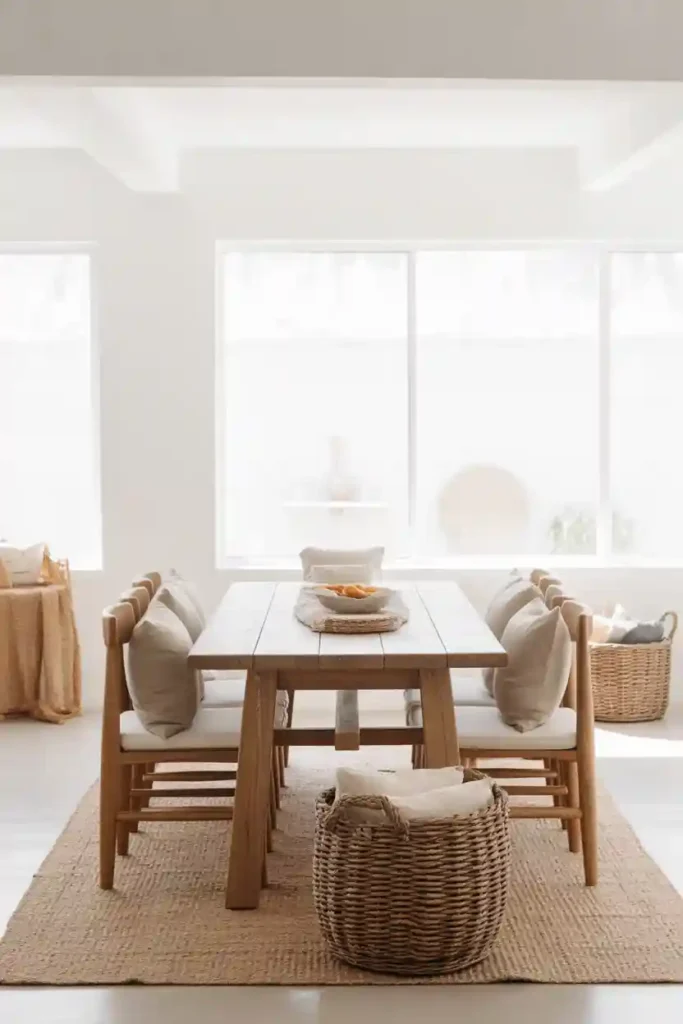
In small dining rooms, layering textures instead of adding more furniture can create depth and visual interest without overcrowding the space. Introduce textures through cushions, throws, rugs, woven baskets, or table linens. A textured rug under the dining table, paired with soft chair cushions or a knitted bench throw, adds warmth and personality without reducing floor space.
Wall treatments, like a subtle wallpaper pattern or a textured paint finish, can also provide visual depth. Even decorative elements such as ceramic vases, wooden bowls, or metallic accents contribute to a layered, dynamic look. By focusing on textures rather than bulky furniture, you can maintain an open, airy atmosphere while still making the dining room feel inviting and cozy. This approach works beautifully in minimalist, modern, or boho interiors, ensuring that your small space feels both spacious and stylish.
16. Keep a Minimal Tabletop
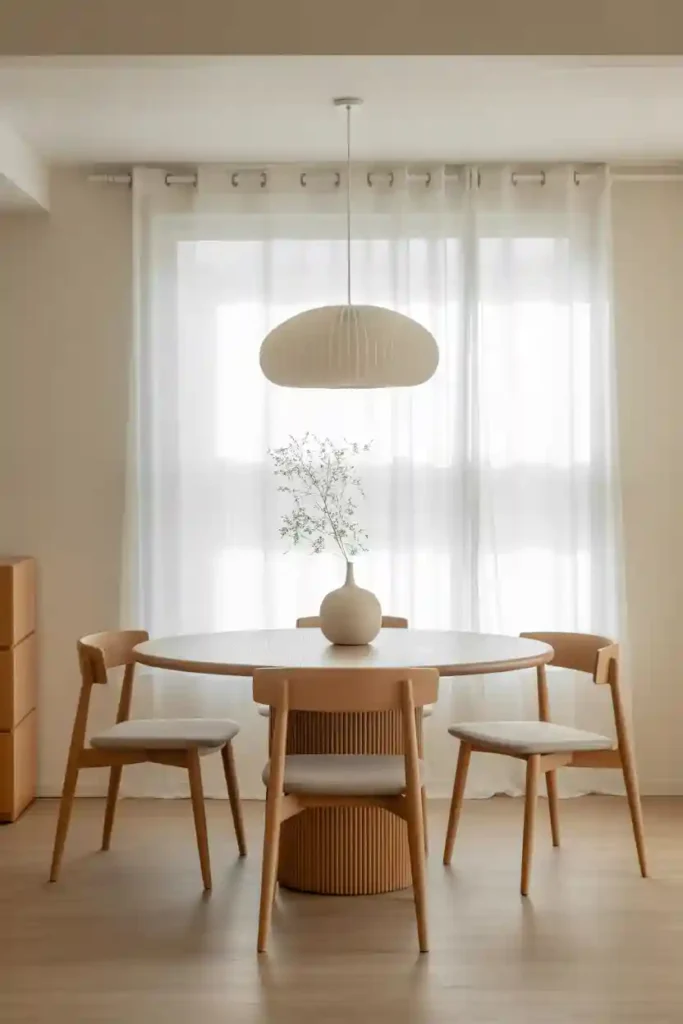
Cluttered tabletops can instantly make a small dining room feel cramped. Keeping your dining table minimal is a simple but highly effective strategy to maintain a spacious feel. Limit décor to a single centerpiece, such as a vase with fresh flowers, a small bowl of fruit, or a simple candle arrangement. Avoid multiple decorative items that compete for attention or reduce usable surface space.
Minimal table settings also allow for better functionality, especially if the table doubles as a work or homework area during the day. Using lightweight or transparent accessories ensures the tabletop remains visually open. Pair a minimal tabletop with light-colored or slim furniture to maximize the airy effect. This approach not only enhances the sense of space but also creates a clean, stylish, and calming environment that makes dining more enjoyable for family and guests.
17. Combine Dining and Workspace
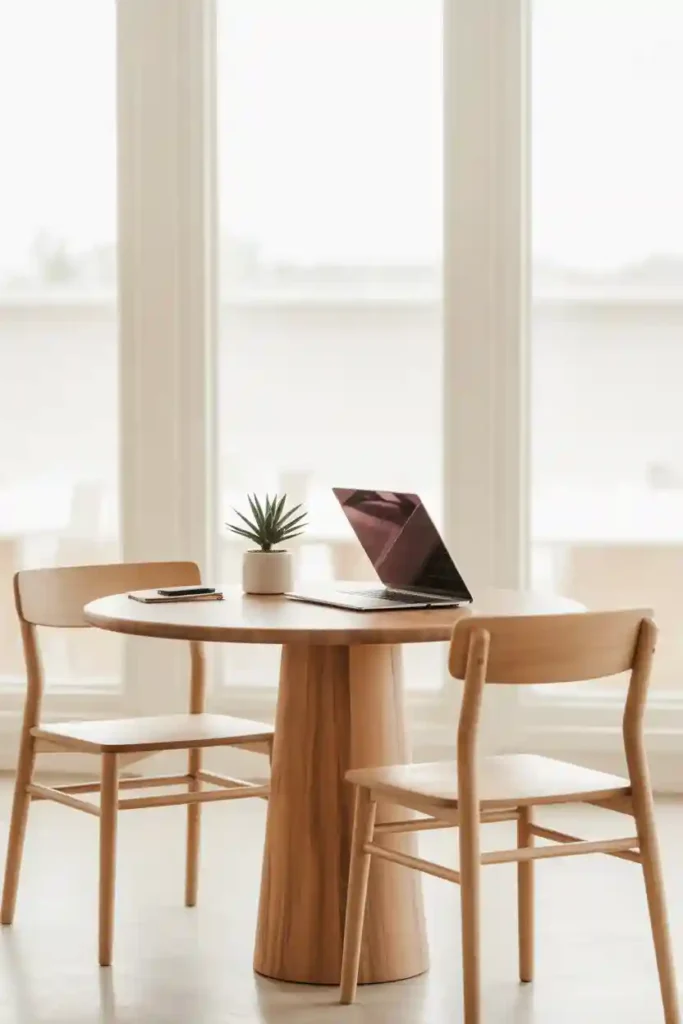
In small apartments or compact homes, a dining table can serve multiple purposes, including as a workspace. Using the dining area for both meals and work requires careful organization to keep the space functional and visually spacious. Use trays or organizers to store office supplies when not in use, and maintain a minimal desktop to avoid clutter. Chairs with slim profiles or storage options help keep the area open. Opt for light colors and natural light to prevent the space from feeling confined.
During mealtimes, clear away work items to instantly transform the table into a welcoming dining area. Multifunctional use of the dining room ensures the space is practical without sacrificing style. Adding a few decorative touches, like a plant or small artwork, can keep the room inviting while maintaining a sense of openness. This dual-purpose approach is ideal for small homes, maximizing function without overcrowding.
Final Words
Designing a small dining room doesn’t mean you have to compromise on style or comfort. By carefully selecting furniture, lighting, colors, and décor, you can create a space that feels open, functional, and welcoming. From choosing round tables and transparent furniture to maximizing natural light and using vertical storage, each strategy helps enhance the sense of spaciousness while keeping your dining area practical for everyday life. Layering textures, keeping tabletops minimal, and even using multifunctional furniture ensures that the room remains stylish without feeling crowded.