
How To Choose Living Room Lighting Like a Pro
Learning how to choose living room lighting like a pro can completely change the way your space looks and feels. Lighting is not just about visibility—it sets the mood, highlights design features, and makes a room feel warm and welcoming. Many living rooms rely on a single overhead light, but professionals know that layered lighting is the secret to a balanced and functional space. The right combination of ambient, task, and accent lighting can make a small living room feel larger and a large one feel more intimate.
From selecting the correct bulb temperature to choosing fixtures that complement your décor, every lighting decision plays a role. Whether your style is modern, cozy, or classic, understanding lighting basics helps you avoid common mistakes and create a polished look. This guide breaks down how to choose living room lighting like a pro, offering practical, easy-to-apply ideas that elevate both style and comfort.
1. Start With Layered Lighting
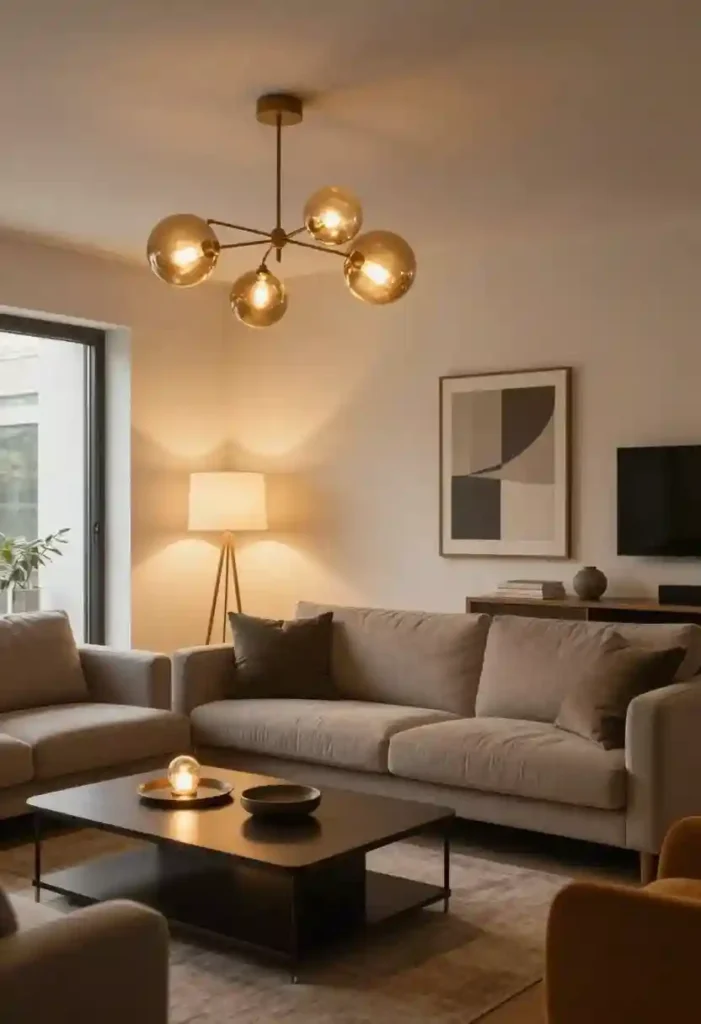
Professional designers always begin with layered lighting because it creates depth and flexibility in a living room. Layered lighting combines ambient, task, and accent lighting to ensure the space is both functional and visually appealing. Ambient lighting provides overall illumination, task lighting supports specific activities like reading, and accent lighting highlights décor or architectural features.
Using only one light source often makes a room feel flat or harsh. Layering allows you to adjust the mood depending on the time of day or activity. For example, overhead lighting can be softened with table lamps, while wall sconces add warmth and dimension. This approach ensures that no corner feels dark or neglected. Layered lighting works because it gives you control—each light serves a purpose while contributing to a cohesive, professional-looking living room.
2. Choose the Right Ambient Lighting
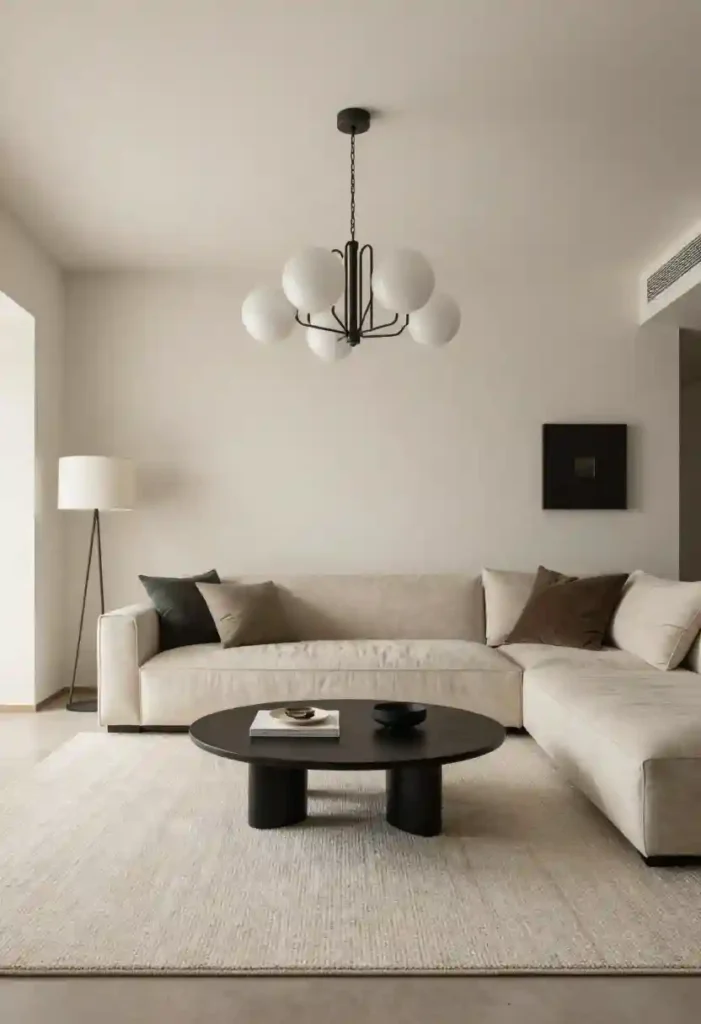
Ambient lighting is the foundation of living room illumination and plays a major role in how comfortable the space feels. This type of lighting typically comes from ceiling fixtures such as chandeliers, flush mounts, or recessed lights. The goal is to provide even, soft light that fills the room without causing glare.
Professionals choose ambient lighting that suits the room’s size and ceiling height. Large living rooms benefit from chandeliers or multiple recessed lights, while smaller spaces work best with flush mounts. Dimmable options are ideal because they allow you to control brightness throughout the day. Warm white bulbs create a cozy atmosphere, while neutral tones work well in modern spaces. Choosing the right ambient lighting ensures the room feels welcoming rather than overly bright or dull.
Read Also: 12 Storage Solutions For Tiny Spaces That Work
3. Add Task Lighting Where It Matters
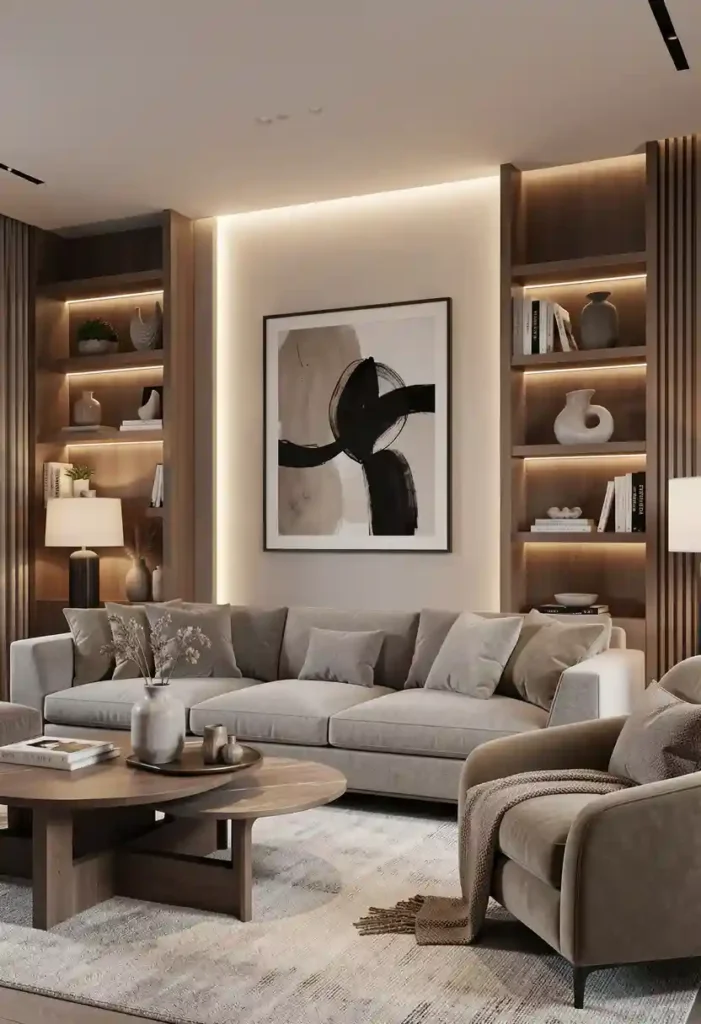
Task lighting is essential for making a living room functional without compromising style. This lighting focuses on specific areas where activities like reading, working, or crafting take place. Floor lamps near sofas, table lamps beside chairs, and adjustable wall lights are common task lighting solutions.
Professionals place task lighting strategically to avoid eye strain and harsh shadows. Adjustable arms and directional shades offer flexibility, allowing light to be focused exactly where it’s needed. Task lighting also adds visual interest by breaking up uniform light levels. Choosing fixtures that match the room’s style keeps the space cohesive. When done correctly, task lighting enhances usability while contributing to the overall design, making the living room both practical and polished.
4. Use Accent Lighting to Highlight Features
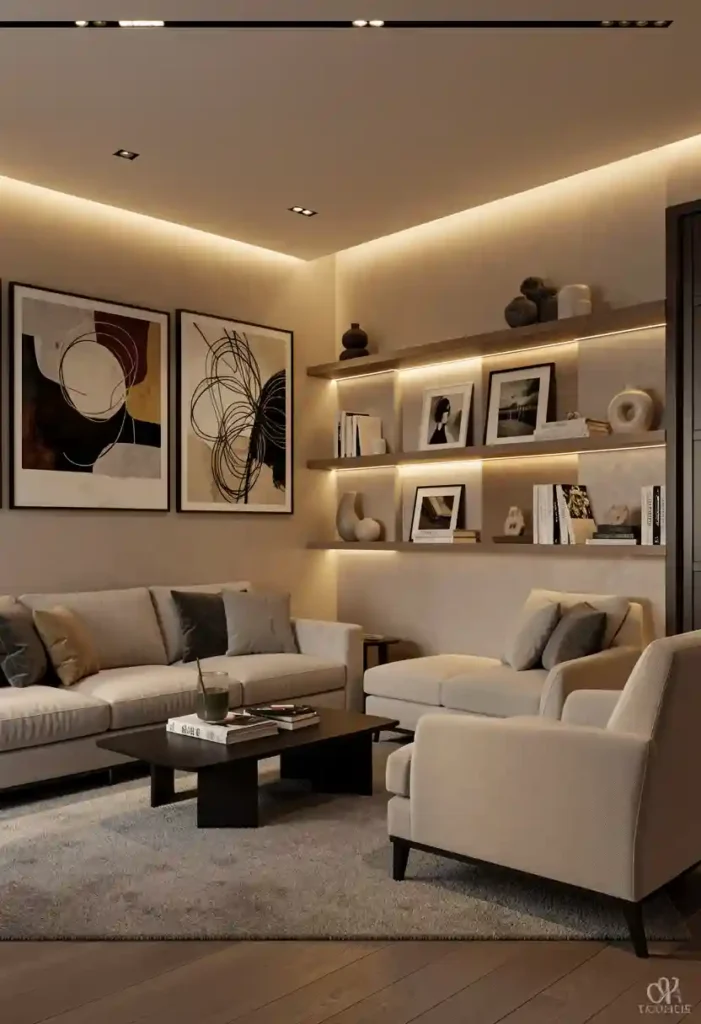
Accent lighting is what gives a living room that professional, designer finish. It’s used to highlight artwork, shelves, textured walls, or architectural details like fireplaces. Common accent lighting options include picture lights, LED strips, and spotlights.
This type of lighting adds depth and drama, making the space feel layered and intentional. Professionals use accent lighting sparingly to draw attention without overwhelming the room. Soft, focused beams create visual interest and help guide the eye around the space. Accent lighting also works well in the evening, adding ambiance without relying on bright overhead lights. When thoughtfully placed, it elevates the entire living room and makes décor choices stand out beautifully.
5. Select the Right Light Temperature
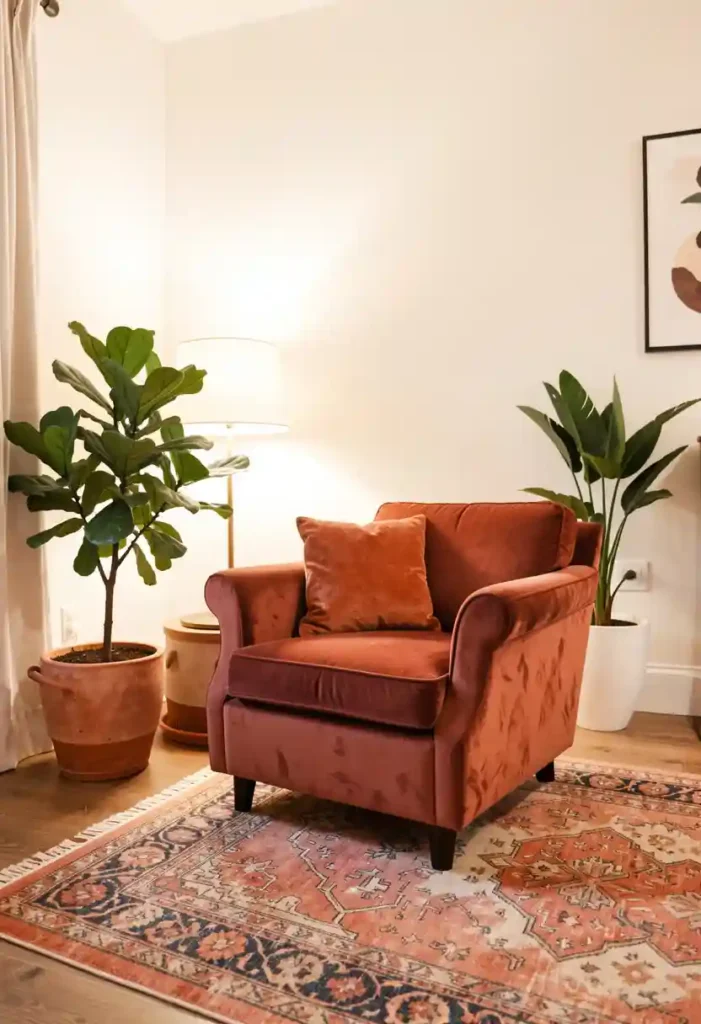
Light temperature plays a huge role in how a living room feels. Measured in Kelvins, it ranges from warm to cool tones. Professionals typically recommend warm white or soft white lighting for living rooms because it creates a relaxed and inviting atmosphere.
Cool white lighting can feel too harsh or clinical in a space meant for relaxation. Warm lighting enhances textures, wood tones, and soft furnishings. Consistency is key—mixing different temperatures can make the room feel disjointed. Dimmable bulbs or smart lighting allow you to adjust warmth throughout the day. Choosing the right temperature ensures your living room feels comfortable, balanced, and professionally designed.
6. Match Lighting Fixtures to Your Style
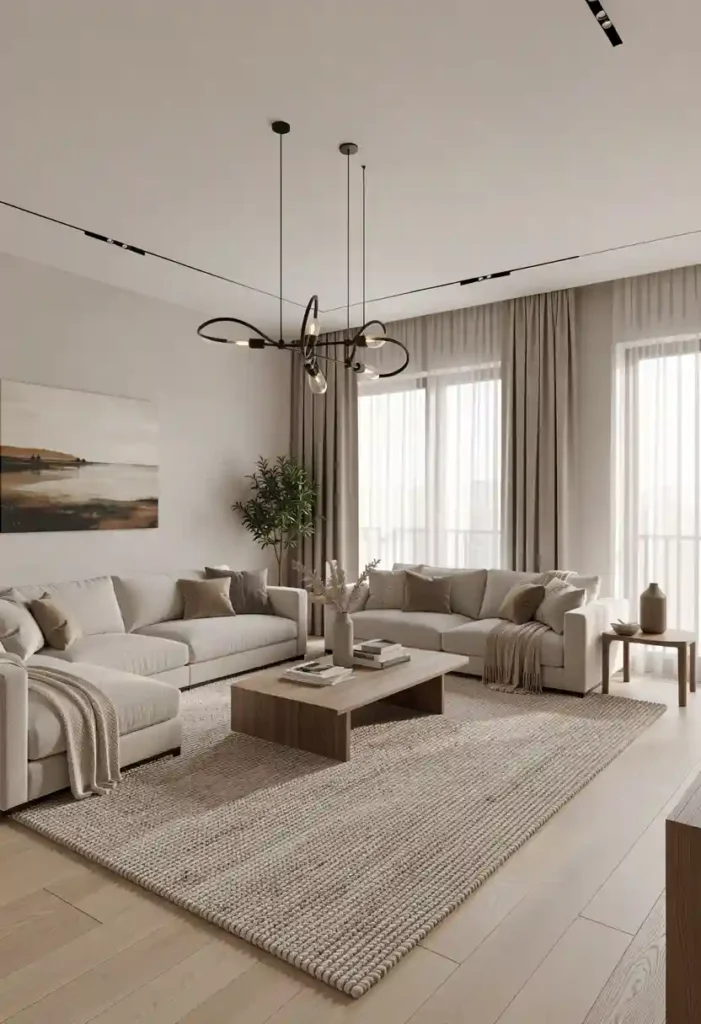
Lighting fixtures are as much about design as they are about function. Professionals choose fixtures that complement the living room’s overall style, whether it’s modern, traditional, or eclectic. Sleek metal finishes work well in contemporary spaces, while fabric shades and warm finishes suit cozy interiors.
Consistency in materials and finishes helps the room feel cohesive. Mixing styles can work, but it should be intentional. Statement fixtures like chandeliers or sculptural lamps can act as focal points, adding personality to the room. Choosing lighting that aligns with your décor ensures the space feels curated rather than random.
7. Pay Attention to Scale and Proportion
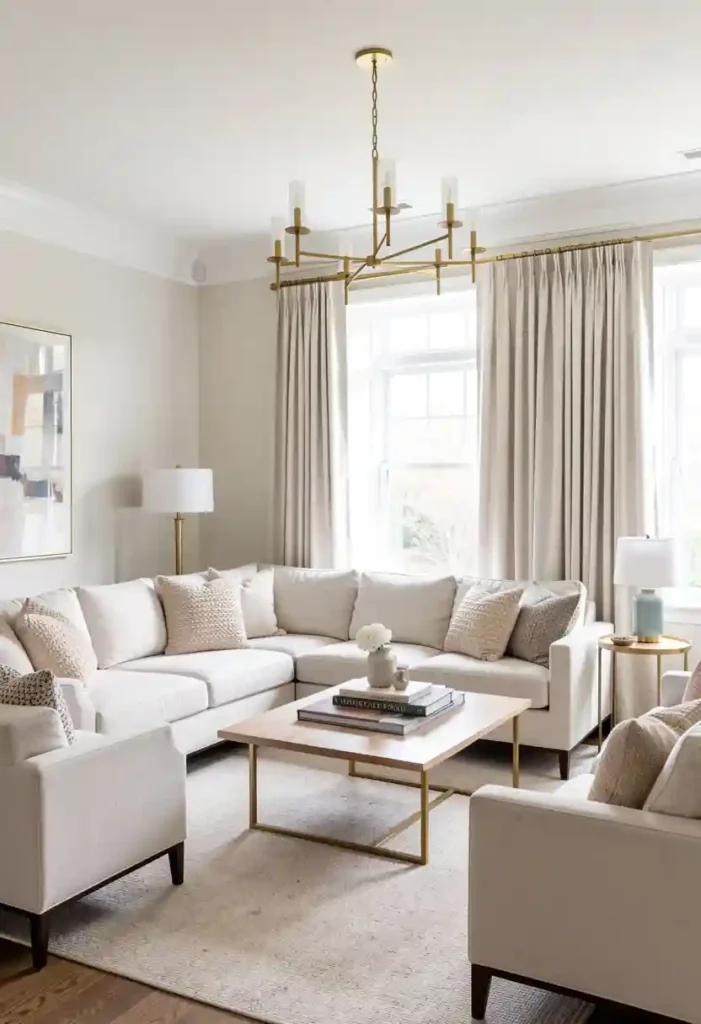
Scale and proportion are critical when choosing living room lighting like a pro. Oversized fixtures can overwhelm a small room, while tiny lights may get lost in a large space. Professionals measure ceiling height, room size, and furniture placement before selecting fixtures.
For example, a low ceiling requires flush or semi-flush mounts, while high ceilings can handle dramatic pendants. Floor lamps should be tall enough to provide light without blocking views. Properly scaled lighting feels natural and balanced, enhancing the room’s overall harmony. This attention to proportion prevents common lighting mistakes and ensures the room feels thoughtfully designed.
Final Words
Choosing living room lighting like a pro is all about balance, intention, and thoughtful planning. When lighting is layered correctly and tailored to your space, it enhances both function and atmosphere. From selecting the right ambient lighting to adding task and accent layers, every choice contributes to how the room feels throughout the day.