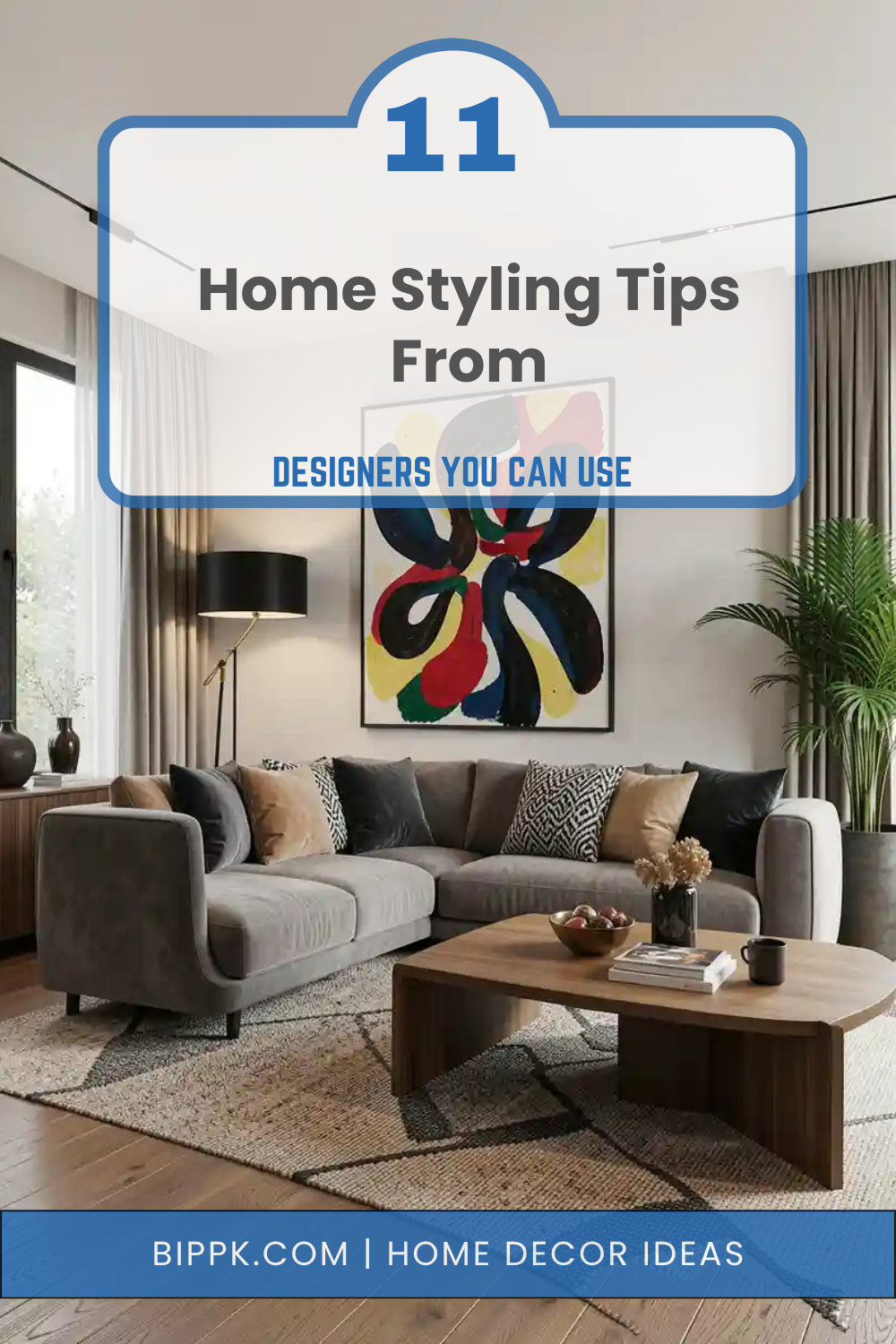
11 Home Styling Tips From Designers You Can Use
Creating a beautifully styled home doesn’t require a huge budget or professional training—it simply requires understanding a few key principles that designers use every day. Interior designers focus on balance, proportion, texture, and personality to turn ordinary spaces into inviting, functional environments. The good news is that these same techniques can be applied easily in your own home, no matter your style or space size.
By making thoughtful choices with furniture, colors, lighting, and accessories, you can instantly elevate your interiors and create a more cohesive look. In this guide, you’ll discover 11 home styling tips from designers you can use to transform your space with confidence. Each idea is practical, easy to follow, and designed to help you achieve a polished, professional feel. Whether you’re refreshing one room or your entire home, these tips will help you create a space that feels both stylish and personal.
1. Start with a Clear Color Palette
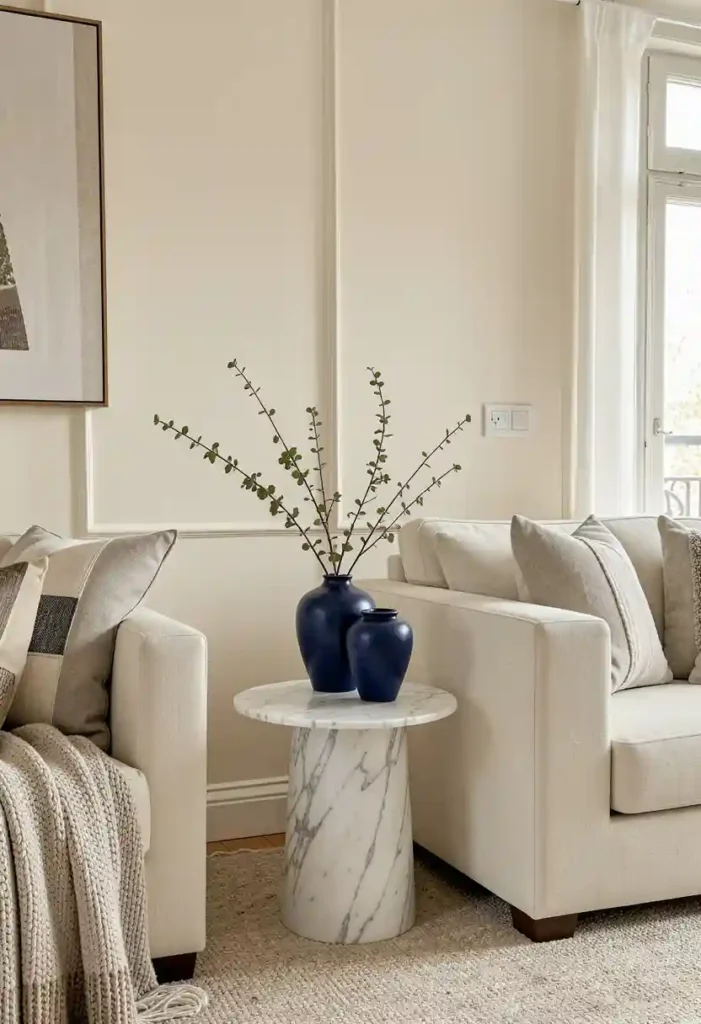
One of the first things designers do is establish a cohesive color palette. This creates visual harmony and ensures every element in the room works together. Instead of randomly choosing colors, pick 2–4 main shades and build your design around them.
A balanced palette often includes a dominant color, a secondary shade, and an accent tone. Neutrals like white, beige, or gray provide a calm base, while bolder hues can add personality. Designers often repeat colors in different areas of the room like pillows, rugs, and artwork to create consistency.
2. Layer Lighting for Depth
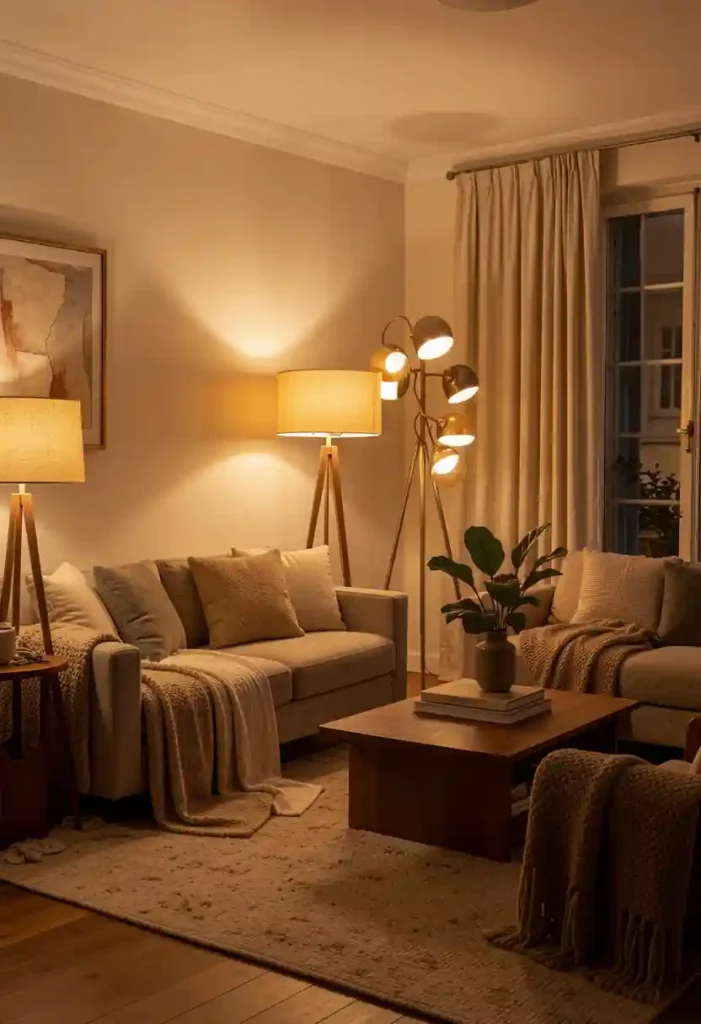
Lighting is a key design element that many people overlook. Designers use layered lighting to create warmth, depth, and functionality. This involves combining ambient, task, and accent lighting.
Ambient lighting provides general illumination, such as ceiling lights. Task lighting focuses on specific activities like reading or cooking, while accent lighting highlights decor features like artwork or shelves. By layering different light sources like floor lamps, table lamps, and wall sconces you create a more dynamic and inviting atmosphere. It also allows you to adjust lighting based on mood and time of day.
3. Mix Textures for Interest
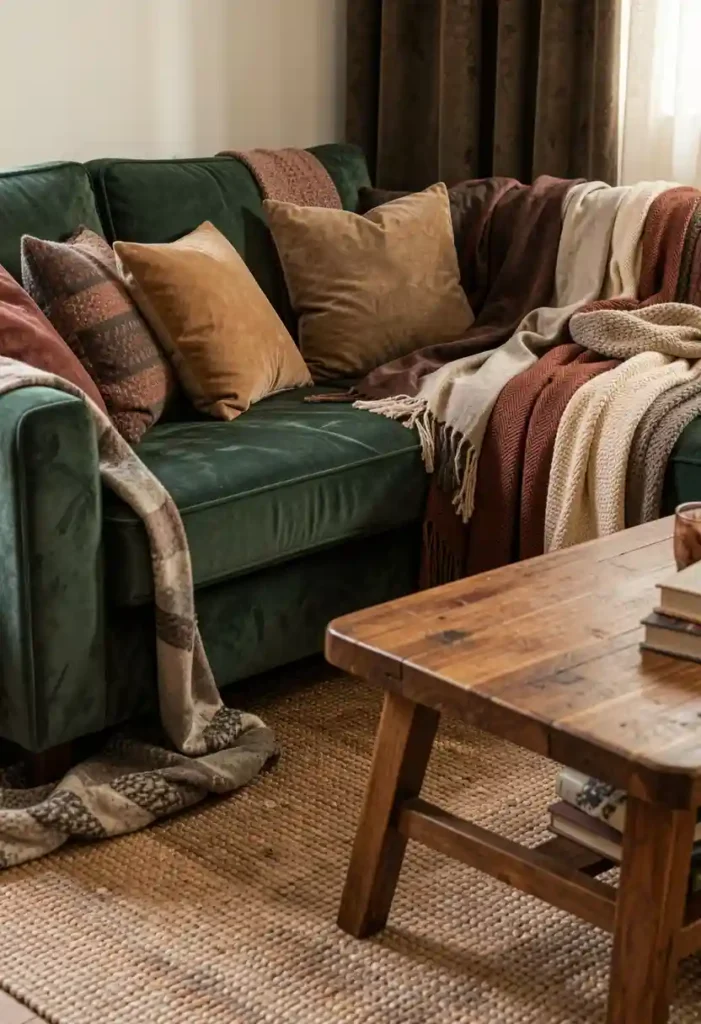
A well-designed room isn’t just about color it’s also about texture. Designers mix materials like wood, metal, fabric, and glass to create visual and tactile interest.
For example, pairing a soft velvet sofa with a rustic wooden coffee table and a sleek metal lamp adds contrast and depth. Textures prevent a space from feeling flat or boring, even if the color palette is minimal. Layering textiles like rugs, cushions, and throws also enhances comfort and warmth. This technique works in any style, from modern to traditional.
See Also: 13 Decorating Rules Designers Follow for Balance
4. Use the Rule of Three
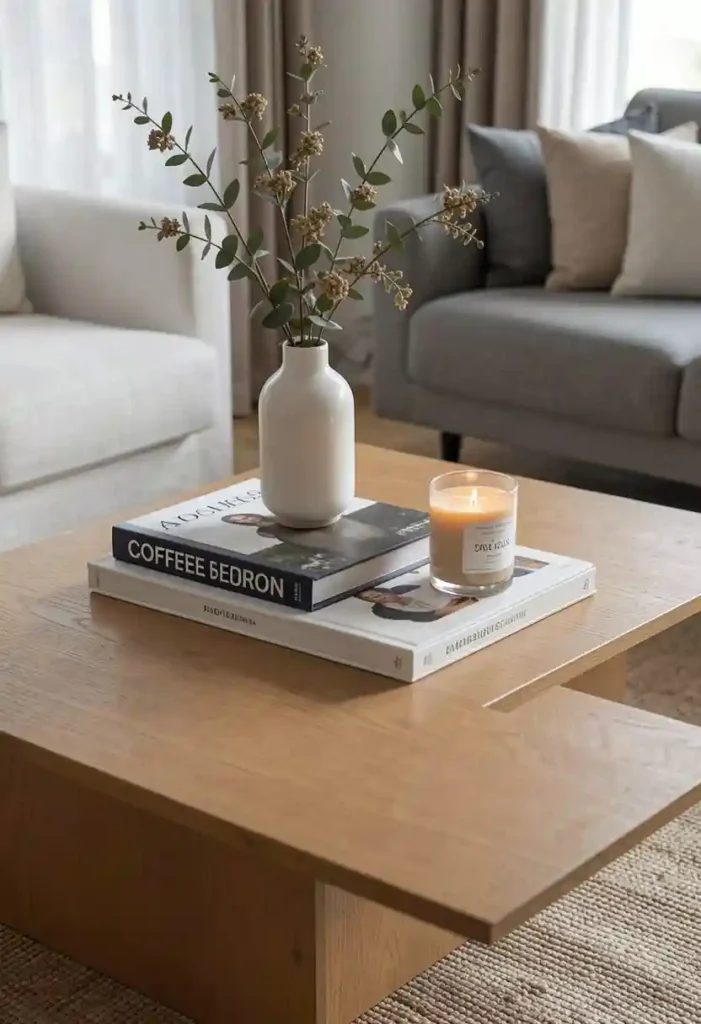
Designers often follow the “rule of three” when styling decor. Grouping items in odd numbers especially three creates a more natural and visually appealing arrangement.
For example, you might style a coffee table with a vase, a stack of books, and a candle. Varying the height, shape, and texture of each item adds dimension. This rule works well for shelves, mantels, and tabletops. It helps create balance without making arrangements look too symmetrical or rigid.
5. Invest in Statement Pieces
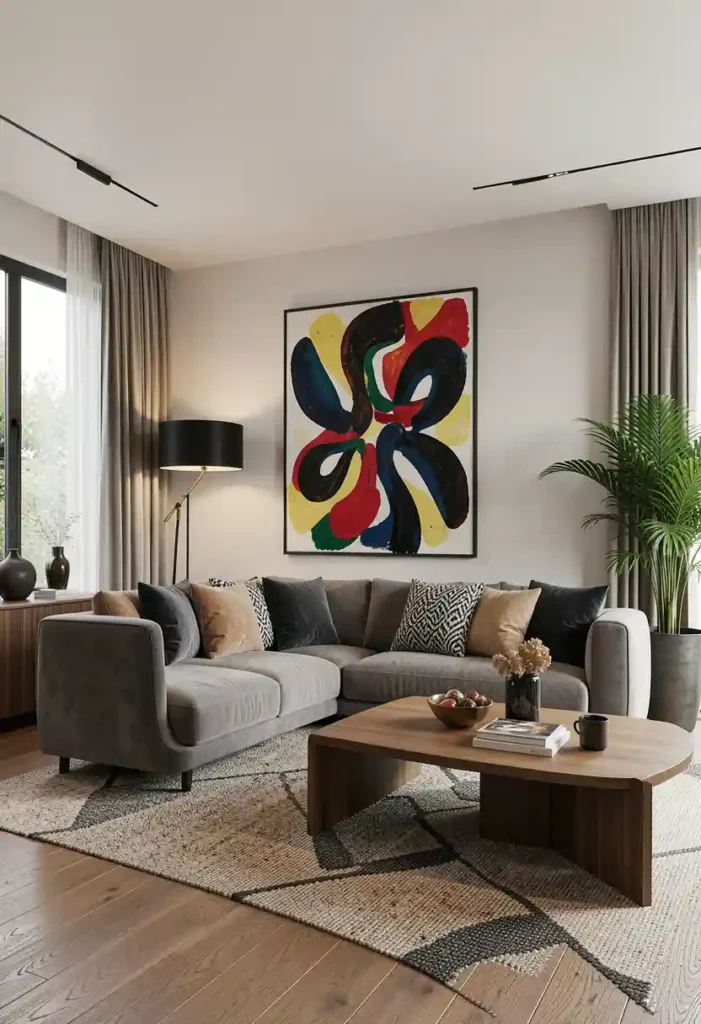
Every well-designed room has a focal point a standout element that draws attention. Designers often invest in one or two statement pieces, such as a bold sofa, unique artwork, or an eye-catching light fixture.
These pieces anchor the room and set the tone for the rest of the design. Instead of filling a space with many small items, focusing on a few impactful elements creates a more sophisticated look. Statement pieces don’t have to be expensive; they just need to stand out and reflect your personal style. Once you have a focal point, the rest of the decor should complement it.
6. Balance Scale and Proportion
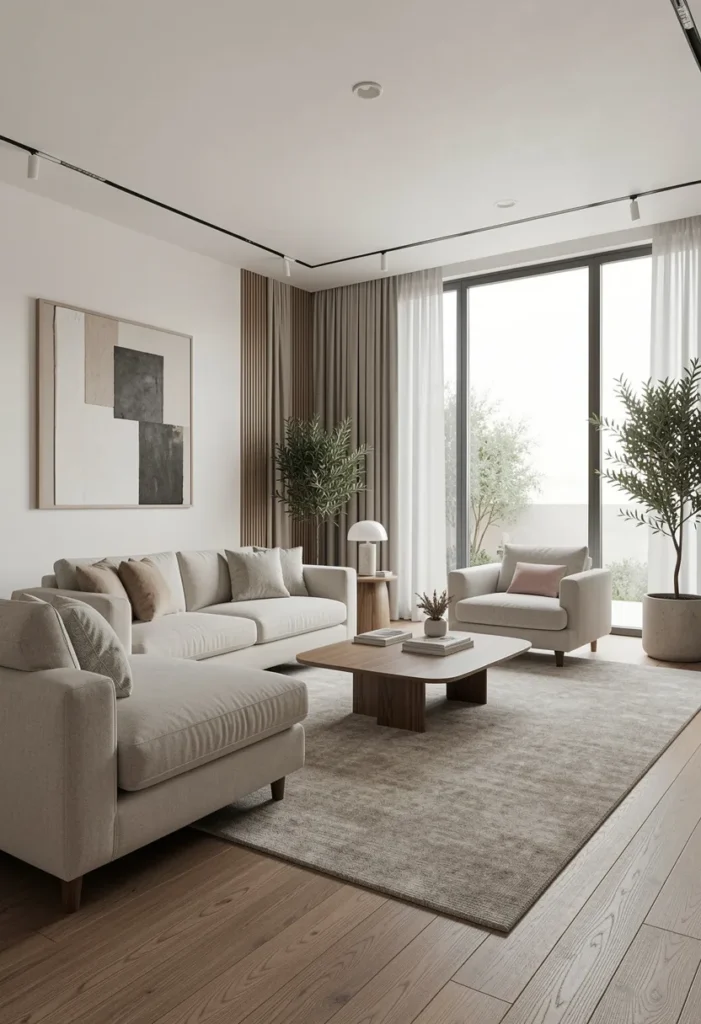
Scale and proportion are essential in creating a harmonious space. Designers carefully choose furniture and decor that fit the size of the room.
For example, a large sectional sofa works well in a spacious living room, while smaller furniture is better suited for compact areas. Mixing oversized and undersized items can create imbalance. Proper spacing between furniture also improves flow and functionality. Avoid overcrowding, and leave enough room for movement.
7. Add Layers with Rugs
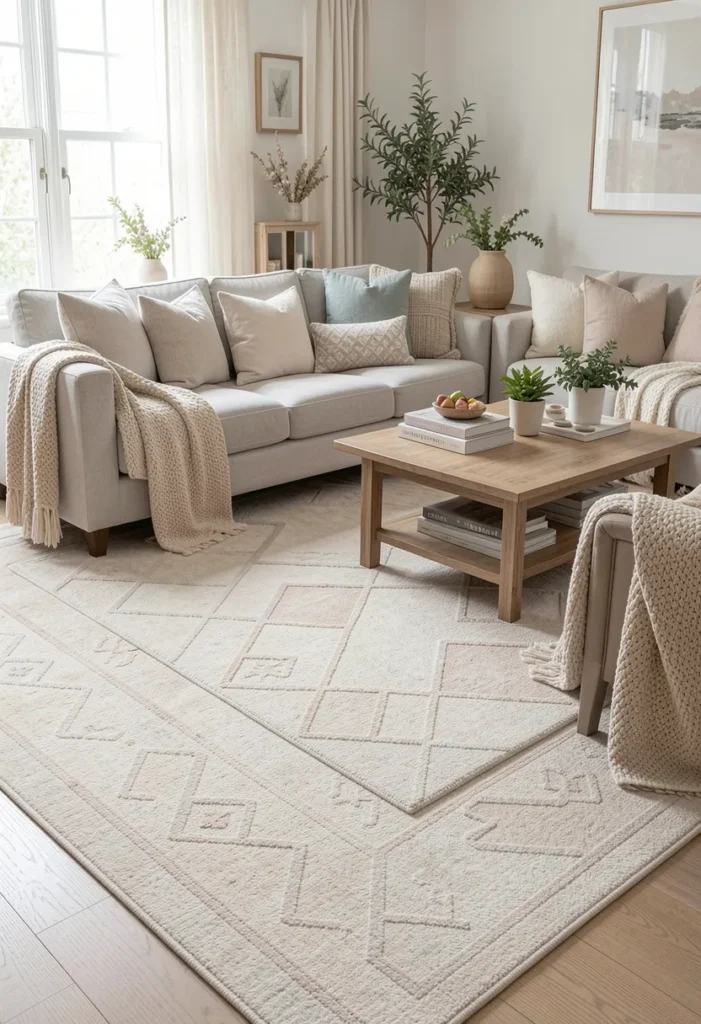
Rugs are a powerful styling tool that designers use to define spaces and add warmth. Layering rugs such as placing a smaller patterned rug over a larger neutral one adds depth and interest.
Rugs also help anchor furniture, making a room feel more cohesive. In open-plan spaces, they can visually separate different areas like living and dining zones. Choosing the right size is important; a rug that’s too small can make a room feel disconnected.
8. Incorporate Natural Elements
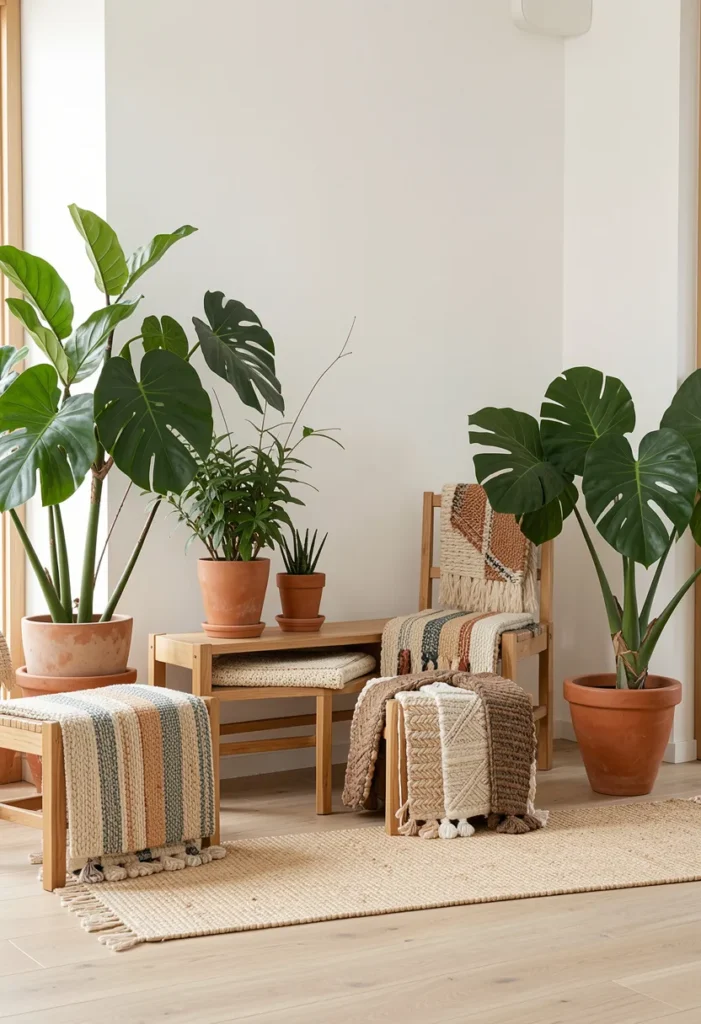
Bringing nature indoors is a timeless design strategy. Designers use plants, wood, stone, and natural fibers to create a calming and organic feel.
Houseplants not only improve air quality but also add color and life to a room. Wooden furniture and woven decor introduce warmth and texture. Natural elements help soften modern interiors and create a balanced environment. Even small additions, like a plant or a wooden tray, can make a big difference.
9. Edit and Declutter Regularly
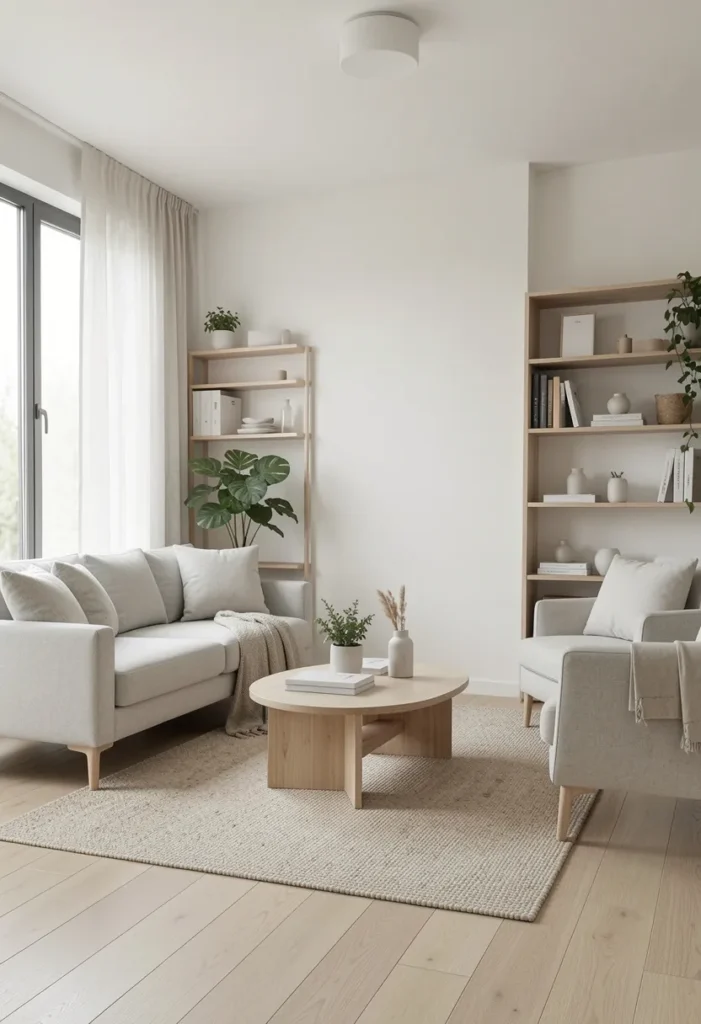
A key designer secret is knowing when to stop. Too many items can make a space feel cluttered and overwhelming.
Editing your decor removing unnecessary items helps highlight what truly matters. Designers often rotate decor seasonally to keep spaces fresh without overcrowding them. Focus on quality over quantity. A few well-chosen pieces have more impact than many random items.
10. Create Visual Flow Between Rooms
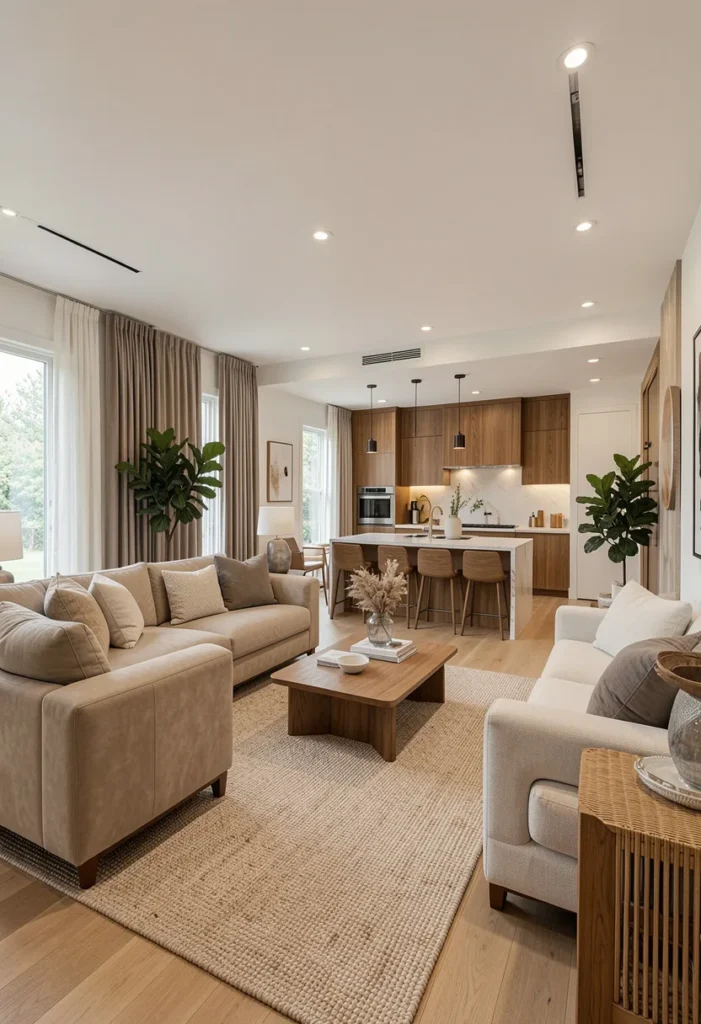
Designers think about how one room connects to another. Creating visual flow ensures your home feels cohesive rather than disjointed.
This can be achieved by repeating colors, materials, or design elements throughout different spaces. For example, using similar tones in adjacent rooms creates continuity. Consistent flooring, matching finishes, or complementary decor styles also help unify your home.
11. Personalize Your Space
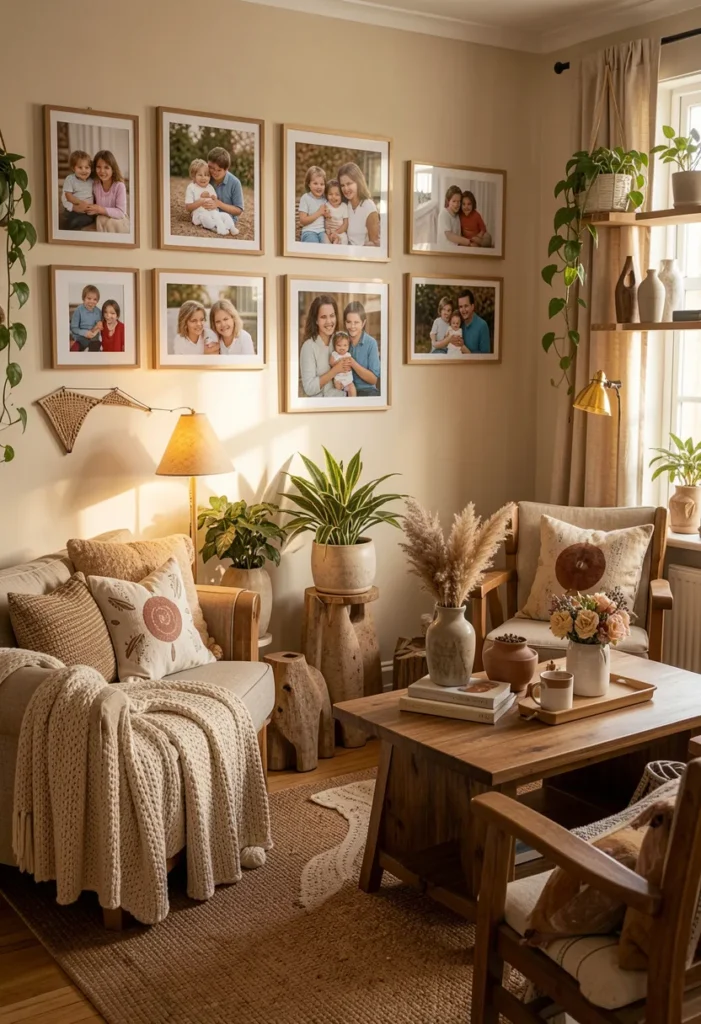
Finally, the most important design tip is to make your home personal. Designers always incorporate elements that reflect the homeowner’s personality and lifestyle.
This could include family photos, travel souvenirs, or meaningful artwork. Personal touches make a space feel authentic and lived-in. While trends can be inspiring, your home should ultimately reflect your taste and preferences. Mixing personal items with stylish decor creates a unique and welcoming environment.
Final Words
Great home styling isn’t about following strict rules it’s about understanding the principles designers use and adapting them to your own space. These 11 home styling tips from designers you can use are meant to guide you toward creating a home that feels balanced, functional, and uniquely yours.