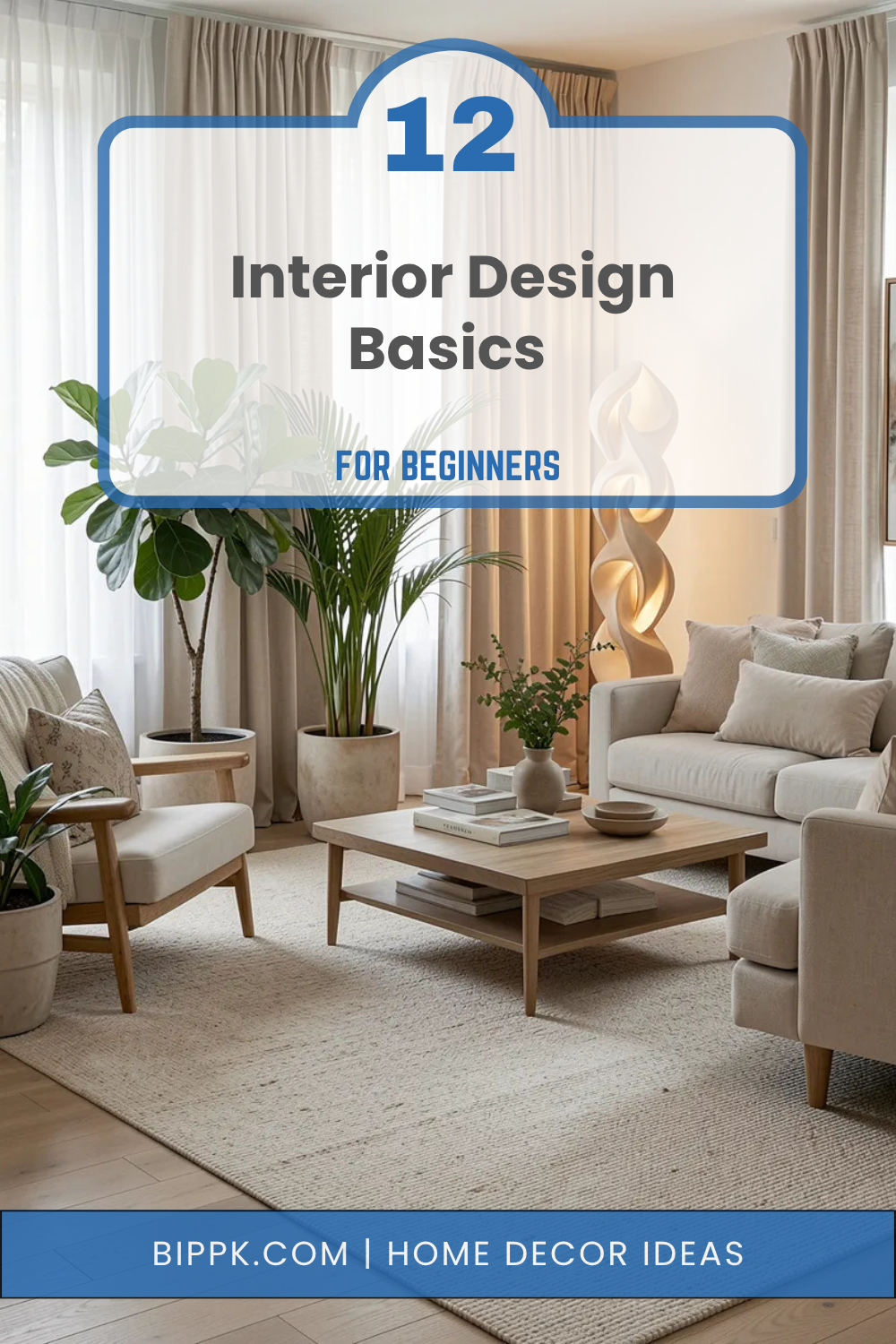
12 Interior Design Basics For Beginners
Starting your interior design journey can feel overwhelming, especially with so many styles, rules, and trends to consider. However, great design doesn’t require professional experience it begins with understanding a few essential basics. Interior design is about creating a space that is not only beautiful but also functional and comfortable. By learning foundational principles like balance, color coordination, lighting, and layout, you can confidently transform any room in your home.
These basics act as a guide, helping you make better decisions when choosing furniture, decor, and finishes. In this guide, you’ll discover 12 interior design basics for beginners that are simple, practical, and easy to apply. Each tip is designed to help you build a strong design foundation while allowing room for creativity and personal style. Whether you’re decorating a single room or your entire home, these ideas will set you on the path to creating a space you truly love.
1. Understand Your Space and Layout
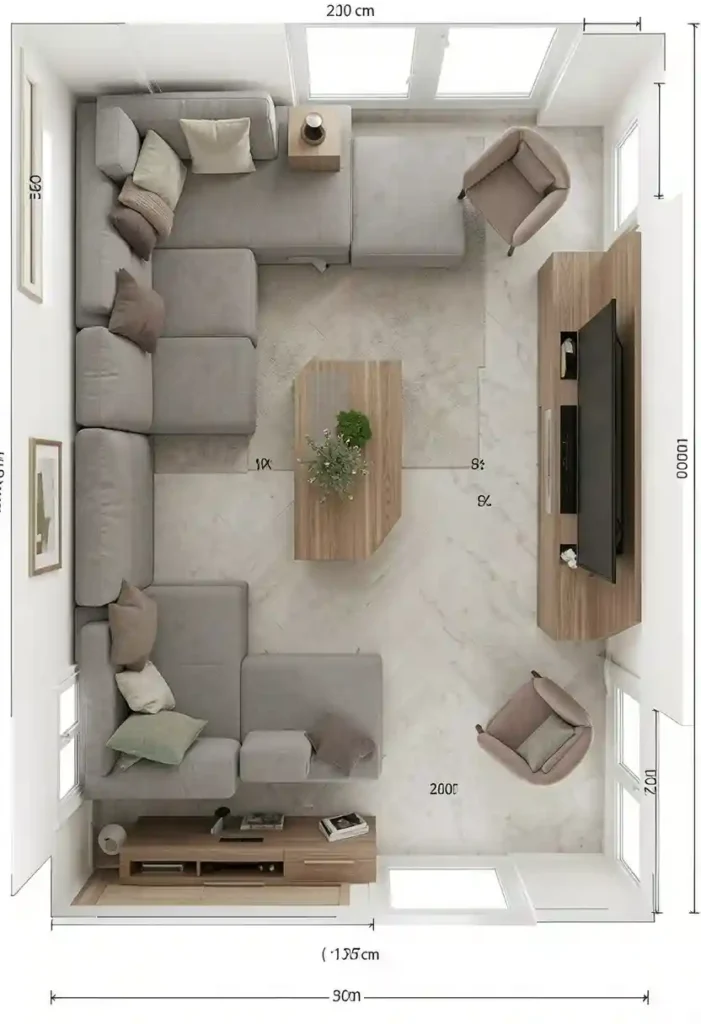
Before choosing furniture or colors, it’s essential to understand the layout of your space. Designers always start by analyzing room size, shape, natural light, and how the space will be used. This helps determine the best arrangement for furniture and decor.
Measure your room and note key features like windows, doors, and focal points. Think about traffic flow how people will move through the space. Avoid blocking pathways or overcrowding areas. A well-planned layout ensures your space feels open, functional, and comfortable. Even small rooms can feel spacious when furniture is arranged thoughtfully. This step prevents costly mistakes and sets the foundation for all your design decisions.
2. Choose a Consistent Color Scheme
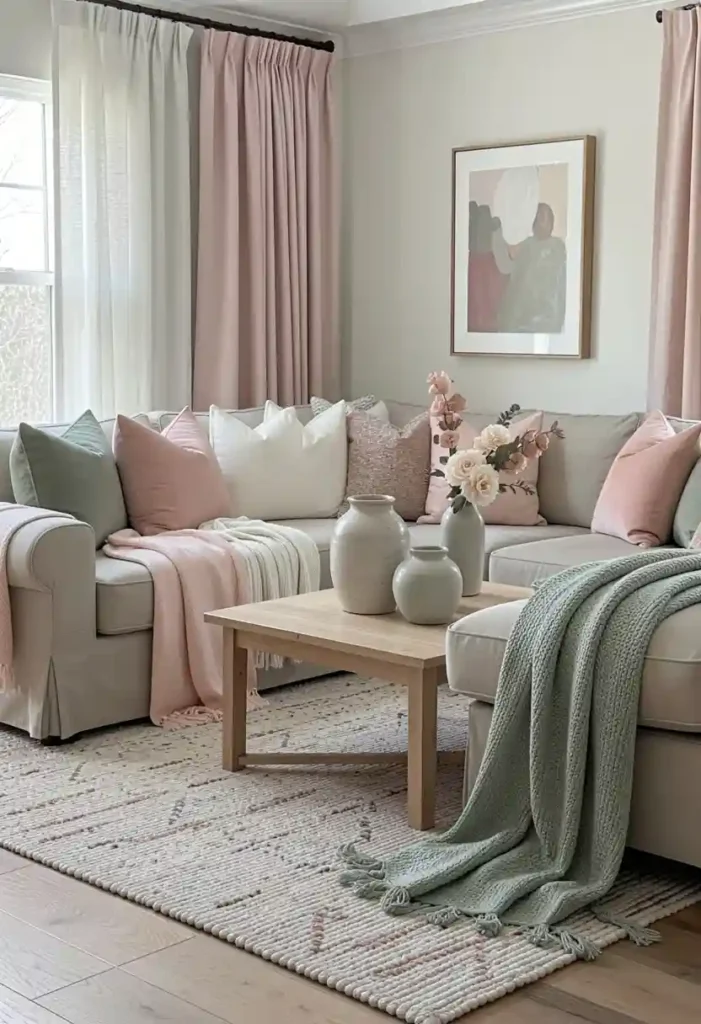
Color is one of the most important elements in interior design. A consistent color scheme creates harmony and makes your space feel cohesive. Beginners should start with a simple palette of 2–4 colors.
Choose a dominant color for walls, a secondary color for furniture, and an accent color for decor. Neutral tones provide a versatile base, while bold colors add personality. Repeating colors throughout the room—through cushions, rugs, and artwork helps tie everything together. Avoid using too many colors, as it can make the space feel chaotic.
3. Focus on Proper Lighting
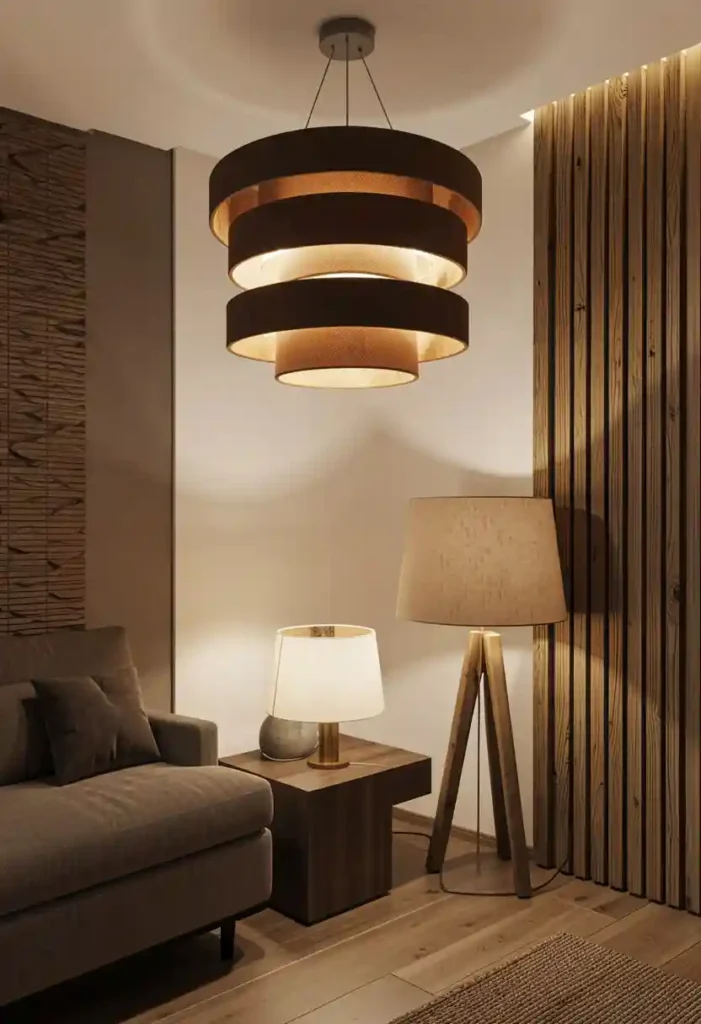
Lighting can completely change the mood and functionality of a room. Good lighting design includes multiple layers: ambient, task, and accent lighting. Ambient lighting provides overall brightness, while task lighting is used for activities like reading or cooking. Accent lighting highlights specific features like artwork or architectural details.
Combining these layers creates a warm and inviting atmosphere. Natural light should also be maximized whenever possible. Using a mix of ceiling lights, lamps, and wall fixtures ensures your space is both practical and visually appealing.
4. Invest in Key Furniture Pieces
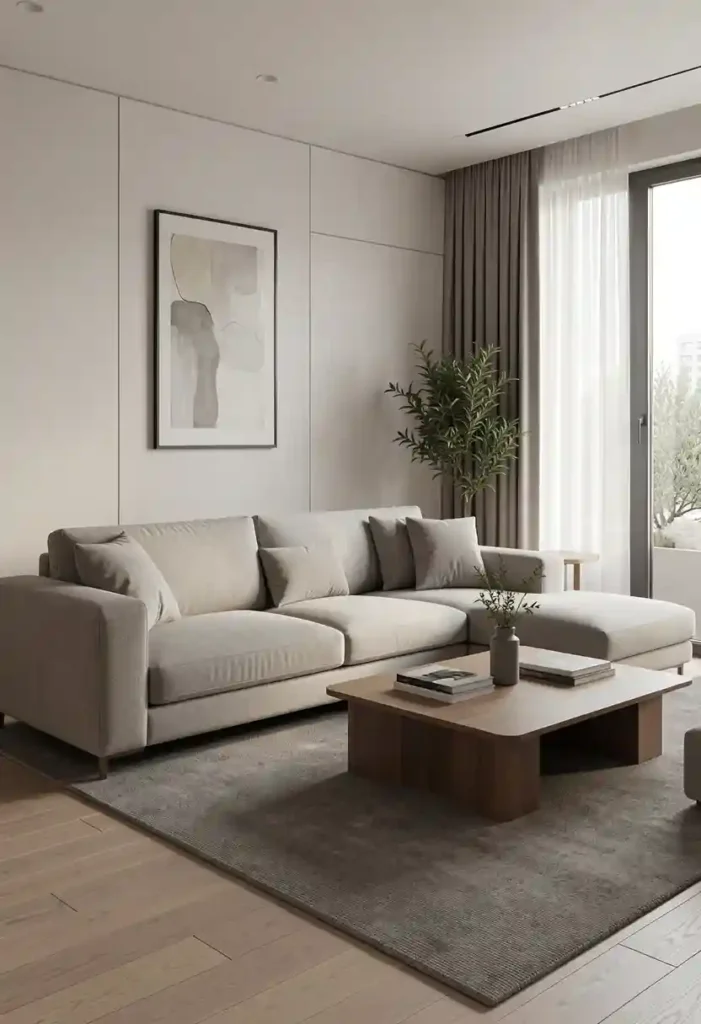
Instead of filling a room with many items, focus on a few high-quality furniture pieces. Designers prioritize essential items like sofas, beds, and dining tables.
Choose pieces that are both functional and stylish. Neutral furniture allows flexibility in decor, while statement pieces can add character. Quality furniture lasts longer and provides better comfort. It also serves as the foundation for your overall design.
5. Balance Scale and Proportion
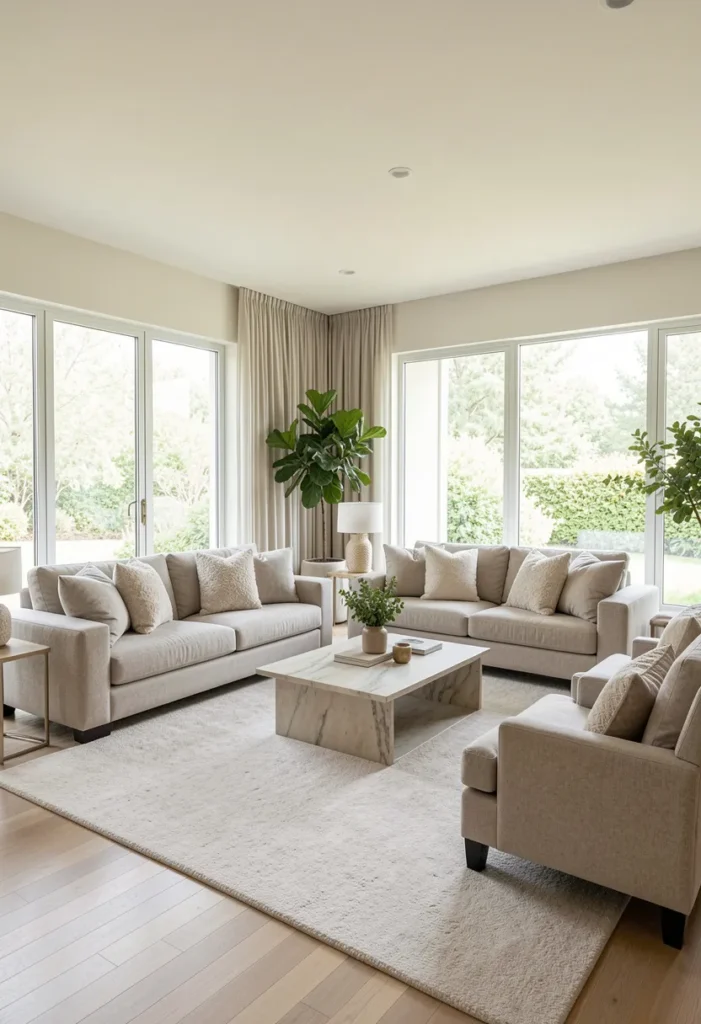
Scale and proportion refer to how objects relate to each other in size. A well-balanced room feels comfortable and visually pleasing.
Avoid placing oversized furniture in small spaces or tiny decor in large rooms. Mix different sizes thoughtfully to create balance. Spacing is equally important leave enough room for movement and avoid overcrowding. Understanding scale ensures your space looks intentional rather than cluttered or awkward.
See Also: 11 Home Styling Tips From Designers You Can Use
6. Add Texture for Depth
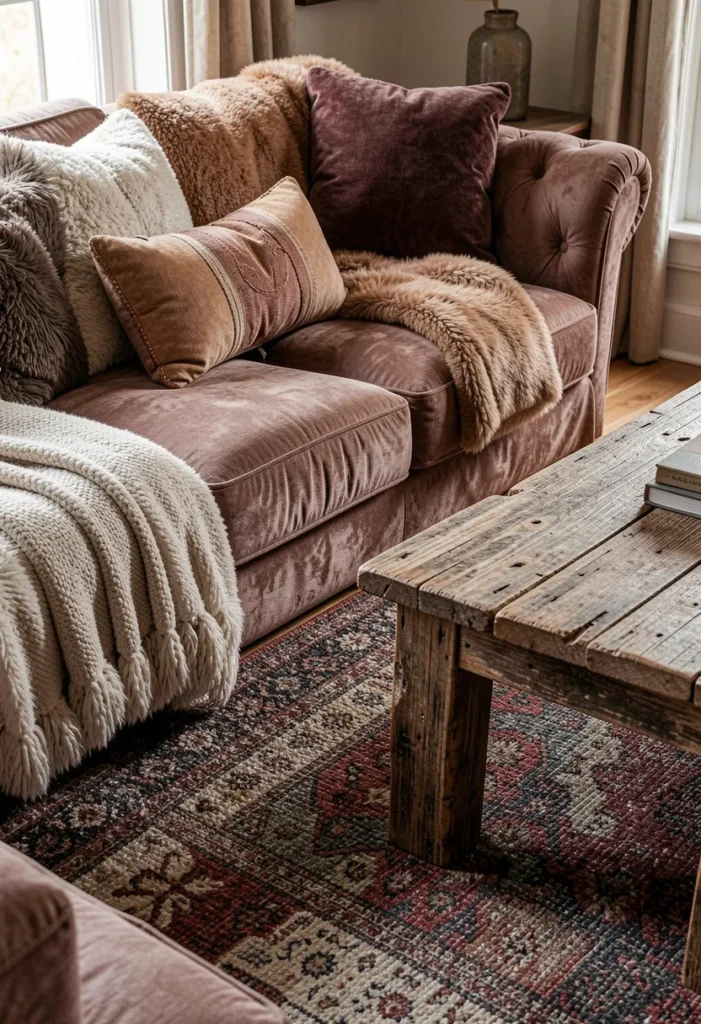
Texture adds richness and depth to a room. Without it, even a well-colored space can feel flat.
Incorporate a variety of materials like wood, metal, fabric, and glass. Soft textures like rugs and cushions add comfort, while harder surfaces provide contrast. Layering textures creates visual interest and makes your space feel more dynamic. Even in minimalist designs, texture plays a key role in keeping the space engaging.
7. Use Rugs to Define Spaces
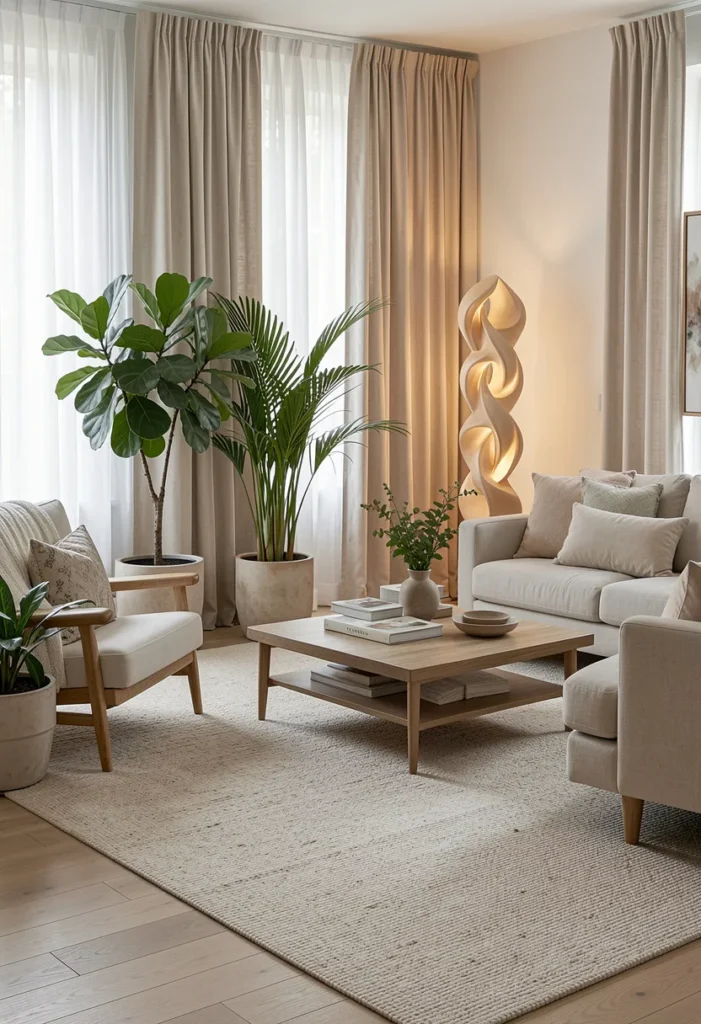
Rugs are more than decorative they help define areas and anchor furniture. In open spaces, rugs can separate living, dining, and work zones.
Choose a rug size that fits your furniture arrangement. A rug that’s too small can make a room feel disconnected. Layering rugs adds depth and style, while patterns can introduce color and personality. A well-chosen rug ties the room together and enhances overall design.
8. Incorporate Natural Elements
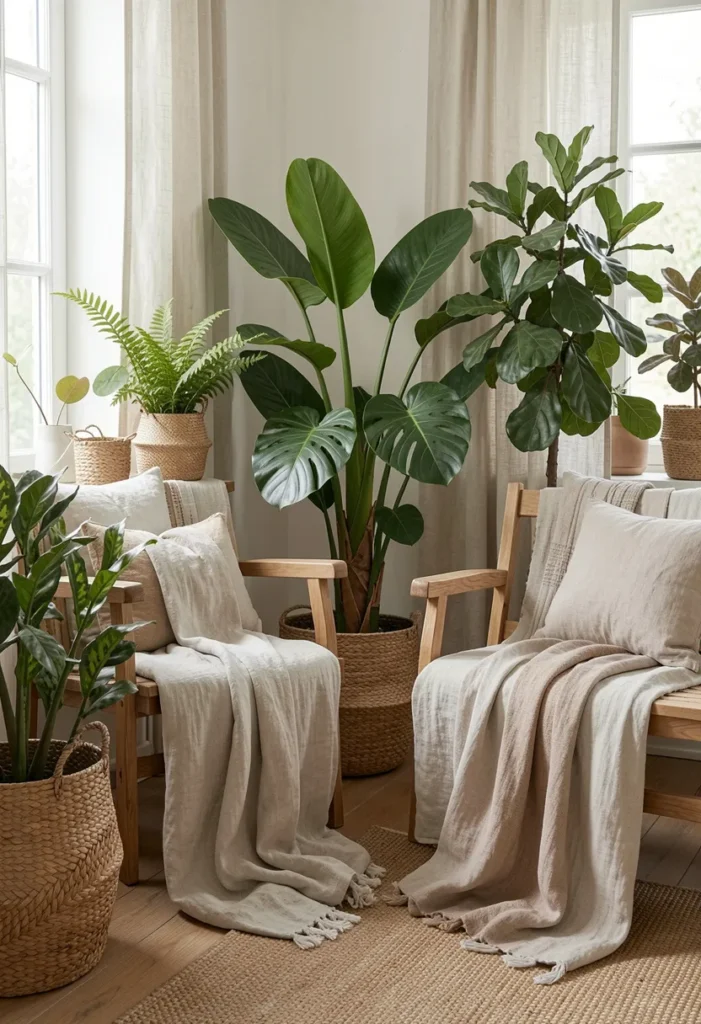
Natural elements bring warmth and life into your home. Designers often use plants, wood, and stone to create a balanced environment.
Houseplants improve air quality and add a fresh, vibrant feel. Wooden furniture and woven decor introduce texture and warmth. Even small touches, like a plant or a natural fiber basket, can make a big difference. This approach creates a calming, inviting atmosphere that feels connected to nature.
9. Create a Focal Point
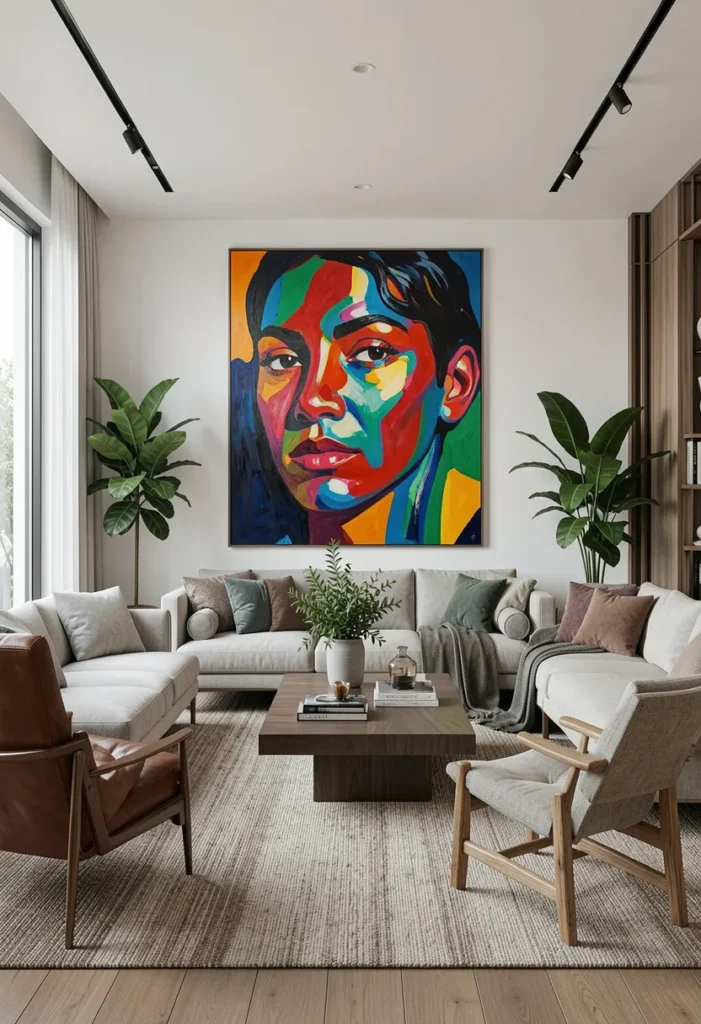
Every room should have a focal point a feature that draws attention. This could be a fireplace, artwork, or a statement piece of furniture.
Once you identify the focal point, arrange furniture and decor around it. This creates structure and visual interest. Avoid competing focal points, as they can make the space feel confusing. A strong focal point gives your room purpose and direction.
10. Keep It Functional
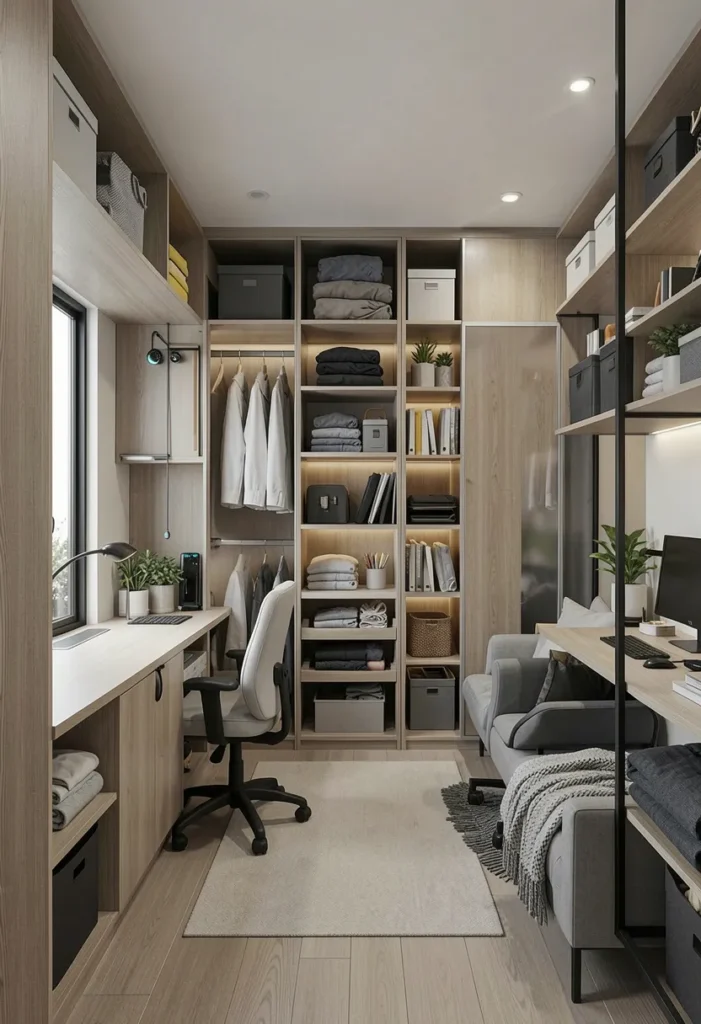
Design is not just about looks—it’s also about how a space works. Always consider how you use a room before decorating it.
Choose furniture and layouts that support your daily activities. Storage solutions help keep the space organized and clutter-free. A functional space is more comfortable and easier to maintain. Balancing style and practicality ensures your home works for you.
11. Add Personal Touches
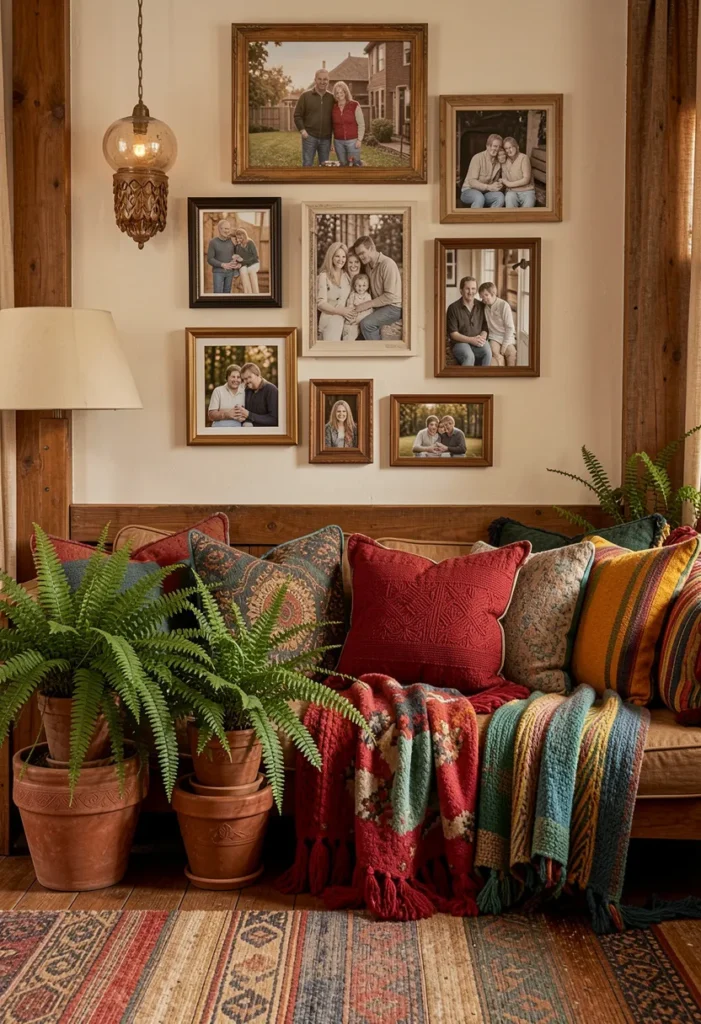
Personalization makes your space unique. Designers incorporate items that reflect the homeowner’s personality and lifestyle.
This could include photos, artwork, or meaningful decor pieces. These elements make your home feel authentic and welcoming. Mix personal items with stylish decor for a balanced look. Your home should tell your story while still looking cohesive.
12. Edit and Simplify
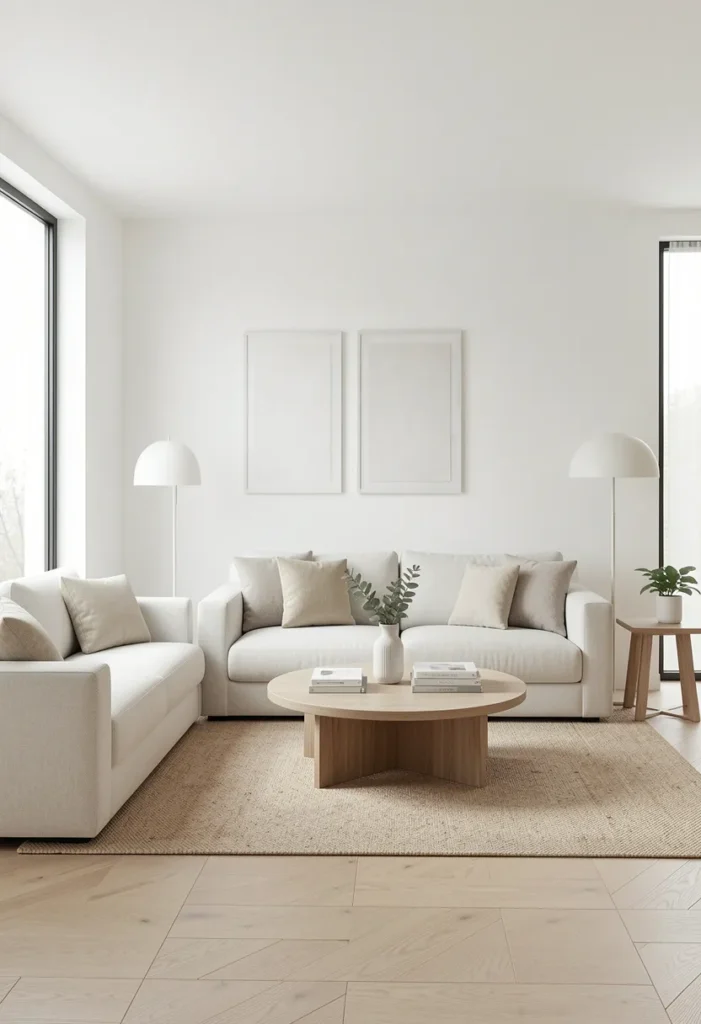
One of the most important design basics is knowing when to stop. Too many items can overwhelm a space.
Editing your decor helps highlight key elements and keeps your home looking clean and organized. Focus on quality over quantity. Remove items that don’t serve a purpose or fit your style. A simplified space feels more peaceful and visually appealing.
Final Words
Mastering interior design doesn’t happen overnight, but understanding these foundational principles is the perfect place to start. These 12 interior design basics for beginners give you the tools to create a space that feels both stylish and functional without feeling overwhelmed.