

13 Bookshelf Organization Ideas That Stay Neat
Keeping your shelves tidy can feel like a constant challenge, especially when books, décor, and everyday items compete for space. That’s why these 13 Bookshelf Organization Ideas That Stay Neat are designed to help you create a system that looks beautiful and functions effortlessly. A well-organized bookshelf doesn’t just reduce clutter — it enhances your room’s overall style and makes it easier to find what you need.
Whether you’re styling a living room, bedroom, or home office, thoughtful organization can turn even the most crowded shelf into a clean and balanced display. From strategic stacking techniques to clever storage solutions, the right approach makes all the difference. The goal is to combine structure with personality, ensuring your shelves remain visually appealing without feeling chaotic.
1. Organize by Color
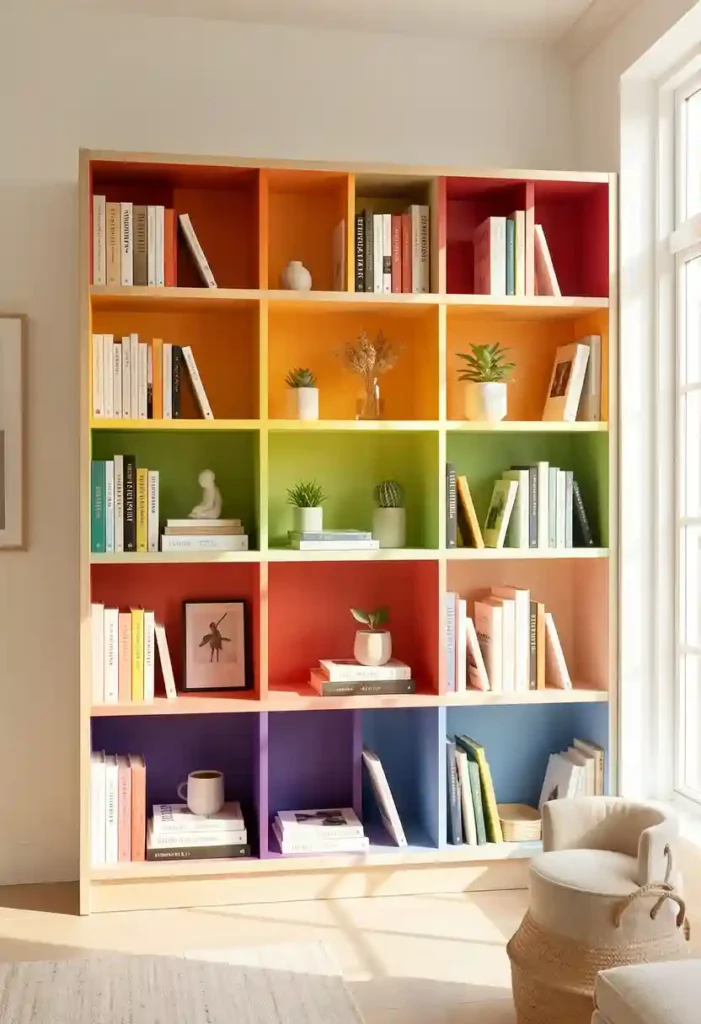
Arranging books by color creates an instantly cohesive and visually satisfying display. This method transforms a cluttered shelf into a decorative focal point. By grouping books in similar shades, you create a rainbow effect or soft gradient that feels intentional and styled. Start by sorting books into color families. Place bold tones together and lighter shades in another section. You can arrange them in a full spectrum order or stick to neutral tones for a calm aesthetic. Keep décor minimal so the color arrangement remains the highlight.
This idea works especially well in modern or minimalist spaces where clean visuals matter. To prevent the shelf from looking overly busy, mix in small decorative objects that complement the color scheme rather than compete with it. Color organization keeps your bookshelf neat while doubling as wall art.
2. Mix Vertical and Horizontal Stacks
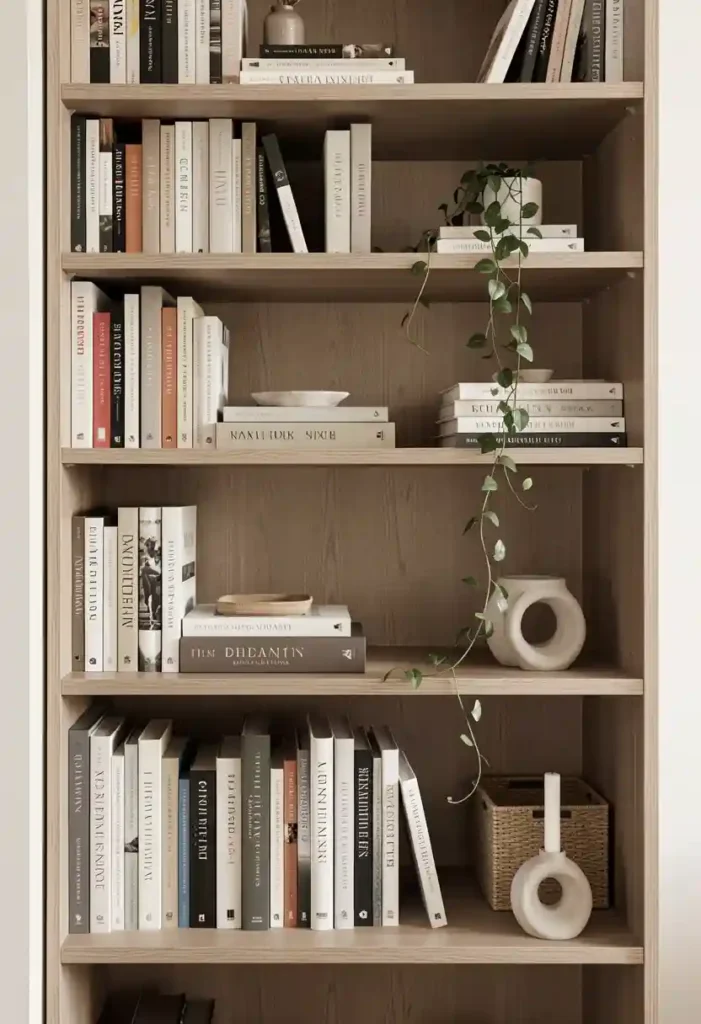
Combining vertical and horizontal book stacks adds structure while preventing visual monotony. Vertical rows keep books easy to access, while horizontal stacks break up long lines and create natural display platforms for décor. Place frequently used books upright for convenience. Use horizontal stacks to anchor decorative items like small plants, candles, or framed photos. This layering technique creates balance and helps avoid overcrowding.
Keep stacks aligned neatly to maintain a polished look. Avoid stacking too many books in one pile, as that can appear messy. The key is moderation and symmetry. This method keeps your bookshelf organized while adding depth and dimension to the overall design.
Read Also: 16 Bookshelf Ideas For Bedroom Storage
3. Use Decorative Storage Baskets
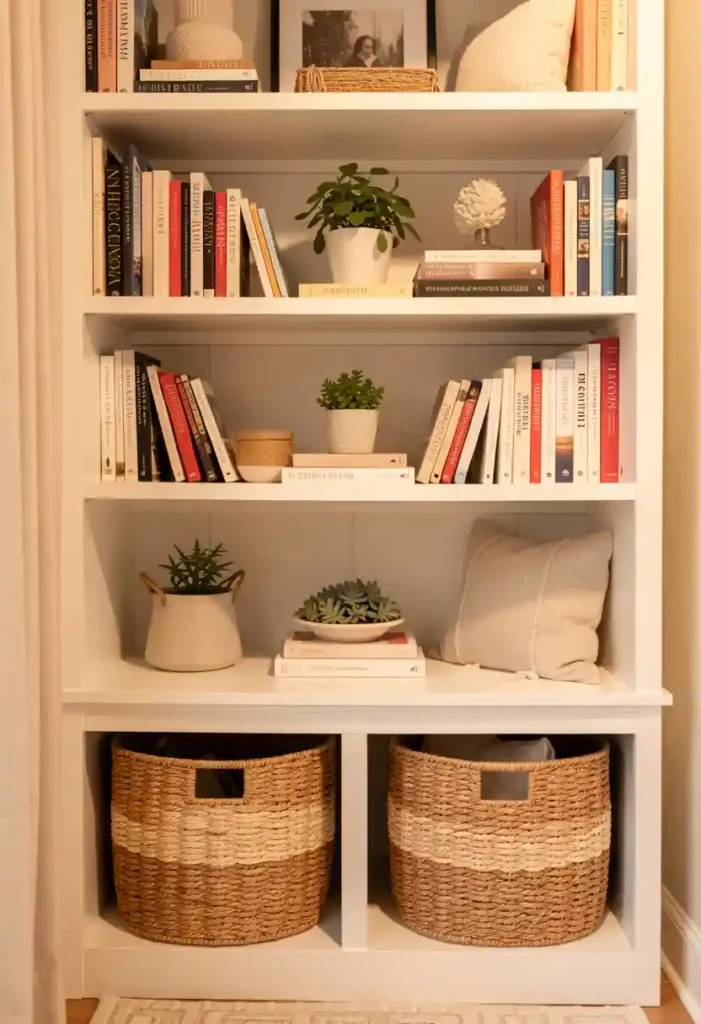
Decorative baskets are perfect for hiding clutter while keeping shelves organized. Use woven, fabric, or wooden boxes to store loose papers, chargers, or small miscellaneous items. Choose baskets that match your room’s style for a cohesive look. Label them if needed for easier access. Placing baskets on lower shelves keeps heavier items stable and visually balanced.
This approach keeps the bookshelf tidy by reducing visible clutter. It’s especially helpful for shared spaces or family rooms where multiple items need quick storage solutions.
4. Create a Symmetrical Layout
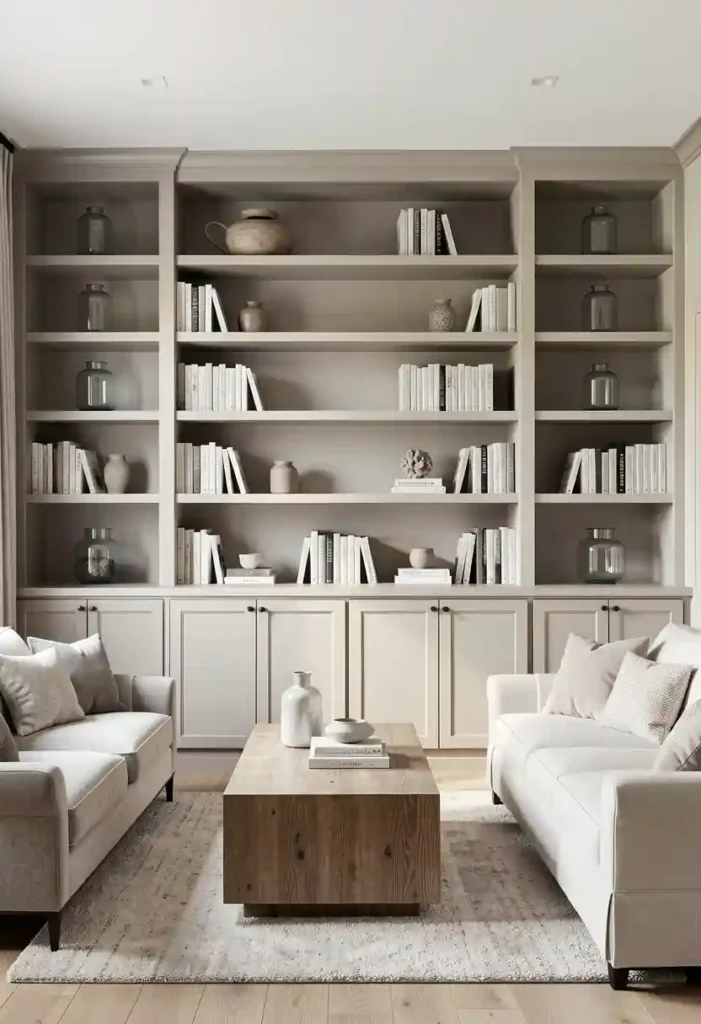
Symmetry is one of the easiest ways to make a bookshelf look instantly neat and intentional. When shelves feel balanced on both sides, the entire room appears more organized. This method works especially well for built-in bookcases or large freestanding units where visual structure makes a strong impact. Start by dividing each shelf into equal sections. You can mirror book stacks on the left and right sides or place matching decorative objects at both ends. For example, position identical vases, baskets, or bookends to frame the shelf. In the center, add either vertically arranged books or a small decorative accent to anchor the design.
Keep spacing consistent and avoid overcrowding one side. Even small details like aligning book heights or maintaining equal gaps between objects can make a difference. Symmetry doesn’t mean everything has to look identical, but the overall weight should feel balanced. This approach ensures your bookshelf stays polished, tidy, and visually calming over time.
5. Group by Category or Genre
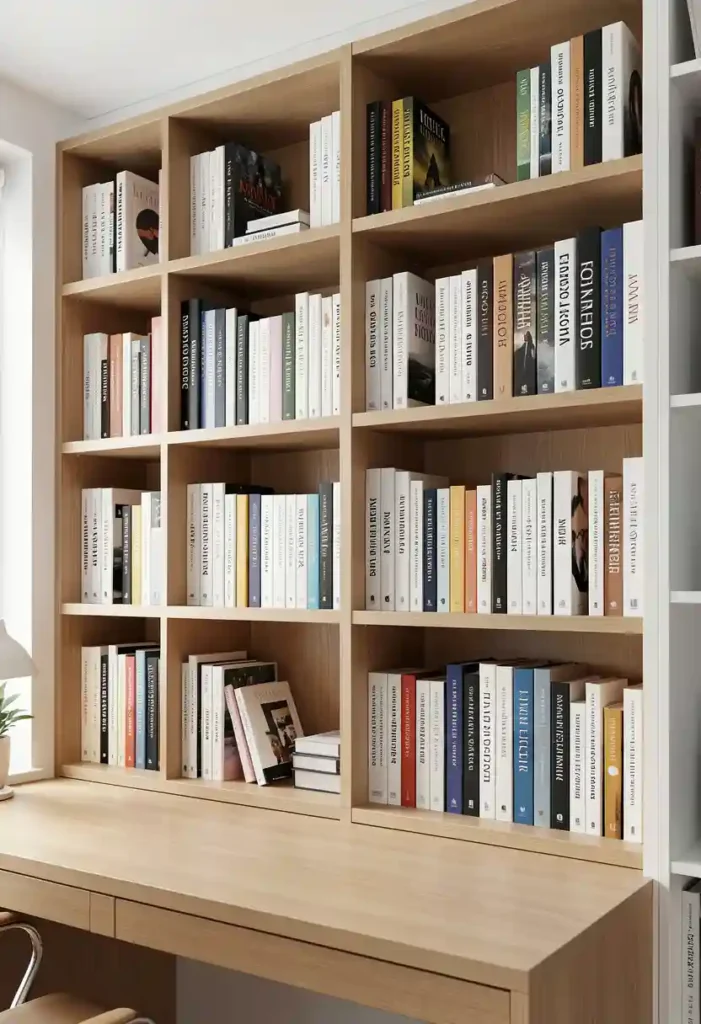
Organizing books by category or genre is a practical way to maintain a bookshelf that stays neat long-term. Instead of placing books randomly, group them into clearly defined sections such as fiction, non-fiction, biographies, self-help, cookbooks, or study materials. This system not only looks organized but also makes it much easier to find what you need. Begin by sorting your entire collection. Once grouped, assign each category a specific shelf or portion of a shelf. Use subtle dividers, bookends, or even small decorative objects to visually separate the sections. If you prefer a cleaner look, keep labels minimal and discreet.
This method works particularly well in home offices and study areas where functionality matters. It also prevents clutter from building up because each book has a designated place. When returning books, you’ll know exactly where they belong, helping your shelves stay structured and consistently neat.
6. Leave Breathing Space
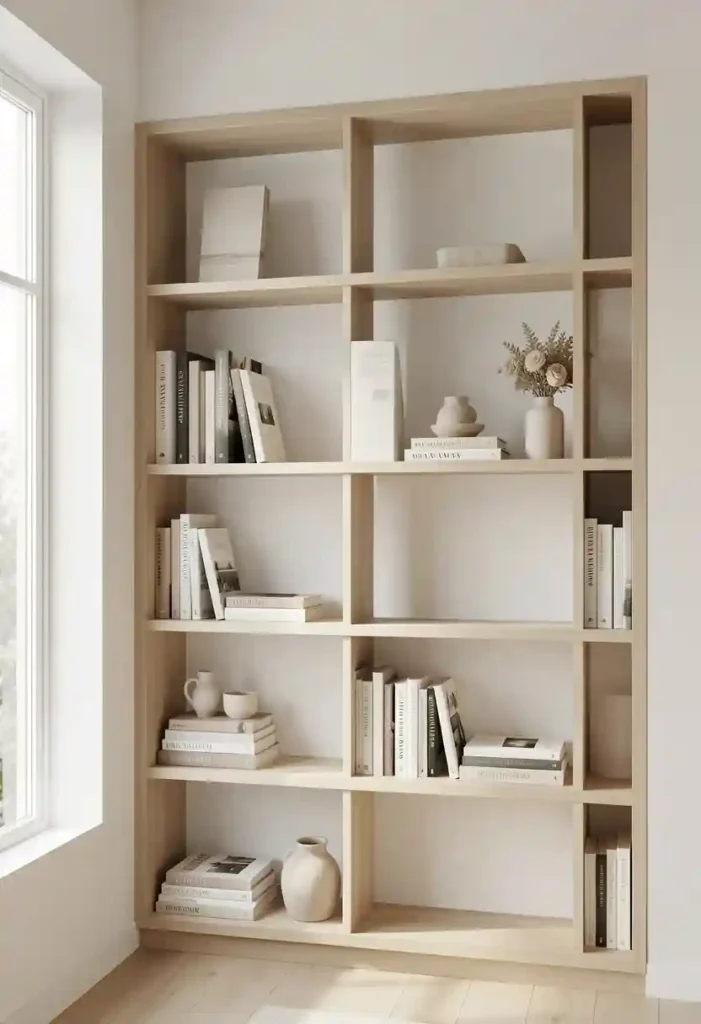
One of the most overlooked Bookshelf Organization Ideas That Stay Neat is simply leaving empty space. While it may be tempting to fill every inch of shelving, overcrowding quickly makes a bookshelf feel chaotic. Intentional gaps create breathing room and allow the eye to rest, giving your shelves a clean and curated appearance. Start by removing a few items from each shelf and reassessing the layout. Instead of tightly packing books together, leave small spaces between groups. You can dedicate certain sections entirely to decorative objects or leave part of a shelf empty to highlight a statement piece.
Negative space also makes it easier to maintain organization over time. When new books are added, there’s already room available, preventing overflow. This technique works beautifully in minimalist and modern interiors, where simplicity enhances style. By embracing empty space as part of the design, your bookshelf will look lighter, more refined, and effortlessly organized.
7. Add Bookends for Structure
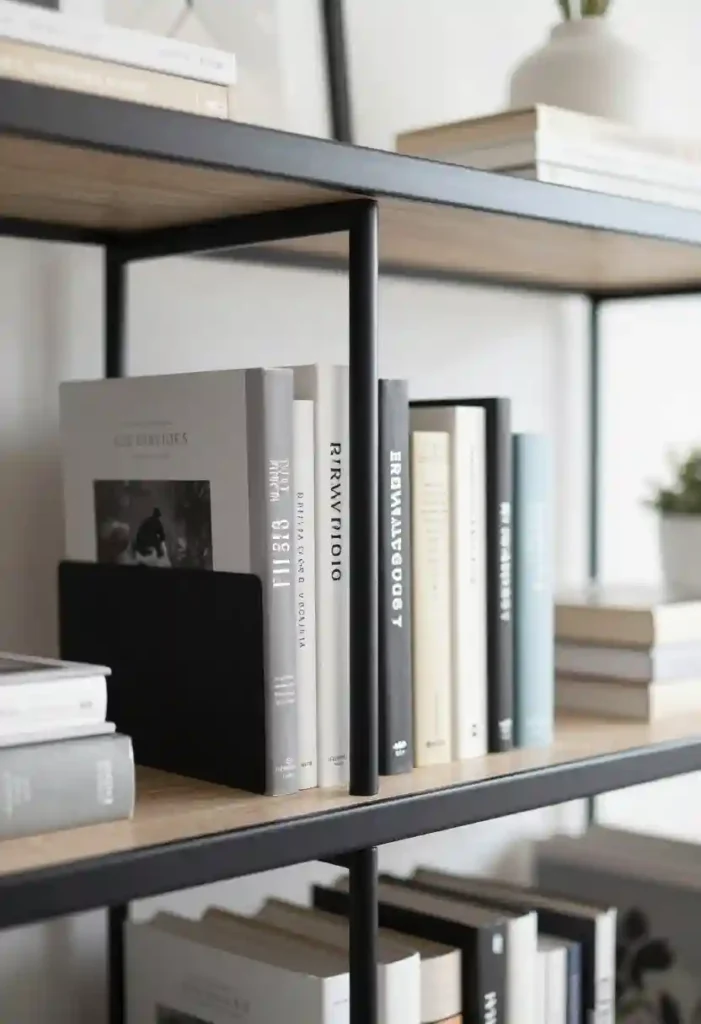
Bookends are a simple yet powerful way to keep your shelves looking neat and structured. When books are placed upright without support, they tend to lean, slide, or collapse over time. Adding sturdy bookends instantly creates clean vertical lines and prevents visual clutter. This small detail can dramatically improve the overall appearance of your bookshelf.
Choose bookends that complement your room’s style. Sleek metal designs work well in modern spaces, while wooden or stone bookends add warmth and texture. Position them at the ends of book rows or use them to divide sections within a shelf. This helps maintain clear boundaries between categories or decorative groupings. Bookends also allow you to leave intentional gaps without books falling over, supporting the “breathing space” concept. They provide stability while enhancing style. By keeping books upright and aligned, bookends ensure your bookshelf maintains a polished and organized look every day.
8. Incorporate Decorative Objects Strategically
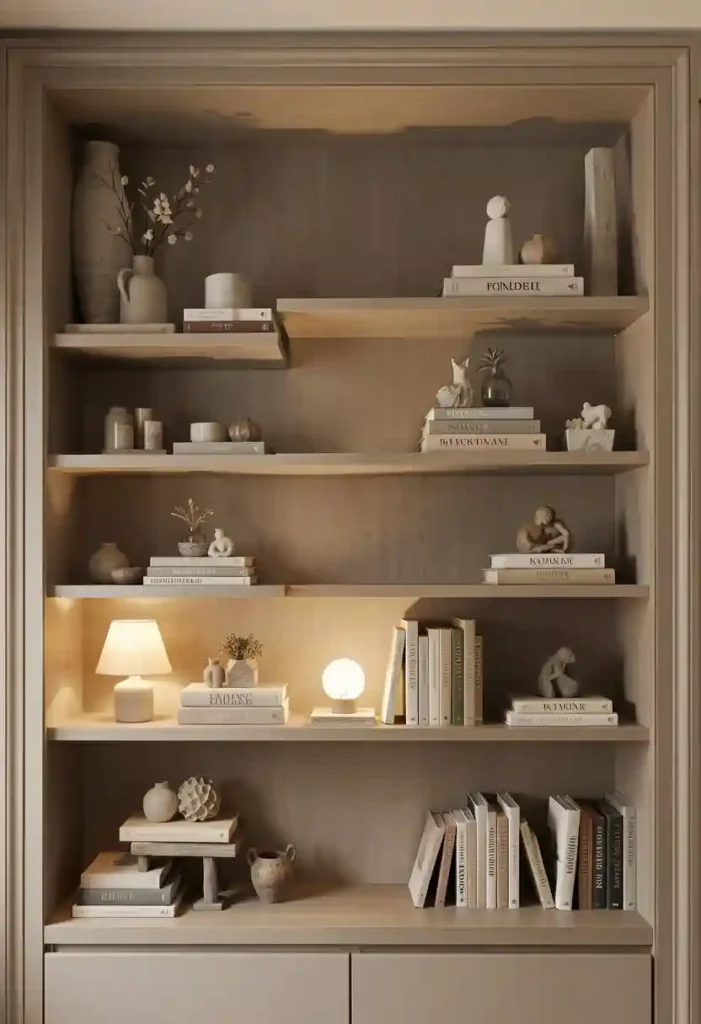
Decorative objects can elevate a bookshelf, but they must be placed thoughtfully to avoid clutter. Instead of scattering small items randomly across shelves, group them intentionally. Strategic placement creates balance while maintaining a tidy appearance. Start by selecting a few meaningful pieces such as small sculptures, framed photos, vases, or plants. Follow the rule of three by arranging items in small clusters rather than spreading them out. Combine decorative objects with horizontal book stacks to create layered displays. This technique adds depth without overwhelming the shelf.
Keep scale in mind. Oversized décor can dominate the space, while too many tiny objects can look busy. Choose items that complement your color palette and leave some empty areas for visual breathing room. When styled intentionally, decorative accents enhance organization rather than disrupt it, helping your bookshelf stay neat and visually appealing.
9. Use Adjustable Shelving
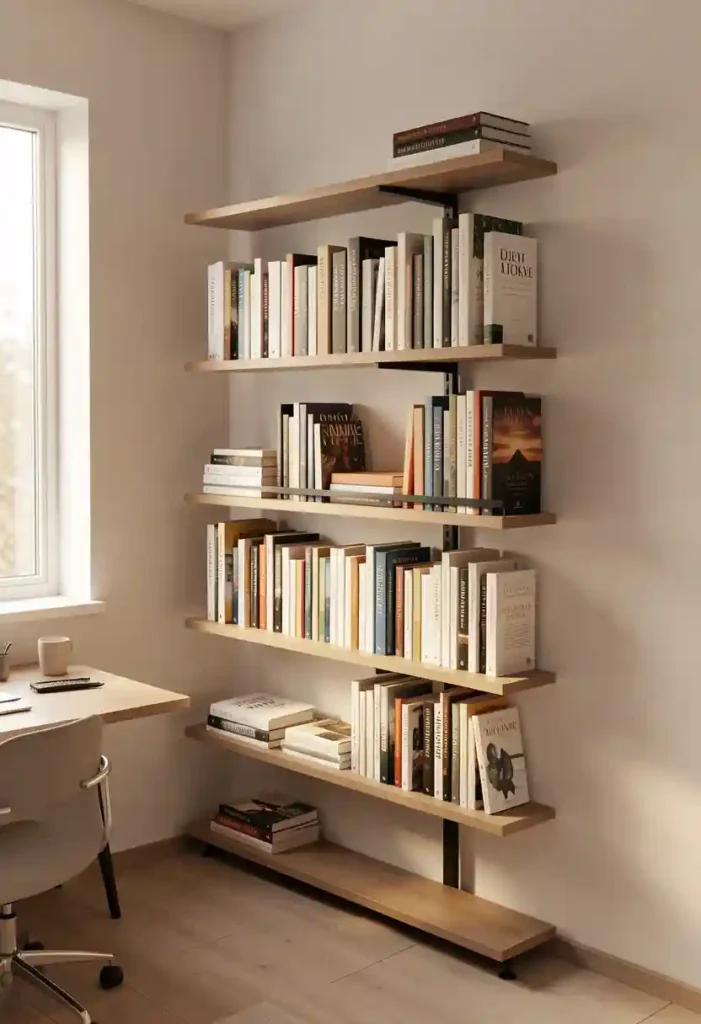
Adjustable shelving is one of the most practical ways to maintain a bookshelf that stays neat over time. Books come in various sizes, from tall hardcovers to compact paperbacks, and fixed shelves can create awkward gaps or overcrowded sections. Adjustable shelves allow you to customize spacing so everything fits properly. Start by measuring your tallest books and adjusting shelf heights accordingly. This prevents wasted vertical space and keeps rows aligned cleanly. Reserve larger sections for oversized books or storage boxes, while smaller compartments can hold paperbacks or decorative accents.
Flexibility is especially important as your collection grows. Instead of cramming new books into tight spaces, you can simply reposition a shelf to create room. This system ensures that organization evolves with your needs. Adjustable shelving supports both structure and adaptability, making it easier to maintain a tidy, well-balanced bookshelf in the long run.
10. Store Heavy Books on Lower Shelves
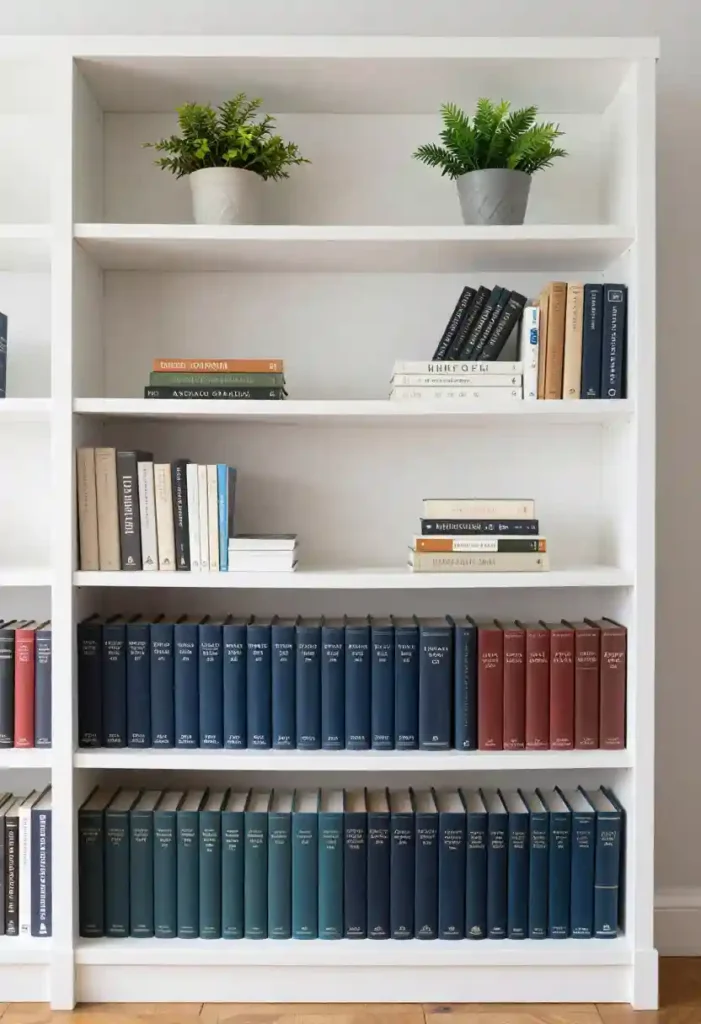
Placing heavy books on lower shelves is a practical organization method that improves both stability and visual balance. Large hardcovers, textbooks, and oversized coffee table books can strain upper shelves and make the entire unit look top-heavy. By positioning them at the bottom, you create a grounded and secure foundation for your bookshelf. Start by sorting your books by weight and size. Keep bulky or tall volumes on the lowest shelves, stacking them either vertically or in neat horizontal piles. This not only protects your shelving from sagging but also makes it easier to lift heavier books safely. Lighter paperbacks and decorative objects can then be displayed on upper levels.
Visually, this technique creates a natural flow from heavier to lighter elements, which feels balanced and organized. It’s a small adjustment that has a big impact on maintaining a bookshelf that stays neat, safe, and structurally sound over time.
11. Label for Easy Maintenance
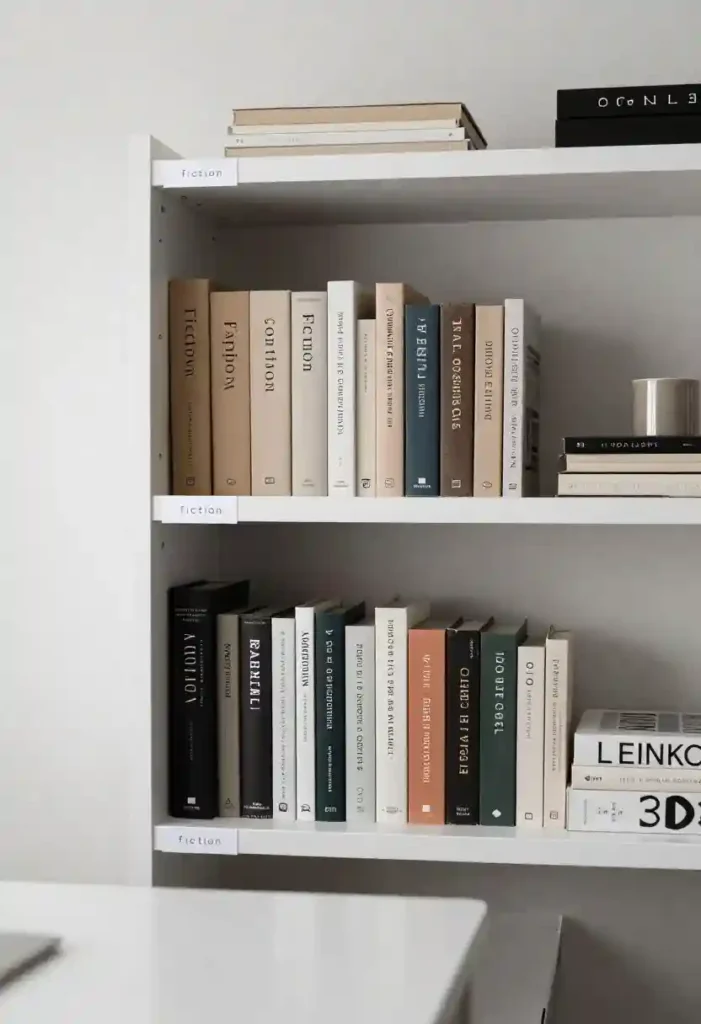
Labels are a subtle but powerful tool for keeping your bookshelf organized long-term. When categories are clearly defined, it becomes much easier to return books to their proper place. This prevents gradual clutter and keeps your shelves consistently neat. You can use small minimalist label holders, discreet stickers, or even handwritten tags inside baskets. Keep the design simple so labels enhance organization without distracting from the aesthetic. Clear labeling works especially well in home offices, family rooms, or shared spaces where multiple people use the bookshelf.
This system creates accountability and structure. When every section has a designated purpose, there’s less temptation to stack books randomly. Over time, labels encourage consistent upkeep and make reorganizing effortless. By combining visual clarity with practical structure, labeled shelves remain tidy and functional.
12. Rotate Seasonal Displays
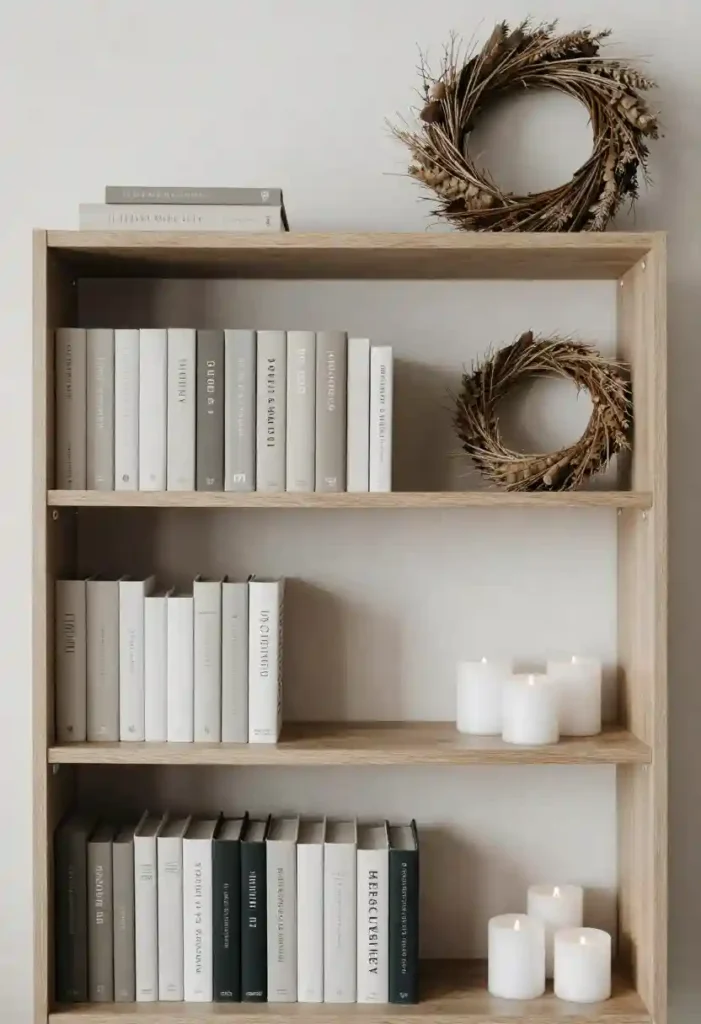
Rotating seasonal décor is an excellent way to refresh your bookshelf while keeping it organized. Instead of continuously adding new decorative pieces, swap out small accents throughout the year. This prevents overcrowding and keeps the overall layout balanced. Maintain a consistent core arrangement of books, and reserve a small section for seasonal touches like candles, framed prints, or subtle themed décor. Store off-season items in labeled boxes to avoid clutter building up on the shelves.
This method ensures your bookshelf feels updated without becoming overloaded. It also encourages regular editing, which helps maintain neatness. By limiting décor changes to small, intentional swaps, you preserve structure while adding personality. The result is a bookshelf that stays tidy yet always feels fresh and thoughtfully styled.
13. Declutter Regularly
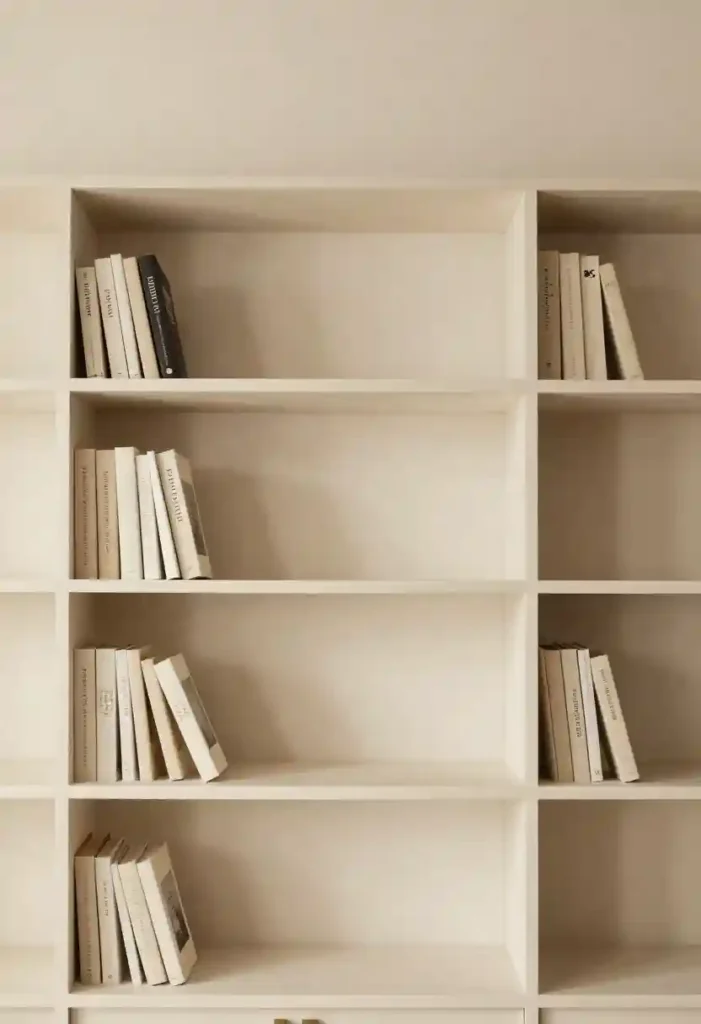
Regular decluttering is the foundation of any bookshelf that truly stays neat. Even the best organization system can become messy if unused or unwanted books continue to accumulate. Taking time to edit your collection ensures that only meaningful or frequently used items remain. Start by reviewing your bookshelf every few months. Remove books you no longer read or need, and consider donating or storing them elsewhere. Clear away excess décor that no longer fits your style. As you declutter, reassess spacing and adjust sections to maintain balance.
This habit prevents overcrowding and makes everyday maintenance easier. A curated collection not only looks cleaner but also feels more intentional. By consistently removing unnecessary items, you create room for breathing space and preserve the organized structure you’ve built. Regular decluttering keeps your bookshelf manageable, stylish, and effortlessly neat.
Final Words
A bookshelf that stays neat is not just about arranging books—it’s about creating a system that blends functionality with style. These 13 Bookshelf Organization Ideas That Stay Neat offer practical strategies, from grouping by color or category to using bookends, labels, and breathable spacing. By incorporating decorative objects thoughtfully, adjusting shelves as needed, and decluttering regularly, you can maintain a polished and organized display that evolves with your collection.