11 Home Décor Mistakes To Avoid at All Costs
Decorating your home is exciting, but even small mistakes can make a space feel cluttered, uncomfortable, or unfinished. Many homeowners unknowingly fall into common design traps that affect both functionality and style. From choosing the wrong furniture size to ignoring lighting, these errors can prevent your home from reaching its full potential. The good news is that most of these issues are easy to fix once you know what to look for.
By understanding what not to do, you can create a space that feels balanced, welcoming, and visually appealing. Whether you’re redesigning a single room or your entire home, avoiding these common decor mistakes will save you time, money, and frustration. In this guide, we’ll explore the most frequent home decor missteps and show you how to steer clear of them while creating a space that truly reflects your personality and lifestyle.
1. Choosing the Wrong Furniture Size
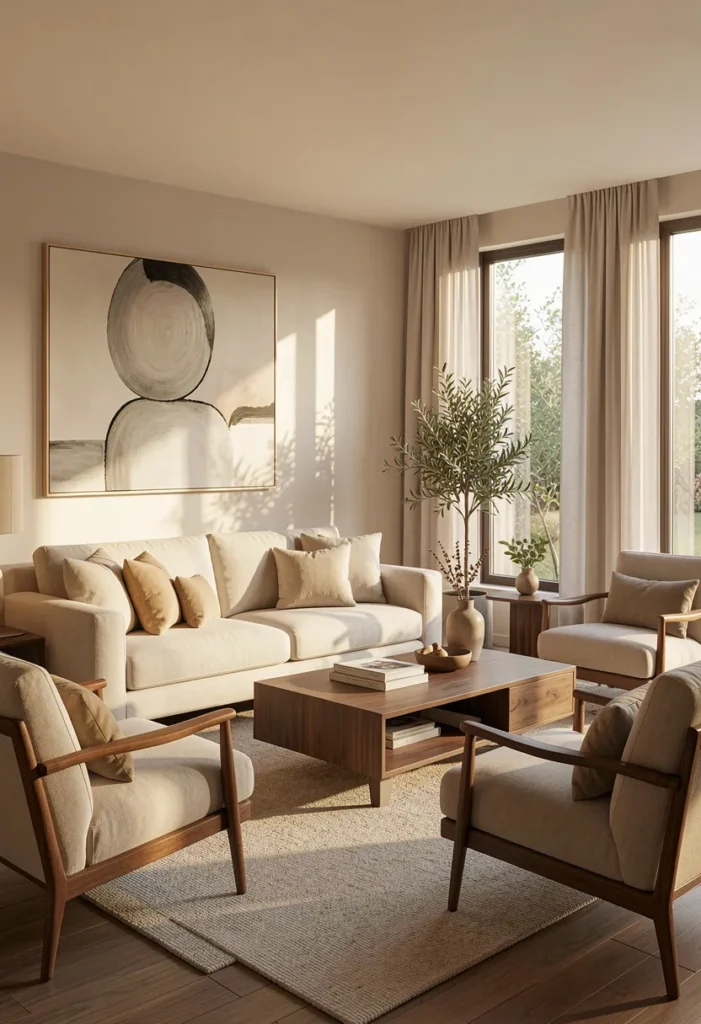
One of the most common home decor mistakes is selecting furniture that doesn’t fit the scale of your room. Oversized sofas can overwhelm a small space, while tiny pieces can make a large room feel empty and disconnected. This imbalance affects both comfort and visual harmony.
Before buying furniture, always measure your space carefully. Consider how people will move around the room and ensure there’s enough clearance for walkways. A good rule of thumb is to leave at least 18–24 inches between major furniture pieces. Also, think about ceiling height low-profile furniture works better in rooms with low ceilings, while taller pieces can enhance vertical space in larger rooms.
2. Poor Lighting Choices
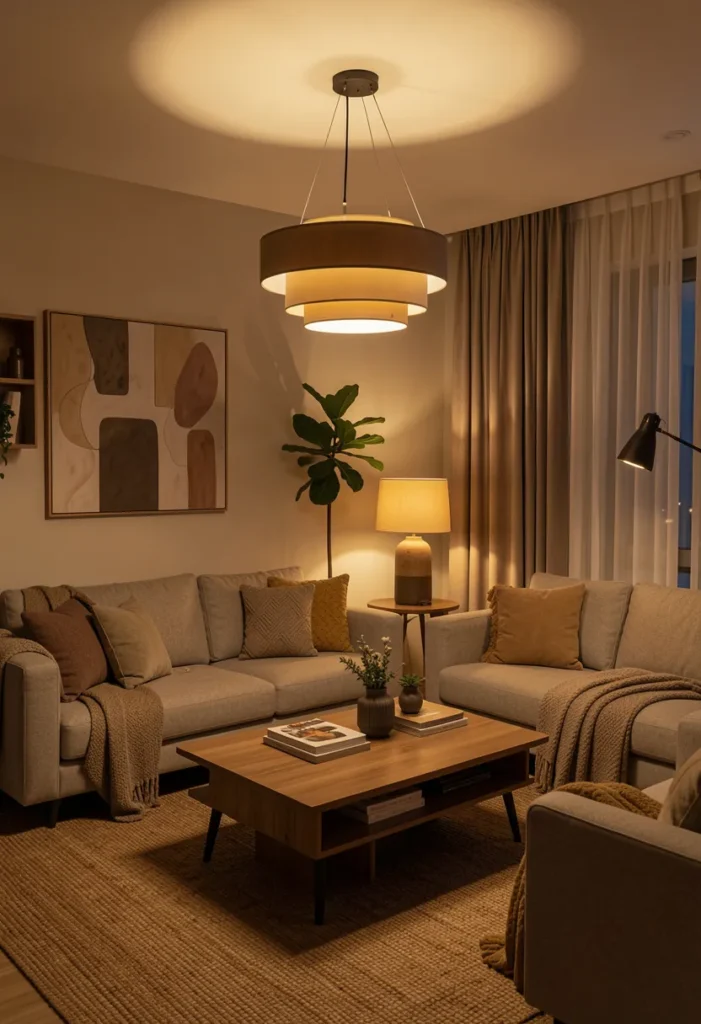
Lighting can make or break a room, yet it’s often overlooked. Relying on a single overhead light creates harsh shadows and a flat, uninviting atmosphere. Good lighting should be layered and functional.
Incorporate three types of lighting: ambient (general lighting), task (for reading or cooking), and accent (to highlight decor). Table lamps, floor lamps, and wall sconces help create depth and warmth. Natural light should also be maximized avoid heavy curtains that block sunlight.
3. Ignoring a Cohesive Color Scheme
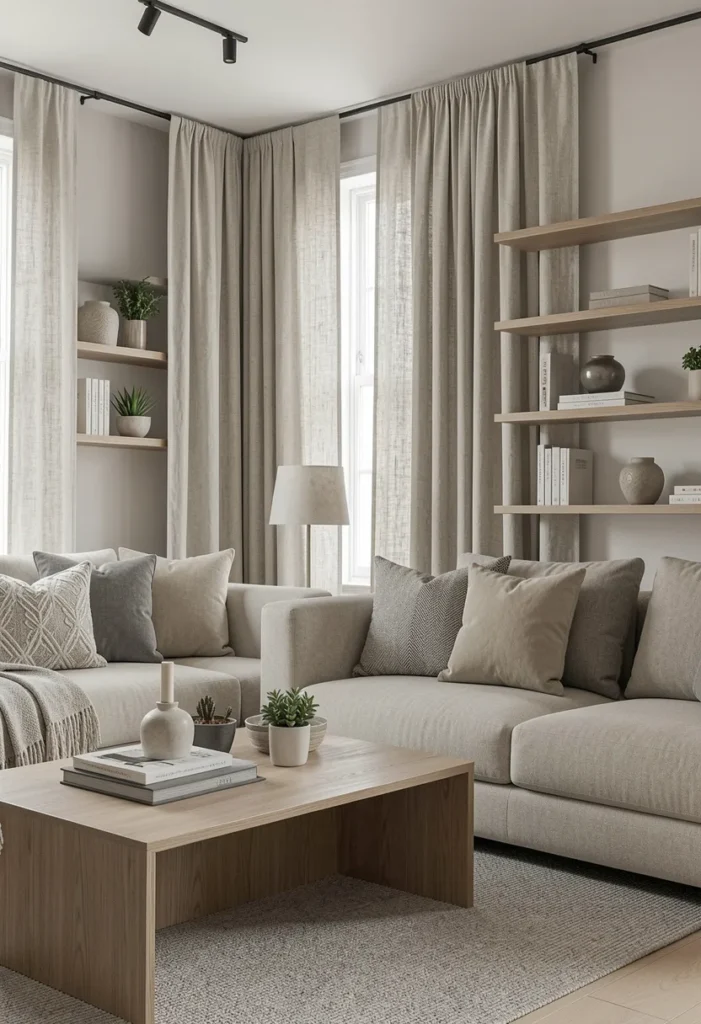
A lack of color coordination can make your home feel chaotic. Using too many colors without a clear plan creates visual confusion and disrupts harmony.
Start with a base color palette of 2–4 complementary shades. Neutral tones like beige, gray, or white provide a solid foundation, while accent colors add personality. Repeat colors throughout the room to create flow and unity. Another mistake is ignoring undertones. Mixing warm and cool tones without intention can clash. For example, pairing a cool gray sofa with warm yellow lighting may feel off.
4. Pushing Furniture Against the Walls
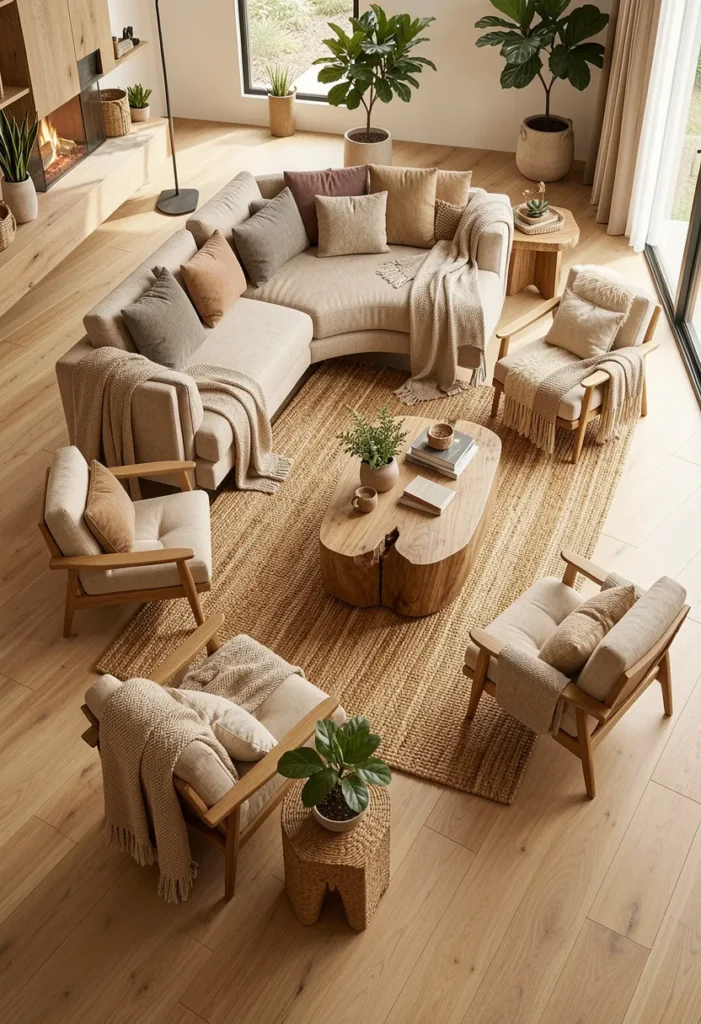
Many people believe pushing furniture against the walls makes a room look bigger, but it often has the opposite effect. It can create an empty, awkward center and reduce intimacy.
Instead, try floating your furniture. Pull sofas and chairs slightly inward to create conversation areas. This arrangement makes the space feel more intentional and inviting. In larger rooms, divide the space into functional zones, such as a seating area and a reading nook. Use rugs to anchor each section.
See Also; 13 Storage Ideas Without Remodeling Required
5. Overcrowding the Space
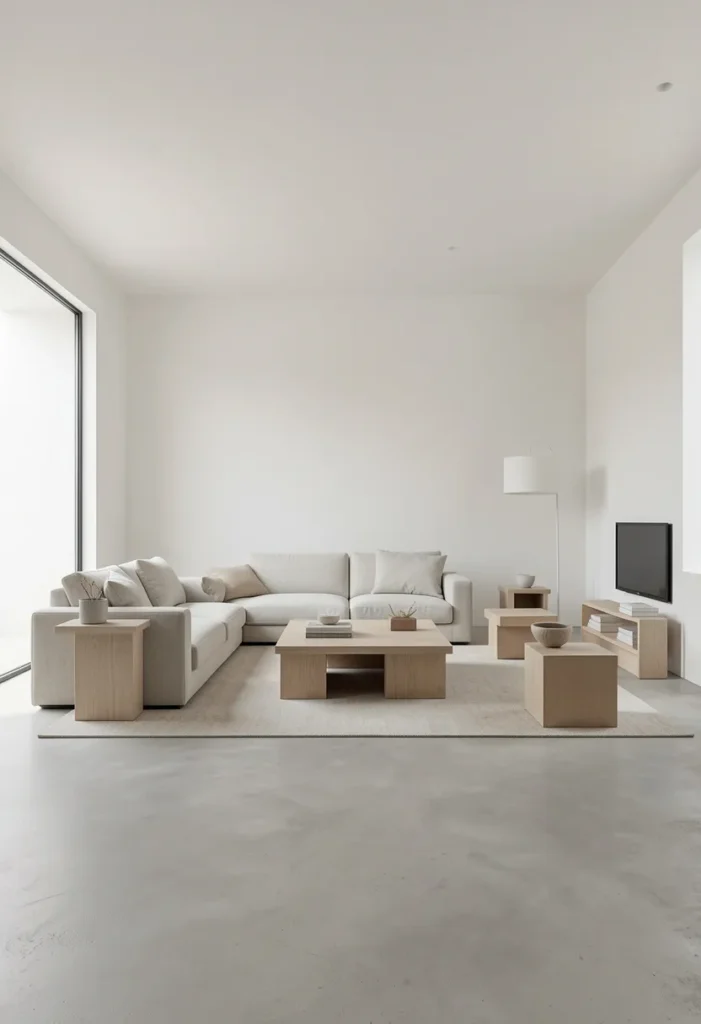
Filling every inch of your home with furniture and decor can make it feel cramped and overwhelming. Less is often more when it comes to interior design.
Focus on quality over quantity. Choose a few statement pieces instead of many small items. Leave some empty space to allow the room to breathe this is known as negative space. Clutter not only affects aesthetics but also functionality. It can make cleaning harder and reduce comfort. Regularly declutter and reassess your space.
6. Hanging Artwork Too High
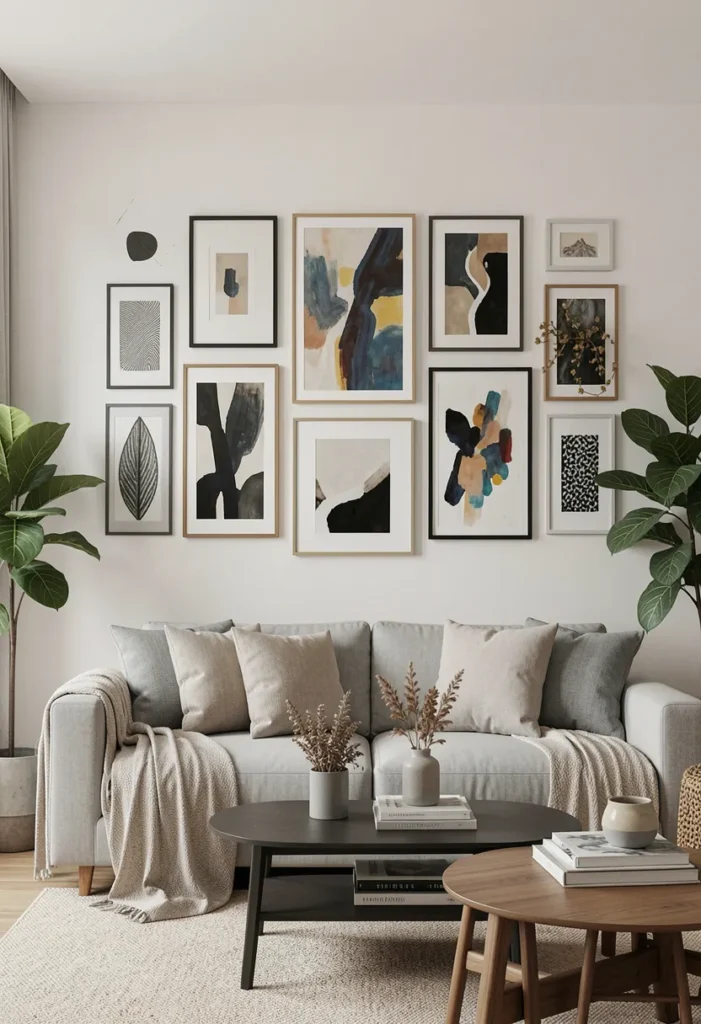
Artwork placement is often overlooked, but hanging pieces too high is a very common mistake. It disconnects the art from the rest of the room.
The center of artwork should be at eye level, typically around 57–60 inches from the floor. When placing art above furniture, keep it 6–10 inches above the piece. Gallery walls should feel cohesive, not scattered. Plan your layout before hanging to ensure balance.
7. Choosing the Wrong Rug Size
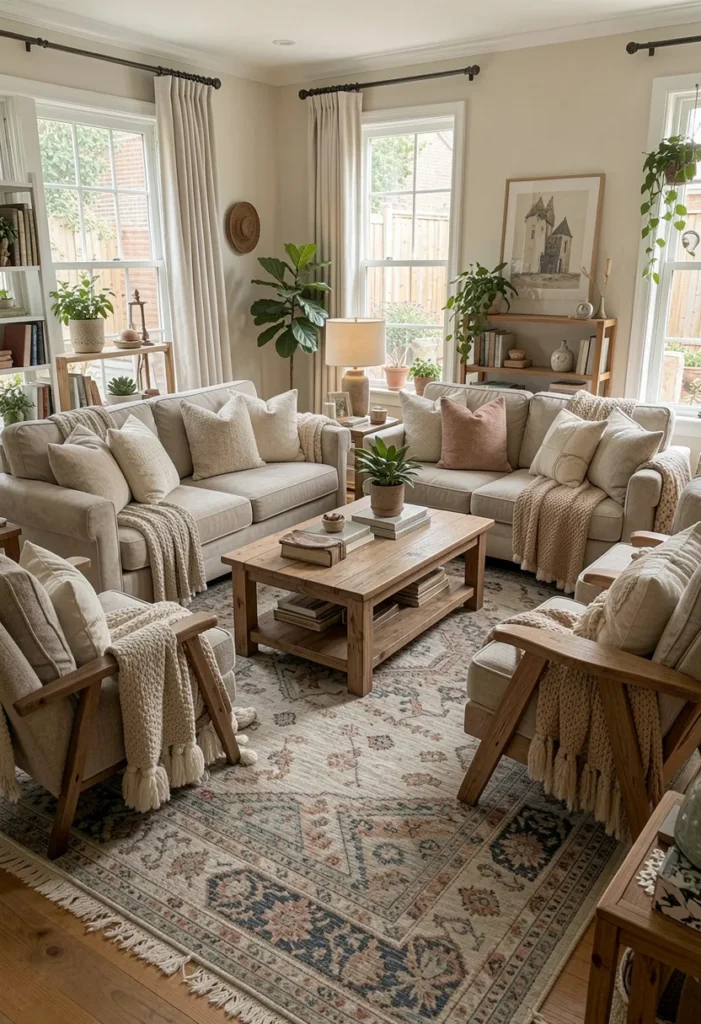
A rug that’s too small can make a room feel disconnected. It’s one of the most common yet easily fixable decor mistakes.
In living rooms, rugs should be large enough for at least the front legs of furniture to sit on them. Ideally, all major pieces should fit on the rug. In dining areas, ensure the rug extends beyond the table so chairs remain on it when pulled out.
8. Neglecting Texture and Layers
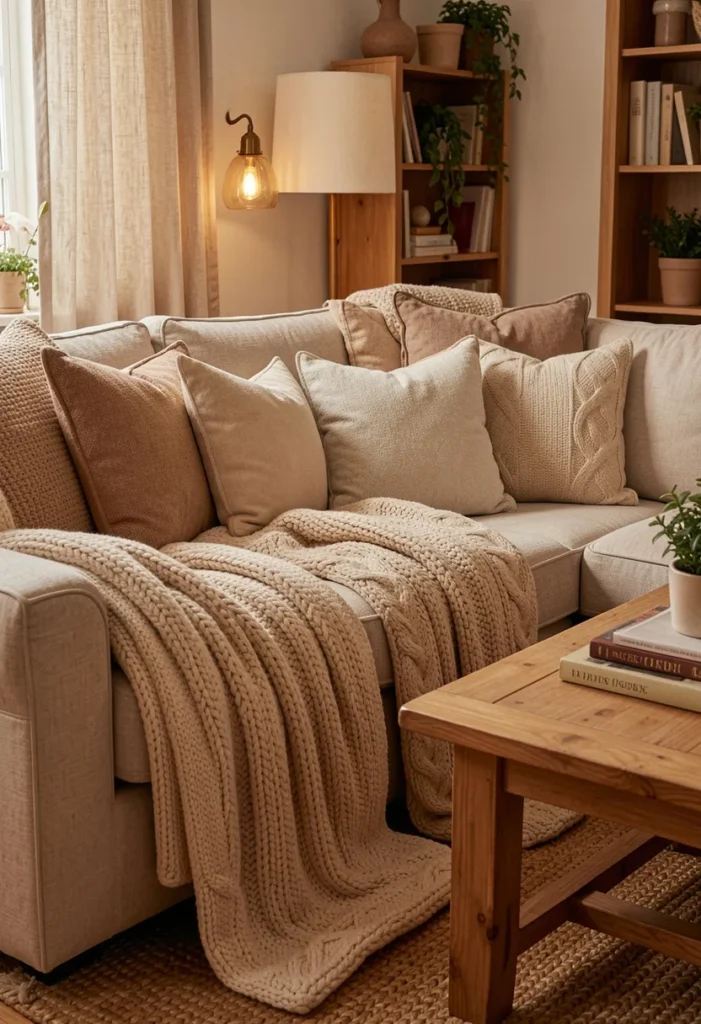
A room without texture can feel flat and lifeless, even if the colors are perfect. Texture adds depth and interest. Incorporate a mix of materials such as wood, metal, fabric, and glass. Use soft furnishings like cushions, throws, and rugs to create warmth.
Layering is key combine smooth and rough surfaces for contrast. For example, pair a leather sofa with a soft knit blanket. Texture makes a space feel inviting and dynamic.
9. Following Trends Blindly
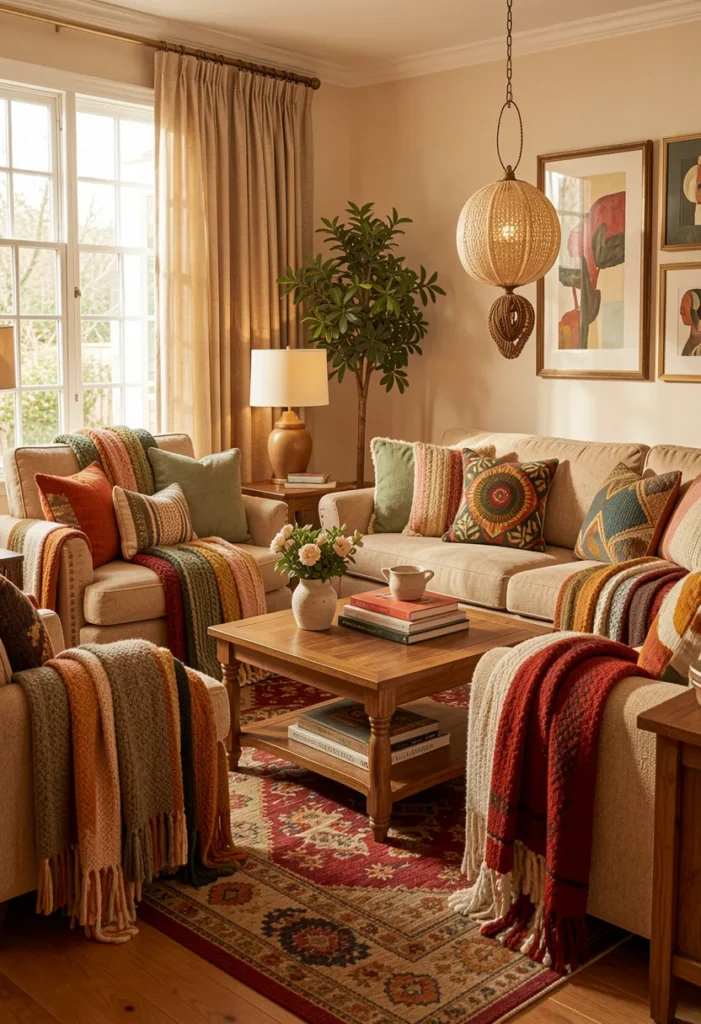
Trends come and go, but your home should reflect your personal style. Following trends without considering your preferences can lead to regret.
Instead, use trends as inspiration rather than rules. Incorporate trendy elements through small, changeable items like cushions or decor pieces. Invest in timeless furniture and neutral foundations. This ensures your home remains stylish even as trends evolve.
10. Ignoring Functionality
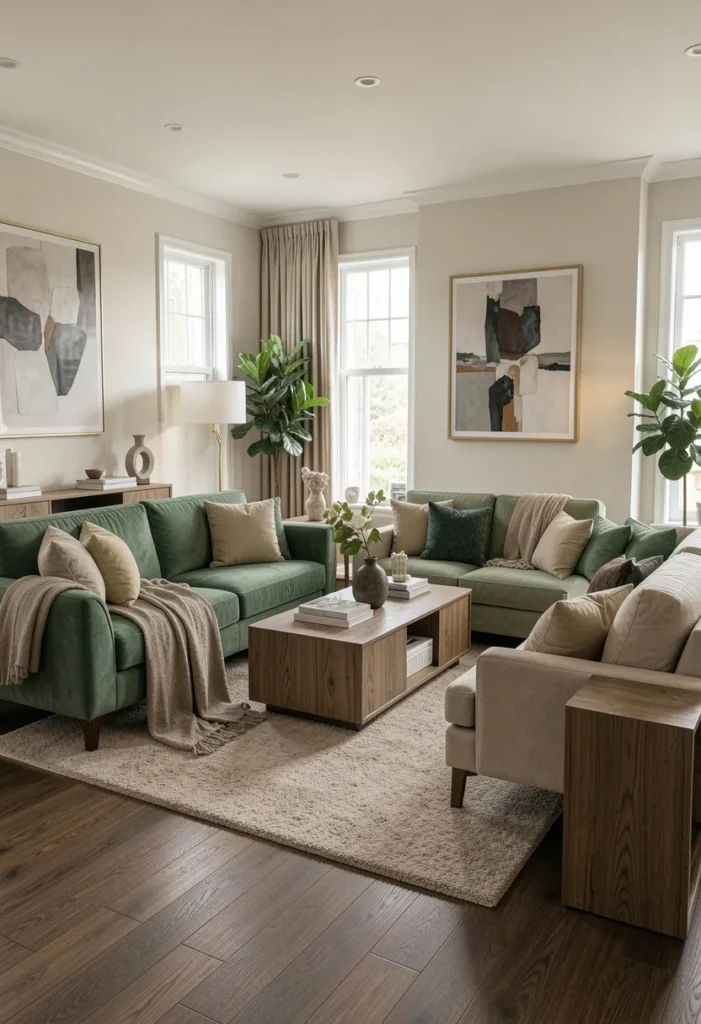
A beautiful space that doesn’t function well is ultimately frustrating. Design should always serve a purpose.
Think about how you use each room. For example, a living room should have comfortable seating, while a home office needs proper lighting and storage. Avoid prioritizing aesthetics over comfort. Choose furniture that supports your lifestyle. A well-designed home balances beauty and practicality.
11. Forgetting Personal Touches
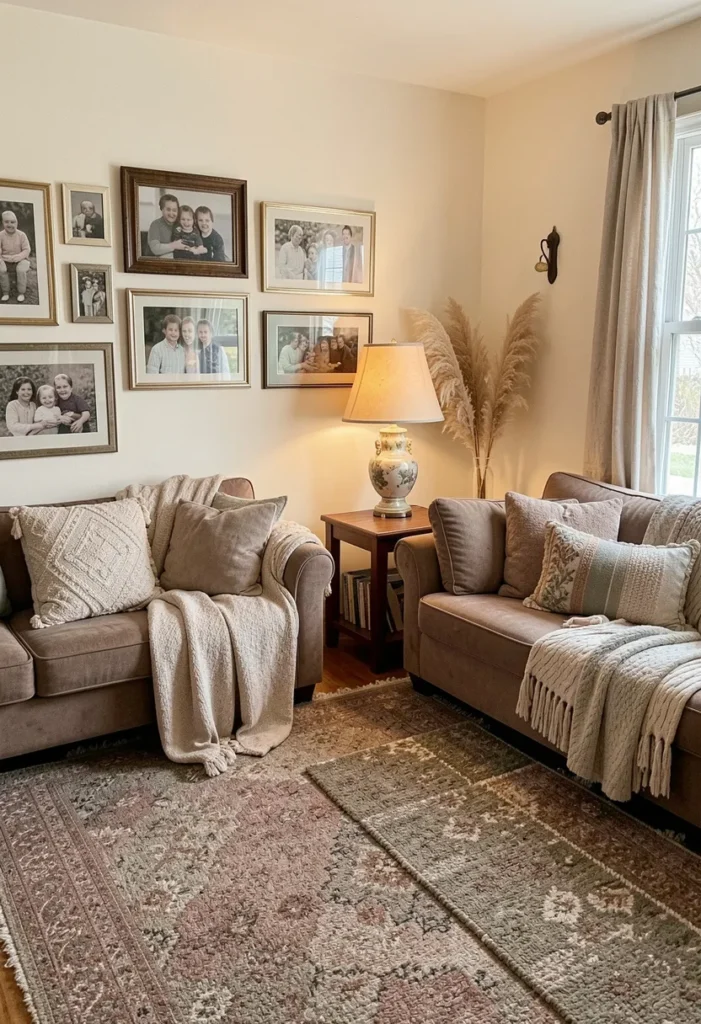
A home without personality can feel like a showroom rather than a lived-in space. Personal touches bring warmth and authenticity.
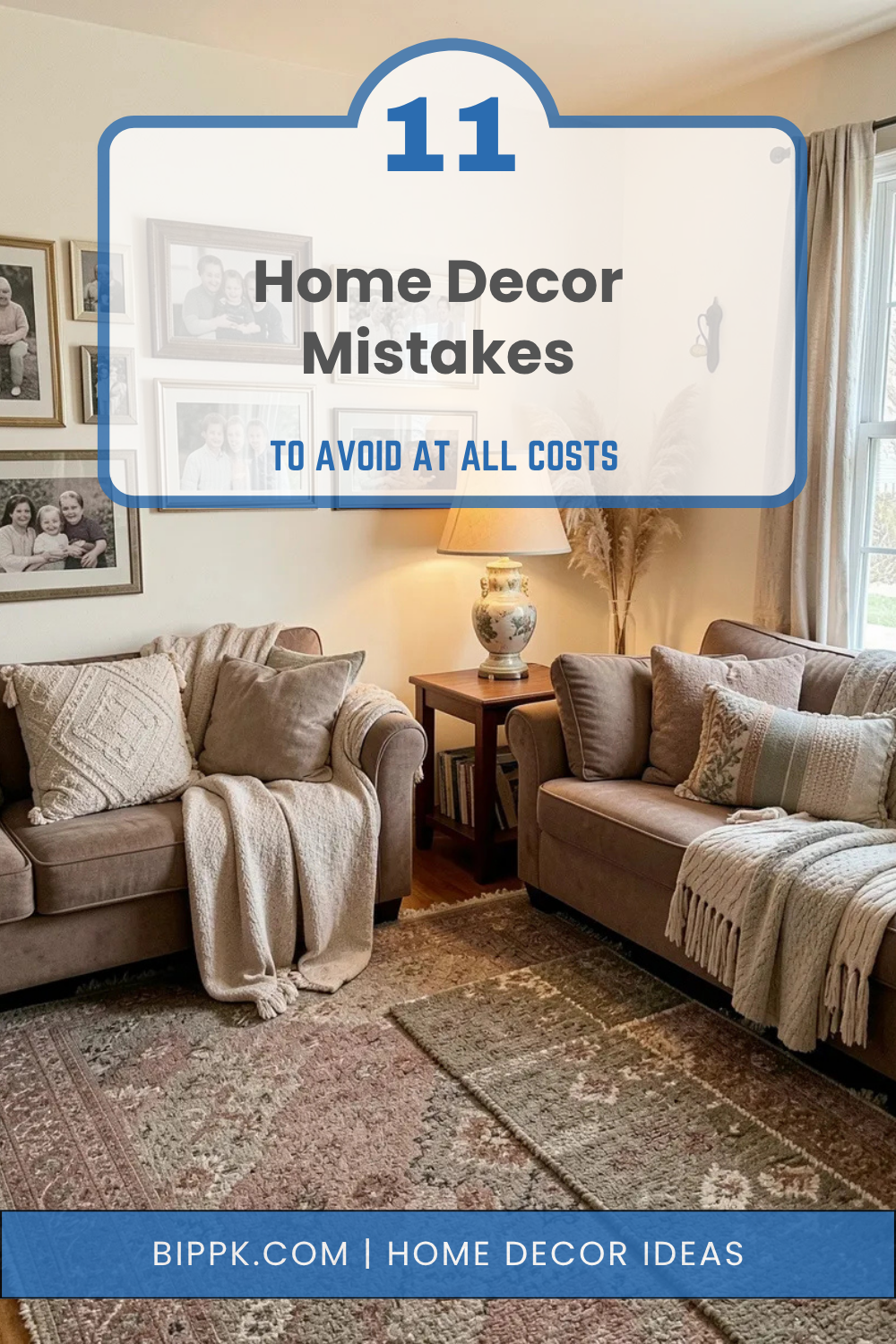
Display meaningful items like family photos, travel souvenirs, or artwork. These elements tell your story and make your home unique. Avoid copying designs exactly from magazines add your own twist instead.
Final Words
Creating a beautiful home isn’t about perfection it’s about making thoughtful choices that enhance both comfort and style. By avoiding these common decor mistakes, you can transform any space into one that feels balanced, functional, and uniquely yours. Small changes, like adjusting lighting, choosing the right furniture size, or adding personal touches, can have a huge impact on the overall look and feel of your home.