14 Living Room Layout Ideas That Actually Work
A well-planned living room layout can completely change how your home looks and feels. No matter the size of your space, the right arrangement can make it more comfortable, functional, and visually balanced. Many living rooms struggle not because of a lack of style, but because the furniture placement doesn’t support how the space is actually used. From awkward traffic flow to unused corners, layout issues can quietly affect daily living.
The good news is that smart layout choices can solve these problems without requiring major renovations. These 14 living room layout ideas that actually work focus on real-life functionality, flexibility, and style. Whether your living room is small, large, open-plan, or narrow, these ideas help you create a space that feels welcoming and intentional. With thoughtful furniture placement, defined zones, and visual balance, your living room can finally work as beautifully as it looks.
1. Sofa-Centered Layout for Everyday Comfort
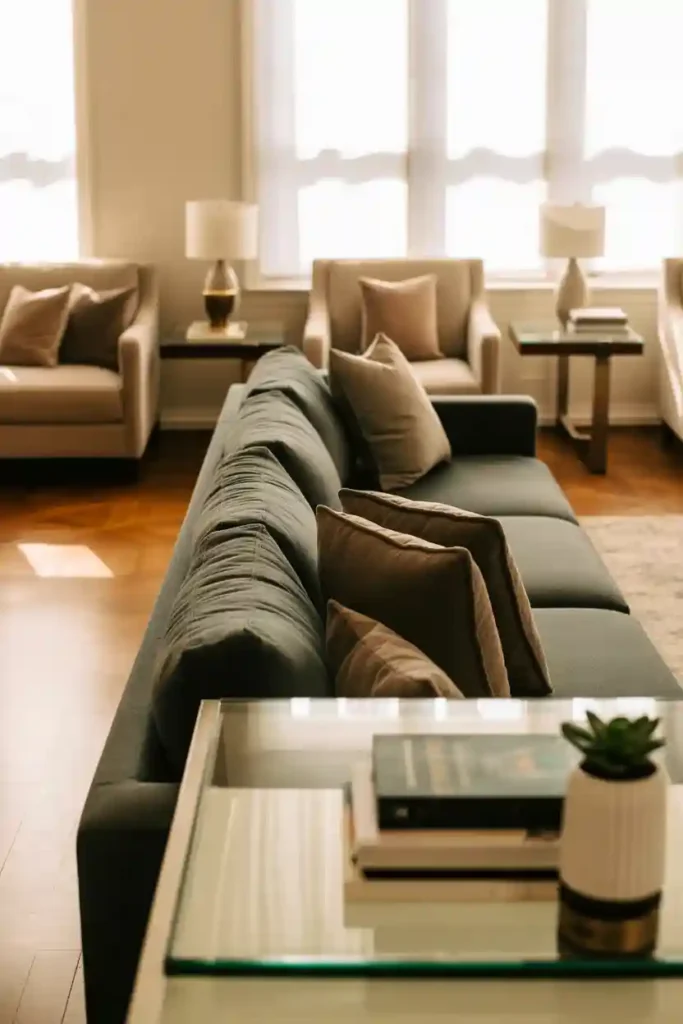
A sofa-centered layout is one of the most practical living room arrangements because it prioritizes comfort and everyday use. In this layout, the sofa acts as the anchor of the room, with other furniture arranged around it. This approach creates a natural focal point and helps guide traffic flow, making the space feel organized and inviting.
Placing the sofa facing a focal feature—such as a TV, fireplace, or large window—adds purpose to the arrangement. Chairs, side tables, and coffee tables are positioned within easy reach, encouraging relaxation and conversation. This layout works well in both small and medium-sized living rooms because it keeps everything connected without feeling cramped. By choosing a sofa that fits the scale of the room and leaving enough breathing space around it, you can achieve a layout that feels comfortable, functional, and easy to live in.
2. Floating Furniture Layout for Better Flow
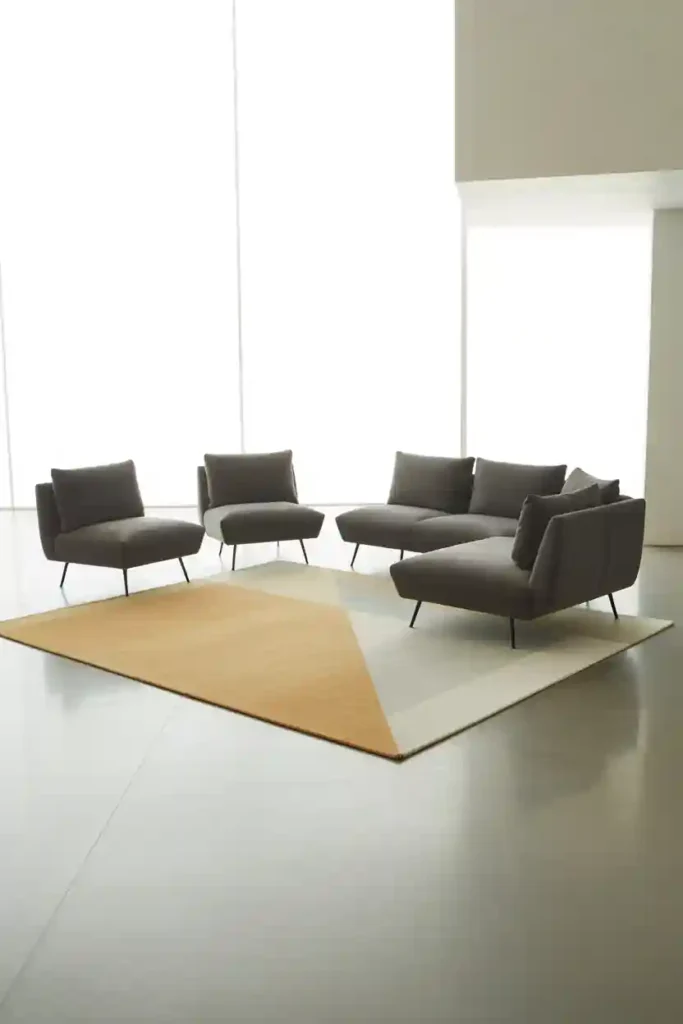
Floating furniture away from the walls can instantly improve how a living room feels and functions. Instead of pushing everything against the perimeter, this layout places the sofa, chairs, and tables slightly inward, creating a more intentional and conversational setup. It works especially well in larger rooms or open-plan spaces where walls are far apart.
This arrangement improves traffic flow by clearly defining walking paths around the seating area. A rug helps anchor the furniture and visually connect the pieces. Floating layouts also prevent the room from feeling empty or disconnected, which can happen when furniture hugs the walls too closely. By leaving consistent space between furniture and walls, the room feels more balanced and inviting. This layout proves that thoughtful placement—not room size—is key to making a living room truly work.
Read Also: 17 Small Bathroom Ideas That Maximize Space & Style
3. Symmetrical Layout for a Balanced Look
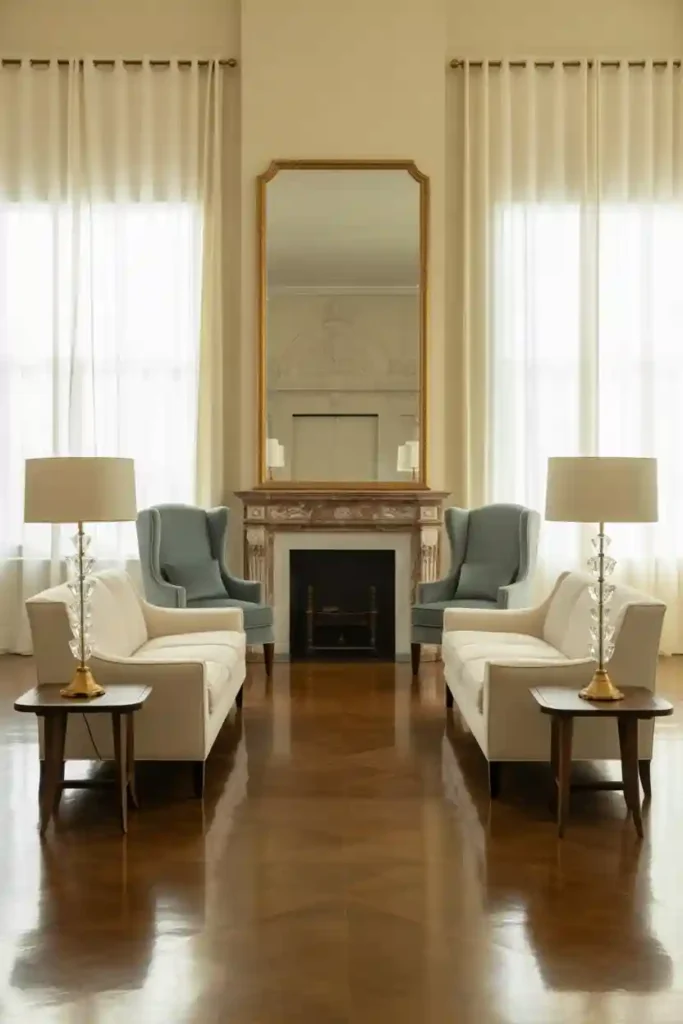
A symmetrical layout creates a sense of order and calm, making it ideal for formal or traditional living rooms. This arrangement typically places matching furniture pieces on either side of a central focal point, such as a fireplace, TV, or large window. The result is a visually balanced and harmonious space.
Symmetry works particularly well in rooms that feel visually busy or uneven. Matching sofas, armchairs, or side tables help establish structure and clarity. Even in modern interiors, symmetry can be achieved with similar shapes or colors rather than identical furniture. This layout encourages a tidy, polished appearance while still feeling comfortable. When executed thoughtfully, symmetry brings a timeless quality to the living room and makes the space feel well-proportioned and intentional.
4. L-Shaped Seating for Open Spaces
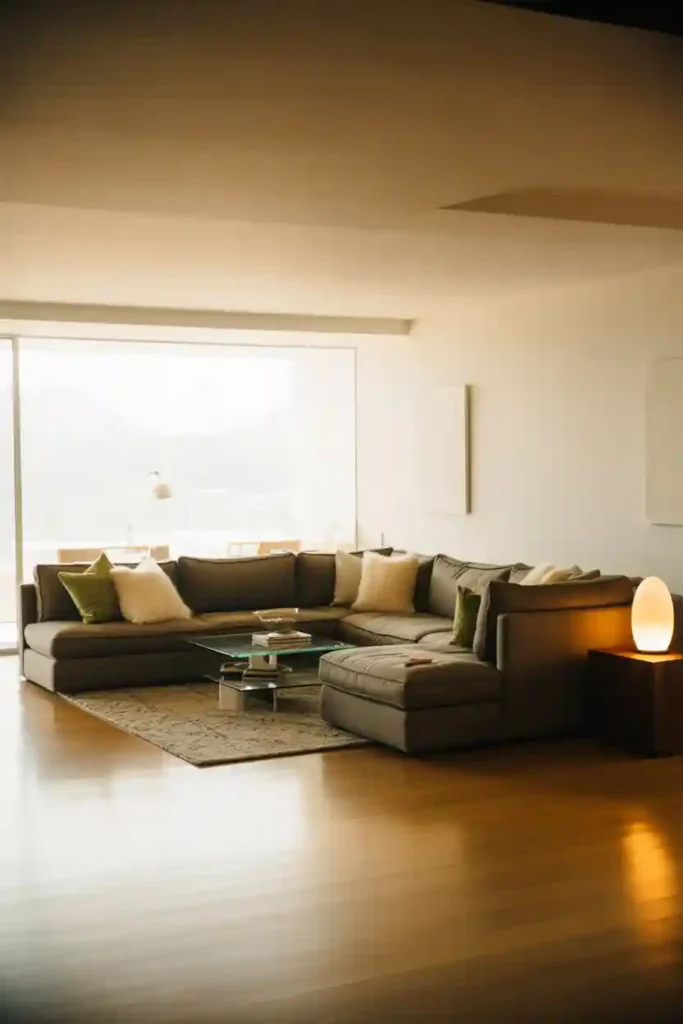
An L-shaped seating layout is perfect for open or multi-use living rooms. By arranging a sectional sofa or combining a sofa with chairs in an L formation, you naturally define the living area without using walls or dividers. This makes the space feel cohesive and well-zoned.
This layout encourages conversation and works well for families or social households. It creates a cozy corner while still allowing openness around the seating area. L-shaped seating also maximizes seating capacity without overcrowding the room. Pairing it with a large rug and a central coffee table helps ground the layout. This idea is especially effective in open-plan homes where the living room blends into dining or kitchen areas.
5. Layout Focused Around a Fireplace
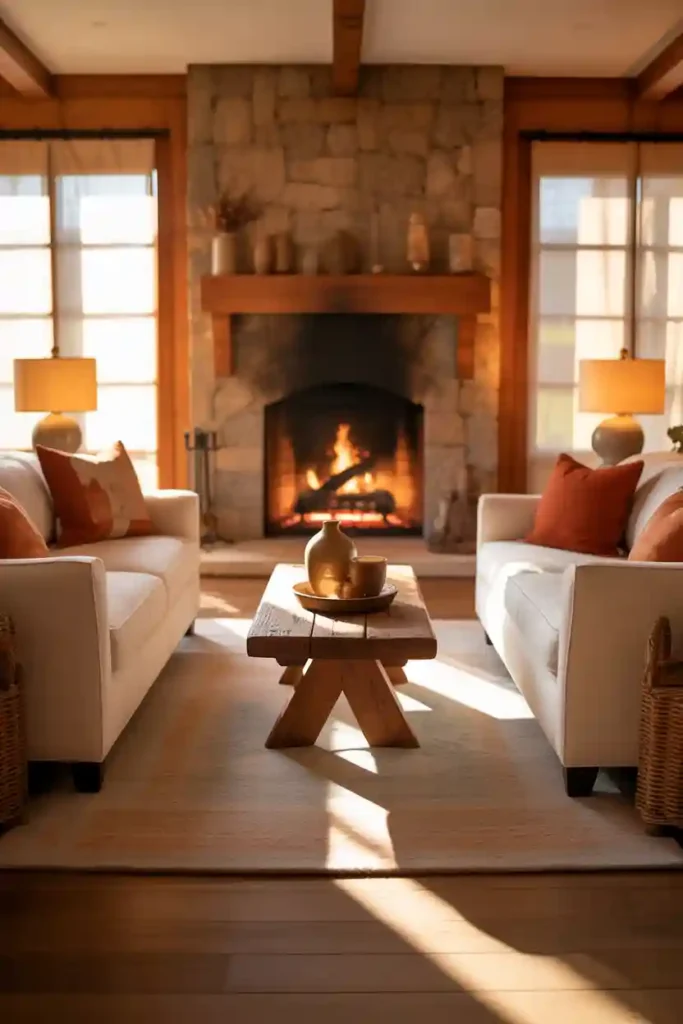
A fireplace naturally draws attention, making it an ideal focal point for a living room layout. Arranging seating around it creates warmth and visual cohesion. Sofas and chairs can face the fireplace directly or be angled slightly inward to maintain openness.
This layout works in both traditional and modern homes. Adding a coffee table in the center completes the arrangement and encourages gathering. If the fireplace shares space with a TV, balancing both elements ensures functionality without clutter. Keeping furniture at a comfortable distance allows the fireplace to shine without overwhelming the room. This layout feels inviting and timeless, making it one of the most reliable living room arrangements.
6. TV-Friendly Layout Without Sacrificing Style
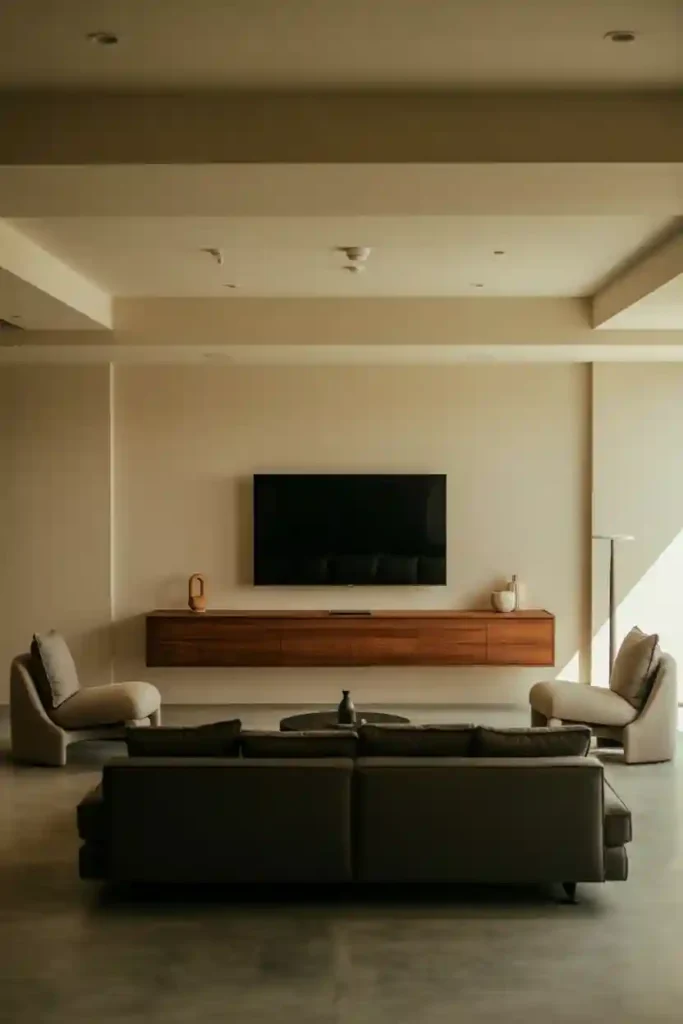
Designing a living room around a TV doesn’t mean compromising style. The key is to integrate the television into the layout rather than letting it dominate the room. Position the sofa at a comfortable viewing distance and arrange additional seating at angles that maintain conversation flow.
Using built-in units or low-profile media consoles helps the TV blend seamlessly into the design. Balancing the screen with artwork, shelves, or plants reduces visual heaviness. This layout works best when the TV shares focus with another element, such as a fireplace or window. The result is a living room that feels both practical and thoughtfully designed.
7. Small Living Room Layout That Feels Bigger
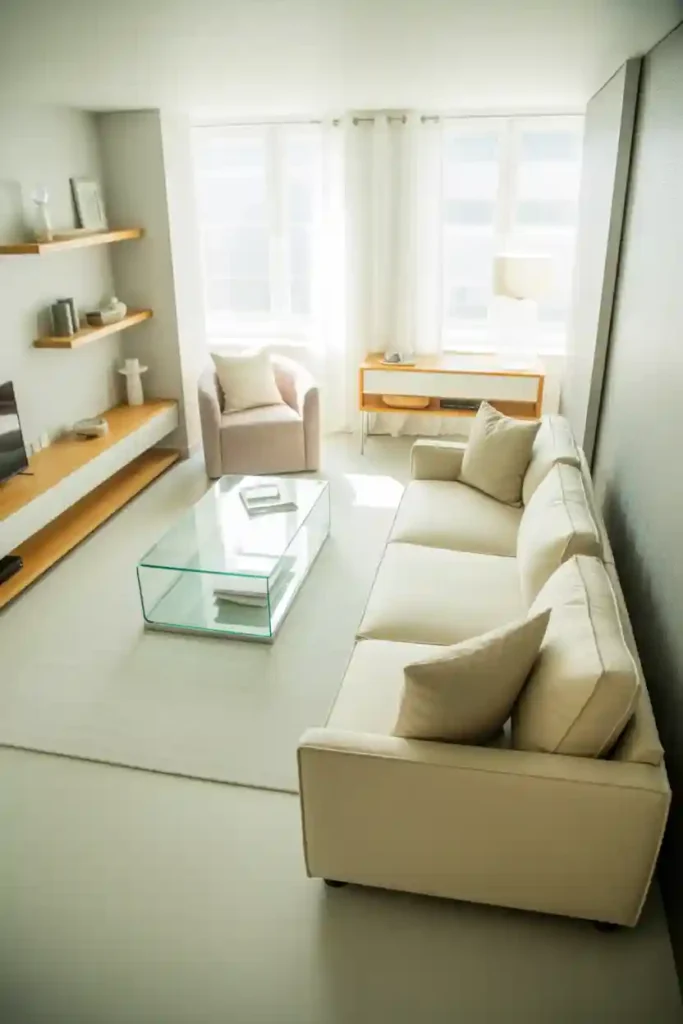
In a small living room, layout choices make all the difference. Opting for compact furniture and keeping pathways clear helps the room feel open. Placing furniture closer together rather than spreading it out creates a cozy, intentional feel.
Floating shelves, light-colored furniture, and multi-functional pieces improve functionality without adding clutter. Using one focal point keeps the layout simple and effective. A well-placed rug anchors the seating area and visually expands the space. This layout proves that even small living rooms can feel comfortable and stylish with smart planning.
8. Open-Concept Living Room Zoning
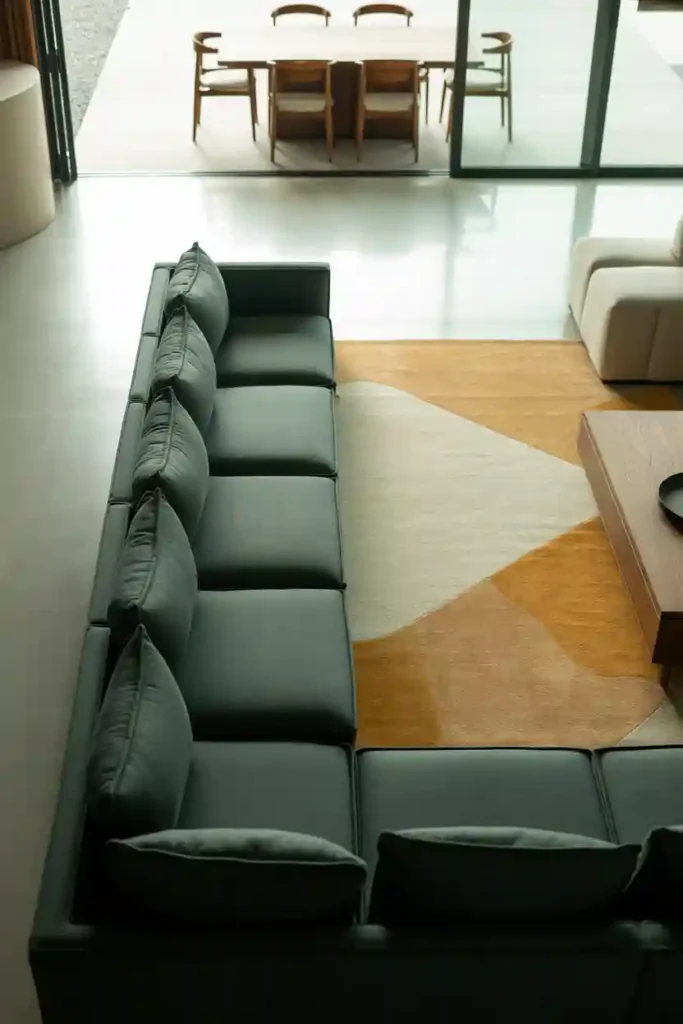
In open-concept homes, zoning is essential. A successful layout defines the living room area while maintaining flow with adjacent spaces. Rugs, furniture placement, and lighting help establish clear boundaries.
Positioning the sofa as a divider between living and dining areas is a common and effective approach. Consistent color palettes and materials keep the space cohesive. This layout ensures each zone has purpose without breaking the openness of the room.
9. Conversation-Focused Seating Arrangement
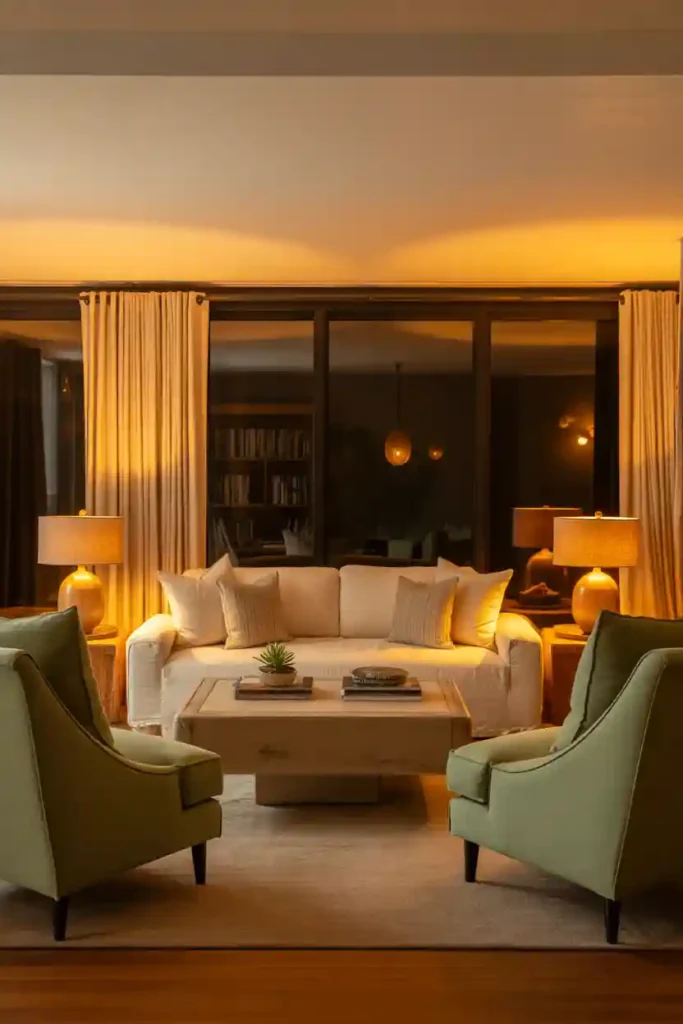
A conversation-focused seating arrangement is ideal for living rooms where connection and comfort matter most. Instead of orienting all furniture toward a TV, this layout places sofas and chairs facing each other to encourage interaction. The goal is to make conversations feel natural and effortless, without people having to twist or lean forward to engage. This layout works especially well for families, frequent hosts, or anyone who values a welcoming atmosphere.
Start by positioning seating pieces at equal distances to avoid awkward gaps. A coffee table in the center helps anchor the arrangement and provides a shared surface. Keep pathways clear so movement doesn’t interrupt the flow of conversation. This layout can work in both small and large spaces by adjusting furniture scale. Soft textures, layered lighting, and balanced spacing enhance warmth. When done well, this layout makes the living room feel social, comfortable, and intentionally designed.
10. Layout Using Rugs to Define Space
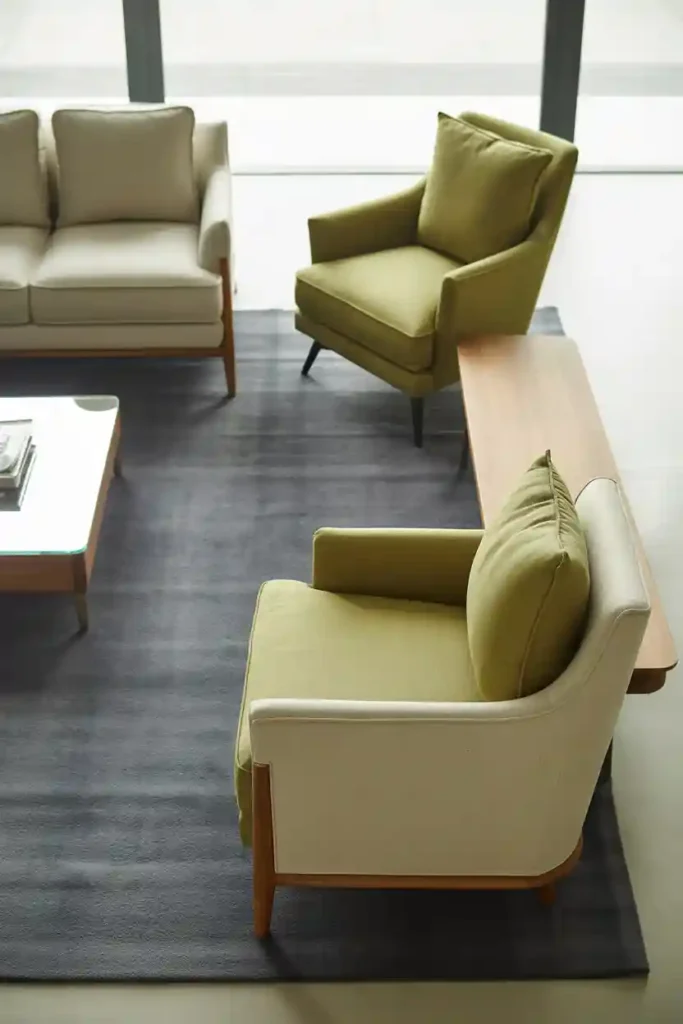
Rugs are one of the most effective tools for shaping a living room layout. In this approach, the rug defines the seating zone and visually connects all furniture pieces. Instead of floating furniture randomly, the rug acts as a boundary that brings structure and clarity to the room. This is especially helpful in open-plan or larger living rooms where spaces can feel undefined.
The key is choosing the right rug size. Ideally, the front legs of all seating furniture should rest on the rug to create cohesion. Patterns and textures add personality without changing the furniture layout itself. Rugs also help soften hard surfaces and improve comfort underfoot. By using a rug to define the living room area, you create a sense of order and intentional design, making the space feel more complete and visually balanced.
11. Narrow Living Room Layout That Works
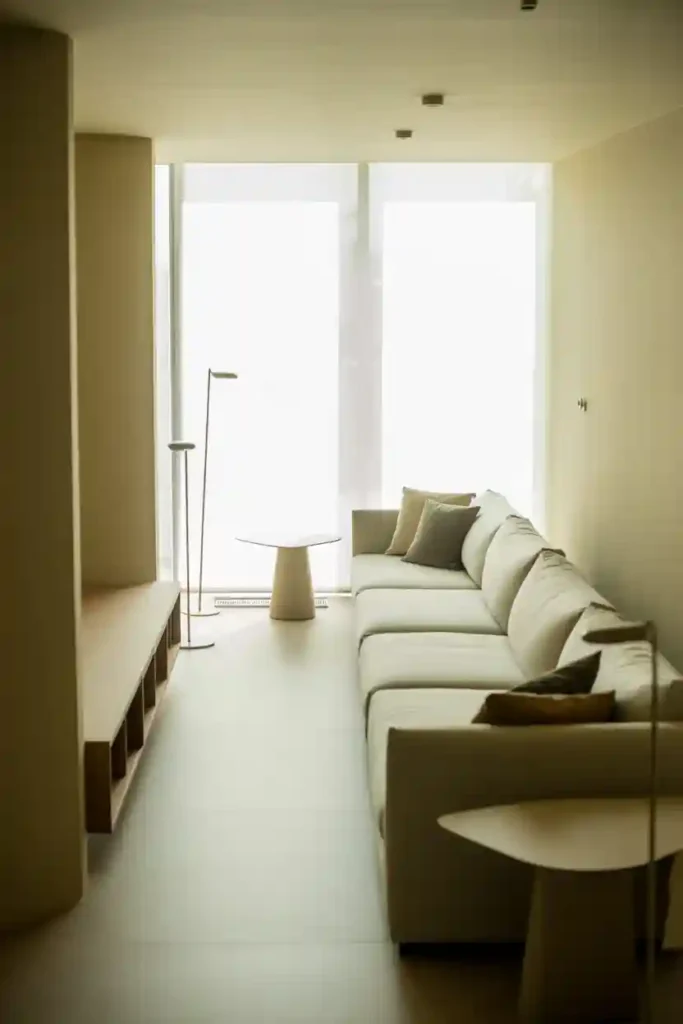
Narrow living rooms can be challenging, but the right layout makes them both functional and stylish. This layout focuses on aligning furniture along the length of the room rather than across it. Placing the sofa against the longer wall helps maintain clear walkways and prevents the space from feeling blocked or cramped.
Slim-profile furniture works best here. Avoid bulky sofas or deep chairs that eat up floor space. A narrow coffee table or ottoman keeps circulation easy. Mirrors, light-colored walls, and minimal decor help visually widen the room. Keeping furniture height low also makes ceilings feel taller. This layout turns a long, tight space into a comfortable living area that feels intentional rather than awkward.
12. Multi-Functional Layout for Modern Living
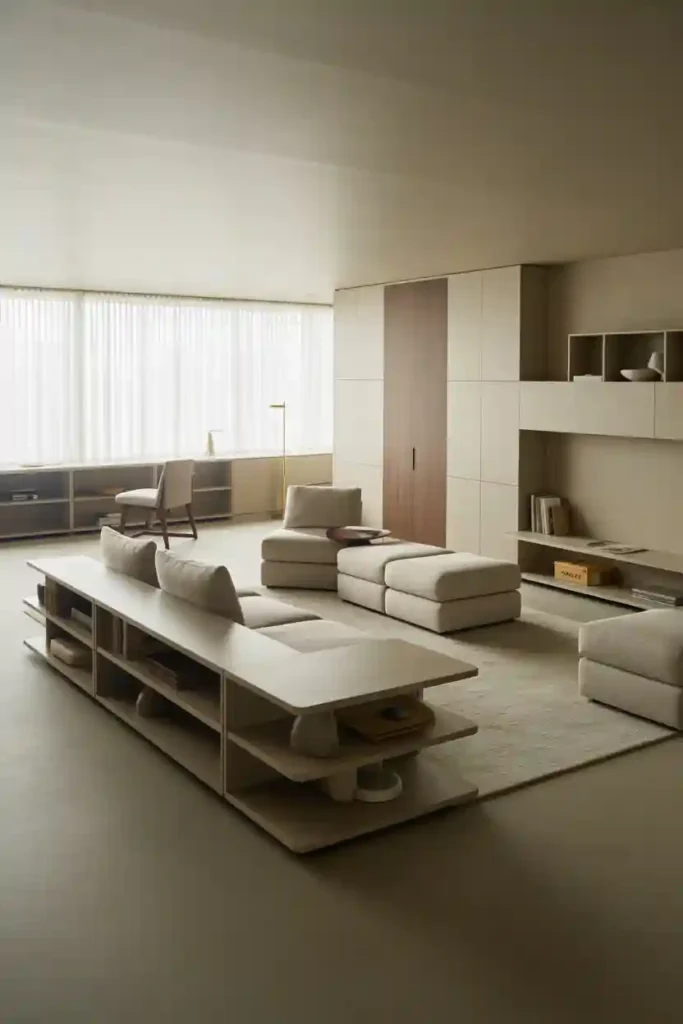
Modern living rooms often serve multiple purposes, from relaxing and entertaining to working and studying. A multi-functional layout supports these activities without making the space feel cluttered. This layout relies on versatile furniture that can adapt throughout the day, such as modular sofas, nesting tables, and storage ottomans.
Zoning is essential. Use rugs, lighting, or furniture placement to subtly separate activities. For example, a reading chair and lamp can create a quiet corner, while the main seating area remains social. Storage plays a key role in keeping the room organized and flexible. This layout is ideal for apartments, family homes, and shared spaces where one room needs to do it all while still looking stylish and balanced.
13. Minimalist Layout for Visual Calm
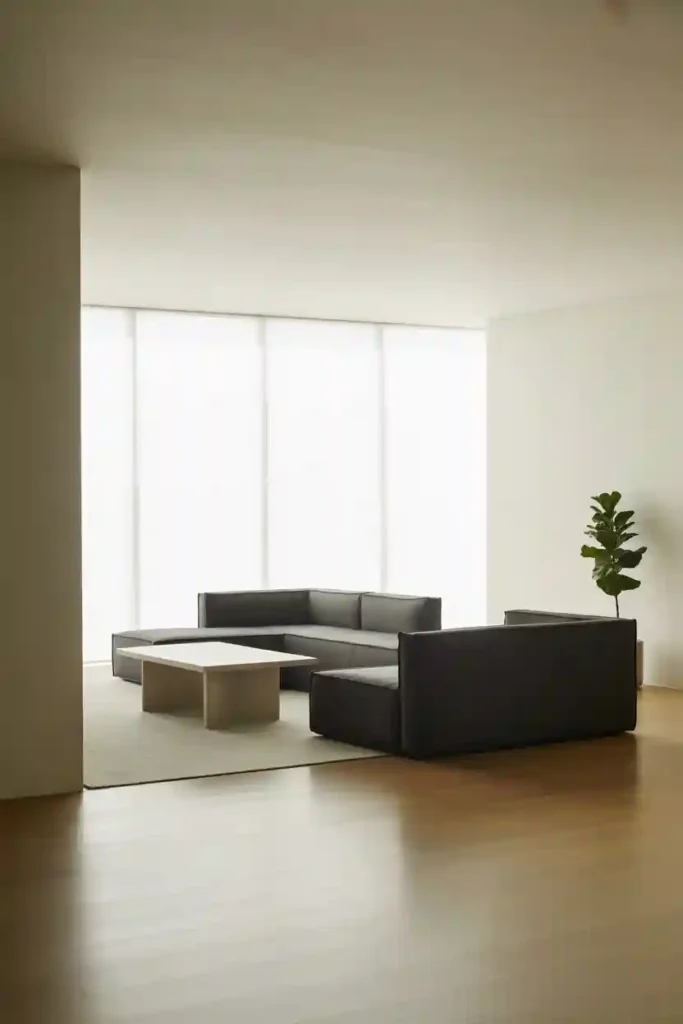
A minimalist living room layout focuses on simplicity, balance, and intentional spacing. Instead of filling the room with furniture, this layout uses fewer pieces arranged thoughtfully to create openness and calm. Every item has a clear purpose, which helps reduce visual noise and mental clutter.
Neutral colors, clean lines, and uncluttered surfaces are essential to this approach. Furniture is spaced generously to allow the room to breathe. Storage is often hidden to maintain a clean appearance. This layout works especially well in small spaces, as it prevents overcrowding and enhances flow. A minimalist layout doesn’t feel empty—it feels peaceful, refined, and well-considered, making the living room a place to truly unwind.
14. Flexible Layout That Adapts Over Time
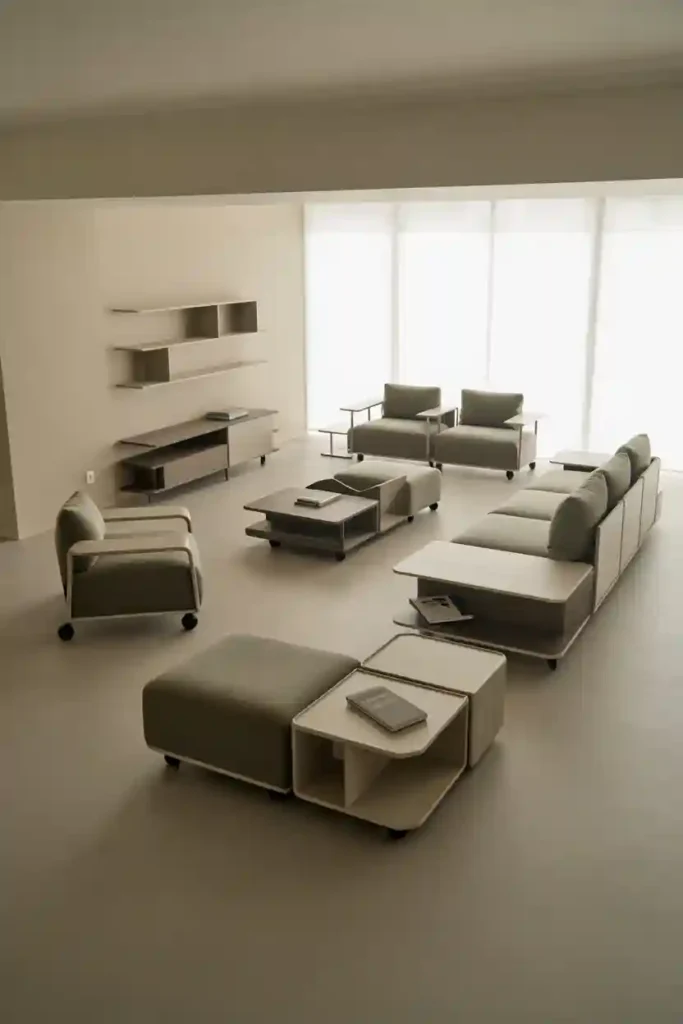
A flexible living room layout is designed to change as your needs evolve. Instead of fixed furniture arrangements, this layout uses lightweight, movable pieces that can be rearranged easily. Modular sofas, accent chairs, and movable side tables allow the room to adapt for gatherings, quiet evenings, or work-from-home days.
This approach is ideal for renters, growing families, or anyone who values versatility. Clear floor space makes rearranging simple, while consistent styling keeps the room cohesive even when layouts change. A flexible layout encourages creativity and prevents the space from feeling static. By choosing adaptable furniture and leaving room for movement, your living room remains functional, comfortable, and future-ready.
Final Words
A living room should feel easy to live in, not difficult to arrange. The right layout brings comfort, improves movement, and makes the space feel welcoming for both daily routines and special moments. No matter the size or shape of your living room, thoughtful furniture placement can completely change how the space functions and feels. These layout ideas are designed to work in real homes, helping you create balance without overthinking every detail.