

11 Neutral Home Interior Ideas That Feel Balanced
Neutral interiors are the ultimate way to create homes that feel timeless, calm, and harmonious. By focusing on soft colors, natural textures, and understated decor, you can design spaces that are both inviting and versatile. These 11 Neutral Home Interior Ideas That Feel Balanced showcase how subtle tones like beige, cream, taupe, soft gray, and off-white can provide the perfect backdrop for furniture, accessories, and architectural features.
Neutral palettes don’t have to feel boring; with careful layering of textures, pops of natural materials, and thoughtful lighting, even the simplest rooms can exude style and warmth. This approach works throughout the home, from living areas and bedrooms to kitchens and dining rooms, creating cohesion and serenity. These ideas demonstrate that a balanced neutral interior combines functionality and beauty, allowing each element in the room to shine while maintaining a relaxed and sophisticated atmosphere that will remain timeless for years to come.
1. Layered Textures for Depth
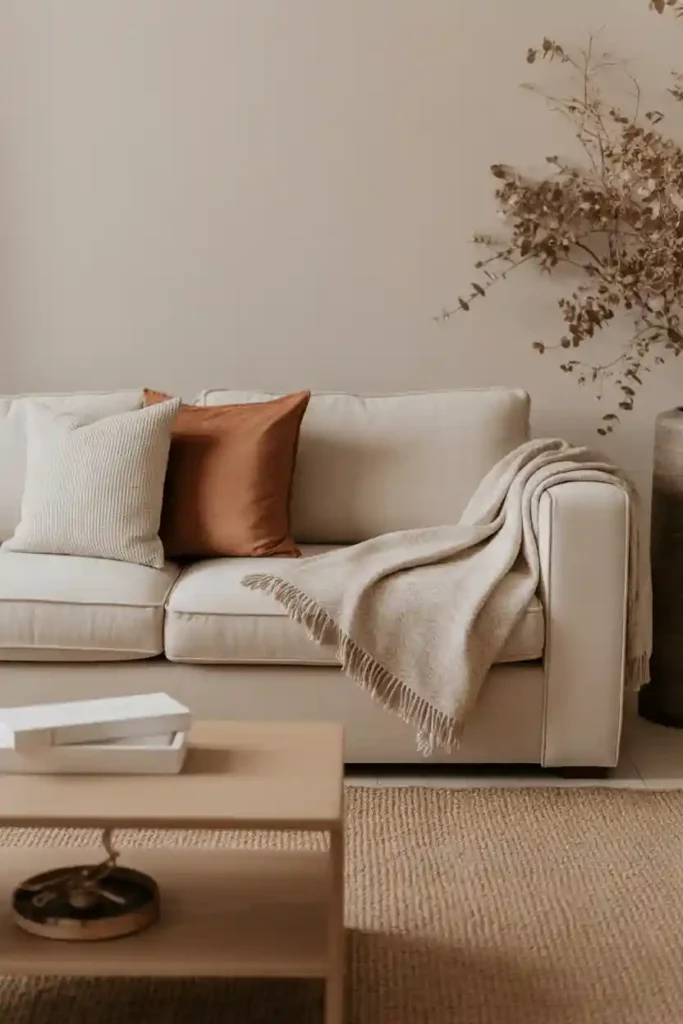
Layering textures is a key way to make a neutral interior feel dynamic rather than flat. Combining fabrics such as linen, velvet, wool, and cotton creates visual and tactile interest that enhances the space. For example, in a living room, a linen sofa paired with a soft wool throw, velvet cushions, and a textured jute rug immediately feels inviting and cozy.
Wooden furniture, woven baskets, or metallic accents can add further layers of texture. Layering ensures that even a monochromatic palette feels rich and intentional. This technique works in living rooms, bedrooms, and even dining areas, giving each space personality while maintaining a serene neutral tone. The key is to balance textures carefully, so no single element overwhelms the overall aesthetic.
2. Soft Gray Accents
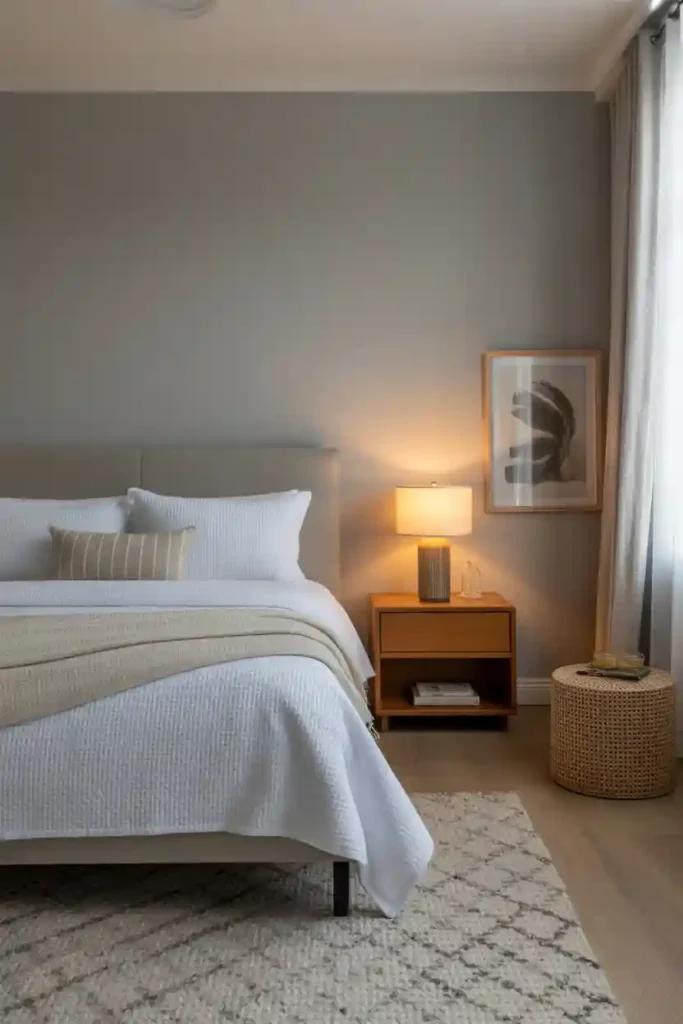
Soft gray is a versatile neutral that balances warmth and cool tones, making spaces feel serene and sophisticated. Gray walls or furniture create a subtle backdrop that allows other neutral shades like cream or beige to shine.
In a bedroom, soft gray walls paired with white bedding, a wooden nightstand, and a cozy area rug create a calming atmosphere. Gray accents can also be incorporated through curtains, cushions, or decorative objects to tie the room together. Light finishes keep the space from feeling heavy, while darker gray elements add depth and contrast. This approach works in living rooms, kitchens, and bathrooms, providing a cohesive and balanced aesthetic throughout the home.
Read Also: 12 Powder Room Wallpaper Ideas That Wow
3. Warm Beige Foundations
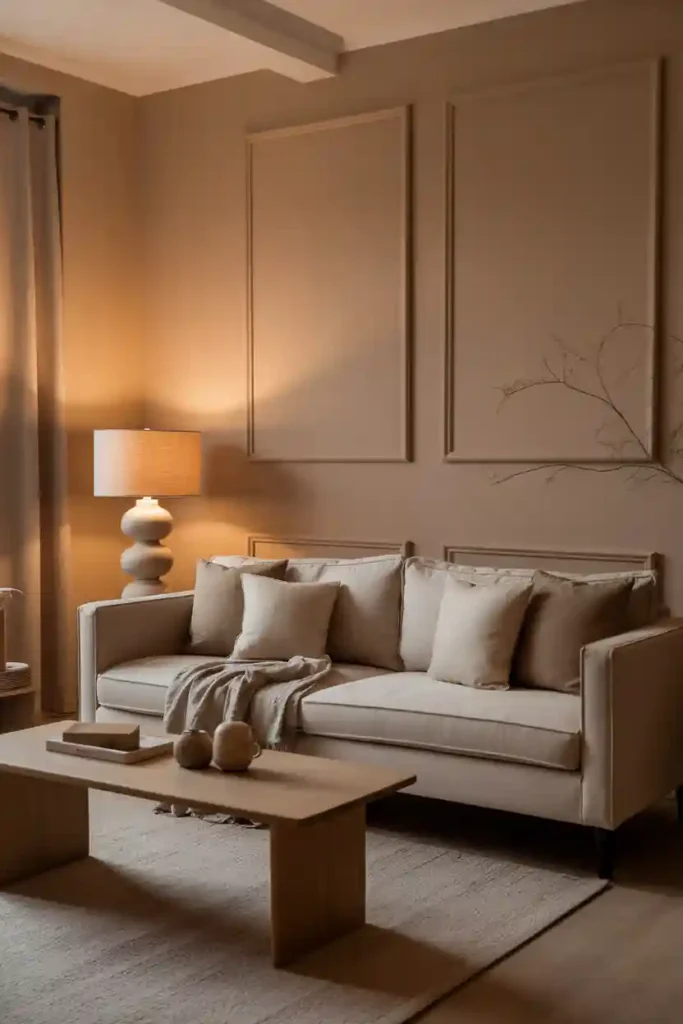
Warm beige tones instantly make interiors feel inviting and grounded. Using beige on walls, rugs, or upholstery provides a subtle warmth that balances cooler neutral shades.
A living room with beige walls, a matching sofa, and light wooden furniture feels serene and elegant. Adding natural textiles like linen curtains or woven cushions enhances coziness. Beige also pairs beautifully with metallic accents, such as brass lighting fixtures, to create subtle sophistication. This palette works in both modern and traditional interiors, allowing homeowners to maintain flexibility in furniture and decor choices. The key is layering different beige tones for depth and contrast without overwhelming the room.
4. Minimal White Interiors
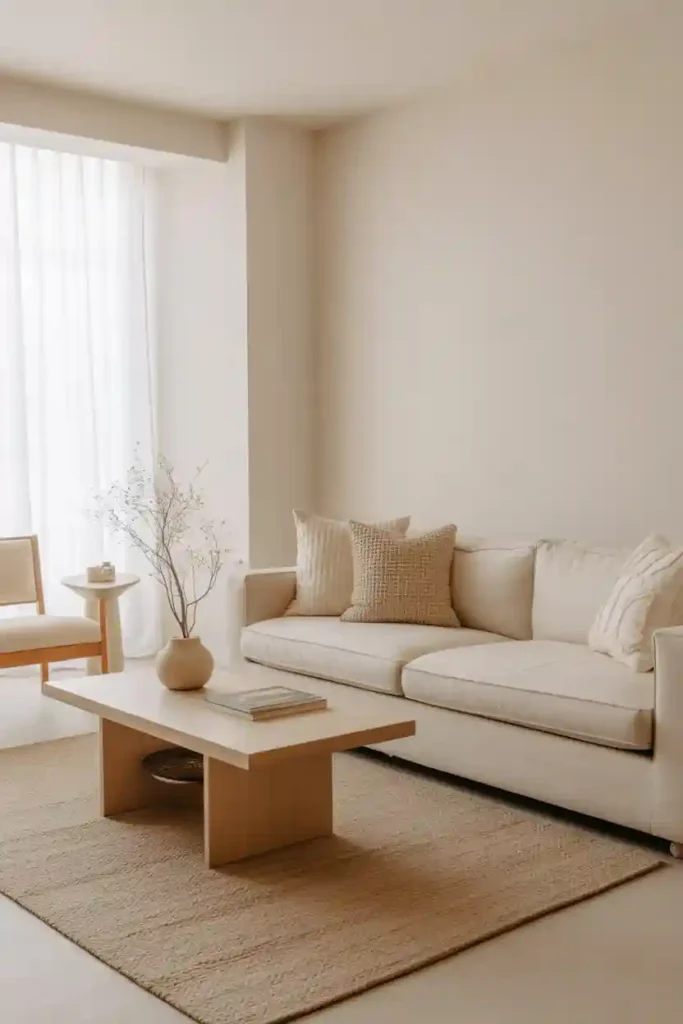
White creates an airy and clean look that makes any space feel larger and open. Minimal white interiors rely on subtle variations of off-white, cream, and soft beige to prevent the room from appearing stark.
Adding texture through furniture, rugs, and textiles keeps the space warm and inviting. For example, a living room with a white sofa, soft throw blankets, light wood coffee table, and textured rug achieves a bright yet cozy feel. Minimal white spaces emphasize simplicity and functionality, allowing architectural details or statement pieces to stand out. Proper lighting, both natural and layered artificial sources, enhances the balance and serenity of the space.
5. Natural Wood Accents
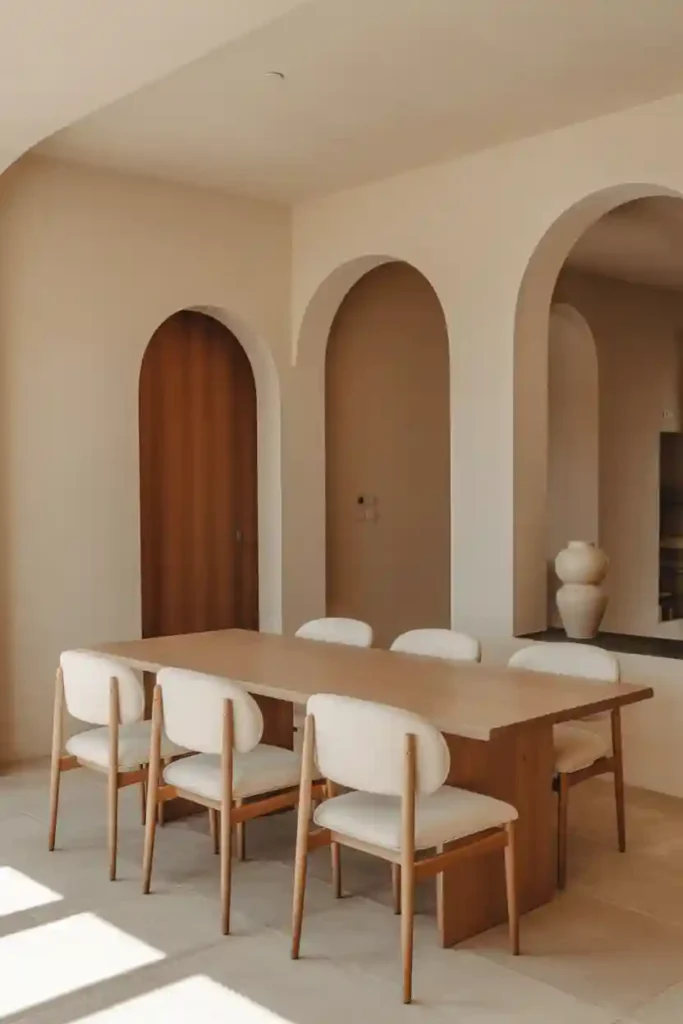
Incorporating natural wood into neutral interiors adds warmth and organic texture. Wood floors, furniture, or accent walls create balance without overpowering soft color schemes.
For example, a dining room with a wooden table, neutral chairs, and cream walls feels inviting and harmonious. Light wood tones pair beautifully with soft grays, beiges, and whites, while darker woods provide subtle contrast. Wood also enhances tactile richness, complementing textiles like linen or wool. Using natural wood accents throughout the home ensures continuity and creates a grounded, balanced atmosphere.
6. Subtle Greenery
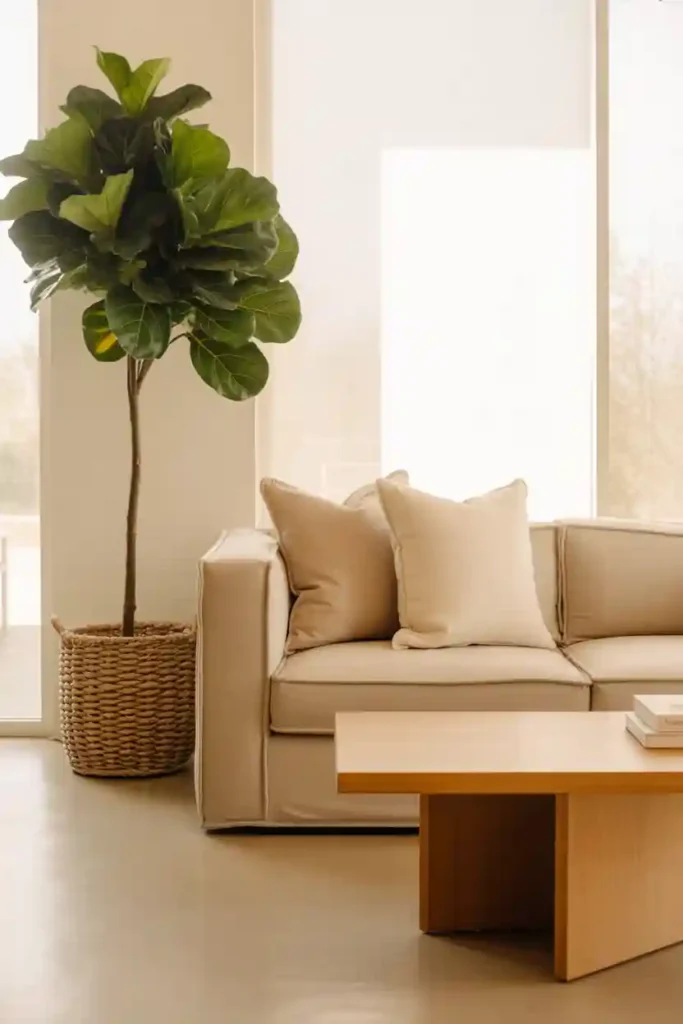
Introducing plants into neutral interiors adds life and freshness without disrupting the palette. Greenery complements beige, white, and gray tones, providing a natural accent.
A living room with a neutral sofa and a large potted plant immediately feels vibrant and inviting. Smaller plants on shelves, side tables, or kitchen counters maintain cohesion while adding texture. Plants also contribute to air quality and create a calming atmosphere. Subtle greenery keeps neutral interiors dynamic while enhancing balance and visual interest throughout the home.
7. Layered Rugs
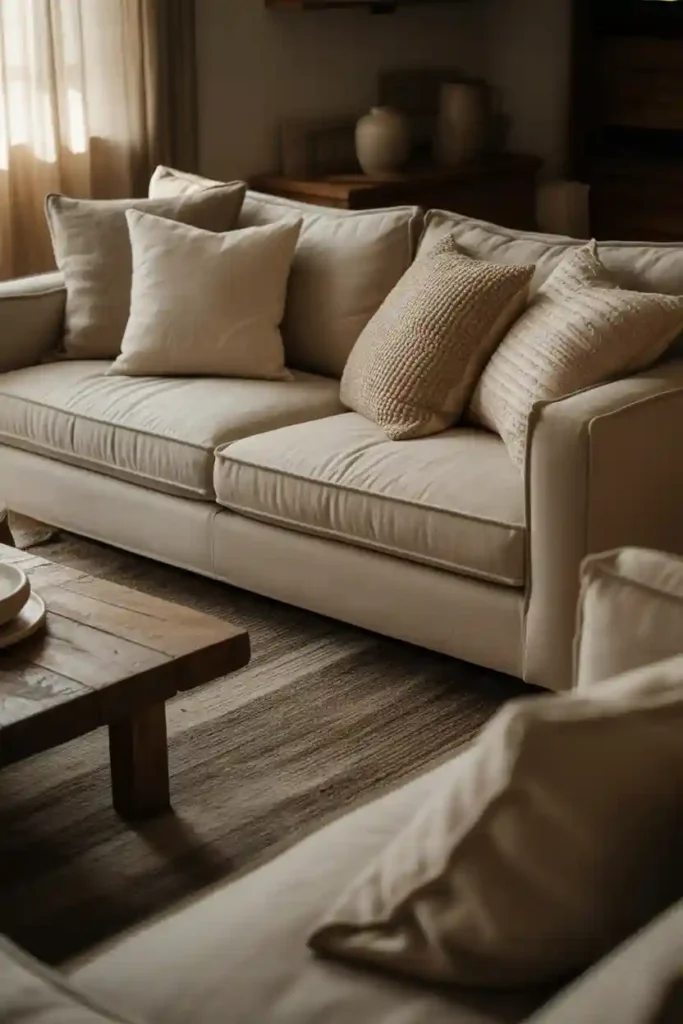
Layered rugs add dimension and comfort to neutral interiors. Combining rugs of different textures, sizes, or subtle patterns creates interest without introducing strong colors.
In an open-plan living area, layering a jute rug under a plush wool rug helps define the seating space while adding warmth. Layered rugs can be used in bedrooms and dining areas as well. By choosing complementary neutral tones, you maintain cohesion and balance. This technique is especially effective in rooms with open layouts, adding structure and a sense of intentional design.
8. Textured Wall Finishes
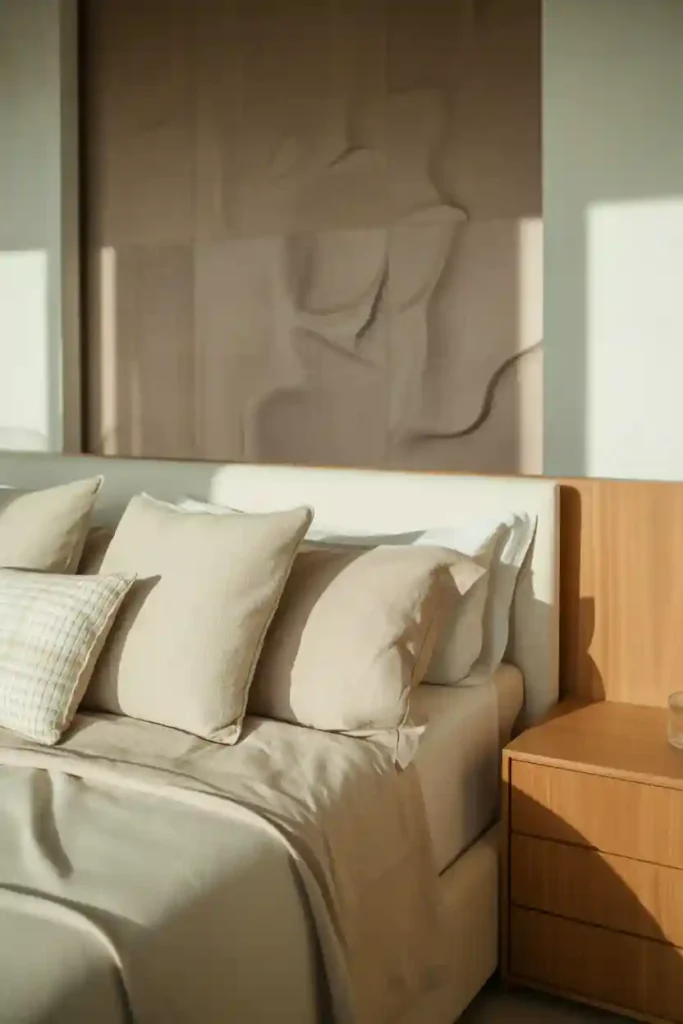
Textured walls, such as plaster, wood panels, or subtle stone finishes, add depth and sophistication to neutral interiors. These surfaces create a focal point while remaining harmonious with the overall color palette.
For instance, a bedroom with a textured accent wall behind the bed adds interest without overpowering soft linens and furniture. Textured walls prevent neutral rooms from feeling flat and enhance the tactile quality of the space. This approach works in living rooms, kitchens, and bathrooms, contributing to a balanced, cohesive home aesthetic.
9. Neutral Artwork
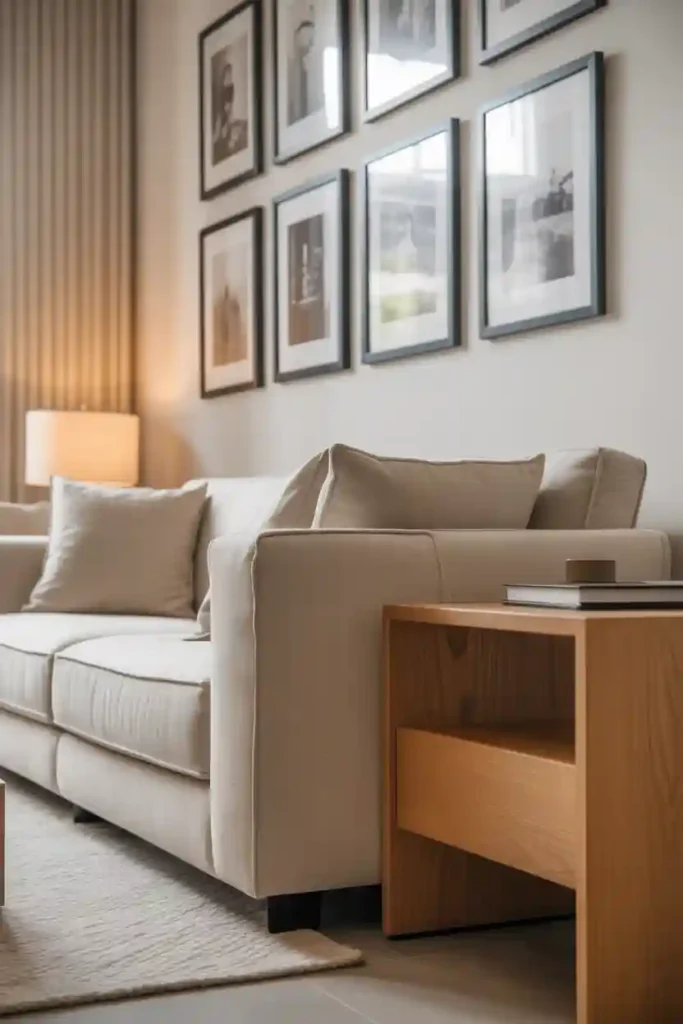
Neutral artwork, such as black-and-white photography, muted abstract paintings, or soft-toned prints, adds personality without breaking the color harmony.
A gallery wall with beige, cream, or gray frames complements furnishings and maintains balance. Artwork can highlight architectural features or act as a subtle focal point. In living rooms, bedrooms, or hallways, carefully curated neutral art ties the space together while reinforcing serenity.
10. Warm Metallic Accents
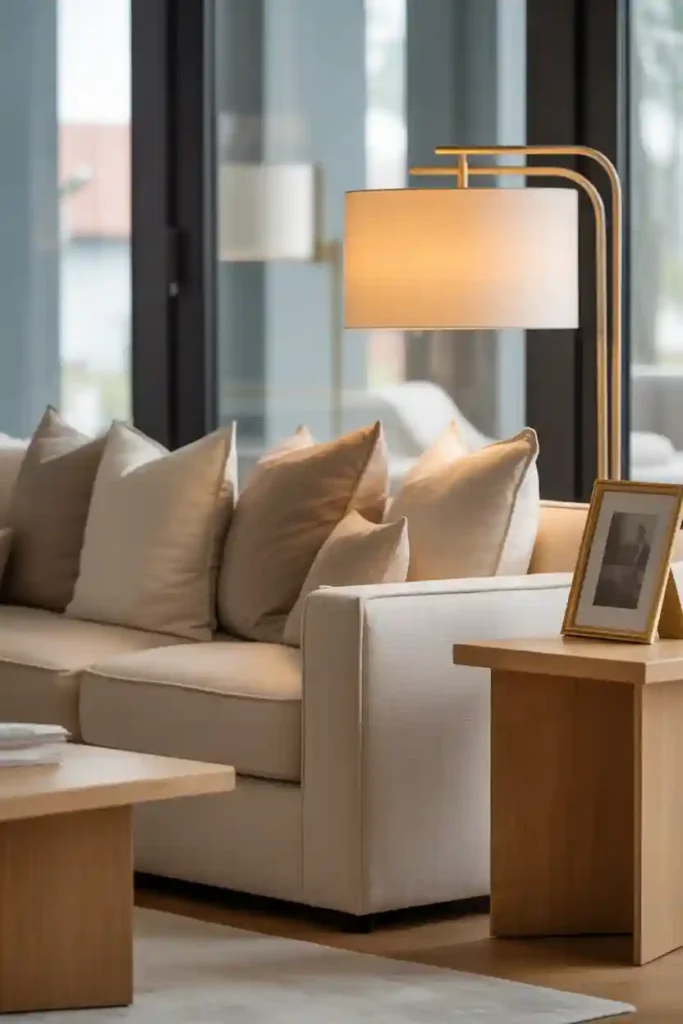
Warm metallic elements like brushed gold, bronze, or matte brass elevate neutral interiors. Lamps, handles, mirrors, or decorative objects add sophistication without overwhelming the palette.
For example, a living room with a beige sofa and a brass floor lamp feels polished yet cozy. Metallic accents reflect light, enhancing brightness and balance. Using these elements sparingly ensures harmony while introducing elegance. Warm metals pair well with layered neutrals, making interiors feel both inviting and stylish.
11. Soft Window Treatments
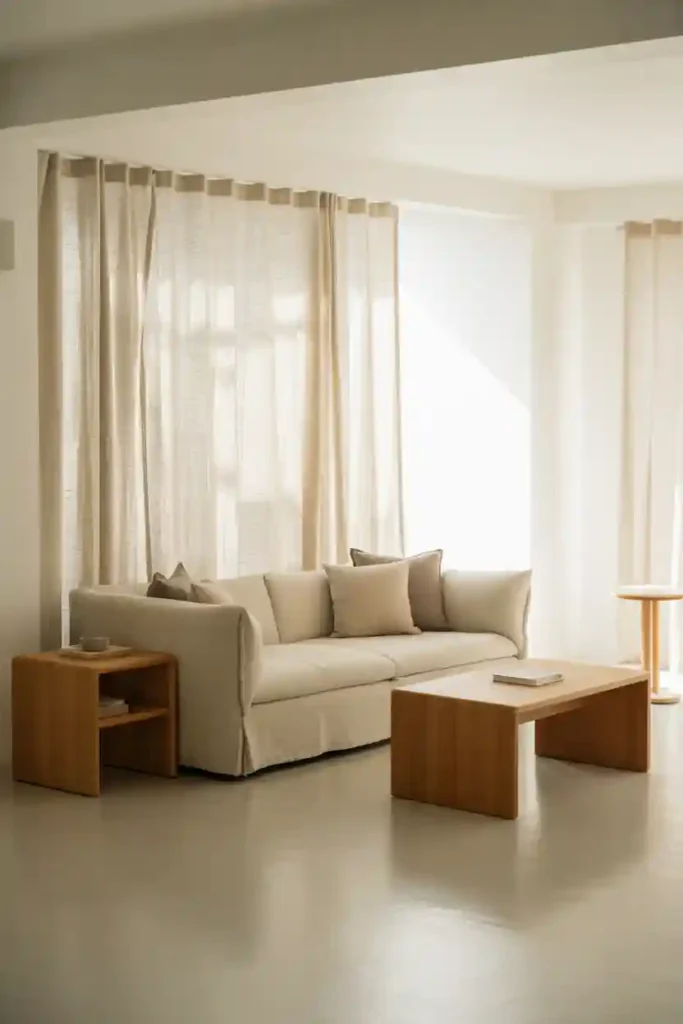
Soft, neutral window treatments diffuse light and add texture to interiors. Linen curtains, sheer drapes, or roman shades create a gentle, airy feel.
Light-filtering fabrics maintain privacy while keeping rooms bright. Neutral tones harmonize with walls and furniture, enhancing balance. In living rooms, bedrooms, and dining areas, window treatments soften spaces and add subtle movement. They complete the interior design without introducing strong contrasts, maintaining serenity throughout the home.
Final Words
Creating a serene and cohesive home doesn’t require bold colors or dramatic accents. These 11 Neutral Home Interior Ideas That Feel Balanced show how subtle tones, layered textures, and thoughtful design choices can transform your spaces into calm, inviting, and timeless environments. By combining soft neutrals like beige, gray, and cream with natural materials, warm metallics, and gentle greenery, you can design interiors that feel harmonious and welcoming.