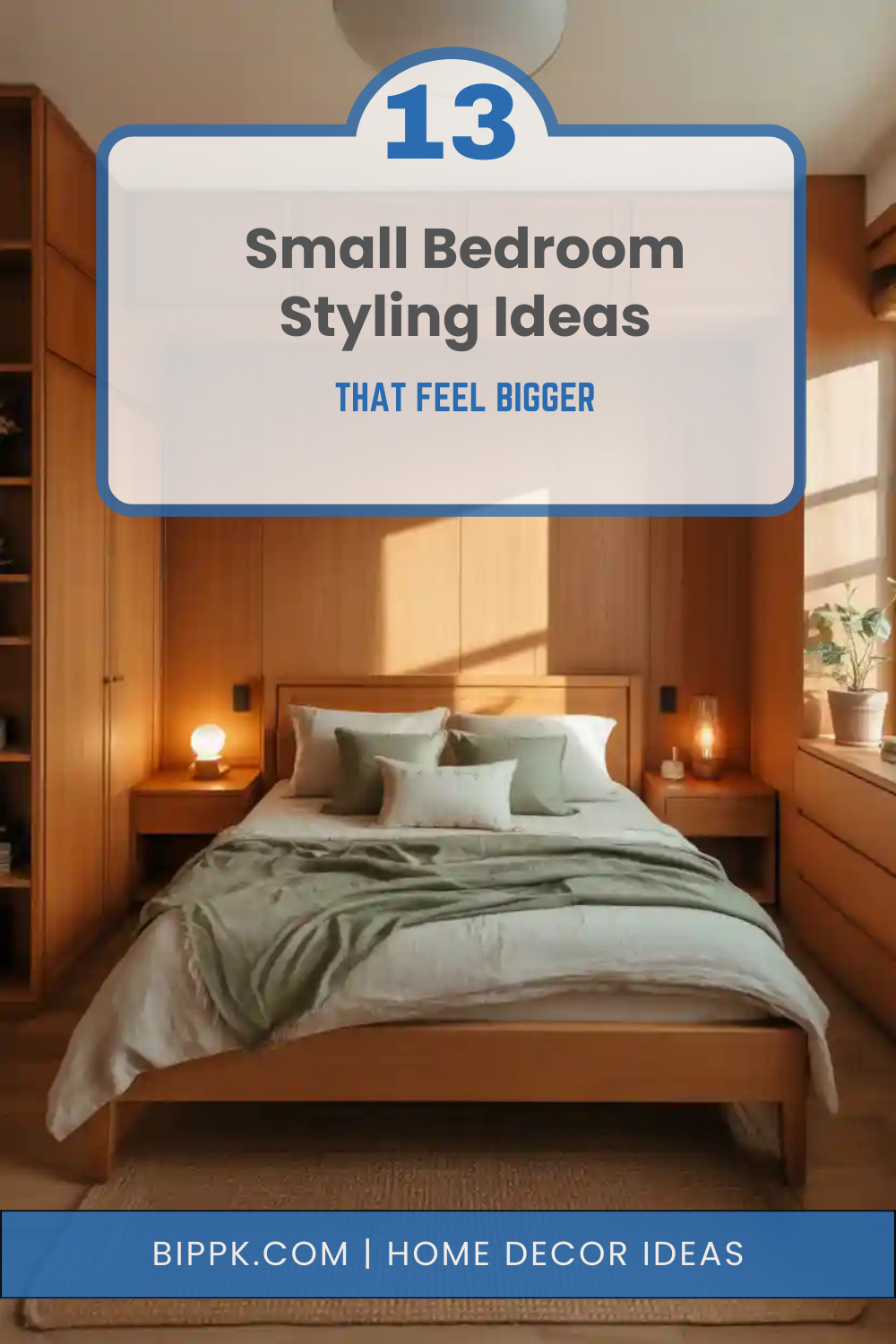
13 Small Bedroom Styling Ideas That Feel Bigger
Designing a small bedroom can feel limiting, but with the right styling choices, it can become one of the most comfortable and visually open spaces in your home. The key lies in creating balance—using light, color, furniture scale, and thoughtful décor to visually expand the room. Small bedrooms benefit most from intentional styling rather than excess decoration. When each element serves a purpose, the space feels calm, airy, and uncluttered.
Simple changes such as reflective surfaces, cohesive color palettes, and smart furniture placement can dramatically shift how large the room appears. Instead of fighting the size, these ideas work with it to enhance openness and flow. From maximizing natural light to choosing the right textures and layouts, these 13 small bedroom styling ideas focus on making compact spaces feel larger, brighter, and more inviting—without sacrificing comfort or personal style.
1. Use Light, Neutral Color Palettes
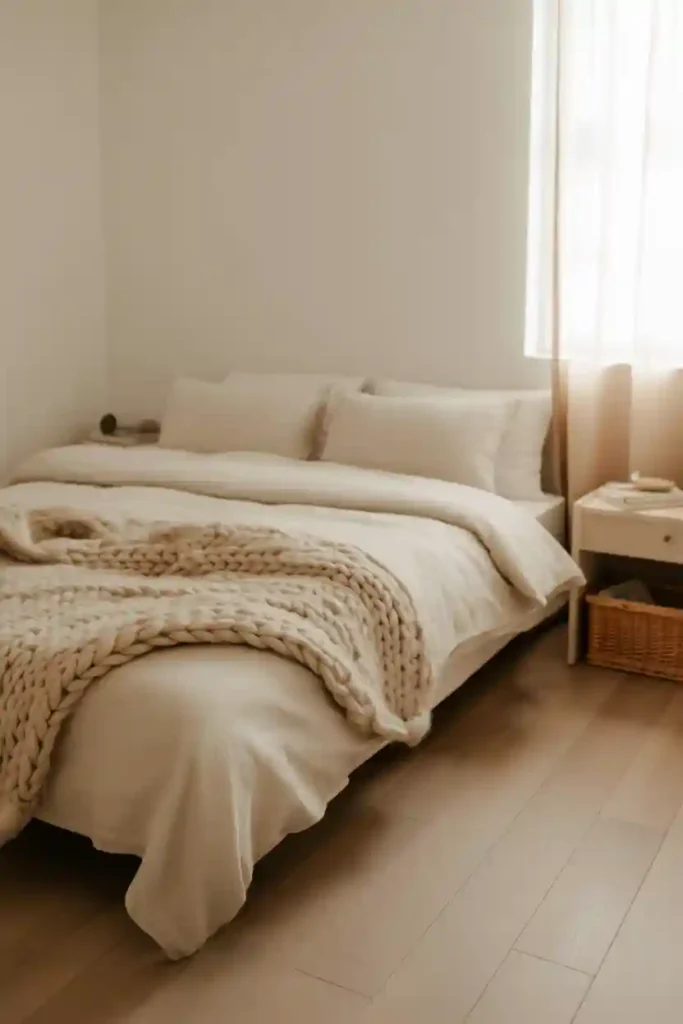
Light, neutral colors instantly make a small bedroom feel more open and breathable. Shades like soft white, warm beige, pale gray, and muted taupe reflect light rather than absorbing it, helping the room feel brighter throughout the day. Using the same color family on walls, ceilings, and even large furniture pieces reduces visual breaks, creating a seamless flow that visually stretches the space. Neutral tones also provide a calm backdrop, making the room feel less crowded and more restful. Layering different textures—such as linen bedding, woven rugs, and soft curtains—prevents the space from feeling flat or boring. This approach allows you to add warmth without introducing visual clutter. Keeping contrast minimal helps the eye move smoothly across the room, making the bedroom appear larger and more cohesive overall.
2. Choose Furniture with Slim Profiles

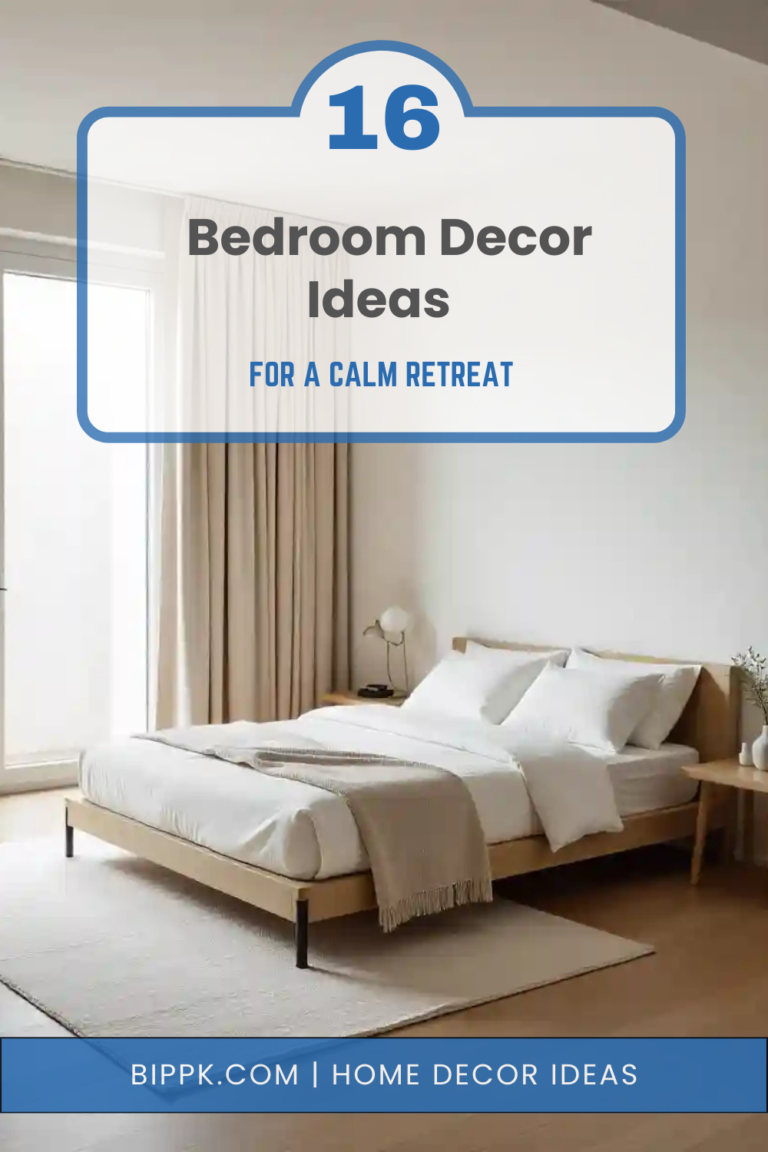
Bulky furniture can overwhelm a small bedroom quickly. Choosing furniture with slim frames, exposed legs, and clean lines helps maintain a sense of openness. Beds with low headboards or open bases allow light to flow underneath, reducing visual heaviness. Nightstands and dressers with narrow silhouettes take up less visual space while still offering function. Avoid oversized armoires or thick bed frames that dominate the room. Instead, opt for pieces that feel light and proportionate to the room’s size. Slim furniture allows for better circulation and makes the bedroom feel less cramped. When furniture doesn’t visually compete with the walls or windows, the room feels more expansive and thoughtfully styled.
Read Also: 12 Dining Room Rug Ideas That Anchor the Room
3. Maximize Natural Light
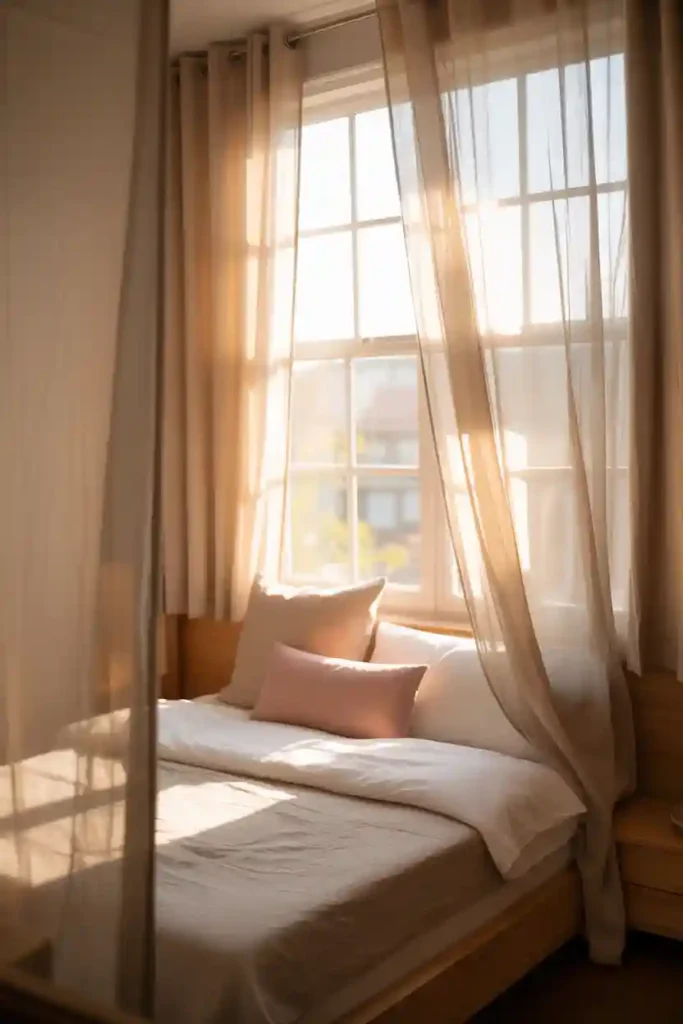
Natural light is one of the most powerful tools for making a small bedroom feel bigger. Keeping windows unobstructed allows sunlight to fill the room, creating an open and airy atmosphere. Sheer or lightweight curtains are ideal, as they soften the light without blocking it. Avoid heavy drapes or dark window treatments that visually close in the space. Position mirrors near windows to reflect daylight deeper into the room. Light bouncing across walls makes the bedroom feel wider and brighter. Even small bedrooms benefit greatly from this simple change, as increased light enhances both mood and spatial perception.
4. Use Mirrors Strategically
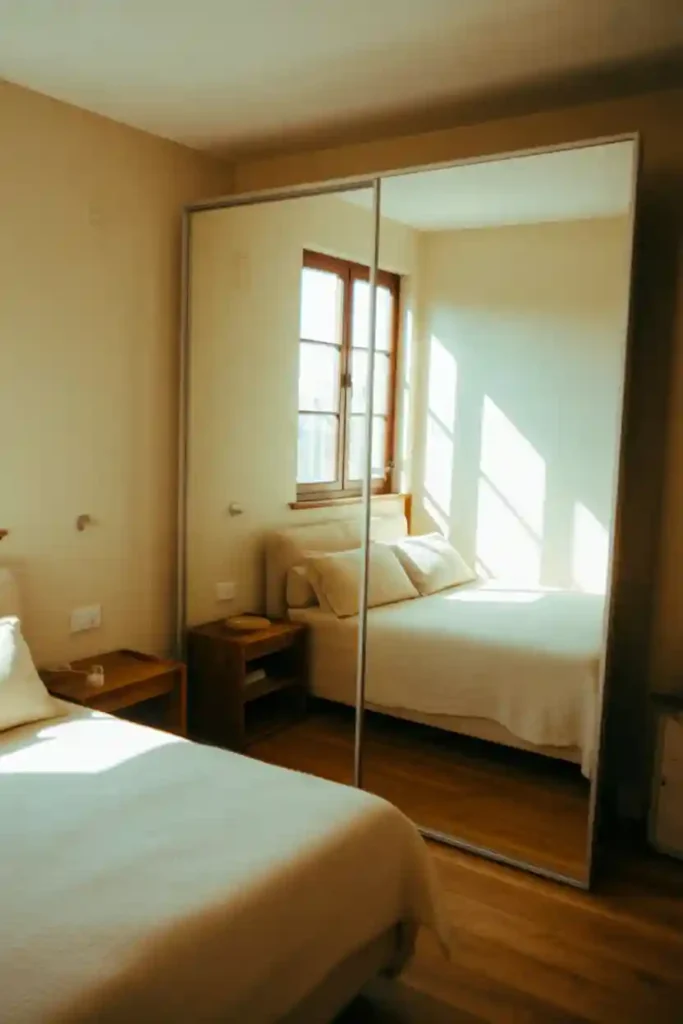
Mirrors create the illusion of depth, making a small bedroom appear significantly larger. A large mirror placed opposite a window reflects light and visually doubles the space. Full-length mirrors leaning against a wall also add height and openness. Mirrored closet doors are another practical solution that expands visual space without adding décor clutter. Keeping mirror frames minimal ensures they don’t overwhelm the room. When placed thoughtfully, mirrors blur boundaries and make the bedroom feel more spacious and open. They also enhance brightness, which further contributes to a larger visual effect.
5. Keep Bedding Simple and Cohesive
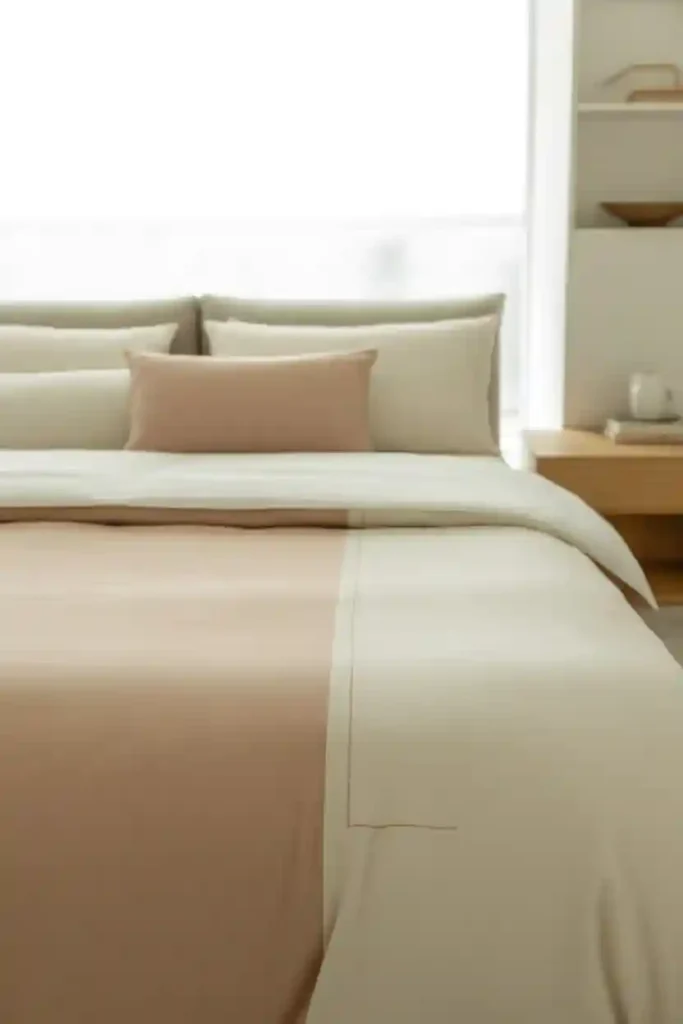
Overly layered or busy bedding can make a small bedroom feel crowded. Opting for simple, cohesive bedding helps maintain a clean and spacious look. Using one main color or subtle patterns keeps the bed from becoming visually overwhelming. Lighter bedding colors also reflect light, enhancing openness. A neatly styled bed with minimal pillows and smooth textures contributes to a calm, uncluttered feel. When the bed looks streamlined, it allows the rest of the room to breathe, making the entire space feel larger and more balanced.
6. Choose Vertical Storage Solutions
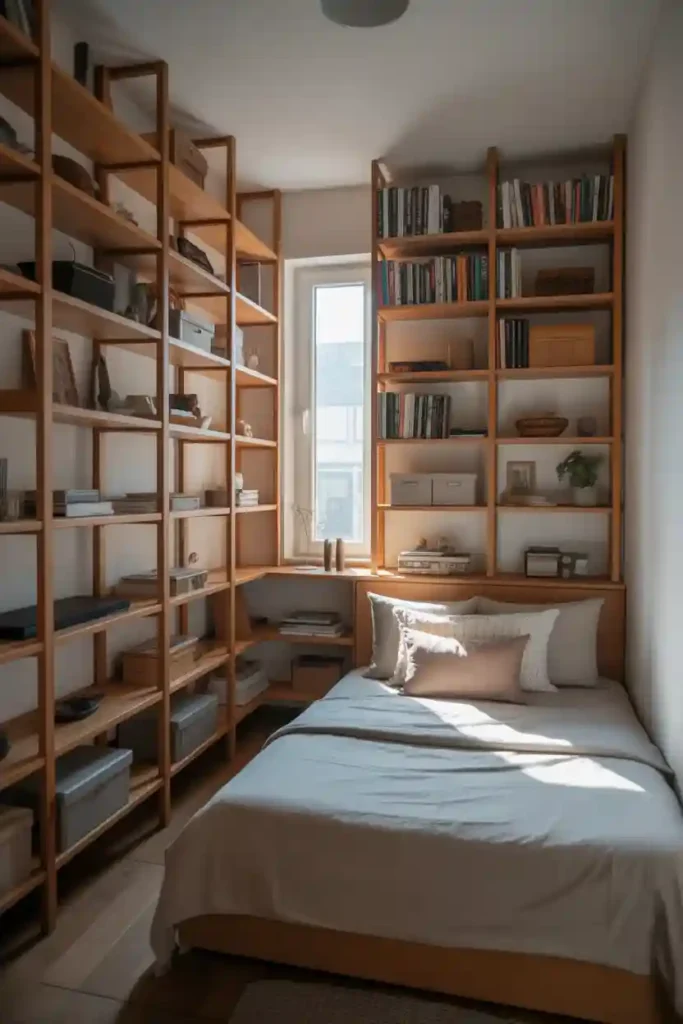
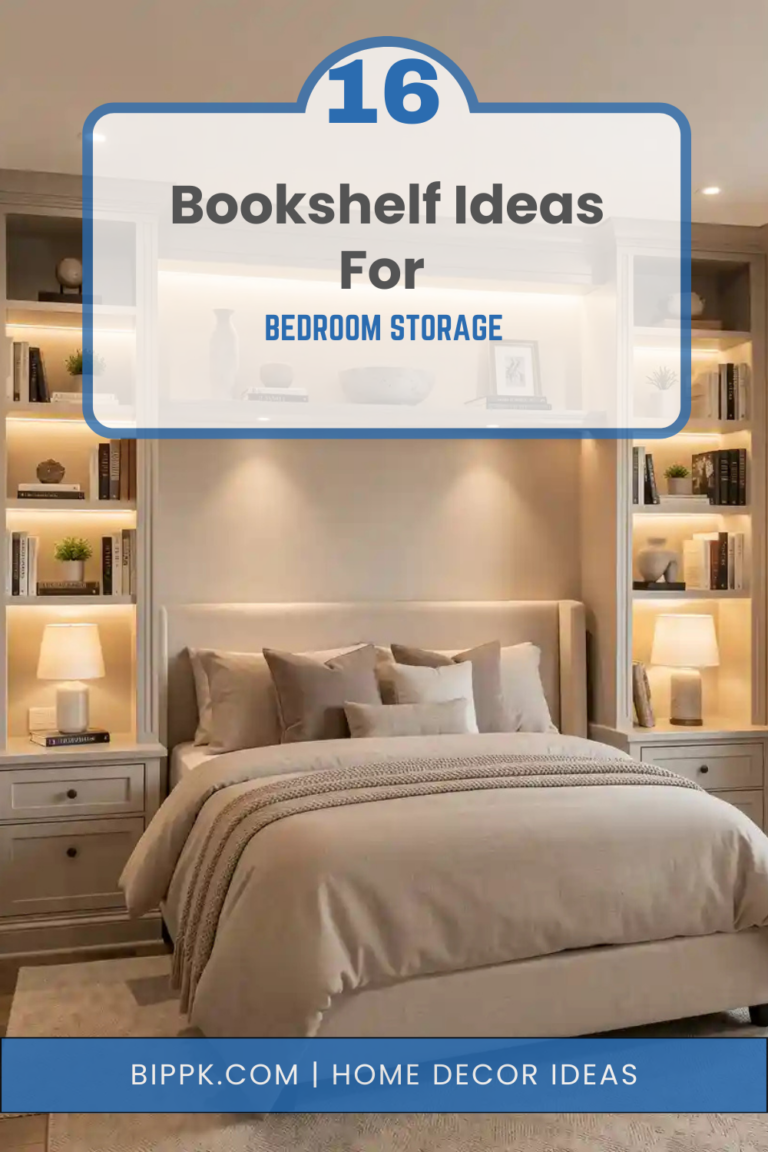
Vertical storage draws the eye upward, creating the illusion of height in a small bedroom. Tall wardrobes, wall-mounted shelves, and vertical cabinets maximize storage without consuming floor space. Using the full height of the wall prevents clutter from spreading horizontally, which can make rooms feel cramped. Keeping storage visually light—through open shelving or light finishes—maintains openness. This approach keeps essentials organized while allowing the room to feel taller and more spacious.
7. Use Rugs to Define Space
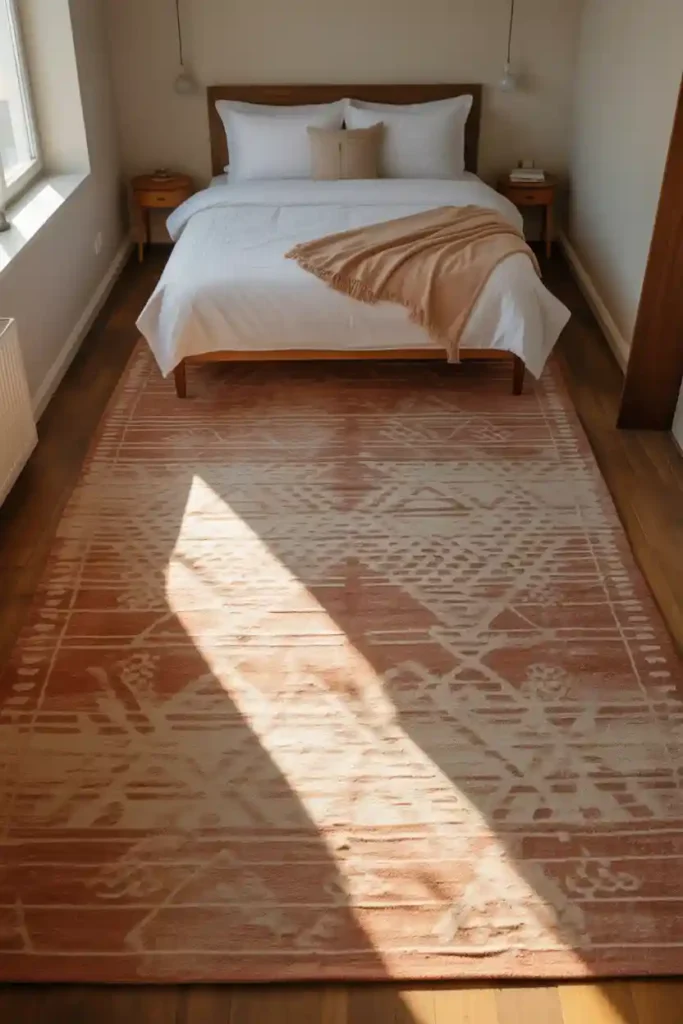
A well-sized rug helps visually anchor the bedroom while making it feel larger. A rug placed under the bed that extends outward creates the illusion of more floor space. Light-colored rugs or subtle patterns prevent visual heaviness. Avoid rugs that are too small, as they can make the room feel fragmented. A single, properly sized rug ties the furniture together and creates a unified, spacious look.
8. Keep Décor Minimal but Meaningful
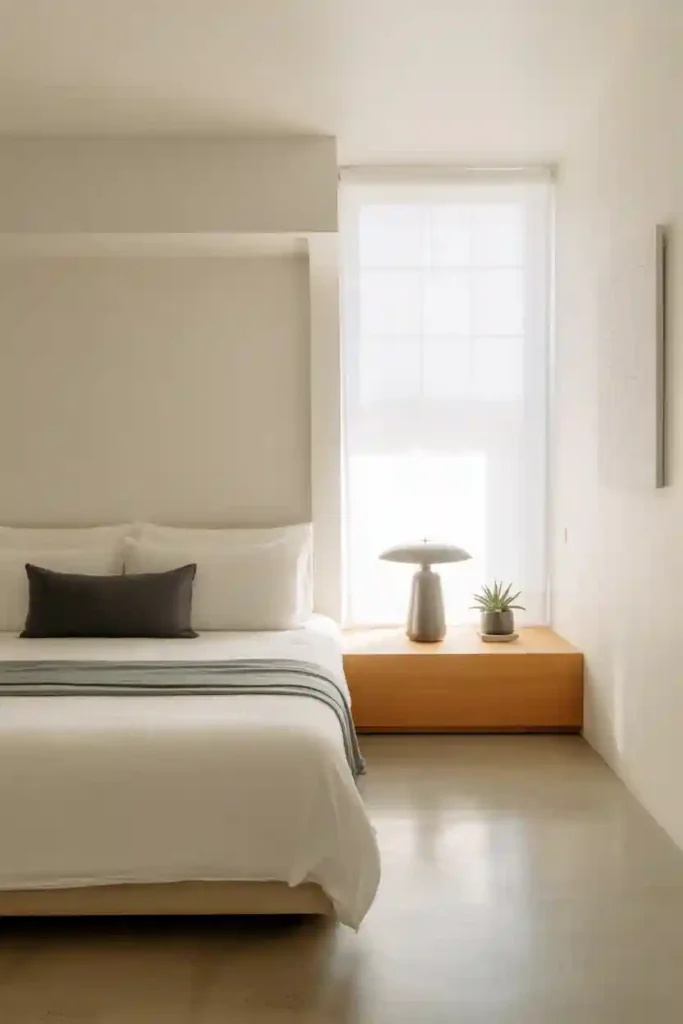
Too many decorative items can overwhelm a small bedroom quickly. Choosing a few meaningful décor pieces creates personality without clutter. Simple wall art, a small plant, or a single statement lamp adds interest while keeping the room visually calm. Negative space is just as important as decoration—it allows the eye to rest and perceive the room as larger. Thoughtful minimalism makes the bedroom feel intentional, organized, and open.
9. Opt for Floating Furniture to Open the Floor
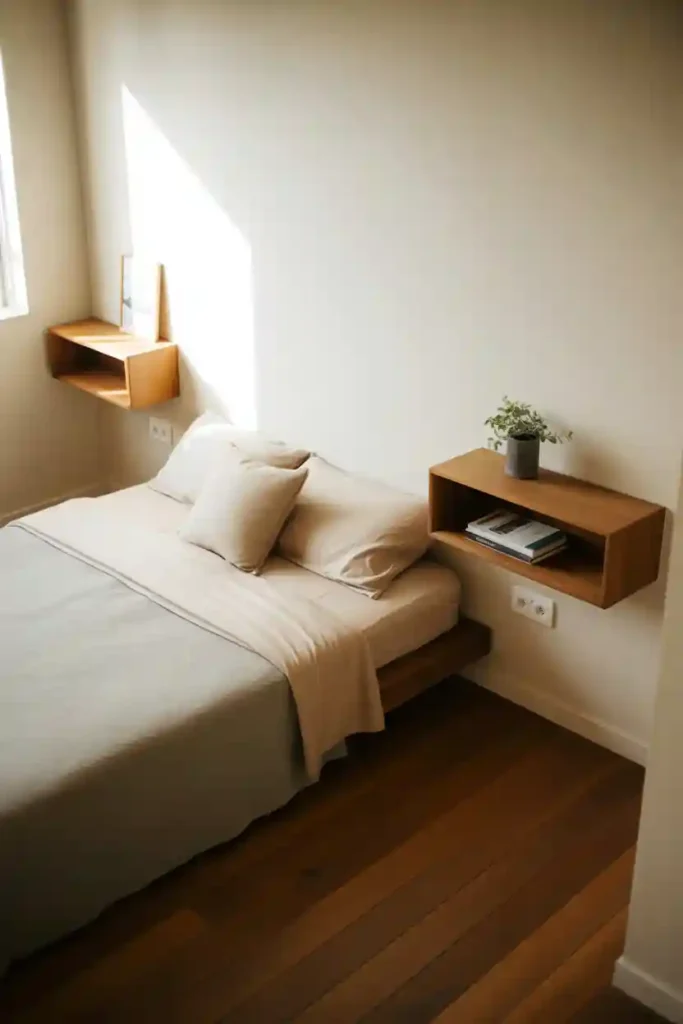
Floating furniture is one of the most effective ways to make a small bedroom feel larger. Wall-mounted nightstands, floating desks, or shelves keep the floor visible, which instantly creates a sense of openness. When the eye can see more uninterrupted floor space, the room feels less crowded and more breathable. Floating furniture also reduces visual weight, helping walls appear taller and the layout feel lighter. This approach works especially well in tight bedrooms where traditional furniture can feel bulky. Keeping items off the floor improves flow and makes cleaning easier, adding to the room’s overall functionality.
10. Use Consistent Materials for Visual Flow
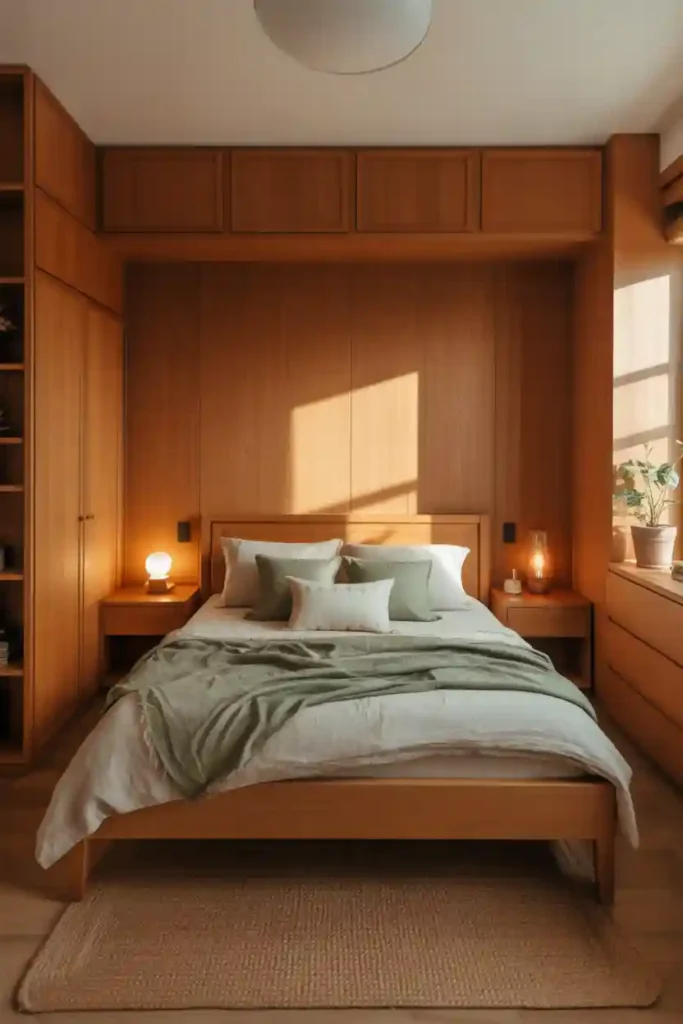
Consistency plays a major role in making a small bedroom feel bigger. Using the same or similar materials throughout the room—such as matching wood tones, metals, or fabric finishes—creates a seamless visual flow. When there are fewer contrasts competing for attention, the eye moves smoothly across the space, making it feel larger. Mixing too many textures or finishes can visually break up a small room, causing it to feel cluttered. Instead, repeating finishes in furniture, lighting, and décor brings balance and calm. For example, pairing a wood bed frame with matching shelves and side tables keeps the look cohesive. This strategy doesn’t limit style; rather, it creates harmony that allows the room to feel refined, spacious, and thoughtfully styled.
11. Add Height with Vertical Design Elements
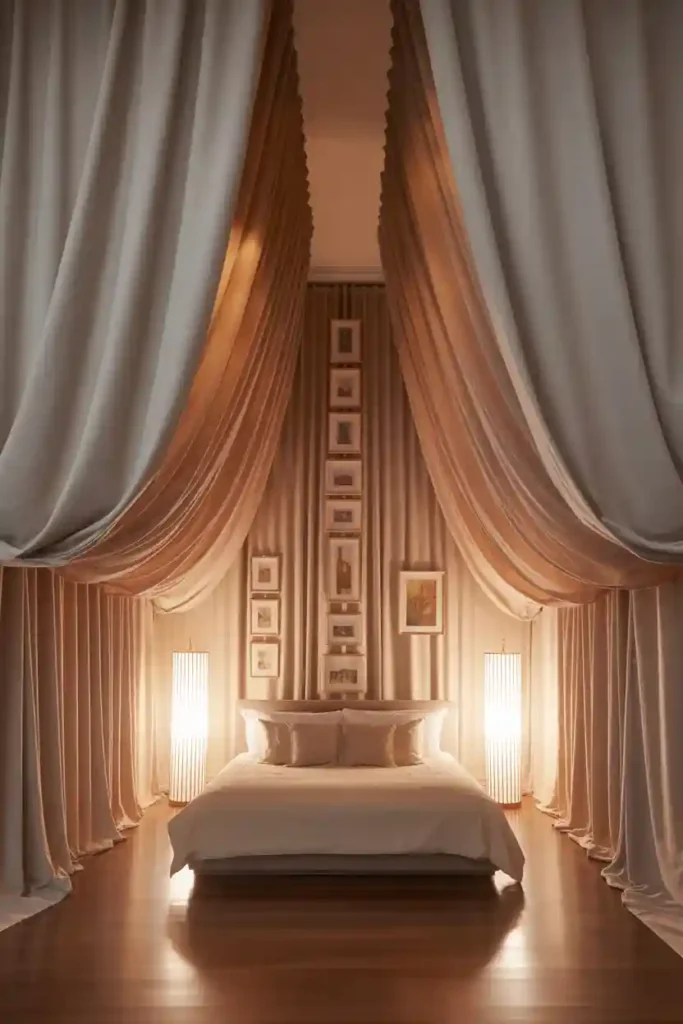
Vertical design elements naturally draw the eye upward, making a small bedroom feel taller and more open. Features like floor-to-ceiling curtains, vertical paneling, tall headboards, or narrow vertical artwork help elongate the walls. Even subtle vertical stripes in bedding or wallpaper can add height without overwhelming the room. This visual trick works especially well in bedrooms with low ceilings, as it shifts focus upward rather than outward. Keeping colors soft and consistent prevents the vertical elements from feeling too bold. When combined with minimal décor, vertical lines enhance openness and balance. This approach adds elegance while helping the room feel less boxed in and more expansive.
12. Keep the Floor Area Open and Visible
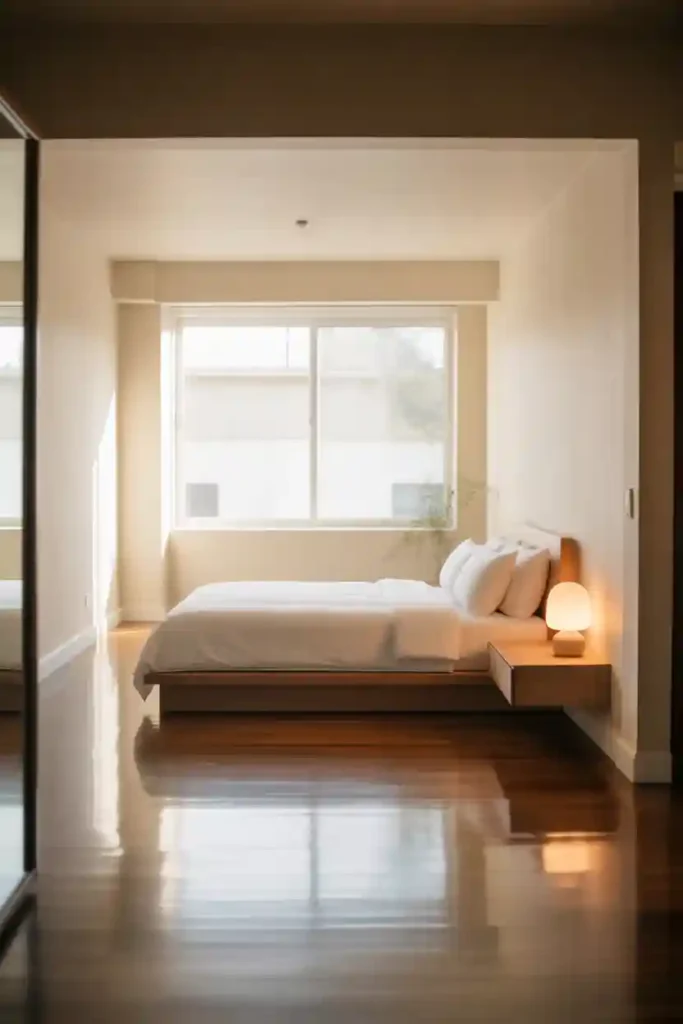
Visible floor space is essential for making a small bedroom feel bigger. Overfilling the room with furniture reduces airflow and makes the space feel tight. Choosing fewer, well-proportioned pieces allows the floor to remain open, creating visual breathing room. Beds with legs instead of solid bases expose more flooring, which adds to the illusion of space. Avoid pushing furniture too close together, and keep walkways clear for better movement. Light-colored flooring or rugs also enhance this effect by reflecting light. The more uninterrupted floor area you can maintain, the more open and balanced the bedroom will feel.
13. Layer Soft Lighting for Depth and Comfort
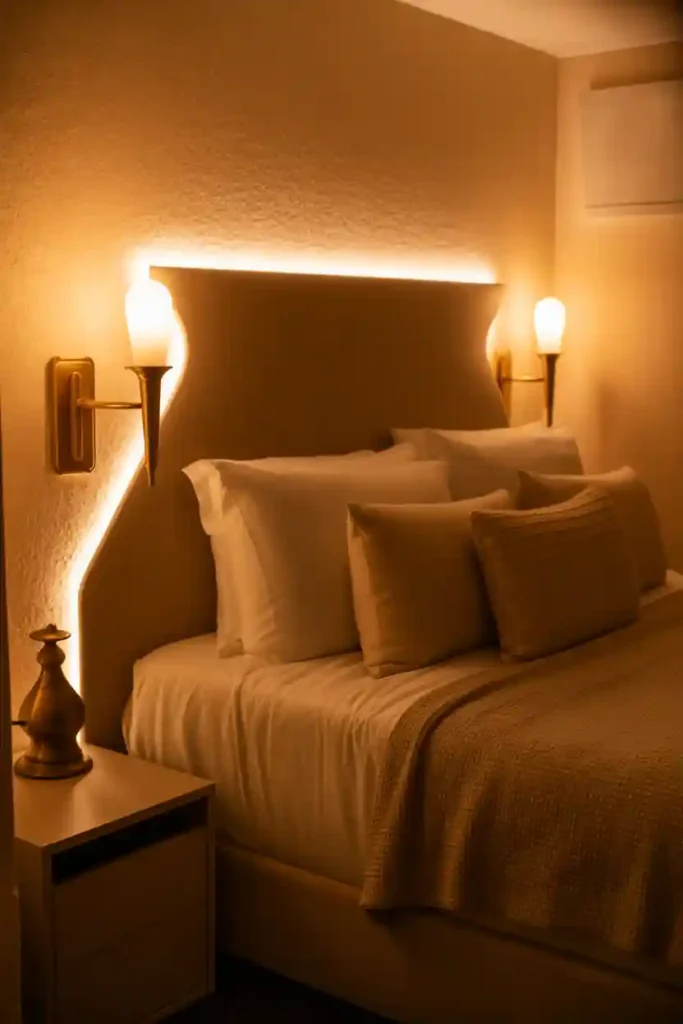
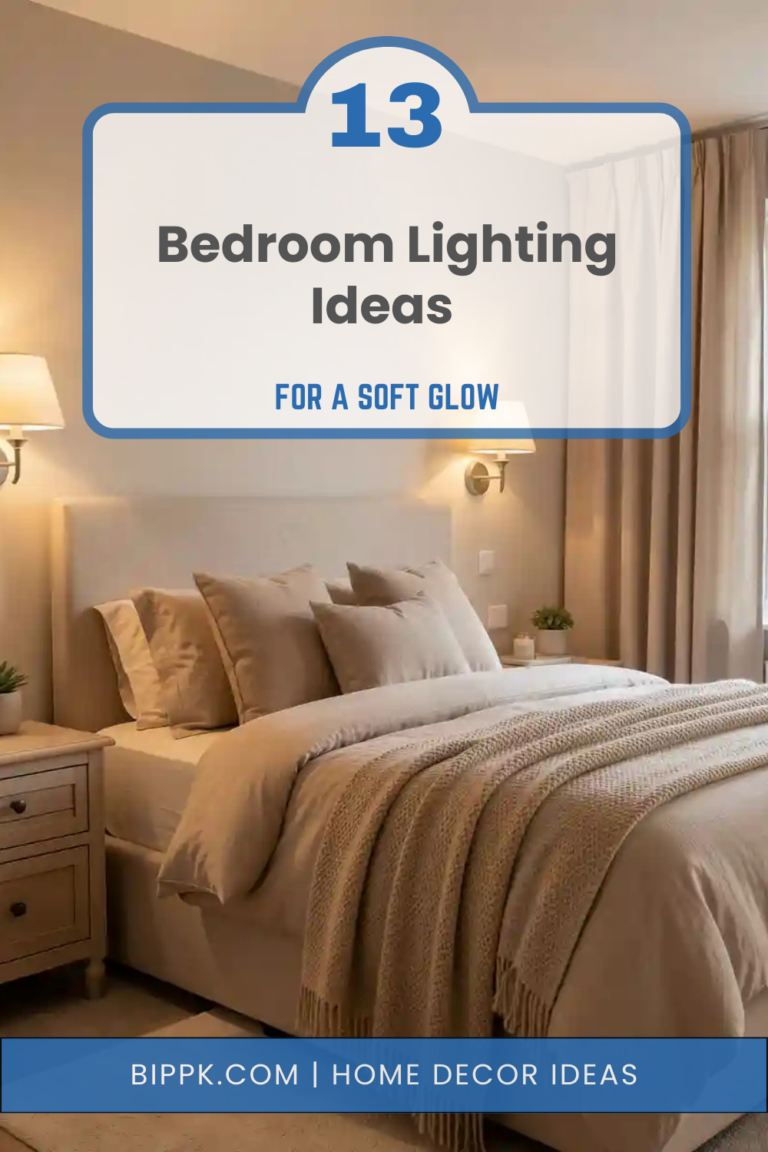
Lighting has a powerful impact on how large a bedroom feels. Relying on a single overhead light can create harsh shadows that shrink the space visually. Layered lighting—such as bedside lamps, wall sconces, and soft ambient lighting—adds depth and warmth. Evenly distributed light reduces dark corners, helping the room feel wider and more inviting. Warm light tones create a cozy atmosphere without closing in the space. Wall-mounted lighting also saves surface space while keeping the room visually open. Thoughtfully layered lighting enhances comfort, improves functionality, and makes a small bedroom feel larger and more welcoming.
Final Words
A small bedroom doesn’t have to feel cramped or limiting when styled with intention. By focusing on light, proportion, and simplicity, even the smallest space can feel open, calm, and comfortable. Thoughtful choices such as neutral color palettes, reflective surfaces, vertical elements, and streamlined furniture allow the room to breathe and function efficiently. Each styling idea works together to enhance flow, maximize light, and reduce visual clutter. When every element serves a purpose, the bedroom feels larger and more inviting without sacrificing personal style. With these small bedroom styling ideas, you can transform a compact space into a restful retreat that feels balanced, bright, and beautifully designed.