17 Work From Home Office Ideas That Improve Focus
Working from home offers flexibility, but staying focused can be challenging without a well-designed workspace. A thoughtfully planned home office can significantly improve concentration, productivity, and overall work satisfaction. From ergonomic furniture and proper lighting to smart storage and calming color palettes, every detail plays a role in minimizing distractions and supporting mental clarity.
A focused work-from-home setup isn’t about having a large space—it’s about creating an environment that encourages efficiency and comfort. Whether you’re working from a dedicated room, a corner of your living space, or a small apartment setup, the right design choices can make a noticeable difference. Incorporating organization systems, noise control, and personal motivation elements helps you stay on task throughout the day. In this article, we explore 17 work from home office ideas that improve focus, helping you design a workspace that feels calm, functional, and perfectly suited for productive remote work.
1. Dedicated Work Zone
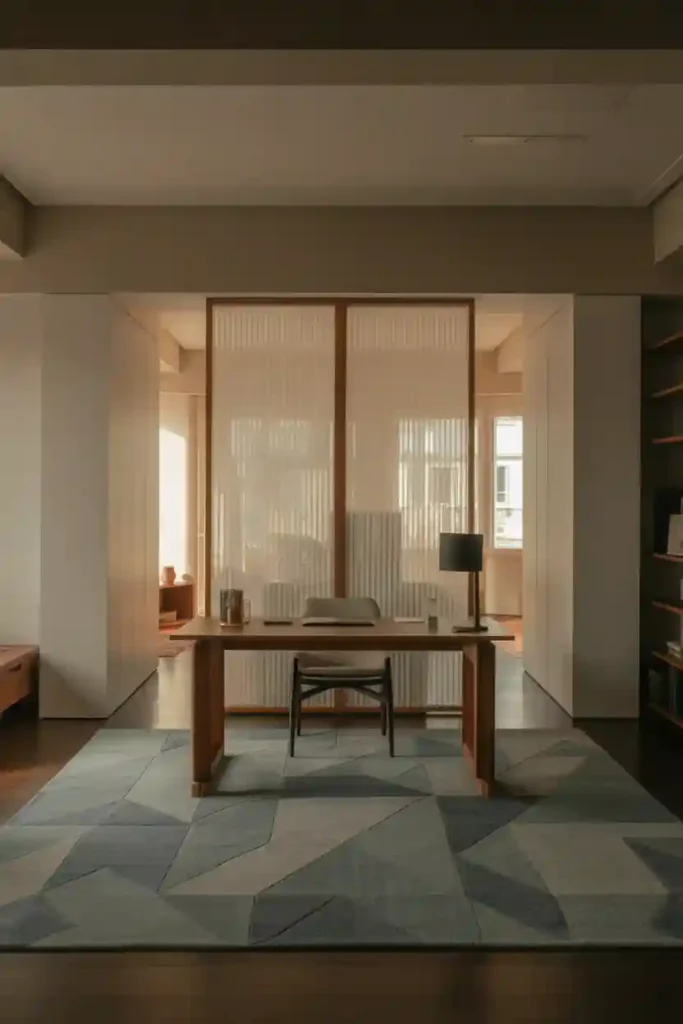
Creating a dedicated work zone is one of the most effective ways to improve focus when working from home. This space should be used only for work, even if it’s just a small corner of a room. Having a defined area trains your brain to associate that space with productivity and concentration. It helps separate work life from personal life, reducing mental fatigue and distractions. A dedicated zone also makes it easier to maintain routine and structure throughout the day. Use visual boundaries like rugs, shelving units, or room dividers if you don’t have a separate room. Keep this area organized and free from unrelated items. When your workspace feels intentional, it becomes easier to stay focused and mentally present during working hours.
2. Ergonomic Desk and Chair Setup
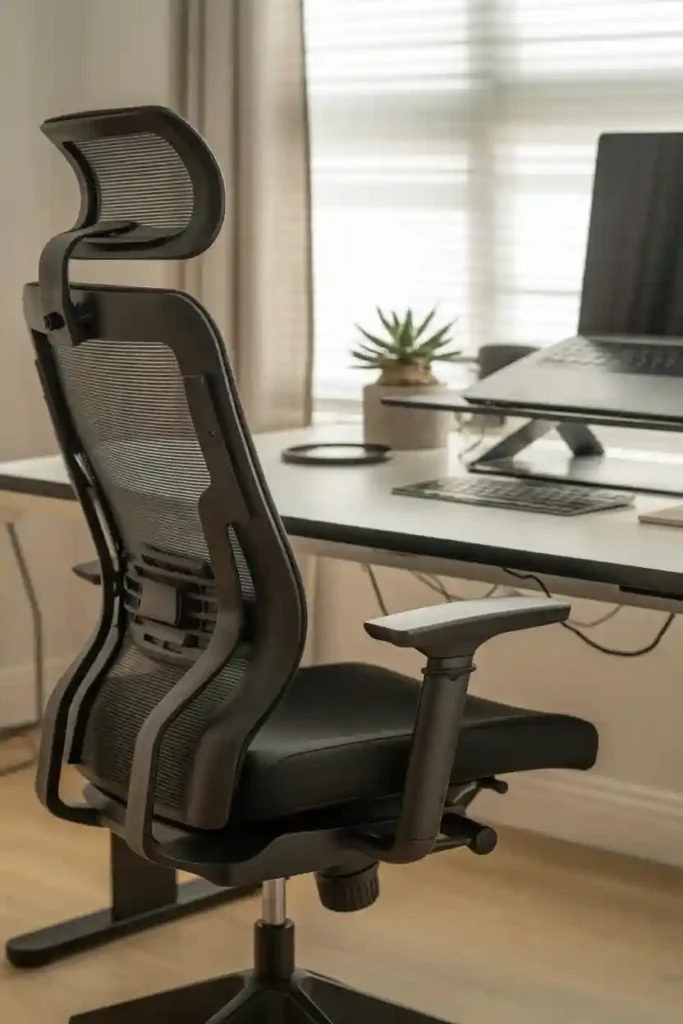
An ergonomic desk and chair setup is essential for maintaining focus and preventing physical discomfort. Poor posture can lead to fatigue, back pain, and reduced concentration throughout the day. Choose a chair that supports your lower back and allows your feet to rest flat on the floor. Your desk height should keep your arms at a comfortable angle while typing. Ergonomic comfort allows you to work longer without strain, keeping your mind focused instead of distracted by discomfort. Adjustable chairs and sit-stand desks are excellent options for flexibility. When your body feels supported, your productivity naturally improves. Comfort and focus go hand in hand in a successful work-from-home environment.
3. Clutter-Free Desk Design
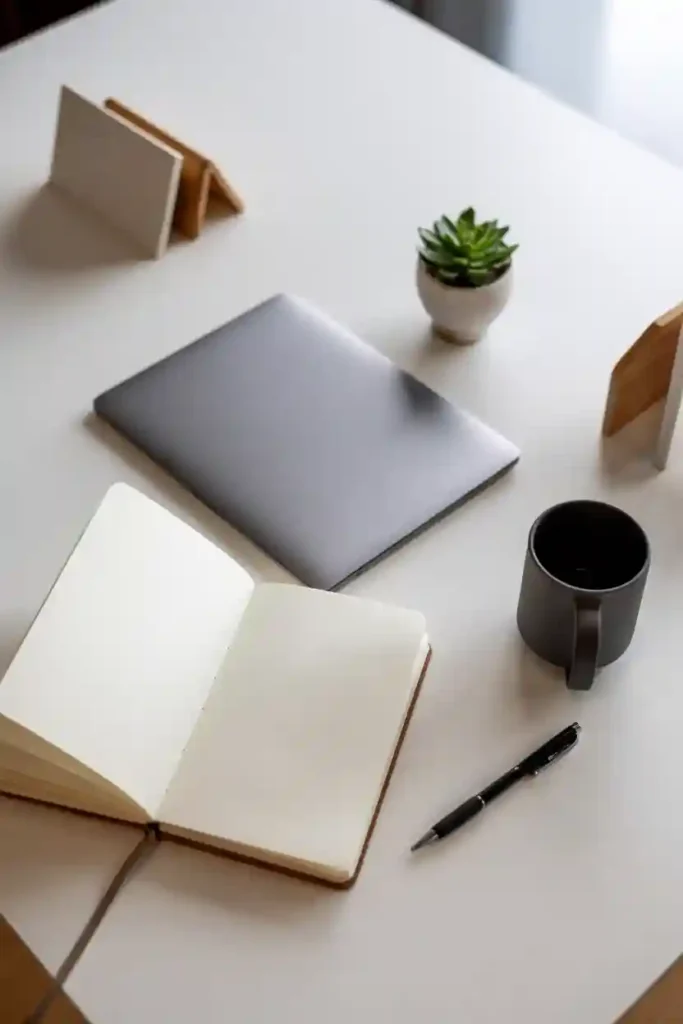
A clutter-free desk significantly improves mental clarity and focus. Too many items on your desk can overwhelm your senses and distract your attention. Keep only essential items within reach, such as your computer, notebook, and a pen holder. Use drawers or organizers to store extra supplies out of sight. A clean surface creates a sense of control and calm, making it easier to concentrate on tasks. Regularly clearing your desk at the end of the day helps you start fresh each morning. Minimal desk design reduces visual noise and supports a focused, efficient workflow.
Read Also: 16 Small Entryway Ideas That Feel Welcoming
4. Natural Light Optimization
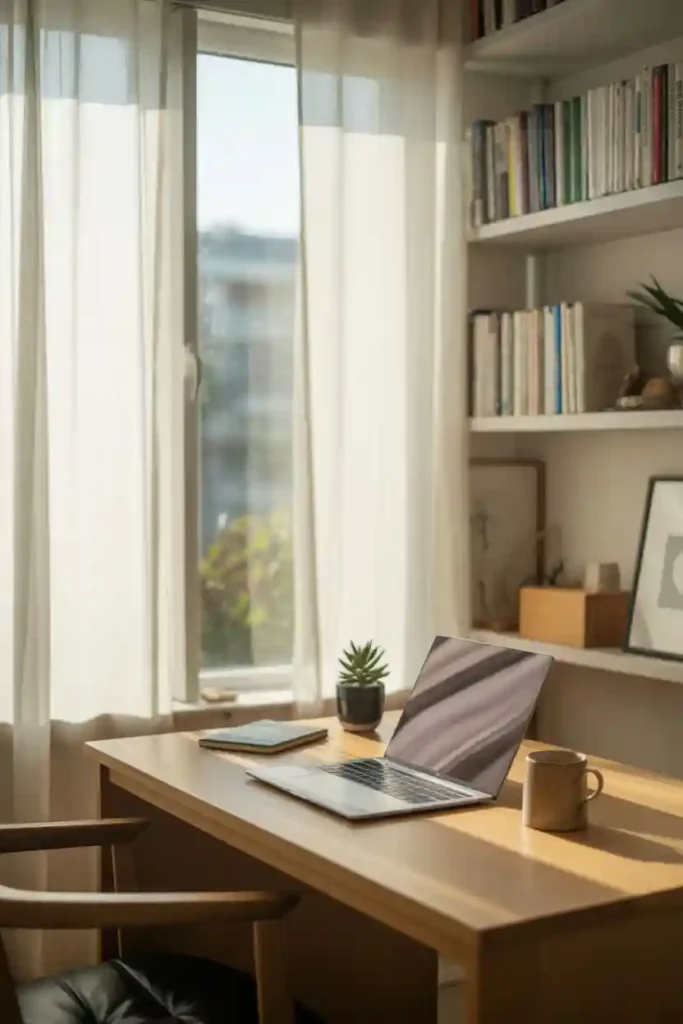
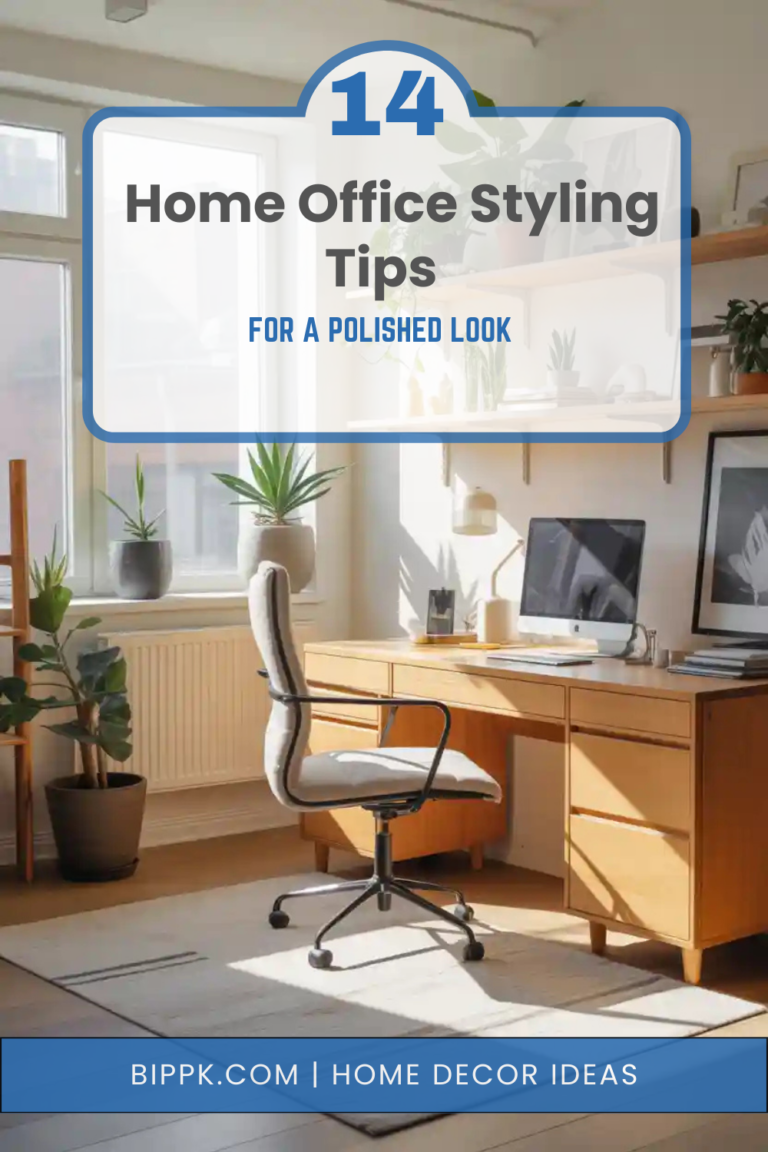
Natural light boosts mood, energy levels, and focus. Position your desk near a window to take advantage of daylight whenever possible. Exposure to natural light helps regulate sleep cycles and reduces eye strain. Sheer curtains can soften harsh sunlight while still allowing brightness. If your space lacks windows, mirrors can reflect light and brighten the room. Natural light makes your office feel open and uplifting, which improves concentration and motivation. A bright workspace encourages alertness and reduces the feeling of isolation often associated with remote work.
5. Task-Focused Lighting
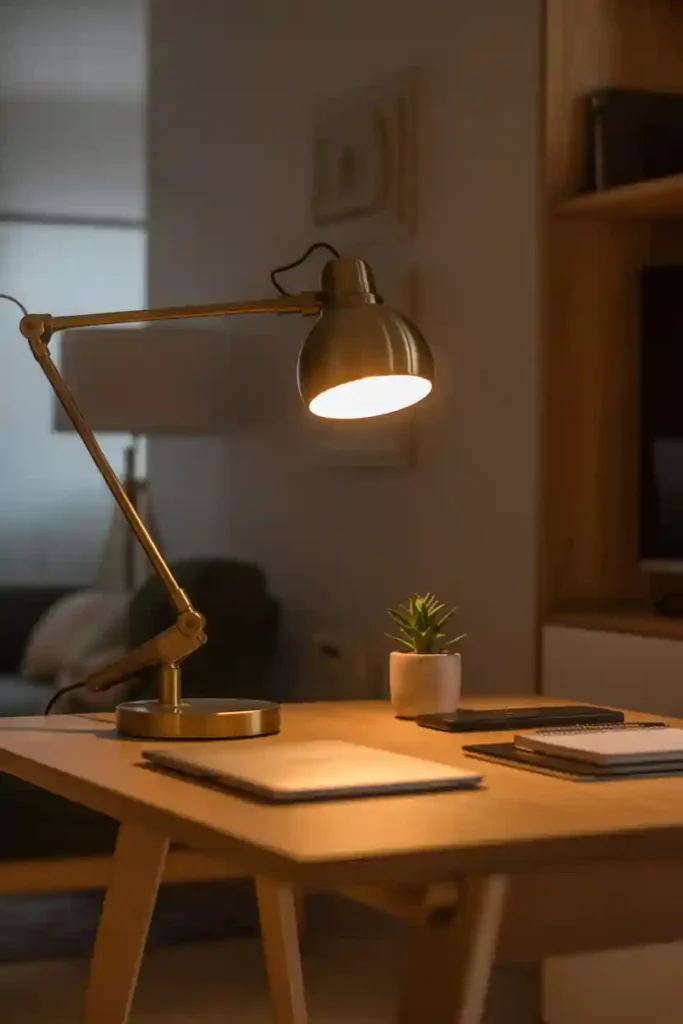
Good lighting is critical for maintaining focus, especially during long work hours. Task lighting, such as a desk lamp, provides direct illumination for reading and computer work. Choose warm-neutral bulbs to reduce eye strain and create a comfortable environment. Adjustable lamps allow you to control brightness and direction. Layering lighting with ambient and task lights ensures consistent visibility throughout the day. Proper lighting keeps you alert, reduces headaches, and supports sustained concentration.
6. Neutral and Calming Color Palette
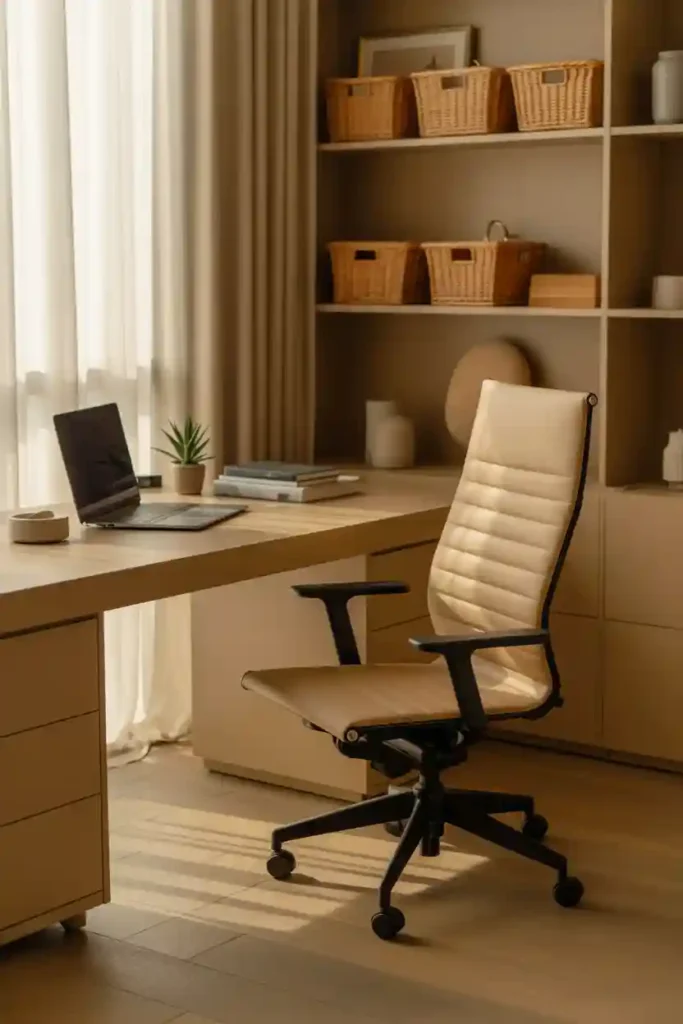
Color has a strong impact on focus and mood. Neutral tones like beige, gray, white, and soft greens create a calm and distraction-free environment. These colors reduce visual stress and promote mental clarity. Avoid overly bright or bold colors that can be overstimulating. Soft, earthy tones encourage relaxation while keeping the space professional. A calming palette helps maintain focus during long work sessions and supports a peaceful workflow.
7. Minimalist Office Layout
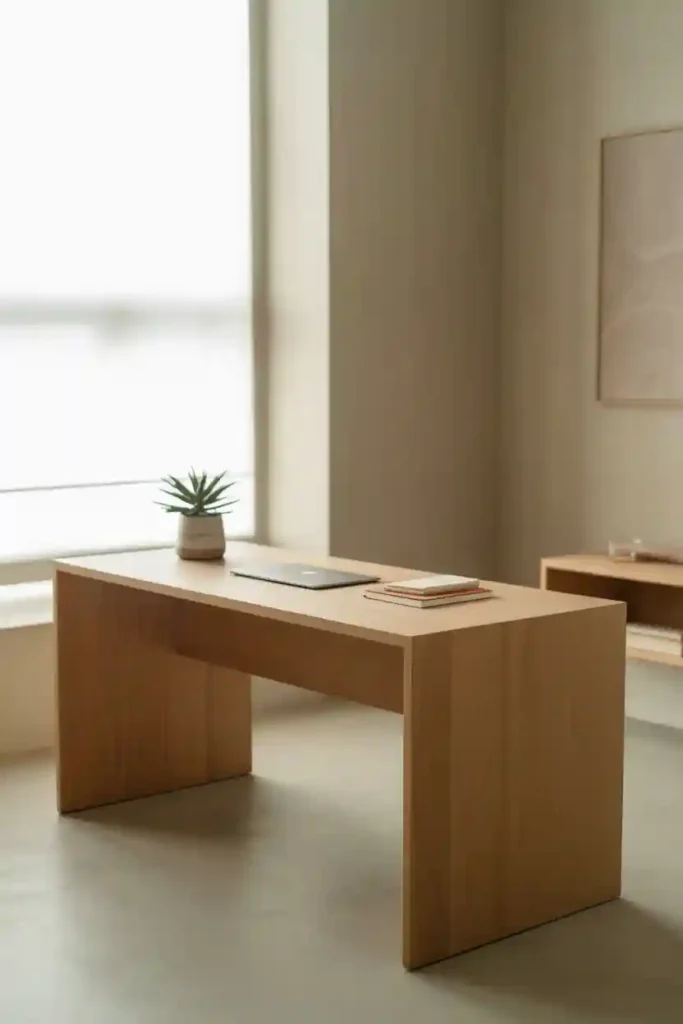
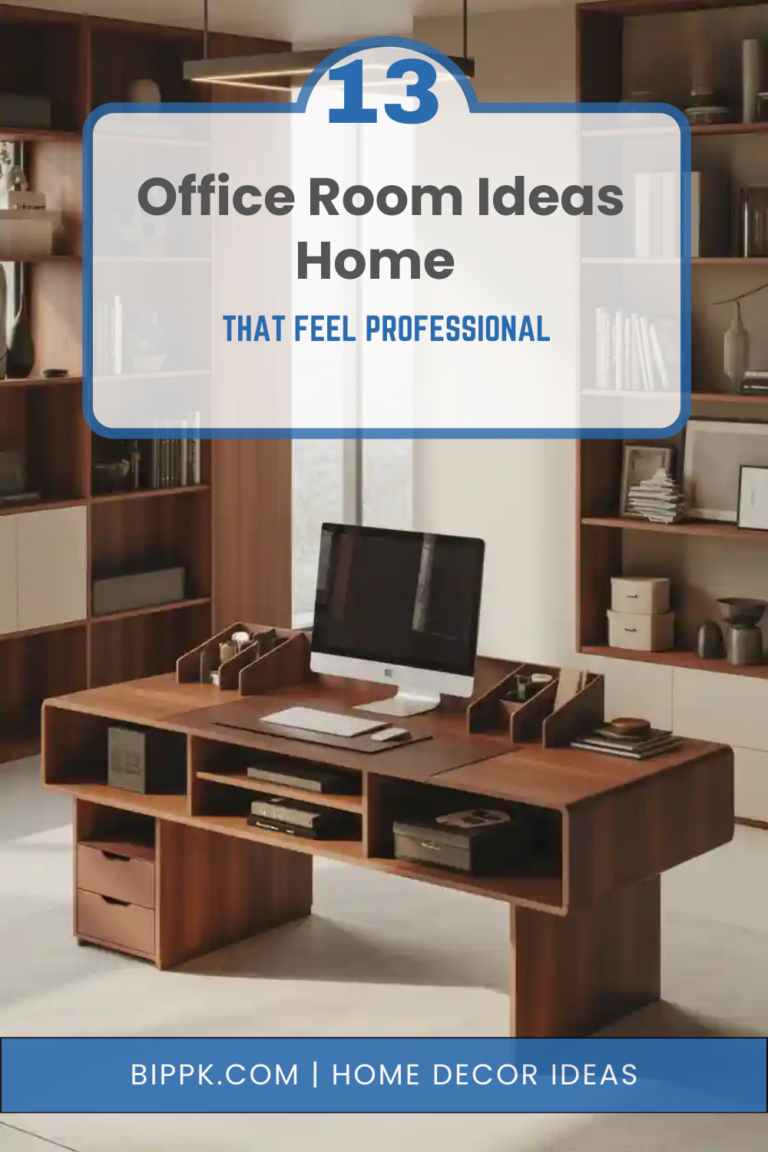
A minimalist office layout is one of the most effective ways to improve focus when working from home. By reducing visual clutter and keeping only essential furniture and tools, your workspace becomes calmer and easier to concentrate in. A clean layout helps your mind stay clear, minimizing distractions caused by unnecessary décor or crowded surfaces. Choose a simple desk, a comfortable chair, and streamlined storage to keep everything functional and intentional. Open space around your desk allows better movement and prevents the area from feeling overwhelming.
8. Smart Cable Management

Smart cable management plays a surprisingly important role in improving focus while working from home. Loose, tangled cables create visual clutter that subconsciously distracts your attention and makes a workspace feel chaotic. By organizing cables properly, your desk instantly looks cleaner and more professional. Use cable clips, sleeves, under-desk trays, or cable boxes to hide cords from view while keeping them accessible. Labeling chargers and power cords can also save time and reduce frustration during busy workdays. A well-managed cable system not only improves appearance but also enhances safety by reducing tripping hazards. When your workspace feels organized and controlled, your mind follows suit.
9. Organized Storage Solutions
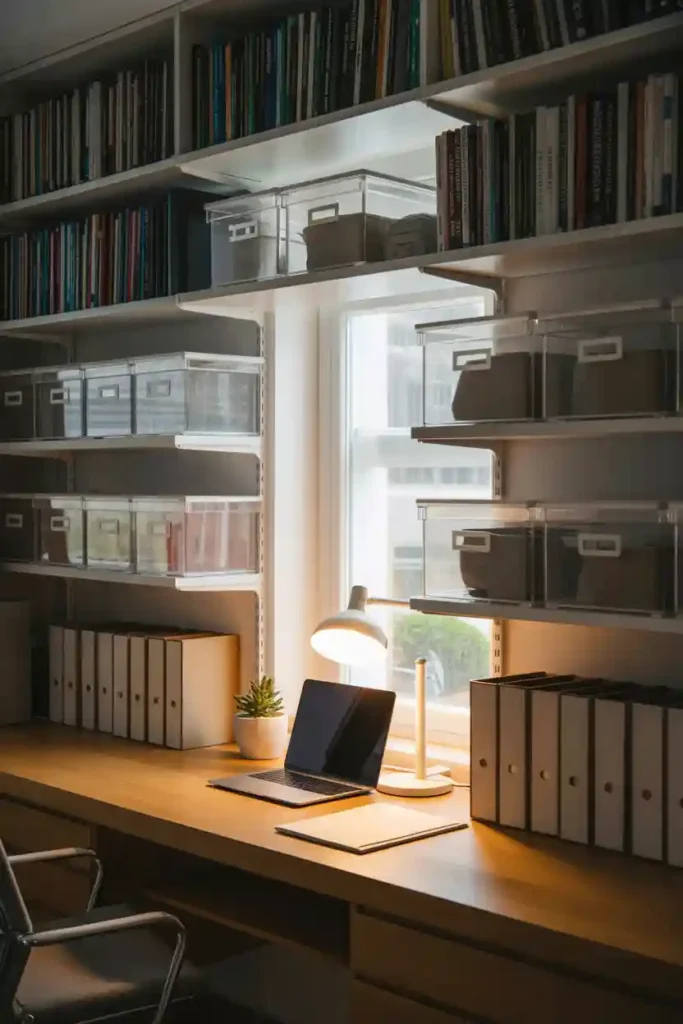
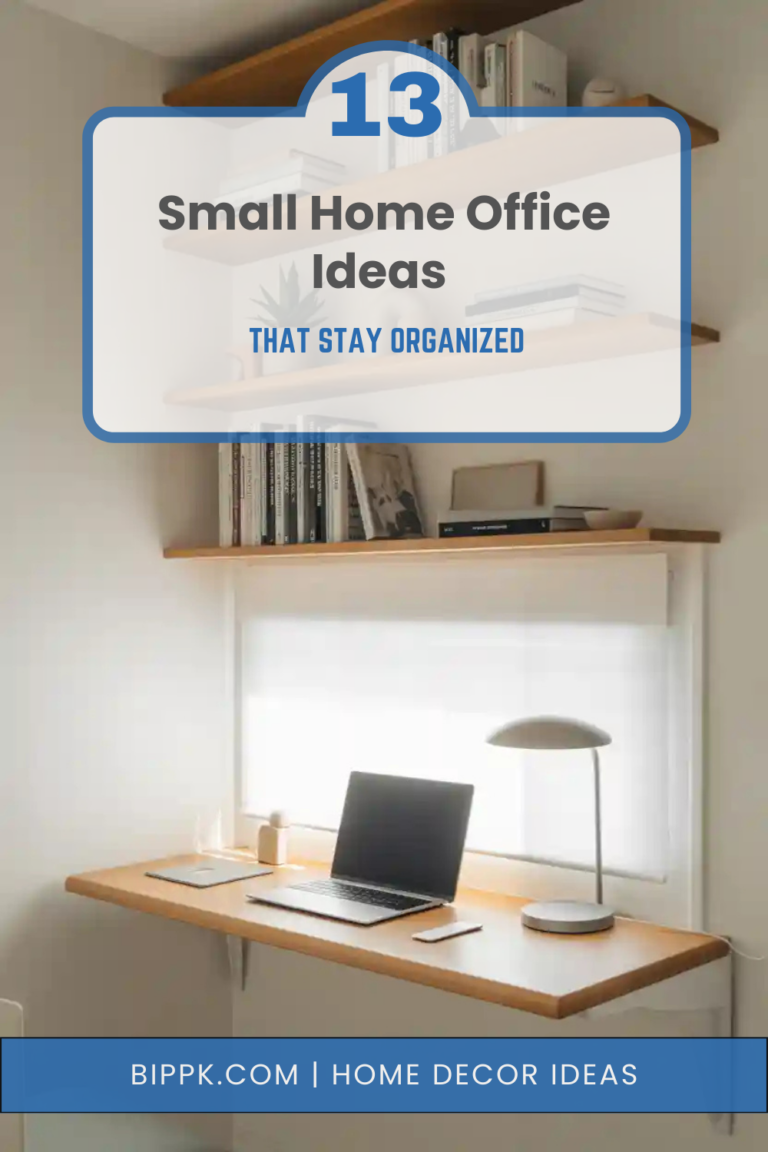
Effective storage solutions are essential for maintaining focus in a work-from-home office. When documents, supplies, and tools are scattered, your attention is constantly pulled away from work. Organized storage keeps everything in its place, making tasks smoother and less stressful. Use shelves, filing cabinets, drawers, or storage boxes to categorize items clearly. Labeling folders and containers saves time and reduces mental effort when searching for supplies. Vertical storage works especially well in small offices, keeping surfaces clear while maximizing space.
10. Noise-Reducing Elements
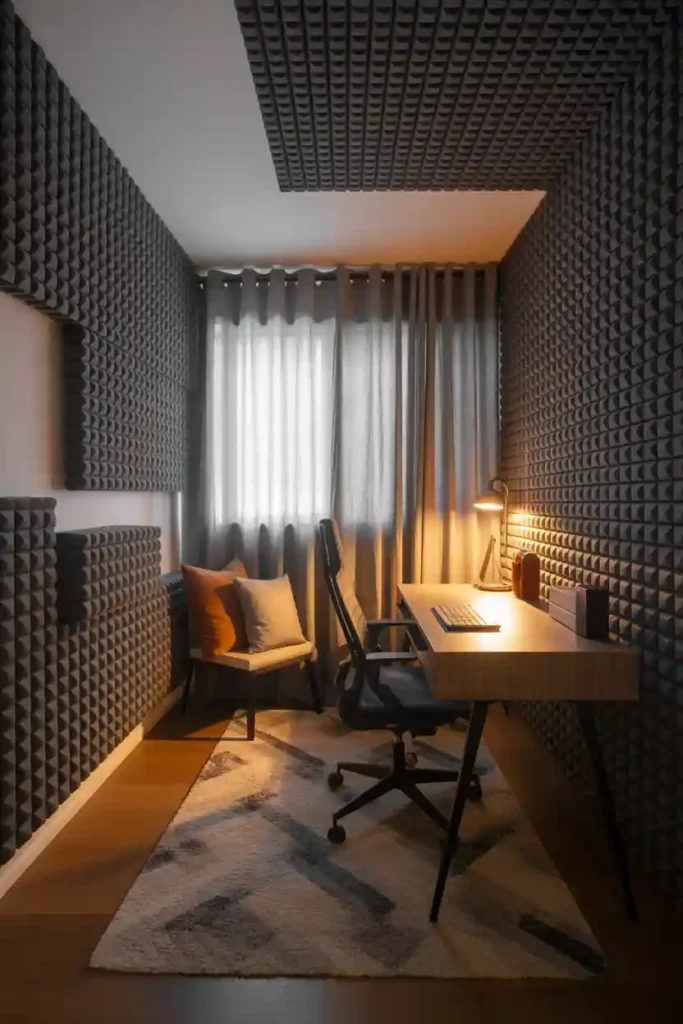
Noise is one of the biggest distractions when working from home, especially in shared spaces or busy households. Adding noise-reducing elements helps create a quieter environment that supports deep focus. Soft furnishings like rugs, curtains, and upholstered chairs absorb sound and reduce echoes. Acoustic panels or wall hangings can further minimize background noise without affecting style. For added control, noise-canceling headphones block external sounds during meetings or focused work sessions. Creating a quieter workspace reduces mental fatigue and improves concentration over long periods.
11. Functional Desk Accessories
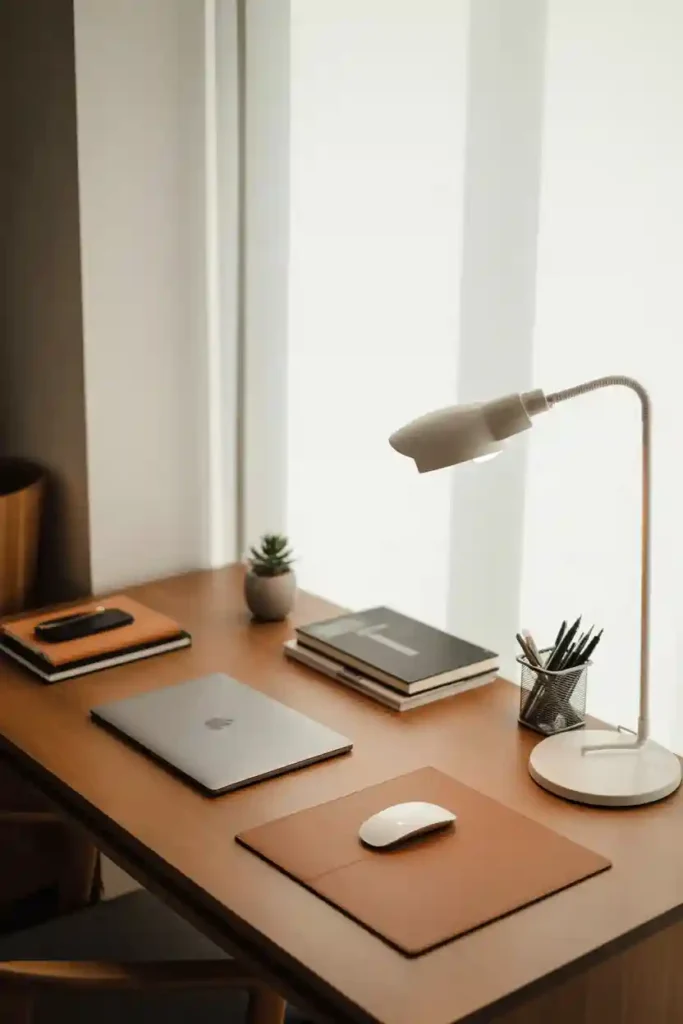
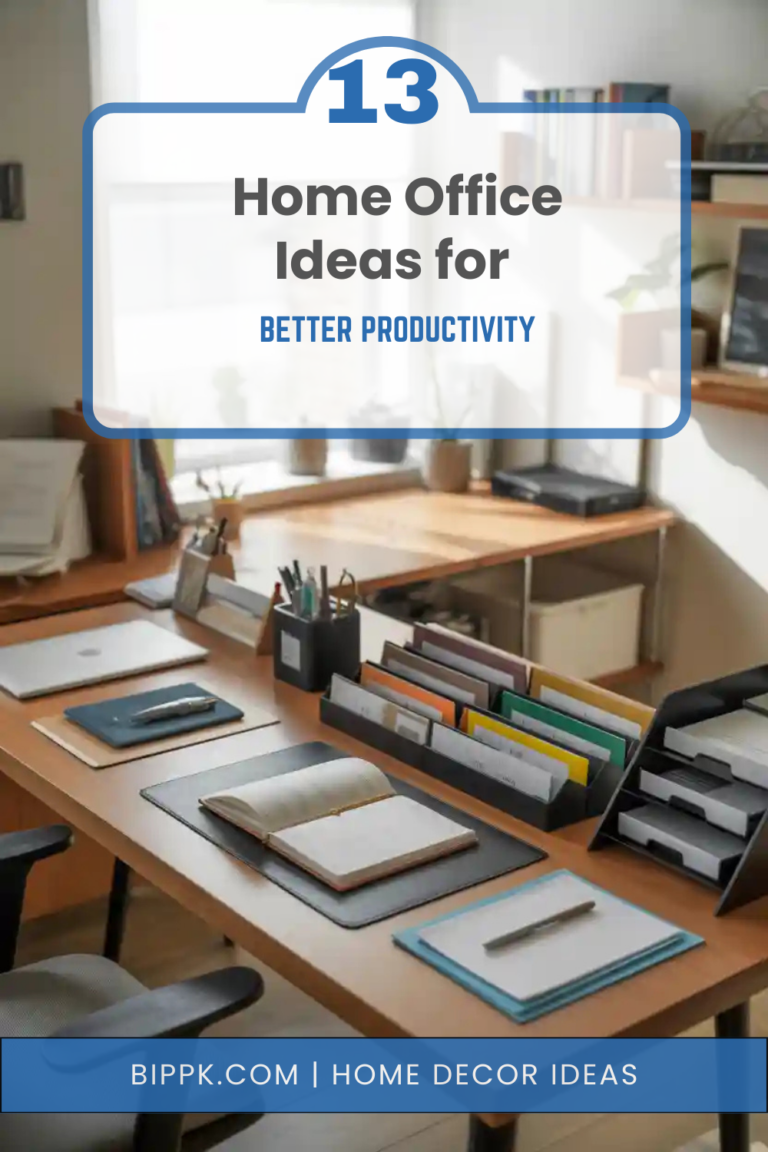
Functional desk accessories help streamline your workflow and significantly improve focus when working from home. Instead of cluttering your desk with decorative items, choose accessories that serve a clear purpose, such as pen holders, document trays, monitor stands, or desk organizers. These tools keep frequently used items within reach while maintaining a clean and structured surface. When everything has a designated place, you spend less time searching for supplies and more time concentrating on your work. Functional accessories also improve posture and comfort—for example, monitor stands elevate screens to eye level, reducing neck strain.
12. Personalized Motivation Wall
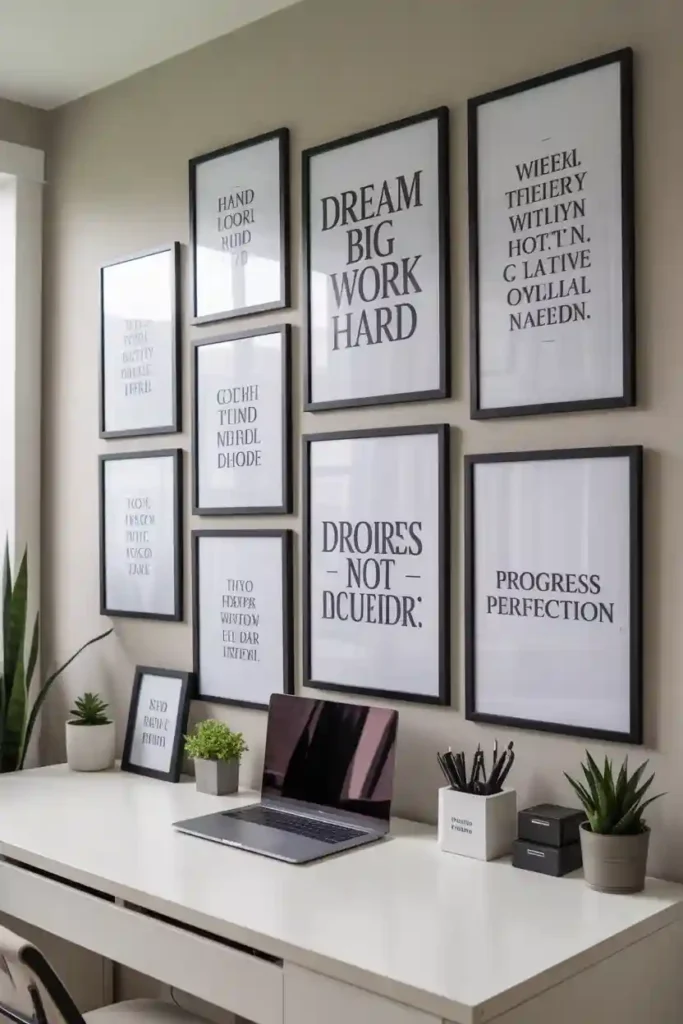
A personalized motivation wall can boost focus and morale when working from home, as long as it remains clean and intentional. Display inspirational quotes, long-term goals, or achievement reminders in a visually balanced way. This wall serves as a positive reinforcement tool, reminding you why your work matters. Keep the design simple to avoid overstimulation—too many images or colors can become distracting. Framed prints, cork boards, or vision boards work well when thoughtfully arranged. A motivation wall provides mental encouragement during challenging tasks or long workdays. When done correctly, it adds emotional support without cluttering your workspace, helping you stay focused, motivated, and aligned with your goals.
13. Indoor Plants for Focus
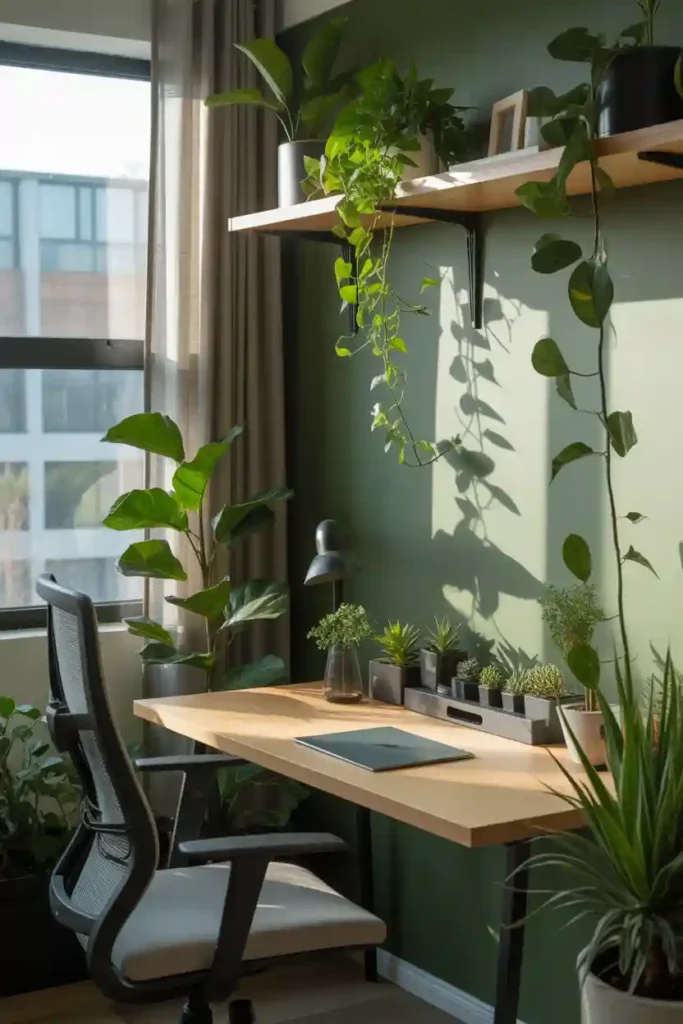
Indoor plants naturally improve focus by reducing stress and creating a calming work environment. Studies suggest that greenery can enhance mood and concentration, making it easier to stay productive throughout the day. Plants also improve air quality, contributing to better comfort and mental clarity. Choose low-maintenance options like snake plants, pothos, or succulents to avoid added responsibilities. Position plants near windows, shelves, or desk corners to add freshness without cluttering your workspace. Greenery softens the look of an office and creates a connection to nature, which is especially beneficial when working indoors for long hours.
14. Technology-Free Break Area
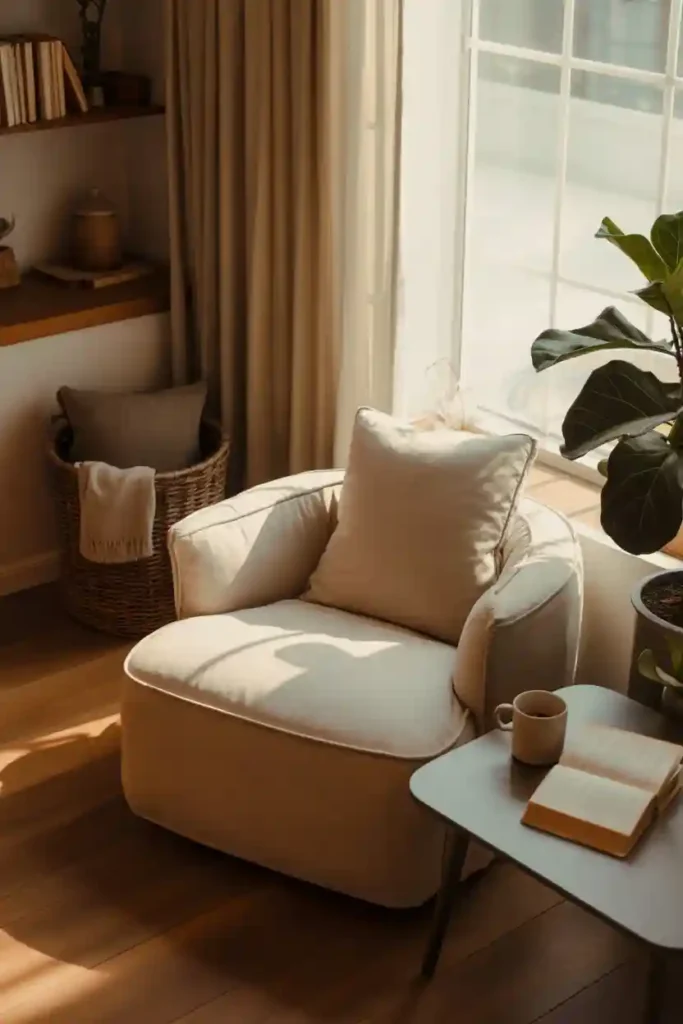
Creating a technology-free break area helps reset your mind and improve long-term focus. Constant screen exposure can lead to mental fatigue and reduced productivity. A separate break spot—such as a chair, window seat, or small corner—encourages real rest during short breaks. Use this area for stretching, reading, or relaxation without devices. Stepping away from screens helps prevent burnout and improves concentration when you return to work. Even in small homes, a simple chair or mat can serve as a dedicated break zone. This intentional pause supports healthier work habits and sustained focus throughout the day.
15. Time-Blocking and Planning Station
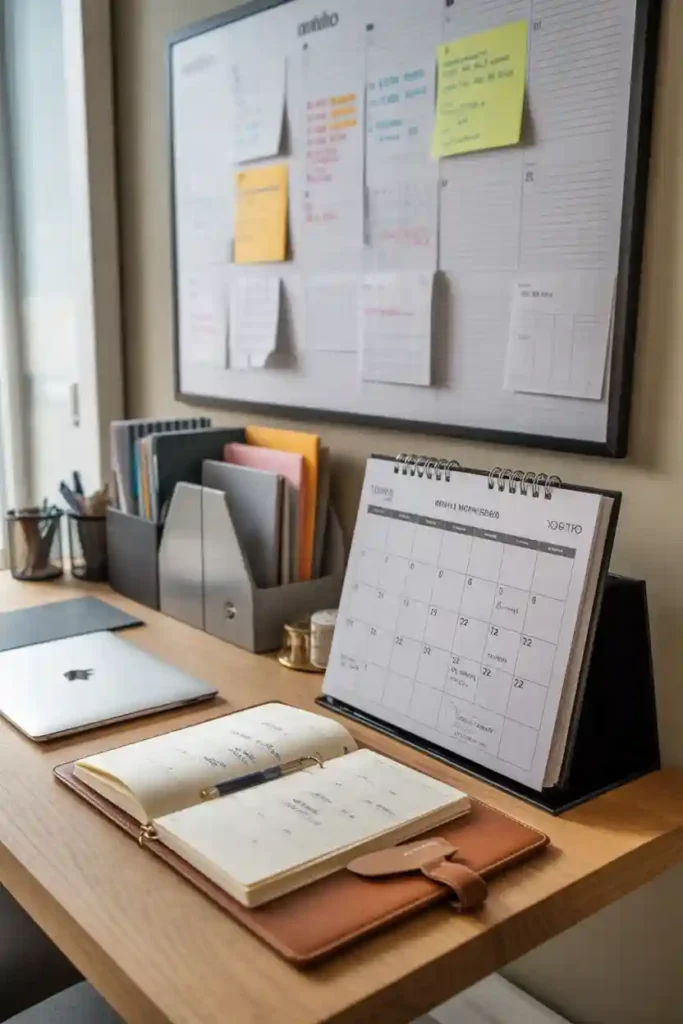
A time-blocking and planning station helps structure your workday and improves focus by creating clear priorities. Use planners, wall calendars, whiteboards, or digital tools displayed neatly in one area. Visual scheduling reduces mental overload by outlining tasks and deadlines at a glance. Time-blocking encourages deep work by allocating specific hours to focused tasks and minimizing multitasking. Keeping your planning tools visible reinforces consistency and accountability. A dedicated planning station turns organization into a daily habit rather than an afterthought. With a clear plan in place, you can work more efficiently, stay on track, and maintain focus throughout the workday.
16. Comfortable Flooring or Rug
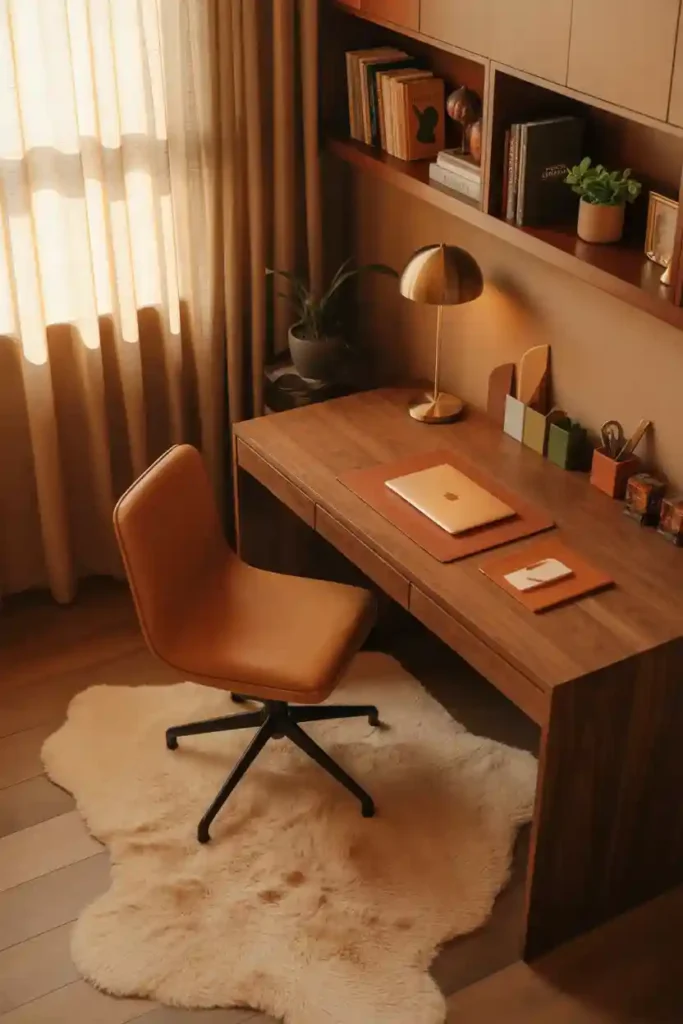
Comfortable flooring plays an important role in maintaining focus when working from home, especially during long hours at your desk. Hard floors can feel cold and uncomfortable, which may cause subtle distractions throughout the day. Adding a soft rug or supportive flooring helps create a warmer, more inviting workspace. Rugs also reduce noise by absorbing sound, making your office quieter and more conducive to concentration. Choosing a rug with a subtle pattern or neutral color prevents visual distraction while adding texture and comfort. Anti-fatigue mats are another great option if you use a standing desk, as they reduce strain on your legs and back.
17. Personal Touches Without Distraction
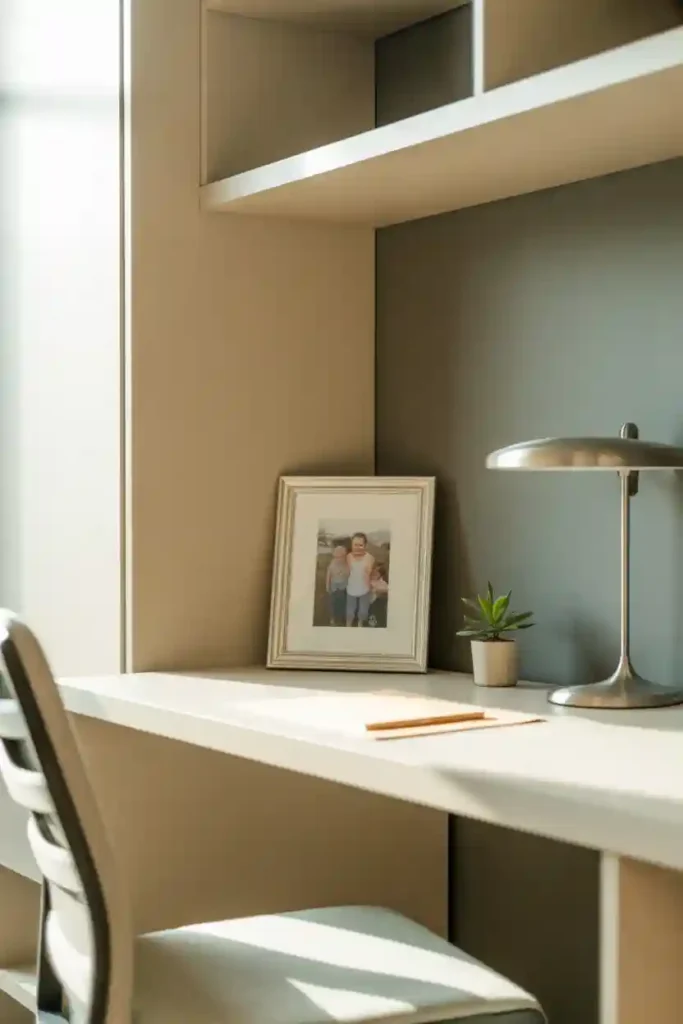
Personal touches can make a work-from-home office feel motivating and enjoyable, but they should be added thoughtfully to avoid distraction. Choose a few meaningful items such as framed photos, small artwork, or a favorite object that brings inspiration. Keeping personal décor minimal ensures your workspace remains clean and professional. Avoid overcrowding surfaces with too many items, as this can create visual noise and disrupt focus. The goal is to create a space that reflects your personality while still supporting productivity. Balanced personalization helps you feel connected and comfortable without pulling your attention away from work.
Final Words
Creating a focused work-from-home office is not about having more space—it’s about using the space you have intentionally. The right combination of layout, lighting, comfort, and organization can dramatically improve concentration and productivity. By reducing clutter, managing noise, and incorporating ergonomic furniture, you support both your physical comfort and mental clarity. Thoughtful additions like plants, calming colors, and subtle personal touches help maintain motivation without distraction. Structured planning tools and dedicated break areas encourage balance and prevent burnout.