

12 Zen Basement Ideas for a Calm Retreat
A basement doesn’t have to feel dark, unused, or disconnected from the rest of your home. With the right design approach, it can become a peaceful Zen retreat—a place to relax, meditate, or simply escape everyday noise. Zen design focuses on simplicity, balance, and harmony with natural elements, making it perfect for transforming basements into calming sanctuaries. By using soft colors, natural textures, minimal decor, and intentional lighting, you can create a space that encourages rest and mindfulness.
The goal is not to fill the room, but to let it breathe. Every element should feel purposeful and soothing. Whether you want a meditation space, yoga room, reading nook, or quiet lounge, these Zen basement ideas will help you design a retreat that feels grounded, serene, and restorative. Below are 12 Zen basement ideas for a calm retreat that blends comfort, simplicity, and timeless tranquility.
1. Use a Soft, Neutral Color Palette

A soft neutral color palette lays the foundation for a Zen basement retreat. Colors like warm white, beige, soft gray, and muted earth tones create a sense of calm and visual balance. These shades reflect light gently, helping basements feel brighter and more open without becoming harsh. Keeping walls, ceilings, and large furniture within a similar color family reduces visual noise and promotes relaxation.
Instead of bold contrasts, subtle layering of tones adds depth while maintaining harmony. Neutral colors also provide the perfect backdrop for natural textures like wood, linen, and stone. In a Zen basement, the goal is to soothe the mind the moment you enter, and a restrained color palette helps achieve that effortlessly. This approach makes the space feel timeless, peaceful, and ideal for unwinding.
2. Incorporate Natural Materials
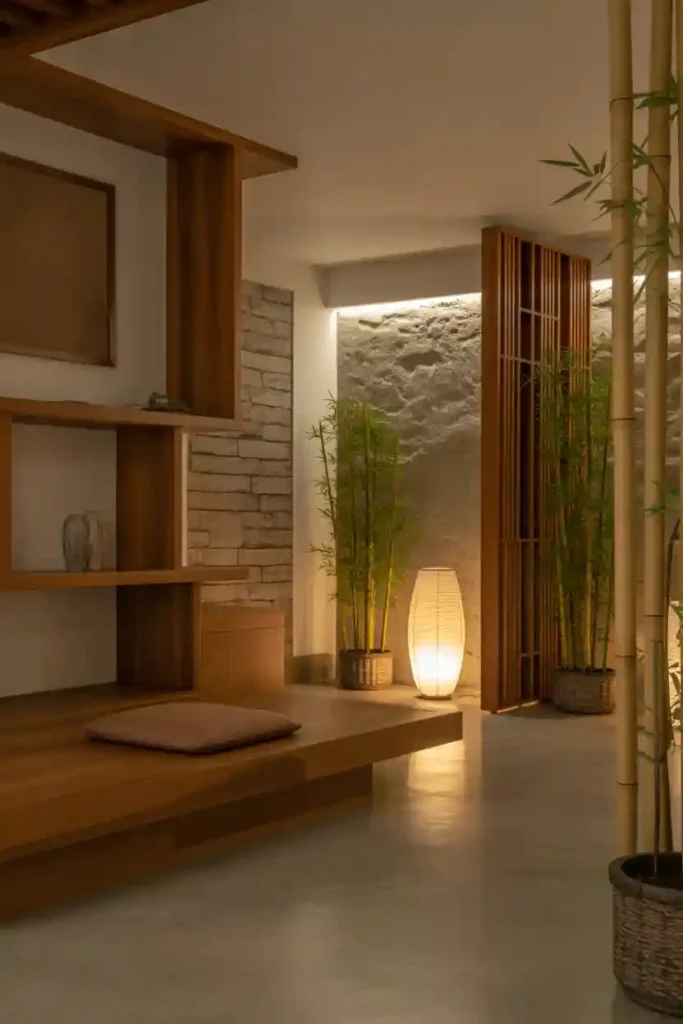
Natural materials are essential to Zen-inspired design and help create a grounding, peaceful environment. Wood, stone, bamboo, and linen bring warmth and organic beauty into a basement space. A wooden coffee table, bamboo shelving, or stone accents instantly connect the room to nature, which is a core principle of Zen philosophy.
These materials add texture without overwhelming the senses. Keeping finishes matte rather than glossy enhances the calming effect. Natural materials also age beautifully, adding character over time. When used intentionally, they create a tactile experience that feels comforting and authentic. Incorporating nature indoors transforms the basement into a restorative retreat rather than a forgotten lower level.
Read Also: 13 Small Bedroom Decor Ideas That Feel Spacious
3. Keep Furniture Low and Minimal

Low-profile furniture supports the Zen principle of grounding and openness. Seating closer to the floor creates a relaxed, informal atmosphere that encourages mindfulness and rest. Choose simple sofas, floor cushions, low benches, or platform seating with clean lines.
Avoid bulky or oversized furniture that can overwhelm the space. Minimal furniture placement also improves flow and allows the basement to feel open and uncluttered. Each piece should serve a clear purpose and contribute to comfort. When furniture stays low and intentional, the room feels calmer, more balanced, and easier to relax in.
4. Create Soft, Layered Lighting
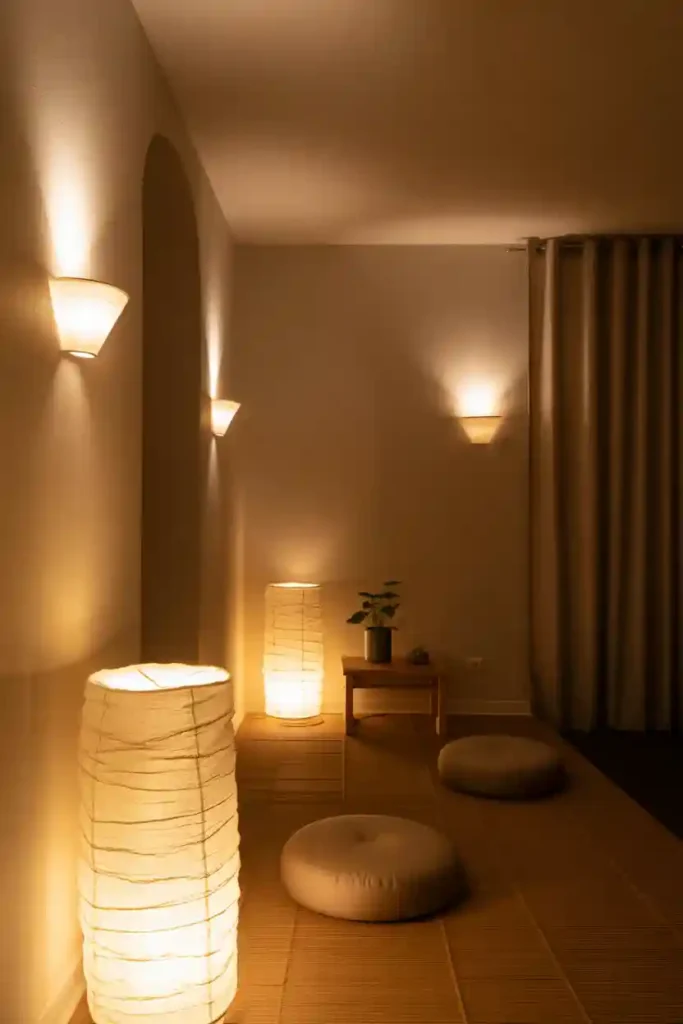
Lighting is one of the most important elements in a Zen basement, especially since basements often lack natural light. Instead of relying on a single overhead fixture, use layered lighting to create a warm and calming atmosphere. Floor lamps, table lamps, wall sconces, and hidden LED strips work together to softly illuminate the space without harsh glare.
Warm-toned bulbs help relax the eyes and set a peaceful mood. Dimmable lighting is ideal, allowing you to adjust brightness based on whether you’re meditating, reading, or simply unwinding. Indirect lighting also reduces strong shadows, making the basement feel more inviting and serene. Thoughtfully layered light transforms the space into a quiet retreat where the mind can slow down and fully relax.
5. Add a Dedicated Meditation or Yoga Area

A Zen basement is the perfect place to create a dedicated meditation or yoga area away from daily distractions. Even a small corner can become a peaceful practice space when designed intentionally. Use a simple yoga mat, floor cushions, or a low bench to define the area without clutter.
Keep the color palette neutral and the decor minimal so the focus remains on breathing and movement. Soft lighting and natural textures enhance concentration and relaxation. Having a designated space encourages regular mindfulness practice and reinforces the basement’s role as a calm retreat. This area becomes a sanctuary for mental clarity, stress relief, and quiet reflection.
6. Embrace Minimal Decor
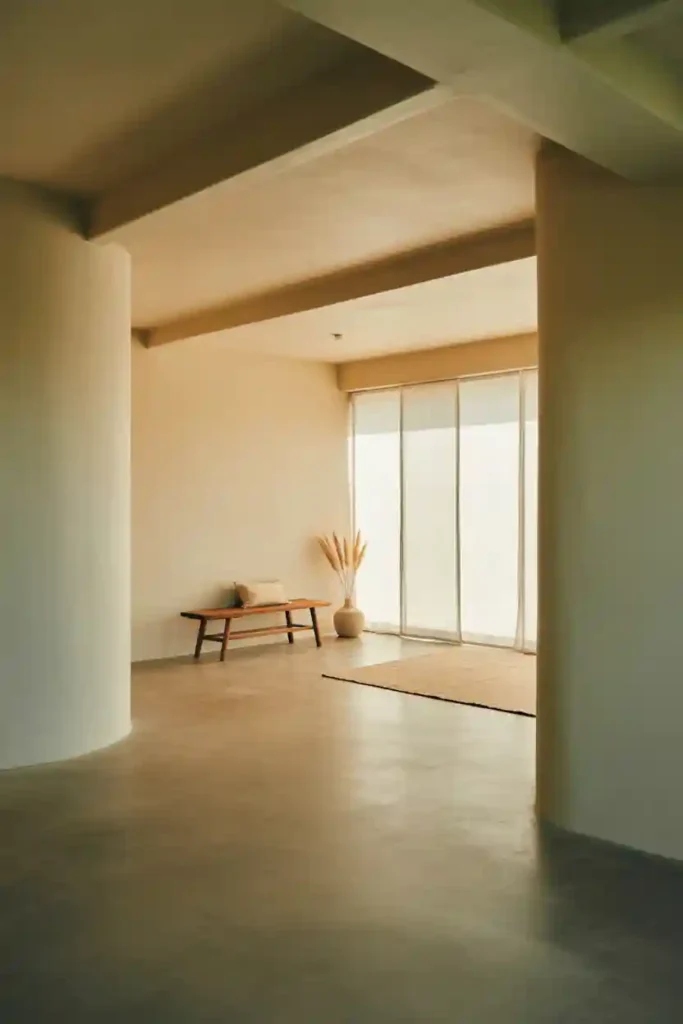
Minimal decor is at the heart of Zen design and plays a major role in creating a calm basement retreat. Instead of filling the space with decorative items, choose only a few meaningful pieces that add beauty without distraction. A single ceramic vase, a small sculpture, or a subtle piece of artwork can be enough to enhance the room.
Empty space is intentional in Zen design and allows the mind to rest. Avoid busy patterns, bold colors, or overcrowded shelves. When decor is minimal and purposeful, the basement feels balanced, uncluttered, and peaceful. This simplicity encourages mindfulness and helps the space truly function as a place of calm.
7. Use Natural Textiles for Comfort
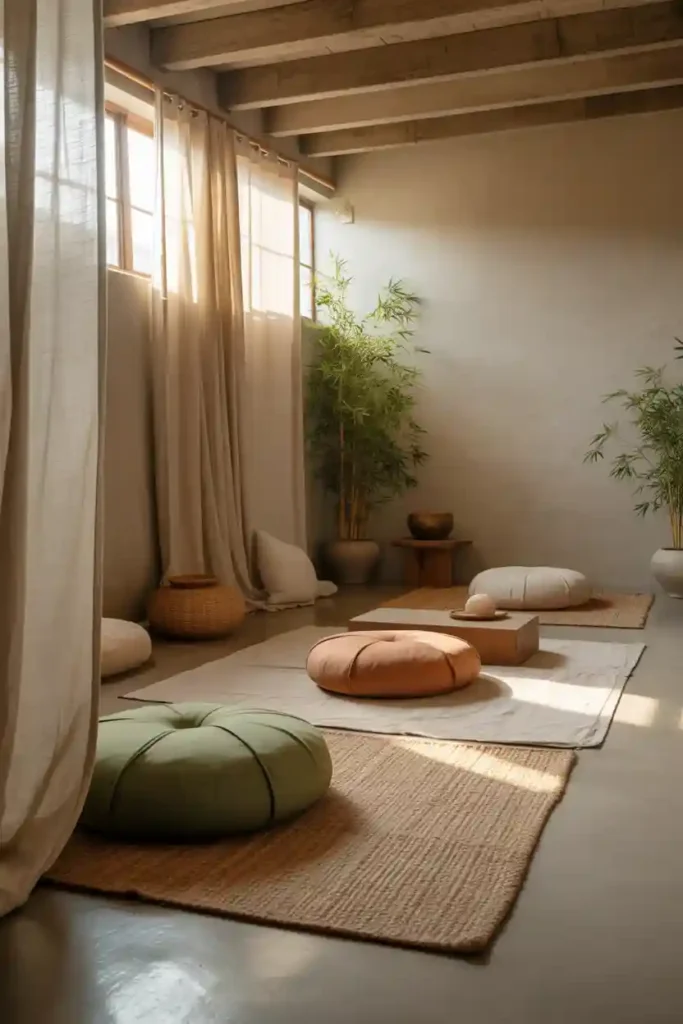
Natural textiles play a quiet but powerful role in creating a Zen basement retreat. Materials like linen, cotton, wool, and jute add warmth and softness without disturbing the minimalist aesthetic. Linen curtains gently diffuse light, while wool or cotton rugs soften the floor and absorb sound, making the space feel quieter and more peaceful. Floor cushions, meditation pillows, or simple throws introduce comfort while keeping the design grounded and natural.
Stick to neutral or earthy tones to maintain harmony and avoid visual clutter. These textures help create a sensory balance—soft to the touch, calming to the eye, and comforting to the body. By layering natural textiles thoughtfully, the basement becomes a cozy yet uncluttered environment that invites rest, mindfulness, and slow living.
8. Incorporate Indoor Plants

Indoor plants are a key element in Zen design because they bring life, balance, and a direct connection to nature. In a basement setting, plants help soften hard surfaces and add freshness to the space. Choose low-maintenance varieties such as snake plants, peace lilies, bamboo palms, or pothos, which can thrive in lower light conditions.
Use simple ceramic or stone planters to keep the look clean and cohesive. Even a few well-placed plants can dramatically shift the atmosphere, making the basement feel more vibrant yet calming. Greenery also improves air quality and promotes a sense of renewal and mindfulness. When used intentionally, plants transform a Zen basement into a living, breathing retreat.
9. Keep the Layout Open and Balanced
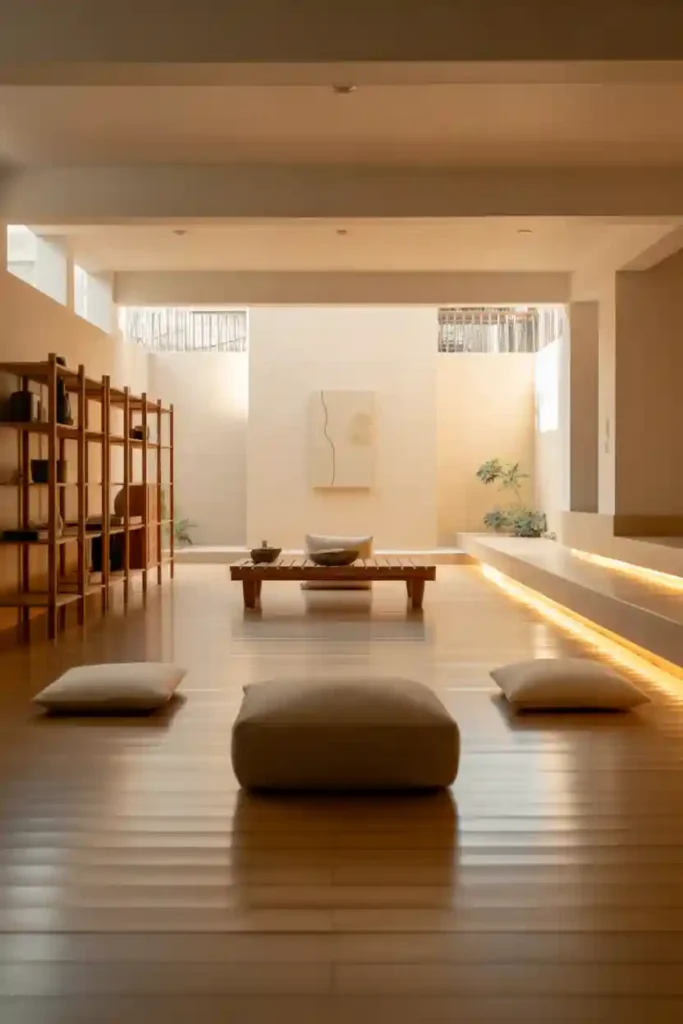
An open, balanced layout is essential for maintaining a sense of calm in a Zen basement. Avoid overcrowding the room with furniture or placing items in ways that interrupt flow. Instead, arrange furniture with purpose, allowing clear pathways and open areas. Balance doesn’t require perfect symmetry—rather, it’s about visual harmony and ease of movement.
Leaving some areas intentionally empty helps the space feel lighter and more spacious. This openness allows energy to move freely, aligning with Zen principles of balance and mindfulness. A thoughtfully planned layout supports relaxation, reduces mental clutter, and reinforces the basement’s role as a peaceful retreat.
10. Use Natural or Textured Wall Finishes

Wall finishes can quietly shape the mood of a Zen basement without overwhelming the senses. Natural or softly textured finishes such as limewash, clay plaster, subtle wood paneling, or fabric wall panels add depth while maintaining calm. These textures interact gently with light, creating a warm and grounded atmosphere that feels organic rather than flat.
Unlike bold wallpaper or high-contrast paint, textured walls offer visual interest without distraction. They also help soften sound, making the basement feel quieter and more retreat-like. Keeping colors neutral ensures harmony throughout the space. Thoughtfully chosen wall finishes make the basement feel intentional, serene, and deeply connected to nature—perfect for a Zen retreat.
11. Reduce Noise and Visual Distractions

A truly Zen basement retreat should feel quiet, both visually and acoustically. Reducing noise and distractions allows the mind to slow down and fully relax. Soft rugs, upholstered seating, and fabric wall panels help absorb sound and reduce echo, which is especially important in basements. Conceal storage to keep clutter out of sight and avoid displaying too many objects.
Hide visible cords, electronics, and unnecessary accessories to maintain a clean, calming look. When the space feels visually simple and acoustically soft, it becomes easier to focus, meditate, or unwind. Removing distractions transforms the basement into a sanctuary that supports peace and mindfulness.
12. Let Simplicity Lead the Design
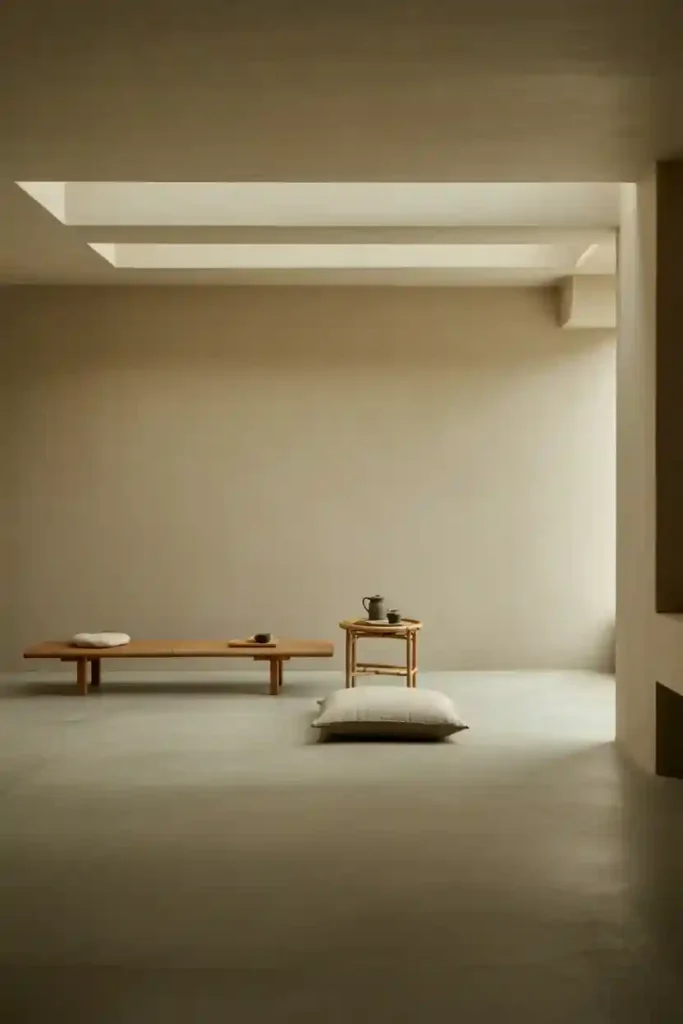
Simplicity is the heart of Zen design and the guiding principle of a calm basement retreat. Every element should serve a purpose—nothing more, nothing less. Avoid overfurnishing or overdecorating, and allow empty space to exist naturally. Simple furniture, neutral colors, and clean lines help the basement feel open and restorative.
This restraint encourages mental clarity and emotional balance. When simplicity leads the design, the basement becomes a place where you can disconnect from daily stress and reconnect with stillness. A simple space doesn’t feel unfinished—it feels intentional, peaceful, and deeply calming.
Final Words
Creating a Zen basement retreat is about more than aesthetics—it’s about designing a space that supports calm, balance, and restoration. By embracing simplicity, natural materials, soft lighting, and intentional layouts, your basement can become a quiet sanctuary away from daily noise. Each Zen element works together to reduce stress and encourage mindfulness. Whether used for meditation, yoga, or quiet relaxation, a thoughtfully designed Zen basement offers lasting peace and comfort.