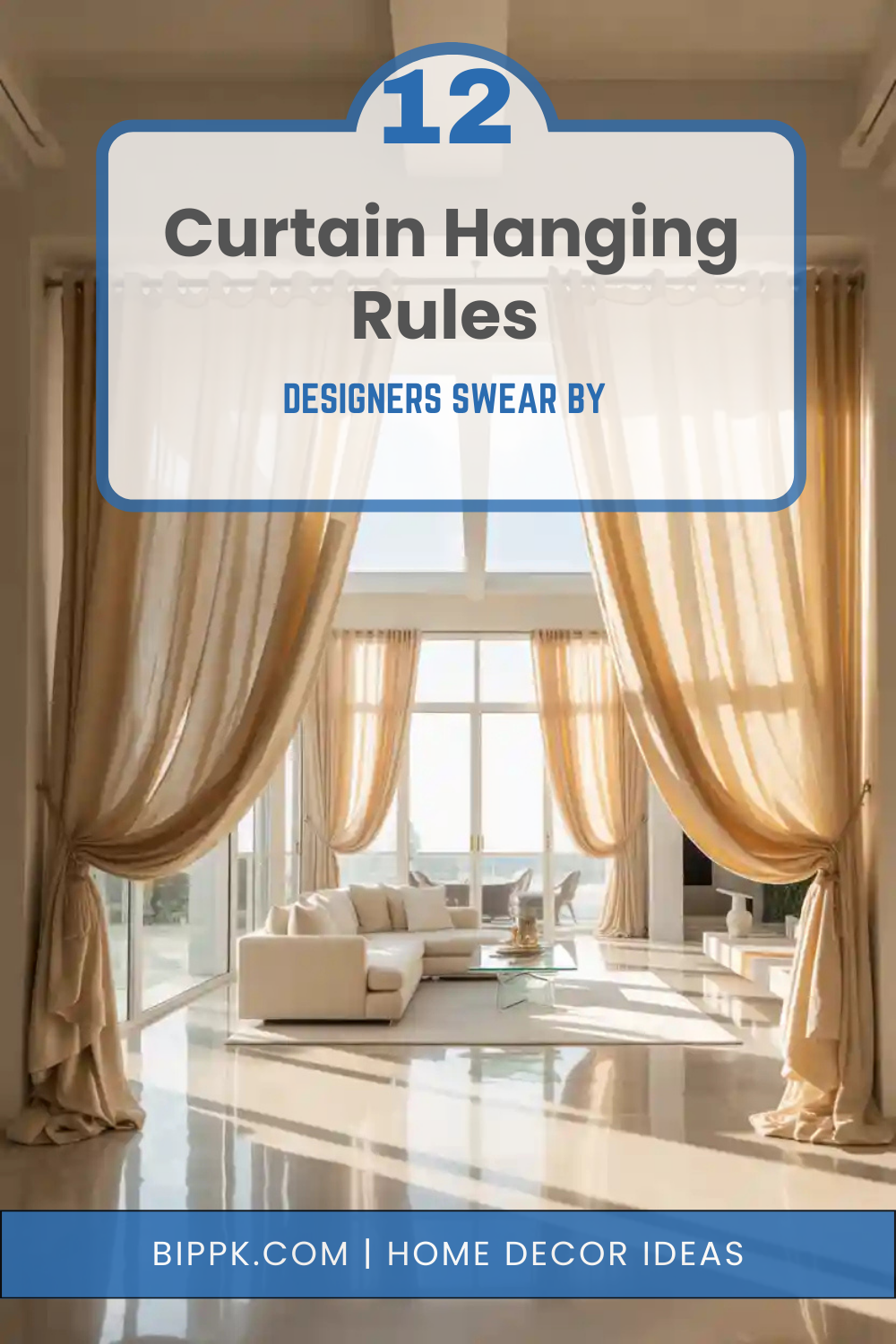
12 Curtain Hanging Rules Designers Swear By
Curtains do far more than block light or add privacy—they frame your windows, define the height of your walls, and quietly set the tone for the entire room. Designers know that even the most beautiful curtains can look wrong if they’re hung incorrectly. On the flip side, properly hung curtains can make basic rooms feel taller, brighter, and far more expensive.
The difference between average and high-end often comes down to small but intentional choices, like rod placement, fabric length, and fullness. These curtain hanging rules are the same principles interior designers rely on to create elegant, balanced spaces. Whether you’re styling a living room, bedroom, or dining area, following these guidelines will instantly elevate your home. Once you understand how designers think about curtains, you’ll never hang them the same way again—and your space will look noticeably more refined.
1. Hang Curtains Higher Than the Window Frame
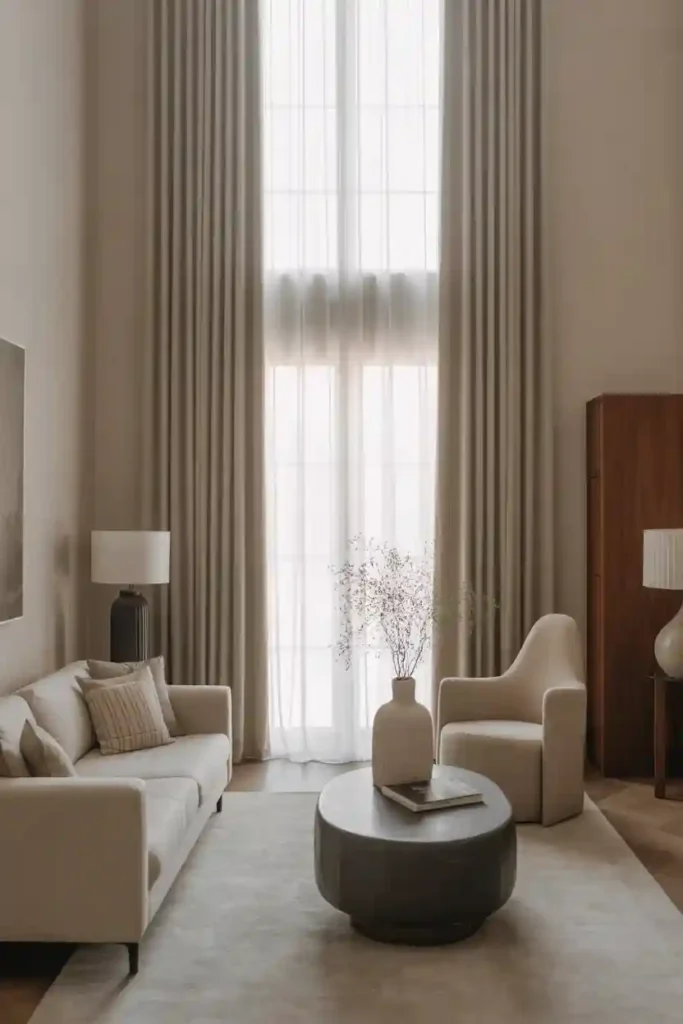
One of the most important curtain hanging rules designers swear by is mounting curtains higher than the actual window frame. Hanging rods directly above the window shortens the visual height of the room, making ceilings feel lower. Designers typically place curtain rods 6 to 12 inches above the window frame—or even closer to the ceiling when possible.
This trick draws the eye upward and creates the illusion of taller walls. Even in rooms with standard ceiling heights, this makes a dramatic difference. Higher-mounted curtains feel more architectural and intentional, which is why they’re used so often in luxury interiors. This rule works in small spaces too, helping rooms feel larger and more open. It costs nothing to implement, yet it instantly improves proportions. Once you see the difference, lower-hung curtains will always look unfinished.
2. Always Let Curtains Touch the Floor
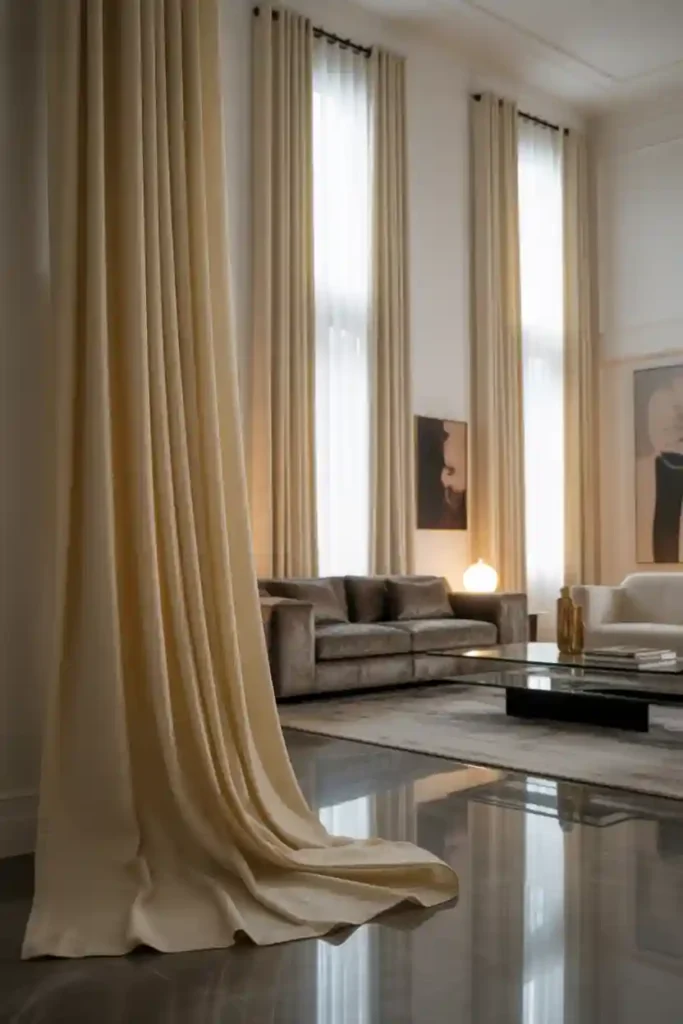
Designers almost never hang curtains that stop short of the floor. Curtains that hover above the ground can make a room feel awkward and incomplete. For a polished look, panels should either lightly kiss the floor or gently puddle depending on the style of the space. Floor-length curtains create continuity and make windows feel larger and more dramatic.
Even casual interiors benefit from this rule, as it adds softness and flow. When measuring, designers account for the exact height from rod to floor to avoid accidental “high-water” curtains. This attention to detail is what separates professional-looking rooms from average ones. If hemming is required, it’s worth the effort. Proper length ensures your curtains feel intentional, elegant, and aligned with high-end design standards.
Read also: 16 High End Home Decor Tips Without the High Cost
3. Extend Curtain Rods Beyond the Window Width
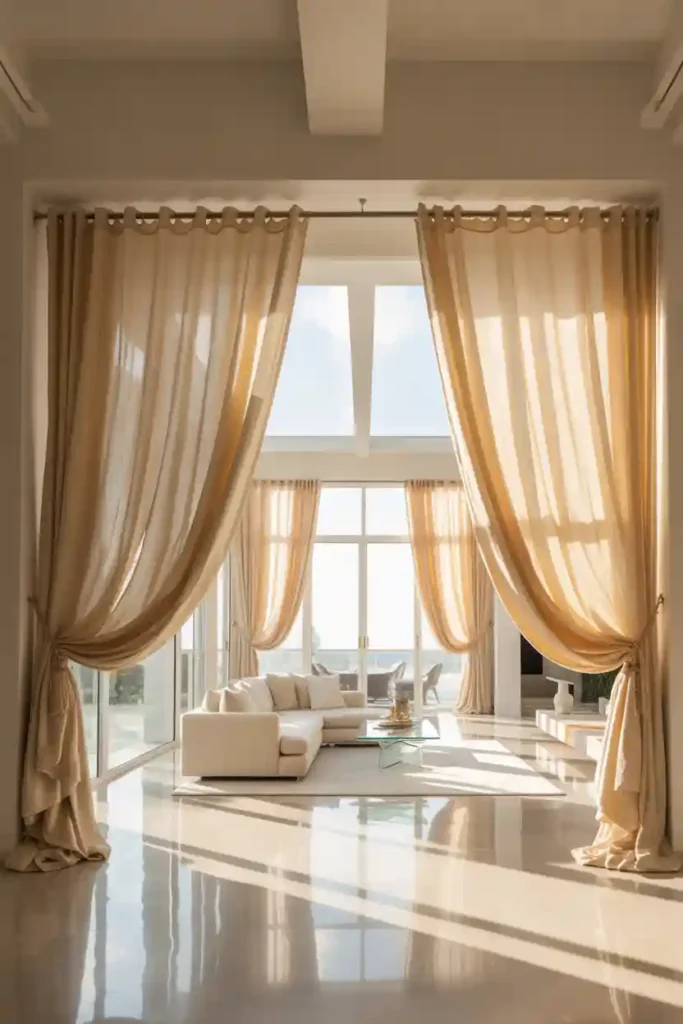
Another designer-approved rule is extending curtain rods wider than the window itself. Hanging rods several inches past each side of the window allows curtains to be pulled fully open without blocking natural light. This makes the window appear wider and more grand. Designers often extend rods 8 to 12 inches on each side, depending on wall space.
This technique also improves balance and symmetry, especially in living rooms and bedrooms. When curtains frame the window instead of covering it, the entire wall feels more expansive. It’s a subtle adjustment that dramatically changes how the space feels. Narrowly hung curtains can make windows look smaller than they are. Wider rod placement gives your windows the presence they deserve.
4. Choose the Right Curtain Fullness
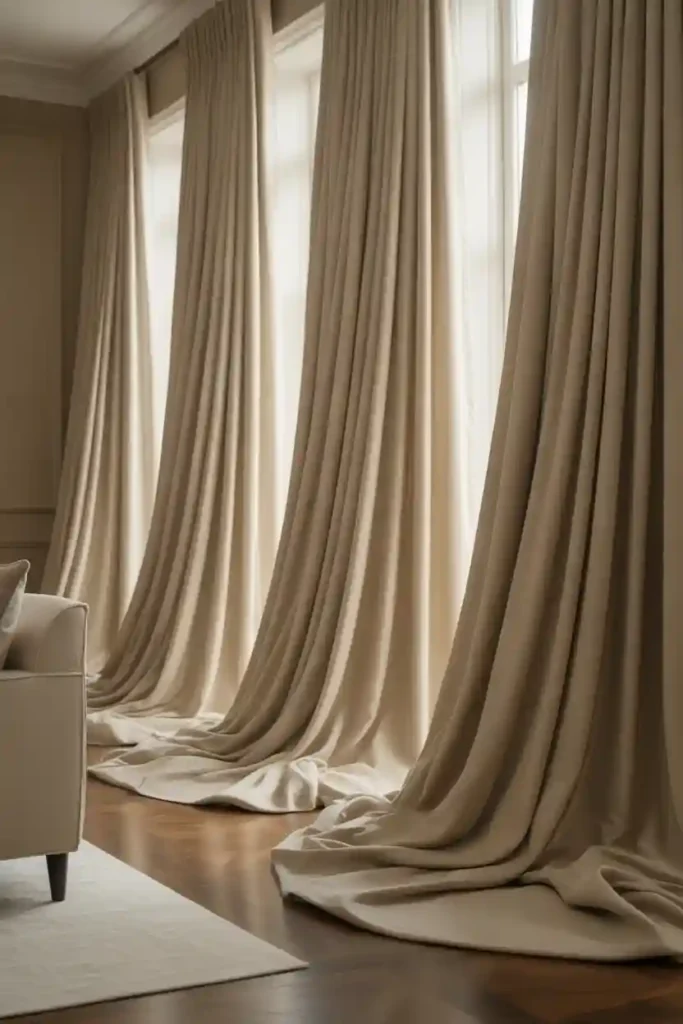
Curtain fullness plays a major role in how luxurious a room feels. Designers avoid skimpy panels that look flat or stretched. As a general rule, curtains should be at least two times the width of the window for proper fullness. This allows the fabric to fall in soft, elegant folds rather than stiff lines. Full curtains feel richer, more layered, and more intentional.
Even simple fabrics look elevated when they have enough volume. In bedrooms and formal living spaces, extra fullness adds drama and softness. Underfilled curtains can cheapen the look, no matter how nice the fabric is. Designers prioritize fullness because it brings depth and movement into the room.
5. Use Neutral Curtains for Timeless Appeal
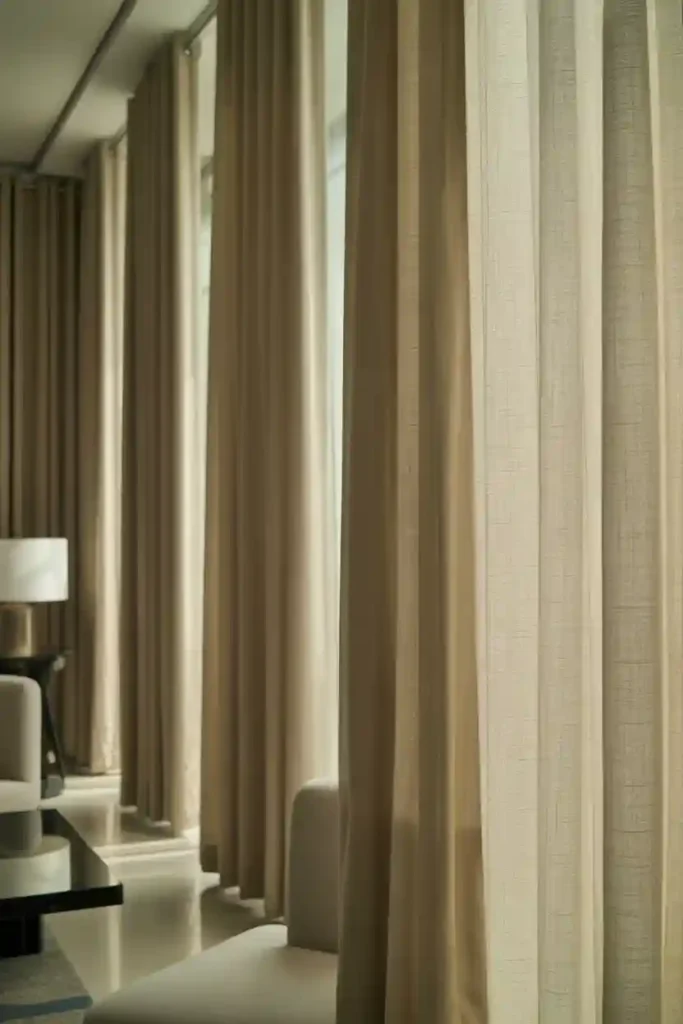
Designers often favor neutral curtain colors because they blend seamlessly with changing decor. Shades like white, ivory, beige, gray, and taupe feel timeless and refined. Neutral curtains allow other elements—like furniture, art, or rugs—to stand out without competition. They also reflect light better, helping rooms feel brighter and calmer.
While bold curtains can be fun, designers reserve them for very intentional spaces. For most homes, neutral curtains provide longevity and flexibility. This approach ensures the room doesn’t feel dated too quickly. High-end interiors focus on balance, and neutral curtains play a major role in achieving that effortless look.
6. Avoid Curtains That Are Too Short or Too Narrow
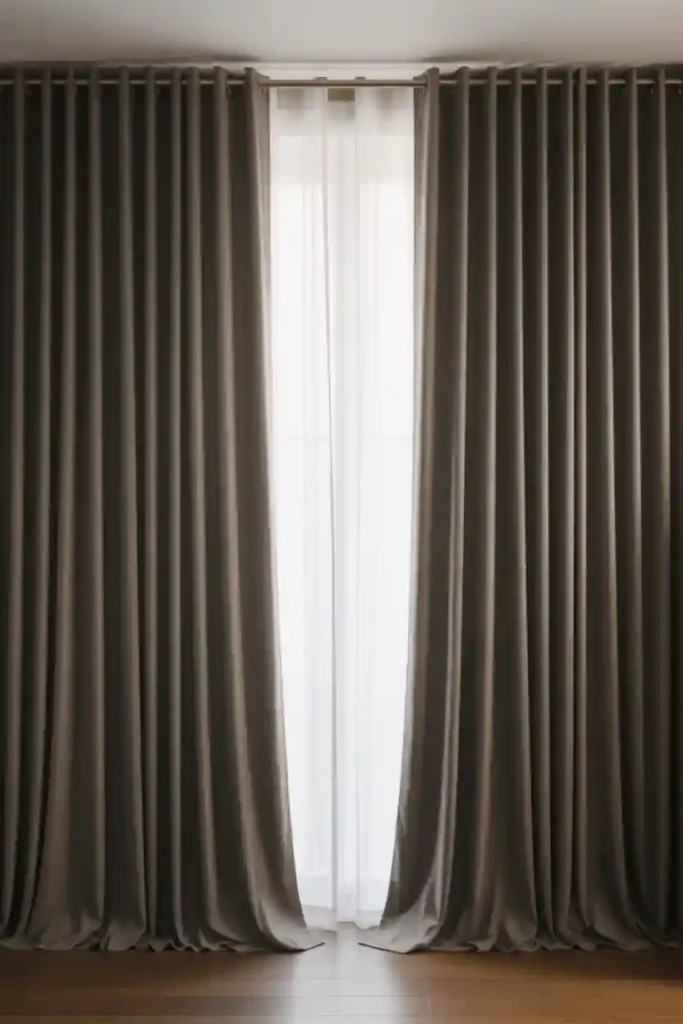
Designers immediately notice when curtains are improperly sized, and it’s one of the quickest ways a room can look unfinished. Curtains that are too short visually cut off the height of the wall, making ceilings feel lower than they actually are. Narrow panels, on the other hand, don’t provide enough coverage and end up looking stretched or skimpy.
Designers always measure carefully, ensuring curtains reach the floor and have enough width to create soft, natural folds. Proper sizing allows curtains to frame the window gracefully instead of competing with it. Even affordable curtains can look high-end when their proportions are correct. This rule reinforces the idea that precision matters far more than price. Taking the time to size your curtains correctly creates a polished, intentional look that instantly elevates the entire room.
7. Match Curtain Style to the Room’s Mood
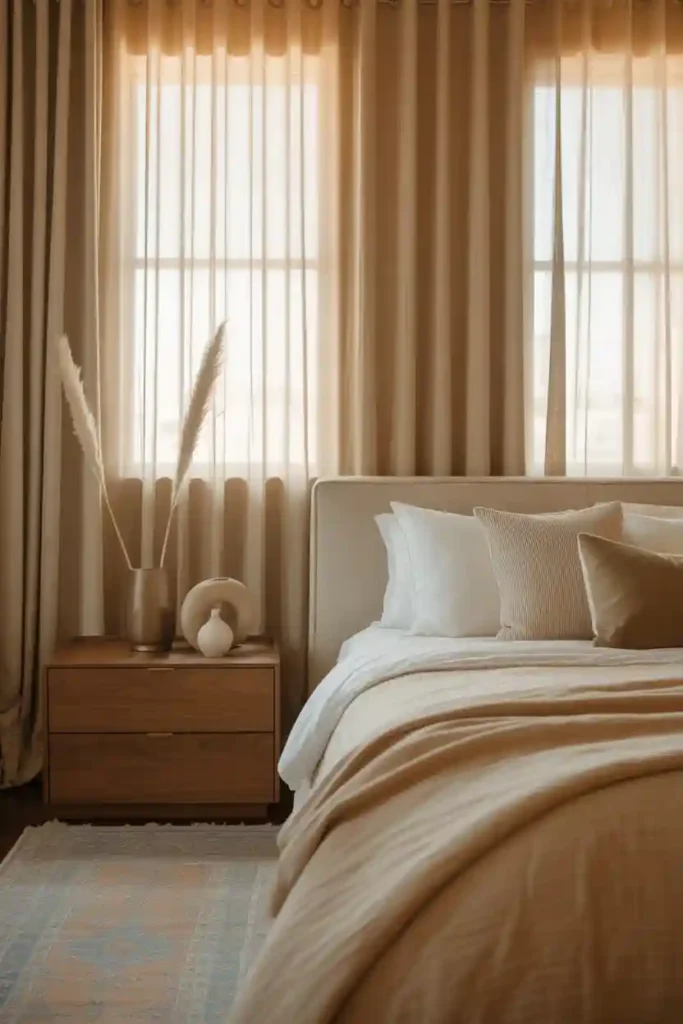
Curtains should always reflect the mood and function of the room they’re in. Designers carefully choose curtain styles that complement the space rather than distract from it. For formal areas like dining rooms or living rooms, structured pleats and heavier fabrics create a refined, elegant feel. In relaxed spaces such as bedrooms or family rooms, softer fabrics and simpler hanging styles feel more inviting.
Matching the curtain style to the room’s purpose helps maintain visual harmony. A mismatch—like overly dramatic curtains in a casual space—can feel out of place. Designers treat curtains as an extension of the room’s architecture. When the style aligns with the overall atmosphere, the space feels cohesive, thoughtful, and professionally designed.
8. Use Quality Hardware for a Finished Look
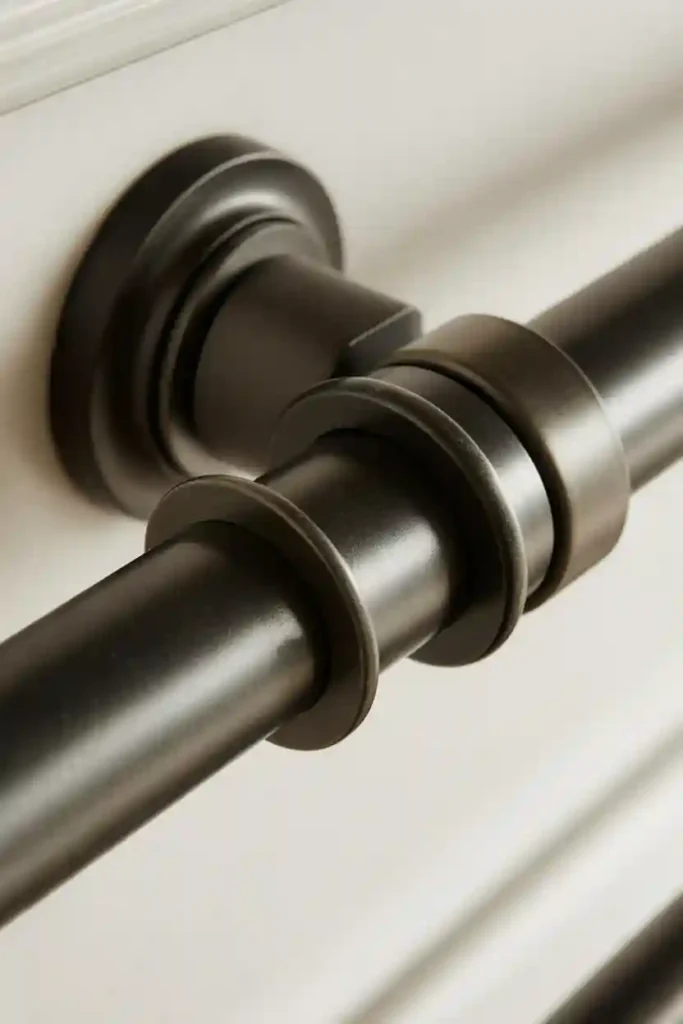
Curtain hardware plays a much bigger role than most people realize. Designers avoid thin, flimsy rods because they can bend, sag, and cheapen the overall appearance of the window. Instead, they choose sturdy rods with clean finishes such as matte black, brushed brass, or brushed nickel. Quality hardware helps curtains hang properly and adds visual weight to the window treatment.
The rod, brackets, and finials should complement the room’s style without stealing attention. When hardware is thoughtfully chosen, the entire setup looks intentional and complete. Even simple curtain panels look elevated when paired with well-made hardware. This detail is one of the subtle touches designers rely on to achieve a truly polished, high-end result.
9. Keep Curtain Panels Simple and Uncluttered
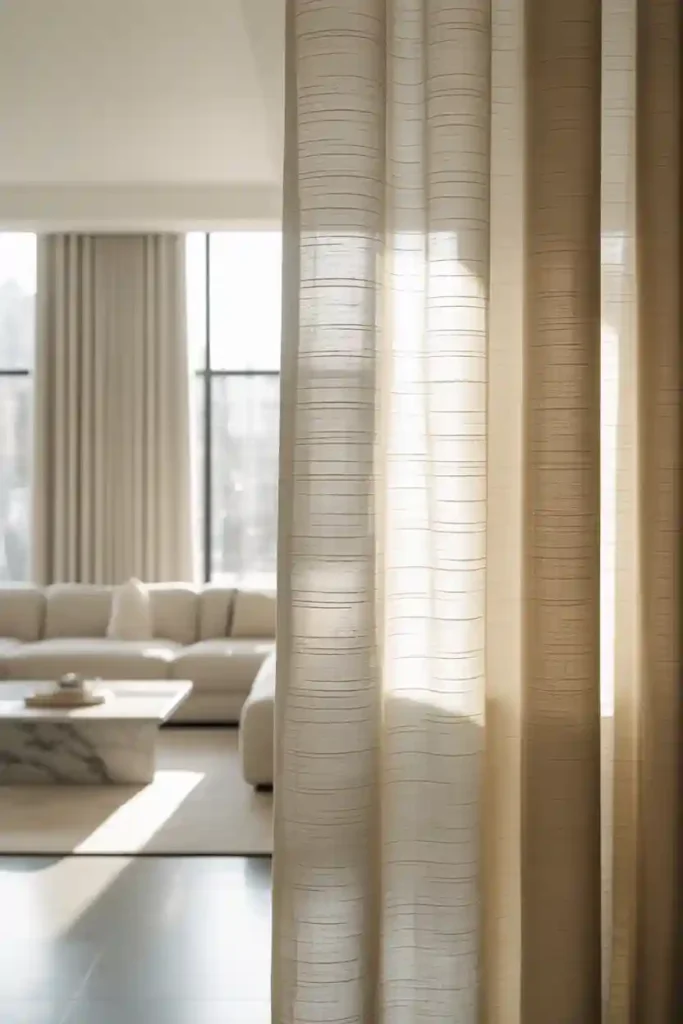
Designers almost always lean toward simple curtain panels because they create a cleaner, more timeless look. Overly decorative curtains with heavy patterns, tassels, or ruffles can quickly overwhelm a space and make it feel dated. Simple panels allow the room’s architecture and furnishings to take center stage. Subtle textures like linen, cotton blends, or lightly woven fabrics add depth without visual noise.
This simplicity also makes curtains easier to style with different decor changes over time. When curtain panels are uncluttered, they hang better and feel more refined. Designers use restraint intentionally, knowing that elegance often comes from what’s left out. Clean, straightforward curtains bring a sense of calm and sophistication that instantly elevates the room.
10. Layer Curtains with Sheers When Possible
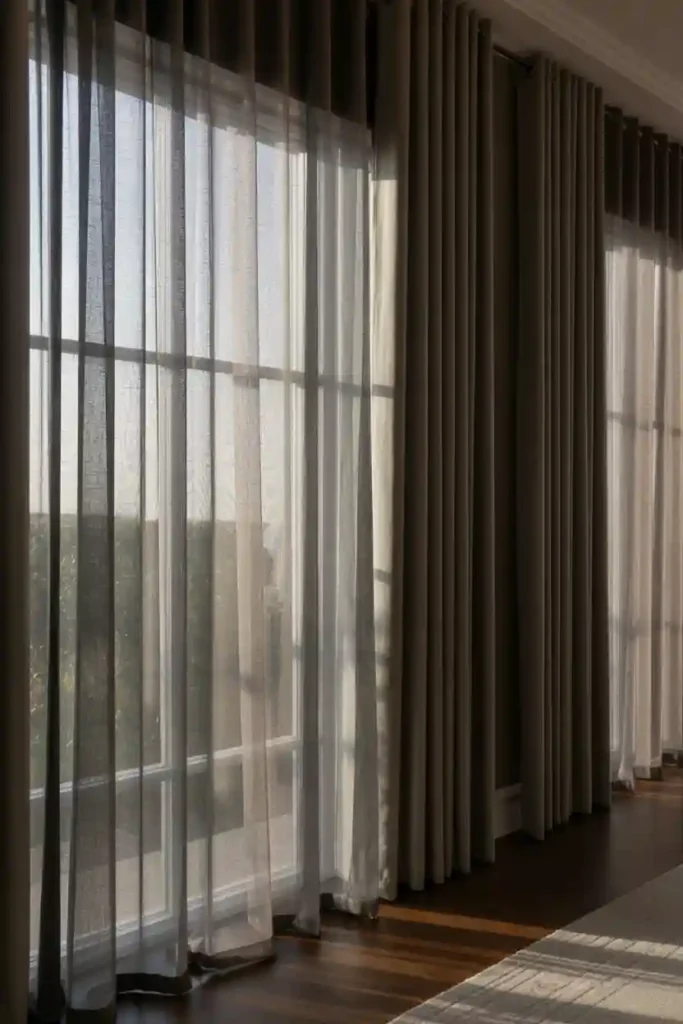
Layering curtains is a classic designer trick that adds depth, softness, and versatility. Sheer panels allow natural light to filter through during the day while still providing privacy. Heavier curtains can then be closed at night for darkness and insulation. This layered approach creates a luxurious, hotel-inspired feel that designers often use in bedrooms and formal living areas.
Layering also adds dimension to the window, making it feel more substantial and finished. Even when both layers are neutral, the contrast between light and heavier fabrics creates visual interest. Designers rely on this technique to make rooms feel cozy yet refined. It’s a simple way to enhance both function and style.
11. Keep Curtains Consistent Within Open Spaces
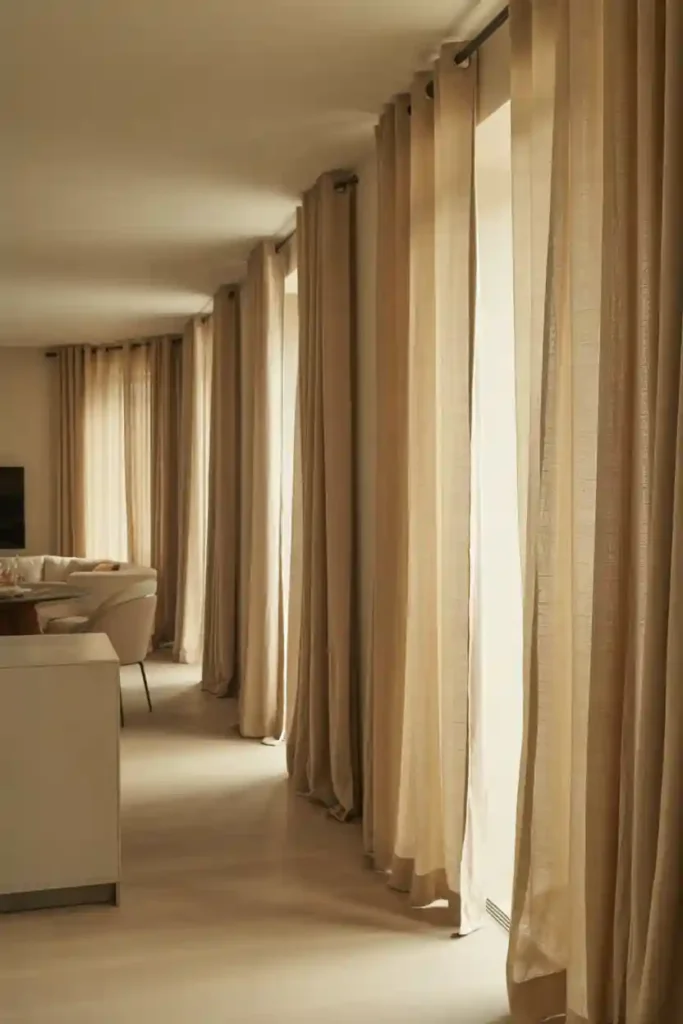
In open-plan homes, designers prioritize visual flow, and curtain consistency plays a big role in that. Using the same curtain color, fabric, or style across connected spaces helps maintain harmony. Mixing too many curtain designs in one open area can feel disjointed and distracting. Designers often treat open spaces as one large room rather than separate zones.
Consistent curtains help unify the space while still allowing individual areas to shine. This doesn’t mean everything has to match perfectly, but there should be a clear visual relationship. When curtains work together across an open layout, the home feels calmer, more intentional, and professionally designed.
12. Steam or Press Curtains for a Polished Finish

Designers never consider curtains complete until they’re perfectly smooth. Wrinkles, creases, or uneven hems can instantly undo all the effort put into choosing the right fabric and hanging height. Steaming or pressing curtains allows the fabric to fall naturally and evenly, enhancing the softness and elegance of the panels.
Smooth curtains reflect light better and make the entire room feel more refined. This step is especially important for linen or cotton fabrics, which tend to wrinkle easily. Designers often steam curtains while they’re already hanging so the folds settle correctly. It’s a simple habit, but one that separates professionally styled spaces from unfinished ones. This final touch ensures your curtains look intentional, luxurious, and beautifully put together.
Final Words
Curtains may seem like a small detail, but designers know they have a huge impact on how a room feels. When hung correctly, curtains can make ceilings look taller, windows feel wider, and spaces appear more balanced and elegant. These curtain hanging rules focus on proportion, simplicity, and intention—the same principles used in high-end interiors.