12 Decor Mistakes To Avoid That Ruin a Room
Designing a room that feels both stylish and comfortable requires more than just picking beautiful furniture or trendy colors—it’s about balance, proportion, and thoughtful choices. Even small missteps in décor can unintentionally make a space feel cluttered, cramped, or chaotic. From furniture placement and lighting to color schemes and accessory choices, every decision impacts how a room is experienced.
Understanding common pitfalls can save time, money, and frustration while helping you create a space that truly shines. Avoiding décor mistakes isn’t about limiting creativity; it’s about making strategic choices that enhance flow, comfort, and visual harmony. Whether you’re redecorating a bedroom, living room, or any other space, being aware of potential errors ensures your room feels polished, inviting, and cohesive. In this guide, we explore 12 decor mistakes to avoid that ruin a room, with practical tips, solutions, and visual prompts to inspire better design decisions.
1. Overcrowding the Space
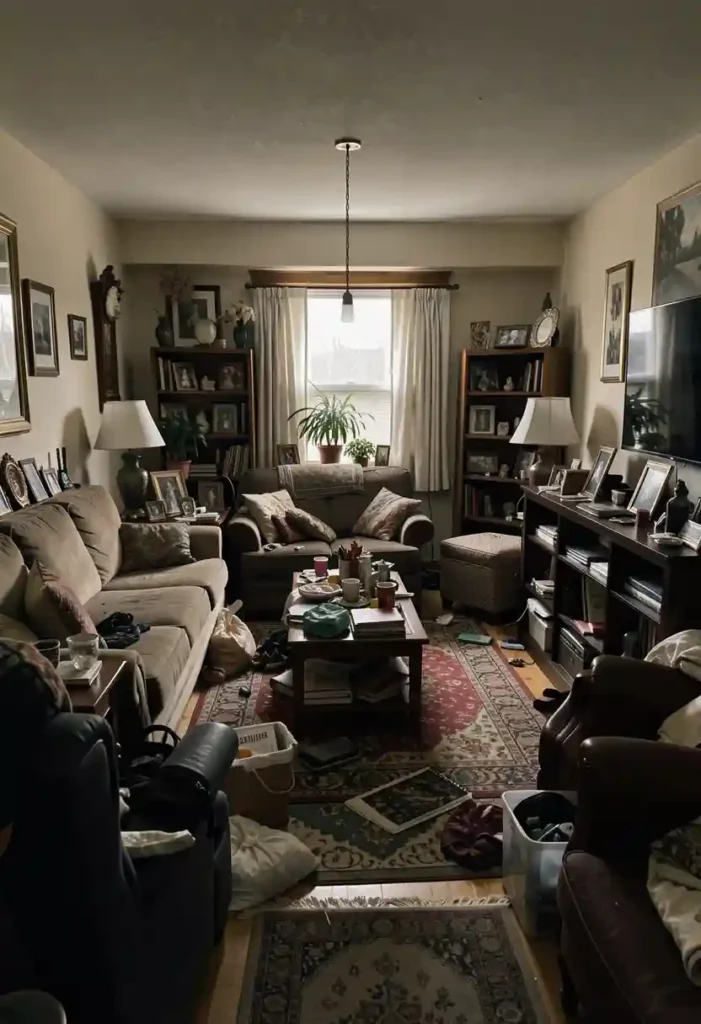
One of the most common décor mistakes that can ruin a room is overcrowding it with too much furniture or decorative items. Filling every inch of a room may seem like a way to showcase style or collections, but it often results in a cramped, chaotic, and visually overwhelming space. Overcrowding limits movement, blocks natural light, and prevents key pieces from standing out.
To avoid this, focus on selecting essential furniture that suits the room’s size and function, and leave breathing room around each piece. Use multi-functional furniture, like storage ottomans or nesting tables, to maximize utility without adding clutter. When decorating, follow the “less is more” principle—curate meaningful accessories instead of filling surfaces indiscriminately. A well-spaced layout not only improves flow and functionality but also enhances the aesthetic impact of each individual item, allowing the room to feel open, organized, and inviting rather than chaotic.
2. Poor Lighting Choices
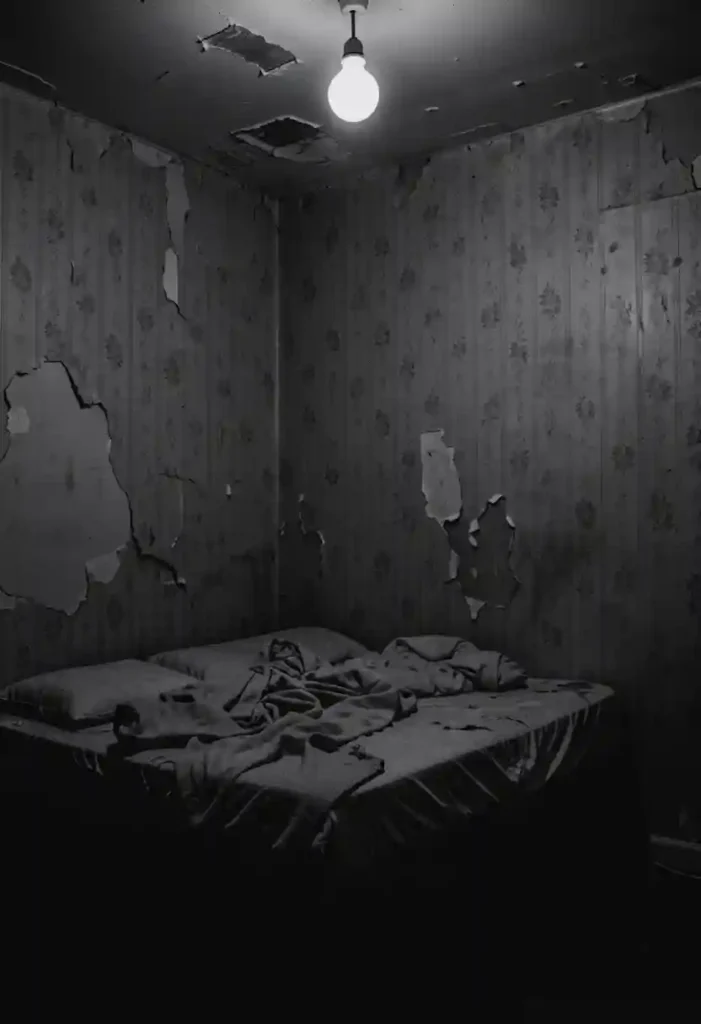
Lighting is one of the most overlooked aspects of interior design, yet it dramatically influences a room’s mood and functionality. Relying solely on harsh overhead lights can create shadows, glare, and an uninviting atmosphere, while insufficient lighting can make spaces feel gloomy and cramped. The solution is layering light: combine ambient lighting, task lighting, and accent lighting to balance illumination throughout the room.
For example, pair ceiling lights with floor lamps, table lamps, or wall sconces to highlight specific areas like reading corners or artwork. The color temperature also matters—warm lights create a cozy, welcoming vibe, while cooler tones suit workspaces or bathrooms. Choosing dimmable lights allows you to adjust brightness according to the time of day and mood. Proper lighting not only enhances aesthetics but also ensures comfort, practicality, and visual appeal, making your space feel polished and inviting.
3. Ignoring Scale and Proportion
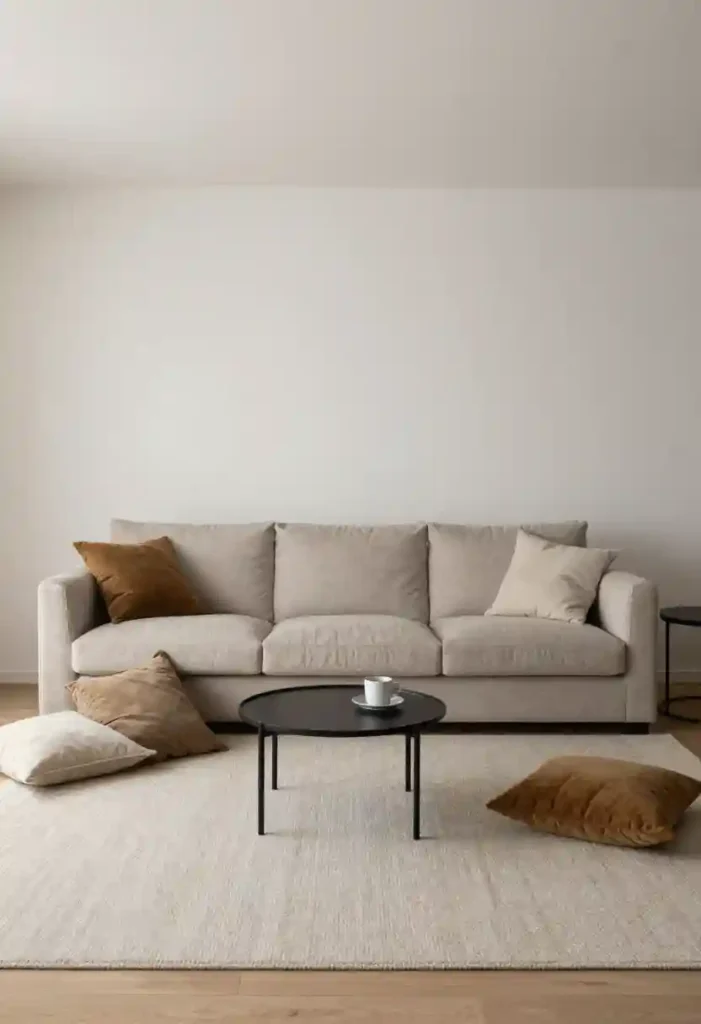
One of the biggest décor mistakes is using furniture or décor that is out of scale with the room. A massive sofa in a small living room can overwhelm the space, making it feel cramped, while tiny furniture in a large room can seem lost and disconnected. Similarly, oversized artwork or rugs that don’t match the room’s dimensions can disrupt balance.
To avoid this, measure your space carefully before purchasing, and consider how pieces interact visually. Aim for harmony: furniture should leave enough breathing room, rugs should anchor seating areas without dominating the floor, and accessories should complement rather than overpower. Proper scale ensures flow, comfort, and a cohesive look. By respecting proportion, your room will feel intentional, balanced, and aesthetically pleasing rather than chaotic or awkward.
Read Also: 11 Bathroom Wall Art Ideas That Elevate the Space
4. Clashing Color Schemes
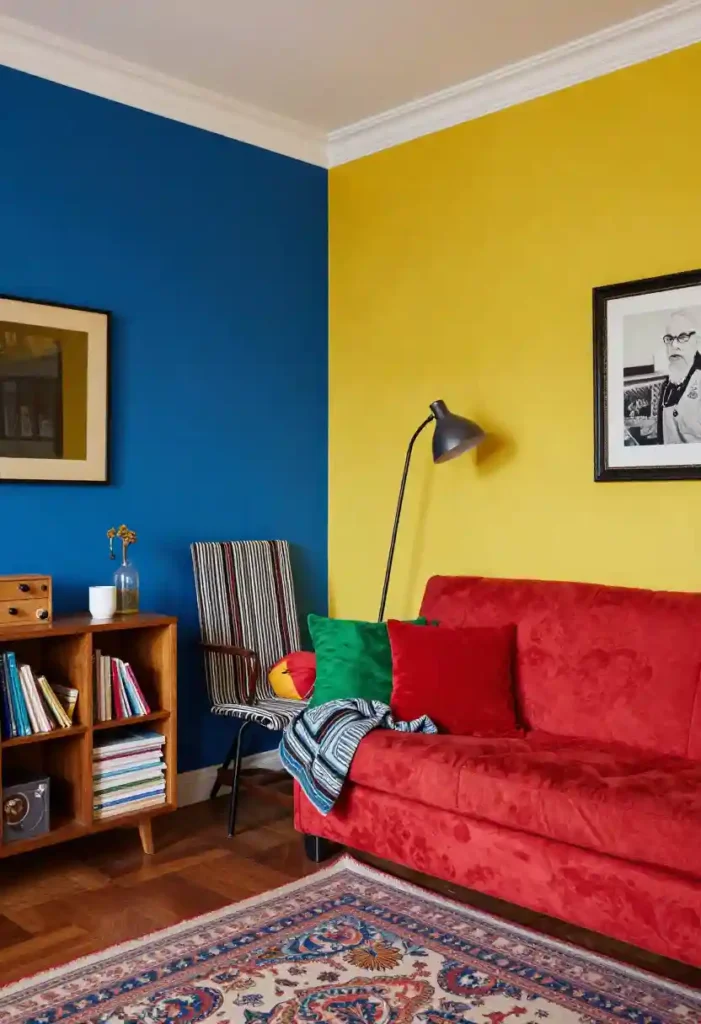
Color sets the tone of a room and influences mood, so mismatched hues can make a space feel chaotic, uncomfortable, or disjointed. Using colors that clash—or combining too many bold shades without balance—can overwhelm the eye and ruin visual harmony. Instead, choose a cohesive palette with a primary color, secondary accents, and neutral tones to maintain balance. For patterned items, ensure colors coordinate rather than compete.
Even small accessories like pillows or rugs should echo the room’s palette. Color mistakes often occur when trends are blindly followed or when multiple sources of inspiration are combined without planning. By thoughtfully selecting and testing colors in natural and artificial lighting, you can ensure your room feels cohesive, calming, and visually appealing. Well-executed color schemes create unity and flow, transforming a chaotic space into a polished, harmonious environment.
5. Overusing Trendy Items
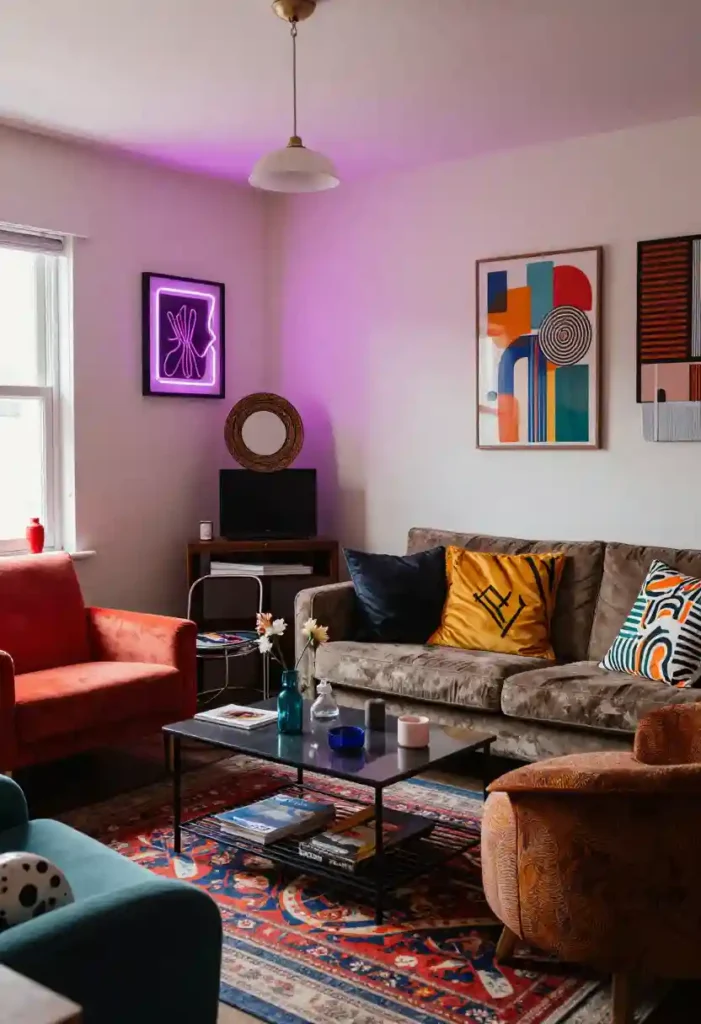
Trendy décor items can instantly make a room feel modern and stylish, but relying too heavily on them can backfire. Overuse of fads—like neon accents, bold patterns, or novelty furniture—can quickly date a room, making it feel chaotic or temporary rather than timeless. The key is balance: mix trendy pieces with classic or neutral elements to maintain longevity while keeping the space fresh.
For example, pair a statement geometric rug with a neutral sofa, or combine a bold accent wall with understated furniture. Another tip is to limit trends to small, easily replaceable items such as throw pillows, vases, or artwork. By thoughtfully integrating trends without overwhelming the room, you can achieve a stylish, current look that won’t feel outdated in a few months. Proper balance ensures your décor feels curated, intentional, and adaptable over time.
6. Neglecting Focal Points
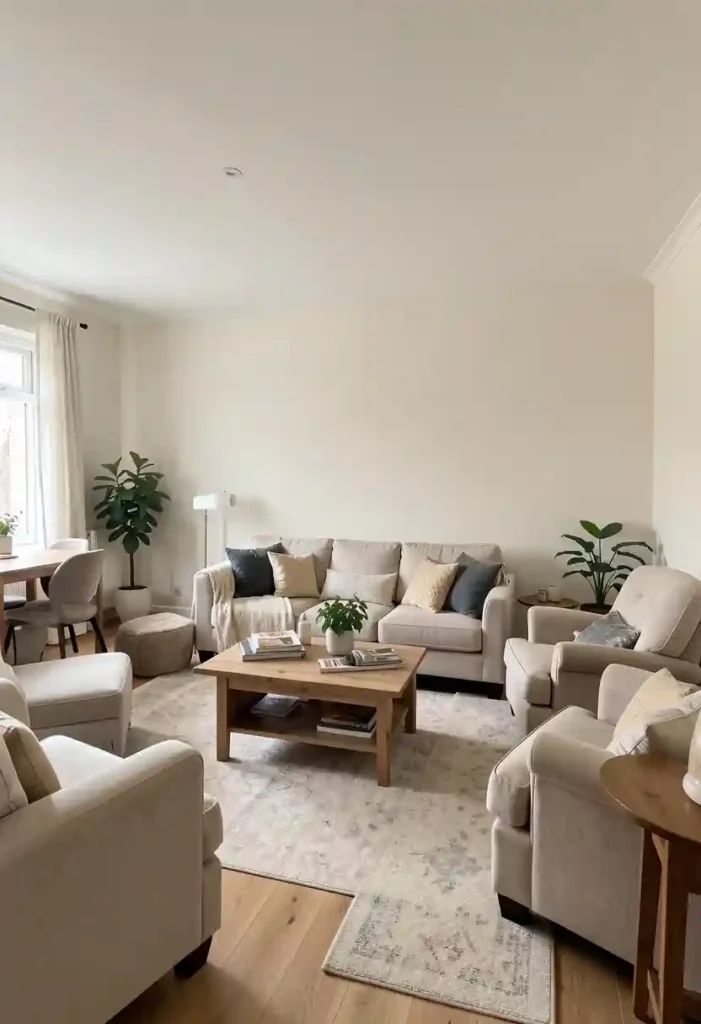
A room without a clear focal point can feel aimless, unbalanced, and visually confusing. The focal point is what draws the eye and anchors the space, whether it’s a statement wall, a piece of artwork, a fireplace, or a prominent piece of furniture. Without it, even well-chosen furniture and accessories can feel disconnected. To create a strong focal point, identify the room’s main feature or purpose and build around it. For example, in a living room, position the sofa facing a dramatic piece of art or a fireplace.
In a bedroom, the bed often serves as the focal point, enhanced with textured bedding, headboards, or wall décor. Ensure surrounding décor supports rather than competes with the focal element. Properly establishing a focal point enhances visual flow, guides attention, and gives the room a sense of structure and harmony, preventing a disorganized or cluttered feel.
7. Forgetting Functionality
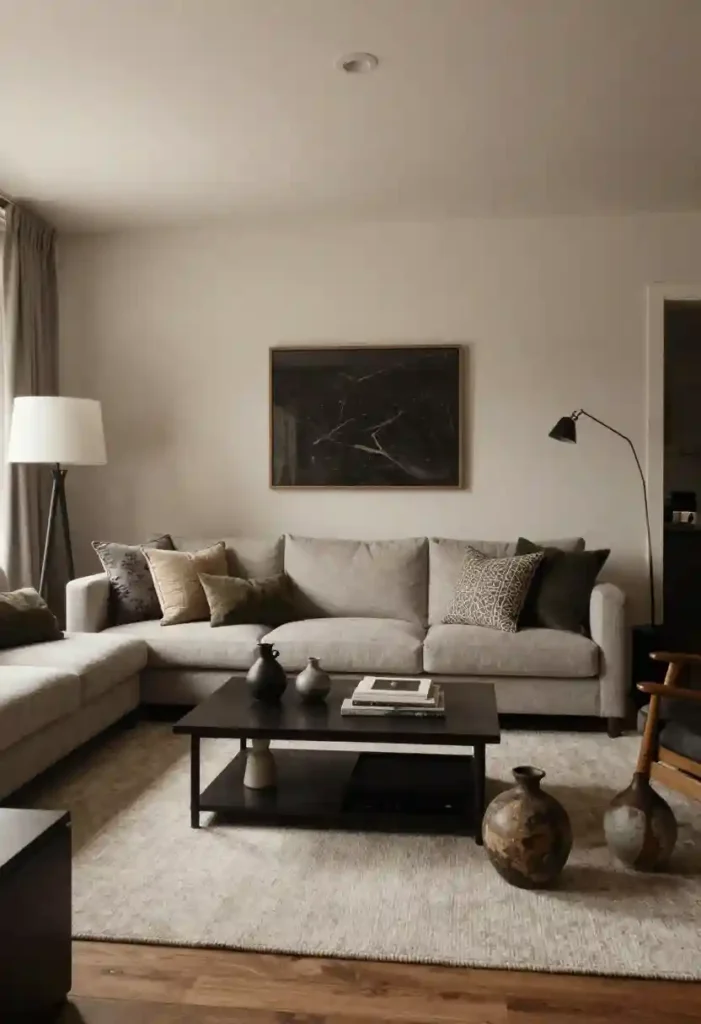
A beautiful room that doesn’t work for everyday life quickly becomes frustrating, no matter how stylish it looks. Neglecting functionality is a common décor mistake—furniture may block walkways, storage might be inadequate, or layouts may not support daily routines. To avoid this, consider how the room will be used before purchasing or arranging furniture. For instance, ensure seating allows conversation, paths are clear, and essential items are within easy reach.
Multi-purpose furniture, like storage benches or extendable tables, can improve usability without sacrificing style. Even décor placement matters—avoid cluttering high-traffic areas or placing items in inconvenient spots. A functional room feels intuitive, comfortable, and efficient, allowing you to enjoy both aesthetics and practicality. By prioritizing usability alongside design, your space will look polished while supporting your lifestyle, making it both beautiful and livable.
8. Ignoring Texture and Layering
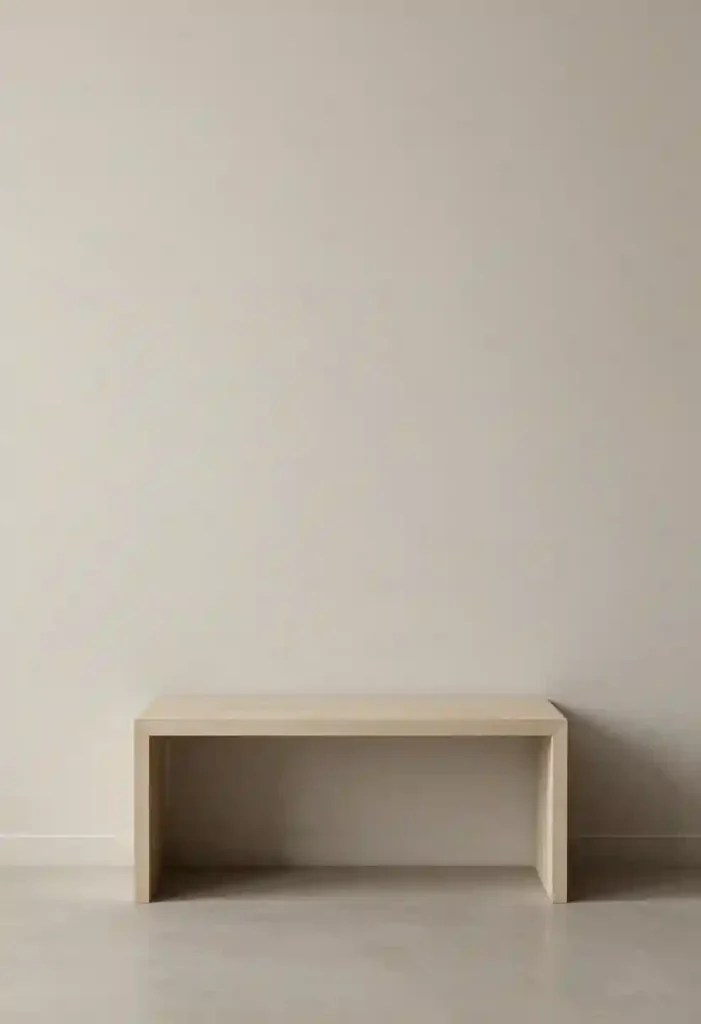
A room without texture can feel flat, cold, and uninspiring. Many décor mistakes stem from relying solely on smooth surfaces or uniform materials, which create a sterile environment. Layering textures—through rugs, curtains, throws, cushions, or wall décor—adds depth, warmth, and visual interest. For instance, a soft wool rug on hardwood floors, paired with velvet pillows and woven baskets, creates contrast and a tactile experience.
Mixing materials like metal, wood, glass, and textiles also enhances sophistication and dimension. Texture doesn’t have to be limited to furniture; walls, artwork, and decorative accessories can contribute to the layered effect. By thoughtfully incorporating texture and layering, a room becomes inviting, cozy, and visually engaging. Neglecting this principle can make even the most well-furnished spaces feel bland and lifeless, whereas a textured, layered room immediately communicates comfort, style, and attention to detail.
9. Skipping Window Treatments

Bare windows are a common mistake that can make a room feel unfinished and expose it to excessive sunlight, glare, or lack of privacy. Curtains, blinds, or shades not only control light but also frame the space, add softness, and enhance the overall décor. The right window treatment can make a room feel taller, wider, or more intimate depending on style and fabric choice. Sheer curtains provide light diffusion for airy spaces, while heavier drapes offer warmth and privacy.
Patterns, colors, and textures of window treatments should coordinate with the room’s palette and style to avoid visual discord. Additionally, using proper hardware—rods, finials, or tiebacks—can make the window a stylish feature rather than an afterthought. Ignoring window treatments leaves a room feeling incomplete and can diminish both comfort and aesthetic appeal. Properly dressed windows elevate the space, contributing to cohesion, elegance, and functionality.
10. Over accessorizing
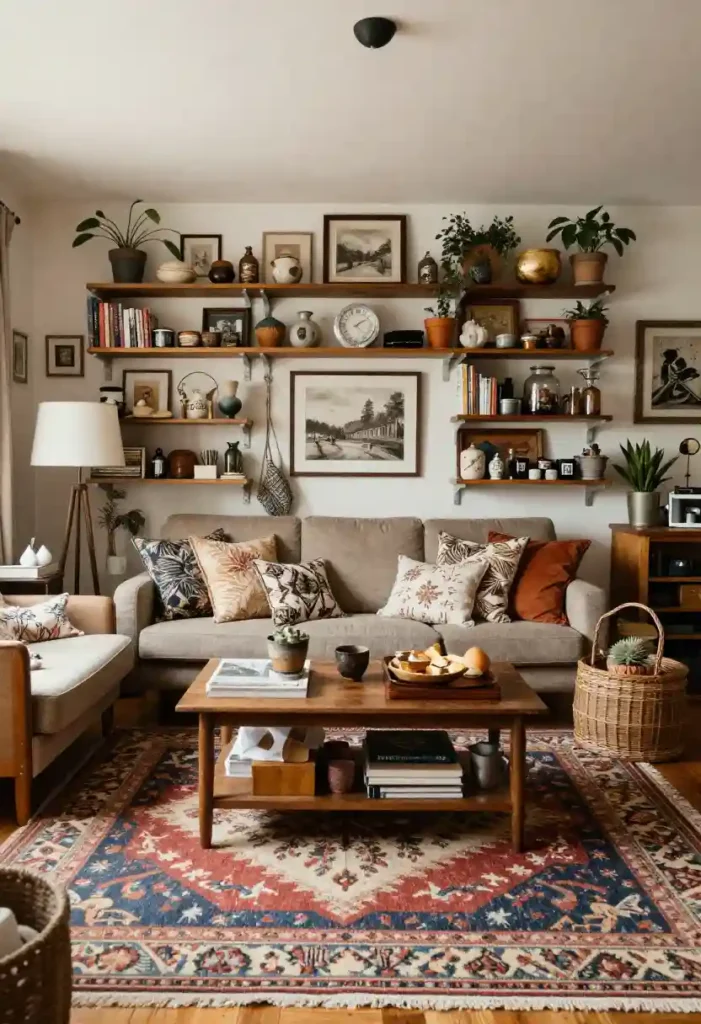
While accessories are essential for personality and charm, too many items create clutter, visual noise, and a chaotic feeling. Overaccessorizing often occurs when people try to display every piece they love without considering scale, repetition, or placement. To avoid this, curate meaningful décor and group items in odd numbers for visual balance. For example, instead of filling an entire shelf, select three to five items of varying heights and textures.
Surfaces like coffee tables, consoles, or mantels should have breathing room to prevent the space from feeling cramped. Accessories should complement the room’s theme, color palette, and focal points, not compete with them. Thoughtful accessorizing enhances style, highlights key features, and adds personality. Overcrowding surfaces, however, makes even the most luxurious interiors appear messy. Properly balanced accessories turn a room into a cohesive, inviting, and aesthetically pleasing space.
11. Poor Art Placement
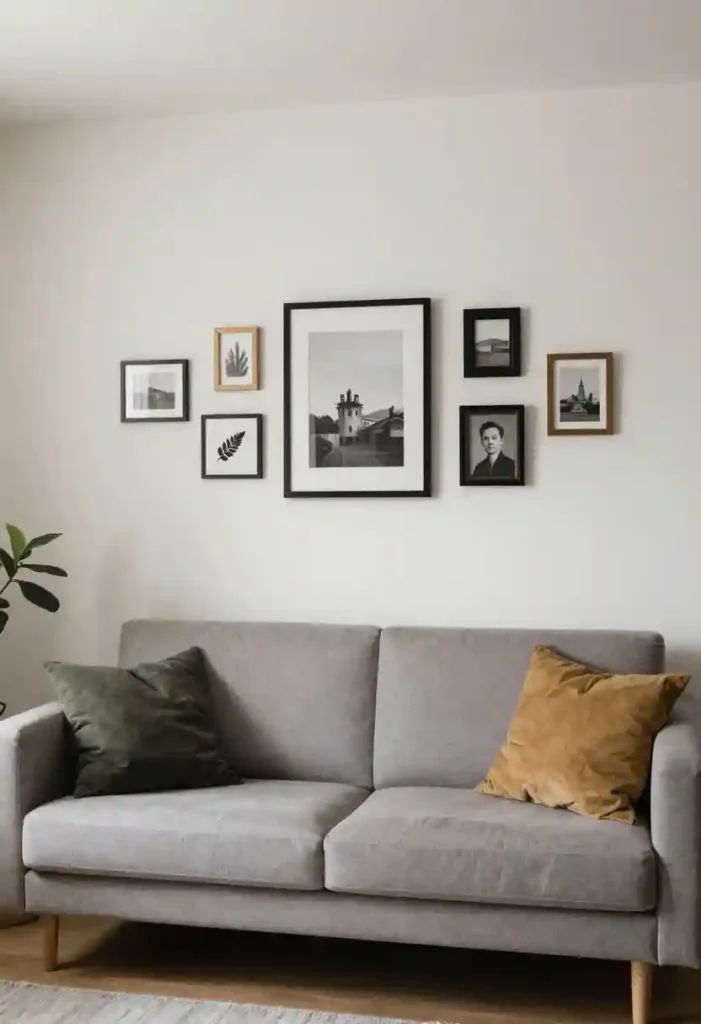
Artwork can transform a room, but poor placement can have the opposite effect, making the space feel unbalanced or awkward. Hanging art too high, too low, or without considering scale disrupts the visual flow and can make walls feel empty or cluttered. A good rule of thumb is to hang artwork at eye level, roughly 57–60 inches from the floor to the center of the piece. In groupings, maintain consistent spacing between frames to create cohesion.
Consider the surrounding furniture and wall space—the artwork should complement the pieces below it, like a sofa, console, or bed. Large pieces can anchor a room, while smaller pieces benefit from grouping. Lighting also matters; well-placed accent lighting can highlight art, enhancing its impact. Thoughtful art placement adds personality and harmony, whereas random or poorly hung pieces create visual confusion, detracting from the room’s overall appeal.
12. Ignoring Cohesion Across Rooms
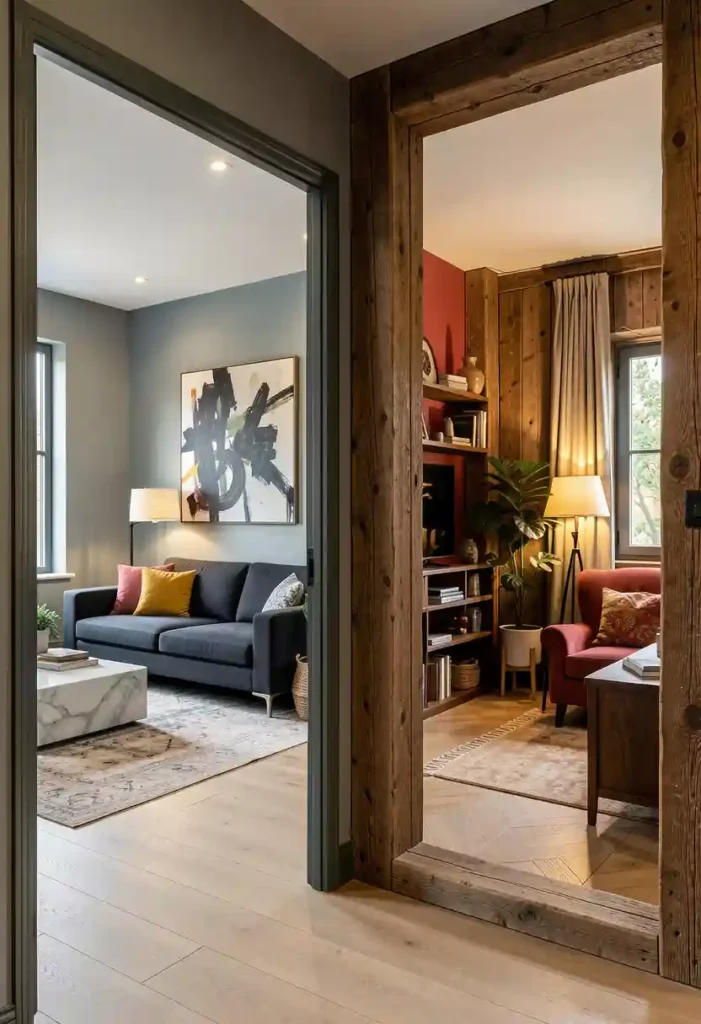
Every room in a home contributes to the overall aesthetic, so ignoring cohesion between spaces can make a house feel disjointed. When colors, styles, or themes clash from one room to the next, it creates visual chaos and a lack of harmony. Maintaining cohesion doesn’t mean every room must be identical; instead, incorporate consistent elements such as color accents, textures, or design motifs that create a subtle link between spaces.
For example, a recurring color in throw pillows, rugs, or artwork can connect the living room, dining area, and hallway. This approach enhances flow, making transitions between rooms feel intentional rather than jarring. Cohesion also ensures that your home feels curated and professionally designed, even if each room serves a different purpose. By paying attention to the bigger picture, you can create a harmonious environment where every space complements the next, boosting both style and comfort.
Final Words
Creating a beautiful and functional room is about more than picking pretty furniture or trendy décor—it requires thoughtful planning, balance, and cohesion. By avoiding common mistakes such as overcrowding, poor lighting, mismatched colors, or neglecting functionality, you can transform any space into a harmonious, inviting, and stylish environment.