
11 Accent Wall Paint Ideas That Make Impact
Accent walls are one of the easiest and most effective ways to add personality, depth, and style to any room. While the rest of your walls can remain neutral, a single wall painted in a bold color or unique finish immediately draws attention and creates a focal point. Choosing the right accent wall color and placement can completely transform a space, highlighting architectural features, framing furniture, or adding contrast to a minimalist interior.
Accent walls aren’t just for living rooms—they work in bedrooms, dining areas, hallways, and even bathrooms, making them a versatile design tool. From vibrant jewel tones to subtle pastels, textured finishes, and creative geometric patterns, the right paint choice can express your personal style while enhancing the room’s mood. This guide explores 11 accent wall paint ideas that make impact, providing inspiration for creating visually stunning spaces with color and creativity.
1. Bold Jewel-Toned Walls
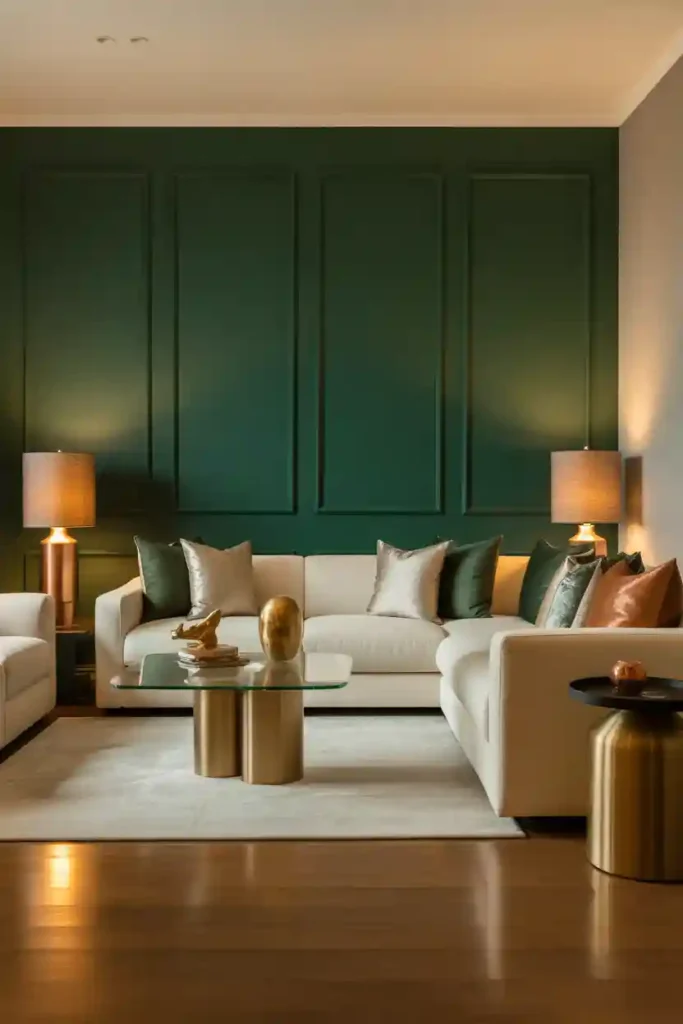
Bold jewel tones like emerald green, sapphire blue, or ruby red instantly create a dramatic accent wall. These rich colors command attention and bring a sense of luxury and sophistication to any room.
Pair jewel tones with neutral furnishings and soft textures to prevent the space from feeling overwhelming. Jewel-toned accent walls work especially well behind beds, sofas, or fireplaces, acting as a striking backdrop that enhances the room’s focal points. This approach works because it combines bold color with strategic placement, creating a space that feels intentional and visually dynamic. Jewel tones also complement metallic accents, such as gold or brass fixtures, for a cohesive and polished look.
2. Subtle Pastel Accent Walls
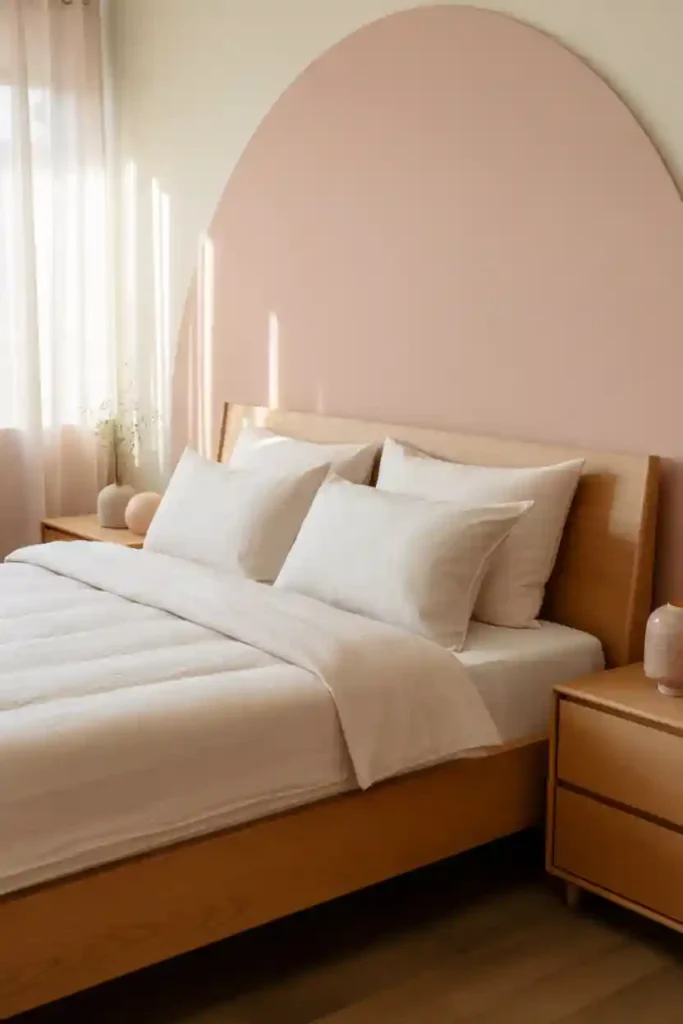
Pastels like soft pink, mint green, or pale blue create gentle, calming accent walls. These colors add personality without overpowering a space, making them perfect for bedrooms, nurseries, or cozy living areas.
Pair pastel accent walls with white or light-colored furniture to maintain an airy feel. Pastels can also be layered with textured wallpaper or décor accents for depth. This idea works because it introduces color in a soft, approachable way, adding warmth and charm without creating visual tension. Pastels are versatile and pair well with both modern and traditional interiors.
Read Also: 13 Basement Flooring Ideas That Feel Comfortable
3. Dramatic Black or Charcoal Walls
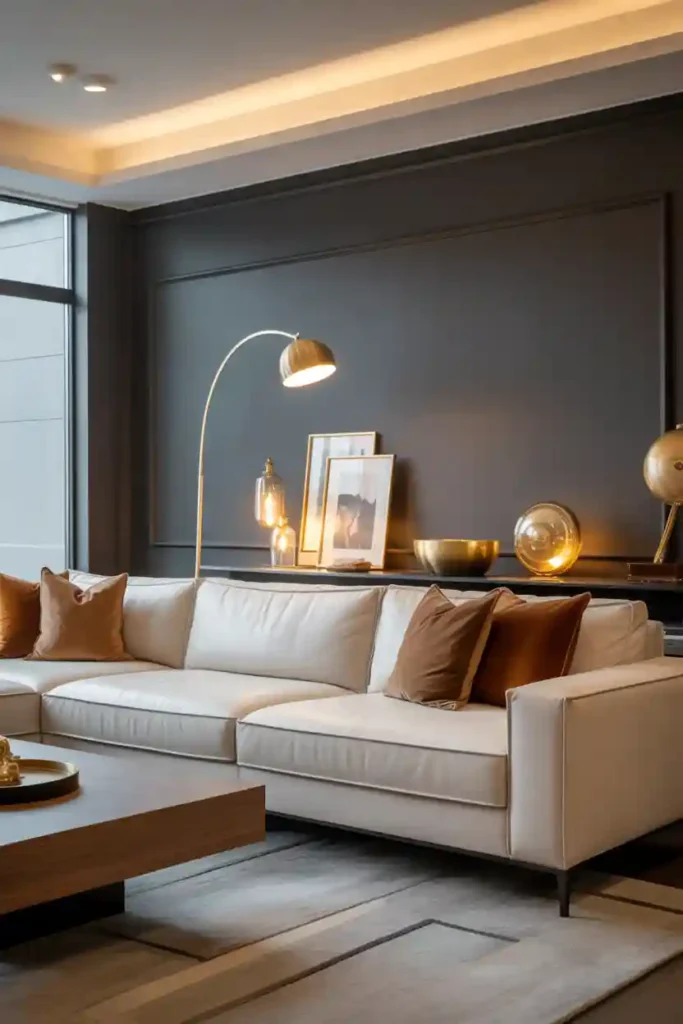
Black or charcoal accent walls create a sophisticated, modern statement. These dark hues add depth, make other elements pop, and create a moody, cinematic effect in any room.
Dark accent walls work well with bright or metallic furnishings and can highlight artwork, mirrors, or lighting fixtures. Use these colors on one wall only to avoid overwhelming the space. This approach works because it creates a strong focal point and emphasizes architectural features, giving the room an elegant and contemporary edge. Proper lighting is key to preventing the wall from making the space feel too small or heavy.
4. Geometric Painted Patterns
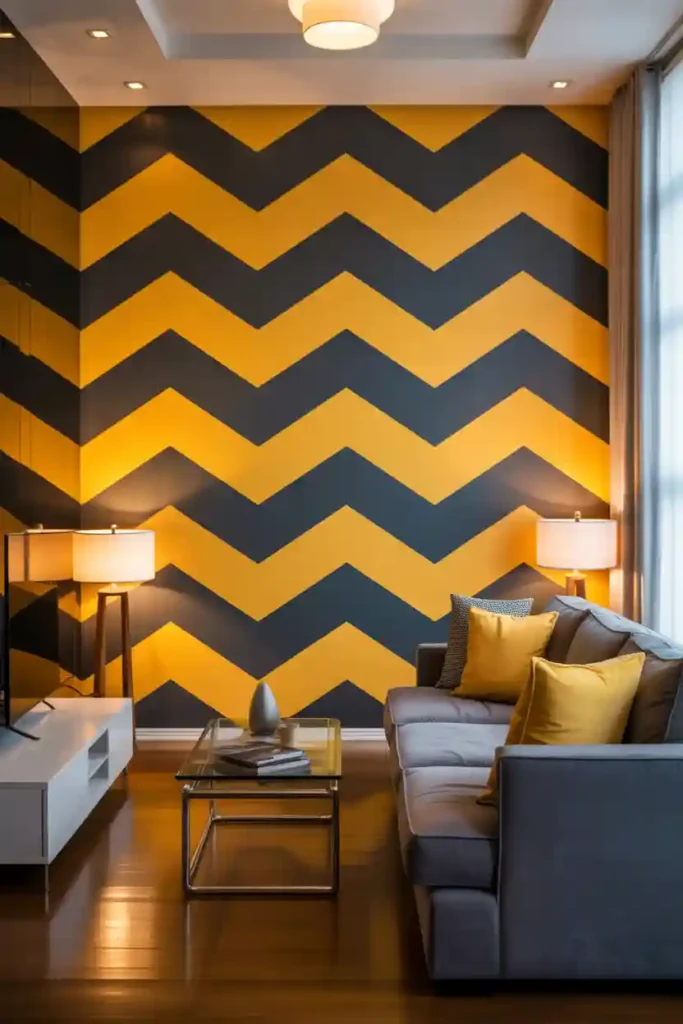
Creating geometric patterns on an accent wall adds visual interest and personality. Triangles, chevrons, and stripes can be painted in contrasting or complementary colors to make a bold statement.
Geometric walls work well in living rooms, offices, or kids’ rooms, providing a playful yet sophisticated look. Combining muted base colors with a single bold accent ensures the wall doesn’t dominate the space. This idea works because it adds texture and movement, giving the room an artistic and curated feel without relying solely on furniture or décor.
5. Two-Tone Horizontal Walls
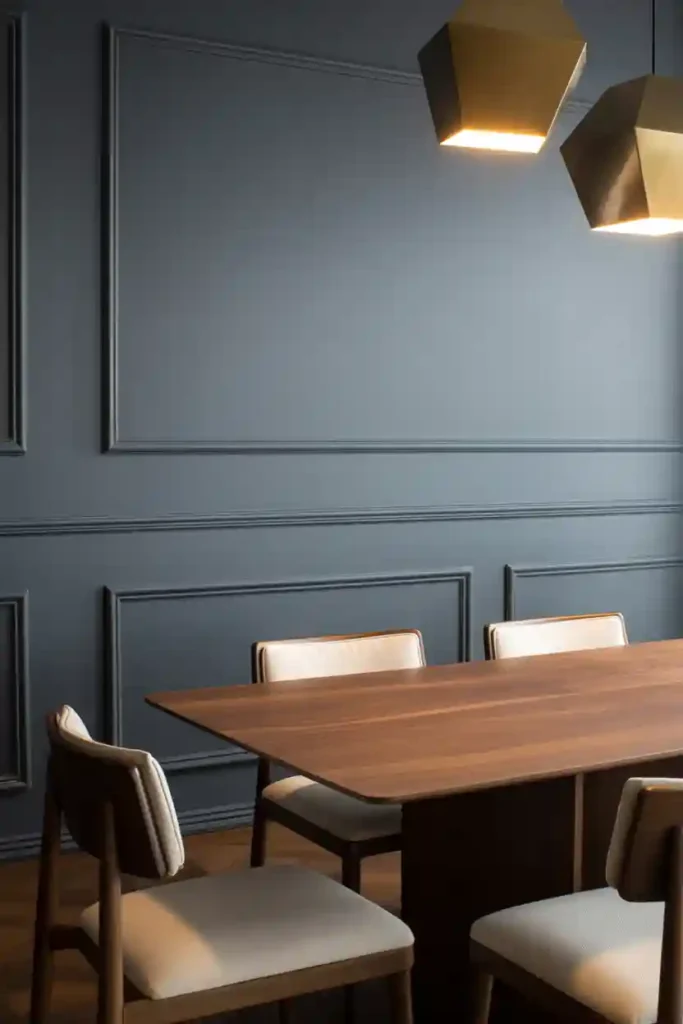
Two-tone horizontal walls split the wall into two colors, often with a chair rail or tape line to separate the sections. This creates a visually interesting wall without using bold or dark colors.
This design works well in dining rooms, hallways, or living spaces. Using a darker color on the bottom and a lighter shade on top makes ceilings feel higher while providing contrast and interest. Two-tone accent walls work because they add depth, dimension, and visual balance while maintaining a clean, structured look.
6. Ombre or Gradient Walls
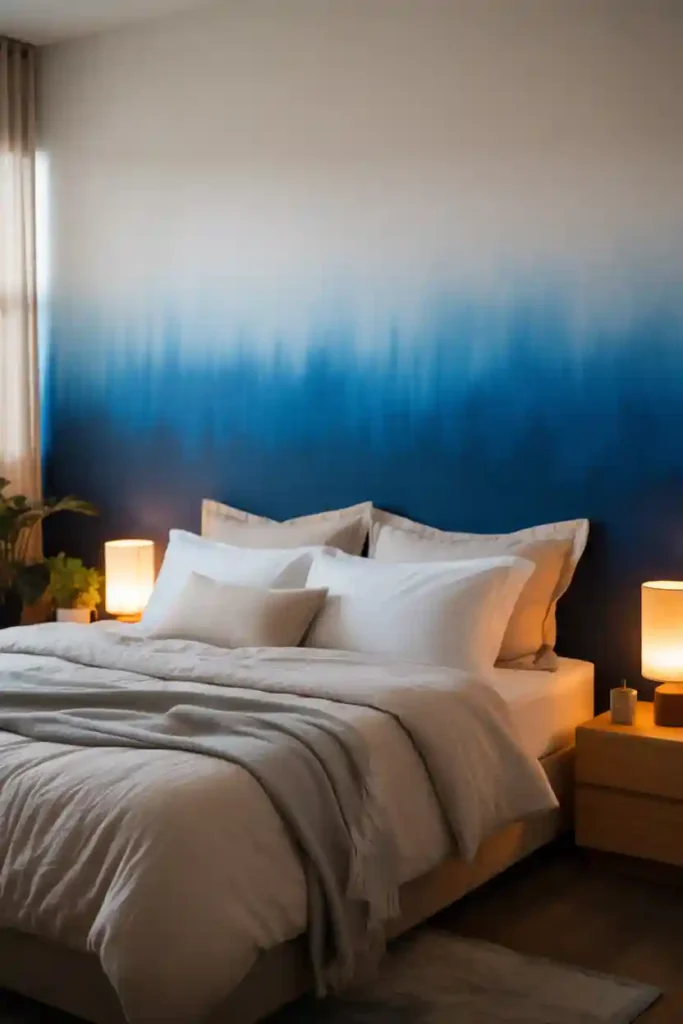
Ombre walls gradually transition from one color to another, creating a striking visual effect. This technique adds movement and depth without relying on patterns or bold tones.
Ombre accent walls work beautifully in bedrooms or living rooms, drawing the eye upward or toward the focal point. Soft gradients offer a subtle effect, while bold gradients create drama. This approach works because it introduces dynamic color variation, making the room feel more layered, creative, and visually engaging.
7. Metallic or Pearl Finish Walls
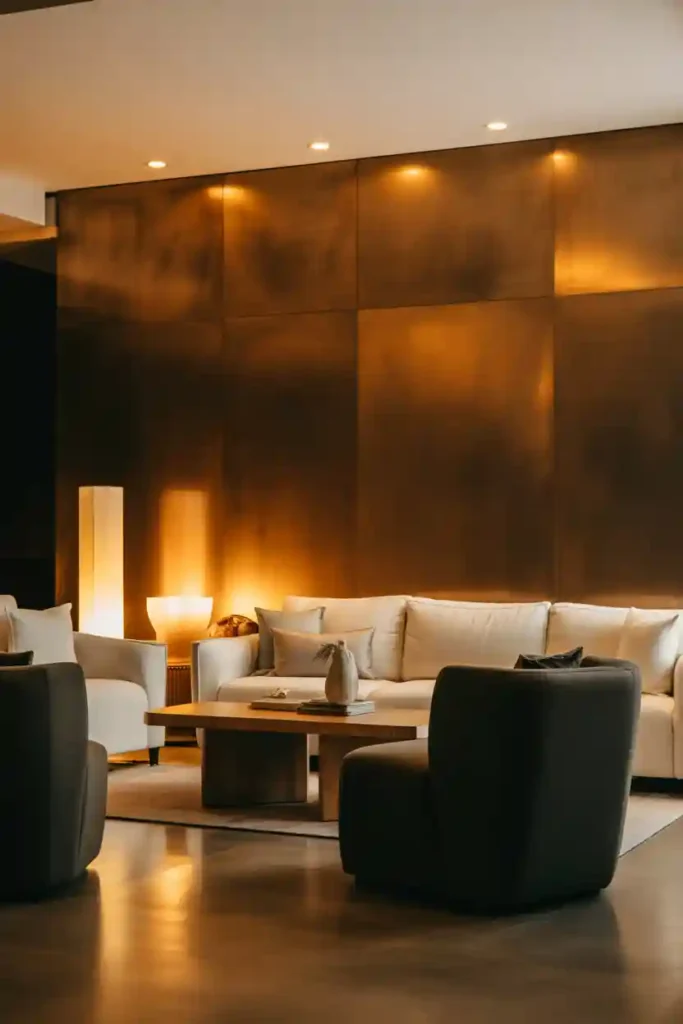
Metallic or pearl-finish paint adds subtle shimmer and luxury to an accent wall. Gold, silver, or bronze finishes catch the light and create a reflective, elevated aesthetic.
These walls work best in living rooms, dining areas, or entryways where lighting enhances the shimmer. Pair with neutral furniture and simple décor to keep the wall the focal point. This idea works because it adds glamour and sophistication without being overwhelming, making the space feel luxurious and modern.
8. Textured Paint Techniques
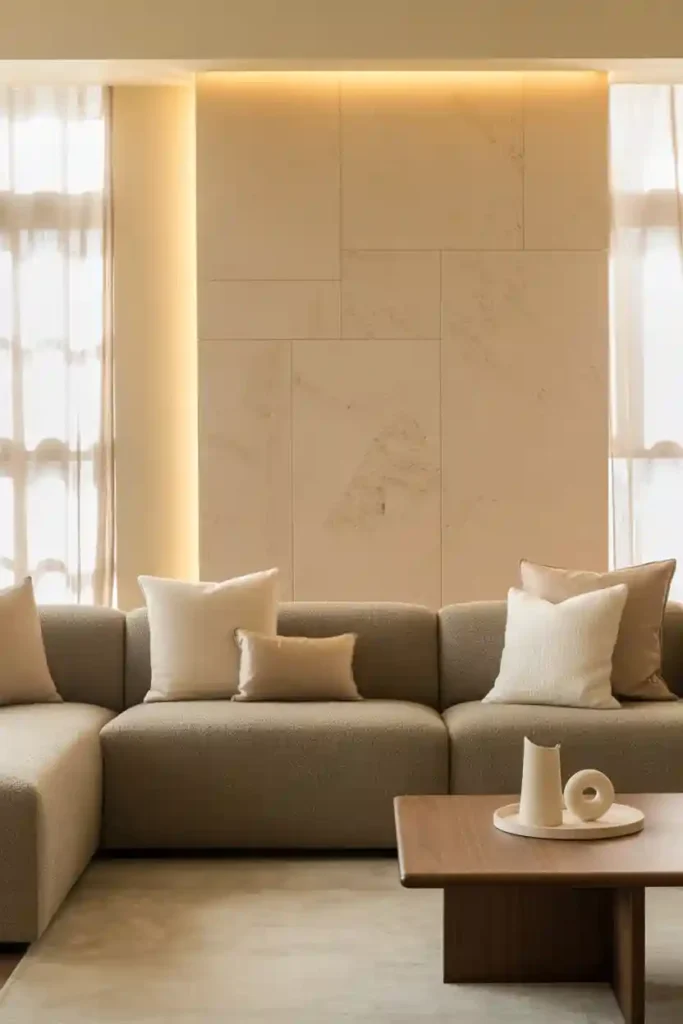
Textured paint, such as sponge, rag-rolling, or stucco, adds tactile interest to an accent wall. This technique introduces depth, shadow, and movement, giving walls an artistic feel.
Textured walls work in hallways, bedrooms, or feature walls behind sofas. Using subtle, complementary colors enhances the effect without overpowering the room. This approach works because it combines color and texture, elevating the space and making it feel unique and curated.
9. Dark Green or Navy Walls
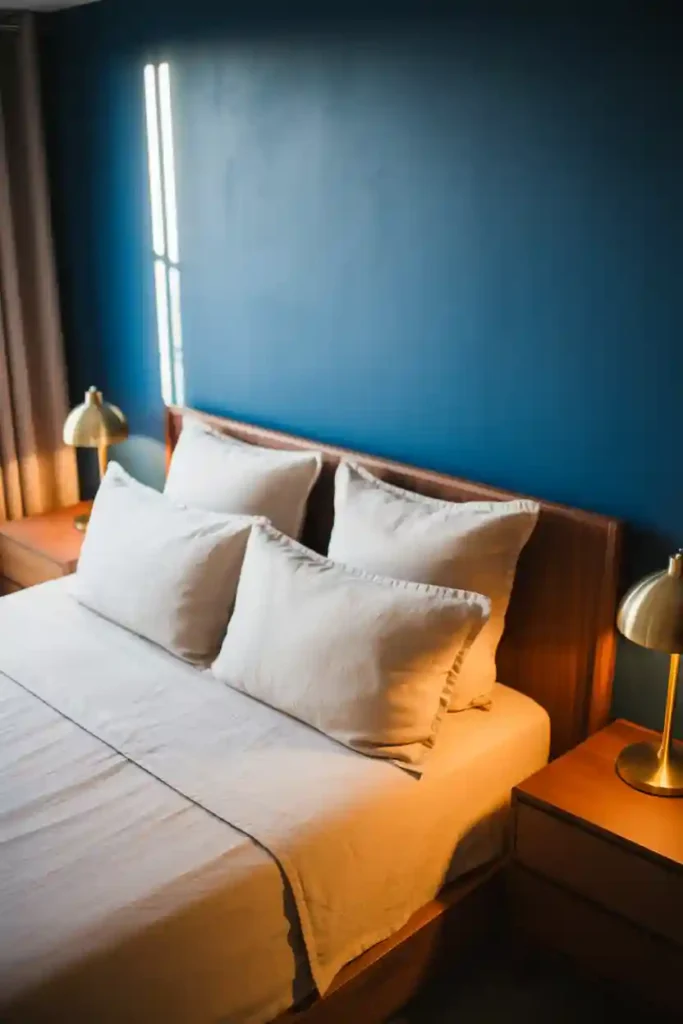
Deep green or navy accent walls create cozy, enveloping spaces that feel both modern and classic. These colors work especially well in reading nooks, bedrooms, or feature walls in living rooms.
Pair with lighter furniture, brass accents, or wood tones to prevent the space from feeling heavy. This choice works because it provides richness and drama while maintaining a refined, stylish aesthetic. These hues also complement natural materials like plants, leather, or wood, adding a harmonious, layered look.
10. Chalkboard or Writable Walls
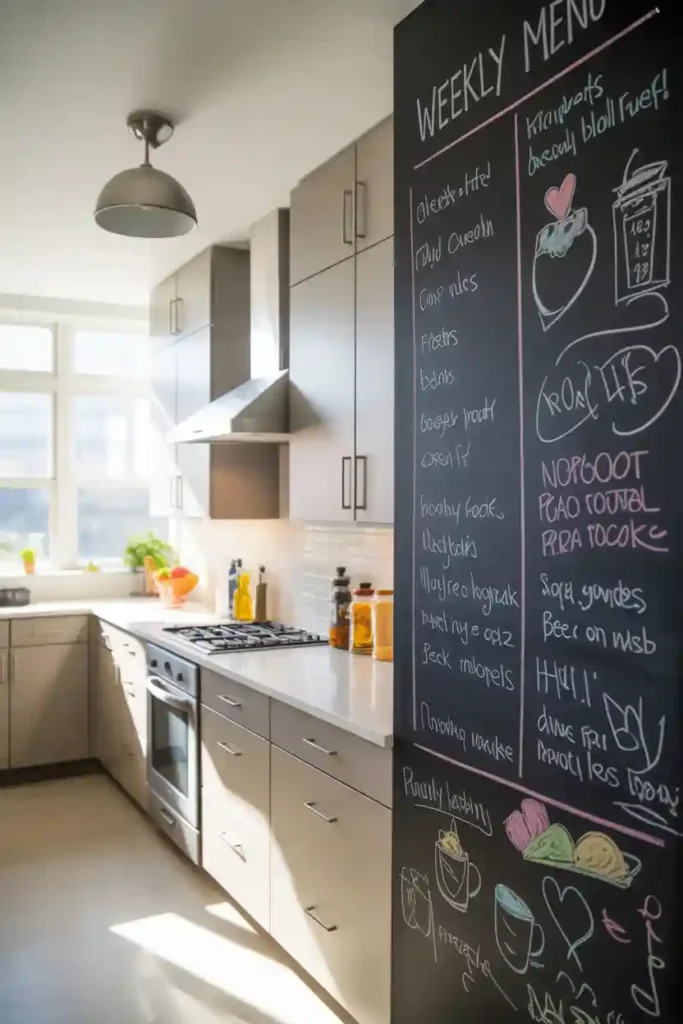
Chalkboard or writable accent walls are fun and functional. Ideal for kitchens, home offices, or children’s rooms, they allow for notes, art, or inspirational messages.
These walls encourage creativity while acting as a practical design feature. Pair chalkboard walls with neutral surroundings to keep the focus on the writable surface. This idea works because it combines design and function, offering a playful, interactive element that elevates the space.
11. Nature-Inspired Greens or Earth Tones
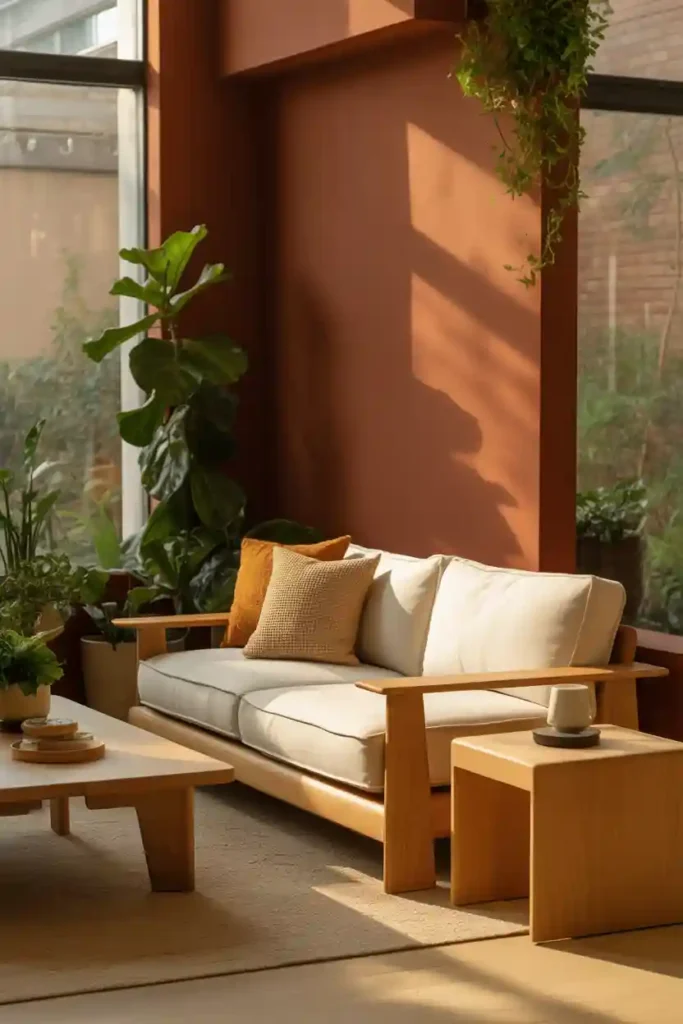
Using greens, terracotta, or warm earthy hues for an accent wall creates a grounded, natural feel. These colors evoke calm, balance, and a connection to the outdoors.
Accent walls in these tones work in living rooms, bedrooms, or study areas, pairing well with wood furniture, plants, and natural textiles. This approach works because it adds warmth and personality without overwhelming the space, creating a soothing and stylish environment.
Final Words
Accent walls are a powerful way to transform any room, adding personality, depth, and visual interest with minimal effort. Whether you choose bold jewel tones, subtle pastels, textured finishes, metallic sheens, or nature-inspired hues, the right accent wall can serve as a focal point that elevates your entire space