

13 Basement Flooring Ideas That Feel Comfortable
Basement flooring can make or break the comfort and style of a space that often gets overlooked. Because basements are prone to dampness, low ceilings, and limited natural light, selecting the right flooring is essential for creating a warm, inviting, and functional environment. Comfort, durability, and aesthetics all play a role in the decision-making process, whether you’re transforming your basement into a cozy family room, home office, gym, or entertainment area.
The right flooring can make a cold, unwelcoming basement feel bright, soft underfoot, and visually connected to the rest of your home. This guide explores 13 basement flooring ideas that feel comfortable, from plush carpets to water-resistant engineered wood, luxury vinyl, and even cork options. Each choice balances warmth, practicality, and style, helping you transform your basement into a space you’ll actually enjoy spending time in.
1. Plush Wall-to-Wall Carpeting
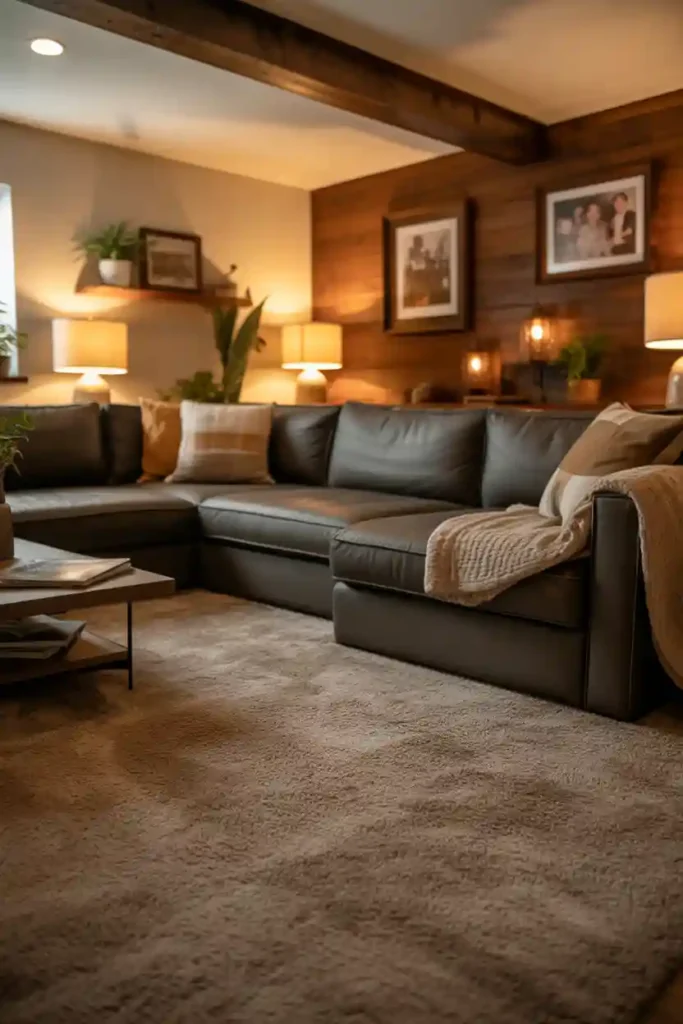
Wall-to-wall carpeting is a classic choice for creating a comfortable basement. Carpets provide a soft surface underfoot, help insulate the space, and absorb sound, which is perfect for family rooms or home theaters.
Opt for low-pile or stain-resistant carpets for easy maintenance in basements where moisture can sometimes be an issue. Neutral tones work best to make the basement feel larger and cozier, while patterned carpets can add personality without overwhelming the space. Pairing the carpet with area rugs can introduce texture and warmth. This flooring choice works because it combines comfort with insulation, giving the basement a cozy, inviting atmosphere even during colder months.
2. Engineered Hardwood Flooring
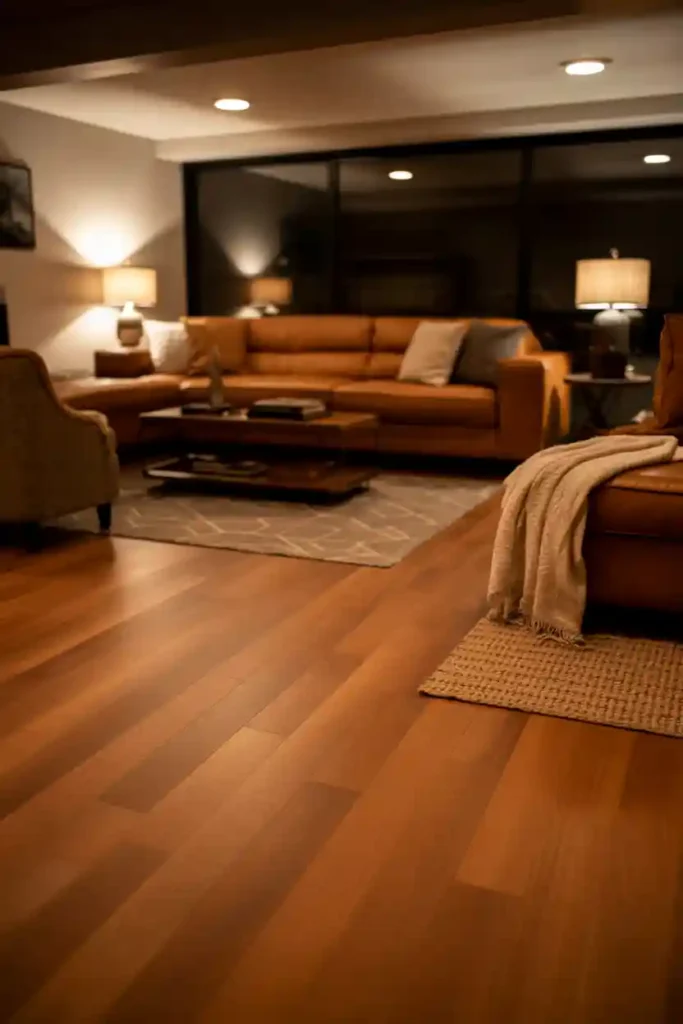
Engineered hardwood combines the elegance of solid wood with better moisture resistance, making it ideal for basements. Its layered construction prevents warping in damp areas, while still providing the rich texture and warmth of natural wood.
Choose lighter shades to make a basement feel more spacious and bright. Pairing with area rugs adds extra softness and helps define seating or activity areas. Engineered hardwood works because it delivers both comfort and style, giving a basement the sophisticated look of hardwood without the risk of moisture damage common with traditional wood floors.
Read Also: 16 Bedroom Styling Ideas for a Relaxed Space
3. Luxury Vinyl Planks (LVP)
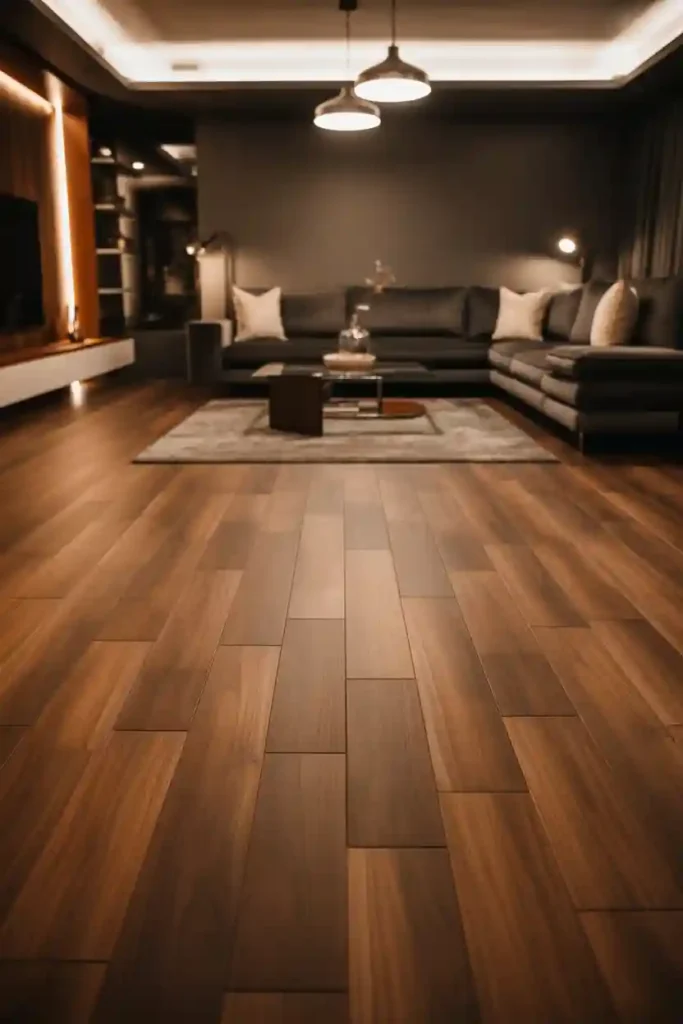
Luxury vinyl planks mimic the look of wood or stone while offering superior durability and water resistance. LVP is perfect for basements prone to humidity or occasional leaks, making it a practical yet stylish choice.
This flooring feels softer than tile and is easy to clean, perfect for high-traffic areas. Choose textured finishes for a realistic wood effect and pair with cushioned underlays to increase comfort underfoot. LVP works because it combines visual appeal, practicality, and comfort, creating a basement that feels both warm and low-maintenance.
4. Cork Flooring
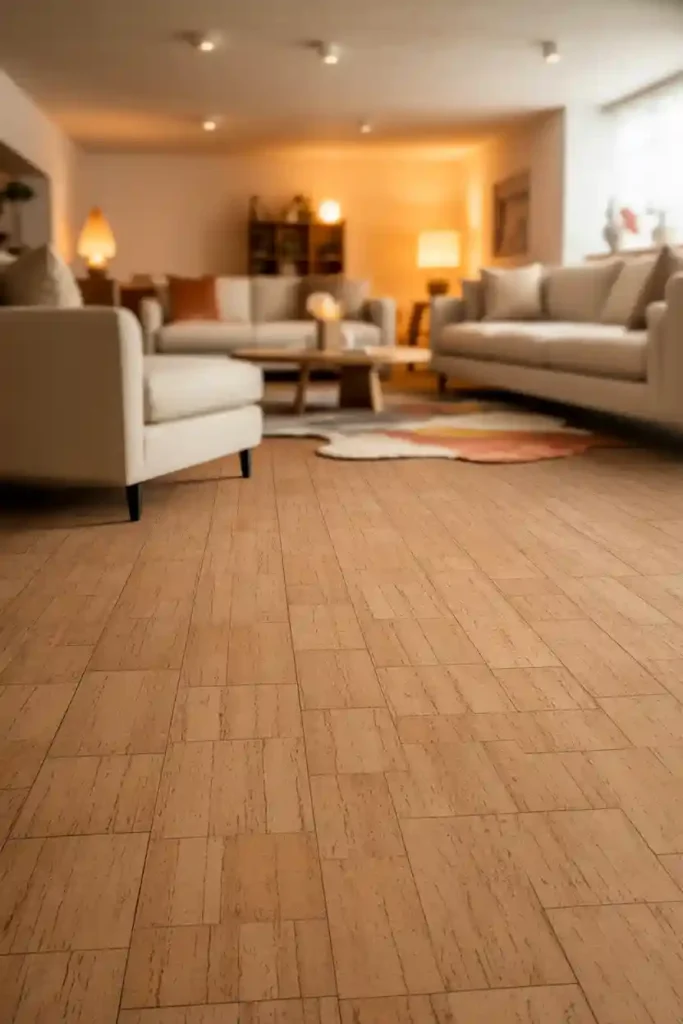
Cork flooring is an eco-friendly, soft, and warm option for basements. Its natural resilience makes it comfortable to walk or stand on for extended periods. Cork also has natural insulating properties, keeping the floor warmer than tile or concrete.
Cork is available in a variety of finishes and can be sealed for water resistance, making it suitable even in damp basement environments. Its subtle texture adds visual interest, and it absorbs sound effectively, reducing echo. Cork works because it creates a soft, welcoming surface underfoot while maintaining durability and a modern aesthetic.
5. Carpet Tiles
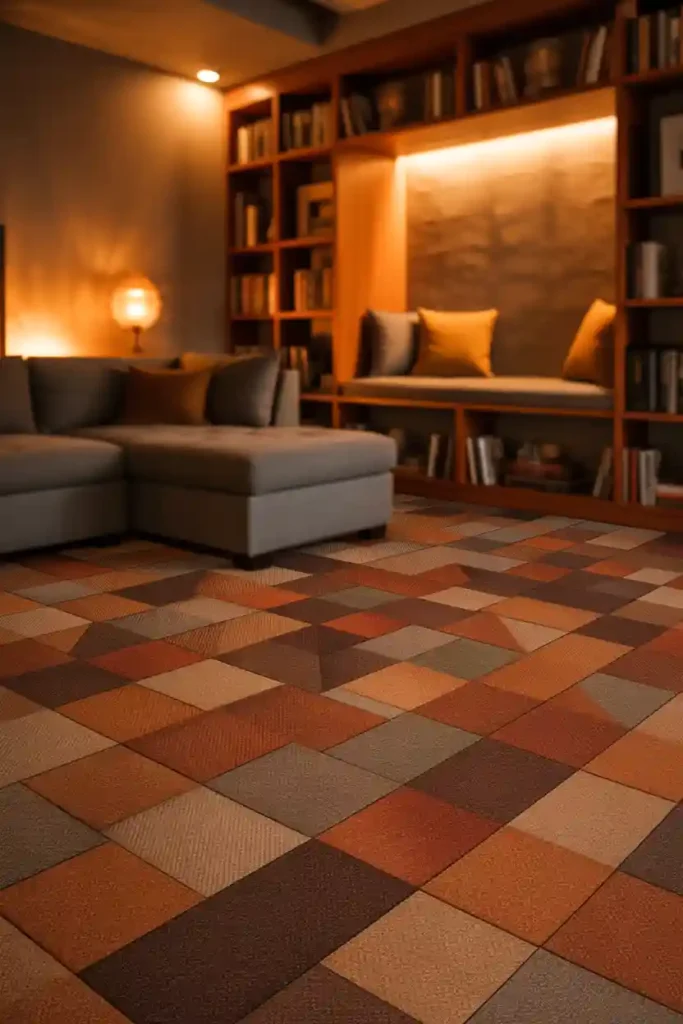
Carpet tiles are a flexible solution for basements, allowing you to create patterns or mix colors for a playful yet sophisticated look. Tiles are easy to replace if damaged, which is ideal for moisture-prone areas.
They provide the same warmth and comfort as wall-to-wall carpeting but with added versatility. Carpet tiles can also be layered with area rugs for extra softness. This idea works because it allows customization, easy maintenance, and a cozy feel while defining spaces within a basement.
6. Bamboo Flooring
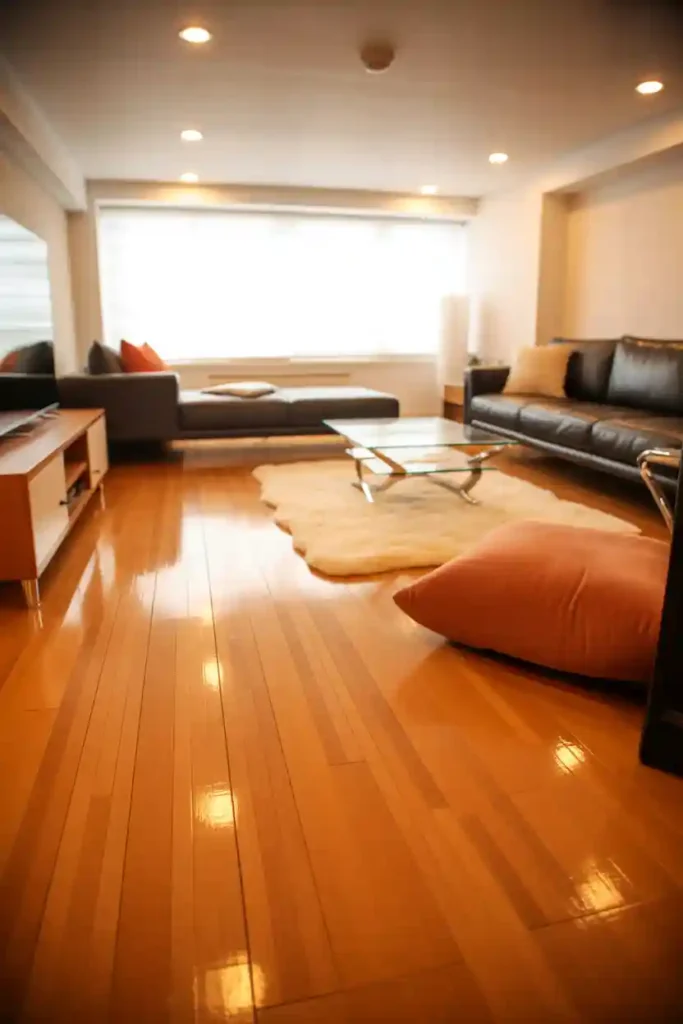
Bamboo is a sustainable and durable option that adds warmth to basements. Strand-woven bamboo is especially hard-wearing, resistant to dents, and can handle occasional moisture when properly sealed.
Bamboo floors provide a smooth, warm underfoot experience while giving the basement a natural, organic feel. Lighter bamboo tones help brighten darker basements. This choice works because it combines comfort, eco-friendliness, and an elegant, natural aesthetic.
7. Laminate Flooring with Underlayment
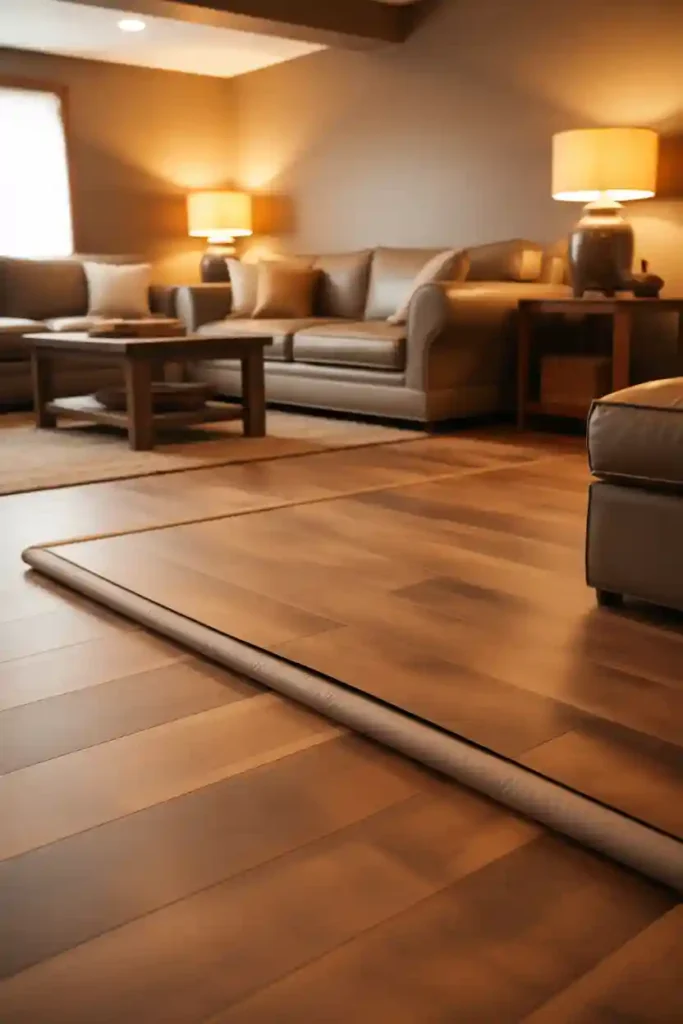
Laminate flooring offers a cost-effective alternative to hardwood while being easier to maintain. When paired with cushioned underlayment, it feels comfortable underfoot and absorbs sound.
Choose laminate with realistic wood or stone patterns to elevate the space visually. This flooring works well in basements with moderate moisture, and the underlayment adds warmth and softness. It’s a practical solution that balances style and comfort.
8. Tile with Heated Flooring
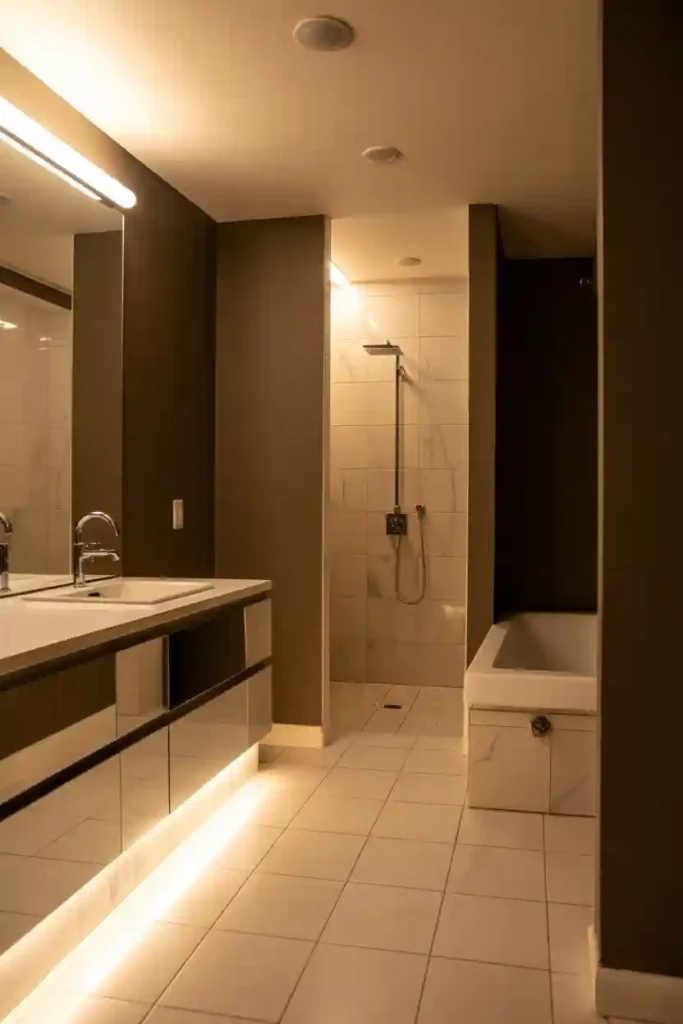
Ceramic or porcelain tiles are practical for basements due to their moisture resistance. Adding radiant floor heating transforms cold tile into a comfortable, cozy surface.
Tiles come in various colors, patterns, and textures to complement your décor. Heated tile flooring is ideal for basements used as family rooms or bathrooms, where warm feet enhance comfort. This solution works because it combines durability, easy cleaning, and luxurious warmth.
9. Rubber Flooring
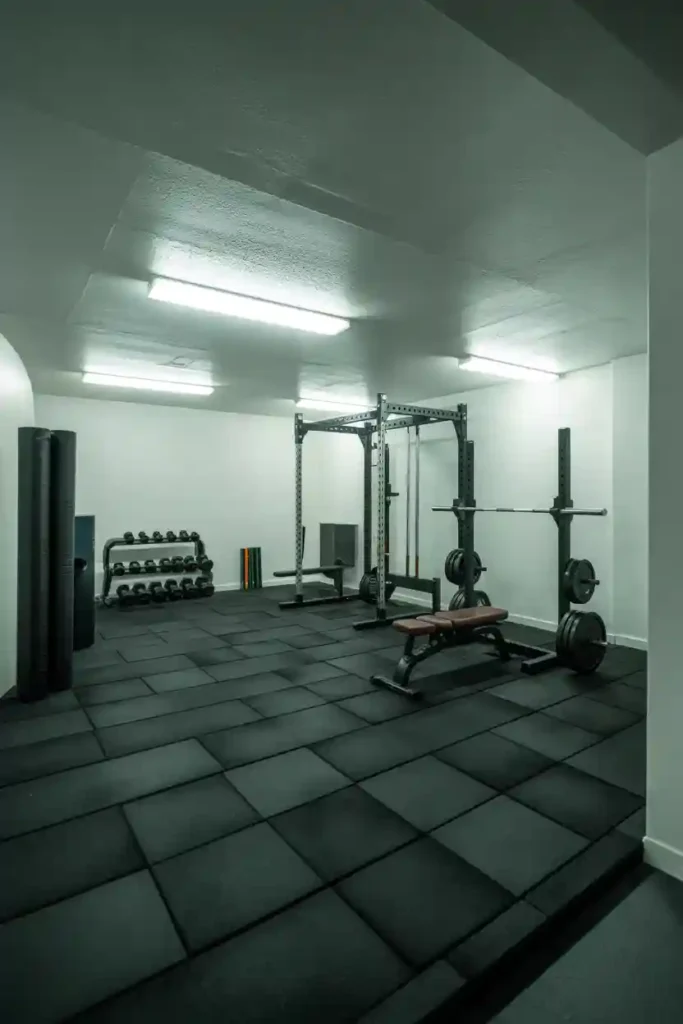
Rubber flooring is soft, slip-resistant, and durable, making it perfect for home gyms or play areas in basements. It provides cushioning underfoot and reduces noise from activity.
Available in various colors and textures, rubber flooring can be both functional and visually appealing. It’s easy to clean and maintains comfort over long periods of standing or exercising. Rubber floors work because they create a safe, comfortable, and practical surface for active basement spaces.
10. Painted Concrete Floors
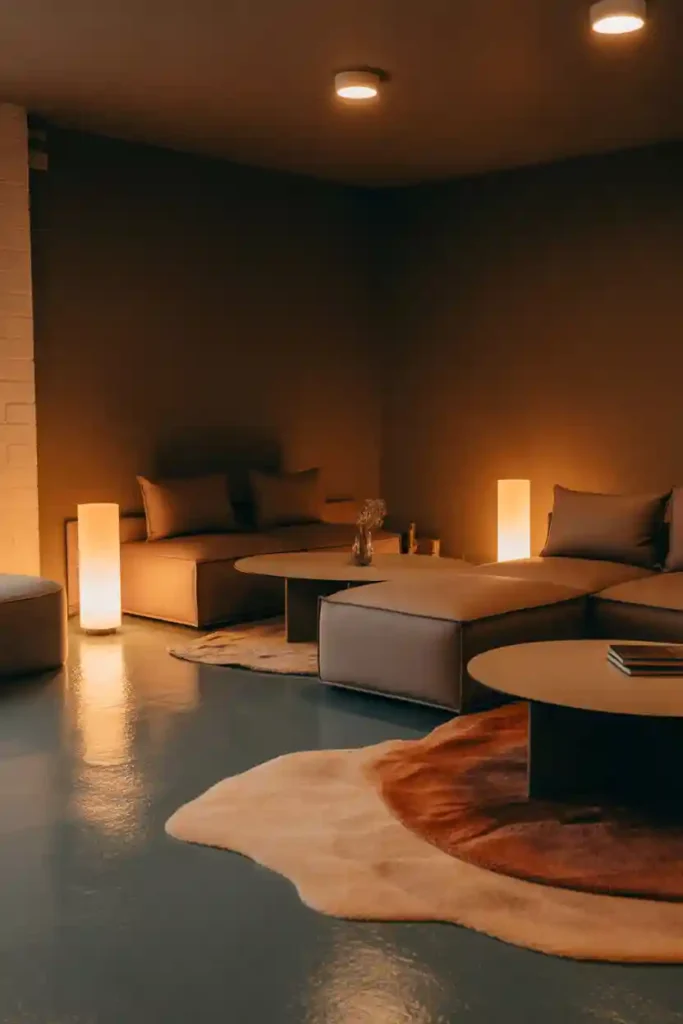
Concrete floors can be painted or stained to add color and warmth. Using epoxy or specialized paints creates a smooth, comfortable surface that’s easy to clean.
Adding area rugs or floor mats enhances softness underfoot. Painted concrete works because it’s highly durable, moisture-resistant, and can be styled to match any basement aesthetic, from modern to rustic.
11. Carpeted Stair Runners for Basements with Steps
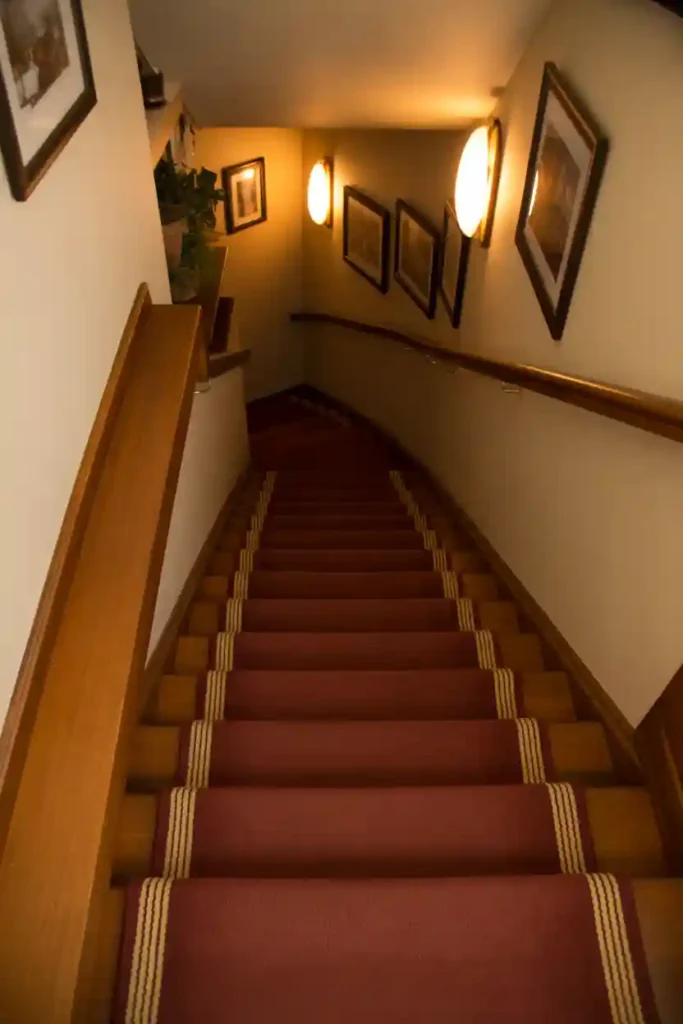
If your basement has stairs, adding carpeted runners increases comfort and safety. Soft stair treads reduce noise and make transitions safer for children and adults.
Choose neutral or patterned runners that complement your basement flooring. This works because it adds warmth, tactile comfort, and an extra layer of style that integrates seamlessly with existing floors.
12. Laminate with Cork Underlay
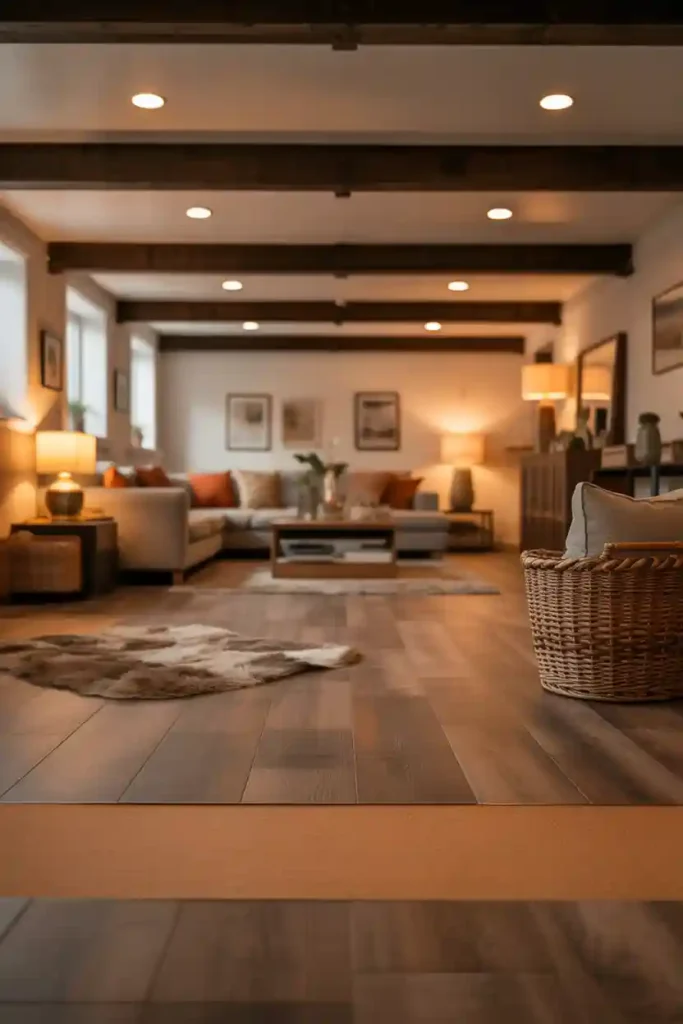
Combining laminate flooring with a cork underlay gives both durability and soft cushioning. The cork provides insulation and reduces sound, while laminate offers easy maintenance.
This hybrid solution works for basements where comfort and moisture resistance are both important. It feels softer than plain laminate and adds warmth underfoot, making basements inviting spaces for daily use.
13. Area Rugs on Hard Surfaces
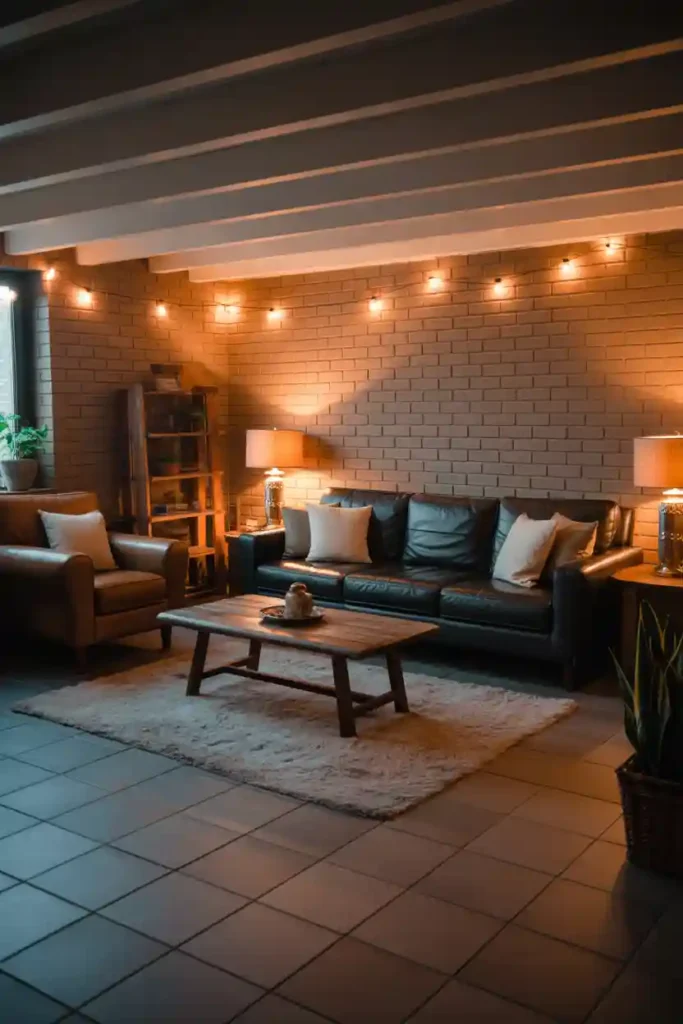
Even if your basement floor is hard—like tile, concrete, or vinyl—adding area rugs instantly increases comfort. Rugs soften the floor, introduce texture, and define functional zones.
Layering rugs with furniture creates visual interest and warmth. This idea works because it allows flexibility, comfort, and style without replacing existing flooring. It’s perfect for basements where full carpeting is not feasible.
Final Words
Choosing the right flooring is essential to making a basement feel comfortable, inviting, and functional. From plush wall-to-wall carpets to engineered hardwood, luxury vinyl, cork, and heated tile, there are solutions that balance warmth, durability, and style. Combining soft textures, area rugs, and moisture-resistant materials ensures both comfort and practicality, even in low-light or damp areas.