14 Clutter Free Home Ideas That Feel Calm
Creating a calm and clutter-free home can make everyday life feel more peaceful and manageable. When spaces are organized and thoughtfully arranged, your home becomes a place where you can truly relax and focus. A clutter-free environment does not mean having an empty or boring space it means choosing intentional design, smart storage, and simple styling that supports comfort and clarity. Even small changes can reduce visual noise and make rooms feel more open and balanced.
By simplifying layouts, using practical storage solutions, and keeping decor purposeful, any home can feel lighter and more organized. Whether you live in a small apartment or a larger house, these ideas will help you create a home that feels calm, tidy, and welcoming. Below are fourteen clutter-free home ideas that combine functionality and style for a peaceful living environment.
1. Simplify Your Color Palette
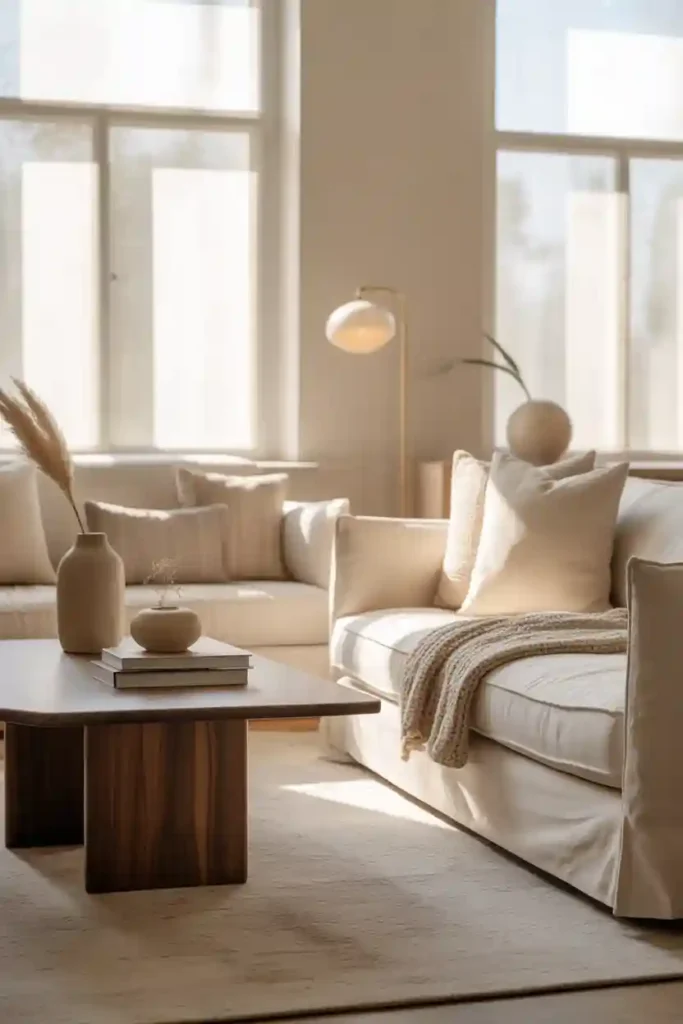
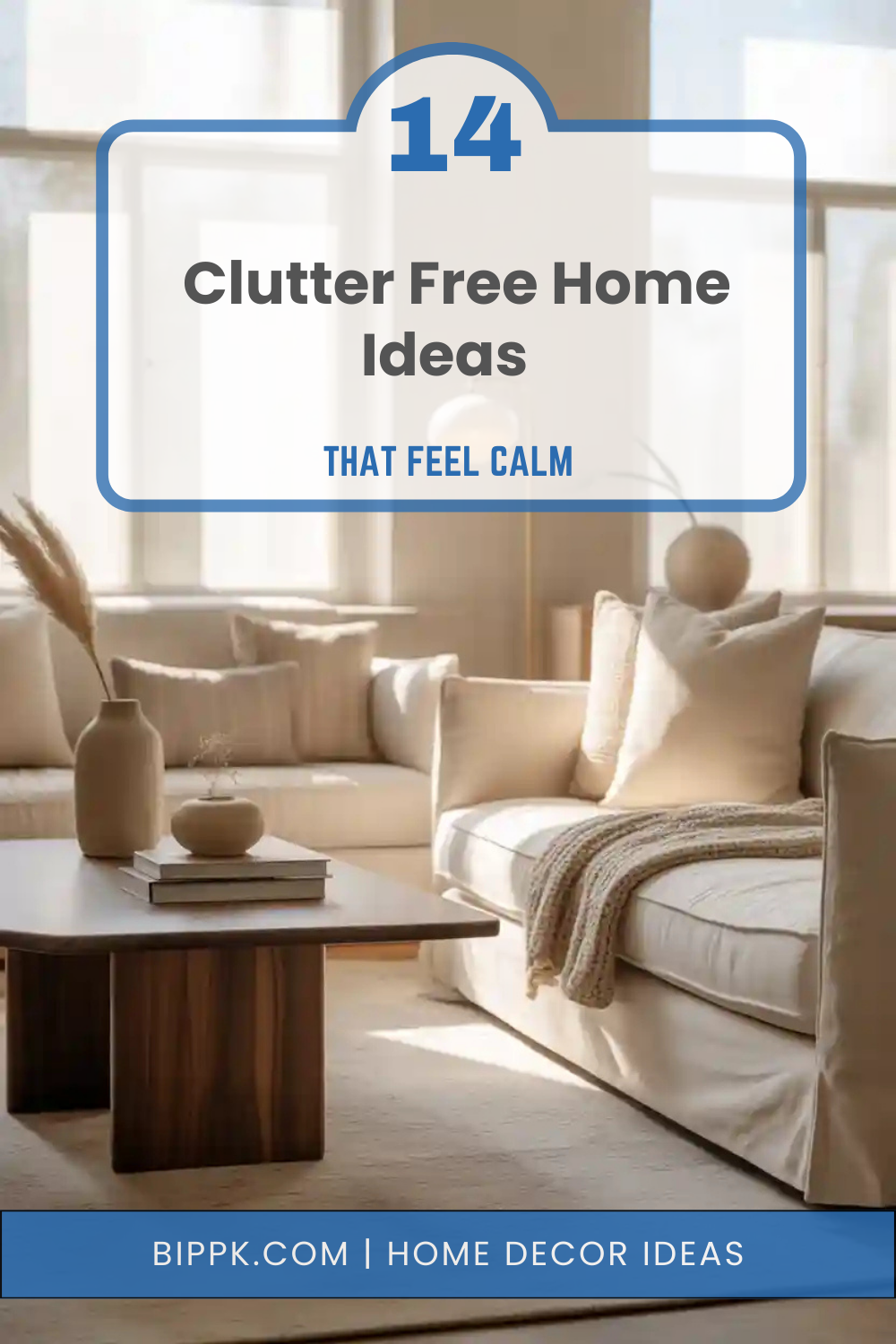
One of the easiest ways to create a clutter-free home is by simplifying your color palette. Too many colors can make a space feel visually busy even when it is organized. Choosing two or three main colors creates harmony and helps the home feel calm and balanced. Neutral tones such as white, beige, soft gray, or warm earth colors work especially well for creating a peaceful environment. These colors reflect light and make spaces appear larger and cleaner. You can still add interest by using different textures within the same color range.
Matching furniture and decor elements helps the room feel intentional instead of random. Even storage items such as baskets and boxes should follow the same color scheme. When colors are coordinated, the room automatically looks more organized. This simple change makes a big difference in creating a clutter-free atmosphere.
2. Use Hidden Storage
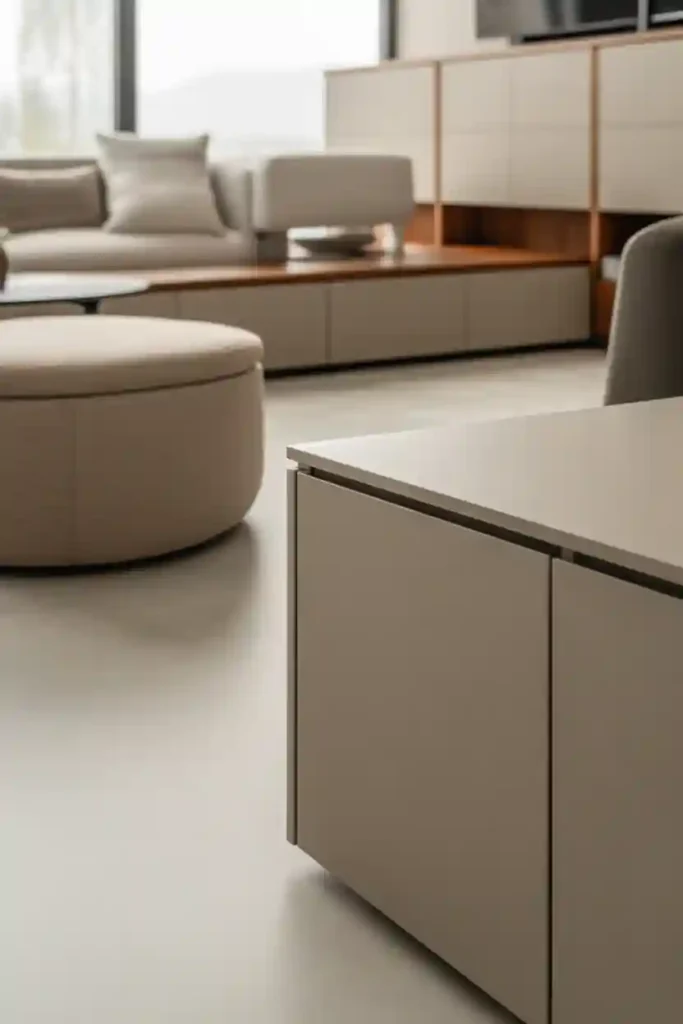
Hidden storage keeps everyday items out of sight and helps maintain a clean appearance. Storage benches, cabinets, and ottomans allow you to store items while keeping surfaces clear. Closed storage is especially helpful in busy areas such as living rooms and entryways. When items are hidden, the room feels calmer and more organized.
Choose furniture with built-in storage to maximize space without adding extra pieces. This keeps the layout simple and efficient. Labeling containers inside cabinets helps maintain organization over time. When everything has a place, clutter is less likely to build up. Hidden storage is one of the most effective ways to maintain a clutter-free home.
Read Also: 12 Finished Basement Ideas That Feel Complete
3. Keep Surfaces Clear
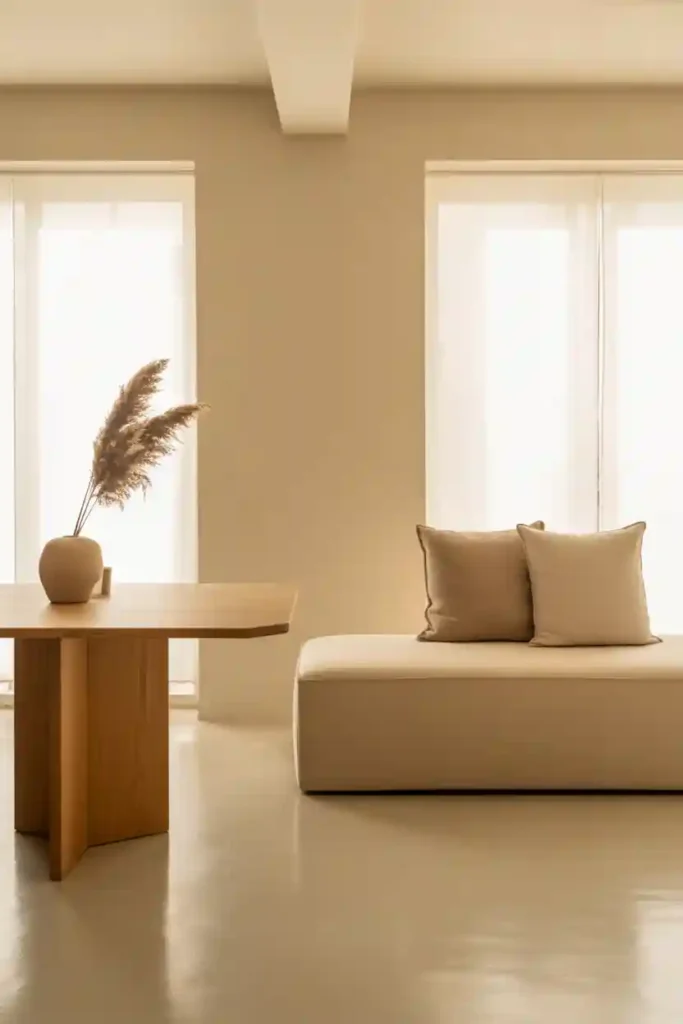
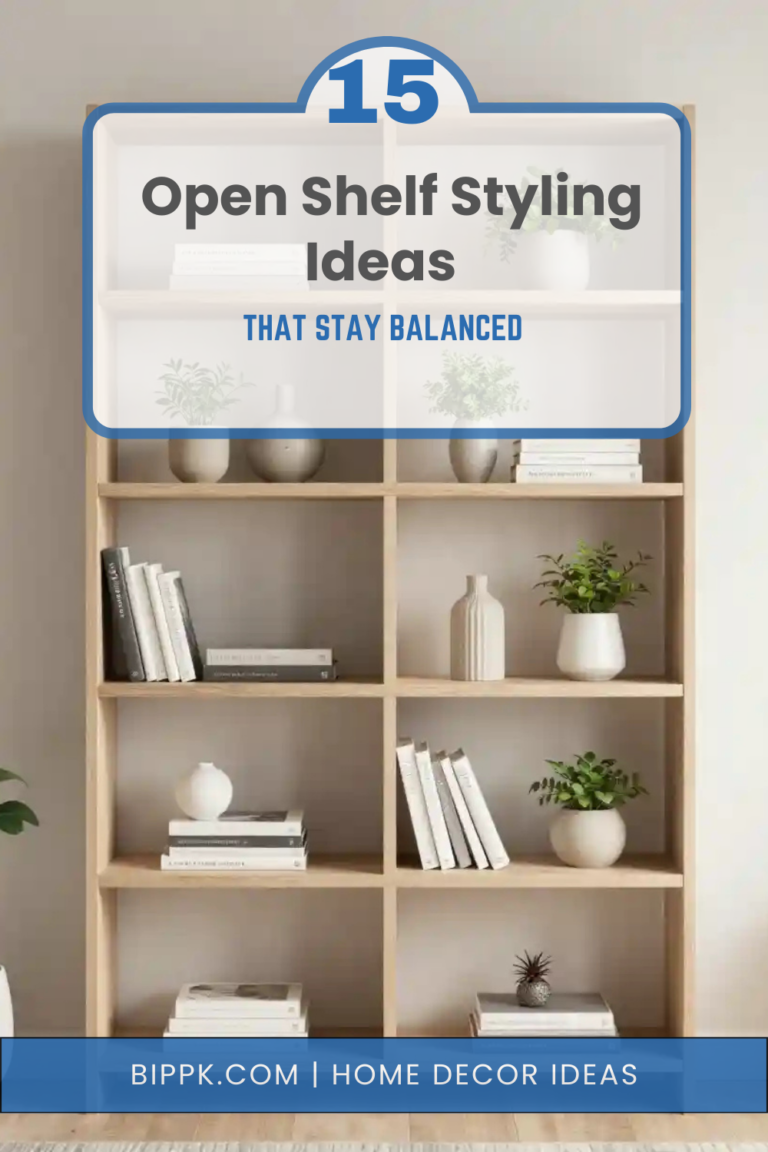
Clear surfaces instantly make a home feel calm and organized. Tables, countertops, and shelves should hold only essential or meaningful items. Avoid filling every available space with decorations. Leaving empty areas allows the eye to rest and creates balance. A simple arrangement such as a lamp and a small decorative object is often enough. Too many small items can make a room feel crowded.
Daily habits help maintain clear surfaces. Returning items to their proper place prevents clutter from building up. This approach works well in kitchens, bedrooms, and living areas. Even small changes can create a noticeable difference. Clear surfaces help the entire home feel lighter and more peaceful.
4. Create Designated Zones
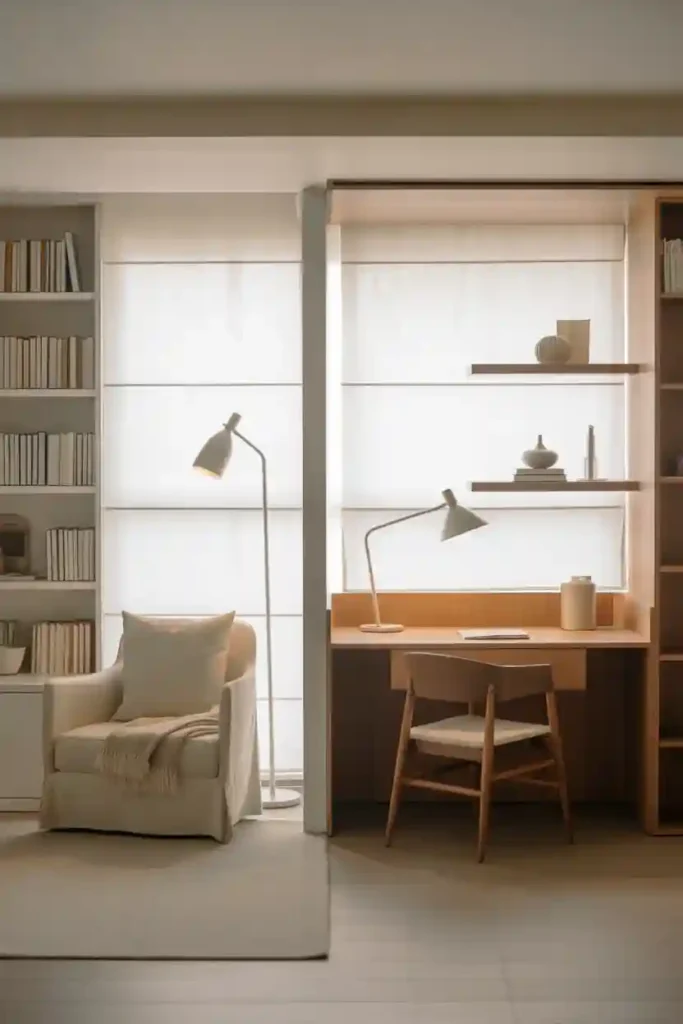
Designated zones help reduce clutter by giving every activity a specific place. When spaces have clear purposes, items are easier to organize and maintain. For example, create a reading corner, a workspace, or a storage area instead of mixing everything together. Defined zones prevent items from spreading throughout the home.
Furniture placement can naturally divide spaces. Rugs, shelves, or lighting can also help define areas. Storage should be placed close to where items are used. This makes cleanup faster and easier. When each activity has a designated space, the home feels more structured and calm.
5. Choose Multi-Functional Furniture
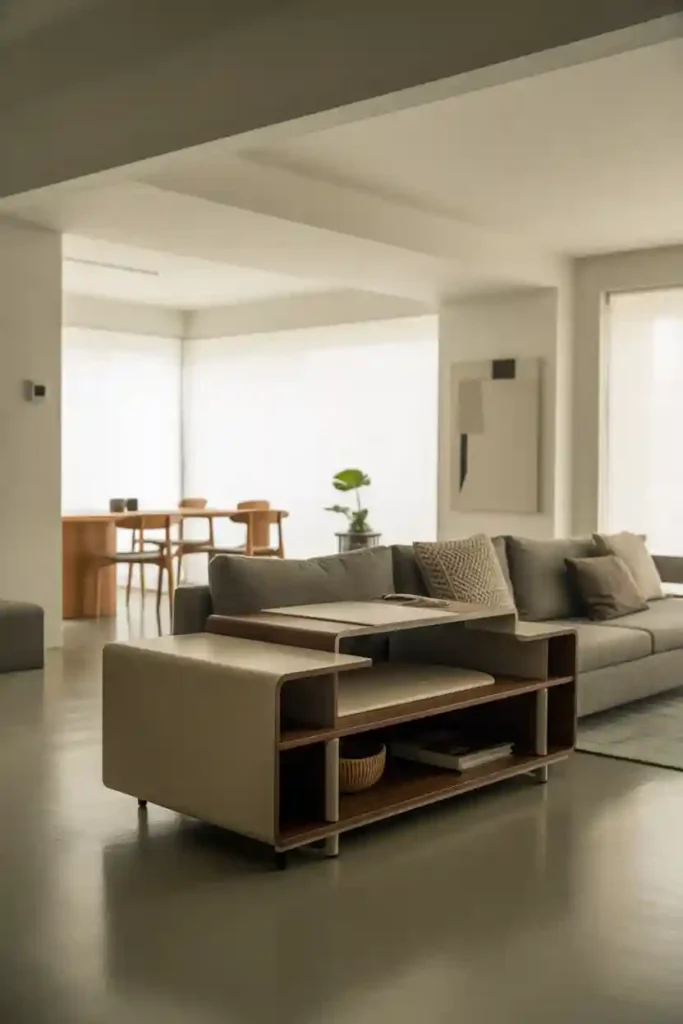
Multi-functional furniture reduces the number of items needed in a room. Pieces that serve more than one purpose help maintain a simple and organized layout. Examples include sofa beds, storage benches, and extendable tables. These items provide flexibility without adding clutter.
Multi-purpose furniture works especially well in small homes or apartments. Fewer pieces create more open space. Choose designs that are simple and timeless so they blend easily with the room. This approach keeps the home efficient and calm.
6. Use Baskets and Containers
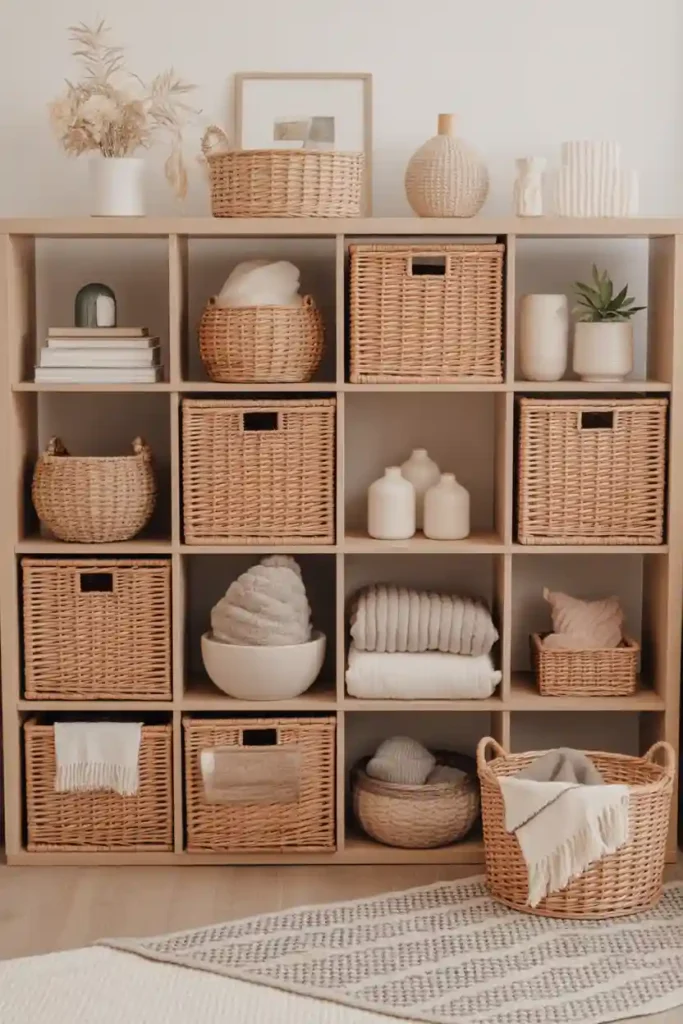
Baskets and containers help keep small items organized and easy to find. Without proper storage, small objects quickly create clutter. Choose matching baskets to maintain a consistent look. Natural materials such as woven fibers add warmth while staying practical.
Use containers for items such as blankets, toys, or accessories. Grouping similar items together makes organization easier. Place baskets on shelves or under tables to maximize space. Organized storage keeps the home neat without feeling sterile.
7. Reduce Decorative Items
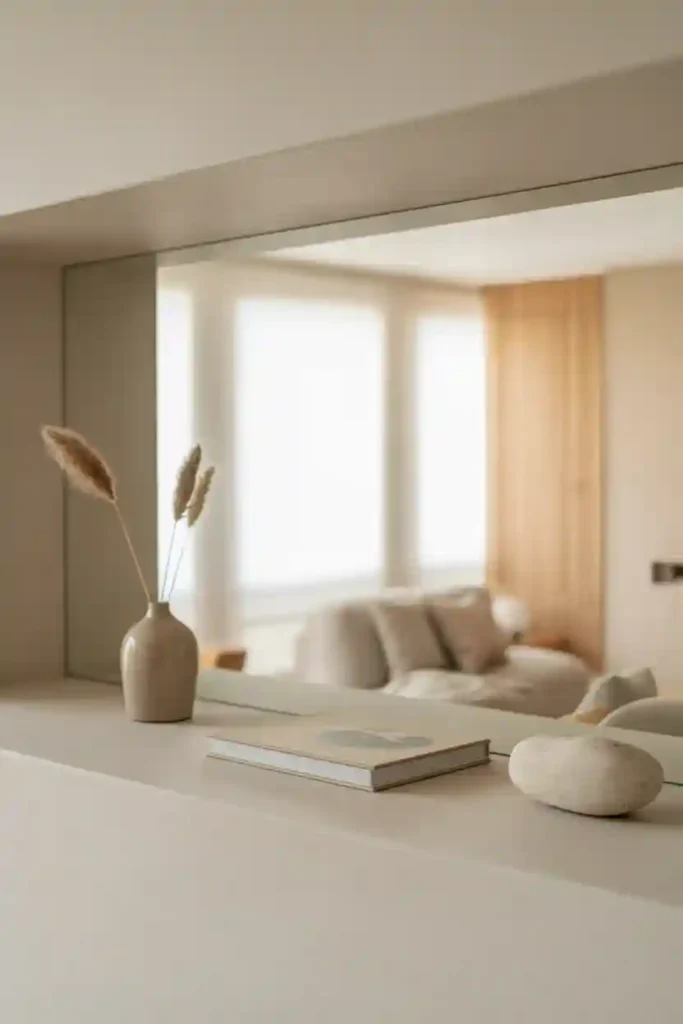
Too many decorative objects can make a home feel crowded. Choosing fewer but meaningful items creates a calmer environment. Select decor pieces that you truly enjoy instead of filling every shelf. Larger statement pieces often work better than many small items.
Spacing between objects helps the room breathe. Balanced arrangements feel intentional. Rotating seasonal decor instead of displaying everything at once keeps the home fresh without adding clutter. A simplified approach to decorating creates a peaceful atmosphere.
8. Organize Closets Regularly
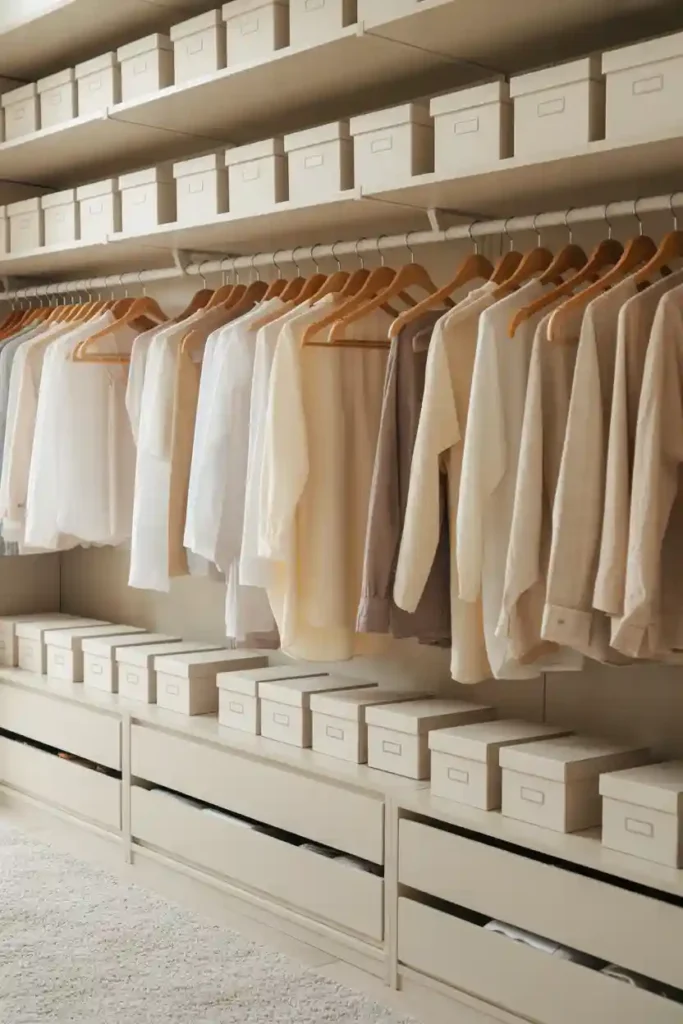
Closets play a major role in maintaining a clutter-free home. When closets are organized, everyday items are easier to store properly. Sort items by category such as clothing, accessories, or seasonal items. This makes it easier to find what you need.
Use matching hangers and storage boxes for a tidy appearance. Consistency improves visual order. Remove items that are no longer used to prevent overcrowding. Regular maintenance keeps closets functional and efficient. An organized closet supports a clutter-free lifestyle.
9. Keep Entryways Simple
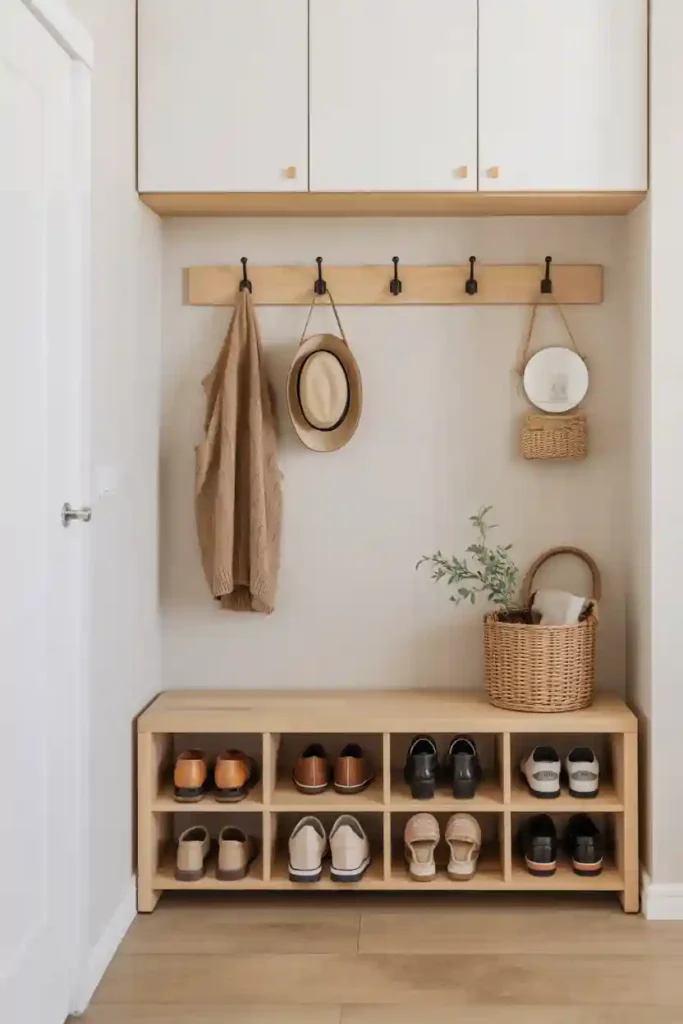
A simple entryway helps prevent clutter from spreading into the rest of the home. Since this area is used daily, it can easily become messy without proper organization. Install hooks or a small rack for coats and bags so they have a consistent place. A compact bench can provide seating while also offering storage underneath. Shoe trays or baskets keep footwear contained and prevent items from being scattered around.
Choose only essential furniture to avoid overcrowding. Too many pieces can make the entryway feel tight and disorganized. Keep surfaces minimal with just one decorative item such as a small plant or bowl for keys. This keeps the area functional while still welcoming. Maintaining a simple entryway sets a calm tone for the rest of the home.
10. Use Vertical Storage
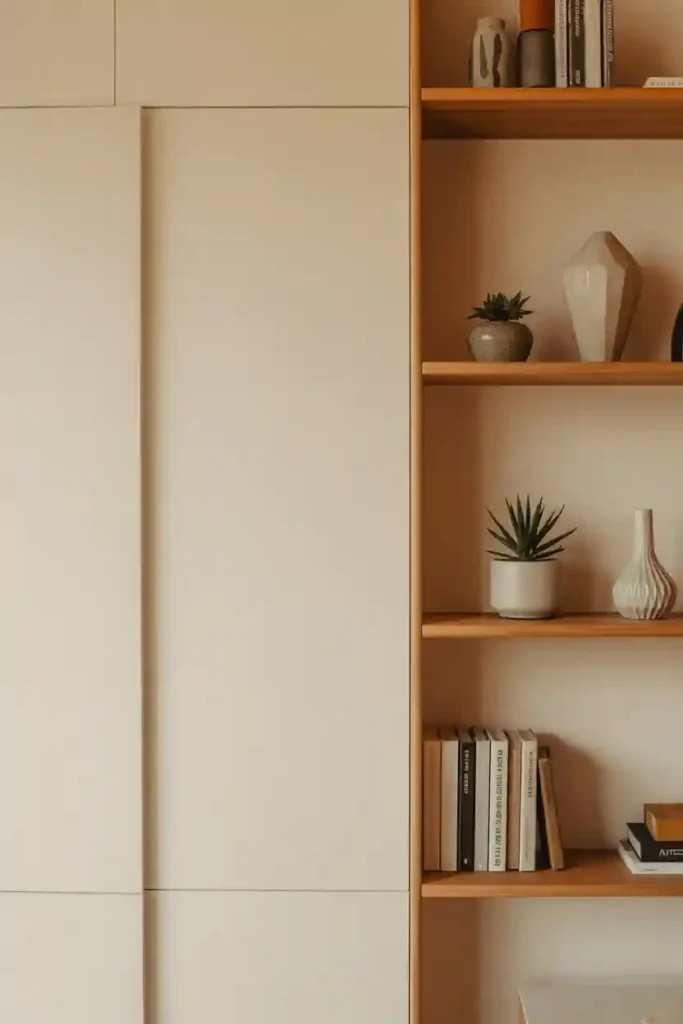
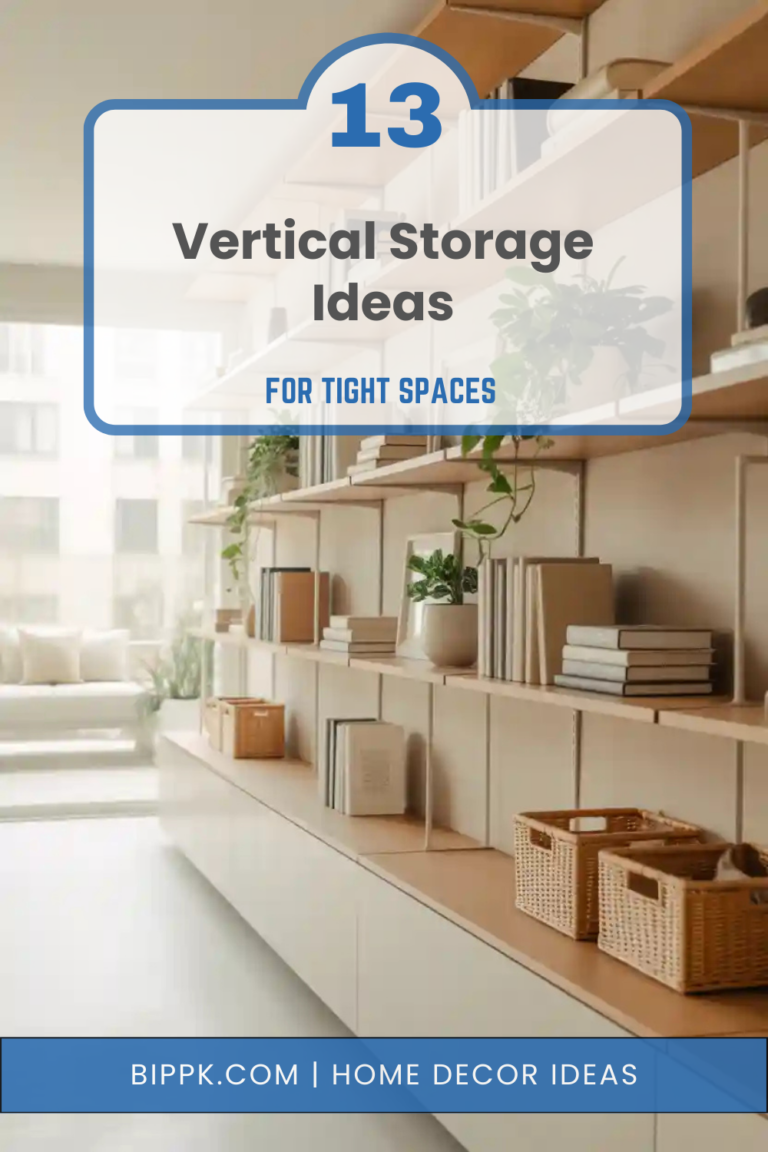
Vertical storage maximizes space while keeping floors clear. Using walls for storage allows rooms to stay open and uncluttered. Floating shelves, tall cabinets, and wall-mounted organizers help store items efficiently. This approach works especially well in small rooms.
Keep the arrangement balanced and avoid overcrowding shelves. Leave some open space to maintain a calm appearance. Neutral colors help vertical storage blend with the room. This method keeps the home functional without sacrificing style.
11. Maintain a Daily Reset Routine
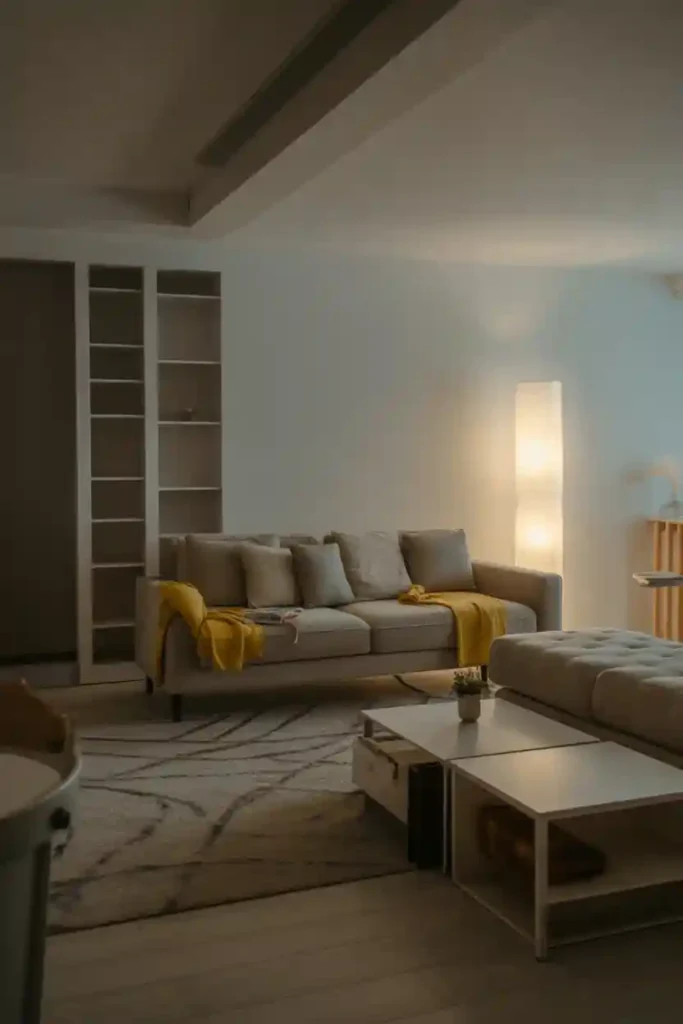
A daily reset routine is one of the most effective ways to keep a home clutter free and consistently calm. Instead of waiting for mess to build up, small daily habits help maintain order with minimal effort. Spending just ten to fifteen minutes each evening putting items back in their proper places can make a noticeable difference. Focus on simple tasks such as clearing countertops, folding blankets, organizing cushions, and returning objects to storage. These small actions prevent clutter from accumulating and keep rooms looking fresh. A consistent routine also reduces the need for large cleaning sessions, which can feel overwhelming.
Keep storage areas easy to access so tidying up becomes quick and convenient. When everything has a designated place, daily organization becomes much easier. Over time, this routine turns into a natural habit that supports a peaceful environment. A regular reset helps your home stay calm and welcoming every day.
12. Store Seasonal Items Away
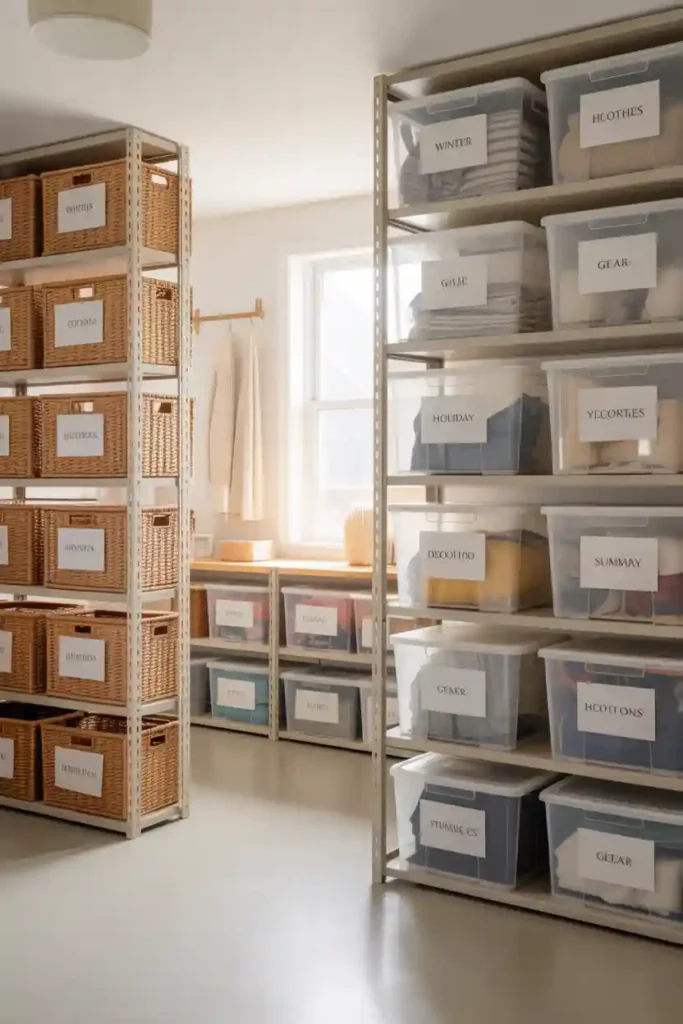
Seasonal items can easily create unnecessary clutter when they remain in everyday living spaces. Storing these items properly helps maintain a calm and organized home throughout the year. Decorations, winter clothing, and holiday supplies should be packed away when not in use. Use sturdy containers or labeled bins to keep items organized and easy to locate. Clear labels save time and prevent unnecessary searching later. Stackable storage containers make better use of closets, shelves, or storage rooms.
Keeping only current-season items accessible reduces visual clutter and makes daily routines easier. Rotating items as seasons change keeps the home feeling fresh and balanced. This method prevents overcrowding and helps maintain a clean environment. A well-organized storage system ensures the home stays clutter free and easy to manage.
13. Choose Simple Furniture Designs
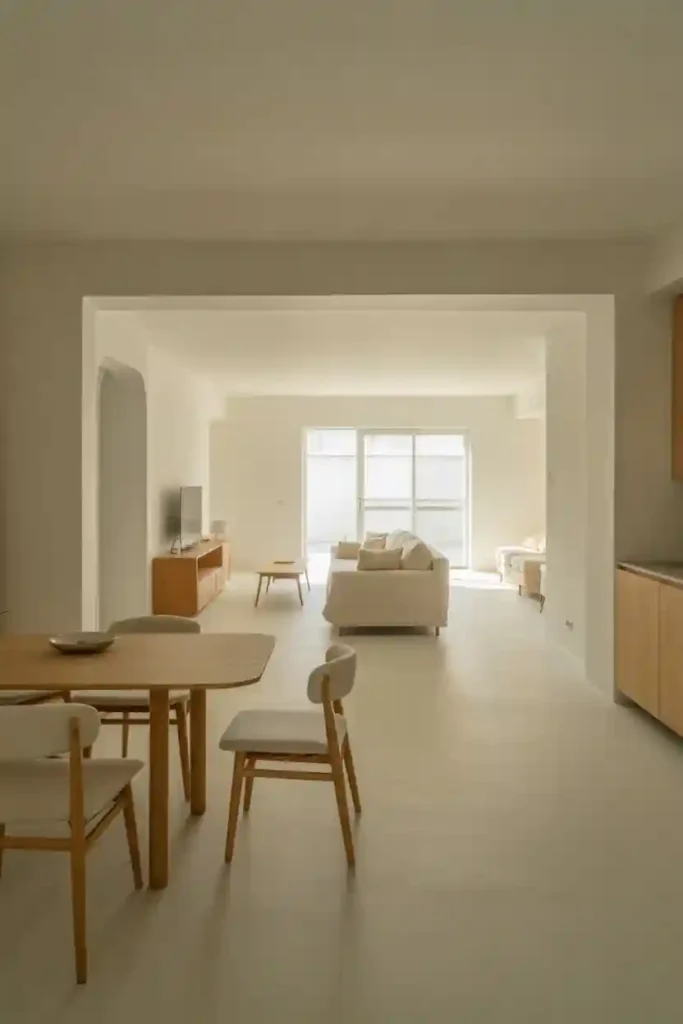
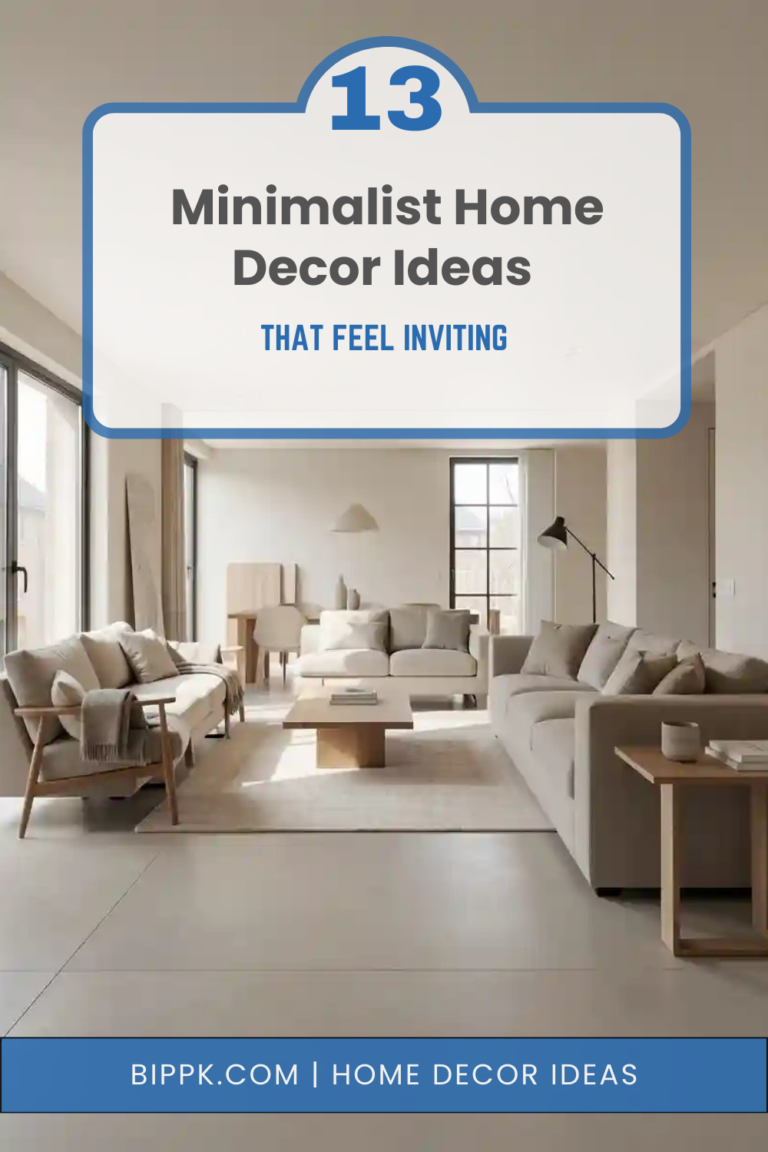
Simple furniture designs help create a calm and clutter-free environment. Furniture with clean lines and minimal details reduces visual noise and makes rooms feel more spacious. When furniture is simple, the overall design appears more balanced and organized. Avoid oversized or overly decorative pieces that dominate the room. Choosing furniture that fits the scale of the space improves movement and comfort. Proper spacing between pieces also helps maintain an open layout.
Neutral colors and smooth finishes make furniture easier to coordinate. Matching tones across different pieces creates a cohesive look that feels intentional rather than crowded. Simple furniture allows the eye to rest and supports a peaceful atmosphere. This approach helps the home feel tidy even during everyday use.
14. Leave Some Empty Space
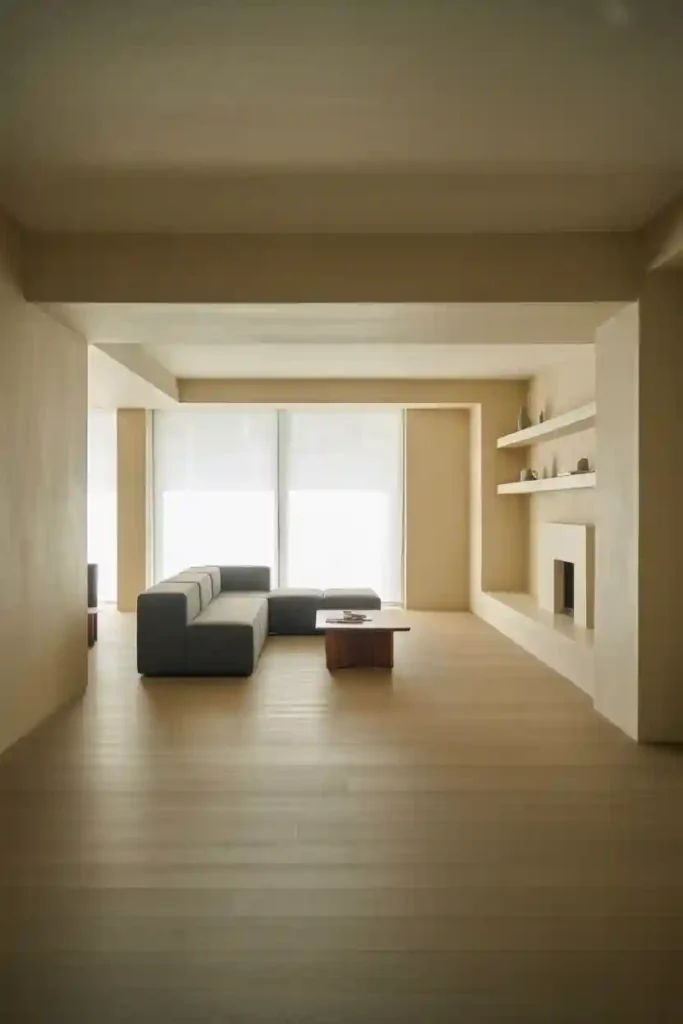
Leaving some empty space is essential for creating a calm and clutter-free home. Many people feel the need to fill every corner with furniture or decorations, but open areas actually improve balance and comfort. Empty space allows the design to breathe and prevents rooms from feeling crowded. Spacing between furniture pieces makes movement easier and improves the flow of the room. Even small gaps between items can make a big difference in how spacious the home feels.
Blank wall areas can also create visual balance. Instead of covering every wall with decor, choose one or two focal points and leave the rest simple. Open space helps highlight important design elements while reducing visual stress. A home that includes intentional empty space feels peaceful and complete.
Final Words
A clutter-free home creates more than just a neat appearance it supports a calm and comfortable lifestyle. When spaces are organized with intention, daily routines become easier and more enjoyable. Small choices such as simplifying decor, using smart storage, and maintaining regular organization habits can make a lasting difference.