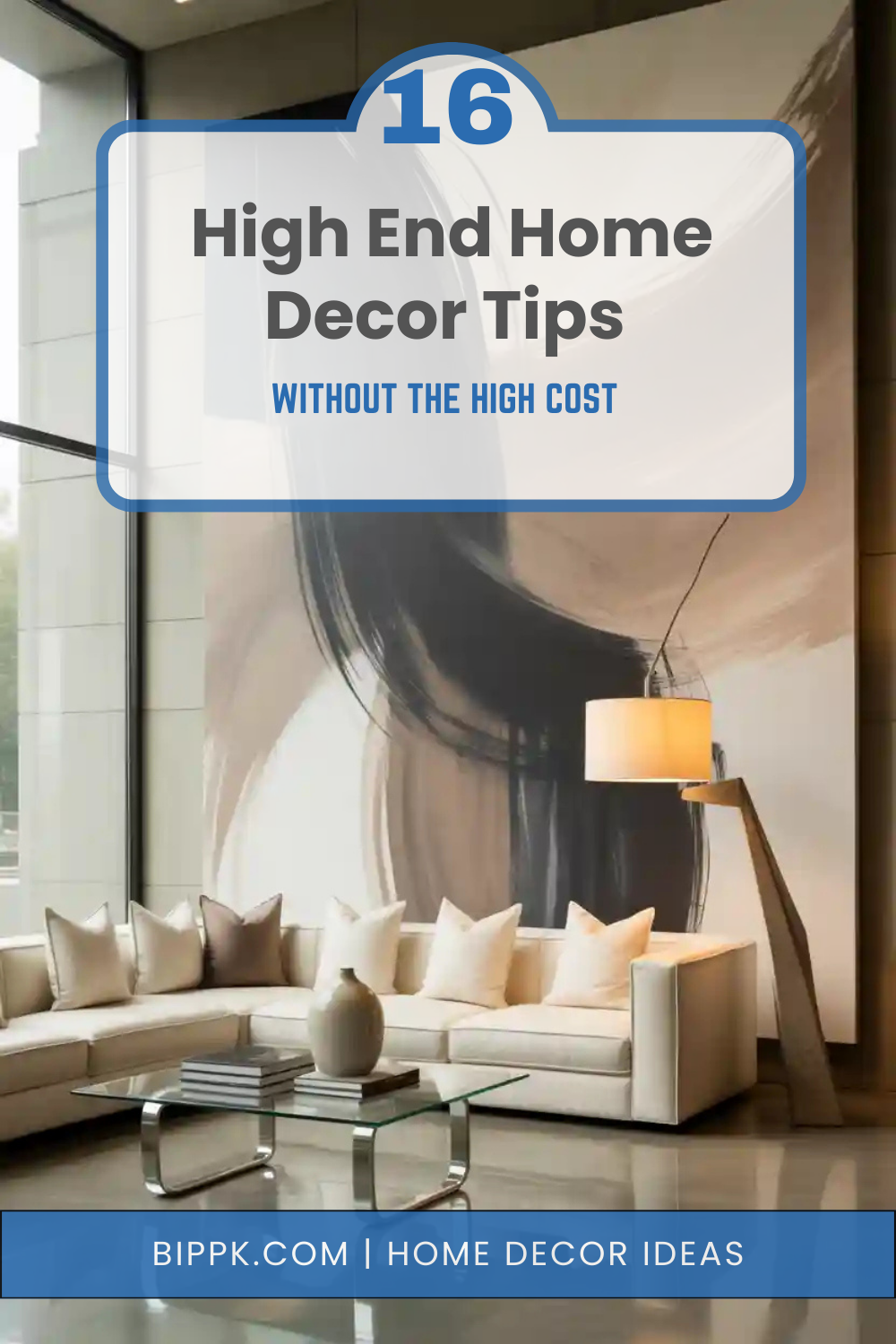
16 High End Home Decor Tips Without the High Cost
Creating a high-end home doesn’t have to mean maxing out your budget or chasing designer labels. True luxury is less about how much you spend and more about how thoughtfully you design your space. With the right choices, even affordable homes can feel refined, intentional, and effortlessly elegant. Small details—like lighting, texture, and balance—often make a bigger visual impact than expensive furniture ever could.
When you focus on cohesion, quality over quantity, and timeless styling techniques, your home naturally starts to feel elevated. The key is knowing where to invest, where to save, and how to style everyday pieces like a professional designer. These high-end home decor tips are all about smart upgrades that create a polished look without the high cost. Whether you live in an apartment or a house, these ideas will help you achieve a luxe atmosphere that feels calm, curated, and beautifully put together.
1. Stick to a Cohesive Color Palette
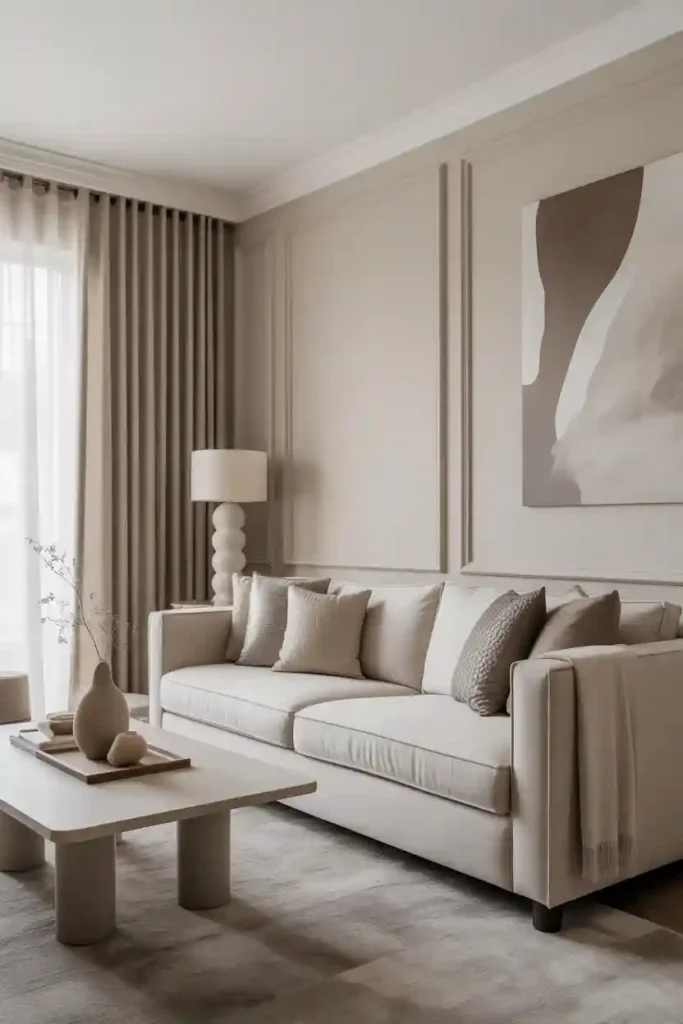
A cohesive color palette is one of the most powerful tools for making a home feel high-end. Luxury interiors rarely use too many colors competing for attention. Instead, they rely on a limited palette that flows seamlessly from room to room. Choose two to three main colors and one accent tone, then repeat them throughout your space. Neutral shades like beige, greige, soft gray, and warm white instantly elevate a room and create a calm foundation.
You can layer depth by using different shades of the same color rather than introducing new ones. This approach makes even budget furniture look intentional and well-designed. Cohesion also helps rooms feel larger and more expensive because the eye moves smoothly without visual clutter. You don’t need new furniture—simple updates like matching cushions, throws, artwork, or decor in your chosen palette can transform the entire space.
2. Upgrade Lighting for an Instant Luxe Feel
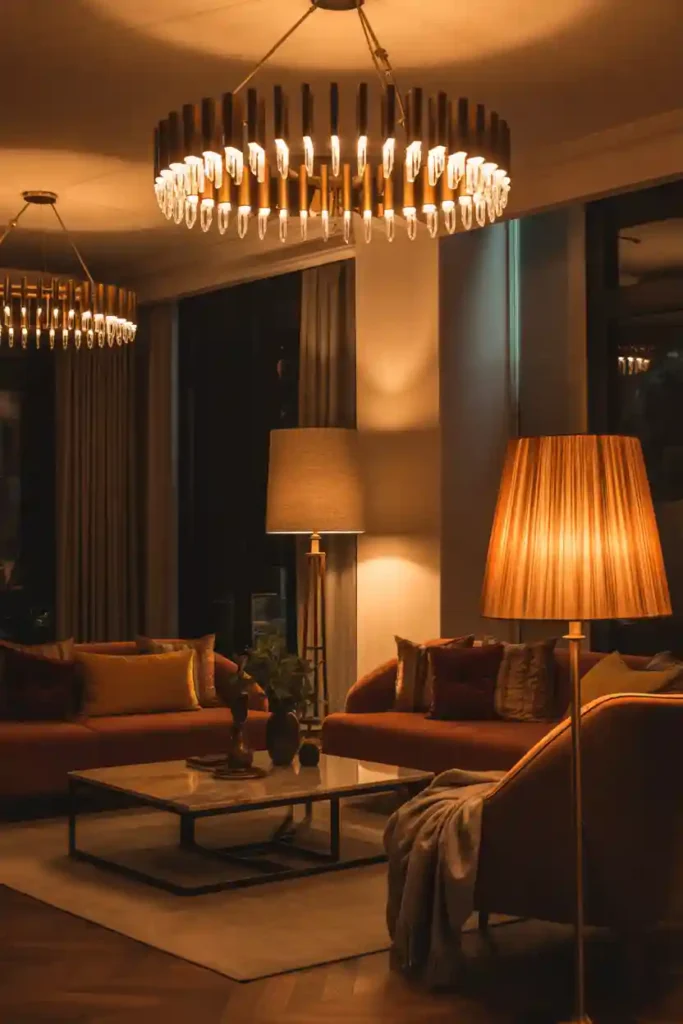
Lighting can completely change how expensive your home looks. Harsh overhead lighting or outdated fixtures instantly cheapen a space, no matter how nice the furniture is. High-end homes always layer their lighting using a mix of ambient, task, and accent lights. Start by replacing basic ceiling fixtures with statement pendants or chandeliers—there are many affordable options that look designer-inspired. Add table lamps and floor lamps to create warmth and dimension.
Warm light bulbs are essential, as cool lighting feels flat and uninviting. Even inexpensive lamps look luxurious when paired with the right bulb temperature. Consider placing lamps symmetrically for a polished look. Lighting should feel intentional, not accidental. Once your space glows softly in the evening, everything—from walls to furniture—will look richer and more refined.
Read Also: 13 Spa Style Bathroom Ideas for Everyday Relaxation
3. Use Large-Scale Art Instead of Many Small Pieces

Nothing says high-end decor like oversized artwork. Luxury homes favor bold, large-scale pieces that make a statement instead of cluttered gallery walls with tiny frames. One large artwork instantly anchors a room and gives it a curated, designer look. You don’t need expensive originals—digital downloads, abstract prints, or even fabric art can look stunning when printed large and framed simply. Keep frames minimal in black, white, or natural wood.
Oversized art creates balance and visual confidence, making your space feel intentional rather than decorated over time. It also helps smaller rooms feel more expansive by drawing the eye upward. If you already own small art pieces, group them into one cohesive arrangement instead of scattering them. A single strong focal point always feels more luxurious than many competing elements.
4. Invest in Texture, Not More Decor

High-end interiors rarely feel flat, and that’s because they focus heavily on texture. Instead of buying more decorative items, layer different materials to add depth and interest. Think linen curtains, wool rugs, velvet cushions, ceramic vases, and wooden accents. Texture creates a sensory richness that makes a room feel expensive even when the pieces are affordable.
Mixing matte and glossy finishes also elevates the look. A textured throw on a sofa or a woven basket in a corner can make the entire space feel warmer and more intentional. Stick to similar tones so the textures stand out without overwhelming the room. When a space feels rich in texture, it naturally looks thoughtfully designed rather than overdecorated.
5. Style With Fewer, Larger Accessories

Luxury decor is all about restraint. Instead of filling shelves and tables with many small accessories, choose fewer but larger pieces. A single sculptural vase, an oversized bowl, or a statement tray instantly looks more upscale than several tiny items. This approach makes your decor feel curated rather than cluttered.
High-end homes leave breathing room around objects, allowing each piece to shine. When styling surfaces, follow the rule of odd numbers and vary heights for visual interest. Keep colors cohesive to maintain a calm look. Editing your decor is often more impactful than buying new items. Removing excess accessories will immediately make your home feel cleaner, calmer, and more refined.
6. Add Floor-Length Curtains for Instant Elegance
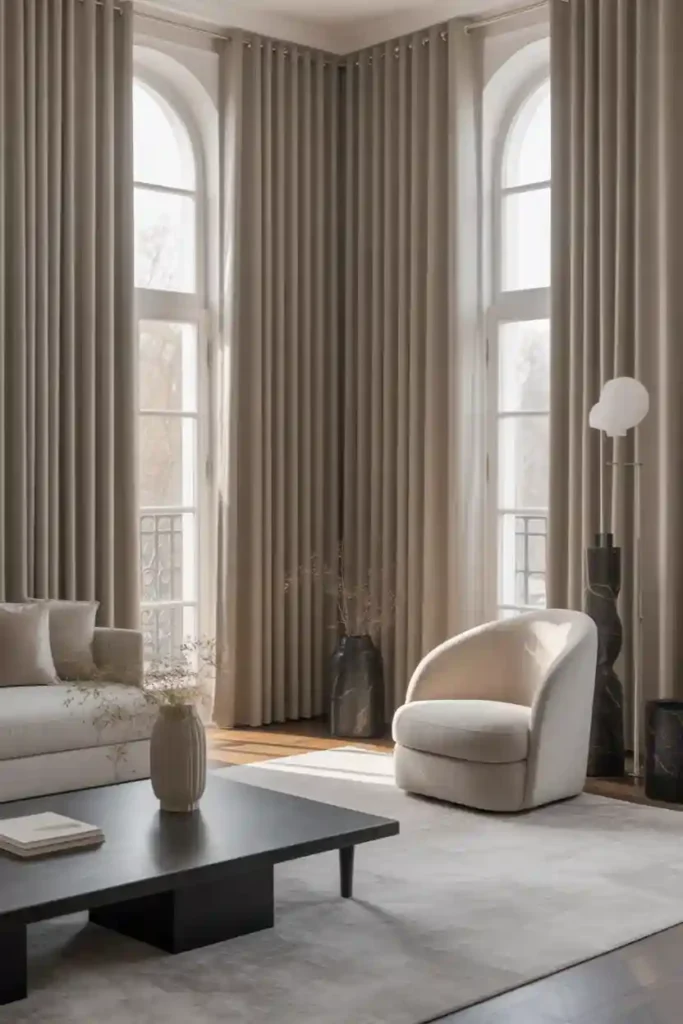
Floor-length curtains are one of the easiest ways to make a home feel high-end without spending much. Short or poorly hung curtains instantly make a room look unfinished, while long, flowing panels add drama and sophistication. For a luxury effect, hang curtain rods closer to the ceiling rather than directly above the window frame. This creates the illusion of taller walls and larger windows, a trick designers use in upscale homes.
Choose neutral fabrics like linen, cotton blends, or soft polyester with a slight texture. Avoid heavy patterns, as simple designs age better and feel more refined. Even affordable curtains can look expensive when they are properly sized and lightly puddle on the floor. Full, well-fitted curtains soften hard lines in a room and add warmth, making the space feel intentional and polished. This single change can elevate bedrooms, living rooms, and dining areas instantly.
7. Incorporate Symmetry in Your Styling

Symmetry is a quiet luxury secret that makes interiors feel balanced and professionally designed. High-end homes often use symmetrical layouts because they naturally feel calm and organized. Think matching lamps on either side of a sofa, identical bedside tables with similar decor, or evenly spaced cushions. Symmetry doesn’t mean the room has to look stiff—it simply creates structure. Even small symmetrical touches, like two vases or framed prints placed evenly, can elevate a space.
This approach works especially well in living rooms, bedrooms, and entryways where balance sets the tone. You don’t need new furniture to achieve this look. Rearranging what you already own can instantly make your space feel more intentional and refined. Symmetry gives the impression that every detail was carefully planned, which is a key element of luxury design.
8. Choose Neutral Foundations and Layer Accents
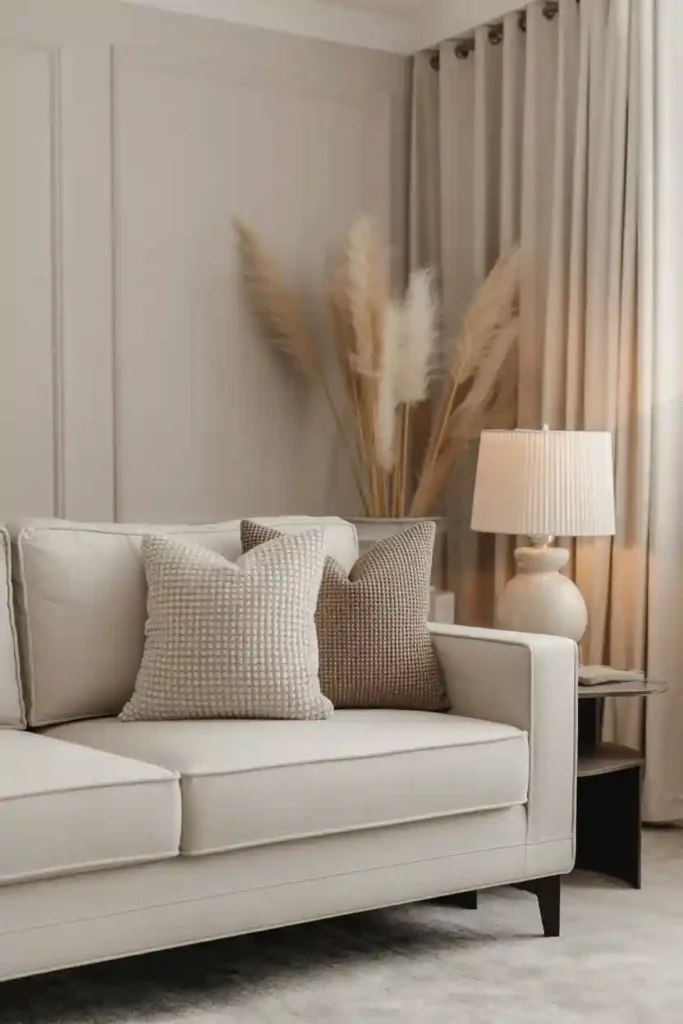
Neutral foundations are the backbone of high-end interiors. Luxury homes rely on calming base colors like beige, warm white, soft gray, and taupe because they feel timeless and cohesive. When walls, sofas, and large furniture pieces stay neutral, the entire space feels more refined and expensive. Accents are then layered on top using pillows, throws, artwork, and small decor items. This approach allows flexibility—you can refresh the look seasonally without replacing major pieces.
Neutral foundations also help affordable furniture blend seamlessly, preventing a mismatched or cluttered appearance. Instead of bold colors everywhere, limit strong shades to smaller accessories. This layered method creates depth while maintaining a calm, polished look. Over time, your space feels curated rather than trendy, which is exactly what gives high-end homes their lasting appeal.
9. Elevate with Statement Mirrors
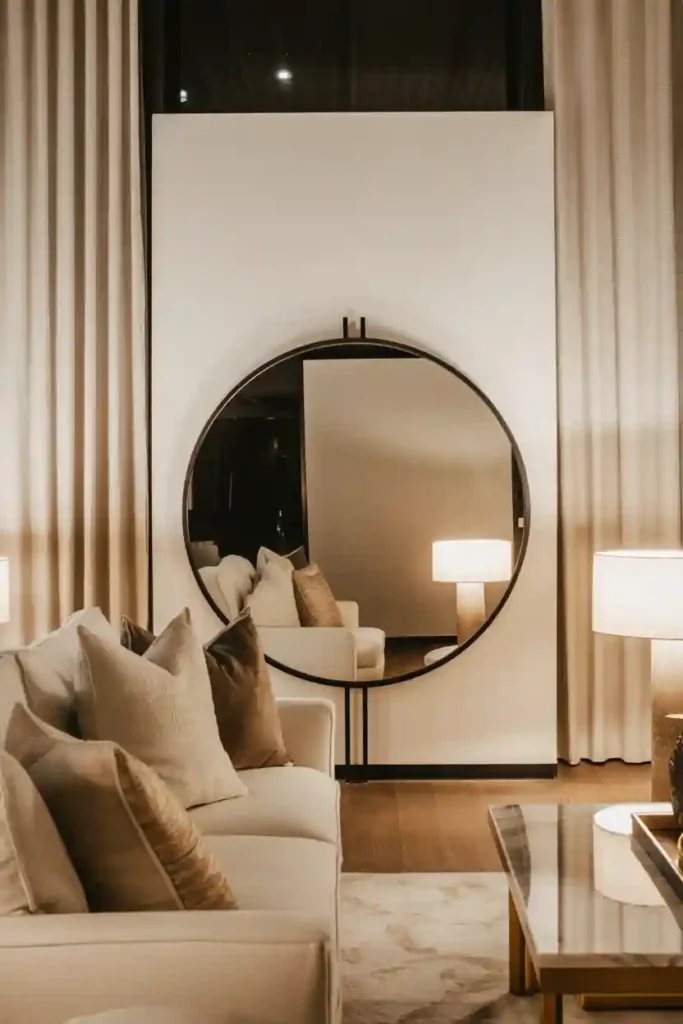
Statement mirrors are a classic high-end design element because they instantly add light, depth, and elegance. In luxury homes, mirrors are often oversized and thoughtfully placed to act as a focal point rather than a small decorative accent. A large mirror positioned above a console, fireplace, or opposite a window reflects natural light and makes the space feel brighter and more open.
This visual expansion is one of the reasons mirrors are so effective in smaller or darker rooms. Choose frames with simple finishes such as matte black, brushed brass, or warm wood for a refined look. Avoid overly ornate or tiny mirrors scattered around the room, as they can feel busy. One bold mirror feels intentional and designer-approved. Even affordable mirrors look expensive when scaled correctly and styled with restraint.
10. Style Coffee Tables Like a Designer
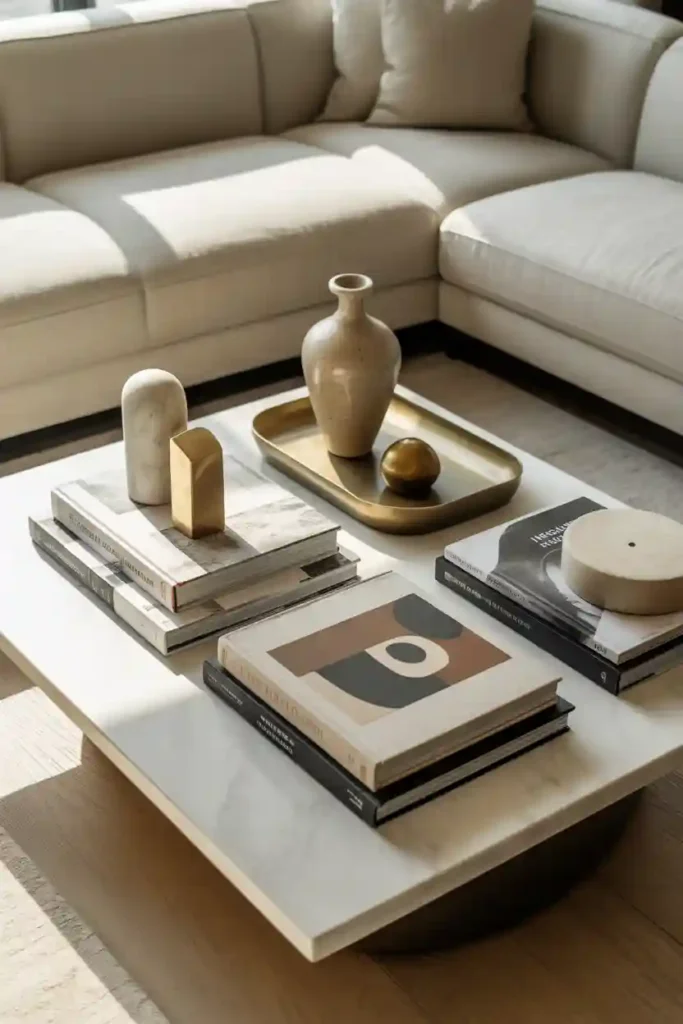
A thoughtfully styled coffee table can instantly elevate your living room and give it a polished, high-end feel. Designers often use a simple formula that balances function with style. Start with a tray to anchor the arrangement and create structure. Add one or two hardcover books with neutral covers or art, fashion, or interior themes.
Layer a sculptural object, candle, or small plant to introduce height and texture. Keep the color palette cohesive so the table doesn’t feel cluttered. Avoid filling every inch of space—negative space is essential for a luxury look. High-end coffee tables feel curated rather than crowded. Even budget-friendly decor looks upscale when arranged with intention. A clean, balanced coffee table signals that the entire space is thoughtfully designed.
11. Replace Cheap Hardware for a Luxe Upgrade
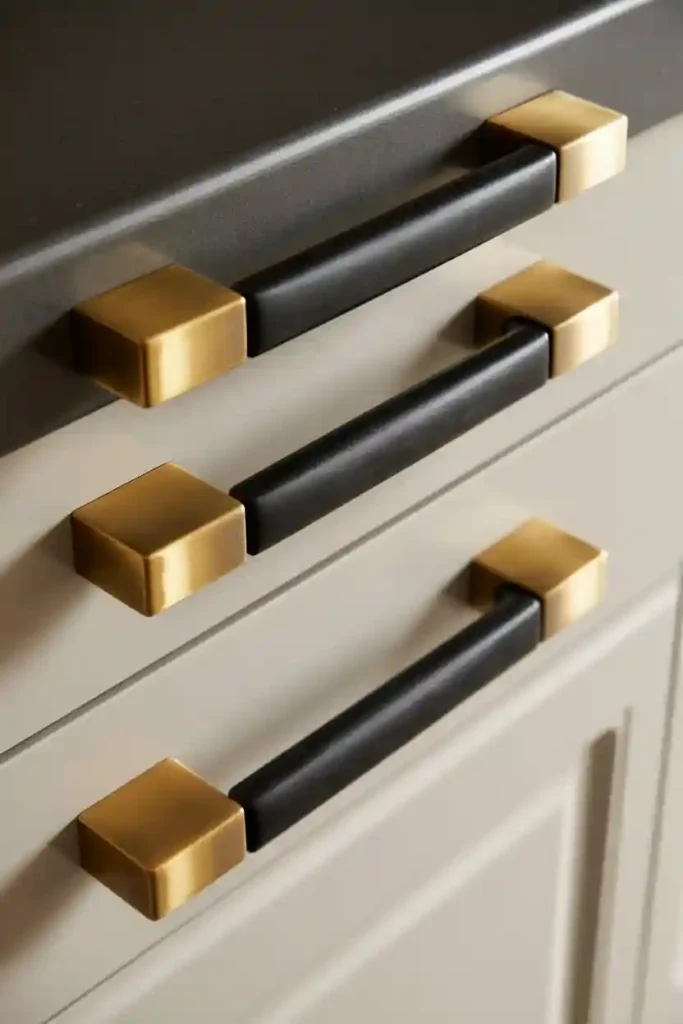
Upgrading hardware is a small change that makes a surprisingly big impact. High-end homes pay close attention to details, and hardware is one of the easiest ways to reflect that level of care. Swapping out basic cabinet knobs, drawer pulls, or door handles instantly elevates kitchens, bathrooms, and even wardrobes.
Finishes like matte black, brushed brass, or antique bronze feel timeless and sophisticated. The key is consistency—using the same finish throughout a space creates a cohesive and expensive look. This upgrade is affordable and requires minimal effort, yet it dramatically improves how polished your home feels. Quality hardware adds weight and presence, making even budget cabinetry feel more substantial and intentional. It’s a simple investment with long-lasting visual payoff.
12. Layer Rugs for Depth and Warmth
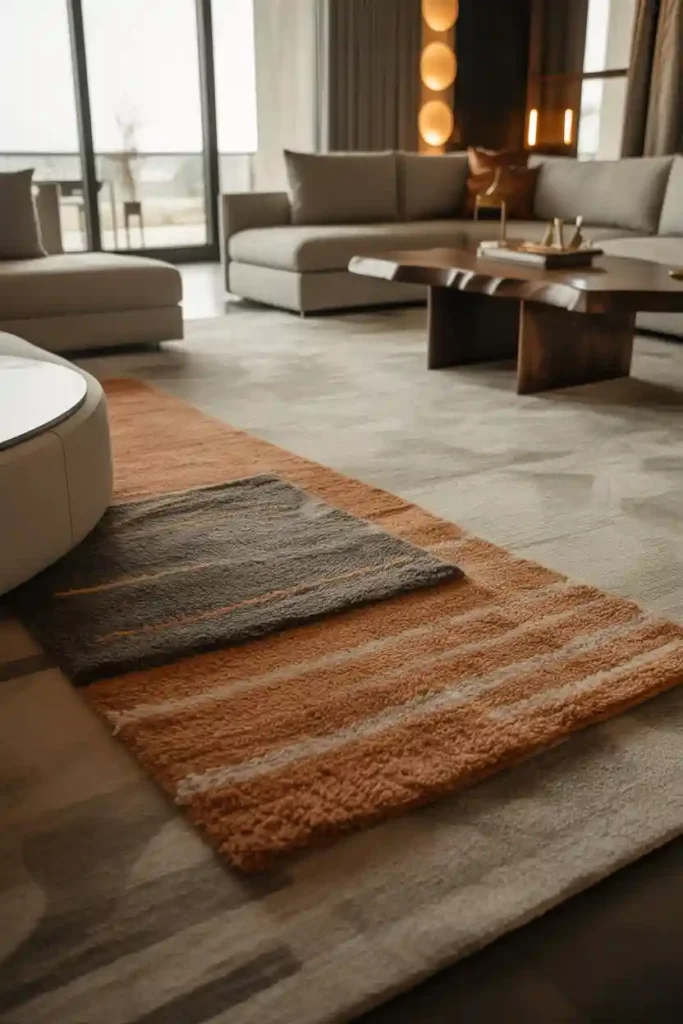
Layering rugs is a designer-approved technique that instantly makes a space feel rich and thoughtfully styled. High-end homes often use this method to add depth, texture, and visual interest without relying on expensive furniture. Start with a large neutral rug as the base to ground the room. Then layer a smaller rug on top that introduces subtle pattern, texture, or contrast.
This creates a collected, curated look that feels intentional rather than flat. Layered rugs are especially effective in living rooms, bedrooms, and even home offices. They help define zones while adding warmth and comfort. You don’t need to invest in costly rugs—mixing affordable options can still look luxurious when colors complement each other. This approach adds personality while maintaining a polished, upscale aesthetic that feels cozy and refined.
13. Keep Surfaces Mostly Clear
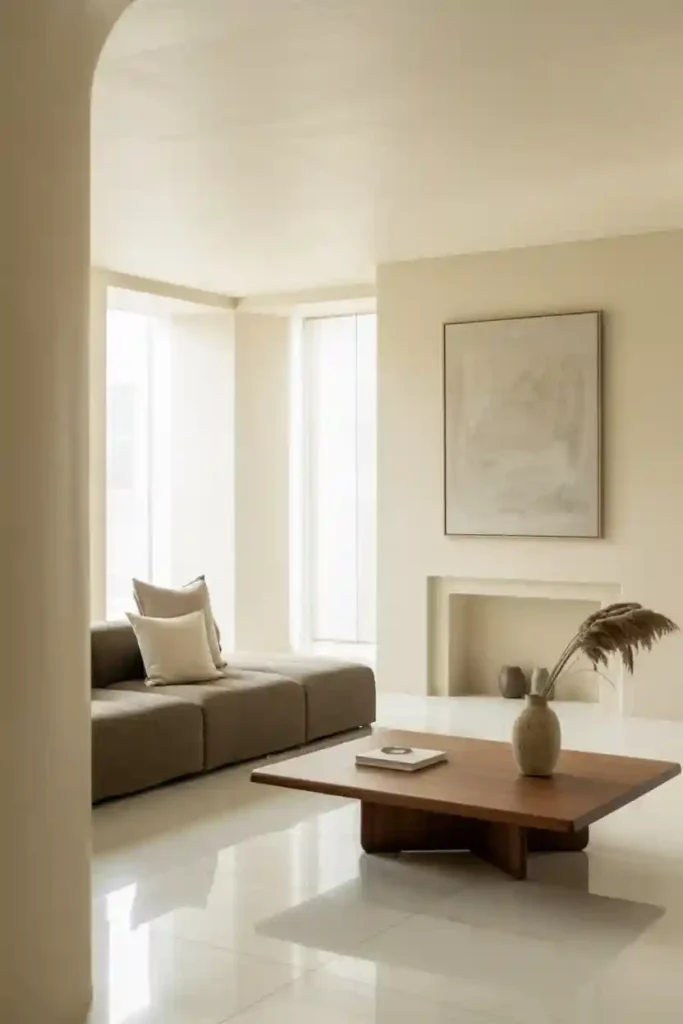
One of the most noticeable traits of high-end interiors is how calm and uncluttered they feel. Luxury homes don’t fill every surface with decor—instead, they allow space to breathe. Keeping surfaces mostly clear helps each chosen item feel more intentional and special. When countertops, tables, and shelves are overcrowded, even expensive decor can look messy.
By editing your space and removing excess items, you instantly create a more refined and organized look. This doesn’t mean your home has to feel empty; it means being selective. Choose one or two meaningful pieces for each surface and leave the rest open. Clear surfaces also make rooms feel larger and brighter. This simple habit is one of the easiest ways to achieve a high-end aesthetic without spending anything at all.
14. Bring in Greenery for a Fresh Look
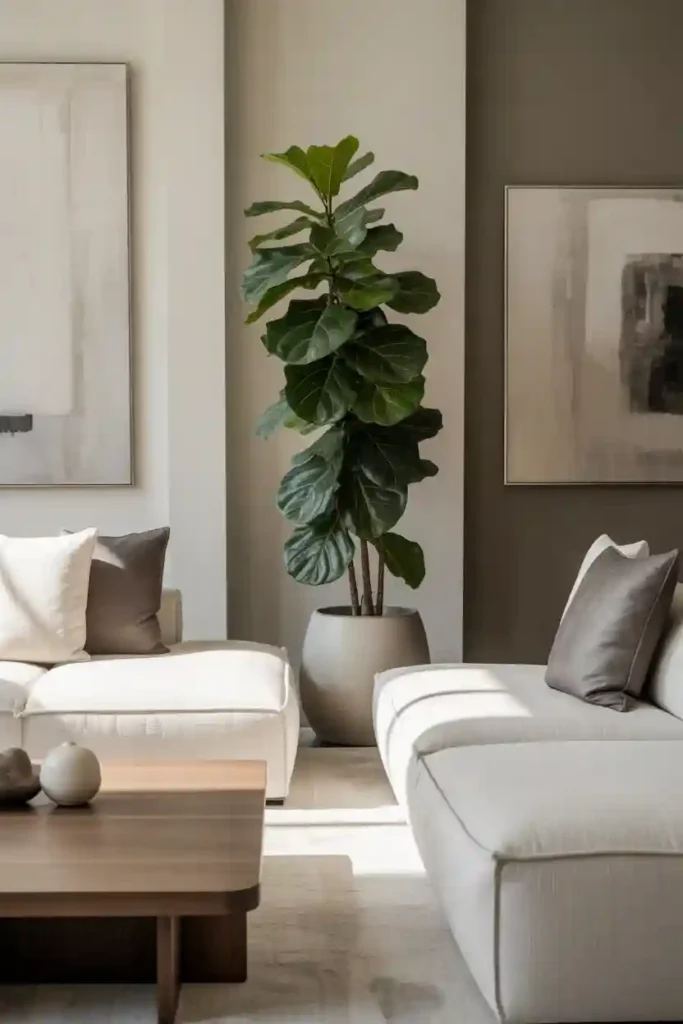
Greenery is a timeless element in high-end design because it brings life, softness, and contrast to a space. Luxury interiors often feature large, well-placed plants rather than many small ones. A tall plant in a corner or a statement planter near a window can instantly elevate a room. Plants help balance neutral color palettes and make interiors feel more organic and inviting.
Choose planters in simple shapes and finishes like ceramic, stone, or matte metal to maintain a refined look. If natural plants aren’t an option, high-quality faux plants can still create the same visual impact when styled correctly. Greenery adds freshness without overwhelming the space, making it feel lived-in yet polished—a key trait of high-end homes.
15. Focus on Quality Over Quantity

High-end homes never feel crowded, and that’s because they prioritize quality over quantity. Instead of filling your space with many decorative items or trend-based purchases, luxury interiors rely on fewer, better-chosen pieces. This approach creates a sense of intention and refinement that instantly elevates the look of your home. Investing in one well-made accent chair, a solid coffee table, or a statement decor piece often has more impact than buying several inexpensive items.
Quality doesn’t always mean expensive—it means timeless design, good proportions, and durable materials. When each item has a purpose, the space feels curated rather than cluttered. Over time, this mindset helps you build a home that looks sophisticated and cohesive. Editing your decor and resisting impulse buys is one of the simplest ways to achieve a polished, high-end aesthetic.
16. Maintain Clean Lines and Visual Flow
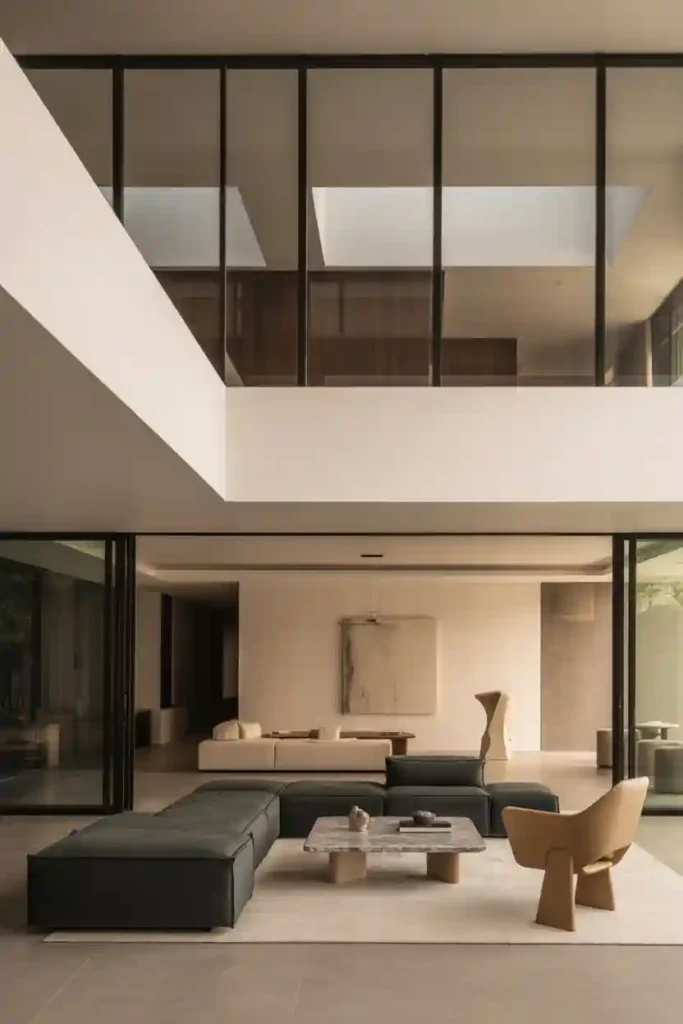
Clean lines and smooth visual flow are essential for creating a high-end look. Luxury homes feel effortless because furniture placement is thoughtful and uncluttered. Avoid overcrowding rooms with too many pieces or blocking natural walkways. Each item should have enough space around it to stand on its own.
Clean-lined furniture with simple silhouettes often looks more expensive than overly detailed or bulky designs. Maintaining clear pathways allows the eye to move easily through the room, making the space feel larger and more open. Sometimes, removing a single piece of furniture can dramatically improve the overall balance of a room. When your home feels open, airy, and well-proportioned, it naturally reads as upscale—even without expensive finishes or decor.
Final Words
Creating a high-end home isn’t about spending more—it’s about designing smarter. When you focus on balance, texture, lighting, and thoughtful styling, even the most affordable spaces can feel refined and luxurious. These high-end home decor tips prove that elegance comes from intention, not price tags. By editing clutter, choosing timeless foundations, and paying attention to small details, your home naturally begins to look curated and polished.