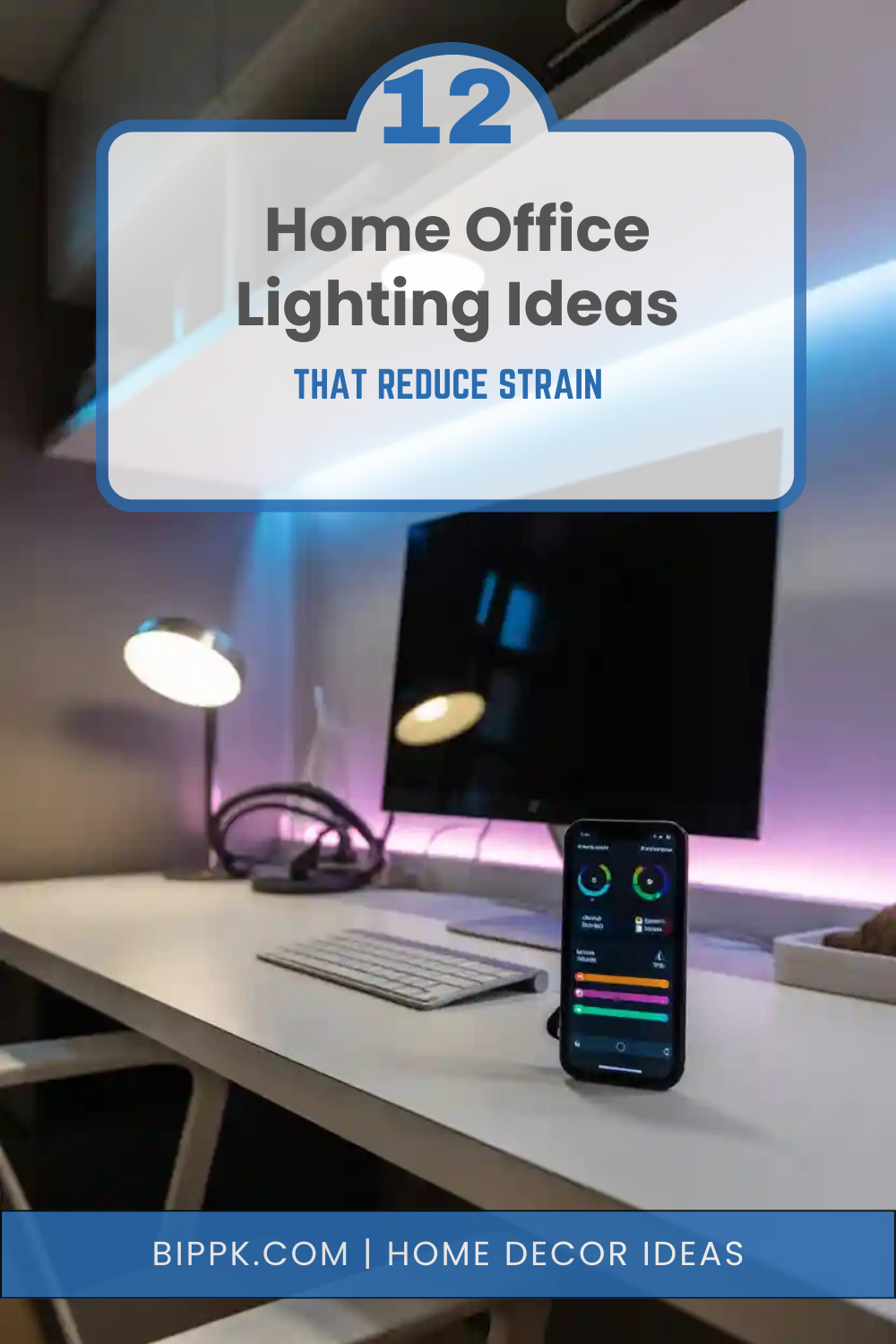
12 Home Office Lighting Ideas That Reduce Strain
Lighting plays a major role in how comfortable, productive, and focused you feel while working from home. Poor lighting can quickly lead to eye strain, headaches, fatigue, and even reduced concentration—especially during long work hours. That’s why choosing the right lighting setup is just as important as selecting a good chair or desk. The best home office lighting balances brightness, direction, and warmth to support your eyes throughout the day without causing glare or harsh shadows.
From maximizing natural light to layering task and ambient lighting, smart lighting choices can dramatically improve your work experience. Whether your office is a dedicated room or a small corner, thoughtful lighting design helps create a healthier and more enjoyable workspace. These 12 Home Office Lighting Ideas That Reduce Strain focus on comfort-first solutions that still look stylish, ensuring your home office supports both productivity and well-being.
1. Maximize Natural Daylight
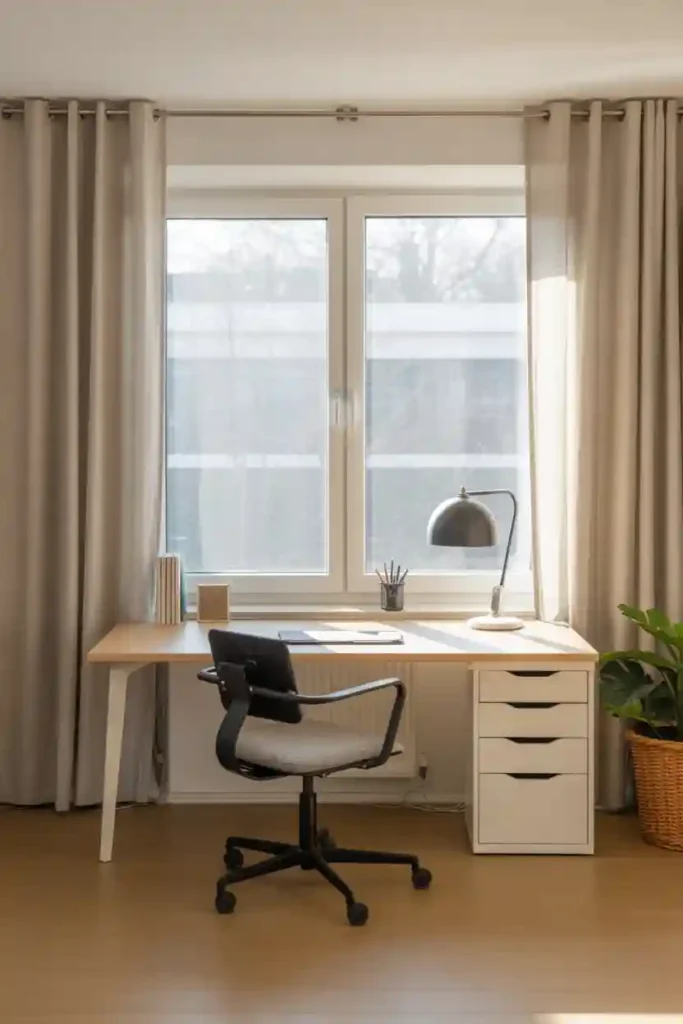
Natural daylight is one of the most effective ways to reduce eye strain in a home office. Sunlight provides balanced illumination that is easy on the eyes and helps regulate your body’s natural rhythm, improving alertness and mood. Positioning your desk near a window allows you to take advantage of daylight without relying entirely on artificial lighting during the day.
The key is proper placement. Ideally, the window should be to the side of your desk rather than directly in front or behind your monitor. This reduces screen glare while still providing plenty of ambient light. Sheer curtains or light-filtering blinds can help soften harsh sunlight and prevent strong contrasts that strain your eyes. Natural light also enhances color accuracy, which is especially beneficial for creative or detail-oriented work. Pair daylight with soft artificial lighting for cloudy days or evening hours. When used thoughtfully, natural light becomes the foundation of a strain-reducing, comfortable home office environment.
2. Adjustable Task Desk Lighting
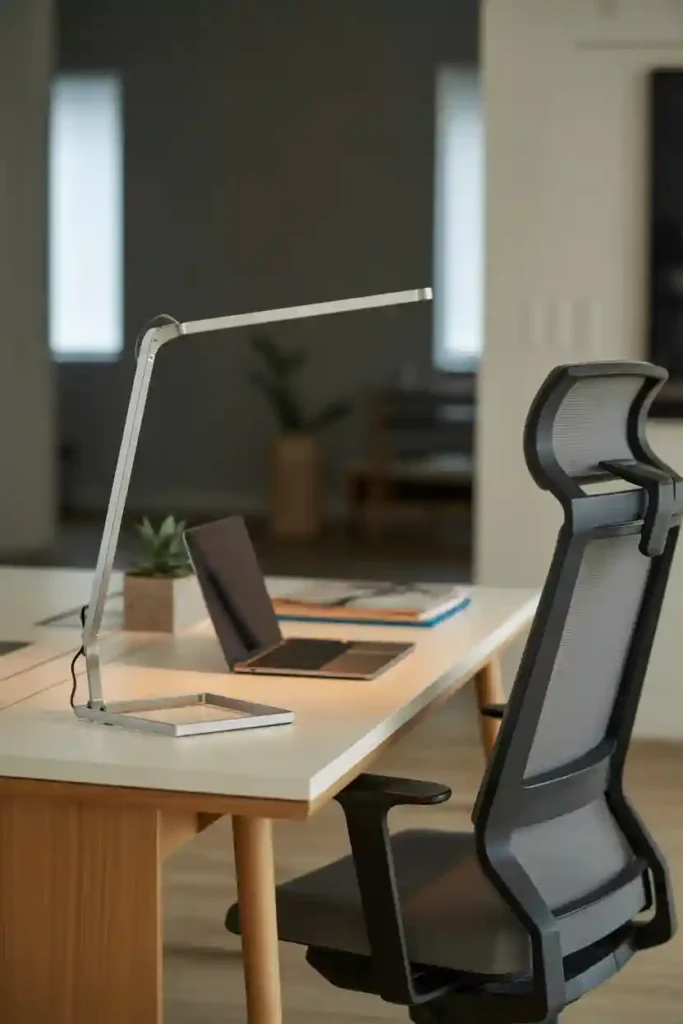
An adjustable desk lamp is essential for focused work and reducing eye strain. Task lighting provides direct illumination exactly where you need it, minimizing the effort your eyes make to see fine details. Adjustable lamps allow you to control height, angle, and brightness, making them suitable for reading, writing, or computer work.
Look for desk lamps with articulated arms or swivel heads so light can be repositioned throughout the day. This is especially helpful if you switch tasks frequently. LED task lights are a popular choice because they offer bright, flicker-free illumination without generating heat. The placement of task lighting matters. Position the lamp on the opposite side of your dominant hand to avoid casting shadows across your work surface. Combined with ambient lighting, a good task lamp reduces contrast and prevents eye fatigue, making it one of the most practical lighting upgrades for any home office.
Read Also; 13 Basement Ceiling Ideas That Add Style
3. Soft Ambient Overhead Lighting
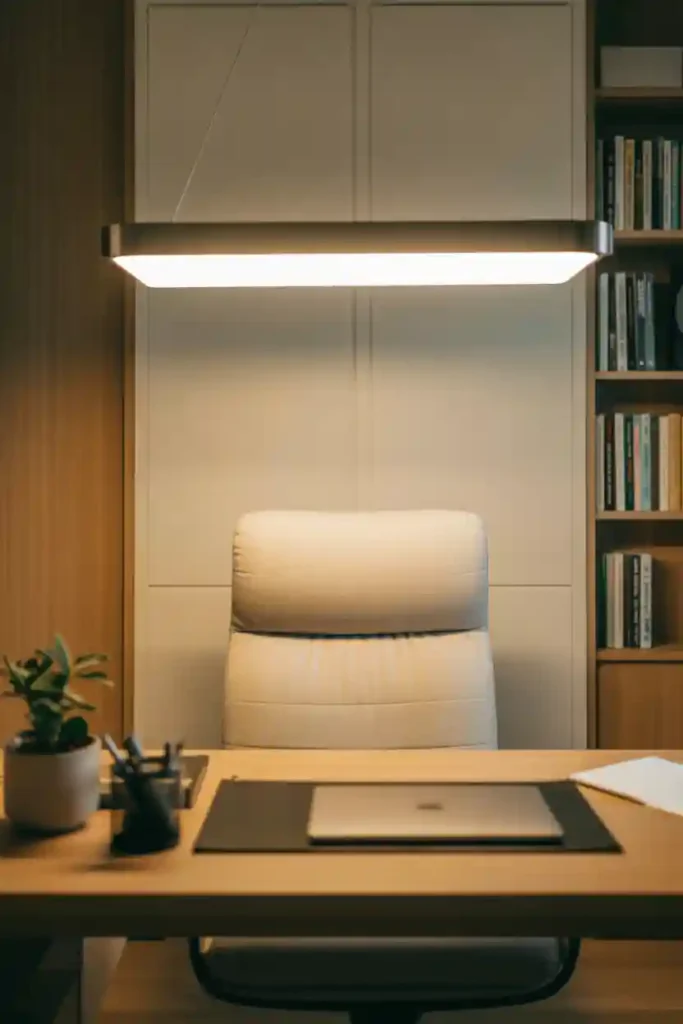
Ambient lighting provides overall illumination that prevents your eyes from constantly adjusting between bright and dark areas. In a home office, soft overhead lighting creates a balanced environment that supports long work sessions without strain. Unlike harsh ceiling lights, diffused ambient lighting offers even coverage across the room.
Flush-mount fixtures, semi-flush lights, or recessed lighting with diffusers work well in home offices. The goal is to eliminate dark corners and reduce strong contrasts between your screen and surroundings. Soft white light is usually the most comfortable, as it mimics natural daylight without feeling clinical. Ambient lighting should complement task lighting rather than replace it. When both are used together, your eyes experience less stress because they aren’t constantly shifting focus. A well-lit room feels calmer, more inviting, and significantly easier to work in for extended periods.
4. LED Lighting with Adjustable Color Temperature
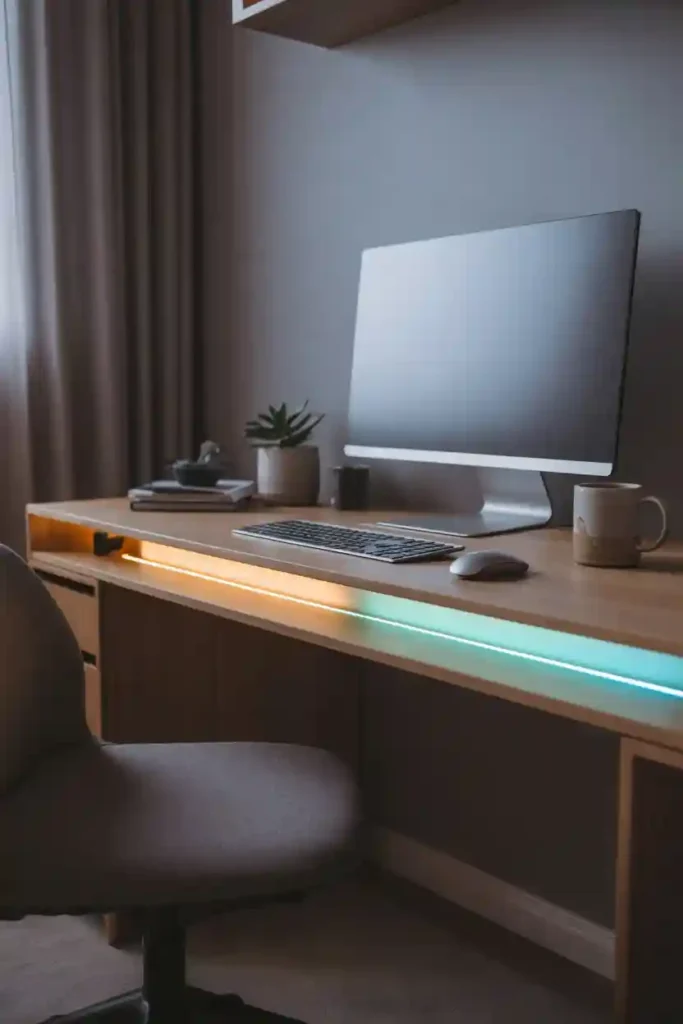
LED lights with adjustable color temperature allow you to tailor your lighting to different times of the day, helping reduce eye strain and mental fatigue. Cooler light tones promote focus and alertness during morning and afternoon hours, while warmer tones are gentler on the eyes in the evening.
This flexibility is especially useful for people who work long or irregular hours. Adjustable LEDs let you mimic natural light patterns, supporting better eye comfort and overall well-being. Many modern desk lamps and ceiling fixtures now include tunable white options. Using the correct color temperature also reduces harsh contrasts and screen glare. When your lighting matches your environment and task, your eyes work less to adjust. This makes adjustable LED lighting a smart investment for a comfortable, strain-free home office.
5. Bias Lighting Behind Monitors
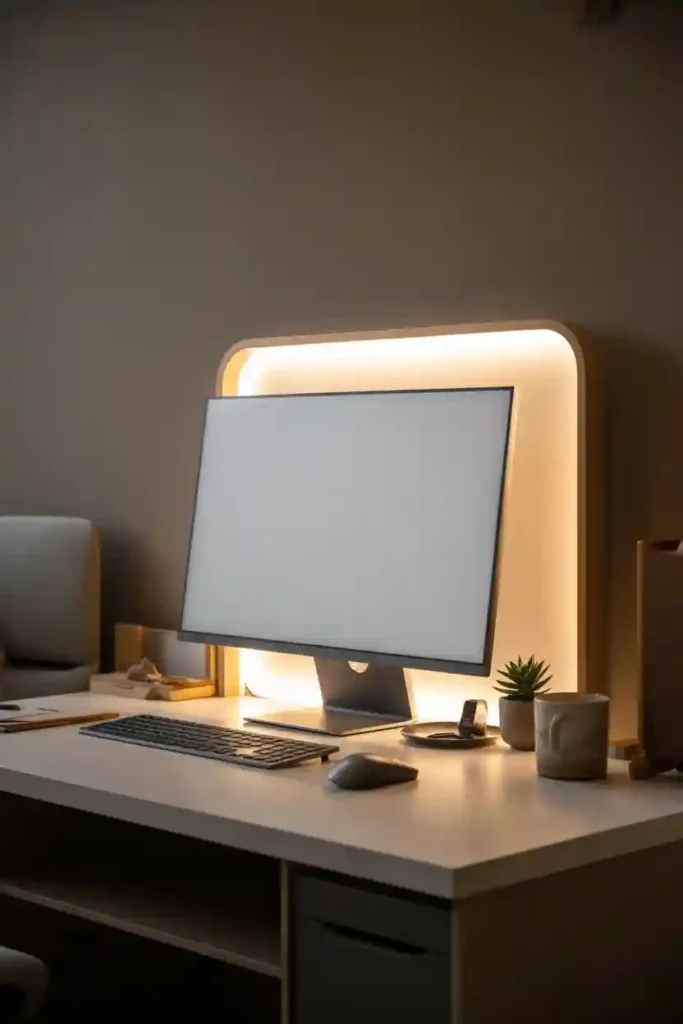
Bias lighting is a subtle yet powerful way to reduce eye strain, especially for screen-heavy work. This technique involves placing soft LED light strips behind your monitor to create a gentle glow on the wall. The added background light reduces the contrast between the bright screen and darker surroundings.
This setup helps your eyes adjust more comfortably when focusing on a screen for extended periods. Bias lighting is particularly beneficial in low-light rooms or during evening work sessions. It also adds a modern, polished look to your workspace. Choose neutral or soft white lighting rather than colored LEDs for the best strain-reducing effect. When paired with proper ambient and task lighting, bias lighting creates a visually balanced environment that feels easier on the eyes and more enjoyable to work in.
6. Floor Lamps for Even Light Distribution
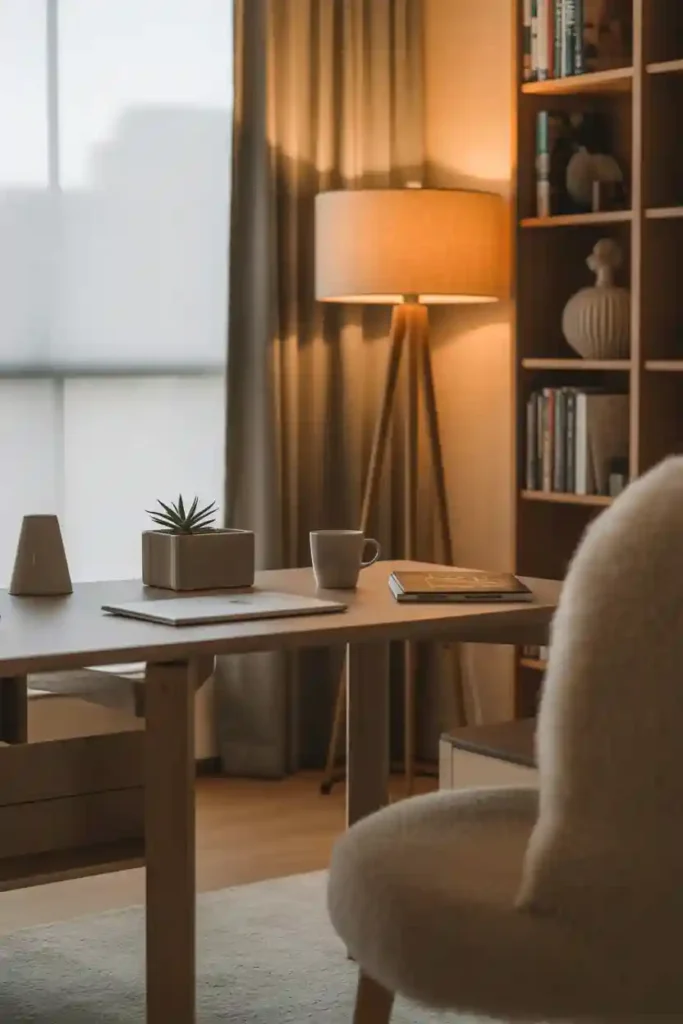
Floor lamps are a great solution for spreading light evenly throughout a home office, especially in rooms without overhead fixtures. They help fill dark areas and reduce shadows, creating a more comfortable visual environment. This even distribution prevents eye fatigue caused by uneven lighting.
Arc lamps, tripod lamps, or shaded floor lamps work well depending on your style. Choose lamps with diffused shades to soften light and avoid harsh brightness. Positioning a floor lamp near your desk but slightly behind it provides ambient support without causing glare. Floor lamps are also flexible. They can be moved easily and adjusted as your workspace evolves. When combined with desk lamps and overhead lighting, they contribute to a layered lighting approach that significantly reduces strain and improves comfort.
7. Anti-Glare Lighting Placement
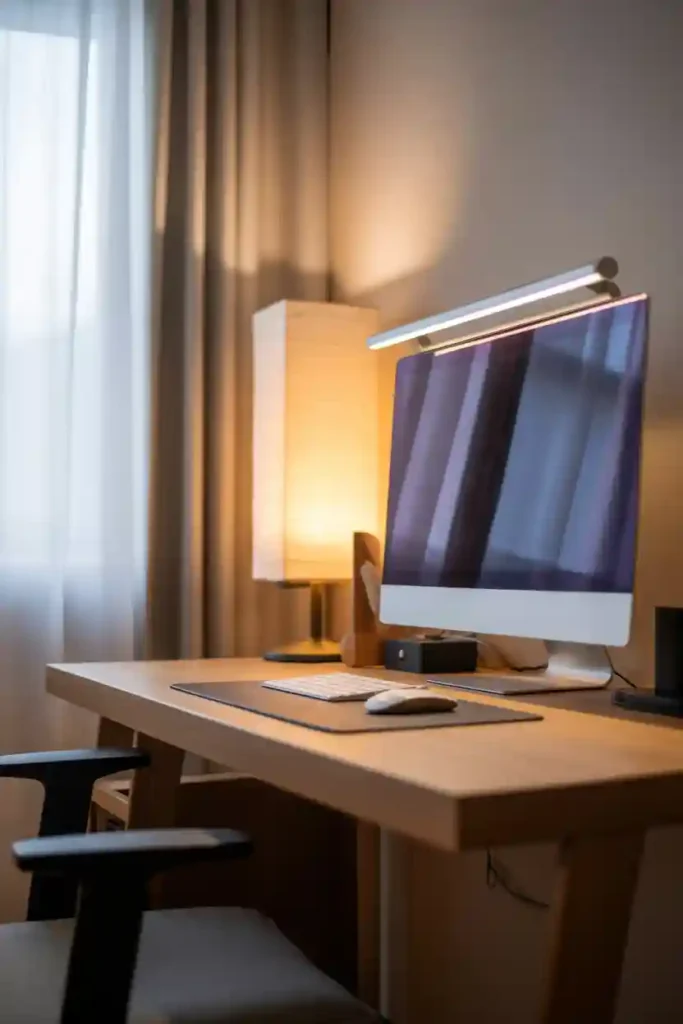
Reducing glare is essential for preventing eye strain in a home office. Glare often comes from poorly placed lights reflecting off screens or glossy surfaces. Proper lighting placement minimizes reflections and allows your eyes to stay relaxed throughout the day.
Avoid placing lights directly behind or in front of your monitor. Instead, position light sources at angles that illuminate your workspace without bouncing into your eyes. Matte finishes on desks and walls also help reduce reflective glare. Anti-glare lighting is about thoughtful arrangement rather than adding more light. When your lighting works with your screen instead of against it, your eyes stay comfortable, focused, and less fatigued during long work hours.
8. Wall Sconces for Indirect Light
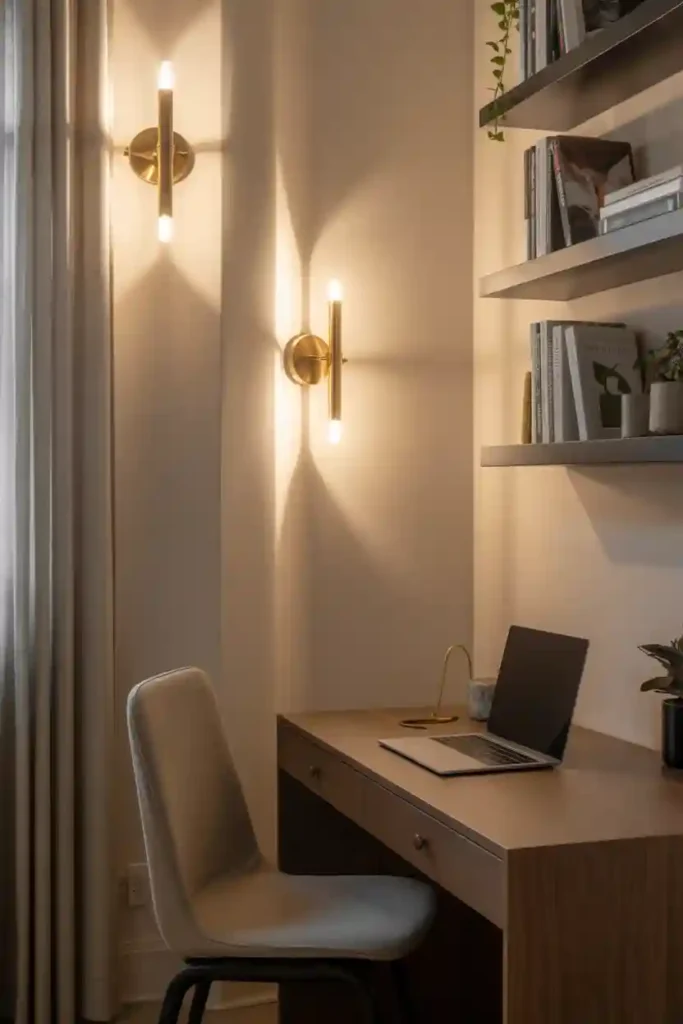
Wall sconces provide indirect lighting that gently illuminates a room without harsh brightness. In a home office, they help create a balanced lighting environment that reduces strain and adds visual comfort. Indirect light is easier on the eyes because it minimizes sharp shadows and glare.
Sconces placed above or beside your workspace can replace harsh overhead lighting or supplement it. Choose fixtures with upward or diffused light directions for the best results. Warm or neutral light tones work well for long work sessions. In addition to reducing eye strain, wall sconces add a decorative element to your office. They make the space feel intentional and thoughtfully designed while supporting a healthier lighting setup.
9. Dimmable Lighting for Flexible Comfort
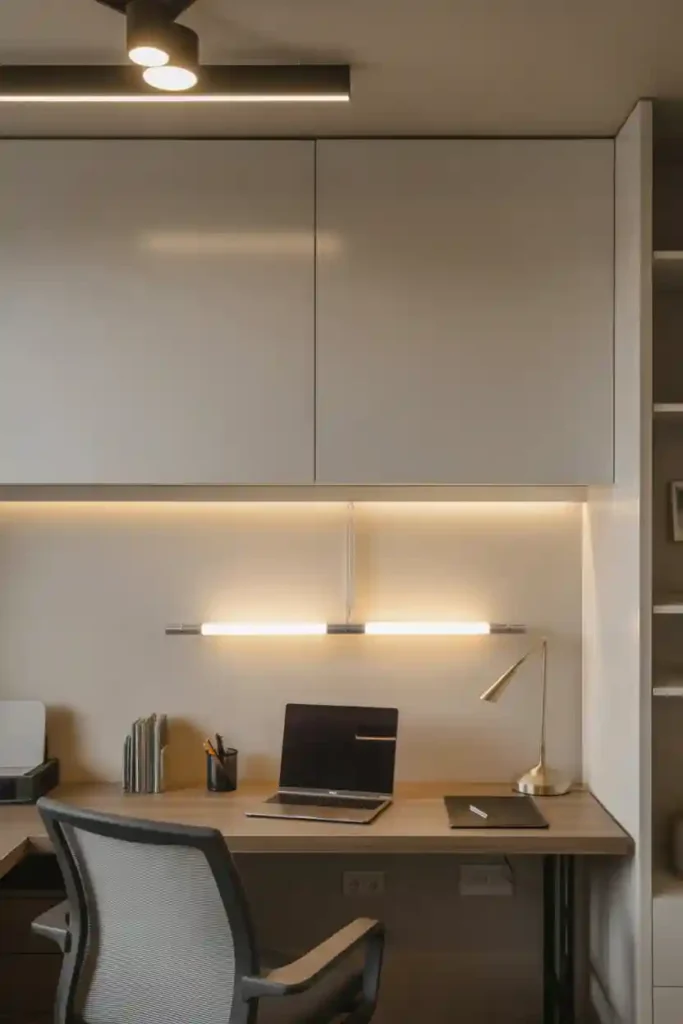
Dimmable lighting gives you control over brightness levels, allowing you to adapt your workspace to different tasks and times of day. Too much brightness can be just as straining as too little, so having adjustable intensity is key for eye comfort.
Dimmers work well with overhead lights, desk lamps, and even floor lamps. Lowering brightness during evening hours helps reduce eye fatigue and supports a more relaxed atmosphere. Brighter settings during focused work hours improve clarity without overwhelming your eyes. This flexibility makes dimmable lighting ideal for home offices used throughout the day. Being able to fine-tune your lighting ensures consistent comfort and reduced strain no matter when or how long you work.
10. Smart Lighting Systems

Smart lighting systems allow you to automate and customize your home office lighting for optimal eye comfort. With app or voice control, you can adjust brightness, color temperature, and schedules effortlessly. This helps maintain consistent lighting that supports your eyes throughout the day.
Smart lighting can be programmed to mimic natural daylight cycles, reducing strain and supporting focus during work hours. Automated dimming in the evening helps ease the transition out of work mode. By removing the need for constant manual adjustments, smart lighting creates a seamless and comfortable work environment. It’s a modern solution that combines convenience, comfort, and health-focused design.
11. Layered Lighting Design
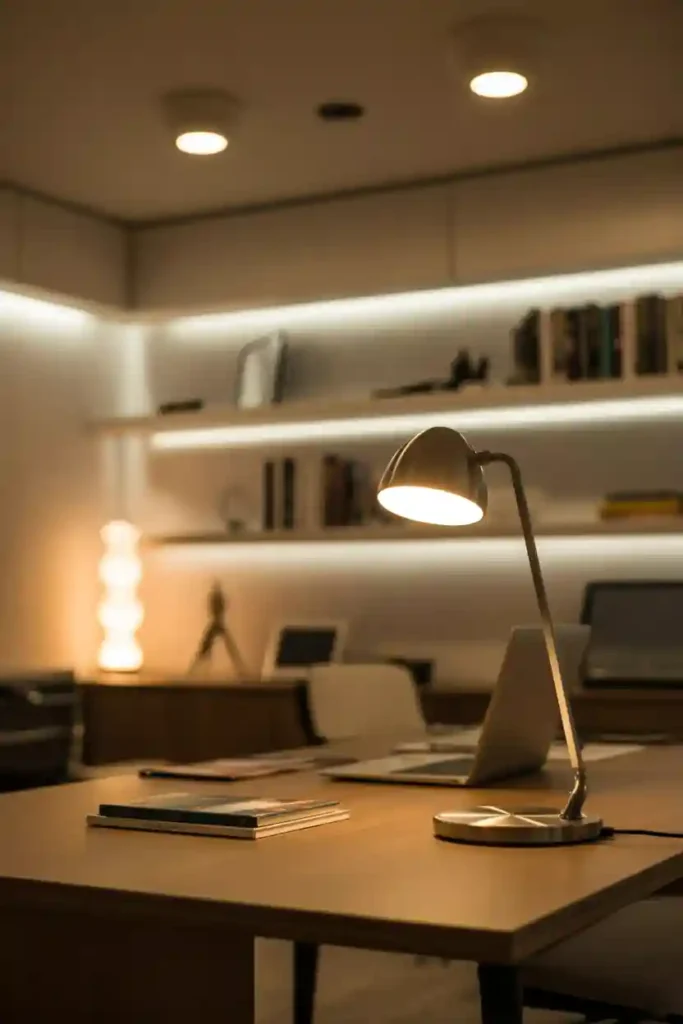
Layered lighting combines ambient, task, and accent lighting to create a balanced and strain-free workspace. This approach ensures no single light source overworks your eyes. Instead, light is distributed evenly across the room and work surface.
Ambient lighting sets the overall brightness, task lighting focuses on specific work areas, and accent lighting adds depth and reduces harsh contrasts. Together, they create a visually comfortable environment ideal for long work sessions. Layered lighting also allows flexibility. You can adjust each layer based on your needs, time of day, or task. This thoughtful combination is one of the most effective ways to reduce eye strain in a home office.
12. Accent Lighting for Visual Balance
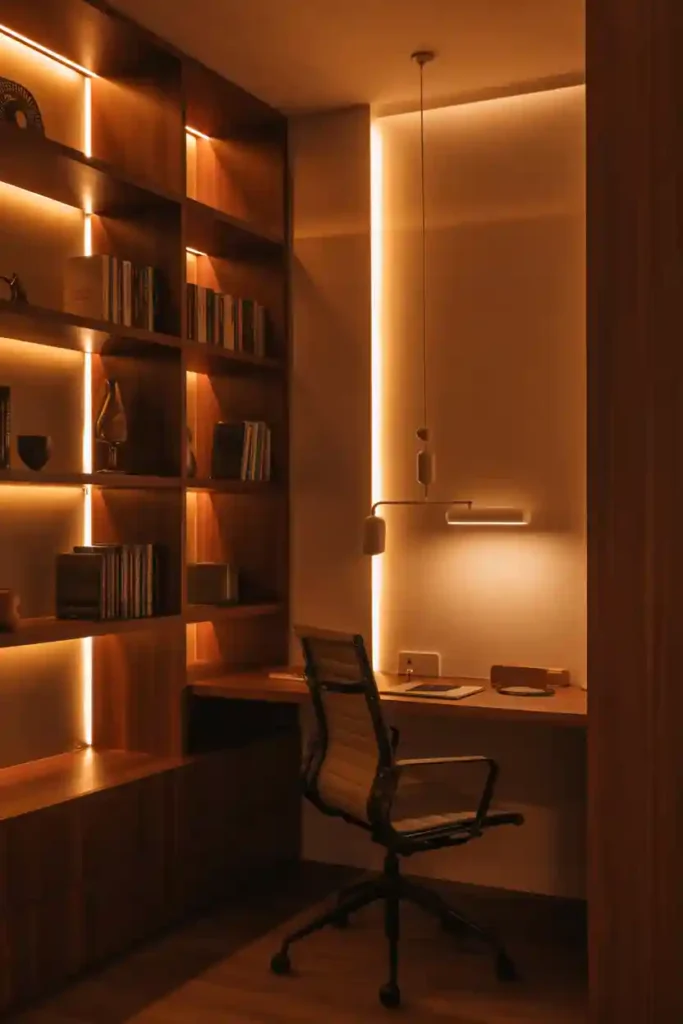
Accent lighting may seem decorative, but it plays an important role in reducing strain by balancing the visual environment. Soft accent lights on shelves, artwork, or walls reduce stark contrasts between bright screens and dark surroundings.
This type of lighting adds depth and comfort, making your office feel less visually demanding. It’s especially helpful in the evening when overall lighting levels are lower. Accent lighting should be subtle and supportive rather than bright. When used correctly, it enhances comfort, adds style, and contributes to a healthier, more eye-friendly workspace.
Final Words
The right lighting can completely change how your home office feels and how your eyes respond to long work hours. These 12 Home Office Lighting Ideas That Reduce Strain highlight the importance of balanced, flexible, and well-placed lighting that supports comfort and productivity. By combining natural light, adjustable task lighting, soft ambient sources, and smart lighting solutions, you can create a workspace that minimizes glare and reduces visual fatigue.