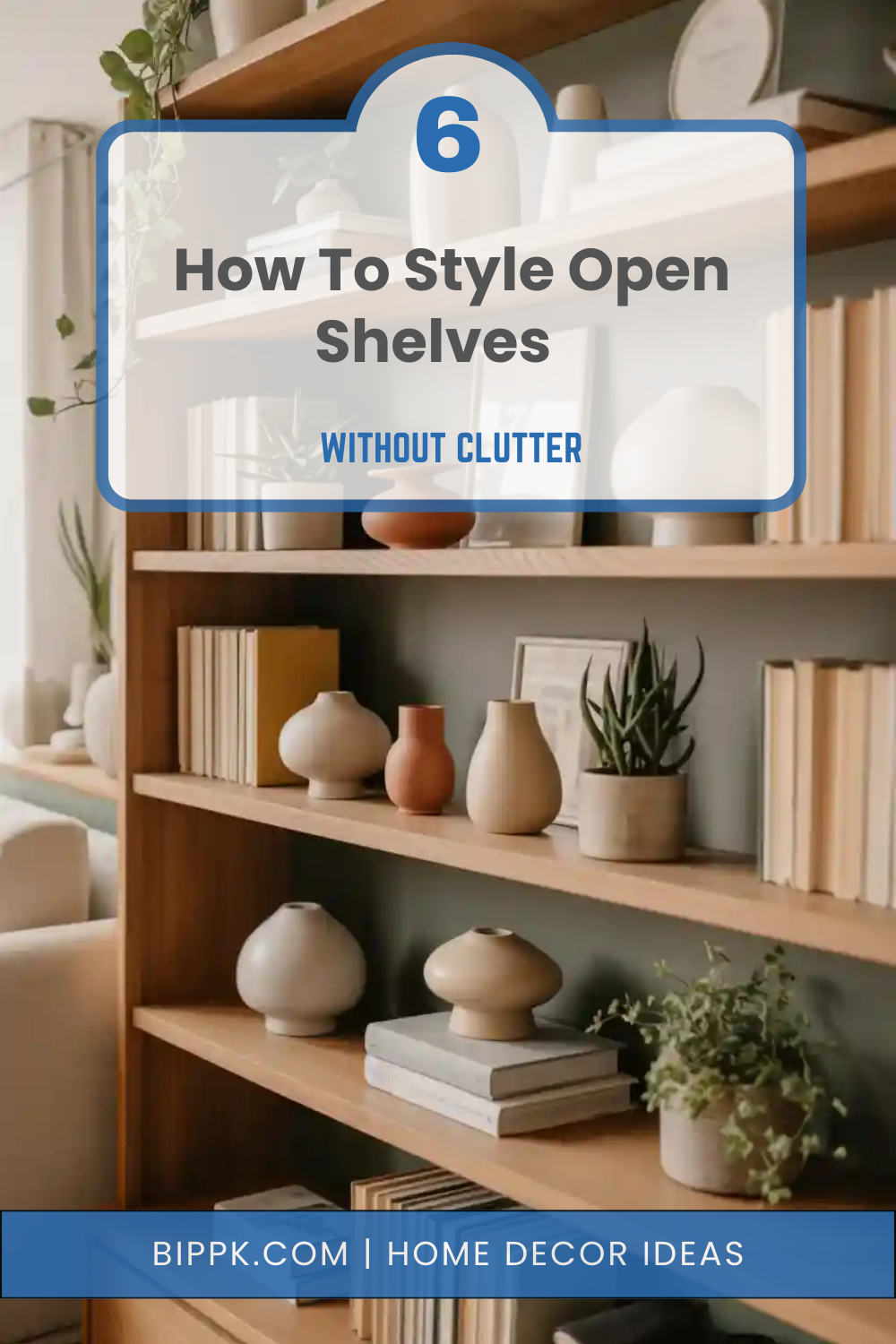
How To Style Open Shelves Without Clutter
Open shelving is a fantastic way to display your personality, showcase decorative items, and add functional storage to your home. However, without careful styling, open shelves can quickly look messy and chaotic. Knowing how to style open shelves without clutter is essential for creating a space that feels curated, balanced, and visually appealing. The key is combining aesthetics with function: mixing textures, varying heights, grouping similar items, and leaving breathing room to prevent overcrowding.
Open shelves work in kitchens, living rooms, bathrooms, or entryways, and when styled thoughtfully, they can become focal points rather than sources of visual stress. By organizing intentionally, using cohesive color palettes, and alternating between decorative and functional objects, your open shelving can elevate your interior while remaining practical. With the right strategies, you can transform shelves into elegant displays that feel curated, airy, and inviting.
1. Group Items in Odd Numbers
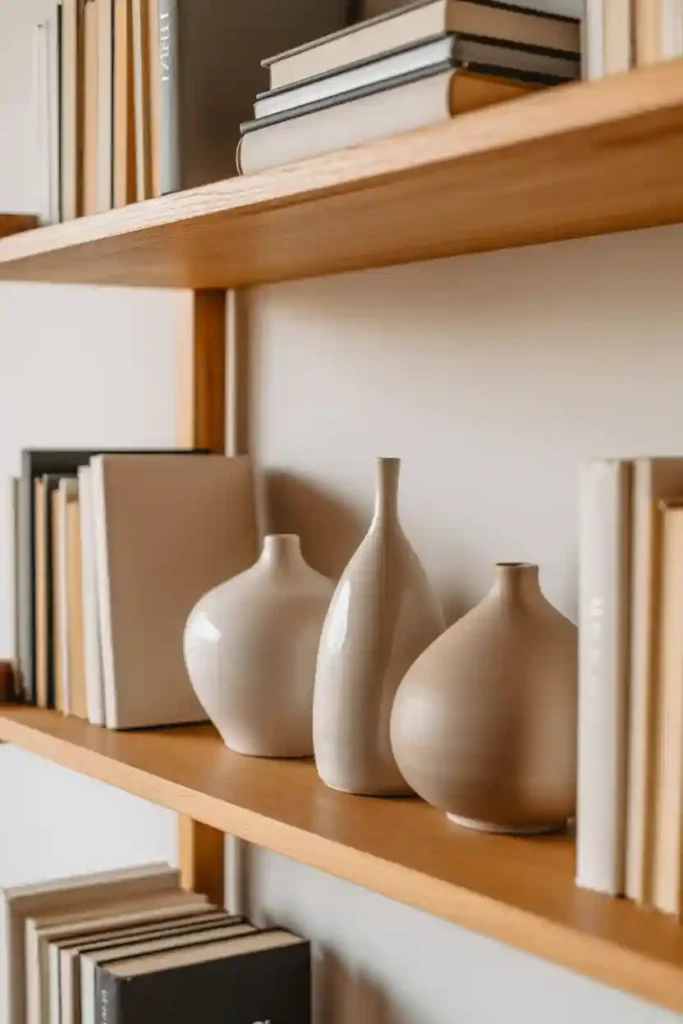
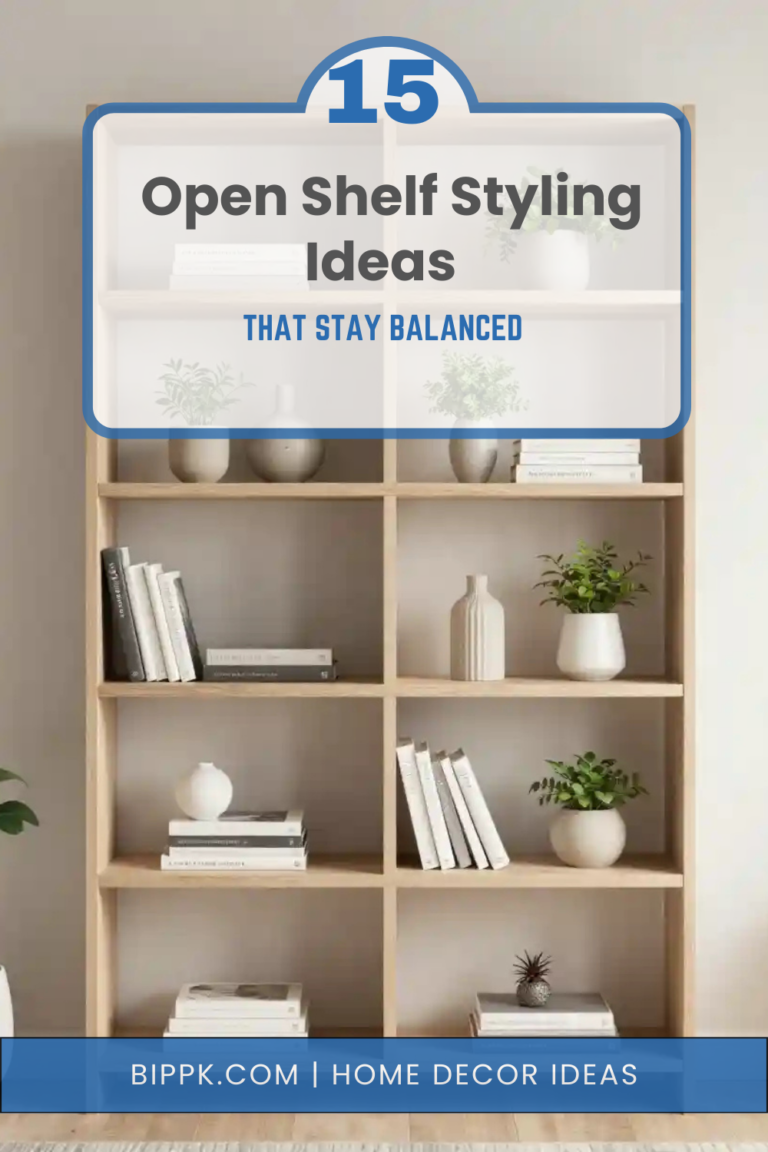
Grouping items in odd numbers like threes or fives creates a sense of visual harmony. Odd numbers are more natural to the eye and prevent the arrangement from feeling too rigid. When styling open shelves, select objects of similar color or texture to create unity. For instance, place three ceramic vases together, varying their heights slightly. Balance the grouping with negative space on either side to maintain an airy look. Avoid lining up too many small objects in a single row; instead, cluster a few key pieces for impact.
Odd-numbered groupings also work well with books. Stack a pair horizontally and lean one vertical book beside them to create dynamic layers. This approach keeps shelves from appearing cluttered while maintaining visual interest.
2. Mix Vertical and Horizontal Elements
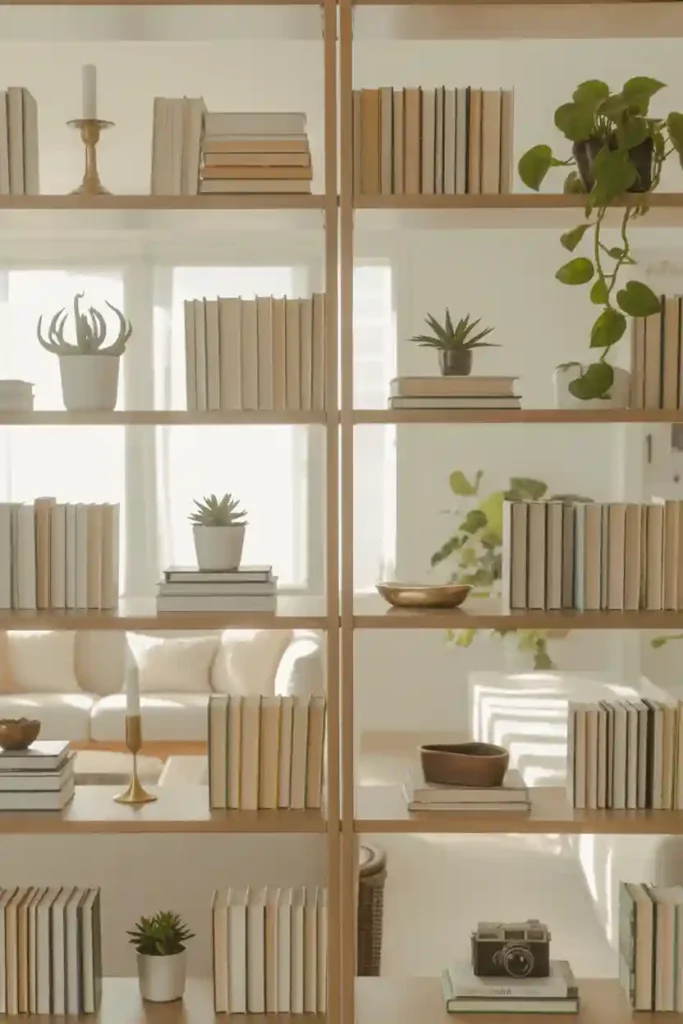
Alternating vertical and horizontal objects creates rhythm and prevents shelves from looking flat. Books, framed art, and decorative boxes can be arranged both ways to add dimension. For example, stack books horizontally to form a base and place a small plant or sculpture on top. Use vertical frames or tall vases to break up horizontal lines. This variation guides the eye naturally across the shelf while keeping it organized.
Balance is key avoid overcrowding any single section. Mix heavier items with lighter, smaller accents to maintain a sense of proportion. This approach works in any room and makes the shelf feel intentionally styled rather than cluttered.
Read Also: 13 Apartment Bathroom Decor Ideas That Save Space
3. Incorporate Decorative and Functional Items
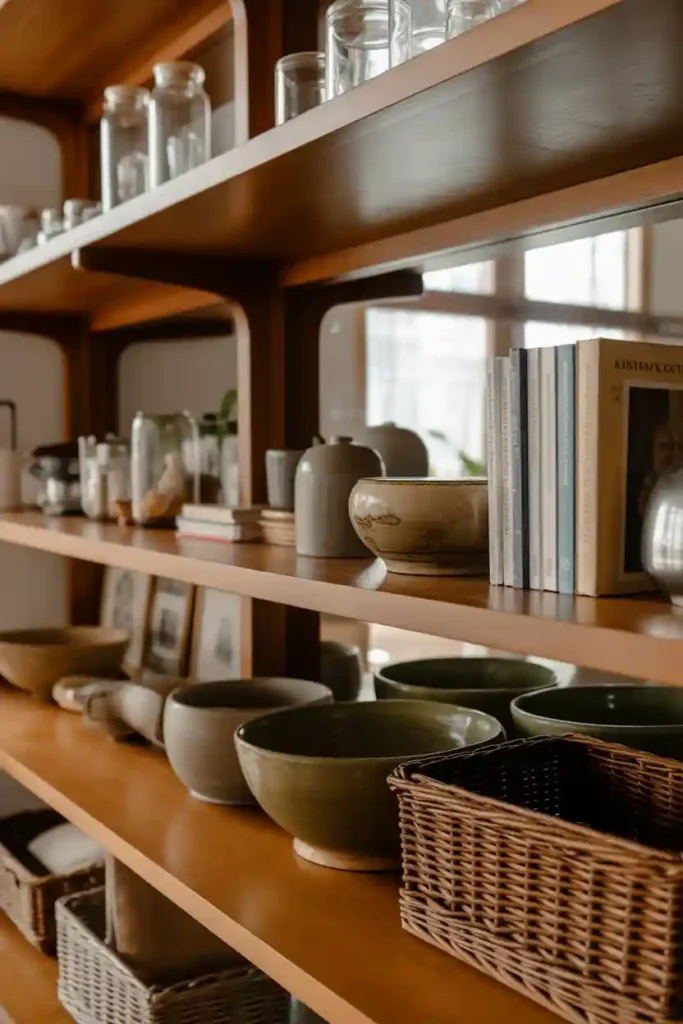
Open shelves should blend beauty and utility. Combine decorative objects like vases, sculptures, and framed photos with functional items such as bowls, storage baskets, or everyday dishes. In a kitchen, you might display a mix of glassware, cookbooks, and a small basket for utensils. In a living room, blend books with decorative boxes that can hide small essentials. The key is moderation—leave breathing space between items and group similar pieces together.
This mix ensures shelves remain practical while still looking intentional and styled. Functional items become part of the décor rather than detracting from it, allowing shelves to feel curated and useful simultaneously.
4. Use Baskets and Containers to Hide Clutter
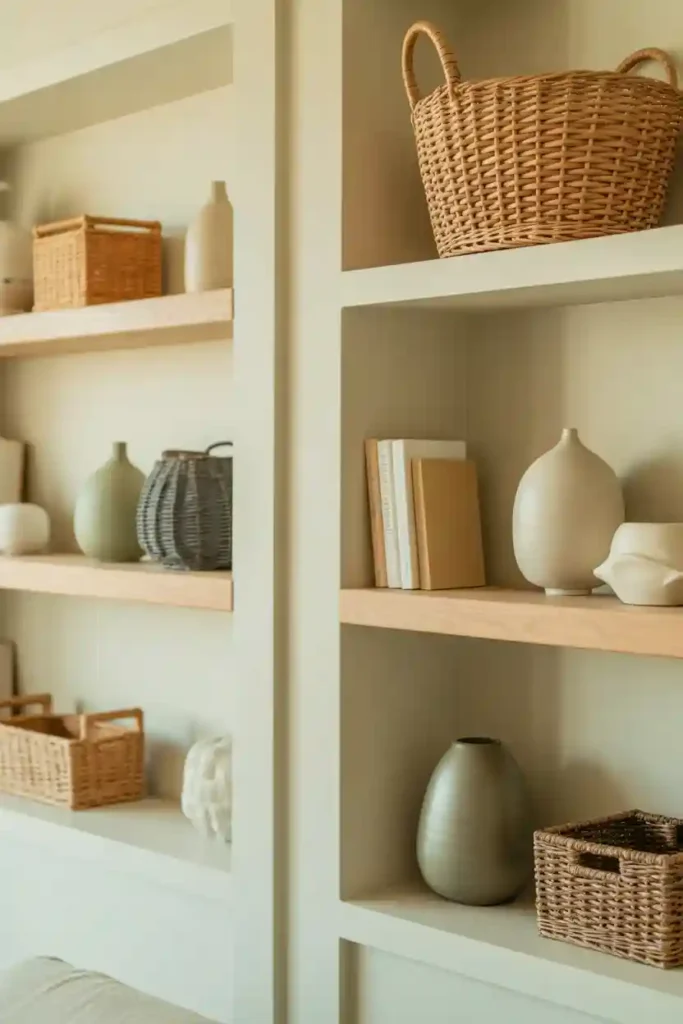
Baskets, bins, and decorative containers are perfect for hiding small or miscellaneous items on open shelves. They provide storage while maintaining a clean, organized appearance. Choose neutral materials like wicker, rattan, or linen for a cohesive look. For example, place a few medium-sized baskets on lower shelves for toys, towels, or office supplies. Labeling is optional but helps maintain order.
Using containers keeps the eye focused on visually appealing objects while concealing items that might otherwise create chaos. This approach balances form and function, making open shelves practical without compromising style.
5. Leave Breathing Room Between Objects
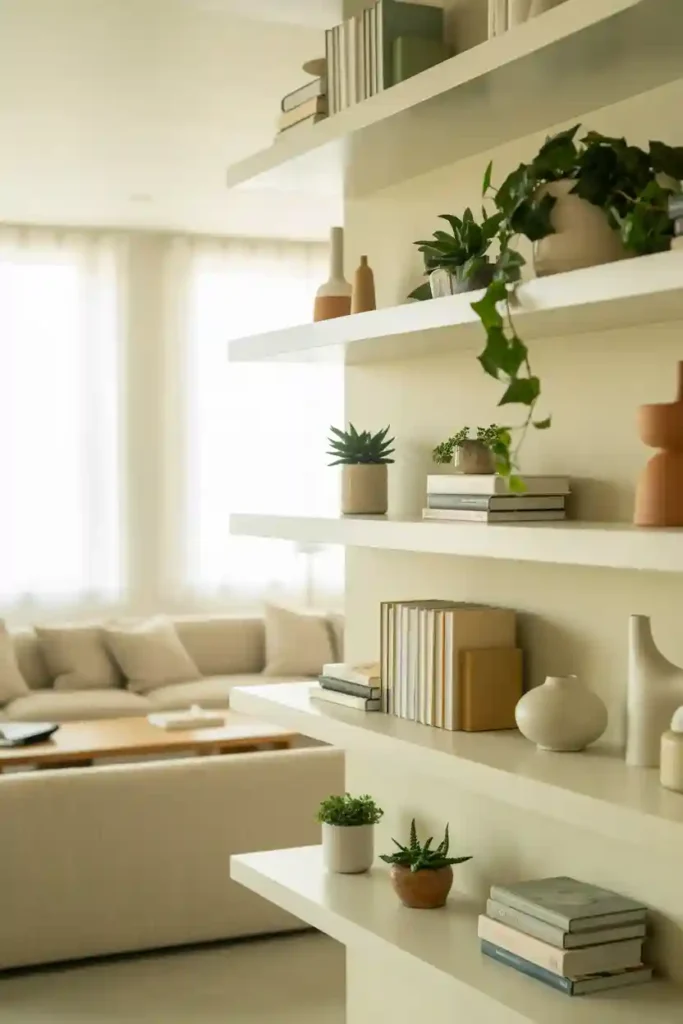
Negative space is as important as the objects themselves. Leaving some shelves partially empty prevents overcrowding and highlights the items you want to showcase. When styling, avoid filling every inch. Place key pieces with enough space around them, creating focal points rather than overwhelming the eye. This technique works for tall sculptures, framed photos, or even small plants.
Spacing creates balance and emphasizes quality over quantity. Shelves feel more curated, airy, and elegant when there’s a rhythm between objects and empty spaces.
6. Stick to a Cohesive Color Palette
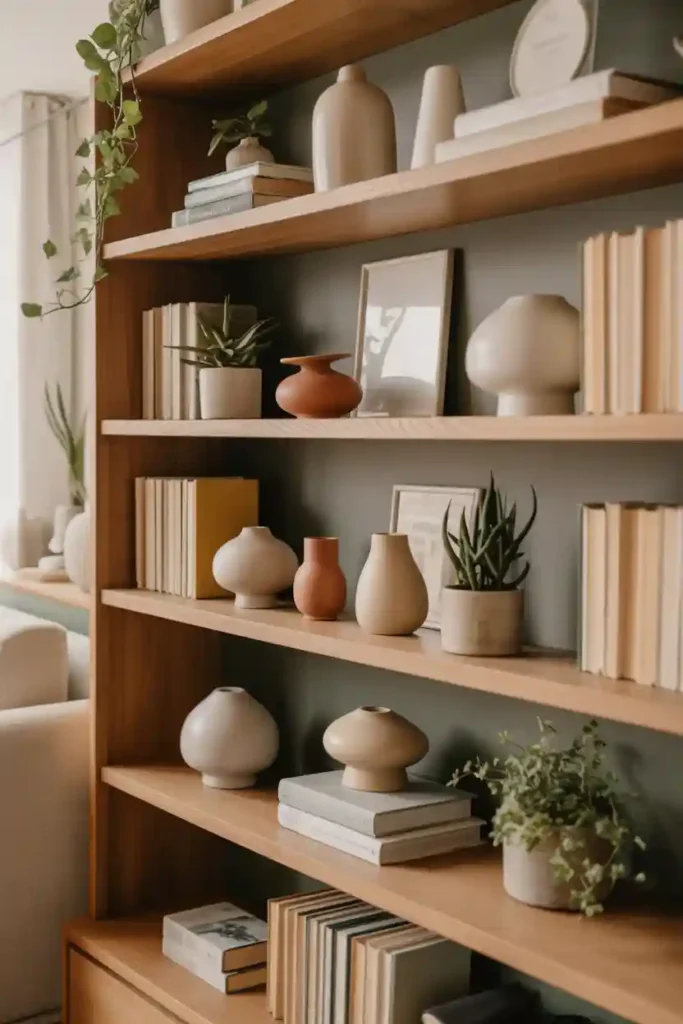
Using a consistent color scheme helps unify varied objects and prevents visual chaos. Choose 2–3 complementary shades for your shelves, which can include neutral tones with subtle pops of color.
For example, white and beige ceramics, natural wood, and soft greens from plants create harmony. Avoid introducing too many clashing colors at once, as this immediately feels cluttered. Even functional items like baskets or containers should align with the chosen palette. A cohesive palette makes shelves look intentional, stylish, and calm, transforming functional storage into a design feature.
Final Words
Styling open shelves without clutter is all about balance, intentionality, and simplicity. By mixing vertical and horizontal elements, grouping items in odd numbers, incorporating functional objects, and leaving breathing space, you can transform open shelving into a curated, visually appealing display. Using baskets, cohesive color palettes, and a thoughtful combination of decorative and practical pieces ensures that your shelves remain organized while reflecting your personal style.