13 Minimalist Home Décor Ideas That Feel Inviting
Minimalist home décor is often misunderstood as cold or empty, but when done right, it can feel warm, calm, and deeply inviting. The essence of minimalism lies in intentional choices focusing on quality over quantity, soft textures over clutter, and balance over excess. An inviting minimalist home doesn’t rely on bold patterns or overcrowded shelves. Instead, it uses thoughtful layering, natural materials, neutral tones, and purposeful décor to create comfort without visual noise.
This style allows your space to breathe while still feeling personal and welcoming. From cozy seating arrangements to subtle textures and warm lighting, minimalist décor can support both beauty and functionality. In this guide, you’ll discover 13 minimalist home décor ideas that feel inviting rather than stark. Each idea blends simplicity with warmth, helping you design a home that feels peaceful, lived-in, and effortlessly stylish without sacrificing comfort or personality.
1. Neutral Color Palette with Warm Undertones
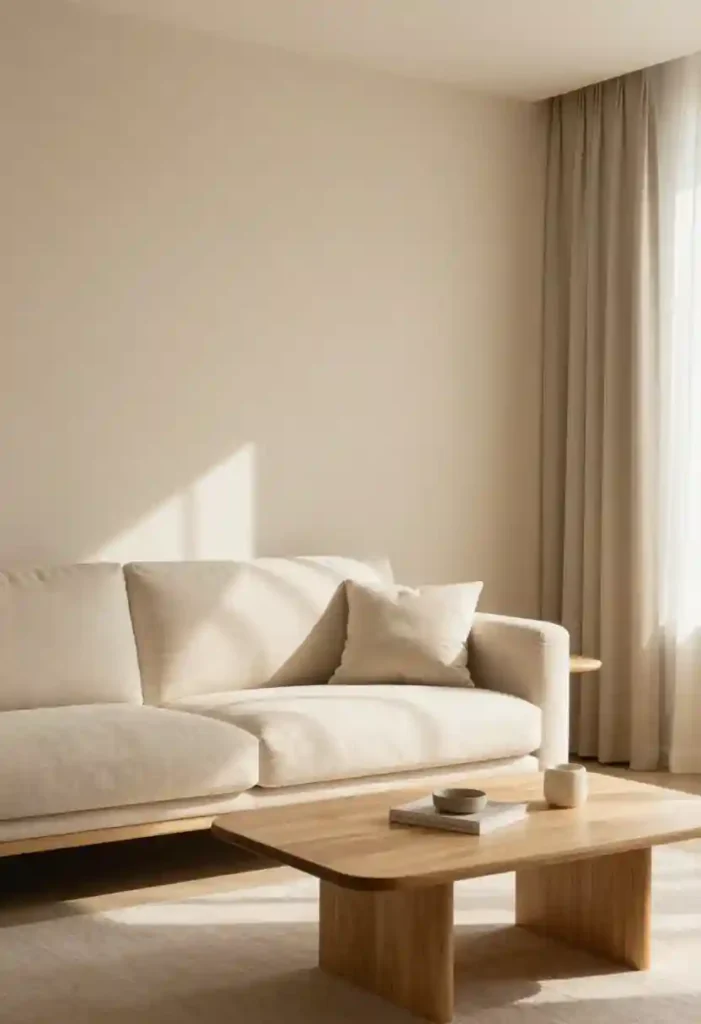
A neutral color palette is the foundation of inviting minimalist décor, but the key is choosing warm undertones rather than stark, cool shades. Soft whites, creamy ivories, warm beiges, greiges, and muted taupes create a calm atmosphere without feeling cold or sterile. These tones reflect light beautifully while maintaining a cozy ambiance. Instead of flat, single-tone walls, layer similar shades throughout the space think warm beige walls paired with a slightly deeper neutral sofa and lighter linen curtains.
Warm neutrals also allow natural materials like wood and woven textures to stand out subtly. The goal is depth without clutter. Avoid overly bright whites or bluish grays, as they can make a minimalist room feel unwelcoming. Instead, opt for tones that mimic sand, stone, or warm clay. When everything flows within a harmonious neutral range, the space feels intentional, peaceful, and effortlessly inviting proof that minimalism can still feel warm and livable.
2. Thoughtfully Layered Textures
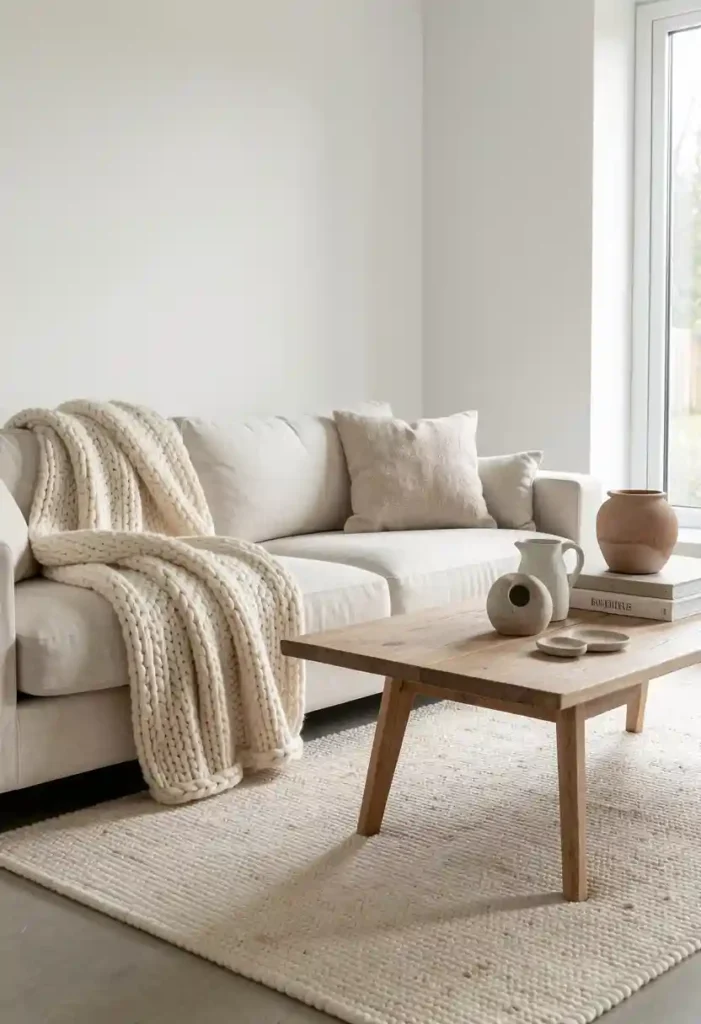
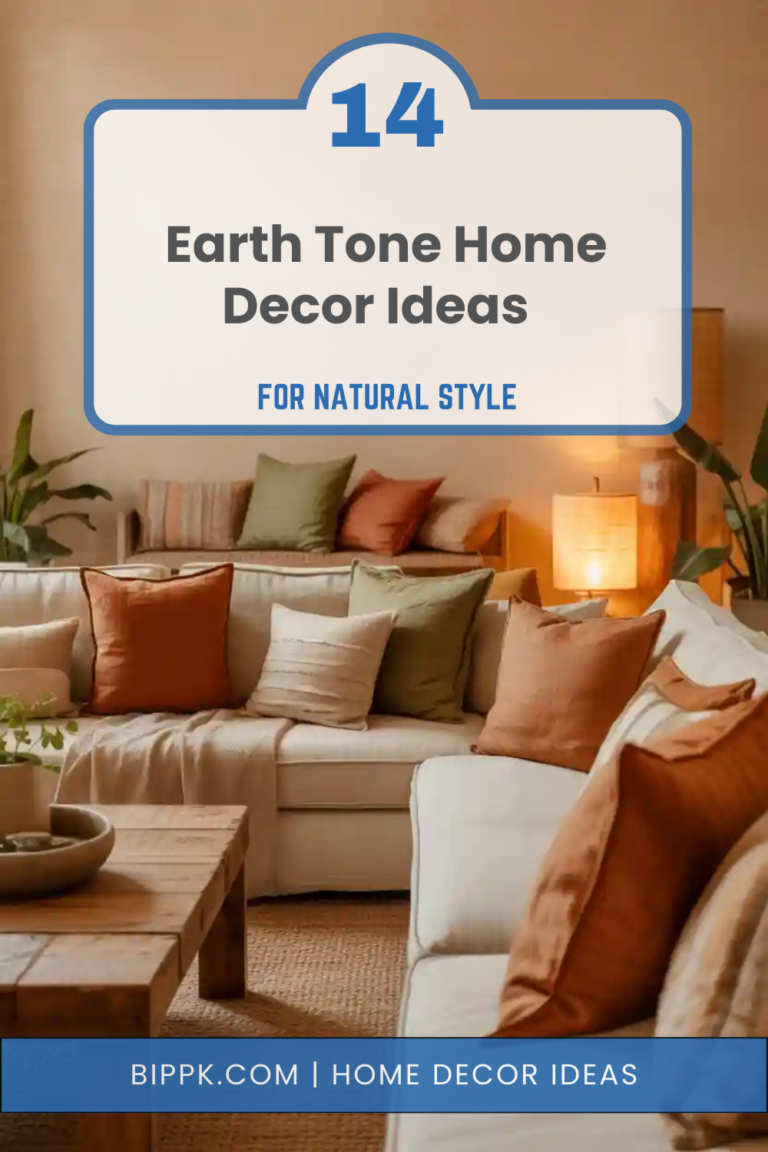
In minimalist design, texture replaces excess decoration. Without heavy patterns or clutter, the room relies on tactile elements to create interest and warmth. Thoughtfully layering textures prevents a minimalist home from feeling flat. Start with foundational fabrics like linen curtains, cotton upholstery, or a wool area rug. Then introduce subtle contrast through natural materials such as wood, ceramic, stone, or woven baskets.
For example, a smooth neutral sofa can feel far more inviting when paired with a chunky knit throw and a soft woven pillow. A sleek wooden table gains warmth when styled with handcrafted ceramic pieces. The beauty of texture is that it adds dimension without visual noise. Keep the color palette cohesive while varying the feel of each element. The result is a space that feels rich yet uncluttered. Texture engages the senses, making minimalist interiors feel cozy, balanced, and lived-in rather than bare or overly polished.
Read Also: 15 Statement Mirror Decor Ideas That Steal Focus
3. Cozy, Low-Profile Furniture
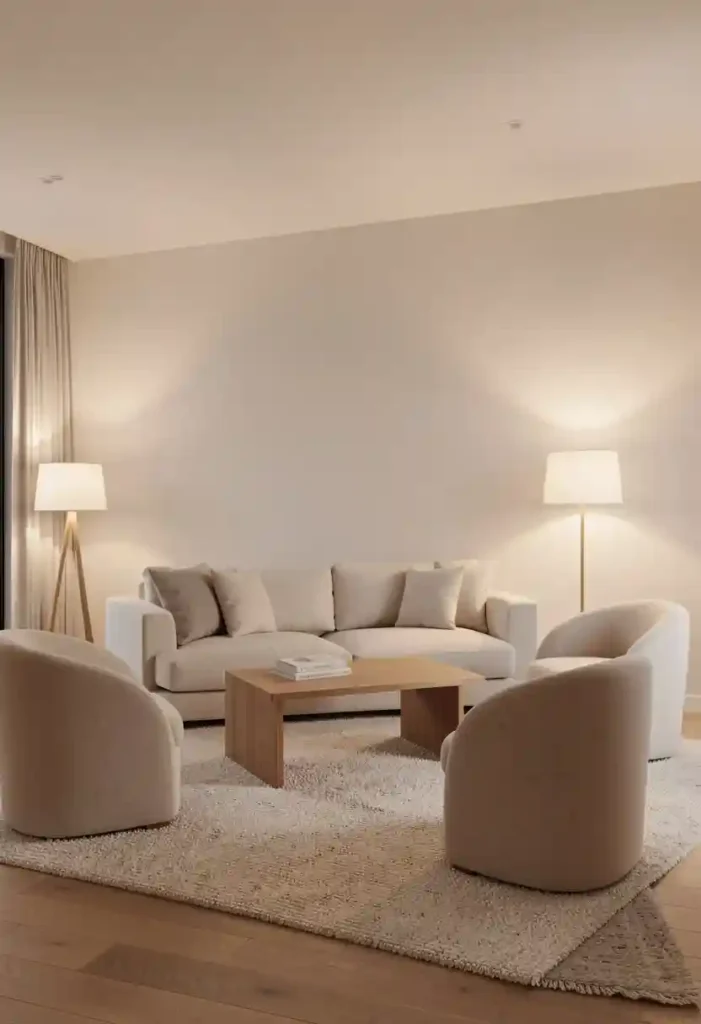
Furniture plays a major role in making minimalist homes feel inviting. Low-profile pieces with clean lines help maintain simplicity while encouraging relaxation. Sofas that sit closer to the ground create a grounded, intimate feeling, making the space feel calm and balanced. Rounded edges and soft upholstery add warmth without overwhelming the room’s clean aesthetic. Choose furniture with subtle curves rather than sharp angles to soften the overall look. Neutral-toned fabrics in linen, cotton, or boucle can introduce comfort while maintaining minimalism. Avoid bulky or oversized pieces that visually dominate the room. Instead, select streamlined silhouettes that leave breathing space around them.
Low-profile coffee tables, simple armchairs, and minimalist shelving help maintain openness while still providing functionality. When furniture feels approachable and comfortable, the room becomes naturally inviting. The goal is not to fill the space, but to curate it intentionally allowing each piece to stand out while contributing to a harmonious and cozy environment.
4. Warm Minimalist Lighting
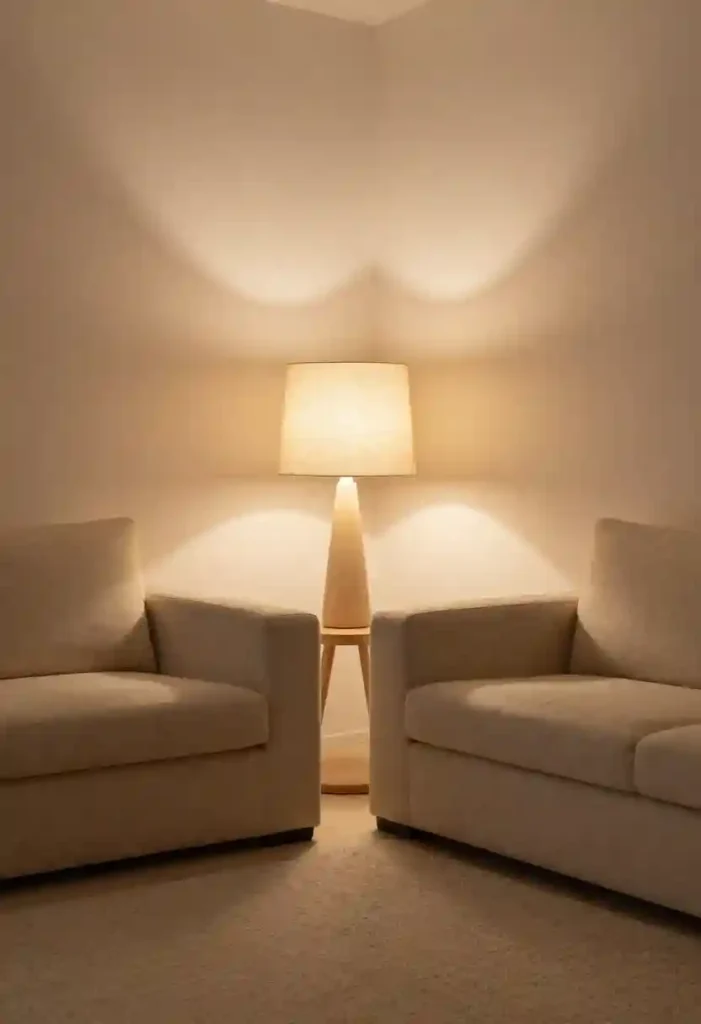
Lighting is one of the most powerful tools for making minimalist décor feel inviting. Without the right lighting, even the most beautifully designed space can feel flat or cold. Instead of relying solely on overhead lights, layer multiple light sources to create warmth and depth. Table lamps, floor lamps, and wall sconces provide soft pools of light that make a room feel cozy and lived-in.
Choose warm-toned bulbs rather than cool white ones. A soft golden glow instantly transforms neutral interiors into welcoming environments. Indirect lighting such as lamps placed in corners or behind furniture adds subtle dimension without visual clutter. Simple linen or fabric lamp shades diffuse light gently, preventing harsh shadows. Minimalist lighting fixtures should have clean lines and understated designs, but they should still contribute to the mood of the space. When lighting feels intentional and soft, it enhances textures, warms neutral tones, and creates a calming atmosphere that makes minimalism feel comfortable rather than stark.
5. Natural Wood Accents
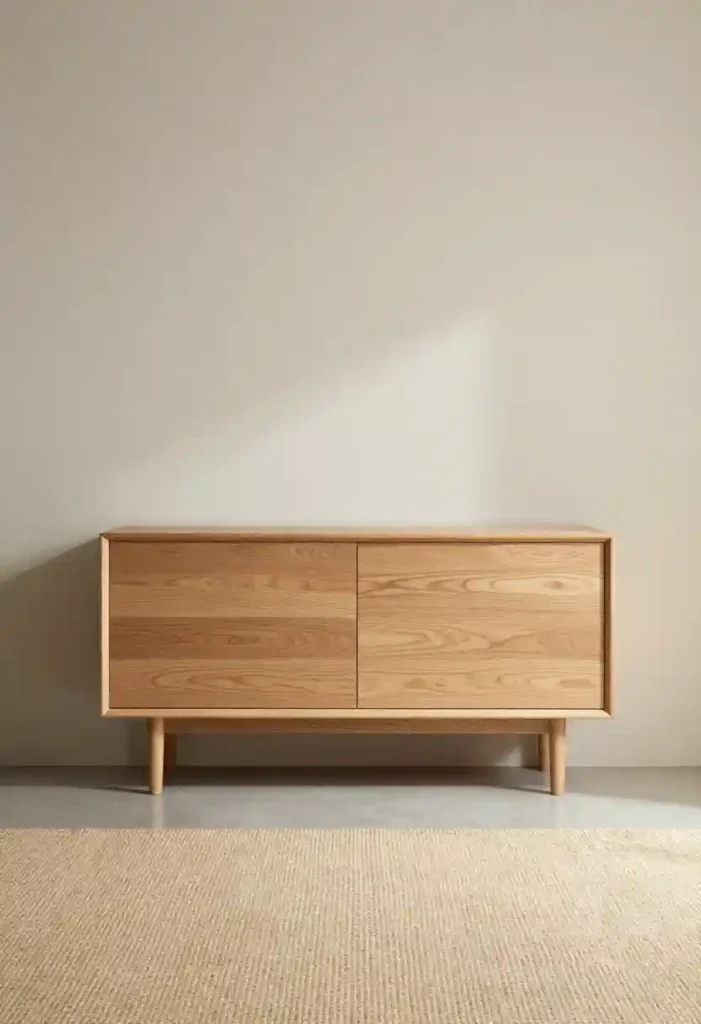
Natural wood is essential for adding warmth to minimalist interiors. While minimalism favors simplicity, too many sleek surfaces can feel sterile. Wood introduces organic texture and subtle variation that makes a space feel grounded and inviting. Light oak, maple, walnut, or ash tones work beautifully against neutral backdrops, bringing warmth without overpowering the design. Incorporate wood through coffee tables, shelving, dining tables, or even picture frames. The key is moderation choose a few meaningful pieces rather than filling the room. The natural grain of wood adds visual interest while maintaining the calm simplicity that defines minimalist style.
Pair wooden accents with soft textiles and neutral walls to create balance. Even small touches like wooden trays or stools can soften a room’s overall feel. When natural wood is thoughtfully integrated, it prevents minimalism from feeling cold and instead makes the home feel welcoming, earthy, and harmonious.
6. Simple Yet Plush Textiles
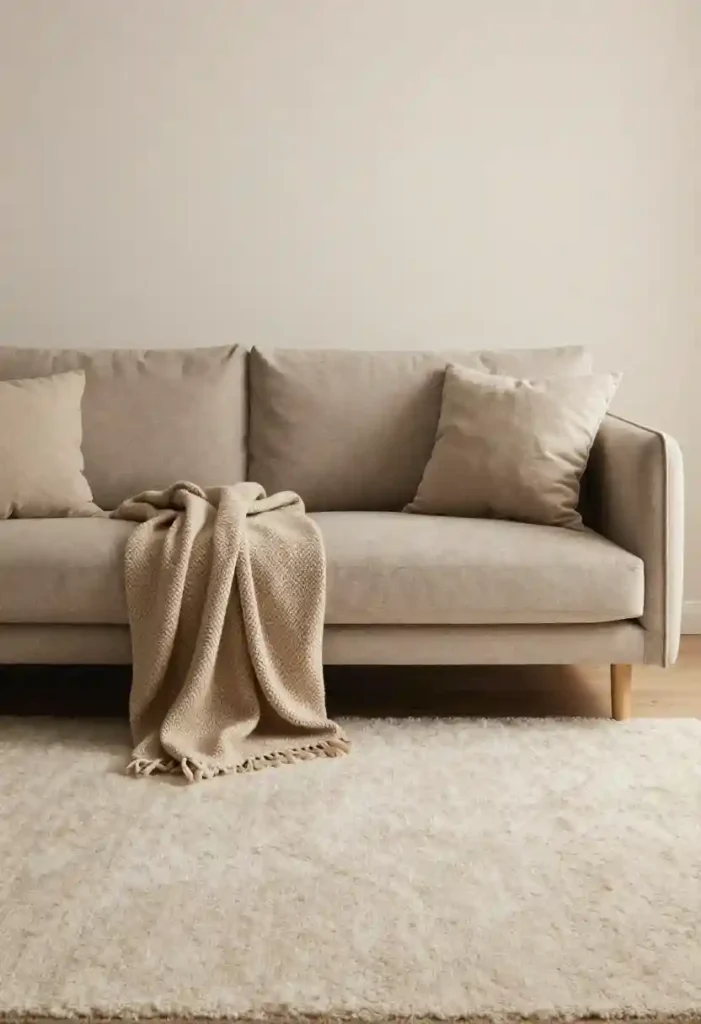
Minimalist décor doesn’t mean eliminating comfort. Plush textiles are essential for creating a welcoming atmosphere while keeping the space visually calm. The key is choosing high-quality fabrics in neutral tones and using them intentionally. A soft area rug can anchor a room, making it feel cozy and complete without adding clutter. Layer a simple throw blanket over a sofa or bed to add warmth and texture. Select cushions in subtle shades that complement the room’s color palette. Avoid busy patterns; instead, focus on tactile materials like boucle, wool, cotton, or cashmere. These fabrics create comfort through feel rather than visual complexity.
Plush textiles soften clean lines and hard surfaces, making minimalist spaces feel approachable. Even in the simplest room, a cozy rug underfoot or a gentle throw draped over a chair can transform the atmosphere. Comfort and simplicity can coexist beautifully when textiles are chosen with care and restraint.
7. Calm, Uncluttered Wall Decor
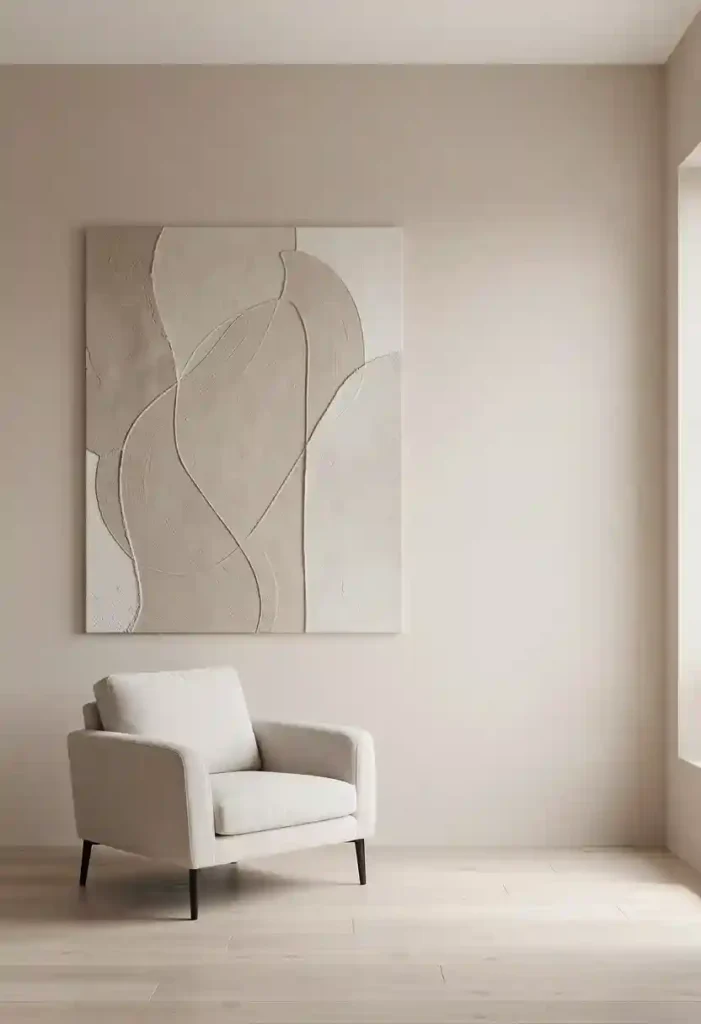
Minimalist walls do not need to be completely empty to feel intentional. The key is choosing fewer pieces with greater impact. Instead of filling walls with multiple frames or busy arrangements, opt for one large artwork or a carefully spaced pair of prints. This approach maintains breathing room while still adding personality. Choose artwork in soft, neutral tones or subtle abstract designs that complement the room’s palette. Thin frames in black, wood, or muted metallic finishes keep the look clean. Proper spacing is essential—allow negative space around the art so it feels curated rather than crowded.
You can also experiment with subtle wall textures such as limewash paint, paneling, or a softly textured wallpaper to add depth without visual clutter. When walls are thoughtfully styled, they support the minimalist aesthetic while making the home feel calm, refined, and welcoming instead of stark or unfinished.
8. Inviting Minimalist Entryway
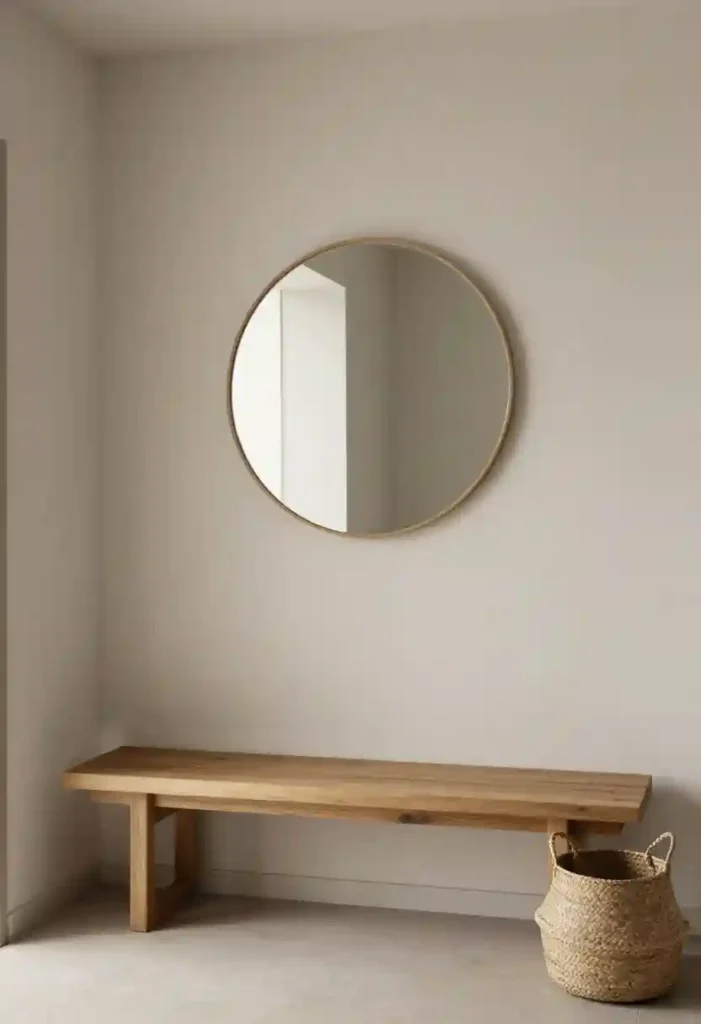
The entryway sets the tone for the entire home, and in minimalist design, it should feel open yet welcoming. Instead of overcrowding this small space with décor, focus on a few functional and beautiful essentials. A simple wooden bench, a sleek console table, or a floating shelf can provide structure without overwhelming the area. Add a round or softly framed mirror to reflect light and visually expand the space. Warm lighting such as a small table lamp instantly makes the entry feel inviting. A single decorative object, like a ceramic vase or woven basket, adds personality without clutter.
Keep surfaces mostly clear to preserve that minimalist calm. Neutral tones, natural textures, and clean lines help maintain a cohesive flow from the entrance into the rest of the home. When thoughtfully styled, a minimalist entryway feels peaceful, organized, and warmly welcoming from the very first step inside.
9. Greenery Used with Intention
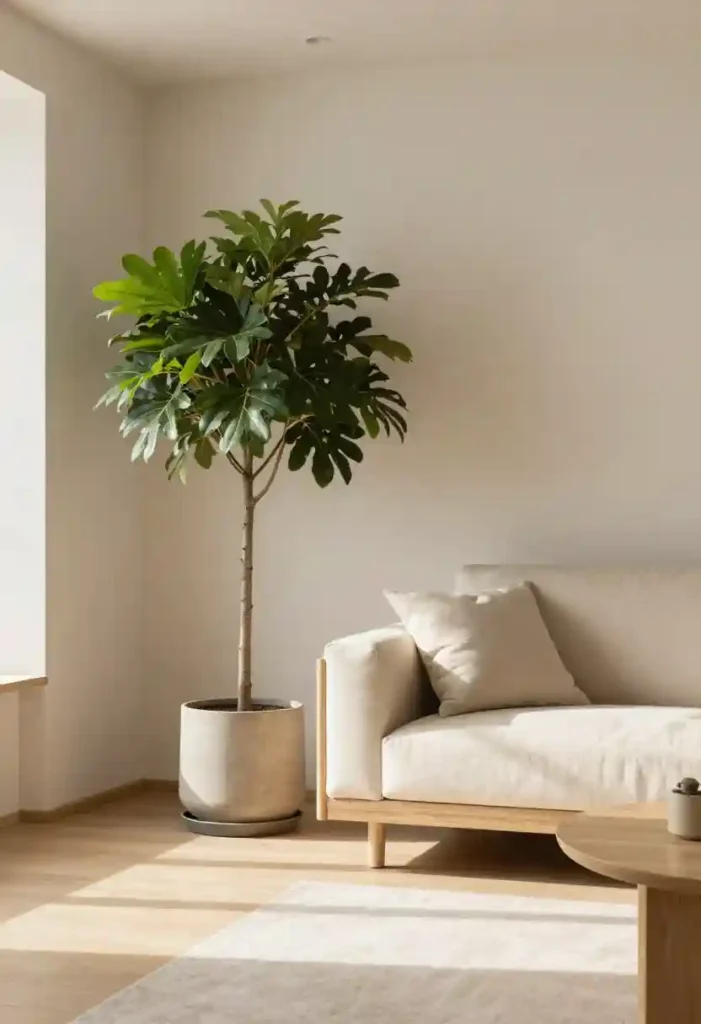
Plants are one of the easiest ways to make minimalist interiors feel alive and inviting. However, the key is restraint. Instead of scattering many small plants around the room, choose one or two statement plants that naturally draw the eye. A tall indoor tree in a neutral planter or a single sculptural plant on a side table can provide balance without visual clutter. Greenery introduces organic shape and subtle color variation, softening clean lines and neutral palettes. Position plants where they can benefit from natural light while enhancing the room’s composition. Simple ceramic or woven planters maintain the minimalist aesthetic.
The presence of plants adds warmth, texture, and a sense of calm connection to nature. Even in a highly simplified space, greenery prevents the design from feeling sterile. Thoughtfully placed plants bring freshness and quiet vibrancy, making minimalist homes feel comfortable, breathable, and genuinely inviting.
10. Clean but Comfortable Bedroom Styling
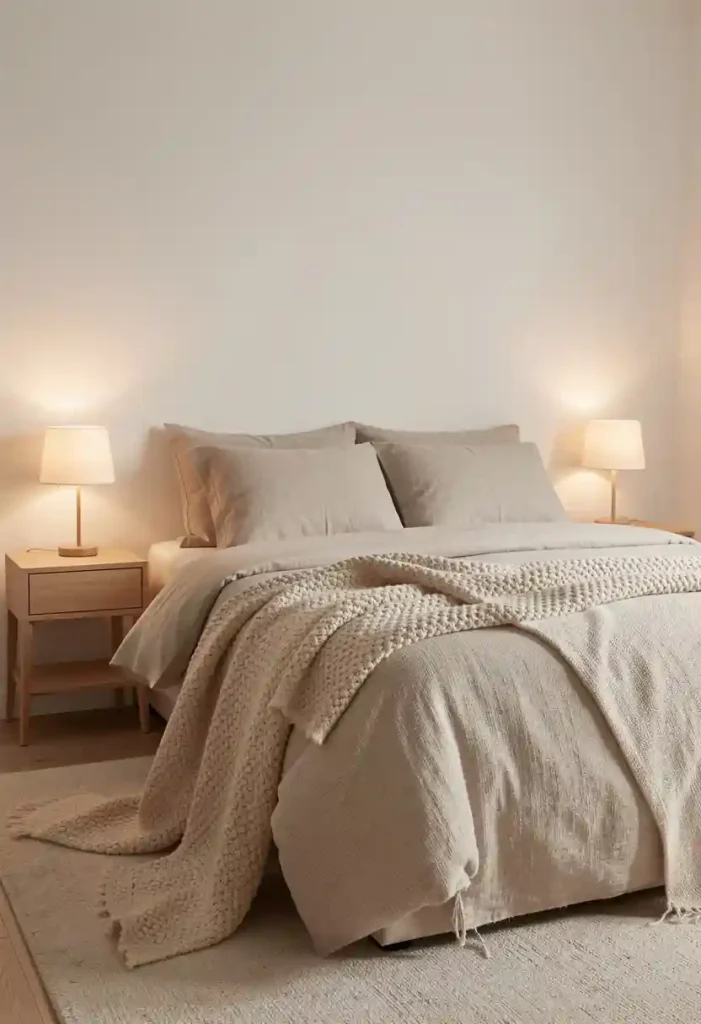
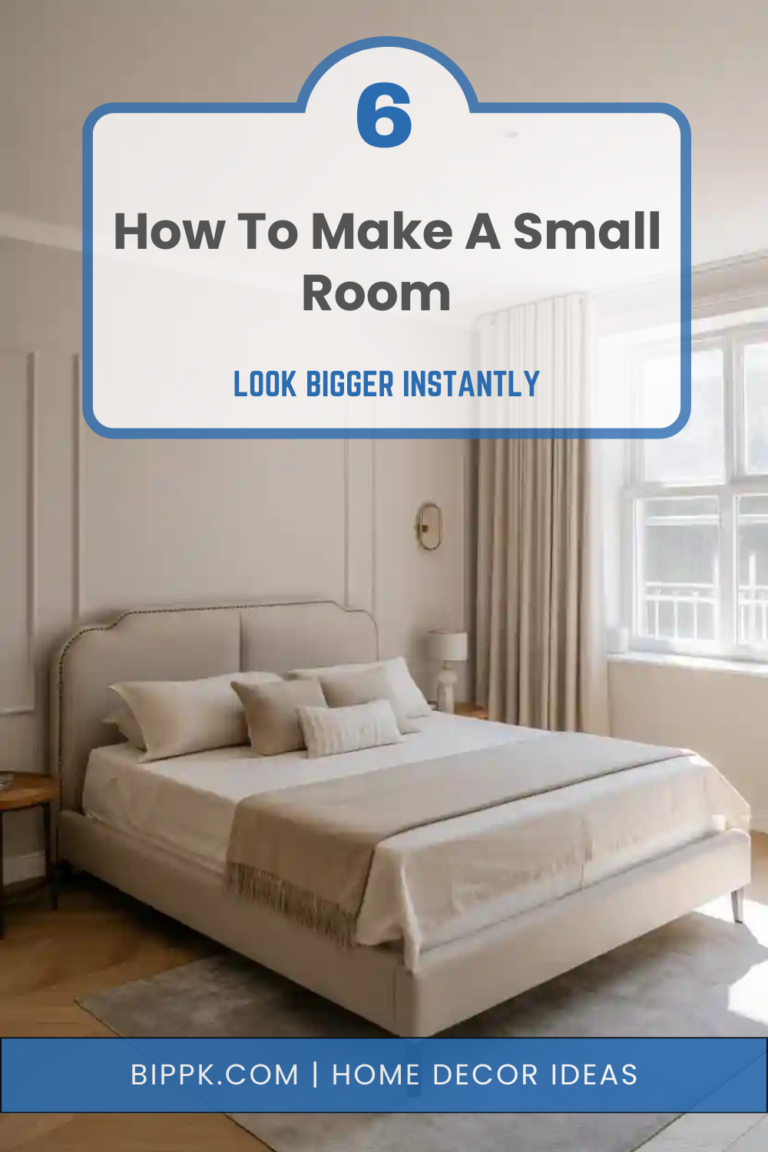
A minimalist bedroom should feel like a retreat calm, airy, and deeply restful. The key is balancing simplicity with softness. Start with a neutral color palette for walls and bedding, such as warm whites, soft taupes, or gentle grays. Then layer bedding thoughtfully. Crisp sheets, a lightweight duvet, and one textured throw can create dimension without cluttering the space.
Nightstands should remain mostly clear. A small lamp, a book, or a ceramic vase is often enough. Avoid overcrowding surfaces with excessive décor. Instead, focus on quality materials and soft textures that invite relaxation. Upholstered headboards, natural wood frames, and warm lighting enhance comfort while preserving the minimalist aesthetic. By keeping the layout simple and the styling intentional, the bedroom becomes a peaceful sanctuary. The goal is not emptiness, but clarity removing distractions so the room feels restful, balanced, and welcoming at the end of each day.
11. Open Space with Purpose
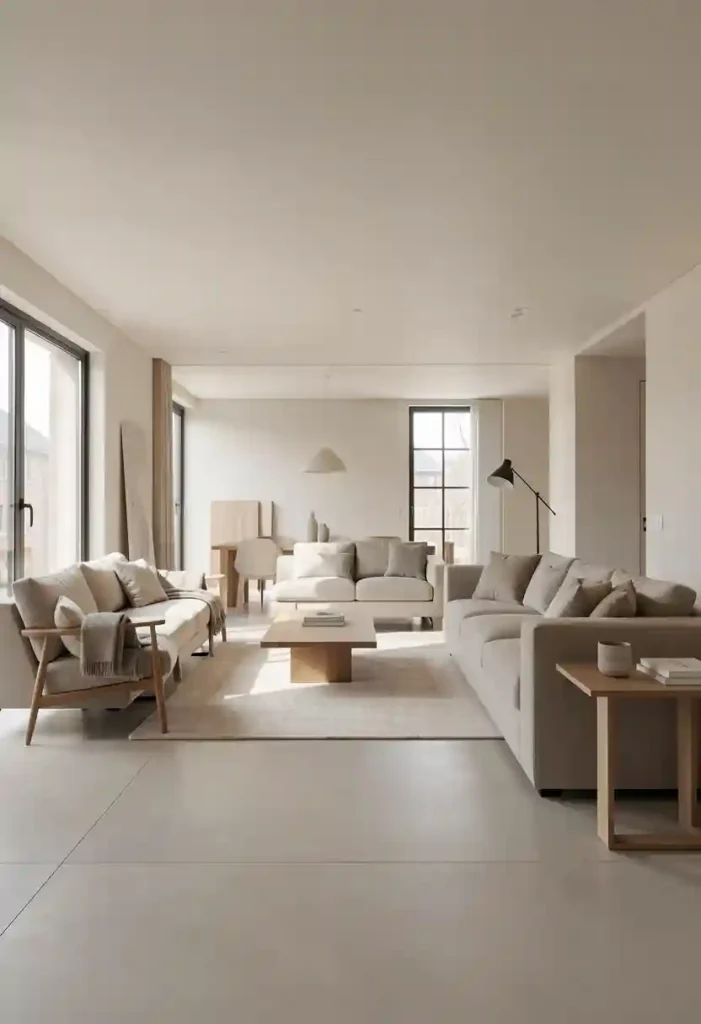
Negative space is one of the most powerful tools in minimalist design. Leaving areas intentionally open allows the eye to rest and the room to breathe. However, open space should feel purposeful not empty or unfinished. The key is thoughtful furniture placement and balanced proportions. Instead of pushing all furniture against walls, create conversation areas that feel intimate yet spacious. Leave walking paths clear and avoid filling every corner. This openness enhances natural light and highlights the beauty of each carefully selected piece.
Minimalist homes that embrace breathing room often feel more inviting because they reduce visual stress. When each item has space around it, the design feels calm and intentional. Open space encourages relaxation and movement, helping the home feel larger, lighter, and more harmonious without adding extra décor.
12. Subtle Personal Touches
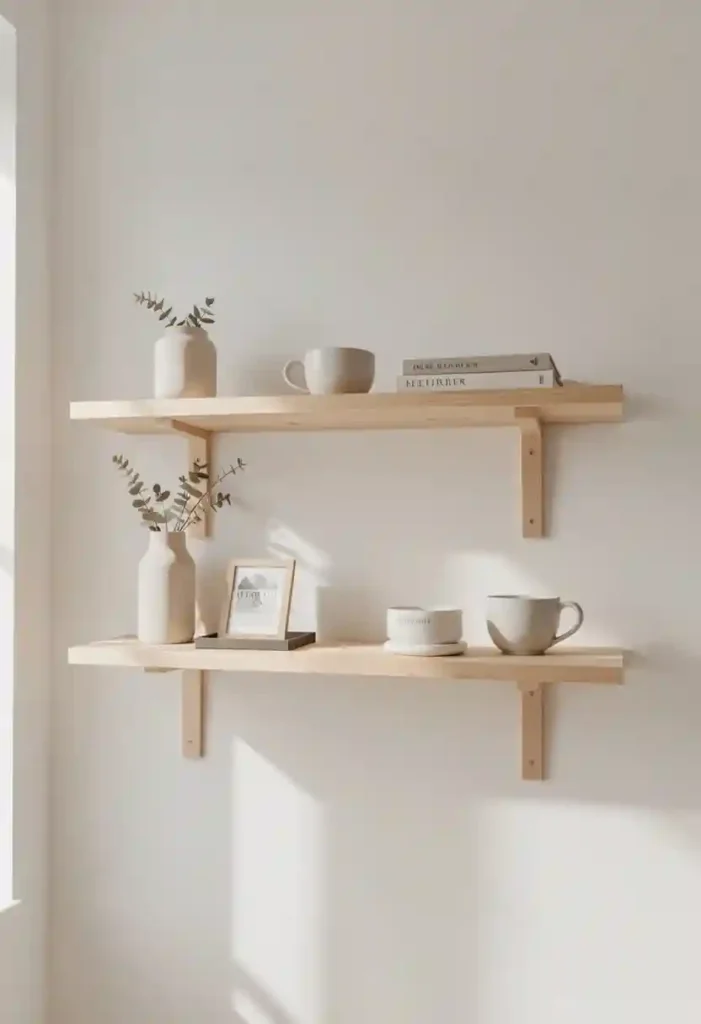
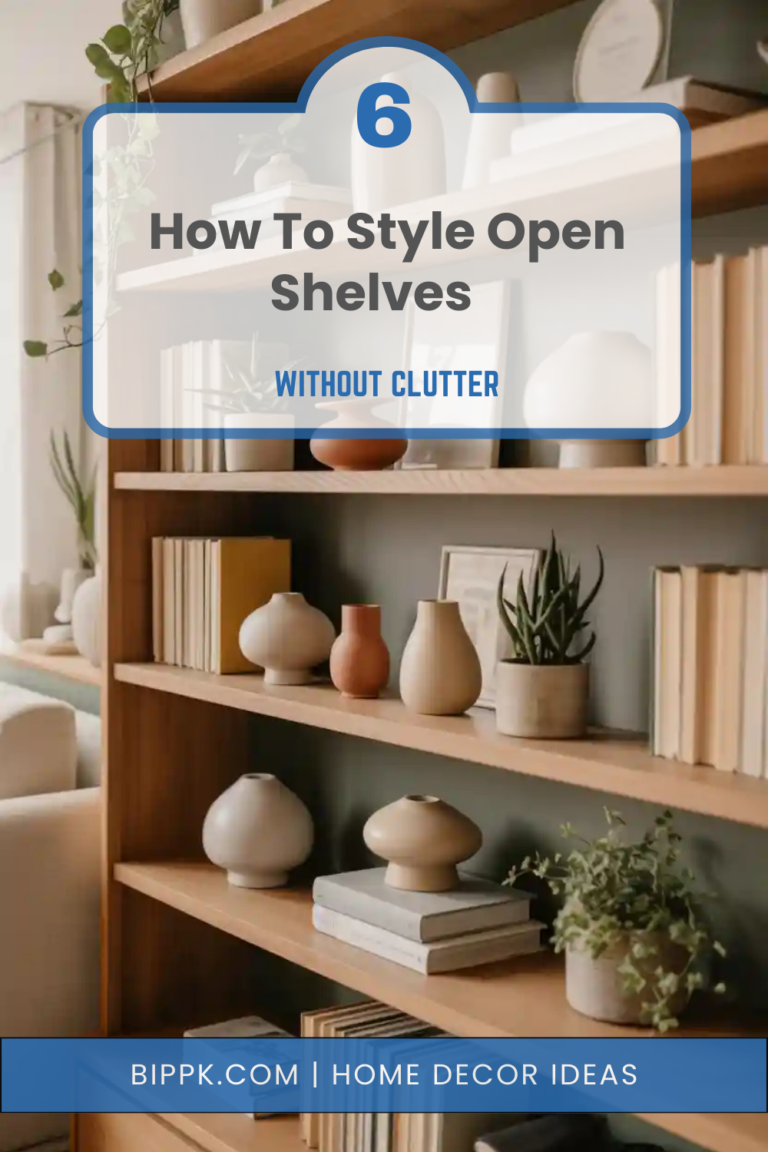
Minimalism does not mean removing personality. In fact, subtle personal touches make a space feel truly inviting. The key is choosing a few meaningful items rather than displaying everything at once. A favorite book stack, a handmade ceramic bowl, or a framed photograph can quietly reflect your story. Display items with breathing room so they feel curated instead of crowded. Floating shelves or a simple console table can showcase personal pieces while maintaining clean lines. Stick to a cohesive color palette to prevent visual clutter.
When personal objects are selected intentionally, they stand out more and carry greater emotional value. This approach keeps the space calm while ensuring it feels lived-in and authentic. A minimalist home becomes inviting when it feels connected to the people who live there.
13. Consistent, Calm Color Flow
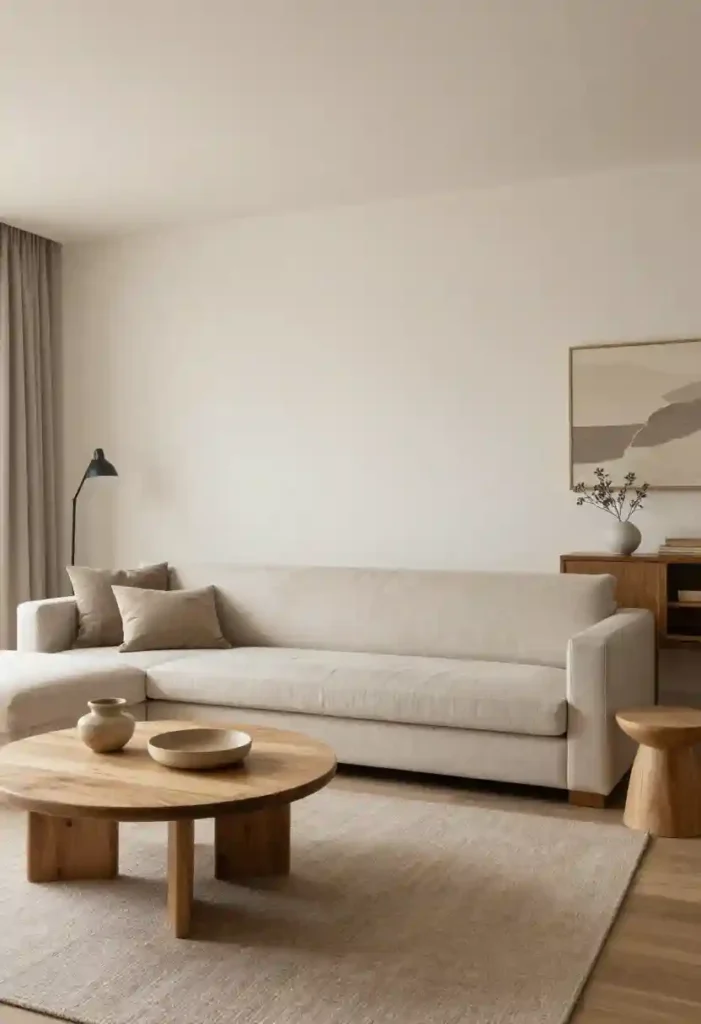
A cohesive color story helps minimalist homes feel harmonious and inviting. Instead of drastically changing colors from room to room, maintain a consistent palette that flows throughout the home. Soft neutrals, warm earth tones, or muted shades should transition smoothly between spaces. This continuity creates a sense of balance and calm. When the eye moves naturally from one room to another without harsh contrasts, the home feels thoughtfully designed. Even accent colors should stay within a similar tonal range to preserve harmony.
Consistency does not mean monotony. You can vary textures, materials, and subtle shade differences while maintaining overall cohesion. The result is a home that feels unified, peaceful, and welcoming. A calm color flow reinforces the simplicity of minimalism while making the environment feel warm and complete.
Final Words
Minimalist design is not about emptiness it’s about intention. When warmth, texture, lighting, and thoughtful details are layered carefully, minimalism transforms into something deeply inviting. By focusing on neutral tones, natural materials, cozy textiles, and meaningful décor, you can create a home that feels calm without feeling cold. These 13 minimalist home décor ideas prove that simplicity and comfort can beautifully coexist. With the right balance, your home can feel open, peaceful, and warmly welcoming every single day.