How To Choose a Rug Size for Any Room
Choosing the right rug size is one of the most important—and most misunderstood—parts of decorating a home. A rug that’s too small can make a room feel disconnected and awkward, while a rug that’s too large can overwhelm the space. The right size, however, brings everything together. It anchors furniture, defines zones, and adds warmth and balance to a room. Whether you’re decorating a living room, bedroom, dining area, or even a hallway, rug size plays a major role in how the space feels and functions.
Many people focus only on color or pattern, but size should always come first. This guide on how to choose a rug size for any room breaks the process down step by step. With clear explanations and practical examples, you’ll learn how to select a rug that fits your room, supports your furniture layout, and makes your space feel polished and well-designed.
1. Why Rug Size Matters More Than You Think
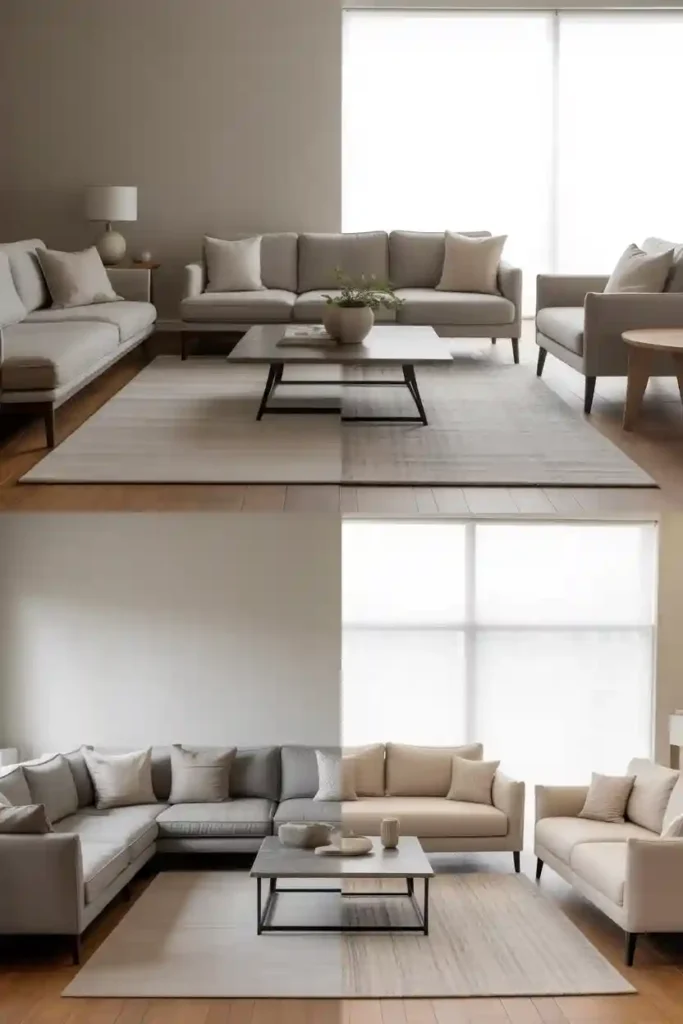
Rug size has a bigger impact on a room than most people realize. A properly sized rug visually connects furniture, creating a sense of order and comfort. When a rug is too small, furniture looks like it’s floating, making the space feel unfinished. On the other hand, a rug that’s appropriately sized anchors the room and makes it feel intentional.
Rugs also help define zones, especially in open or multifunctional spaces. They guide the eye and establish boundaries without walls. Size affects how spacious or cozy a room feels. A larger rug can make a small room appear bigger, while a small rug can shrink a large space. Beyond aesthetics, rug size affects comfort and functionality. It determines where feet land, how chairs move, and how easily people navigate the room. Understanding the importance of rug size sets the foundation for making confident, well-balanced design choices in any room.
2. Living Room Rug Sizes Explained
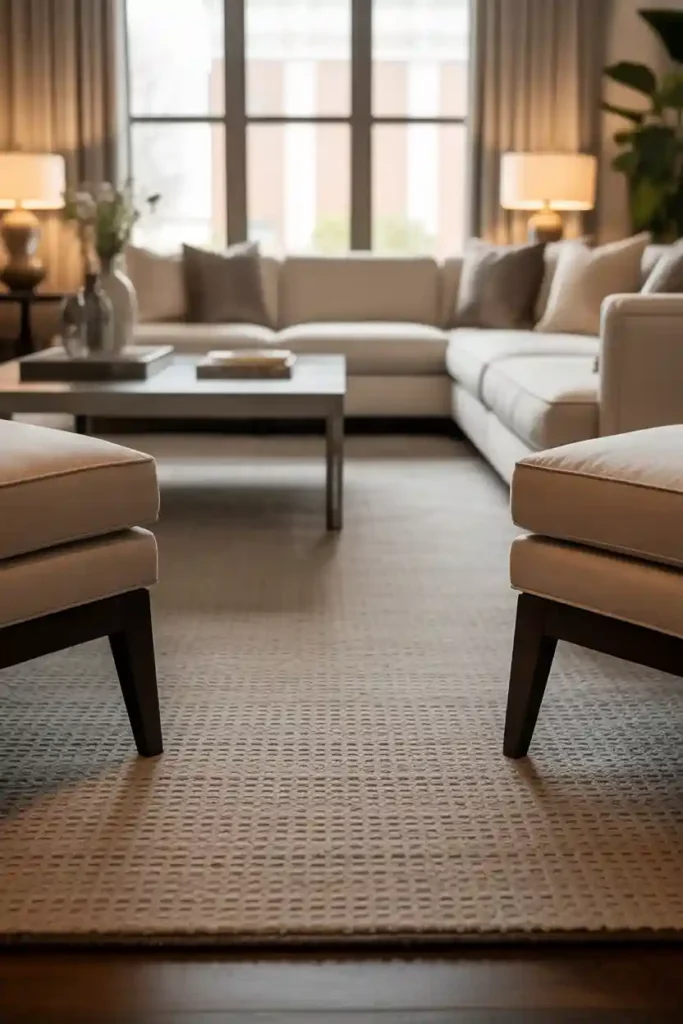
The living room is one of the most common places people struggle with rug size. The general rule is that the rug should be large enough to connect the main seating pieces. Ideally, at least the front legs of sofas and chairs should sit on the rug. This creates a unified and grounded look.
In larger living rooms, all furniture legs can sit fully on the rug, which feels luxurious and cohesive. In smaller spaces, placing only the front legs on the rug still works well. Avoid tiny rugs that sit only under a coffee table, as they break the visual flow. The rug should extend beyond the coffee table and into the seating area. Choosing the right size helps the living room feel comfortable, balanced, and welcoming while visually tying all elements together.
Read Also: 14 Basement Bedroom Ideas That Feel Cozy
3. Rug Size Rules for Bedrooms

In bedrooms, rug size plays a major role in comfort. A rug should extend beyond the bed so your feet land on something soft when you get up. The most common and effective option is placing a large rug under the bed, extending on both sides and at the foot.
For queen and king beds, a generously sized rug creates balance and warmth. Smaller bedrooms can still benefit from this approach by choosing the largest rug that fits comfortably. Alternatively, runners placed on each side of the bed can work in tight spaces. Avoid rugs that are too small and disappear under the bed. The goal is to add softness, warmth, and visual balance, making the bedroom feel cozy and complete.
4. Dining Room Rug Size Guidelines

Dining room rugs must be sized with both the table and chairs in mind. The rug should be large enough so that all chairs remain on the rug even when pulled out. This ensures comfort and prevents chairs from catching on the rug’s edge.
A good rule is to allow at least 24 inches of rug space beyond the table on all sides. This extra space keeps the layout functional and polished. Rectangular tables pair best with rectangular rugs, while round tables work well with round rugs. Choosing the right size enhances both comfort and visual harmony. A properly sized dining room rug makes the space feel elegant, practical, and thoughtfully designed.
5. Rugs for Small Rooms and Apartments
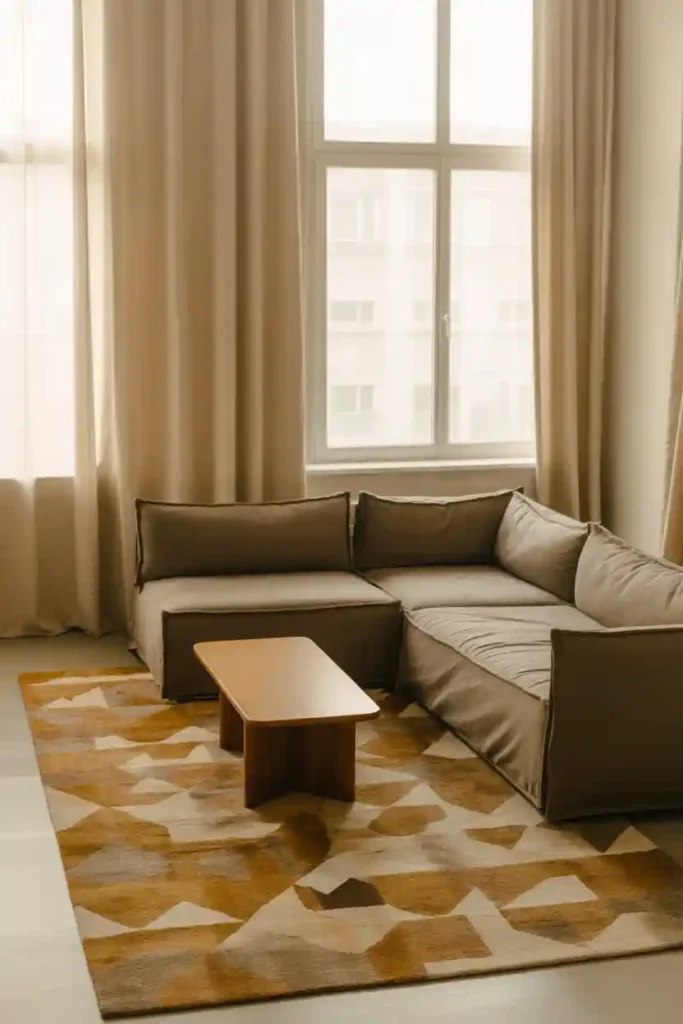
In small rooms, rug size can actually make the space feel larger when chosen correctly. Many people assume small rooms need small rugs, but this often has the opposite effect. A larger rug that extends under furniture creates a seamless look that visually expands the room.
Choose a rug that fits beneath key furniture pieces like sofas, beds, or tables. Avoid leaving too much bare floor around a tiny rug, as this breaks the flow. Light-colored rugs also help reflect light, making small spaces feel more open. The right rug size helps small rooms feel intentional, cozy, and surprisingly spacious.
6. Open-Concept Spaces and Area Rugs
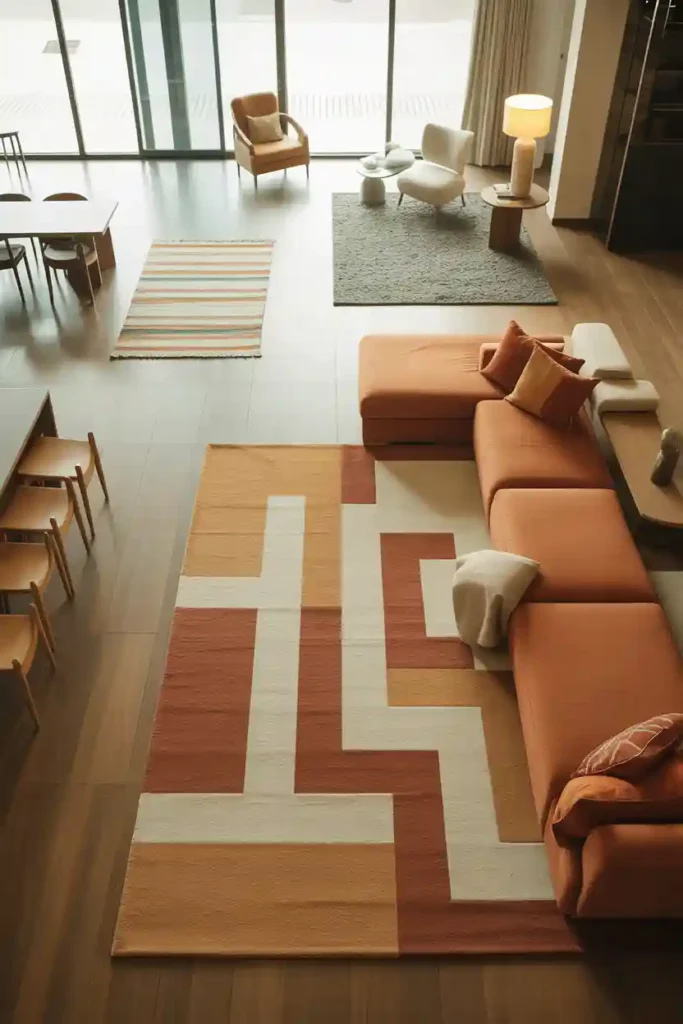
Open-concept homes rely heavily on rugs to define different zones. In these spaces, rug size helps separate living, dining, and working areas without walls. Each rug should be sized to fully support the furniture within its zone.
For example, a living area rug should anchor the seating arrangement, while a dining area rug should support the table and chairs. Rugs should not overlap or feel randomly placed. Maintaining consistent spacing and scale keeps the space cohesive. Correct rug sizing brings structure and clarity to open layouts, making them feel organized rather than overwhelming.
7. Rug Sizes for Hallways and Entryways
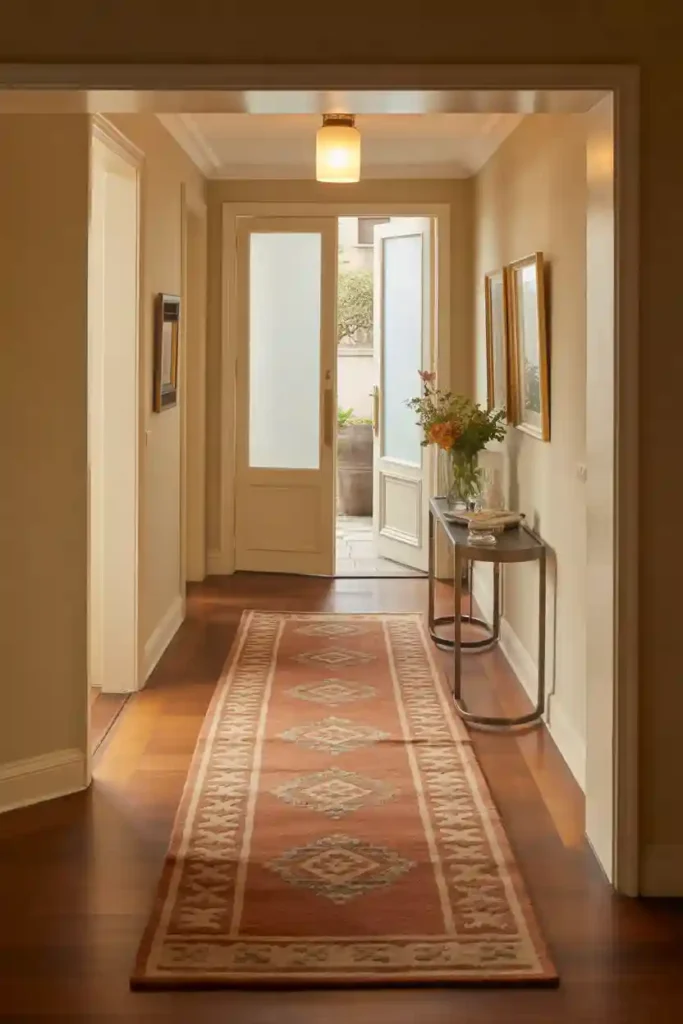
Hallways and entryways benefit from runners that fit the space proportionally. A runner should leave some floor visible on each side, creating a balanced look. It should be long enough to guide movement without feeling cramped.
In entryways, rugs should be large enough to catch dirt while welcoming guests visually. Avoid rugs that are too small, as they feel insignificant. Properly sized runners and entry rugs add warmth, protect flooring, and enhance flow. These often-overlooked areas feel more polished when rug size is chosen carefully.
8. Common Rug Size Mistakes to Avoid
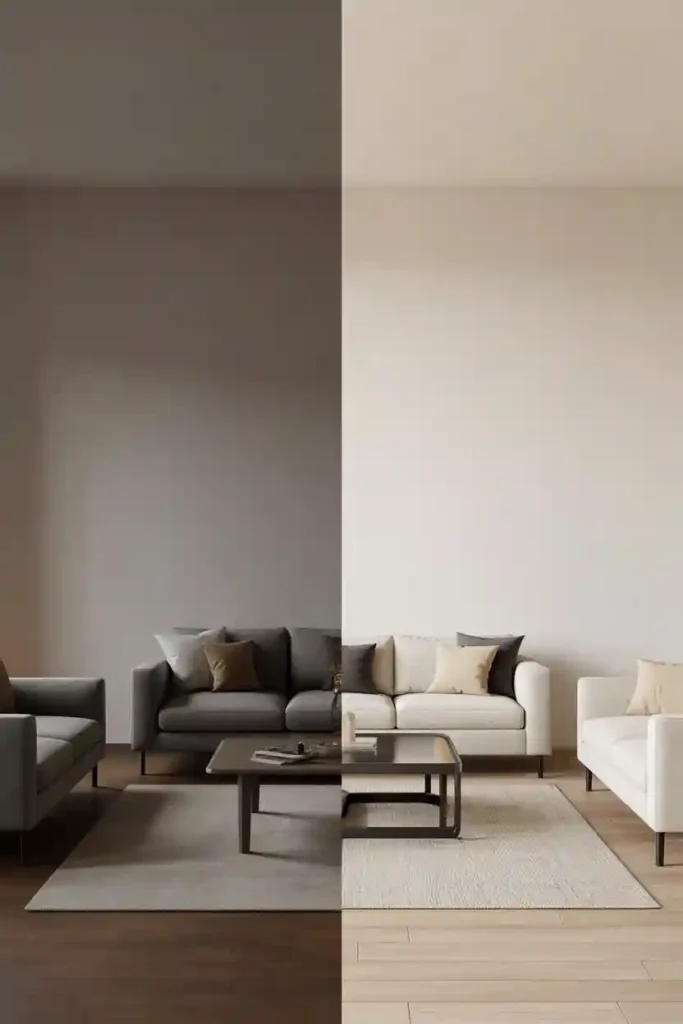
One of the biggest mistakes is choosing a rug that’s too small. This often happens when people prioritize cost over proportion. Another common error is centering a rug without considering furniture placement. Rugs should relate to furniture, not float independently.
Ignoring chair movement in dining rooms and walkways in living areas also causes functional issues. Measuring before buying is essential. When in doubt, sizing up is usually the better choice. Avoiding these mistakes ensures your rug enhances both comfort and style, helping every room feel complete and intentional.
Final Words
Choosing the right rug size can completely change how a room looks and feels. While color and pattern add personality, size is what creates balance, comfort, and a finished appearance. A properly sized rug anchors furniture, defines zones, and makes a space feel intentional rather than accidental.