

11 Calm Home Aesthetic Ideas for Daily Peace
Creating a calm home aesthetic is about designing a space that supports relaxation, clarity, and daily peace. In a world filled with noise, screens, and constant activity, the home should feel like a quiet retreat where your mind can reset. A calm interior does not require expensive renovations or dramatic design changes. Instead, it focuses on thoughtful choices soft colors, natural materials, comfortable lighting, and uncluttered spaces.
When these elements work together, they create an environment that feels balanced and soothing. The goal is to remove visual stress while adding warmth and comfort. Gentle textures, neutral palettes, and intentional decor help turn ordinary rooms into peaceful sanctuaries. Whether you live in a large house or a small apartment, calm home aesthetics can transform how a space feels every day. These ideas will help you design rooms that encourage relaxation, support mindfulness, and bring a quiet sense of harmony into your daily life.
1. Choose a Soft Neutral Color Palette
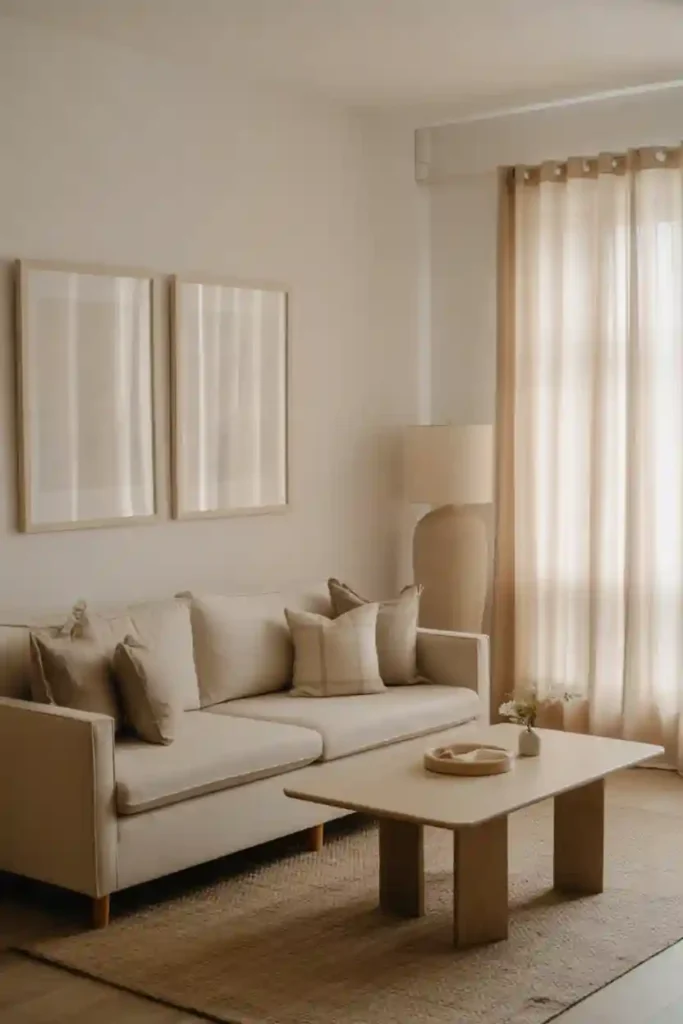
Color has a powerful effect on how a space feels. A calm home aesthetic usually begins with a gentle, neutral color palette that helps reduce visual noise. Shades like warm white, soft beige, pale gray, and light taupe create a peaceful foundation that makes rooms feel open and relaxed.
These tones reflect natural light beautifully, which helps brighten the space without overwhelming it. Instead of bold accent colors, calm interiors often rely on subtle tonal variations. For example, a room may include creamy walls, a beige sofa, and light sand-colored pillows. The slight differences in shade create visual depth while maintaining harmony.
2. Let Natural Light Fill the Space
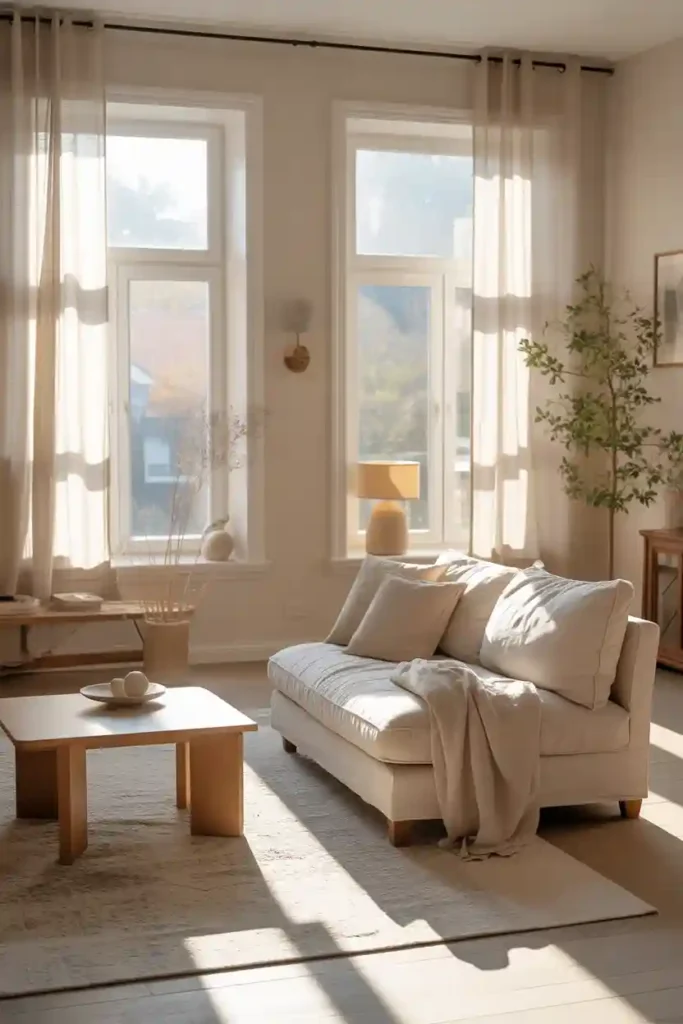
Natural light instantly makes a home feel more peaceful and welcoming. Sunlight softens the mood of a room and highlights the beauty of simple materials and neutral colors.
Start by keeping windows as open as possible. Avoid heavy curtains that block daylight. Instead, choose sheer linen curtains or lightweight cotton drapes that allow light to filter through gently. Natural light also creates subtle shadows and warmth throughout the day, which adds life to a calm interior without the need for excessive decor. Mirrors can help amplify this effect by reflecting light deeper into the room.
3. Keep Surfaces Clear and Uncluttered
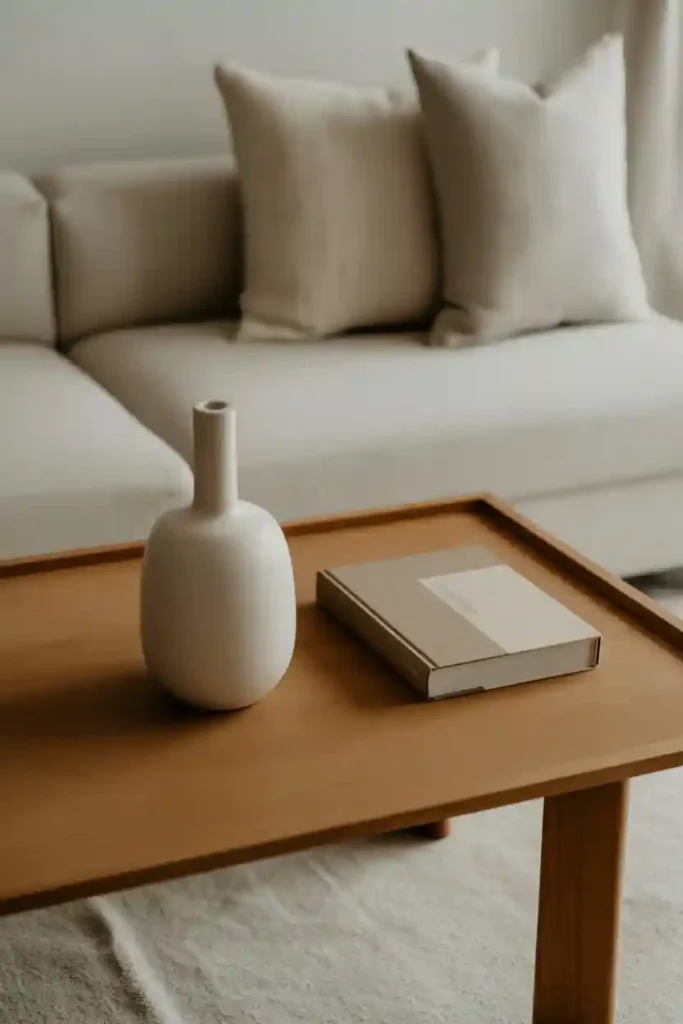
Clutter is one of the biggest obstacles to a calm home environment. Too many objects on tables, shelves, and countertops can make a room feel visually overwhelming. Creating clear surfaces instantly brings a sense of order and relaxation. Instead of filling every space with decor, choose a few meaningful pieces and give them room to breathe.
For example, a coffee table may only hold a small ceramic vase and one book. A kitchen counter may feature a wooden cutting board and a simple bowl of fruit. This intentional approach keeps the room functional while maintaining visual calm.
Read Also: 13 Soft Minimalist Decor Ideas That Feel Gentle
4. Layer Soft and Natural Textures
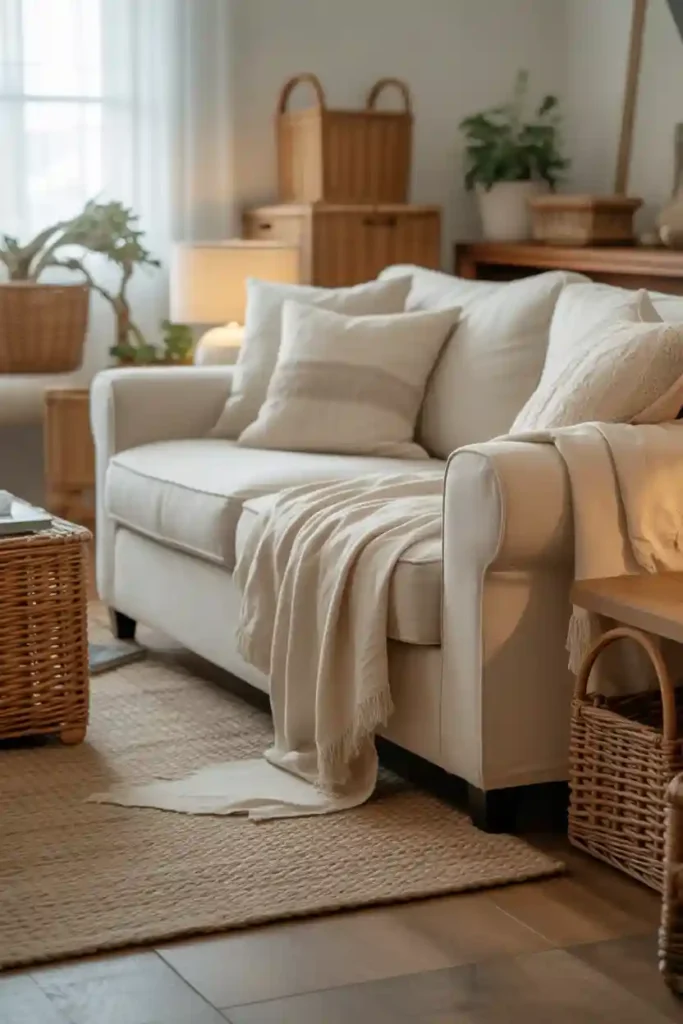
A calm home does not mean a cold or empty home. Texture adds warmth and comfort, making minimalist spaces feel welcoming and lived-in.
Natural fabrics work best for this aesthetic. Linen curtains, cotton throws, wool rugs, and woven baskets all add gentle depth without overwhelming the space. For example, a soft wool rug can ground a seating area, while a linen throw draped over the sofa adds a relaxed and cozy touch. These materials also age beautifully and connect the interior to nature.
5. Add Gentle Indoor Greenery
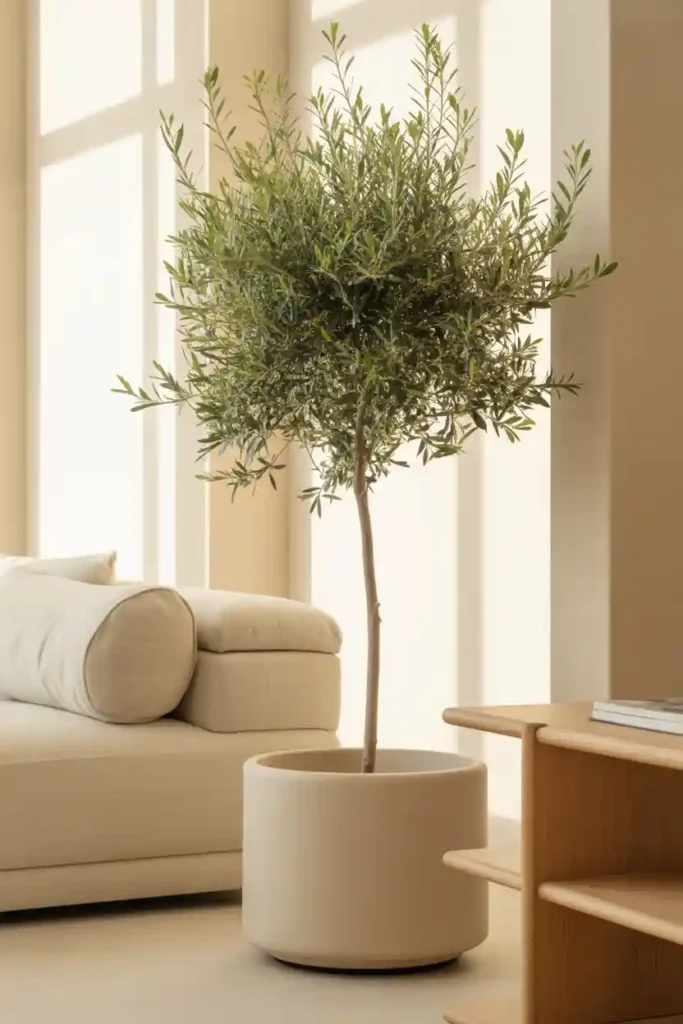
Plants bring life, freshness, and quiet beauty into a home. Even a single plant can transform the atmosphere of a room by adding organic shape and color.
Choose plants with simple silhouettes like snake plants, olive trees, or rubber plants. Their structured forms complement calm interiors without creating visual clutter. Place plants in neutral ceramic or clay pots so they blend naturally with the room’s palette. Large plants work well in empty corners, while smaller ones can soften shelves or side tables.
6. Use Warm Ambient Lighting
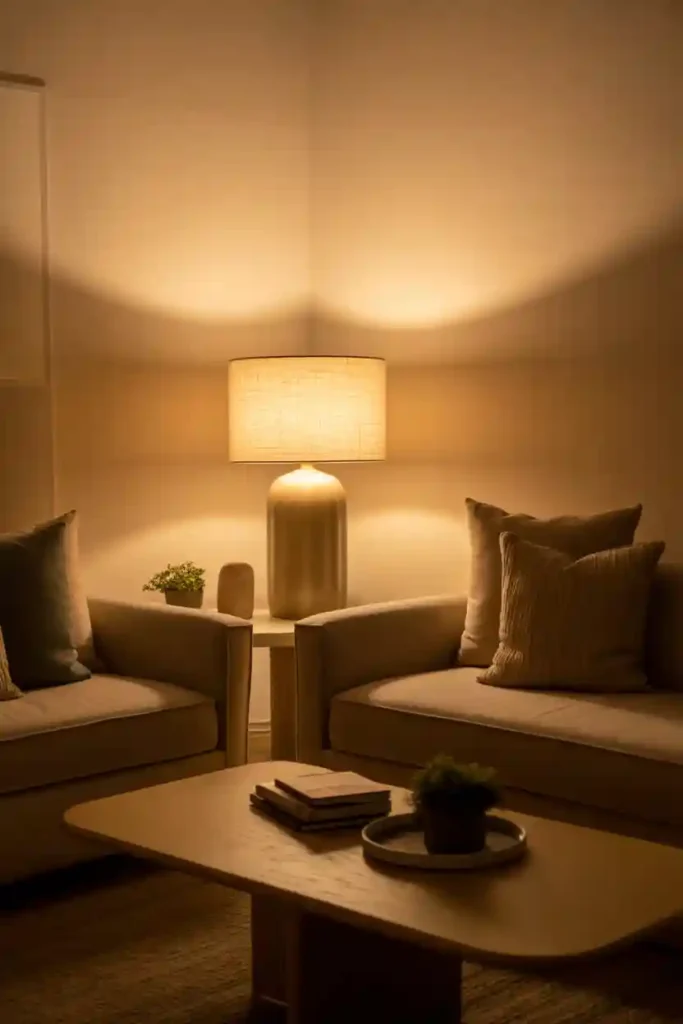
Lighting plays a major role in creating a calm atmosphere, especially during the evening. Bright overhead lighting can feel harsh, so softer lighting layers work better.
Table lamps with linen shades, warm LED bulbs, and simple floor lamps create a gentle glow that makes rooms feel cozy and relaxing. The goal is to spread light evenly rather than focusing on one bright source. Layered lighting allows you to adjust the mood throughout the day. In the evening, warm ambient lighting can turn the living room into a comfortable retreat.
7. Choose Simple and Comfortable Furniture
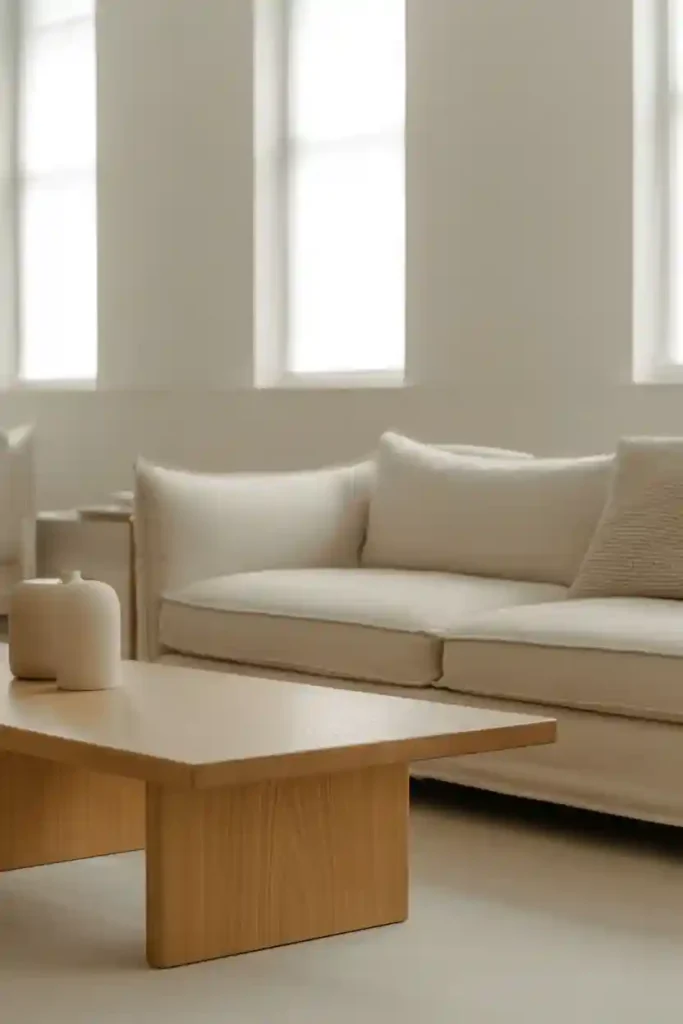
Furniture in a calm home should feel comfortable, functional, and visually light. Bulky or overly ornate pieces can disrupt the peaceful atmosphere.
Instead, choose furniture with clean lines, soft edges, and neutral upholstery. Linen sofas, upholstered armchairs, and light wood tables are excellent choices. Comfort is just as important as style. A cozy chair with supportive cushions encourages relaxation and quiet moments throughout the day.
8. Introduce Soft Wall Art
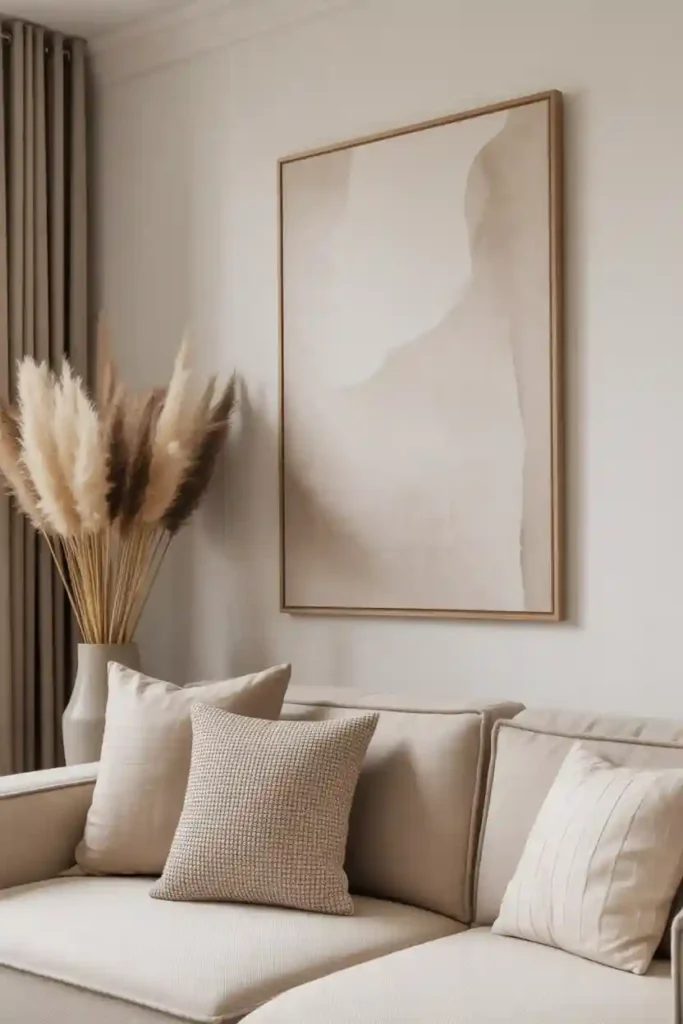
Art adds personality to a calm home while maintaining simplicity. The key is choosing pieces that feel gentle and harmonious.
Nature-inspired artwork, abstract neutral paintings, and minimalist line drawings work beautifully in calm interiors. Instead of filling walls with many small frames, consider displaying one larger piece that anchors the room. Soft color palettes within the artwork help maintain the peaceful aesthetic. Frames should remain simple light wood, white, or thin metal.
9. Create a Peaceful Bedroom Retreat
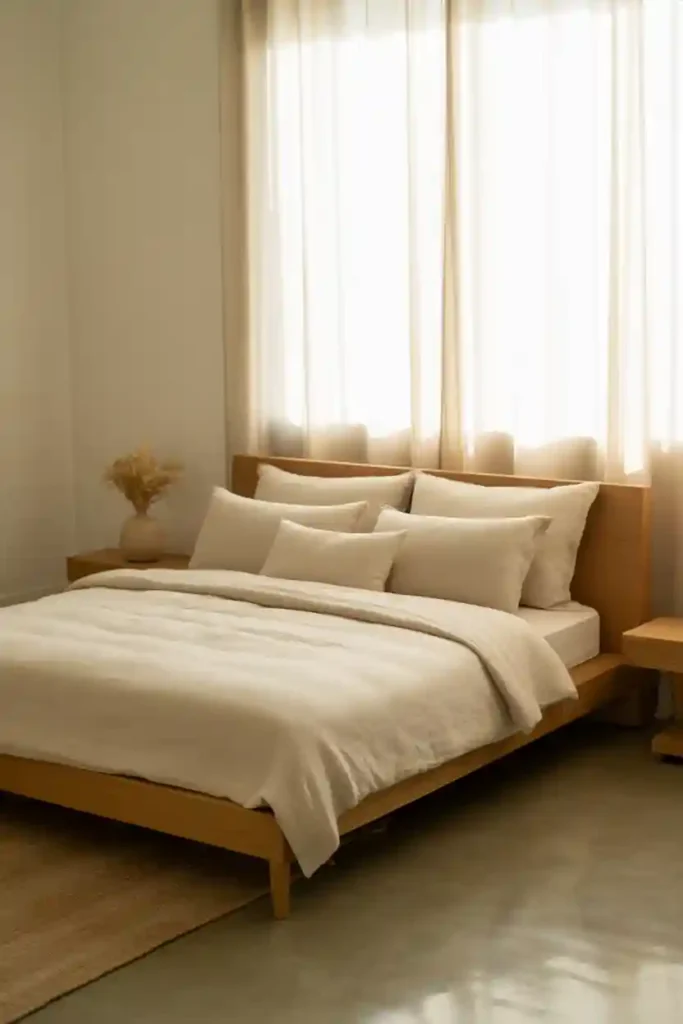
Bedrooms should be the calmest spaces in the home. Soft bedding, gentle lighting, and minimal decor help promote relaxation and better sleep.
Start with breathable fabrics like linen or cotton sheets. Layer a lightweight quilt or textured blanket for warmth. Neutral bedding colors help maintain a soothing environment. Keep bedside tables simple. A small lamp, a book, and perhaps a ceramic vase are often enough. Avoid clutter that might distract from the room’s purpose.
10. Embrace Open Space
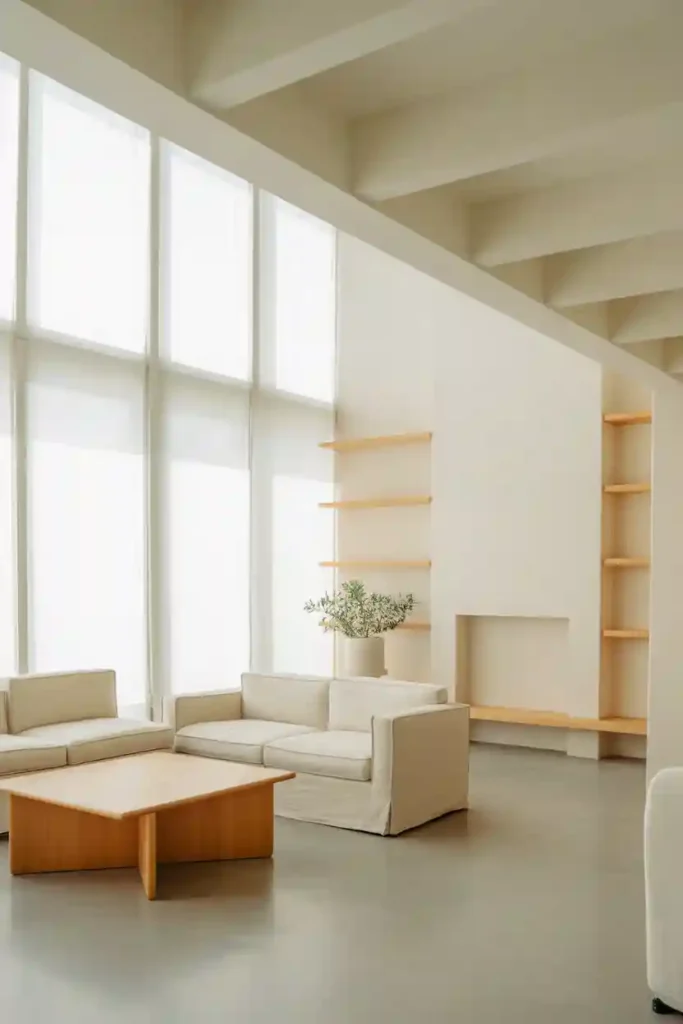
Open space is an important design element in calm interiors. Leaving empty areas around furniture allows the room to breathe and feel balanced.
Instead of filling every corner with decor, focus on thoughtful placement. A sofa, coffee table, and single chair may be enough for a comfortable living room. This approach improves visual flow and makes even small rooms feel larger. It also allows natural light to move freely through the space.
11. Create Small Daily Ritual Spaces
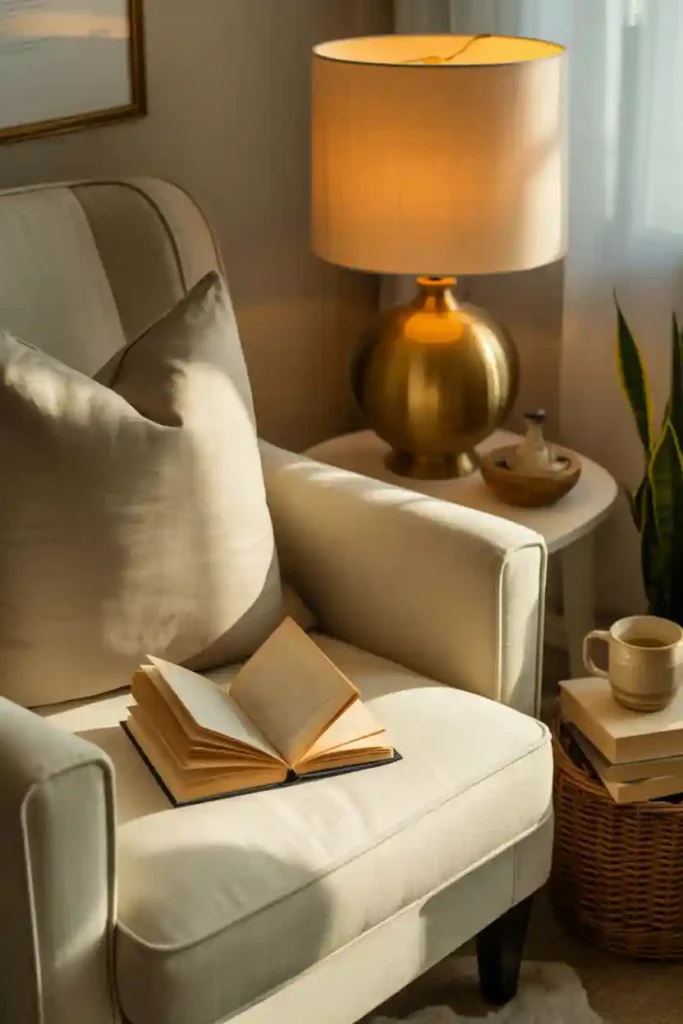
A calm home supports peaceful daily routines. Creating small areas dedicated to relaxation can help build these habits.
A cozy reading corner with a comfortable chair and soft lamp invites quiet moments. A small meditation area with a cushion and simple decor can support mindfulness. Even a tea station in the kitchen can become a calming ritual space. These areas do not need to be large. A small corner with thoughtful styling is often enough to create a meaningful pause during the day.
Final Words
Designing a calm home aesthetic is less about perfection and more about creating a space that supports your well-being every day. When rooms are filled with soft colors, natural textures, gentle lighting, and uncluttered surfaces, they begin to feel like a peaceful refuge from the outside world. Small choices—like opening up space, choosing comfortable furniture, or adding a touch of greenery can quietly transform the mood of a home.