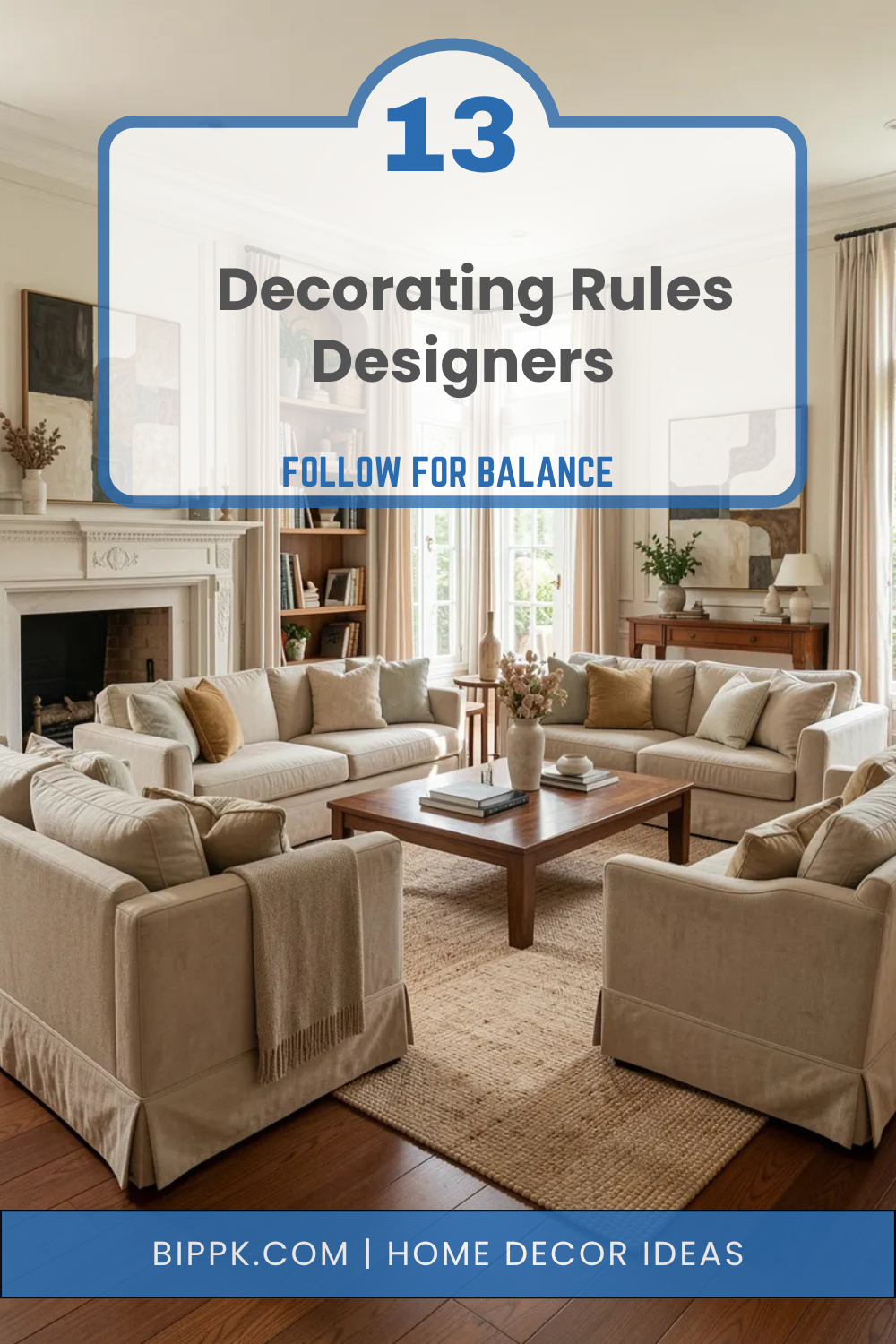
13 Decorating Rules Designers Follow for Balance
Creating a beautifully balanced home isn’t just about buying stylish furniture or following trends it’s about understanding the decorating rules that professional designers rely on. These guidelines help bring harmony, structure, and flow to a space, making it feel both functional and visually appealing. The good news is that you don’t need formal training to apply these principles in your own home.
With a little knowledge and intention, you can transform any room into a well-balanced environment that feels comfortable and cohesive. From mastering color distribution to arranging furniture thoughtfully, these decorating rules are simple yet powerful. In this guide, we’ll explore 13 essential decorating rules designers follow to achieve balance. Each one is easy to understand and practical to implement, helping you avoid common mistakes while creating a space that looks polished, inviting, and uniquely yours.
1. Follow the Rule of Thirds
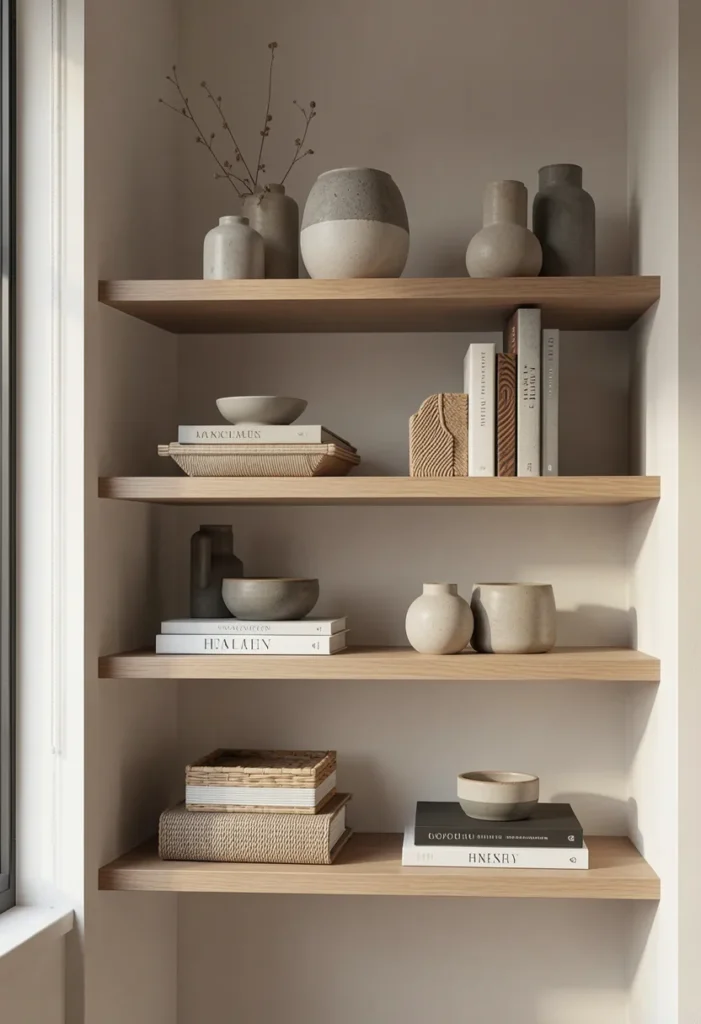
The rule of thirds is a classic design principle that creates visual balance by dividing a space into three equal parts. This rule applies to colors, furniture placement, and decor styling.
For example, when styling a shelf or table, arrange items in groups of three with varying heights and shapes. This creates a more natural and visually pleasing look compared to symmetrical or evenly spaced items. In color design, you can also divide tones into dominant, secondary, and accent elements. The uneven distribution feels more dynamic and less rigid.
2. Balance Visual Weight
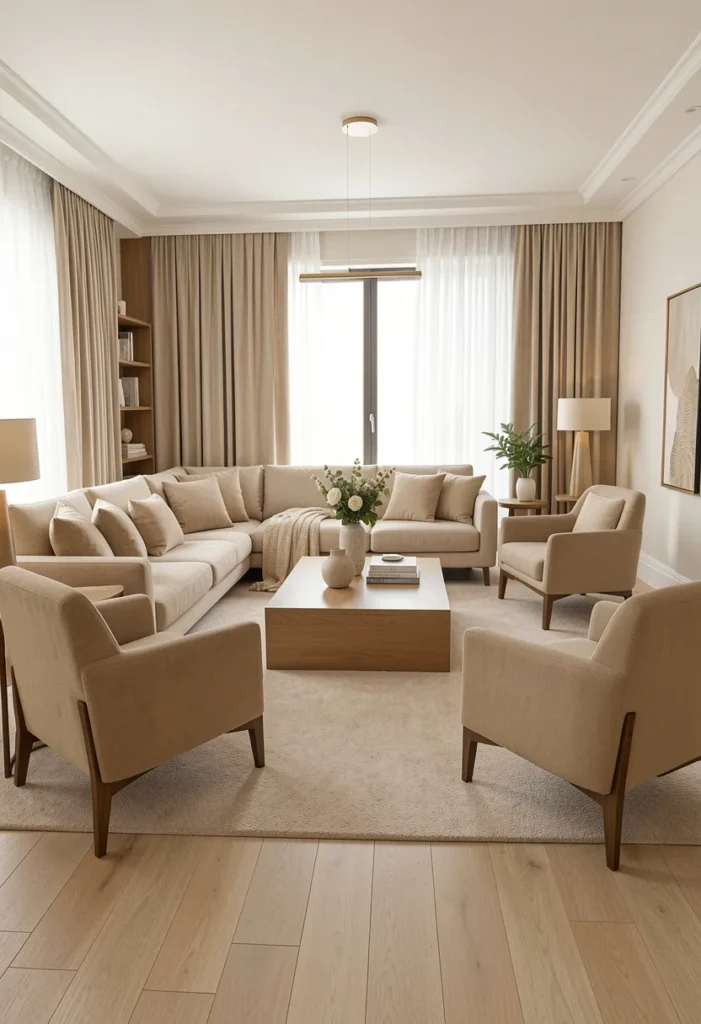
Visual weight refers to how heavy or light an object appears in a room. Large, dark, or bold items feel heavier, while light-colored or smaller items feel lighter.
To create balance, distribute heavy and light elements evenly. For example, if one side of the room has a large sofa, balance it with a pair of chairs or a statement cabinet on the other side. This doesn’t mean everything must match. Instead, aim for equilibrium so the room doesn’t feel lopsided or awkward.
3. Use a Consistent Color Palette
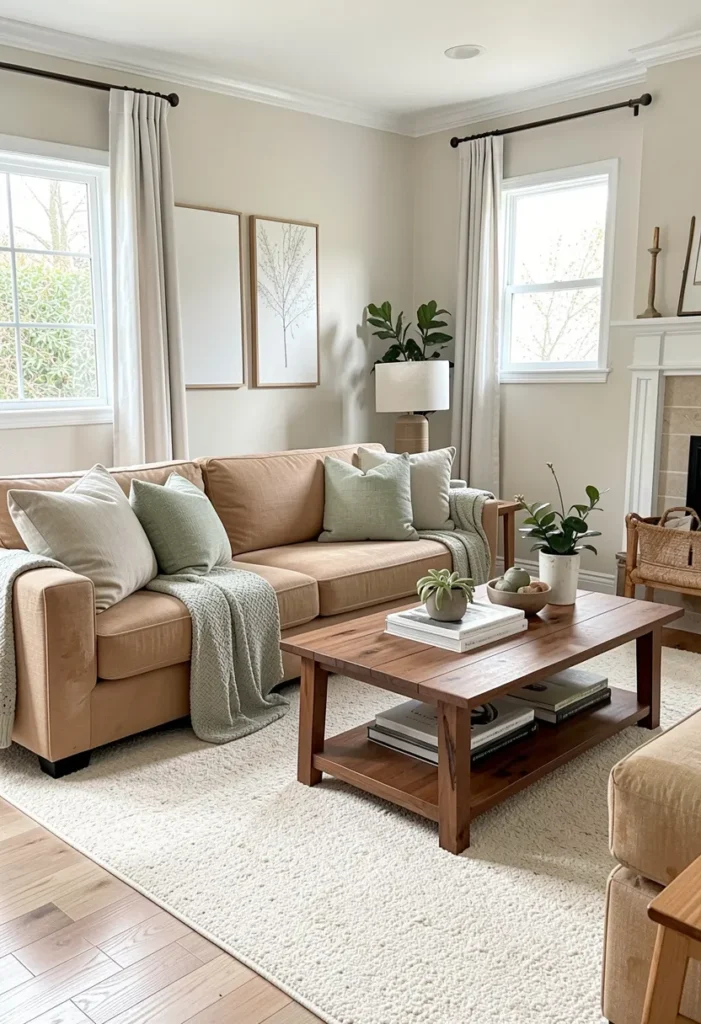
A cohesive color palette is essential for creating balance. Too many unrelated colors can make a room feel chaotic. Designers typically choose a base color and build around it with complementary shades. Repeating colors throughout the room helps tie everything together.
You can introduce variety through textures and patterns instead of adding more colors. This keeps the design interesting without overwhelming the space. Consistency in color creates a sense of unity and flow from one area to another.
4. Create a Strong Focal Point
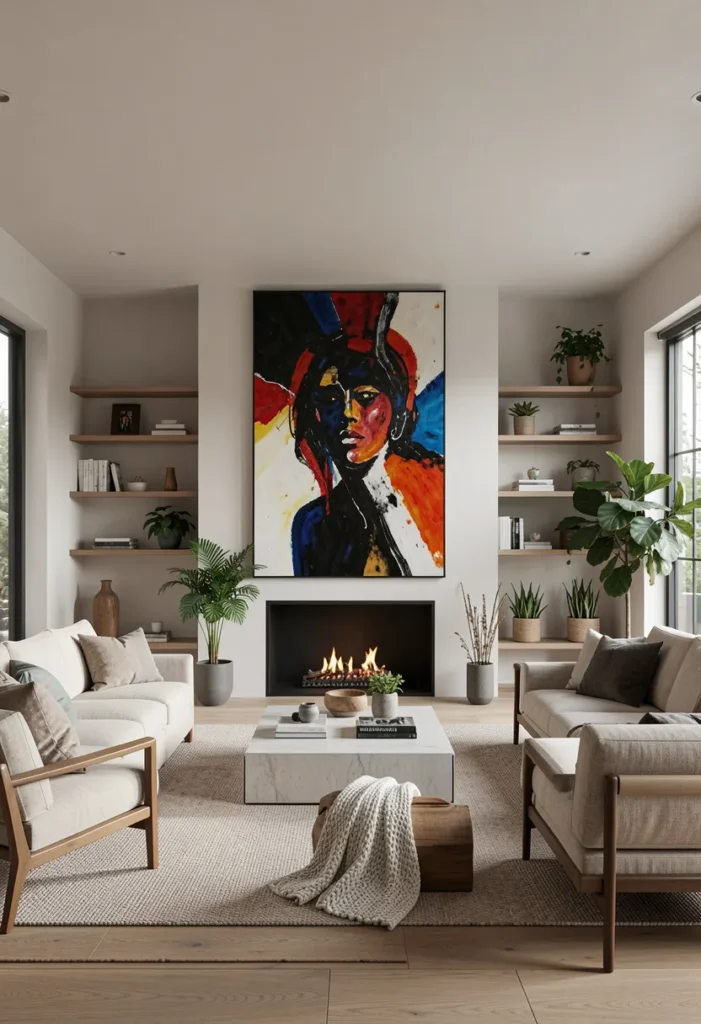
Every well-designed room has a focal point that draws attention. Without one, the space can feel scattered. A focal point could be a fireplace, a large piece of artwork, or a statement furniture item. Once established, arrange other elements around it to support the design.
This helps guide the eye and gives the room a clear purpose. Designers often enhance focal points with lighting or contrasting colors to make them stand out even more.
See Also: 14 Interior Design Rules Explained Simply
5. Layer Your Lighting
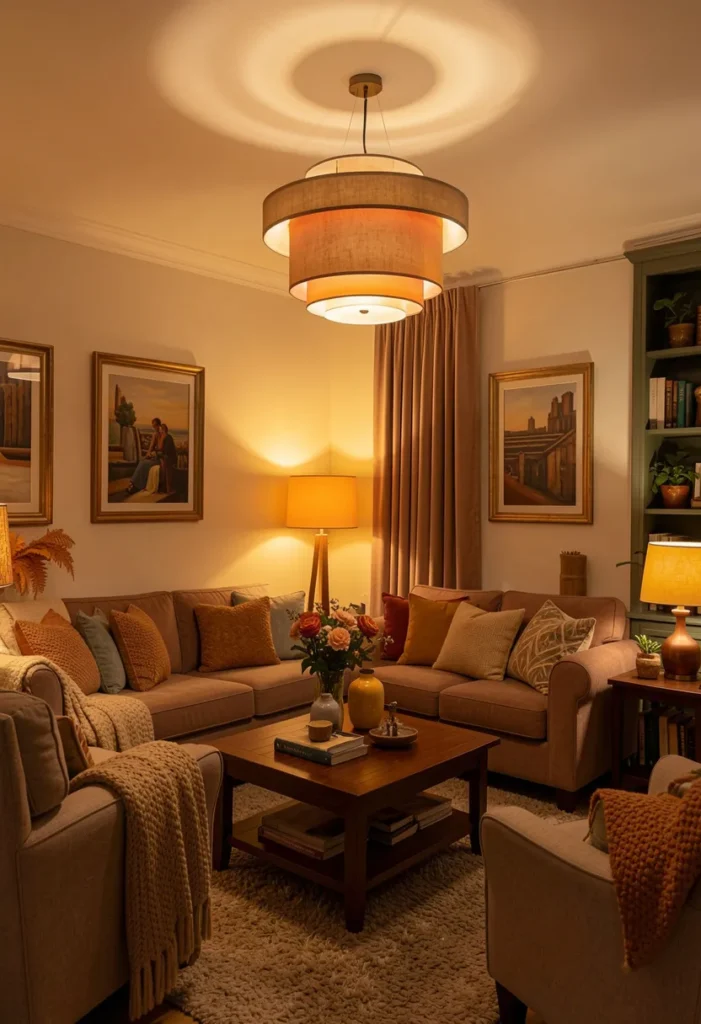
Lighting is key to achieving balance in both function and mood. Designers use layered lighting to avoid flat or harsh environments. Combine ambient lighting (general), task lighting (focused), and accent lighting (decorative). This creates depth and flexibility.
For example, a living room might include ceiling lights, floor lamps, and wall sconces working together. Proper lighting ensures every part of the room is usable and visually appealing at different times of day.
6. Mix Textures for Dimension
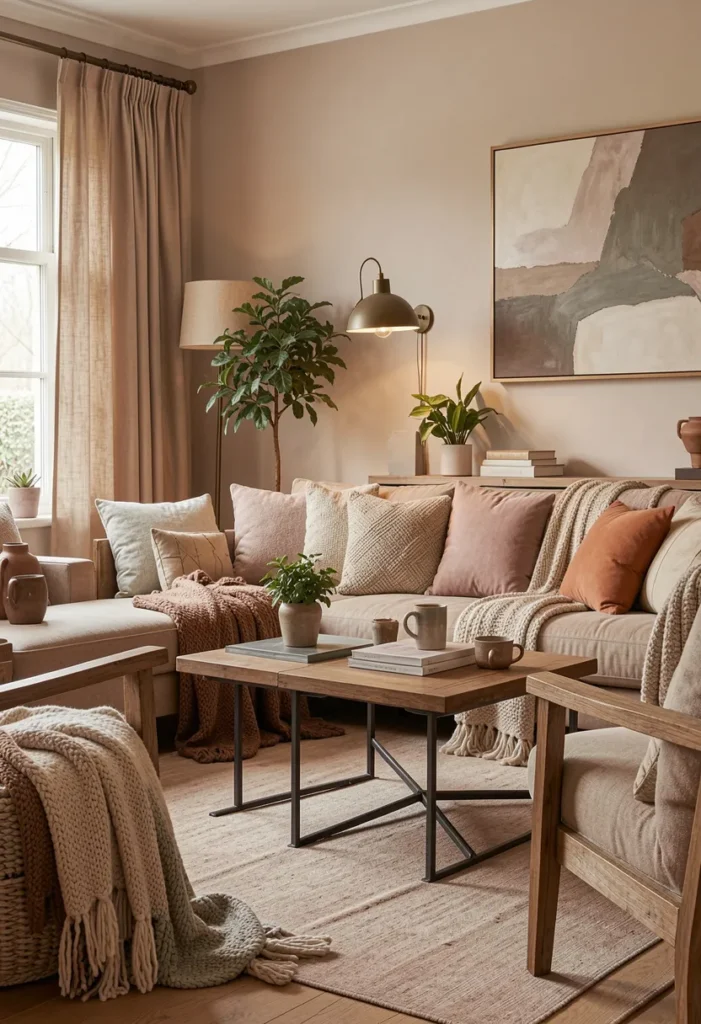
Balance isn’t just about placement it’s also about how a room feels. Mixing textures adds depth and prevents a flat appearance. Combine soft fabrics like cushions and rugs with harder materials like wood, glass, or metal. This contrast creates visual interest.
For example, pairing a sleek coffee table with a plush rug makes the space feel more dynamic. Designers use texture layering to make rooms feel rich and inviting without adding clutter.
7. Don’t Overcrowd the Space
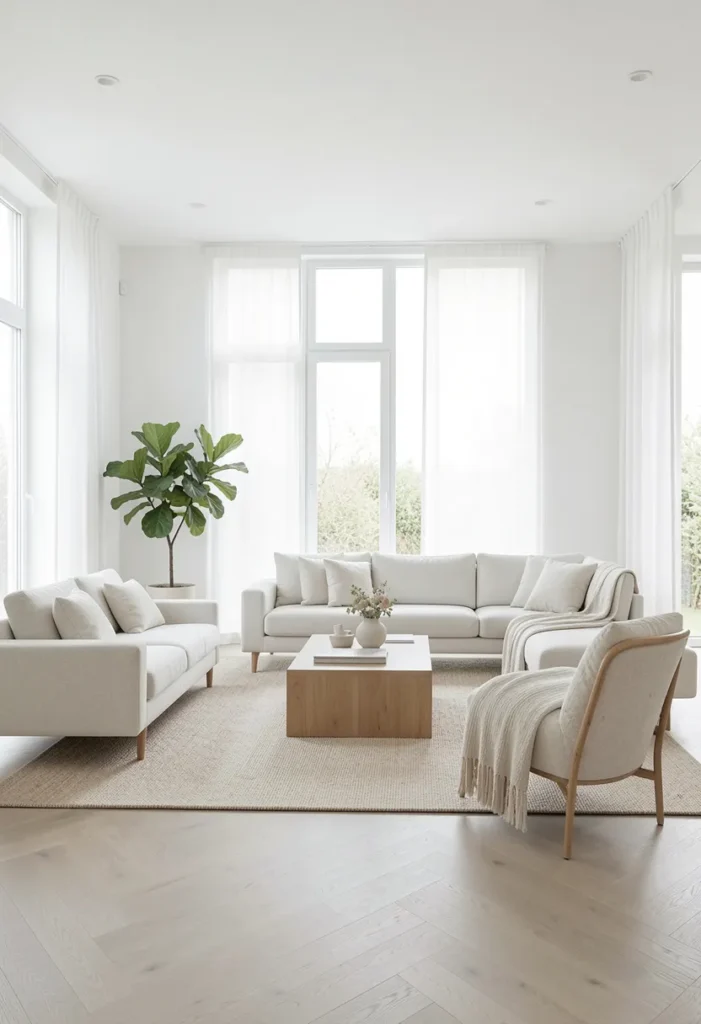
Too much furniture or decor can disrupt balance and make a room feel cramped. Designers understand the importance of negative space. Leaving empty areas allows the room to breathe and highlights key pieces. It also improves functionality and movement.
Instead of filling every corner, focus on a few well-chosen items that serve a purpose. A balanced room feels open, organized, and comfortable rather than overwhelming.
8. Use Proper Scale and Proportion
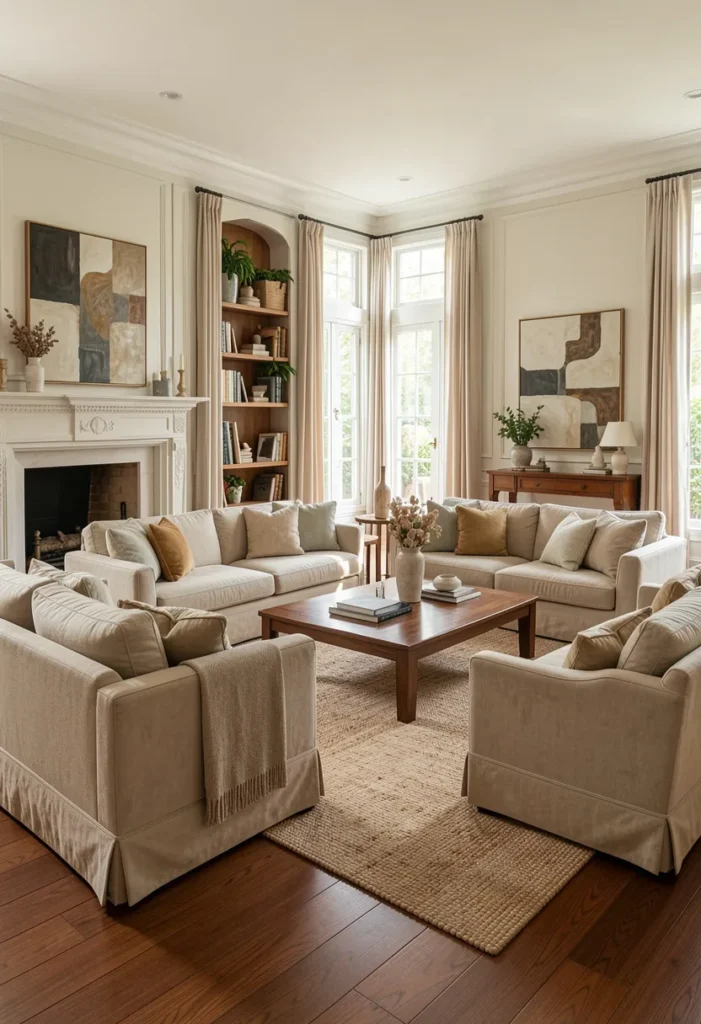
Scale and proportion play a huge role in achieving balance. Furniture that’s too large or too small can throw off the entire room. Designers carefully select pieces that fit the size of the space and relate well to each other. For example, a large sectional should be paired with a substantial coffee table.
Measuring your room before buying furniture helps avoid costly mistakes. When everything is in proportion, the space feels harmonious and well-planned.
9. Anchor the Room with Rugs
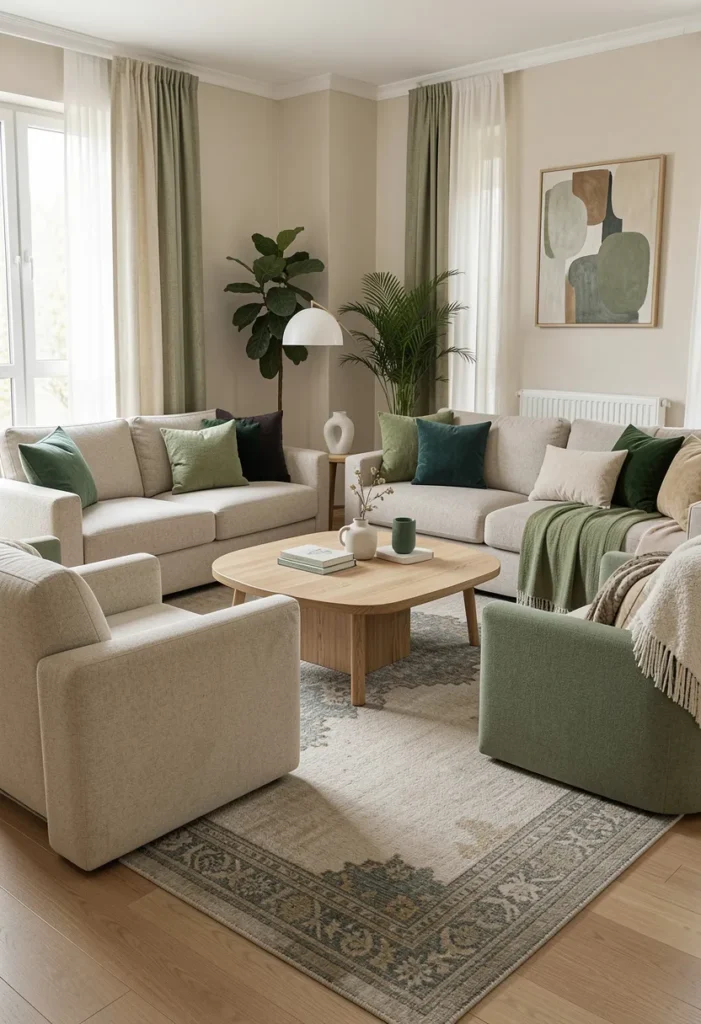
Rugs help define areas and bring balance to a space. A rug that’s too small can make furniture feel disconnected. Designers choose rugs that are large enough to anchor major furniture pieces. In living rooms, at least the front legs of sofas and chairs should sit on the rug.
Rugs also add texture, color, and warmth, enhancing the overall design. A well-placed rug ties the entire room together.
10. Hang Artwork at the Right Height
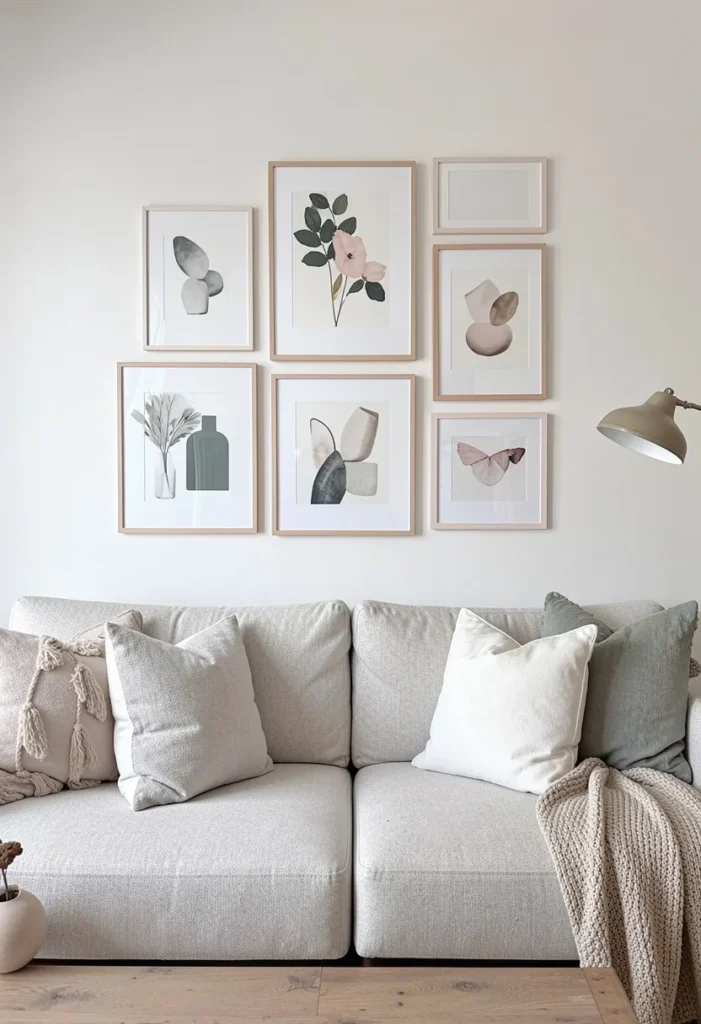
Artwork placement affects how balanced a room feels. Hanging pieces too high or too low can disrupt visual flow.
Designers typically place artwork at eye level for the best effect. When hanging above furniture, keep it close enough to feel connected. Gallery walls should be arranged thoughtfully with consistent spacing. Proper placement ensures artwork enhances the space rather than feeling disconnected. balanced gallery wall, modern interior design”
11. Repeat Elements for Unity
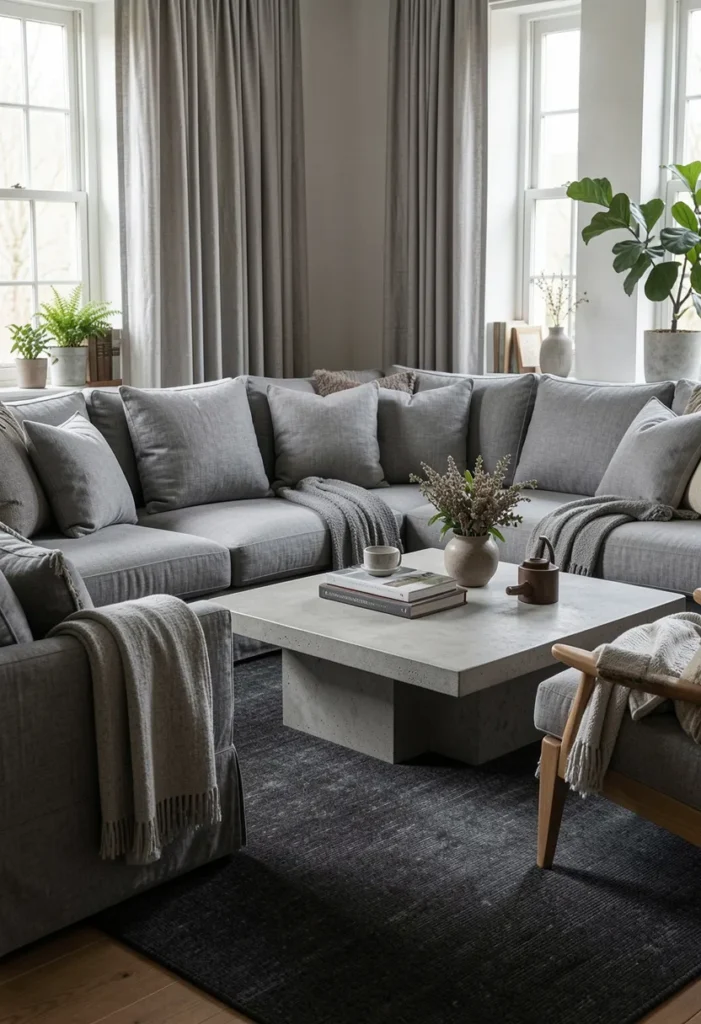
Repetition is a subtle but powerful way to create balance. Designers repeat colors, shapes, or materials throughout a room. For example, a color used in cushions might appear again in artwork or a rug. This creates a sense of continuity.
Repetition helps guide the eye and makes the design feel intentional. It’s a simple trick that ties everything together beautifully.
12. Blend Symmetry and Asymmetry
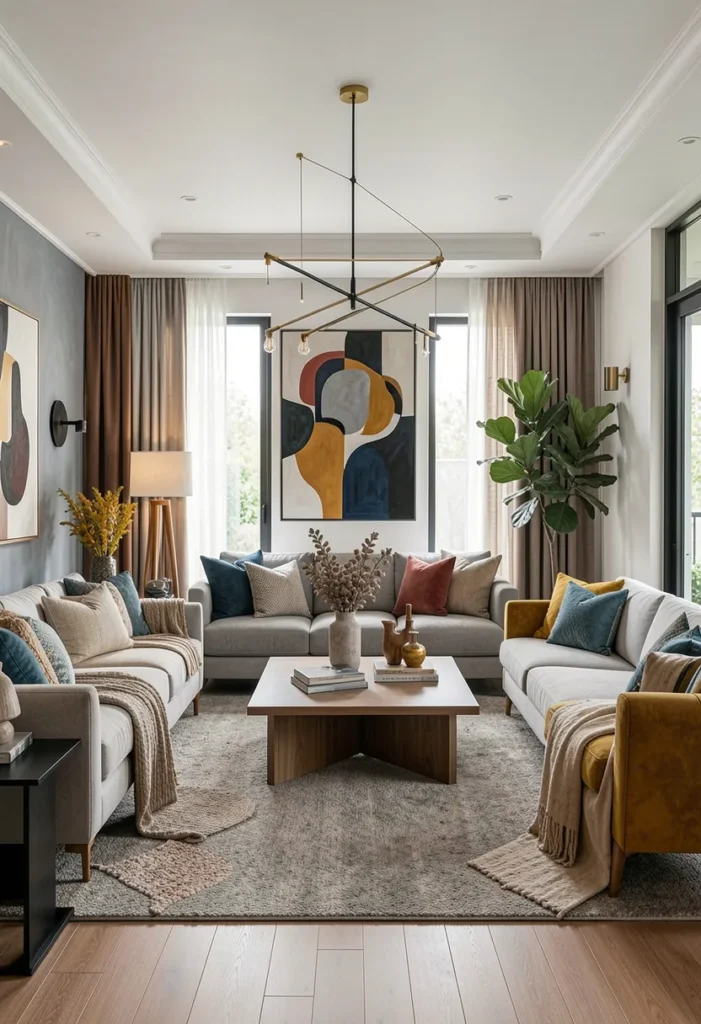
A perfectly symmetrical room can feel too formal, while complete asymmetry may feel chaotic. Designers often blend both for balance.
For example, you might have a symmetrical sofa setup but add asymmetrical decor elements like different side tables or lamps. This mix creates interest while maintaining stability. Combining both approaches results in a dynamic yet balanced space.
13. Prioritize Function Alongside Style
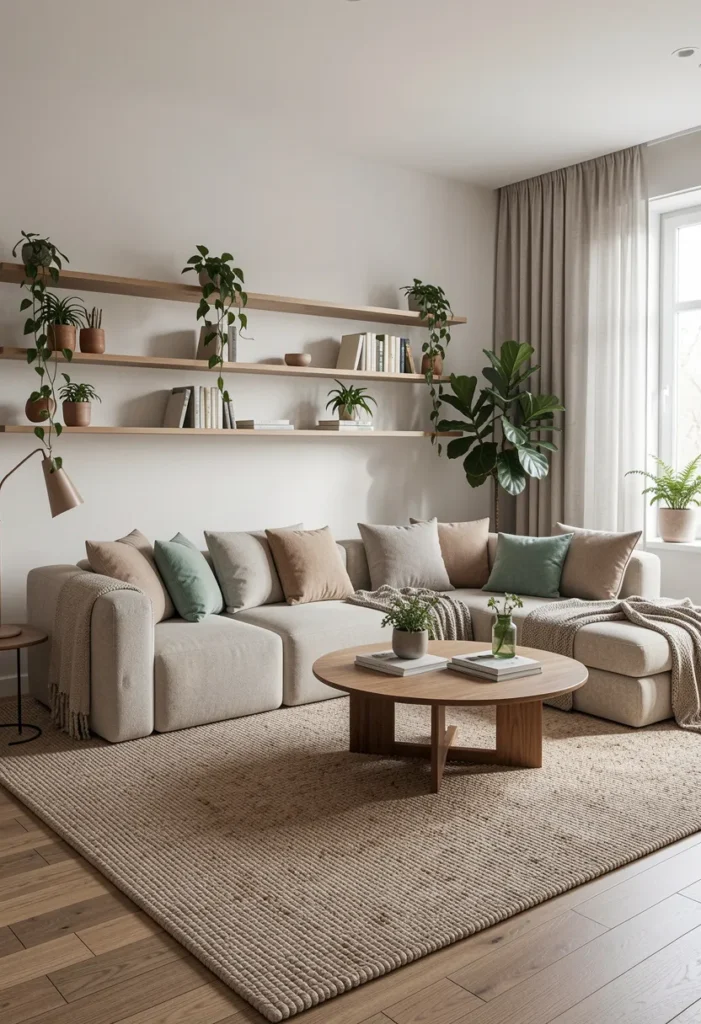
True balance comes from combining beauty with practicality. A room should not only look good but also work well for daily life.
Designers always consider how a space will be used. Comfortable seating, proper lighting, and easy movement are essential. Avoid choosing decor that looks great but doesn’t serve a purpose. When function and style are aligned, your home feels effortless and enjoyable.
Final Words
Achieving balance in your home doesn’t require complicated design skills it simply comes down to understanding and applying a few trusted decorating rules. These 13 principles used by designers help create spaces that feel calm, cohesive, and visually appealing without feeling forced or overdone. By focusing on elements like proportion, lighting, texture, and functionality, you can bring harmony into any room.