14 Interior Design Ideas For Beginners
If you’re new to decorating, starting your home transformation can feel overwhelming. With endless styles, colors, layouts, and trends online, it’s easy to feel unsure about where to begin. The good news is that great design doesn’t require a professional degree or a huge budget. It simply requires thoughtful choices and a clear direction. These 14 Interior Design Ideas For Beginners are practical, approachable, and easy to implement in any home.
Whether you’re decorating a small apartment, refreshing a bedroom, or styling your living room for the first time, these ideas will help you build confidence and create spaces that feel cohesive and inviting. From choosing a color palette to mastering lighting and layering textures, each tip focuses on foundational design principles. Start small, experiment confidently, and remember that great interior design is about creating a home that reflects your personality and lifestyle.
1. Start With a Neutral Base
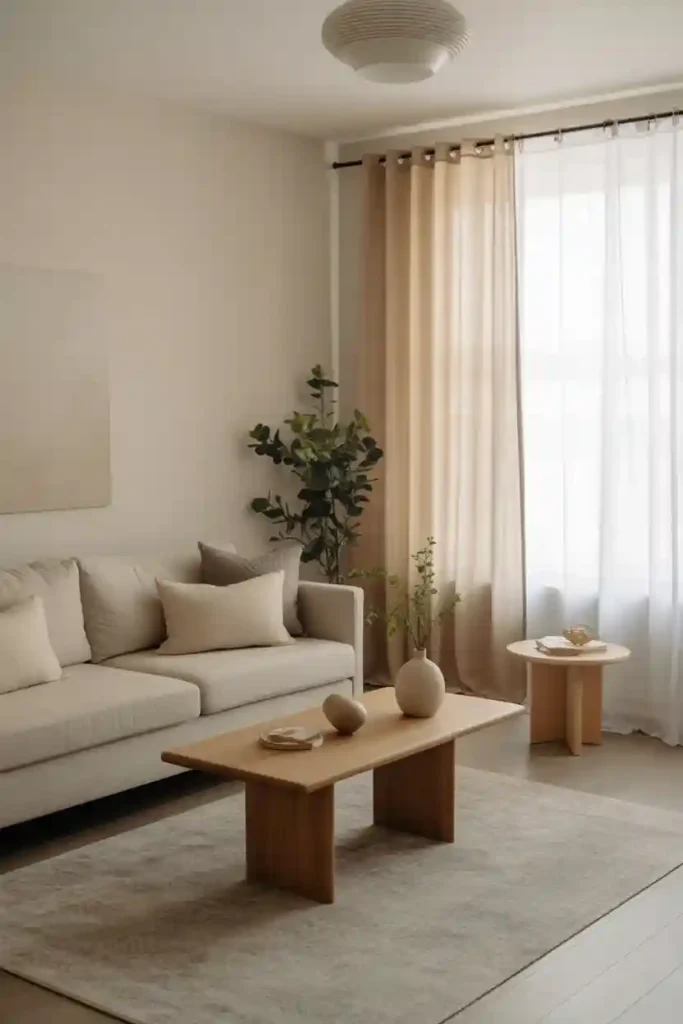
One of the easiest ways for beginners to create a polished look is by starting with a neutral foundation. Neutral colors like white, beige, taupe, soft gray, or warm cream create a calm backdrop that makes decorating easier. When walls and large furniture pieces are neutral, you can experiment with decor, textiles, and accent colors without overwhelming the space.
A neutral base also makes rooms feel larger and brighter. Light-colored walls reflect natural light, which is especially helpful in small spaces. For beginners, this reduces the pressure of choosing bold paint colors right away. You can always add personality through pillows, rugs, artwork, or throws.
2. Choose a Simple Color Palette
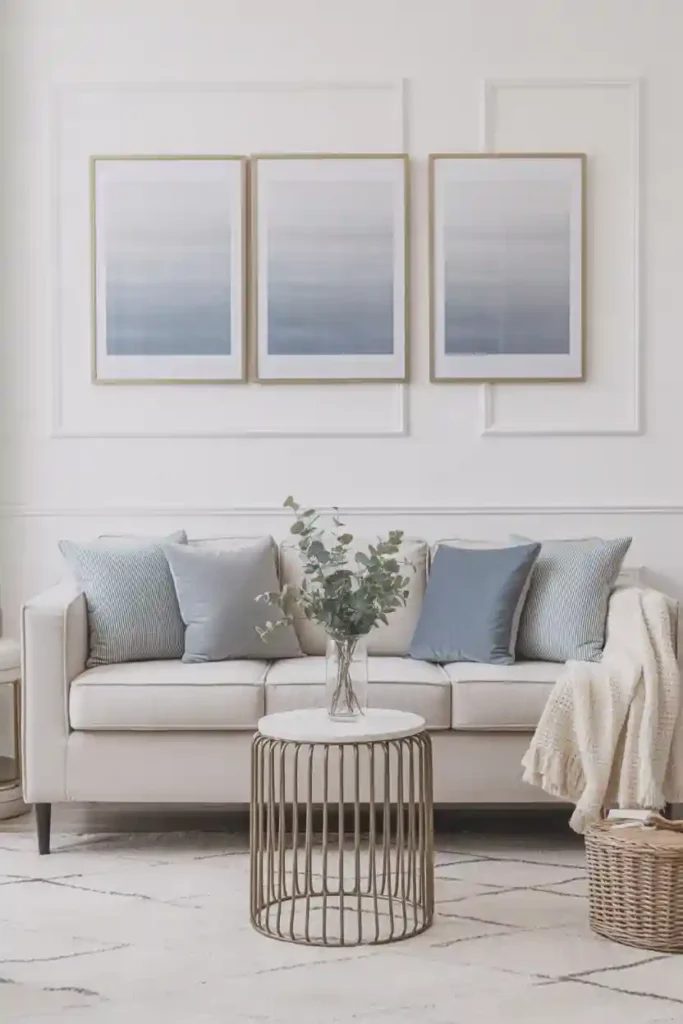
Instead of mixing too many colors, stick to a simple color palette of three main shades. A beginner-friendly formula is: one dominant color, one secondary color, and one accent color. This creates balance and cohesion throughout the room.
For example, you might choose white as your base, soft blue as your secondary shade, and gold or black as your accent. Repeat these colors across the room in small ways through cushions, art, vases, or throws. This repetition creates harmony without looking forced.
Read Also: 11 Simple Home Decor Upgrades That Make Impact
3. Focus on Proper Lighting
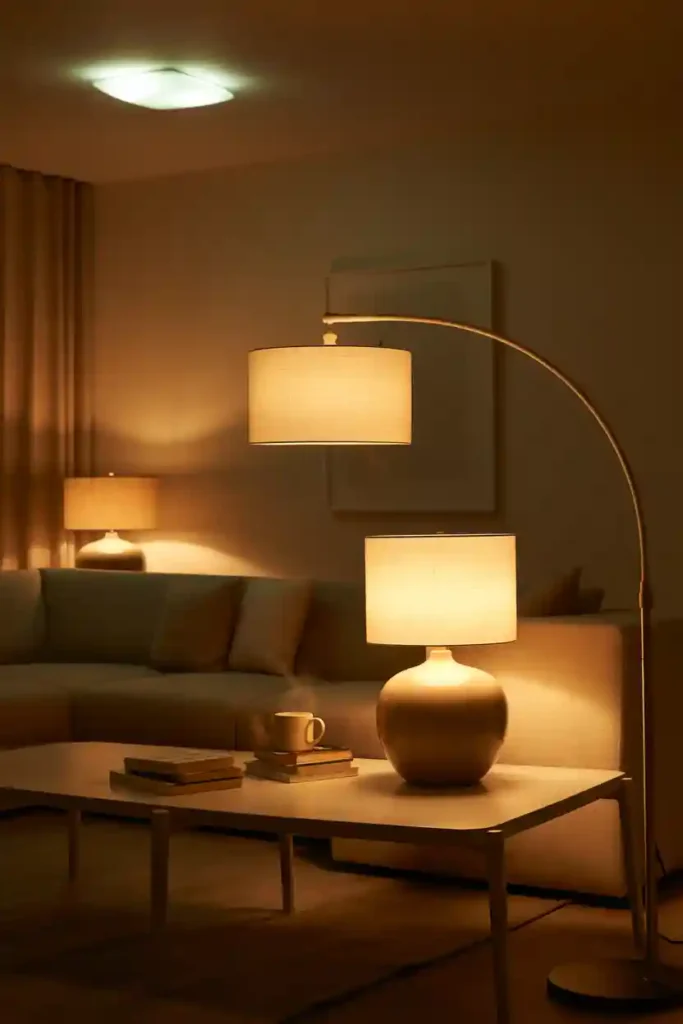
Lighting can completely transform a room. Beginners often rely on a single ceiling light, but layered lighting creates depth and warmth. A well-designed room typically includes three types of lighting: ambient, task, and accent.
Ambient lighting is your main source, such as a ceiling fixture. Task lighting includes table lamps or floor lamps used for reading or working. Accent lighting highlights decor, such as wall sconces or small lamps on shelves. Warm light bulbs create a cozy feel, while cooler bulbs feel more modern and crisp. Choose lighting that matches the mood you want to create.
4. Invest in Key Furniture Pieces
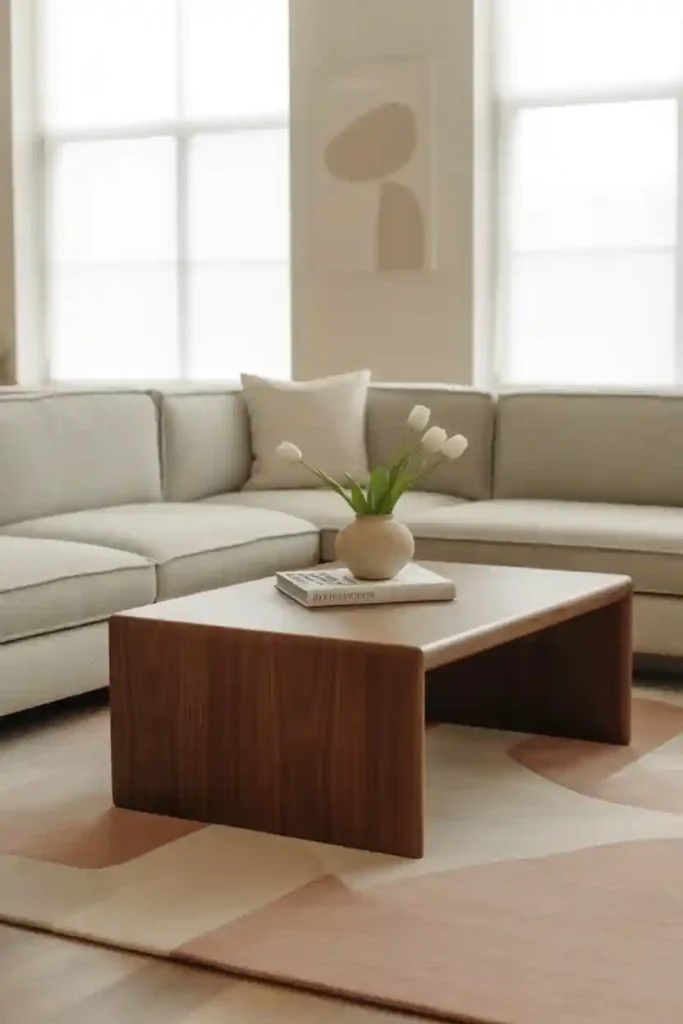
As a beginner, you don’t need to buy everything at once. Focus on investing in key pieces first such as a comfortable sofa, a sturdy dining table, or a quality bed frame. These anchor pieces define your space and set the tone for your style.
Choose timeless designs rather than trendy ones. Neutral upholstery and classic silhouettes are easier to style over time. You can refresh the look later with affordable accessories.
Before buying, measure your space carefully. Oversized furniture can overwhelm a room, while pieces that are too small can feel awkward. Proper scale and proportion are essential in interior design.
5. Add Texture for Depth
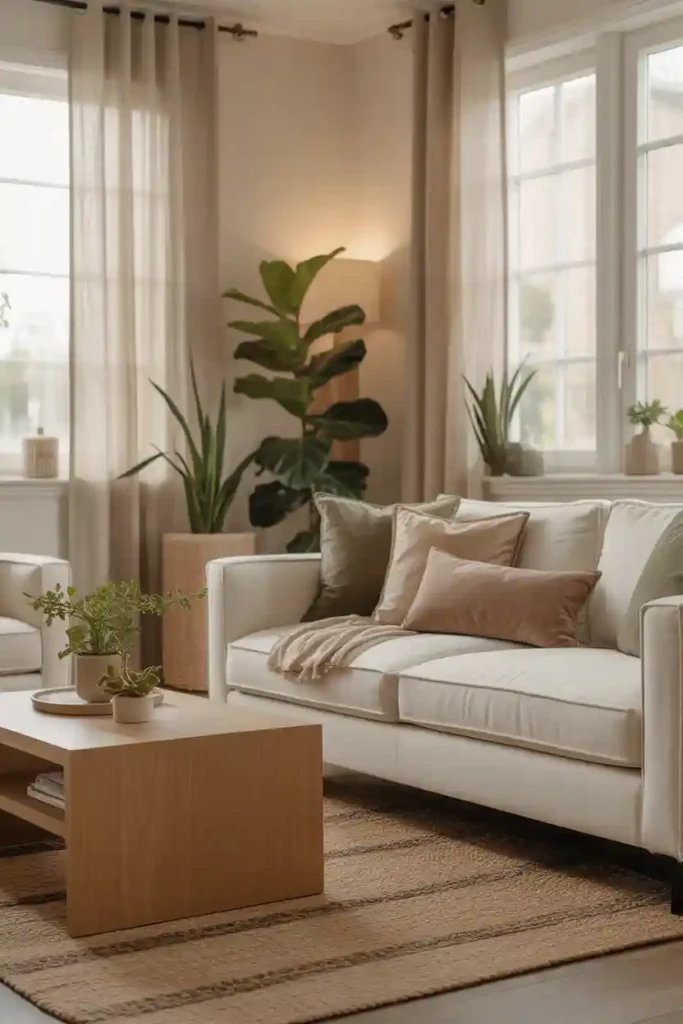
Texture is what makes a room feel rich and inviting. Even if you’re using neutral colors, layering different textures prevents the space from looking flat.
Mix materials like wood, metal, glass, fabric, and woven elements. Combine soft textiles like velvet cushions or linen curtains with harder surfaces such as a wooden coffee table or metal light fixture.
6. Use Mirrors to Expand Space
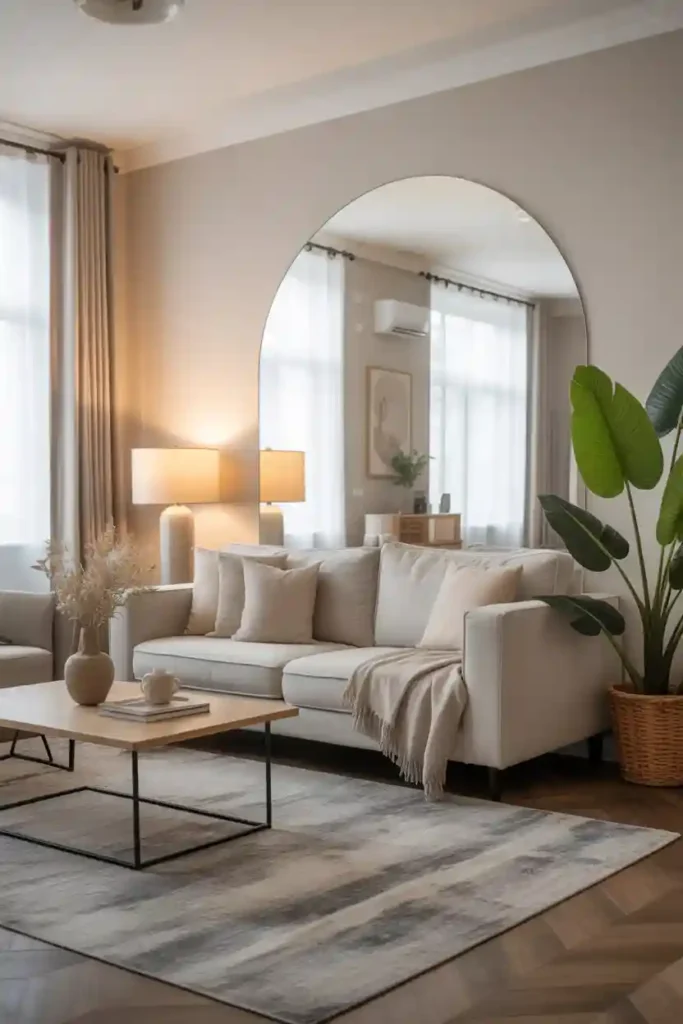
Mirrors are powerful design tools, especially in smaller rooms. They reflect light and create the illusion of depth. For beginners, this is one of the easiest ways to make a room feel bigger and brighter.
Place mirrors opposite windows to maximize natural light. A large statement mirror above a console or sofa can act as both decor and a practical feature. Avoid placing mirrors where they reflect clutter. Instead, reflect something visually pleasing like artwork or greenery.
7. Keep Clutter Under Control
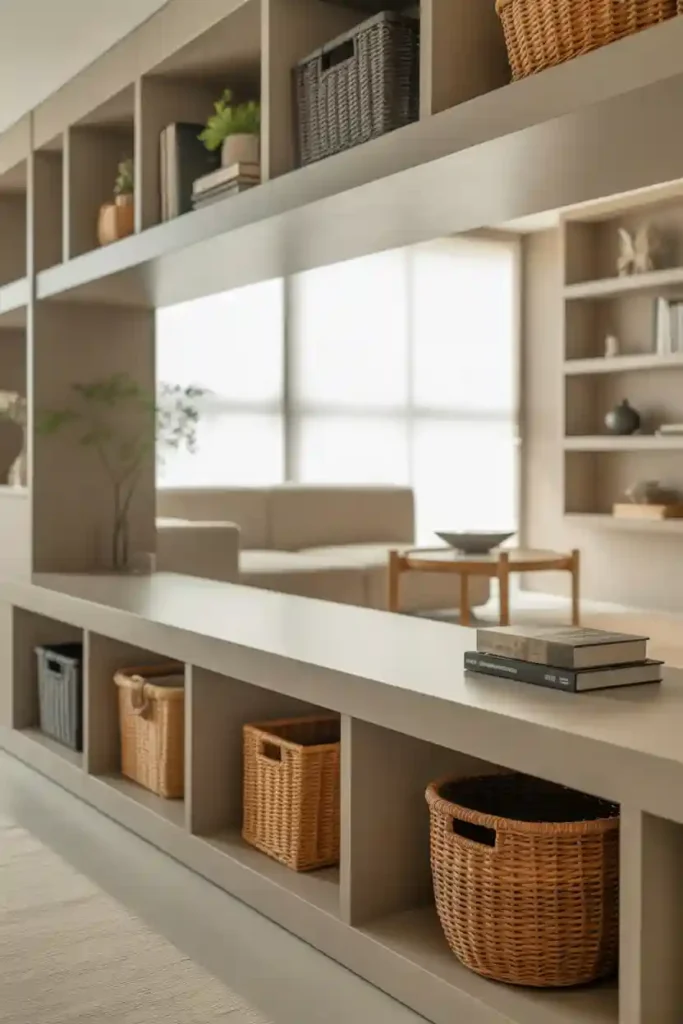
Clutter can instantly ruin even the most stylish room. Beginners should prioritize organization from the start. Use storage baskets, decorative boxes, floating shelves, and cabinets to keep everyday items tidy. Multi-functional furniture like storage ottomans adds practicality without sacrificing style.
Adopt a “less is more” approach. Leave breathing space on shelves and tables. Too many decor items can feel overwhelming. Regularly edit your space. Remove items that no longer serve a purpose or don’t match your design direction.
8. Incorporate Indoor Plants
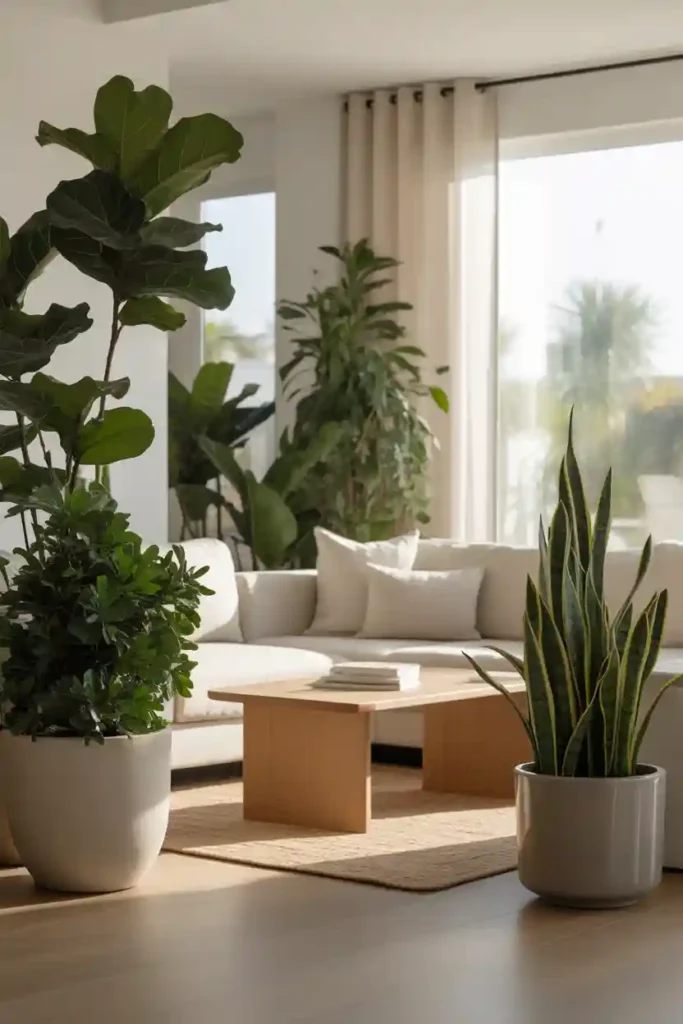
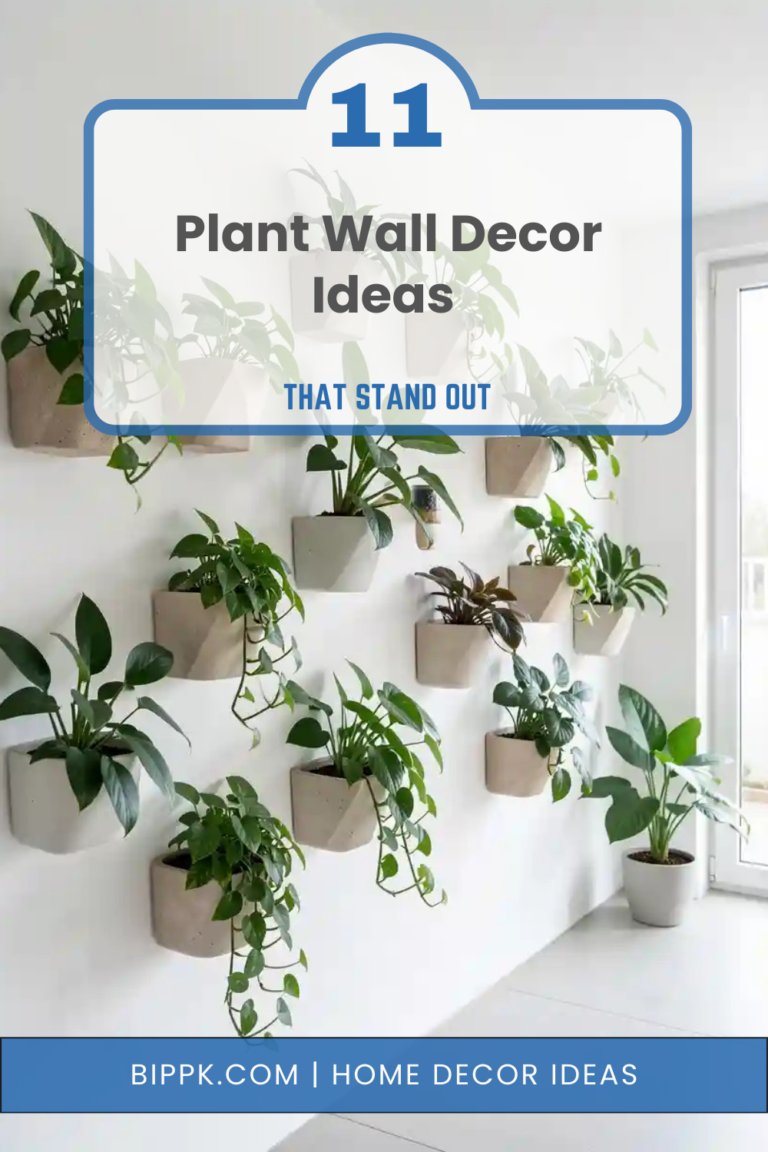
Plants instantly add life to a space. Even beginners with limited experience can start with low-maintenance plants like snake plants or pothos. Greenery softens sharp edges and introduces natural texture. Plants also improve air quality and create a calming environment.
Place larger plants in empty corners and smaller ones on shelves or coffee tables. Use decorative pots that complement your color palette. If real plants feel intimidating, high-quality faux plants can achieve a similar look.
9. Hang Artwork at the Right Height
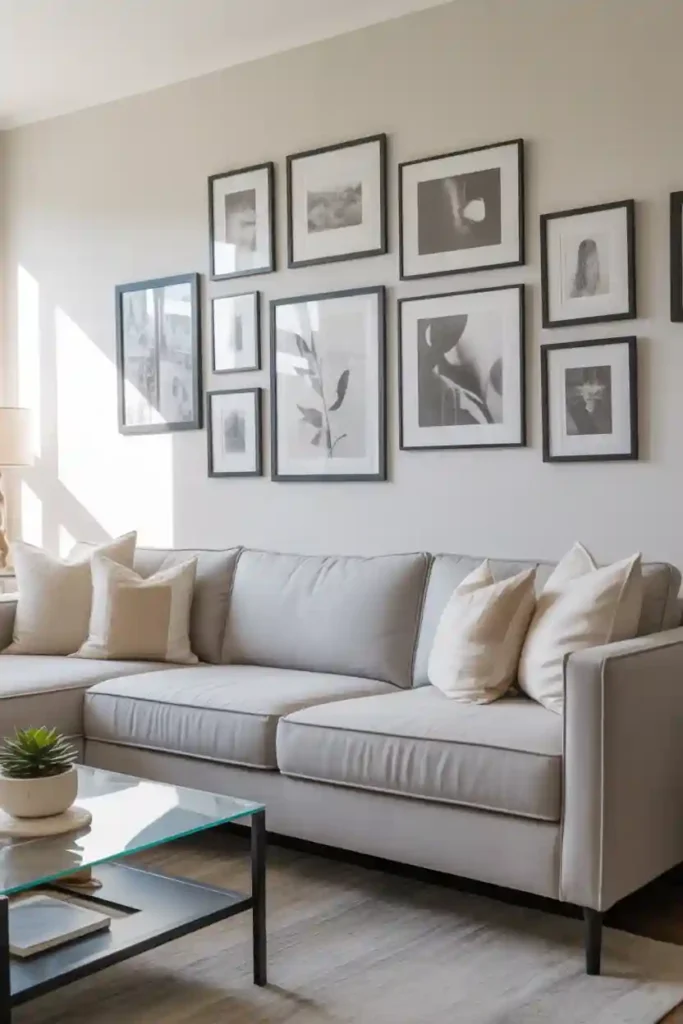
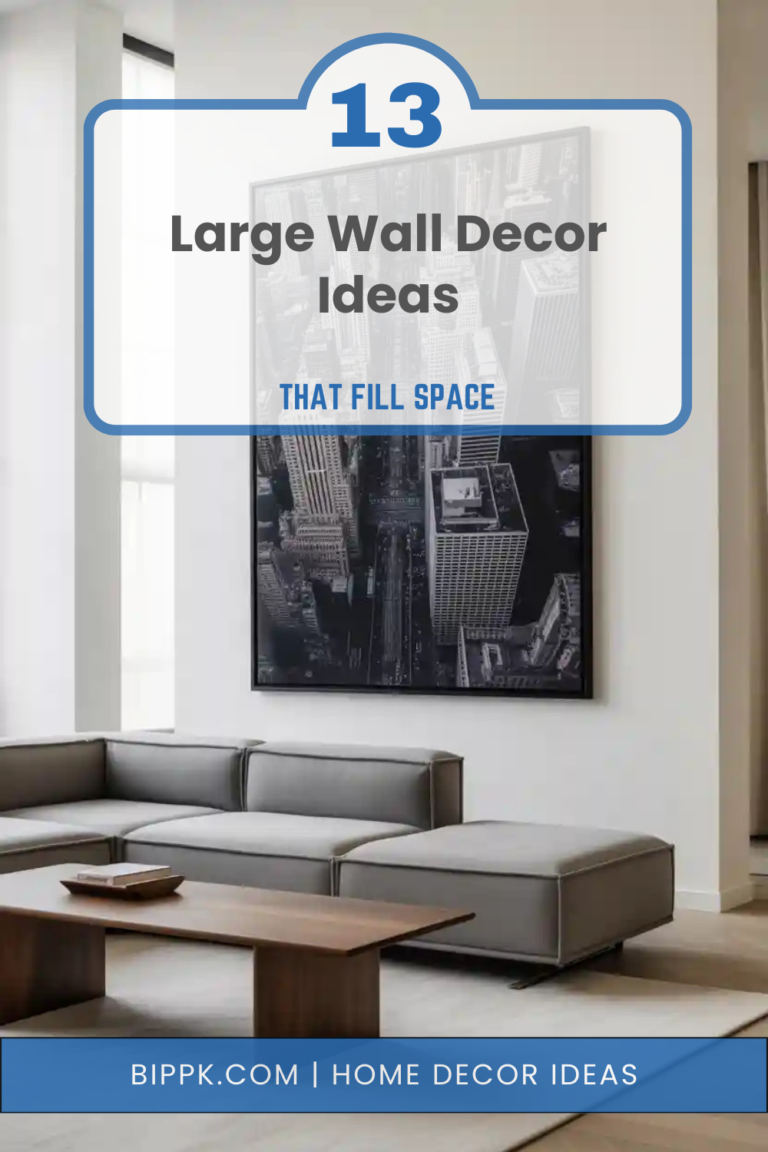
Artwork placement can make or break a room. A common beginner mistake is hanging art too high. As a rule, the center of the artwork should be at eye level. When placing art above a sofa or console, keep it about 6–8 inches above the furniture.
Choose pieces that complement your color palette. Gallery walls work well if you maintain consistent spacing and frame style. Art adds personality and completes the room. It doesn’t need to be expensive prints, framed fabric, or DIY art can look stunning.
10. Define Spaces with Rugs
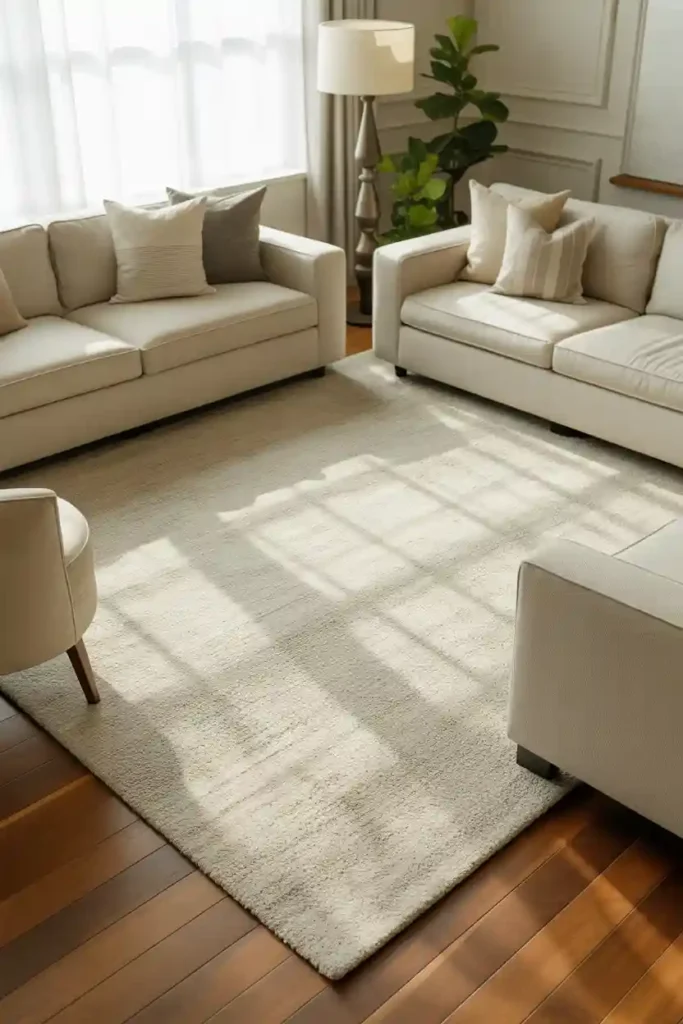
Rugs anchor furniture and define zones, especially in open layouts. A rug should be large enough so at least the front legs of sofas and chairs sit on it. Too-small rugs make rooms feel disconnected. For beginners, choosing the correct size is more important than bold patterns.
Neutral rugs are versatile, while patterned rugs add character. Consider durability and ease of cleaning when selecting materials. Layering rugs can also create visual interest in larger rooms.
11. Mix Old and New Pieces
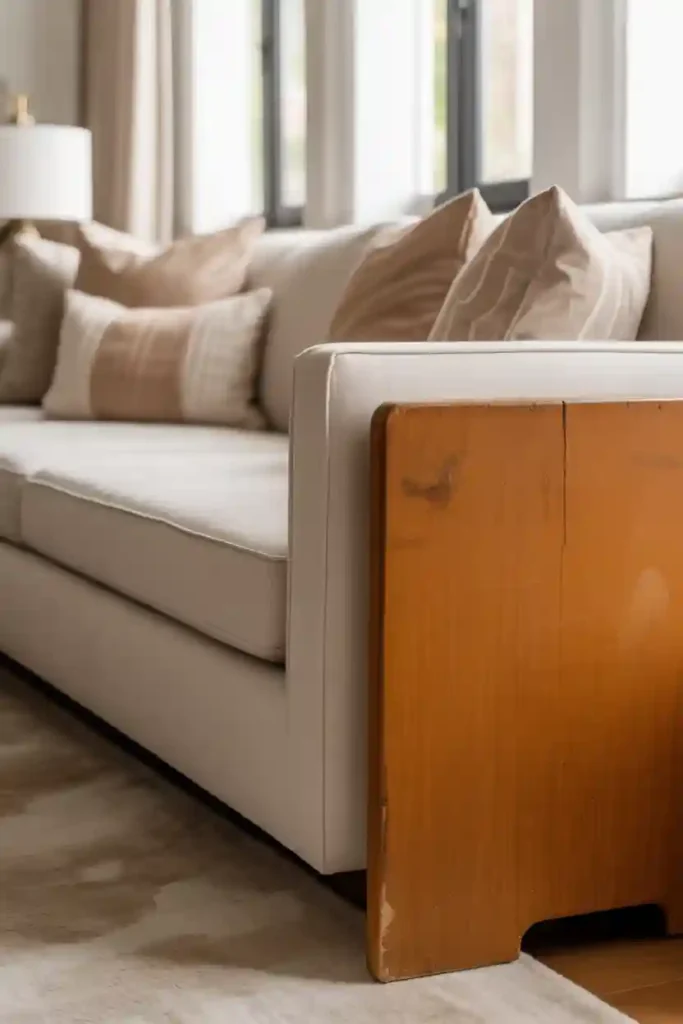
A home feels more authentic when it blends old and new elements. Combine modern furniture with vintage decor, heirloom pieces, or thrifted finds. This mix adds depth and character. For example, pair a sleek sofa with an antique wooden side table.
Contrast creates interest. The key is balance avoid overcrowding the room with too many statement pieces. Blending styles prevents your space from looking like a showroom and makes it uniquely yours.
12. Create a Focal Point
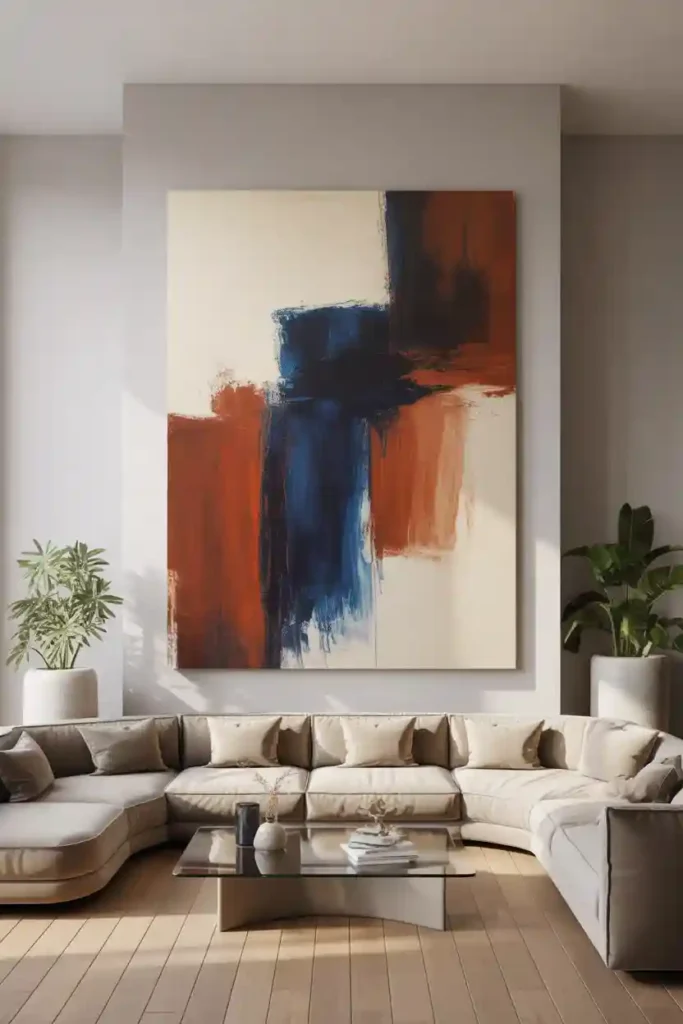
Every room needs a focal point. It could be a fireplace, a bold piece of art, a statement light fixture, or even a large window.
Arrange furniture to highlight this feature. Avoid competing focal points that distract from the main attraction. If your room lacks a natural focal point, create one with a gallery wall or accent chair. A clear focal point gives your space structure and purpose.
13. Balance Scale and Proportion
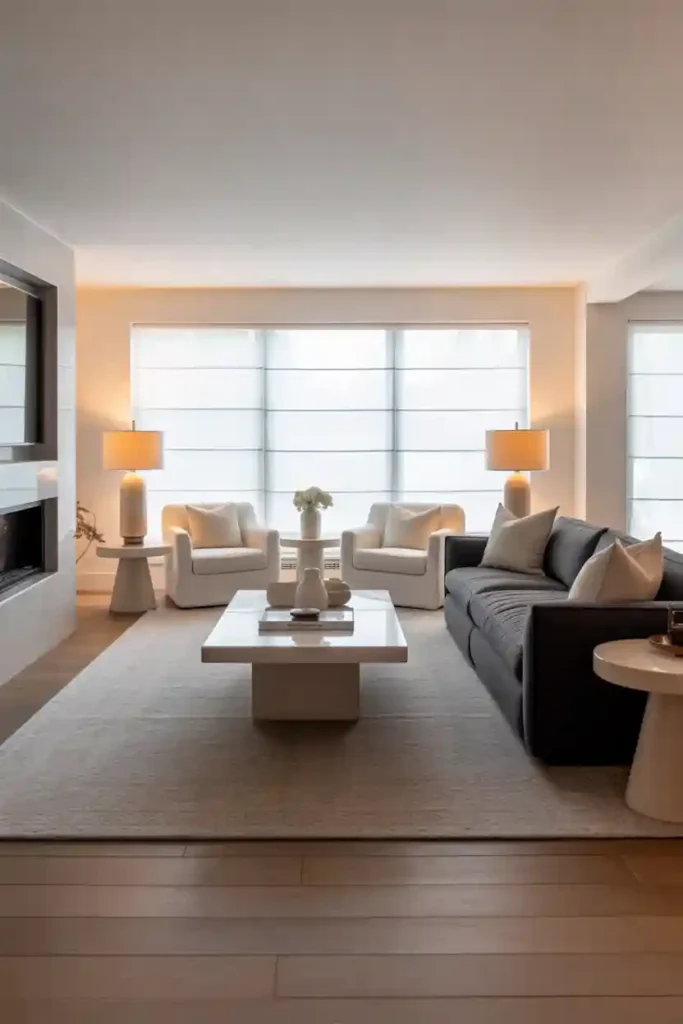
Understanding scale and proportion helps rooms feel harmonious. Large rooms need substantial furniture, while smaller rooms benefit from compact pieces.
Avoid placing all large items on one side of the room. Balance visual weight by distributing furniture evenly. Coffee tables should be proportional to sofas, and lamps should match side tables. Step back and evaluate your space from different angles to ensure everything feels balanced.
14. Personalize Your Space
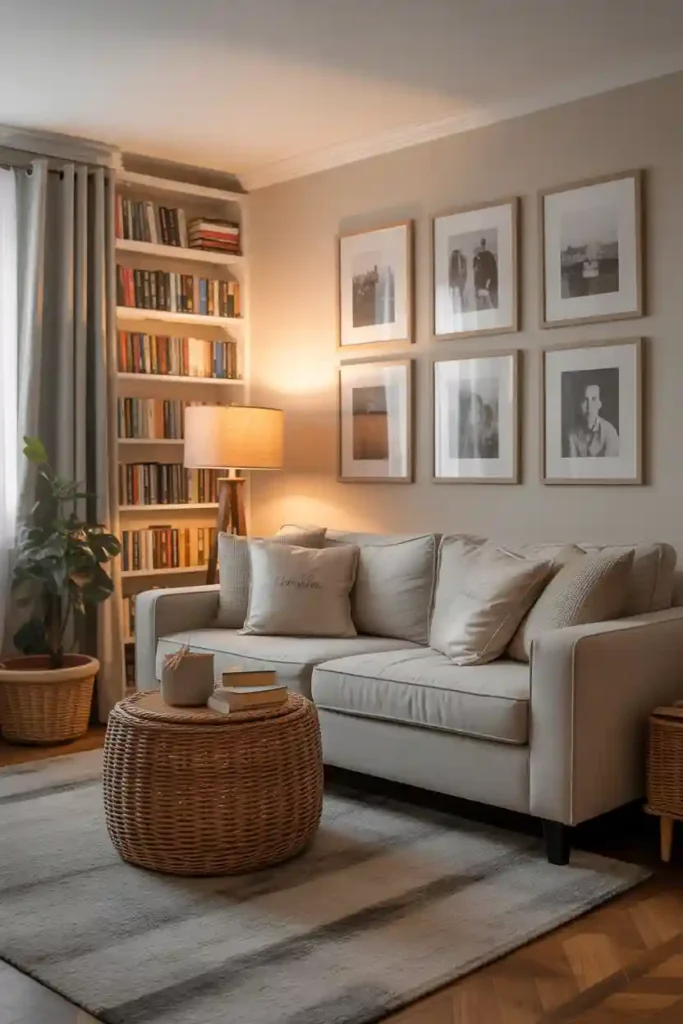
The most important rule of all is to make your home reflect you. Add meaningful decor such as travel souvenirs, family photos, or favorite books. Personal touches make a house feel like a home. Avoid copying trends exactly adapt them to suit your taste and lifestyle.
Your space should support how you live, relax, and entertain. Comfort and personality matter more than perfection. Interior design is a journey. Start simple, build gradually, and enjoy the process.
Final Words
Designing your home for the first time doesn’t have to feel intimidating. These 14 Interior Design Ideas For Beginners are meant to give you a strong foundation so you can decorate with confidence. By focusing on simple color palettes, proper lighting, balanced layouts, and meaningful personal touches, you can create a space that feels cohesive and welcoming.