
14 Small Bathroom Layout Ideas That Make the Most of Space
Designing a small bathroom can feel challenging, but with the right layout, even the most compact space can become functional, stylish, and comfortable. The key lies in smart planning—choosing layouts that maximize every inch while maintaining good flow and visual openness. From clever fixture placement to space-saving design tricks, a well-thought-out bathroom layout can completely transform how the room feels and functions.
Whether you’re working with a narrow bathroom, a tiny powder room, or a compact full bath, the layout you choose matters just as much as the finishes and décor. Strategic positioning of the shower, vanity, toilet, and storage can improve movement, enhance natural light, and reduce clutter. In this guide, you’ll discover 14 small bathroom layout ideas designed to make the most of limited space without sacrificing comfort or style. Each idea focuses on efficiency, balance, and smart design choices that help small bathrooms feel larger and more practical.
1. One-Wall Bathroom Layout
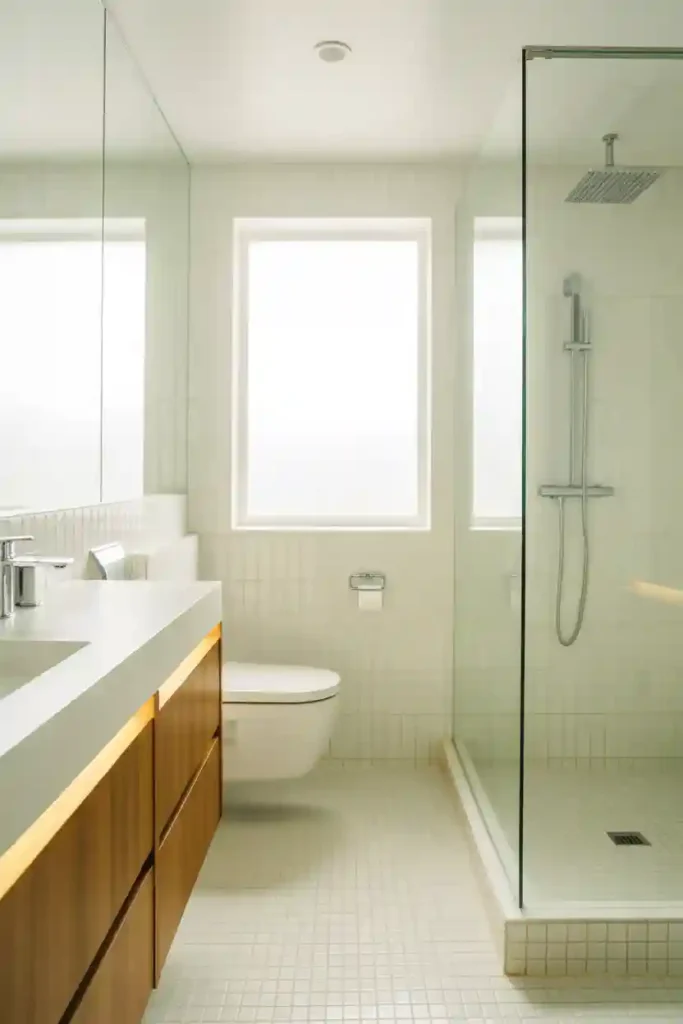
A one-wall bathroom layout is one of the most efficient solutions for very small bathrooms. In this design, all major fixtures—the sink, toilet, and shower—are aligned along a single wall. This minimizes plumbing complexity while freeing up floor space, making the bathroom feel more open and less cluttered. By keeping everything in a straight line, movement within the room becomes simpler and more intuitive.
This layout works especially well in narrow or rectangular bathrooms. To enhance the sense of space, opt for wall-mounted fixtures and a floating vanity. Using light-colored tiles and a large mirror along the opposite wall can further widen the visual feel. Open shelving instead of bulky cabinets helps maintain an airy look. A one-wall layout proves that thoughtful alignment can turn even the smallest bathroom into a functional and stylish space.
2. Corner Shower Layout
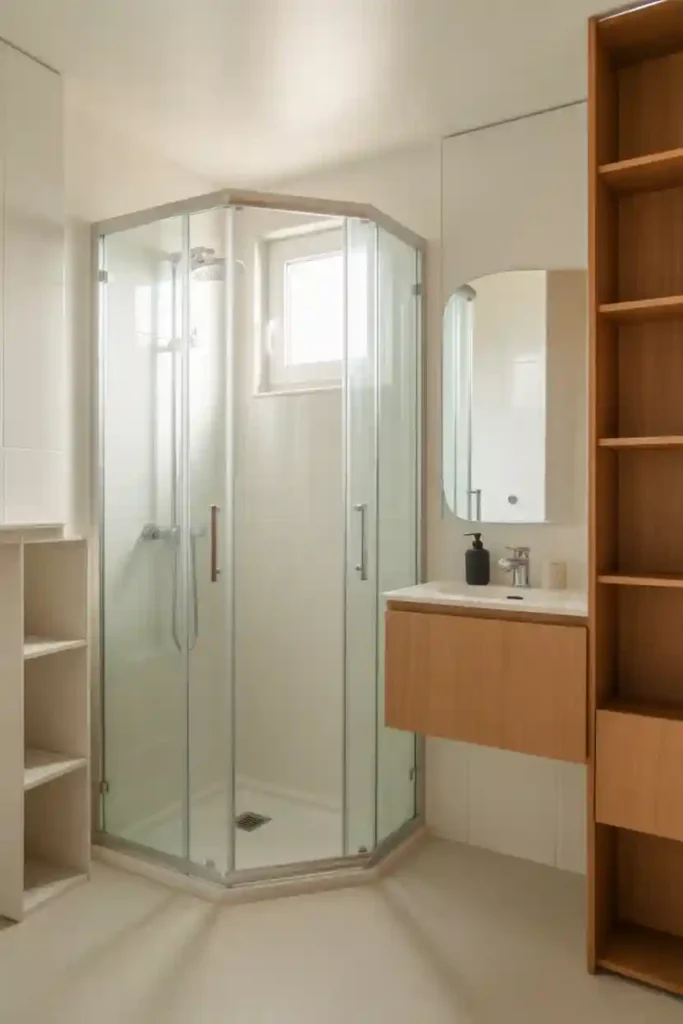
A corner shower layout is ideal for maximizing usable floor space in a small bathroom. By placing the shower in a corner, you free up the central area, making the room easier to navigate. Corner showers can be square, curved, or neo-angle, allowing flexibility depending on your bathroom’s shape.
Glass enclosures are key to keeping this layout feeling open. Clear glass allows light to flow uninterrupted, preventing the shower from visually shrinking the room. Pair the corner shower with a compact vanity and wall-mounted toilet to further enhance openness. This layout is particularly effective in bathrooms where a tub isn’t necessary, prioritizing movement and simplicity instead.
3. Walk-In Shower Layout
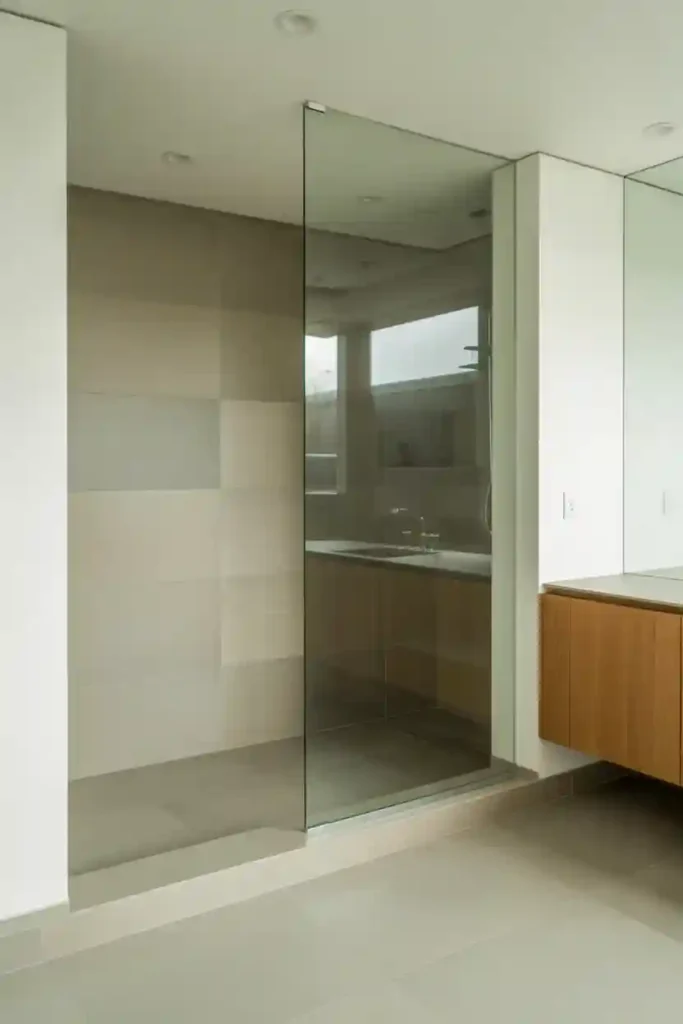
A walk-in shower layout removes visual barriers, making a small bathroom feel significantly larger. With no tub edge or bulky enclosure, the floor appears continuous, creating a seamless and open look. This layout is perfect for modern bathrooms focused on simplicity and accessibility.
To maximize the effect, use the same tile on both the shower floor and bathroom floor. Install a frameless glass panel to prevent water splashes while maintaining openness. A wall niche for toiletries replaces bulky shelves, keeping the space streamlined. Walk-in showers are both practical and visually expansive.
Read Also: 12 Entryway Mirror Ideas That Open Up the Space
4. Floating Vanity Layout
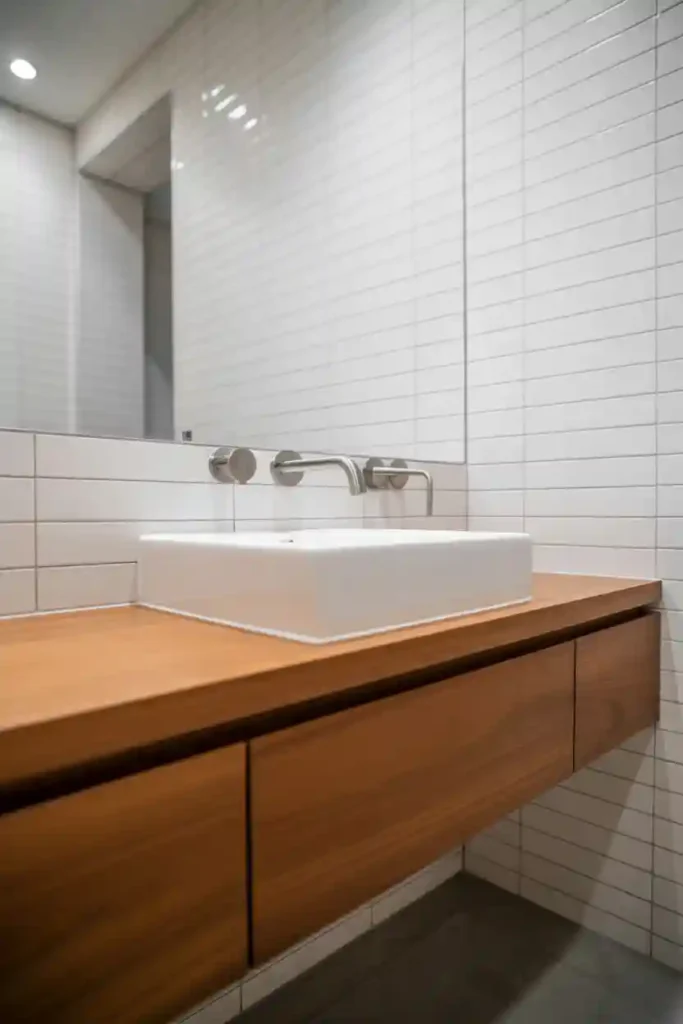
A floating vanity layout creates the illusion of more space by exposing the floor underneath. This design makes the bathroom feel lighter and less crowded, especially in tight layouts. Floating vanities also allow for easier cleaning and a more contemporary look.
Choose a slim vanity with built-in drawers to maintain storage without bulk. Pair it with a wall-mounted faucet to save counter space. When combined with a large mirror, the floating vanity layout enhances both functionality and openness, making it a favorite for small bathrooms.
5. Wet Room Bathroom Layout
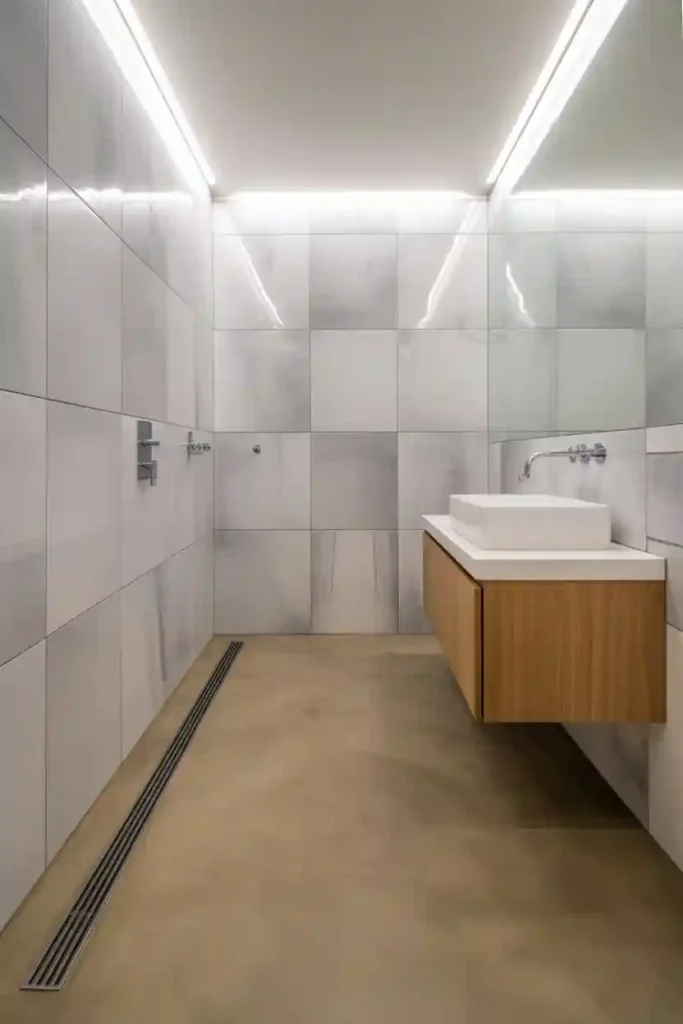
A wet room bathroom layout is one of the most space-efficient solutions for very small bathrooms. By waterproofing the entire room and eliminating a traditional shower enclosure, the space feels more open and fluid. Without bulky frames, shower trays, or doors breaking up the floor, the bathroom appears larger and less cluttered. This continuous surface creates a seamless visual flow that is especially helpful in tight layouts.
Wet rooms are ideal for modern homes and compact bathrooms where every inch matters. Proper drainage and waterproofing are essential, so using a gentle floor slope and a linear drain helps maintain a clean, streamlined look. You can add a single glass panel if needed to control water without closing off the room. Built-in wall niches replace shelves and storage units, keeping the design minimal. A wet room layout not only maximizes space but also delivers a sleek, contemporary feel that makes small bathrooms easier to move through and visually expansive.
6. Wall-Hung Toilet Layout
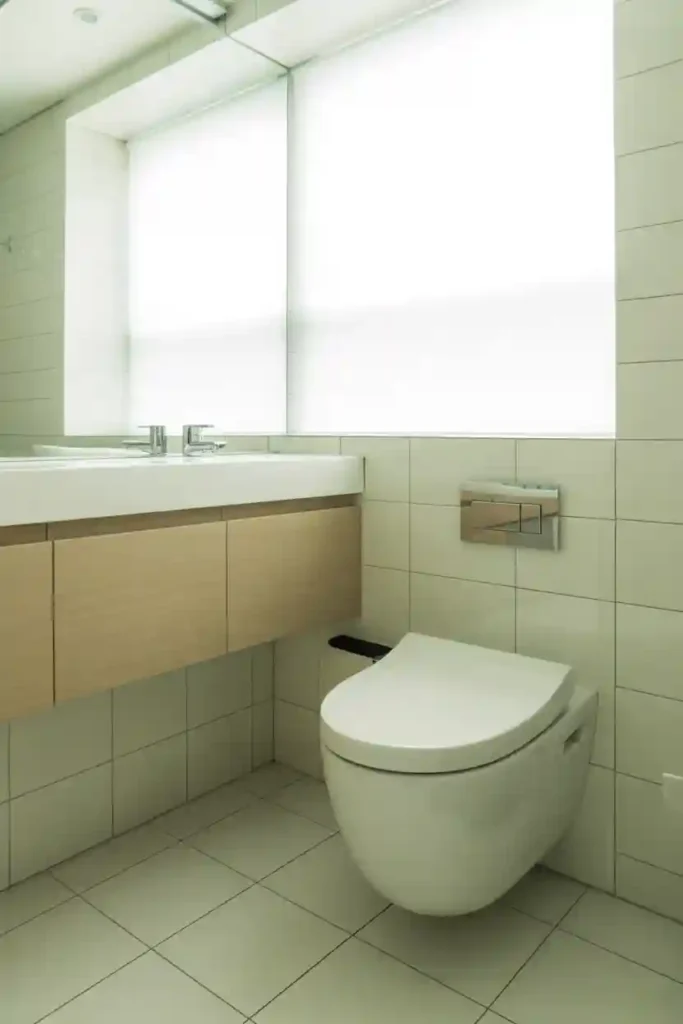
A wall-hung toilet layout is a smart way to instantly make a small bathroom feel more spacious. By mounting the toilet to the wall and concealing the tank inside it, you free up floor space and reduce visual clutter. The exposed floor underneath creates the illusion of a larger room while also making cleaning easier.
This layout works best when paired with other wall-mounted elements, such as a floating vanity or slim storage cabinets. The clean lines and minimal hardware contribute to a modern, uncluttered aesthetic. To enhance openness, choose light wall colors and a large mirror above the vanity. Wall-hung toilets are especially useful in narrow bathrooms where traditional floor-mounted fixtures can feel bulky. Overall, this layout improves circulation, enhances visual flow, and makes compact bathrooms feel lighter and more refined.
7. Narrow Galley Bathroom Layout
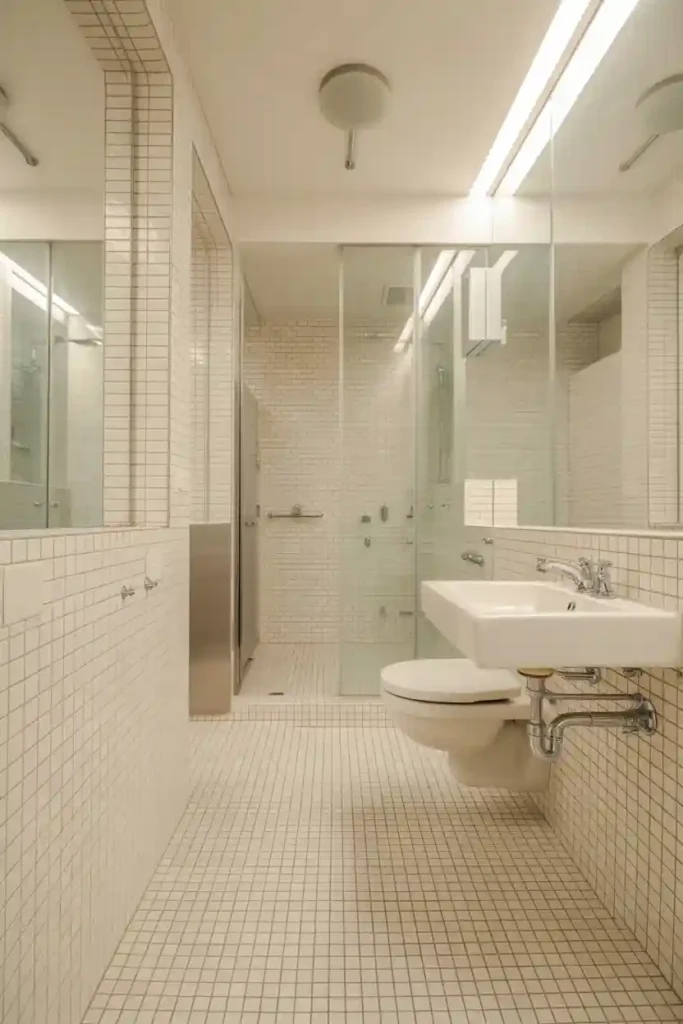
A narrow galley bathroom layout is designed specifically for long, tight spaces where width is limited. In this layout, fixtures are arranged along one or both sides of the bathroom, creating a straight, efficient pathway through the center. This organized structure helps improve movement and prevents the room from feeling awkward or cramped.
To keep the space feeling open, it’s important to minimize visual weight on at least one side. For example, place a floating vanity on one wall and a glass-enclosed shower on the other. Large mirrors, glossy tiles, and light color palettes help reflect light and visually widen the room. Recessed storage and wall niches maintain functionality without protruding into the walkway. When designed thoughtfully, a narrow galley layout transforms a challenging bathroom shape into a highly practical and visually balanced space.
8. Pocket Door Bathroom Layout
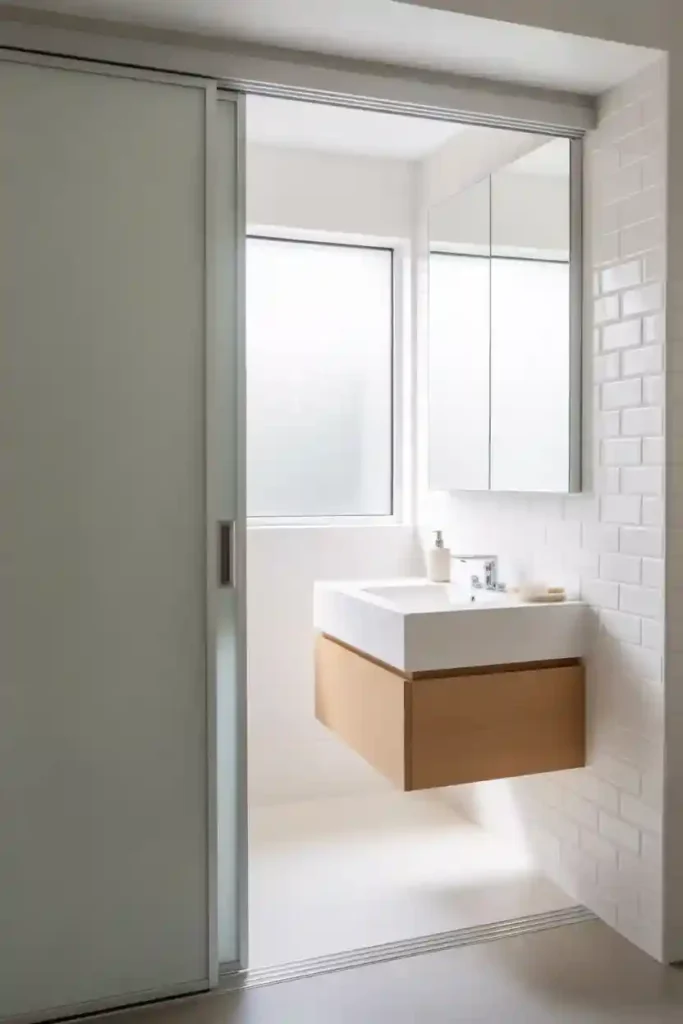
A pocket door bathroom layout is a simple yet powerful way to make a small bathroom feel more spacious. Traditional swinging doors require valuable clearance space, which can limit fixture placement and make the room feel cramped. A pocket door slides neatly into the wall, instantly freeing up floor area and improving the overall flow of the bathroom.
This layout is especially effective in very tight bathrooms or powder rooms where every inch matters. With the extra space gained, you can reposition a vanity, add slim storage, or simply enjoy a more open walkway. Pocket doors also create a cleaner visual look, as there’s no door interrupting the layout when open. Pair this design with wall-mounted fixtures, a floating vanity, and light-colored finishes to enhance the spacious feel even further. A pocket door layout is a smart, functional upgrade that significantly improves usability without changing the room’s footprint.
9. Tub-and-Shower Combo Layout
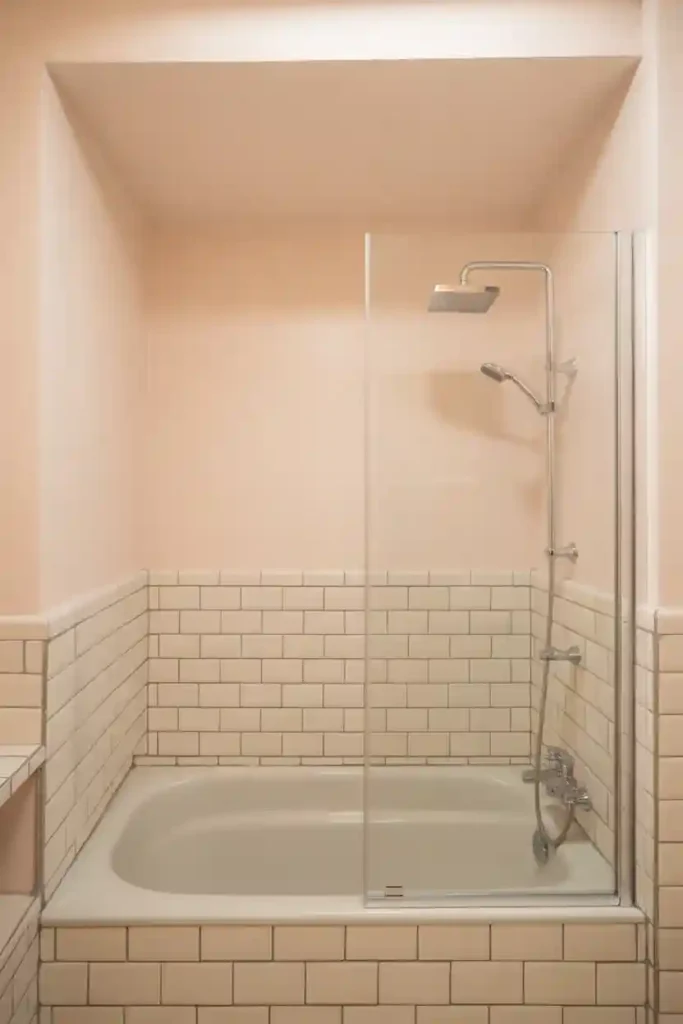
A tub-and-shower combo layout is ideal for small bathrooms that need to balance space efficiency with versatility. By combining both bathing options into one footprint, you eliminate the need for separate fixtures, leaving more room for movement and storage. This layout is especially practical for family homes or guest bathrooms where flexibility is important.
To keep the bathroom feeling open, opt for a streamlined tub design and replace a bulky shower curtain with a clear glass panel. This allows light to travel freely through the space, preventing the tub area from feeling enclosed. Built-in wall niches and recessed shelving provide storage without adding clutter. When paired with light tiles and simple finishes, a tub-and-shower combo layout offers comfort and functionality while still making the most of limited square footage.
10. Open Vanity Layout
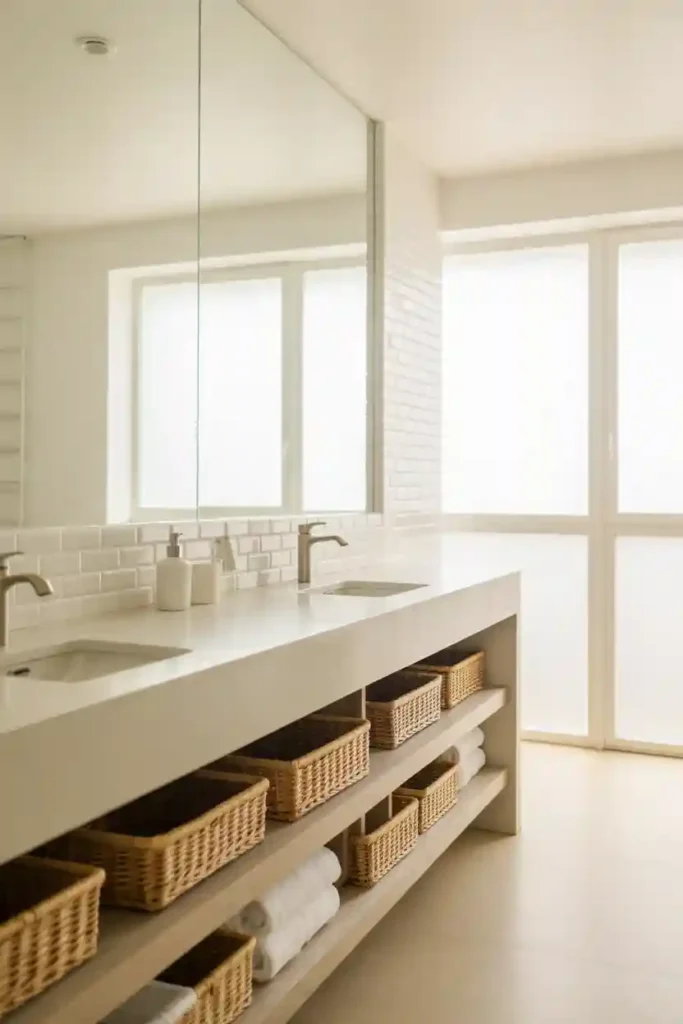
An open vanity layout is a great choice for making a small bathroom feel lighter and less crowded. Instead of bulky closed cabinets, this layout uses open shelves beneath the sink, which reduces visual weight and keeps the space feeling airy. The exposed design allows more of the floor and wall to remain visible, enhancing the sense of openness.
This layout works best when organization is kept simple and intentional. Use matching baskets, trays, or neatly folded towels to avoid clutter. Pair an open vanity with a large mirror to reflect light and visually expand the room. Wall-mounted faucets and slim countertops further streamline the design. An open vanity layout is perfect for minimalist, modern, or Scandinavian-style bathrooms where simplicity and smart space usage are key.
11. L-Shaped Bathroom Layout

An L-shaped bathroom layout is an excellent solution for small bathrooms with awkward dimensions or unused corners. By arranging fixtures along two connected walls, this layout creates natural zones for the sink, toilet, and shower without overcrowding the space. The angled configuration improves flow and helps the bathroom feel more intentional and balanced rather than tight or disjointed.
This layout works particularly well when one wall is shorter or when the bathroom includes a recessed area. To keep the space feeling open, use consistent materials across both walls, such as the same tile and color palette. A large mirror along one section of the “L” can reflect light and visually expand the room. Built-in niches and corner shelving maximize storage without taking up floor space. With smart planning, an L-shaped layout turns challenging dimensions into a functional and visually spacious small bathroom.
12. Glass Partition Layout
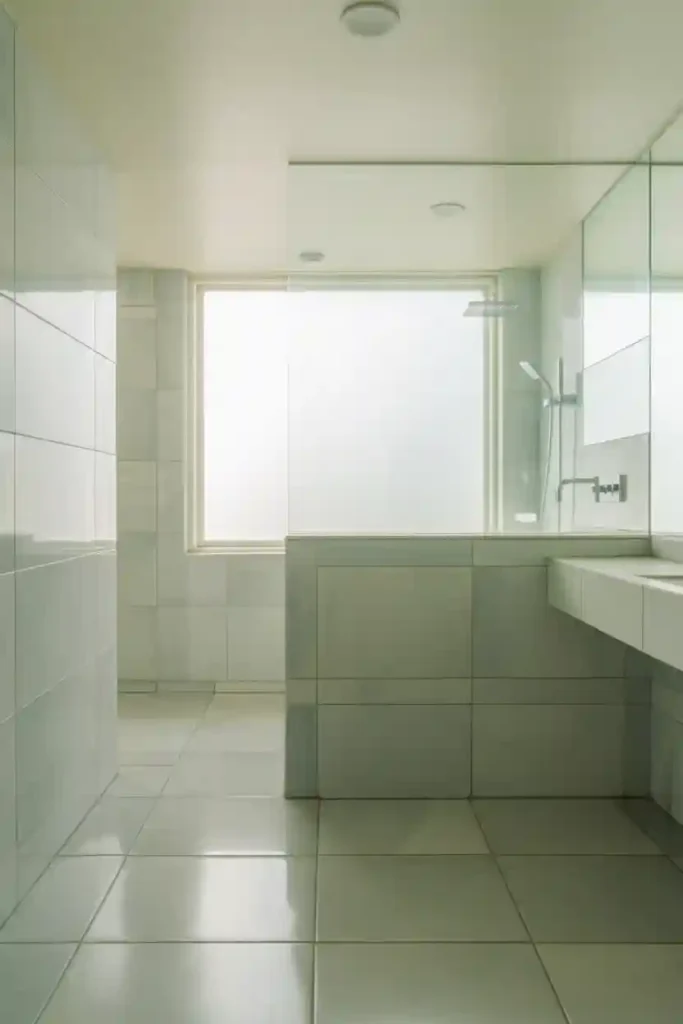
A glass partition layout allows you to separate wet and dry areas without blocking light or sightlines. Unlike solid walls or curtains, glass keeps the bathroom visually open, which is essential in compact spaces. This layout is most commonly used to divide a shower area while maintaining a seamless, spacious look.
Frameless or minimal-frame glass partitions are ideal for small bathrooms. They prevent water splash while preserving brightness and openness. To enhance the effect, use the same flooring and wall tiles throughout the bathroom and shower area. This continuity reduces visual breaks and makes the room feel larger. Glass partition layouts are especially effective in modern and contemporary designs where clean lines and openness are key priorities.
13. Minimalist Three-Fixture Layout
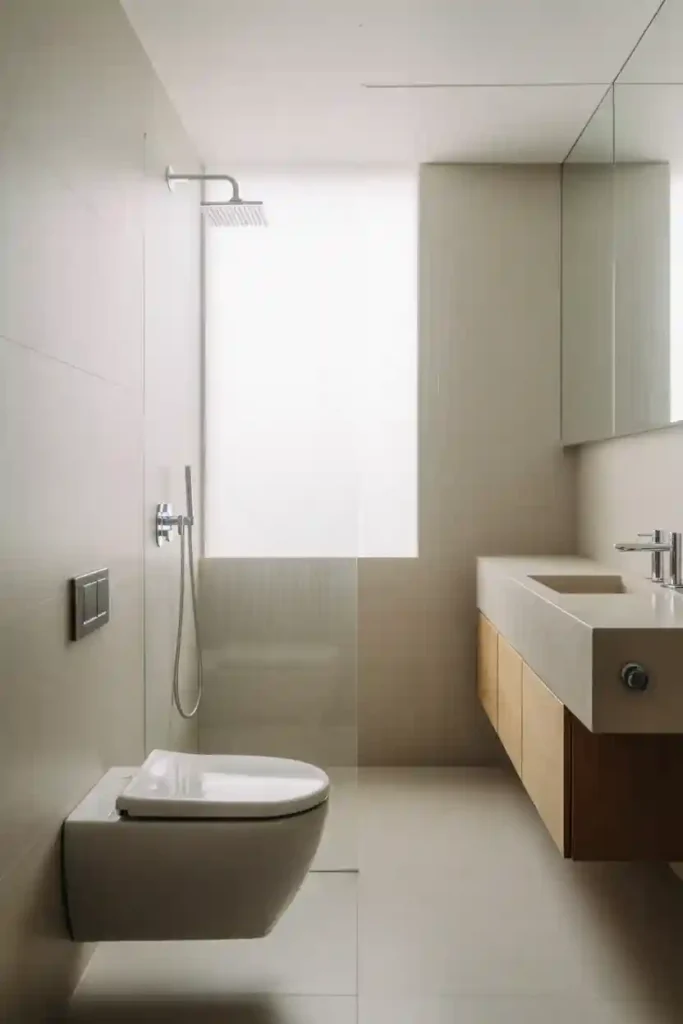
A minimalist three-fixture layout focuses on only the essentials: a sink, a toilet, and a shower. By eliminating unnecessary elements, this layout maximizes available space and creates a calm, uncluttered environment. Fewer fixtures mean more open floor area and better movement, which is crucial in small bathrooms.
This layout thrives on simplicity and smart storage solutions. Wall-mounted fixtures, built-in niches, and recessed cabinets help keep surfaces clear. Choose neutral colors, clean lines, and subtle textures to enhance the feeling of space. A large mirror can further amplify light and openness. The minimalist three-fixture layout proves that with thoughtful planning, a small bathroom can be both highly functional and visually spacious without feeling bare or uncomfortable.
14. Vertical Storage-Focused Layout
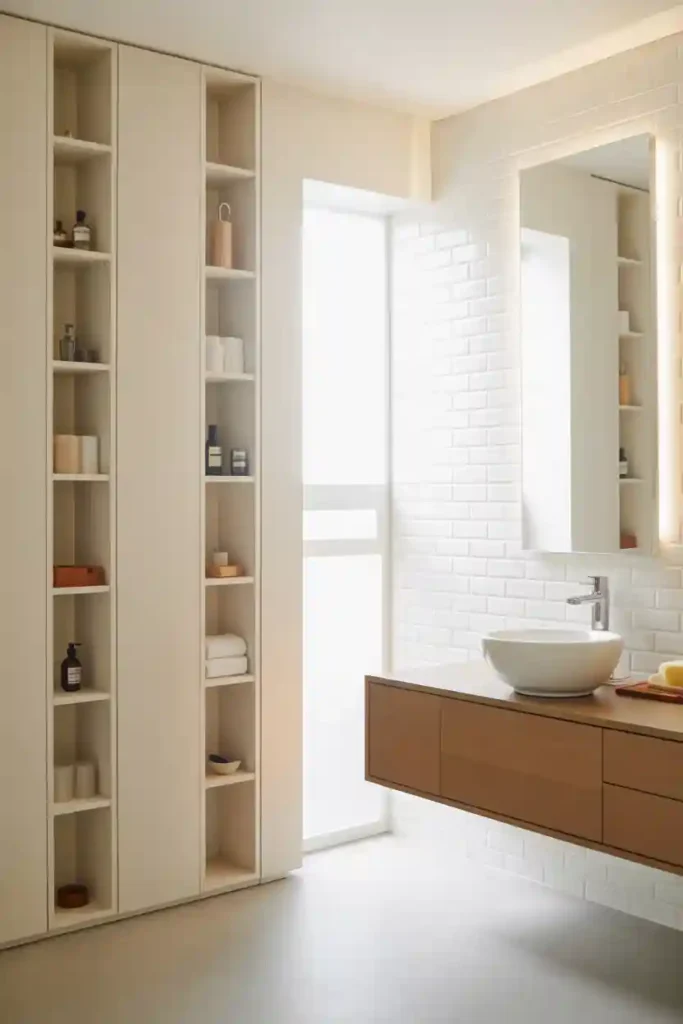
A vertical storage-focused layout is perfect for small bathrooms where floor space is limited. Instead of expanding horizontally, this layout makes use of wall height to accommodate storage, keeping essentials organized without crowding the room. Tall cabinets, open shelving, and built-in niches allow you to store toiletries, towels, and cleaning supplies while keeping the floor clear, which instantly makes the space feel larger and more open.
This layout works especially well in bathrooms with high ceilings. Use slim, floor-to-ceiling cabinetry to maintain a streamlined look and prevent the space from feeling bulky. Open shelves can display neatly folded towels or decorative items, adding both style and function. Pair vertical storage with wall-mounted fixtures, floating vanities, and mirrors to enhance light reflection and visual space. By directing attention upward, the bathroom feels taller and less constrained, turning a compact area into an efficient and visually expansive space.
Final Words
Small bathrooms don’t have to feel cramped or impractical. With the right layout, even the tiniest space can feel comfortable, stylish, and easy to use. By focusing on smart fixture placement, clear walkways, and space-saving elements like wall-mounted features, glass partitions, and vertical storage, you can dramatically improve both function and flow.