11 Minimalist Bathroom Ideas for a Clean, Calm Space
Minimalist bathroom design is all about creating a sense of calm through simplicity, balance, and intentional choices. In a space that’s often used to unwind and reset, clutter-free surfaces, soothing color palettes, and thoughtfully selected materials can make a powerful difference. Minimalist bathrooms don’t feel cold or empty—instead, they emphasize functionality while allowing beauty to emerge through clean lines, subtle textures, and quality finishes. By reducing visual noise and focusing on what truly matters, a minimalist bathroom becomes easier to maintain and more enjoyable to use daily.
Whether you’re working with a compact powder room or a spacious primary bath, minimalist design principles can adapt to any layout. These 11 Minimalist Bathroom Ideas for a Clean, Calm Space highlight practical ways to simplify your bathroom without sacrificing comfort or style. From smart storage solutions to serene color choices, each idea helps you create a bathroom that feels peaceful, balanced, and effortlessly elegant.
1. Neutral Color Palettes for a Serene Foundation
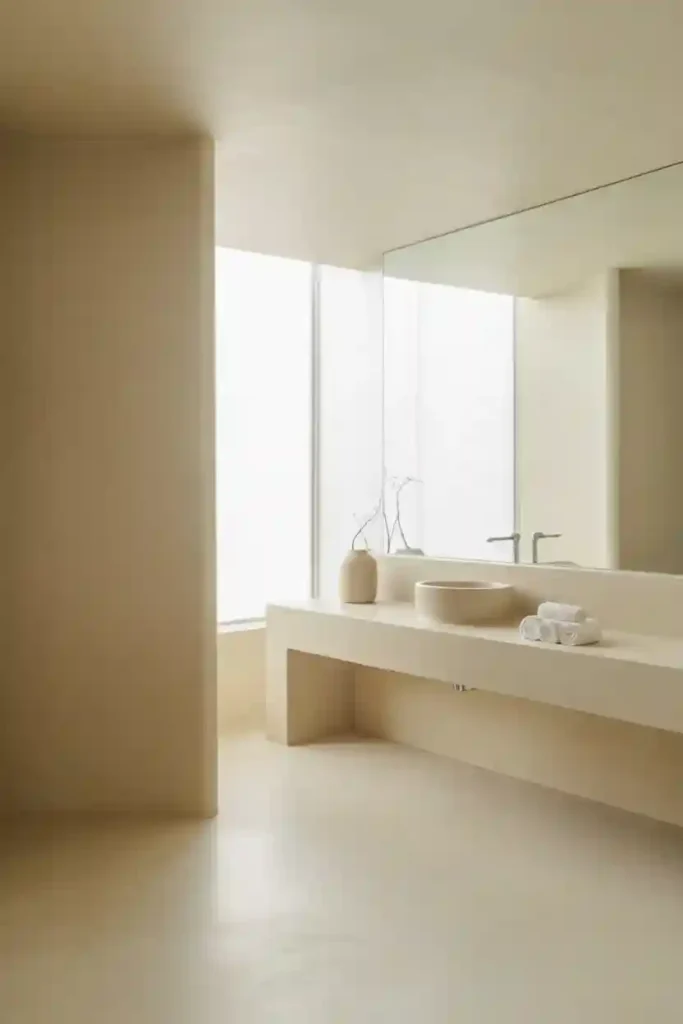
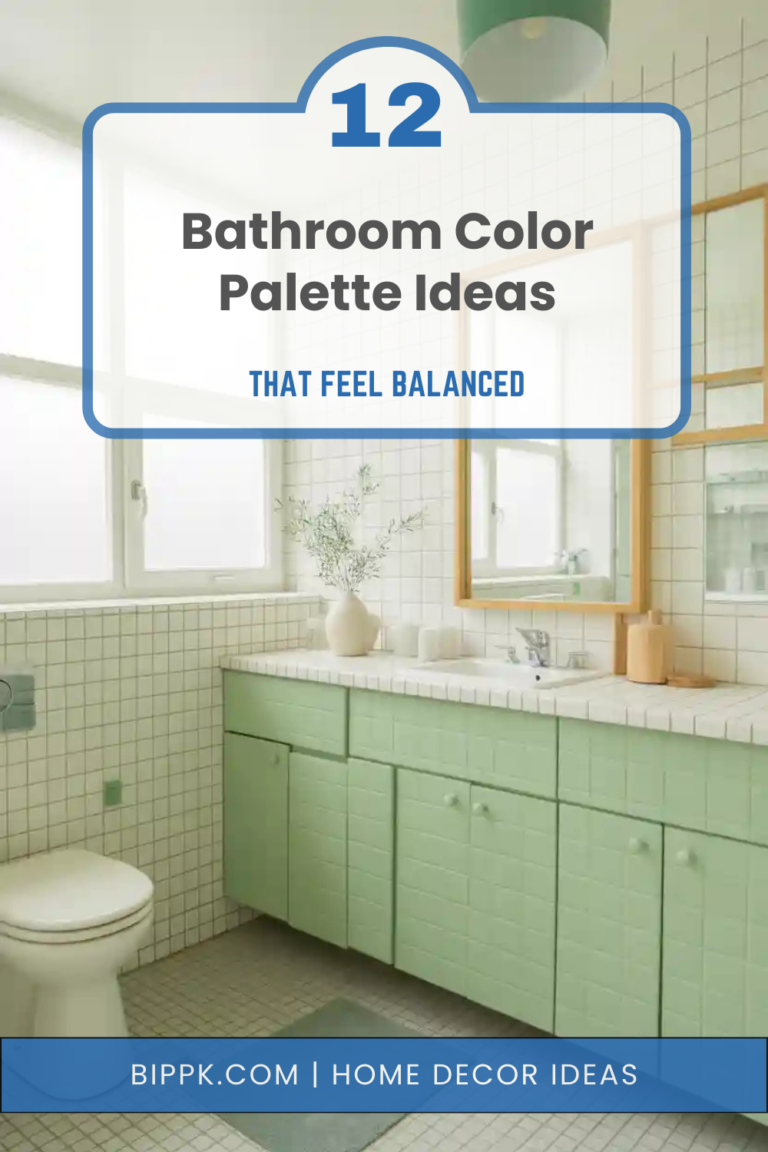
A neutral color palette is the cornerstone of minimalist bathroom design. Shades like white, soft beige, warm gray, and muted taupe create a calming backdrop that instantly makes the space feel clean and balanced. These colors reflect light beautifully, helping both small and large bathrooms feel brighter and more open. By limiting the palette, the room avoids visual clutter and maintains a cohesive look throughout. Neutral tones also provide flexibility when selecting fixtures, tiles, and accessories. Chrome, matte black, or brushed brass finishes all pair effortlessly with a restrained color scheme. To prevent the space from feeling flat, layering similar tones and adding subtle contrast through texture is key. Think matte walls paired with lightly veined stone or smooth cabinetry against soft plaster finishes.
From a practical standpoint, neutral bathrooms age gracefully and are easier to refresh over time. Instead of following trends, a neutral foundation supports long-term serenity and timeless appeal. This minimalist approach creates a bathroom that feels peaceful, uncluttered, and perfectly suited for daily relaxation.
2. Floating Vanities for Visual Lightness
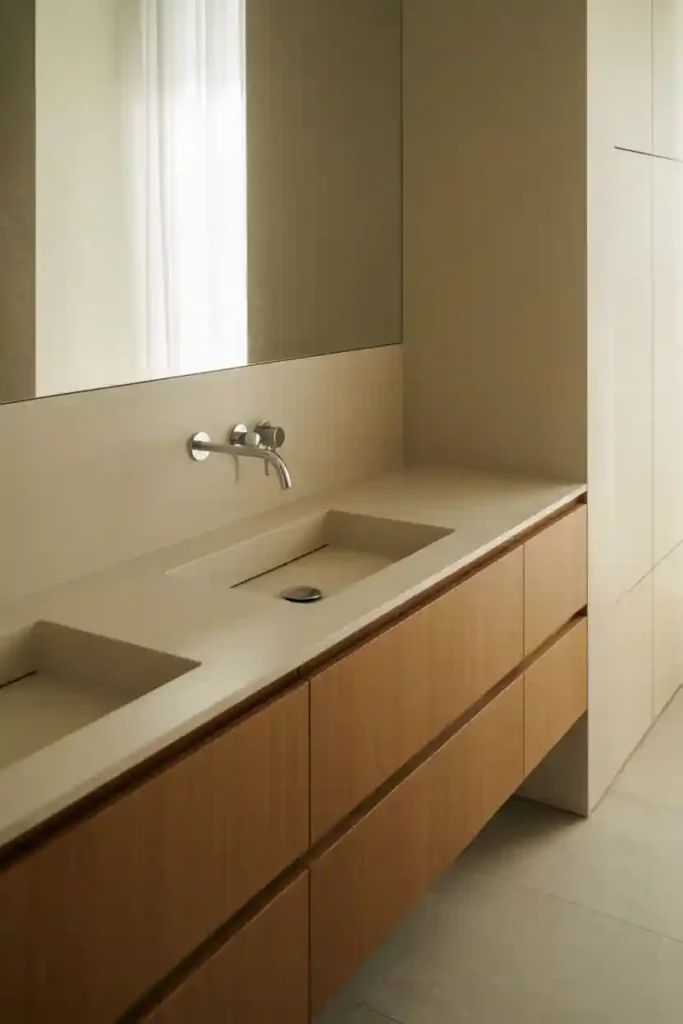
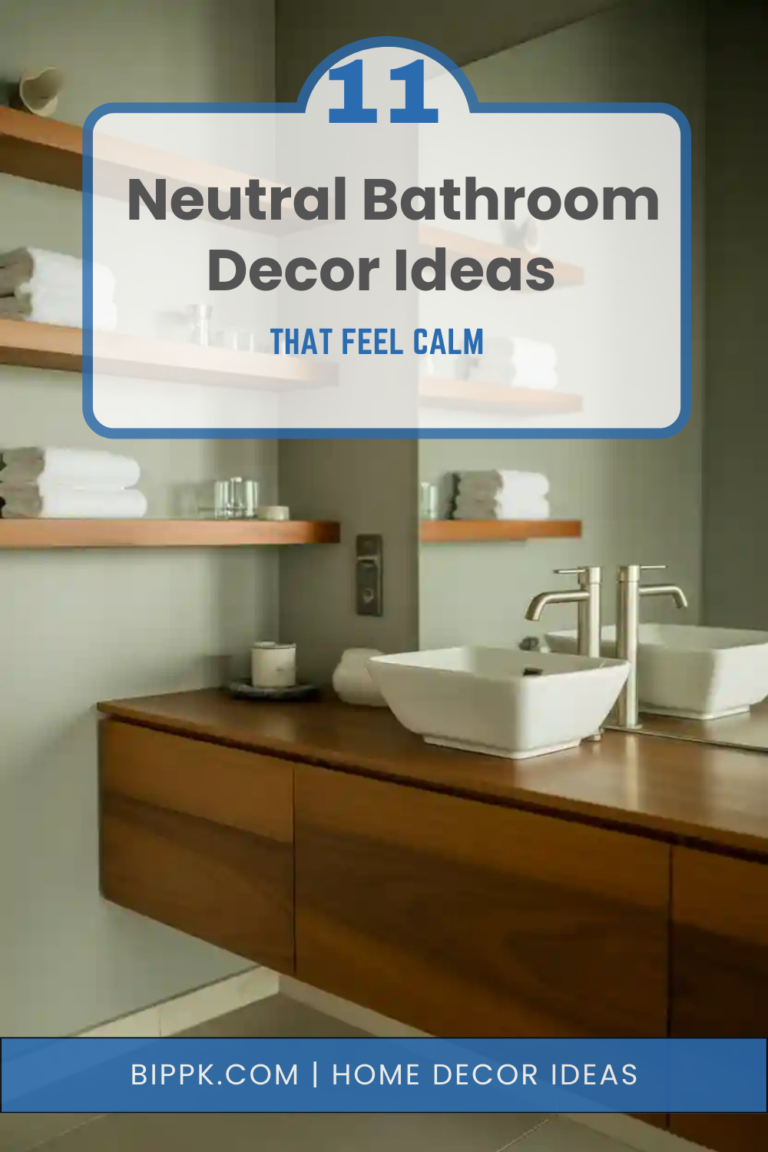
Floating vanities are a defining feature of minimalist bathrooms because they create a sense of openness and visual lightness. By lifting the vanity off the floor, the room feels less crowded and easier to navigate, which is especially beneficial in smaller bathrooms. The exposed floor area enhances the perception of space while maintaining functionality. Design-wise, floating vanities emphasize clean lines and simplicity. Handle-less drawers, flat-panel fronts, and integrated sinks keep the look streamlined. Materials such as light wood, matte lacquer, or smooth stone reinforce the minimalist aesthetic without drawing unnecessary attention. Paired with a wall-mounted faucet, the overall effect feels modern and intentional.
Beyond aesthetics, floating vanities make cleaning easier and encourage better organization. With limited storage, users are more mindful about what they keep, reducing clutter naturally. This furniture choice supports both form and function, making it an ideal solution for a clean, calm minimalist bathroom.
Read Also: 11 Dining Room Furniture Ideas for Any Layout
3. Hidden Storage to Eliminate Clutter
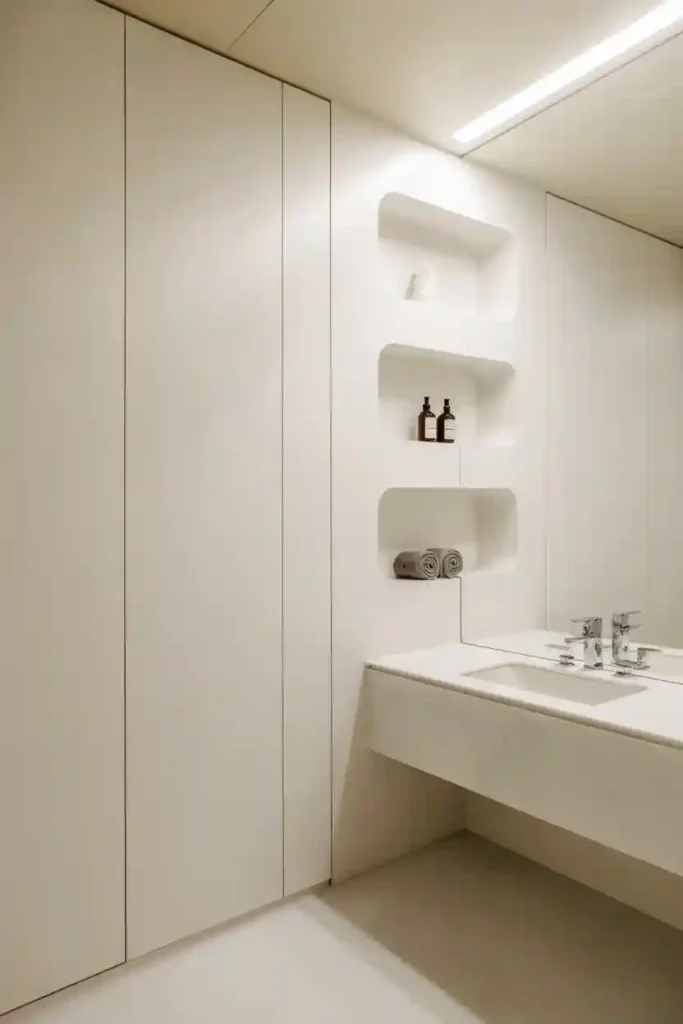
Hidden storage is essential in minimalist bathrooms where visual calm is a priority. Concealed cabinets, recessed shelving, and mirrored storage units keep everyday essentials out of sight while maintaining easy access. By hiding toiletries and tools, surfaces remain clean and uncluttered. Minimalist storage solutions often blend seamlessly into the architecture of the space. Wall niches in showers, flush cabinetry, and vanity drawers with internal organizers ensure everything has a designated place. This approach reduces visual noise and supports a sense of order throughout the bathroom.
From a design perspective, hidden storage allows the room’s materials and finishes to shine without distraction. It also encourages mindful consumption—only keeping what’s necessary. The result is a bathroom that feels peaceful, intentional, and easy to maintain. Hidden storage is a subtle but powerful element in achieving a truly minimalist bathroom.
4. Frameless Glass Showers for Clean Lines
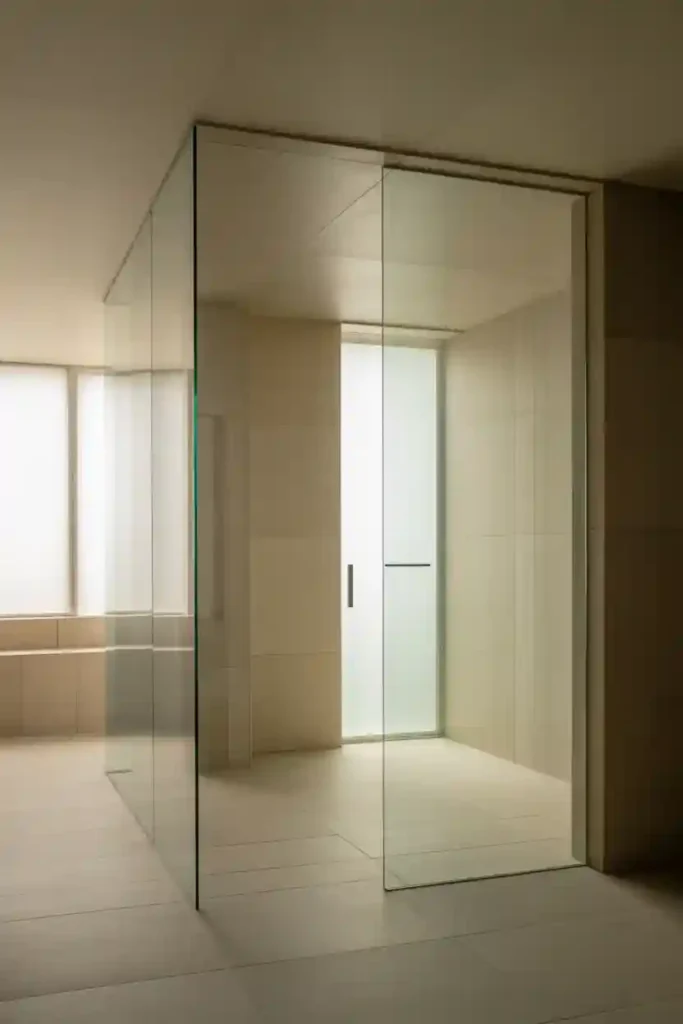
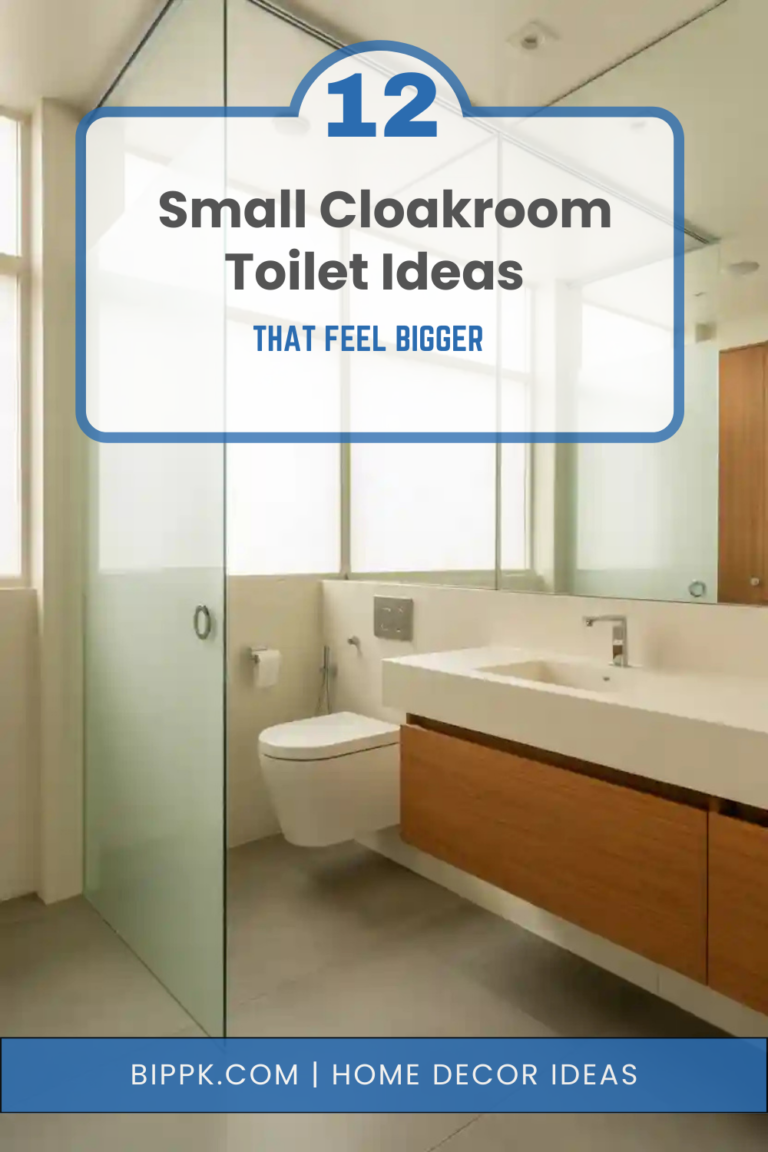
Frameless glass showers are a staple of minimalist bathroom design due to their clean, uninterrupted lines. Without bulky frames or heavy hardware, the shower becomes visually invisible, allowing the space to feel larger and more cohesive. This is especially effective in small bathrooms where openness is key. Clear glass highlights the beauty of tile work and materials inside the shower, turning simplicity into a design feature. Large-format tiles or subtle textures shine when unobstructed, reinforcing the minimalist aesthetic. Hardware in muted finishes like chrome or matte black keeps the look refined and understated.
Functionally, frameless showers are easy to clean and maintain, supporting a clutter-free environment. They also enhance light flow, making the bathroom feel brighter and calmer. This simple design choice contributes significantly to a serene, spa-like atmosphere rooted in minimalism.
5. Wall-Mounted Fixtures for a Streamlined Look
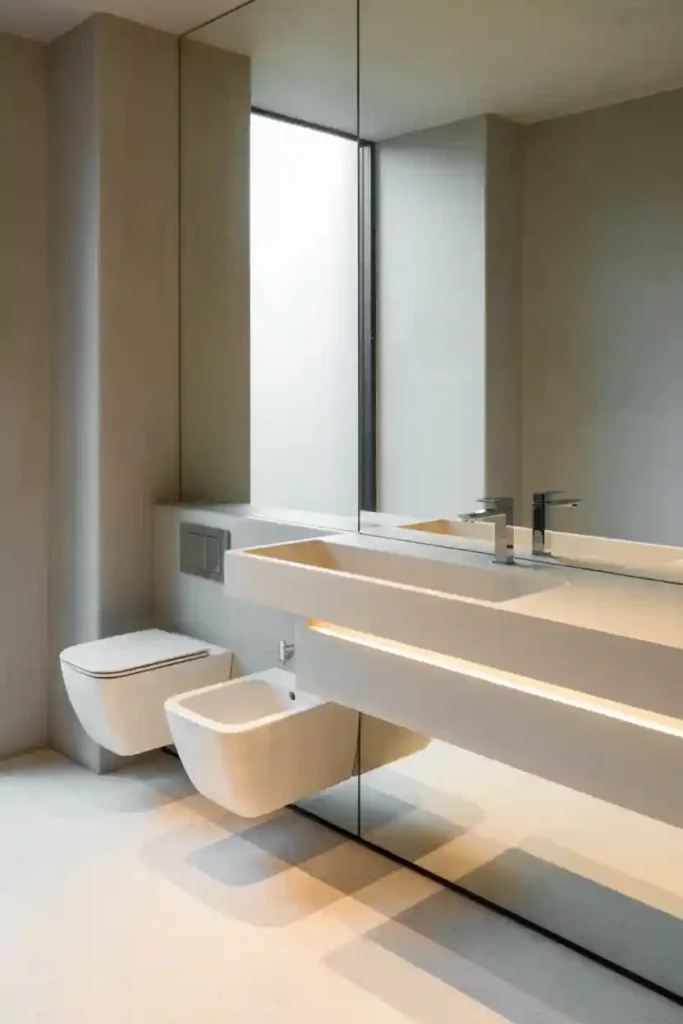
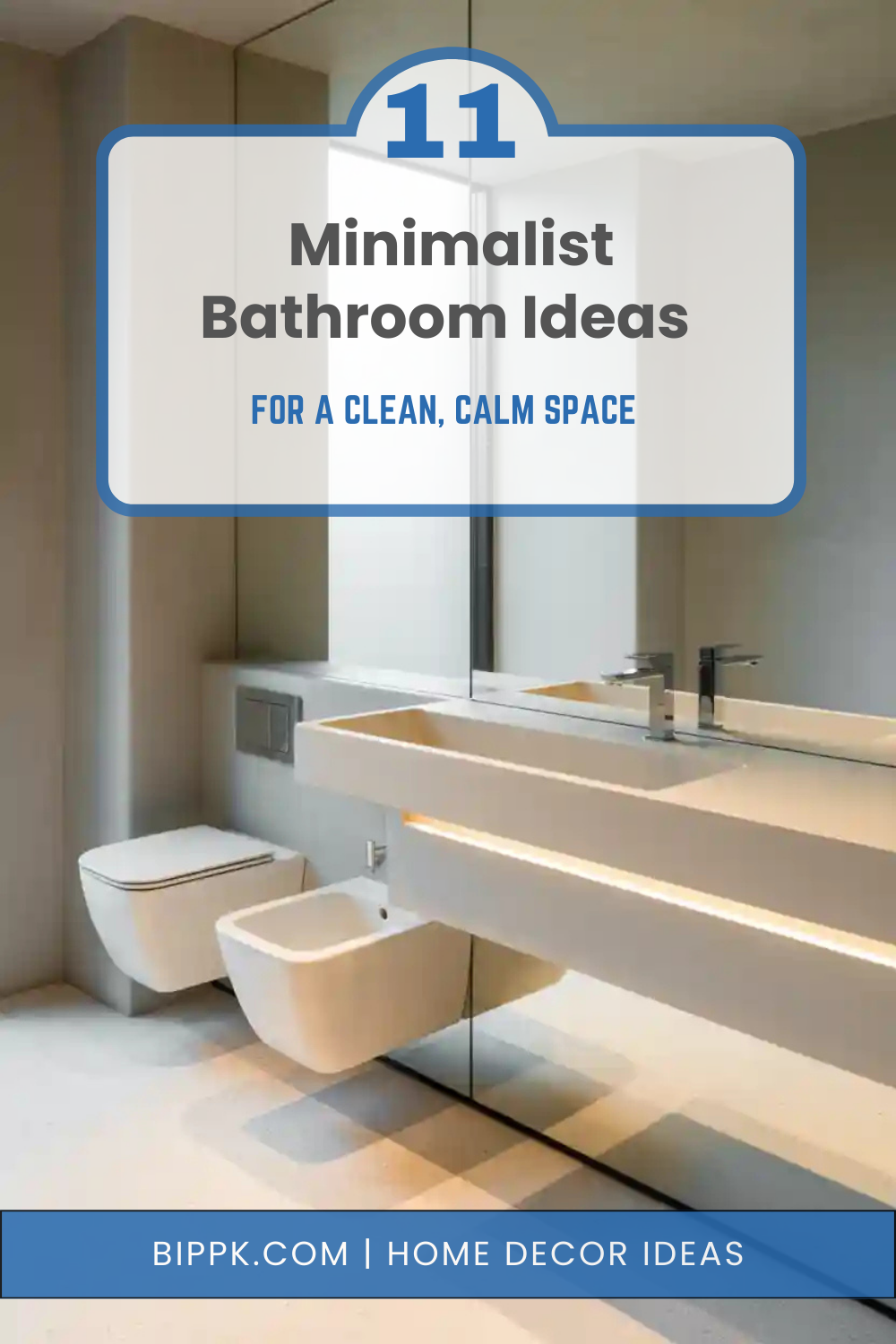
Wall-mounted fixtures are ideal for achieving a streamlined, minimalist bathroom. Sinks, faucets, toilets, and even towel bars mounted on the wall reduce visual bulk and create clean, uninterrupted lines. This design choice enhances the feeling of openness and order. By lifting fixtures off the floor, wall-mounted elements make cleaning easier and maintain a clutter-free appearance. They also allow more flexibility in layout and height placement, improving comfort and usability. Simple silhouettes and neutral finishes ensure these fixtures blend seamlessly into the overall design.
From a visual standpoint, wall-mounted fixtures emphasize negative space, which is essential in minimalist interiors. They allow the eye to rest and appreciate the room’s proportions and materials. This thoughtful approach results in a bathroom that feels calm, modern, and highly functional.
6. Natural Materials for Warm Minimalism
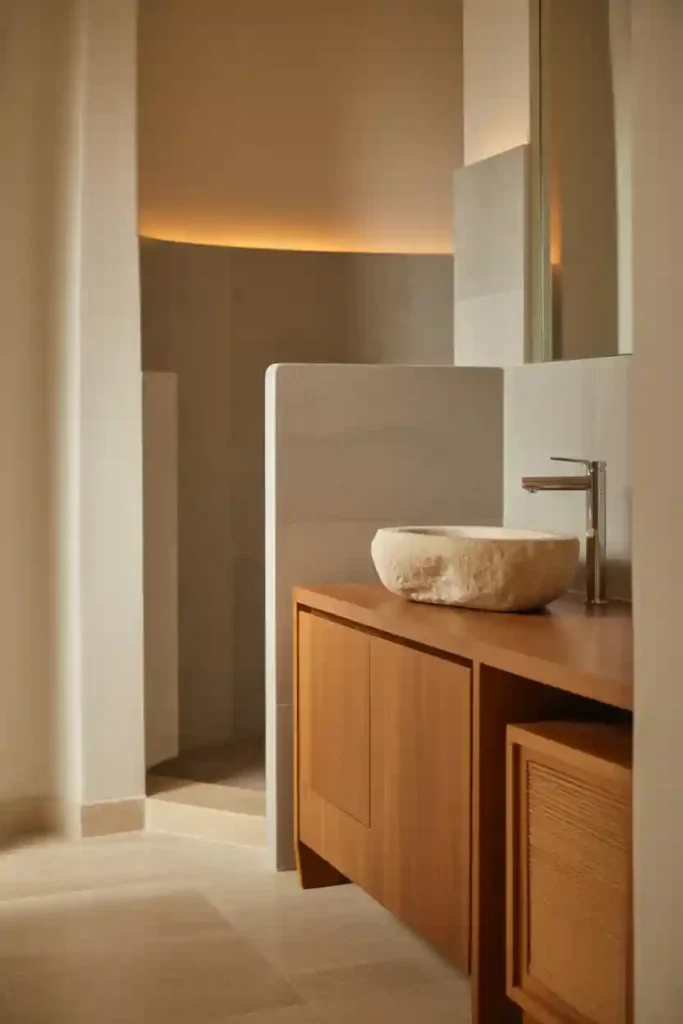
Natural materials bring warmth and balance to minimalist bathrooms, preventing them from feeling sterile. Wood, stone, concrete, and clay introduce subtle texture while maintaining simplicity. These materials age beautifully and add depth without overwhelming the space. Light wood vanities, stone countertops, or textured ceramic tiles create a connection to nature, enhancing the calming atmosphere. The key is restraint—using one or two natural materials consistently throughout the bathroom to maintain cohesion.
From a design perspective, natural materials soften minimalist interiors and make them more inviting. They complement neutral color palettes and simple forms, reinforcing a sense of calm. This approach creates a bathroom that feels grounded, timeless, and effortlessly serene.
7. Minimalist Lighting for a Soft Glow

Lighting plays a crucial role in shaping the mood of a minimalist bathroom. Soft, diffused lighting enhances the calm atmosphere while highlighting clean lines and materials. Recessed ceiling lights, wall sconces, and backlit mirrors provide functional illumination without visual clutter. Minimalist lighting designs prioritize simplicity and purpose. Fixtures with clean shapes and neutral finishes blend seamlessly into the space. Warm light temperatures create a soothing environment ideal for relaxation.
Layered lighting ensures the bathroom remains practical while maintaining serenity. By avoiding harsh or overly decorative fixtures, the room feels balanced and cohesive. Thoughtful lighting design supports the minimalist goal of creating a clean, calm space.
8. Open Space and Clear Surfaces

Open space is a defining characteristic of minimalist bathrooms. Clear countertops, uncluttered floors, and simple layouts allow the room to breathe. By limiting decorative elements, the focus remains on functionality and calm. Keeping surfaces clear requires intentional storage and disciplined editing. Only daily essentials are visible, while everything else is stored away. This approach reduces visual stress and makes the bathroom feel more spacious and organized.
From a design standpoint, open space enhances the impact of materials and lighting. It also improves usability, making the room easier to clean and maintain. A minimalist bathroom thrives on simplicity, and open space is essential to achieving that sense of calm.
9. Simple Tile Designs with Subtle Texture
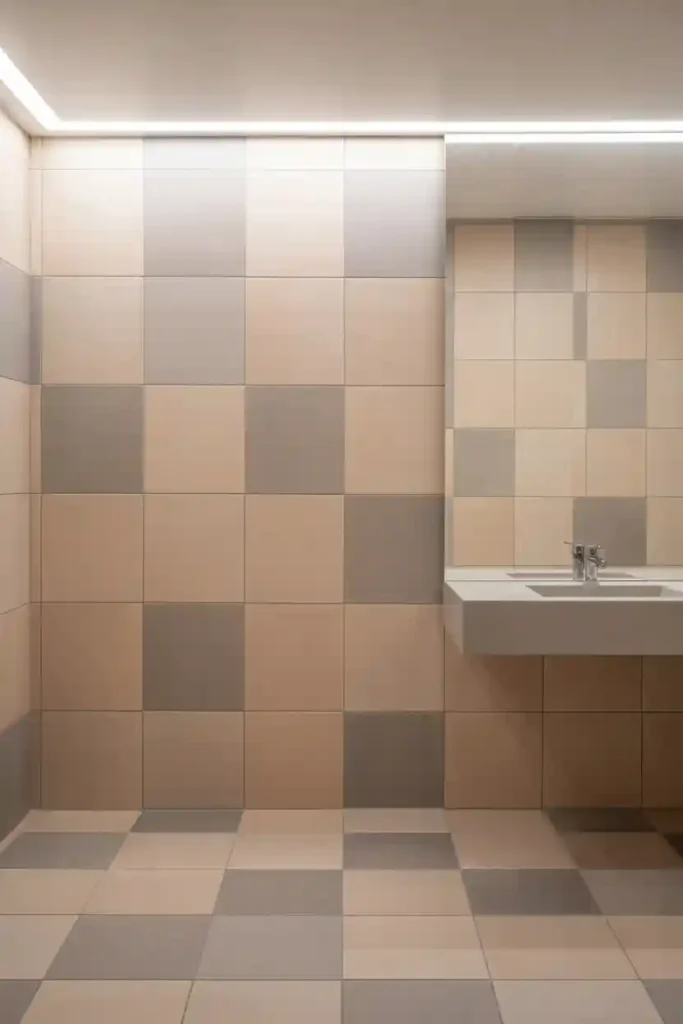
Tiles in a minimalist bathroom should enhance the space without overwhelming it. Simple designs in neutral tones provide a clean foundation, while subtle textures add visual interest. Large-format tiles reduce grout lines, creating a seamless look. Textured tiles, such as matte finishes or lightly patterned surfaces, introduce depth while maintaining simplicity. Consistent tile use across floors and walls reinforces cohesion and calm.
From a practical perspective, simple tile designs are timeless and easy to maintain. They support a serene environment where materials quietly complement the overall design. This balance of simplicity and texture defines successful minimalist bathrooms.
10. Matte Finishes for a Calm Aesthetic

Matte finishes are ideal for minimalist bathrooms because they reduce glare and create a softer visual experience. Matte tiles, fixtures, and cabinetry feel understated and refined, enhancing the room’s calm atmosphere. Unlike glossy surfaces, matte finishes highlight form and texture rather than reflection. They pair beautifully with neutral color palettes and natural materials, reinforcing simplicity. Matte black or brushed metal fixtures add contrast without overpowering the space.
From a maintenance perspective, matte finishes hide fingerprints and water spots more easily. This practical benefit supports the minimalist goal of effortless cleanliness. Matte surfaces help create a bathroom that feels relaxed, balanced, and timeless.
11. Thoughtful Accessories Only
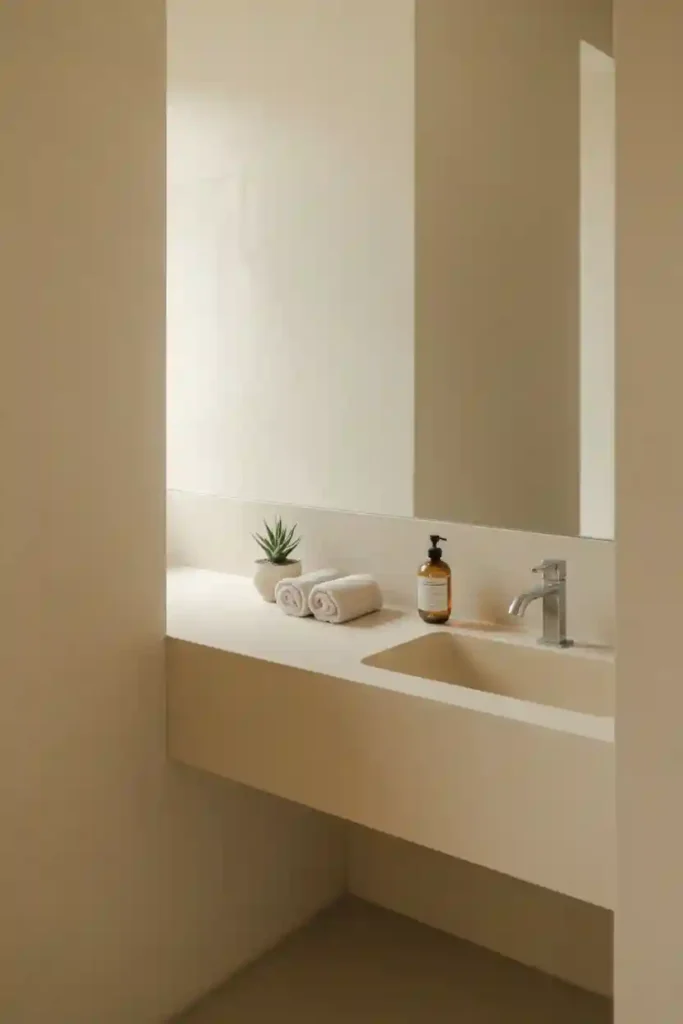
In minimalist bathrooms, accessories should be chosen with intention. Every item should serve a purpose or add subtle beauty. Limiting accessories prevents clutter and maintains visual calm. Simple soap dispensers, a single plant, or neatly folded towels can enhance the space without overwhelming it. Materials and colors should align with the overall design for consistency.
This restrained approach encourages mindfulness and appreciation of quality over quantity. By curating accessories carefully, the bathroom remains serene and functional. Thoughtful accessorizing completes the minimalist vision, ensuring the space feels calm, clean, and harmonious.
Final Words
A minimalist bathroom is more than a design trend—it’s a lifestyle choice that prioritizes calm, clarity, and intention. By focusing on clean lines, neutral tones, hidden storage, and thoughtfully chosen materials, you can create a space that feels restorative rather than overwhelming. Each design decision, from lighting to fixtures, contributes to an environment that supports relaxation and simplicity.