14 Interior Design Rules Explained Simply
Interior design can seem complicated, filled with technical terms and endless style choices. But at its core, great design is guided by a few simple rules that help create balance, comfort, and visual harmony. Whether you’re decorating a small apartment or a large home, understanding these basic principles can make a huge difference in how your space looks and feels.
The good news is you don’t need to be a professional designer to apply them successfully. By learning a few essential guidelines, you can avoid common mistakes and make confident design decisions. From choosing the right colors to arranging furniture properly, these rules are easy to follow and incredibly effective. In this guide, we’ll break down interior design rules in the simplest way possible, so you can transform your home into a stylish and functional space that truly reflects your personality and lifestyle.
1. Follow the 60-30-10 Color Rule
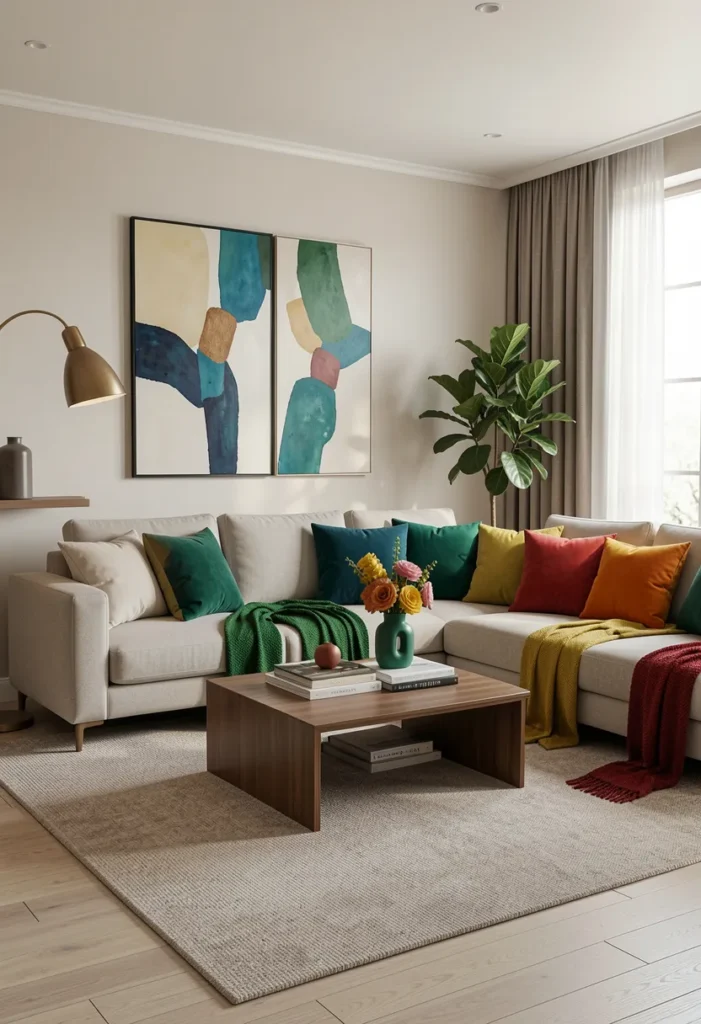
One of the easiest ways to create a balanced and visually appealing room is by using the 60-30-10 color rule. This rule suggests dividing your color scheme into three proportions: 60% dominant color, 30% secondary color, and 10% accent color.
The dominant color usually appears on walls or large furniture pieces, setting the overall tone. The secondary color supports it through upholstery, curtains, or rugs. The accent color is used sparingly in decor items like cushions, artwork, or accessories to add a pop of interest.
2. Balance is Everything
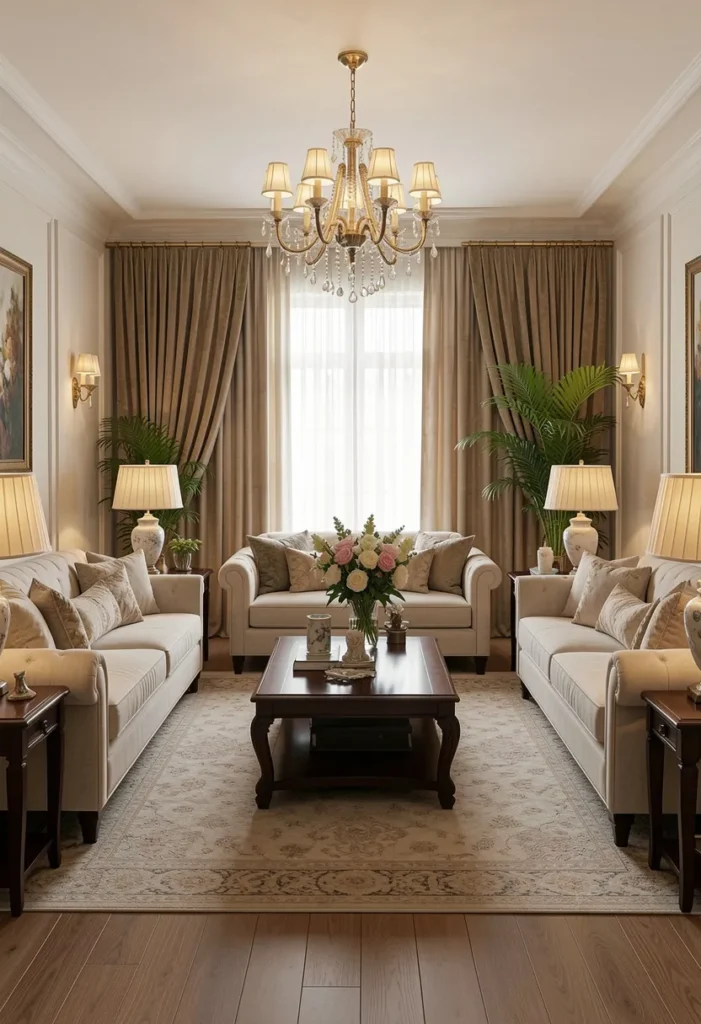
Balance in interior design refers to distributing visual weight evenly throughout a space. Without it, a room can feel awkward or uncomfortable.
There are three types of balance: symmetrical, asymmetrical, and radial. Symmetrical balance involves mirroring elements on either side, like matching sofas or lamps. Asymmetrical balance uses different objects with similar visual weight to create a relaxed, modern look. Radial balance arranges elements around a central point, such as a round dining table.
See Also: 11 Home Décor Mistakes To Avoid at All Costs
3. Create a Focal Point
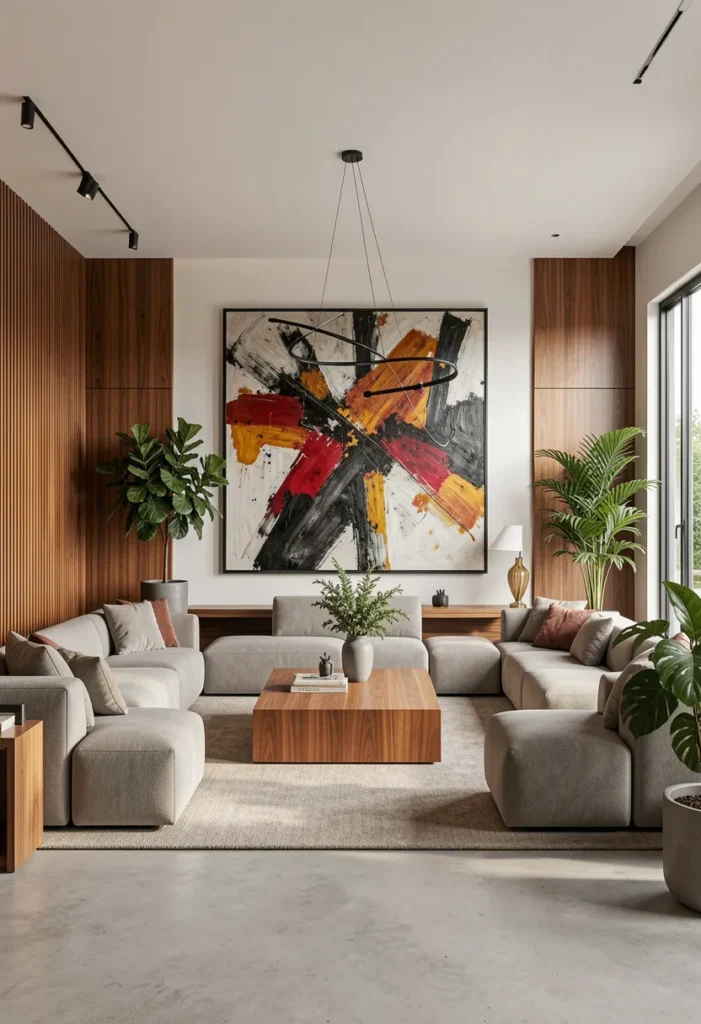
Every room needs a focal point a feature that immediately draws attention. Without one, the space can feel directionless.
Common focal points include fireplaces, large windows, artwork, or a statement piece of furniture. Once you identify the focal point, arrange your furniture and decor around it. If your room lacks a natural focal point, you can create one using bold artwork, a feature wall, or a unique lighting fixture.
4. Scale and Proportion Matter
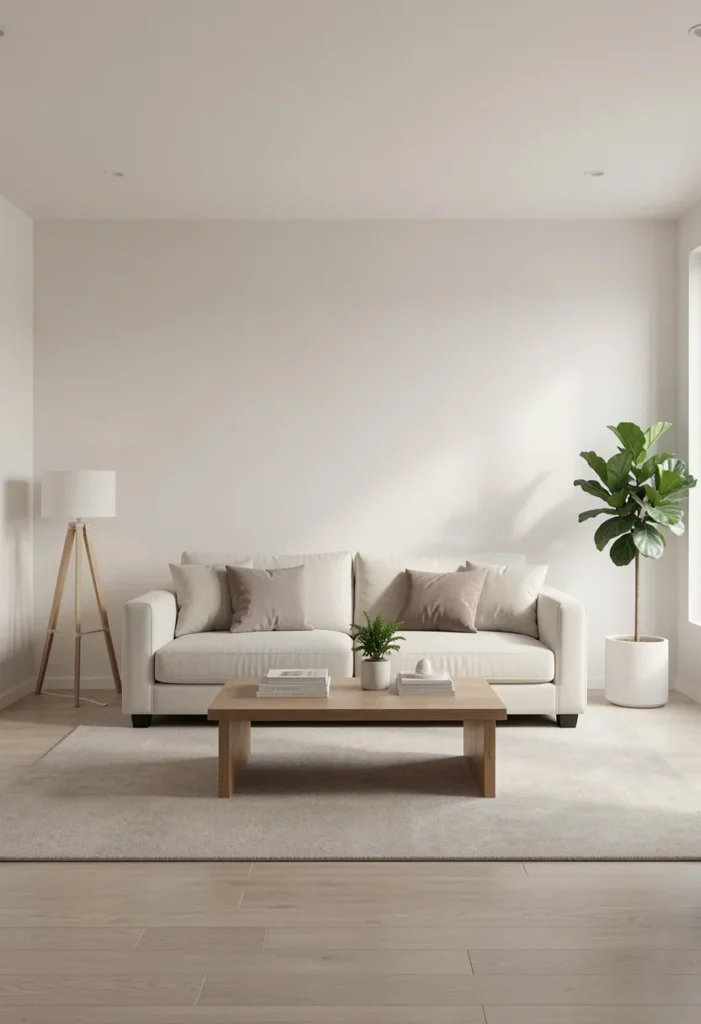
Choosing the right size furniture and decor is essential. Items that are too large or too small can disrupt the entire room. Scale refers to how an object fits within the space, while proportion relates to how items compare to each other. For example, a large sofa should be paired with a properly sized coffee table.
Always measure your space before buying furniture. Consider ceiling height, room size, and spacing between pieces. Getting scale and proportion right makes your room feel comfortable and well-designed.
5. Use Proper Lighting Layers
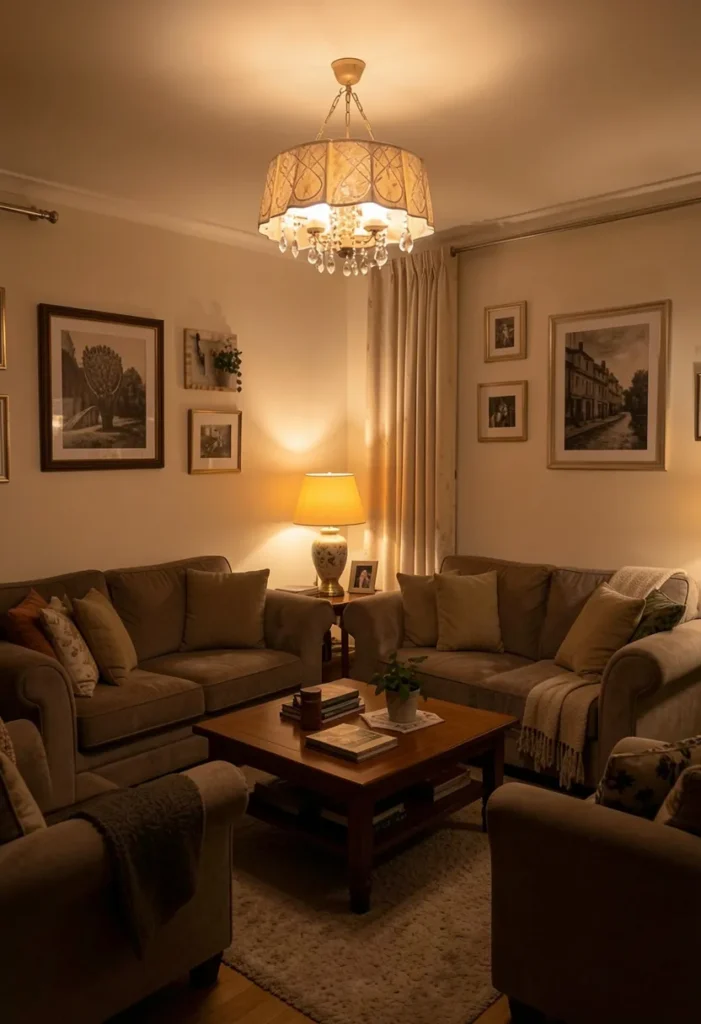
Lighting should never be an afterthought. A well-lit room uses multiple layers to create depth and functionality. There are three main types: ambient lighting for overall illumination, task lighting for specific activities, and accent lighting to highlight features.
Combining these layers ensures your space is both practical and inviting. For example, use ceiling lights for general brightness, table lamps for reading, and wall lights to highlight artwork. Lighting also affects mood, so choose warm tones for cozy spaces and cooler tones for work areas.
6. Don’t Push Everything Against the Walls
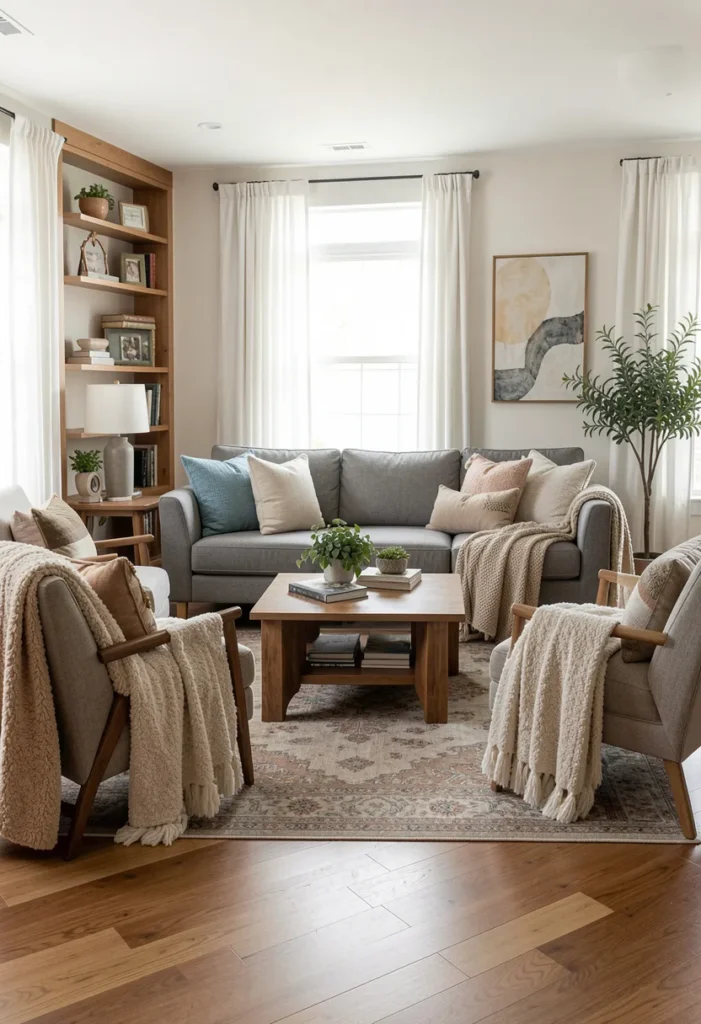
Many people think placing furniture against the walls makes a room look bigger, but it often creates an empty and disconnected feel. Instead, bring furniture inward to form conversation areas. This makes the space feel more intimate and functional.
In larger rooms, divide the space into zones using rugs or furniture placement. This helps define different purposes within the same area. Floating furniture adds depth and improves the overall layout.
7. Mix Textures for Depth
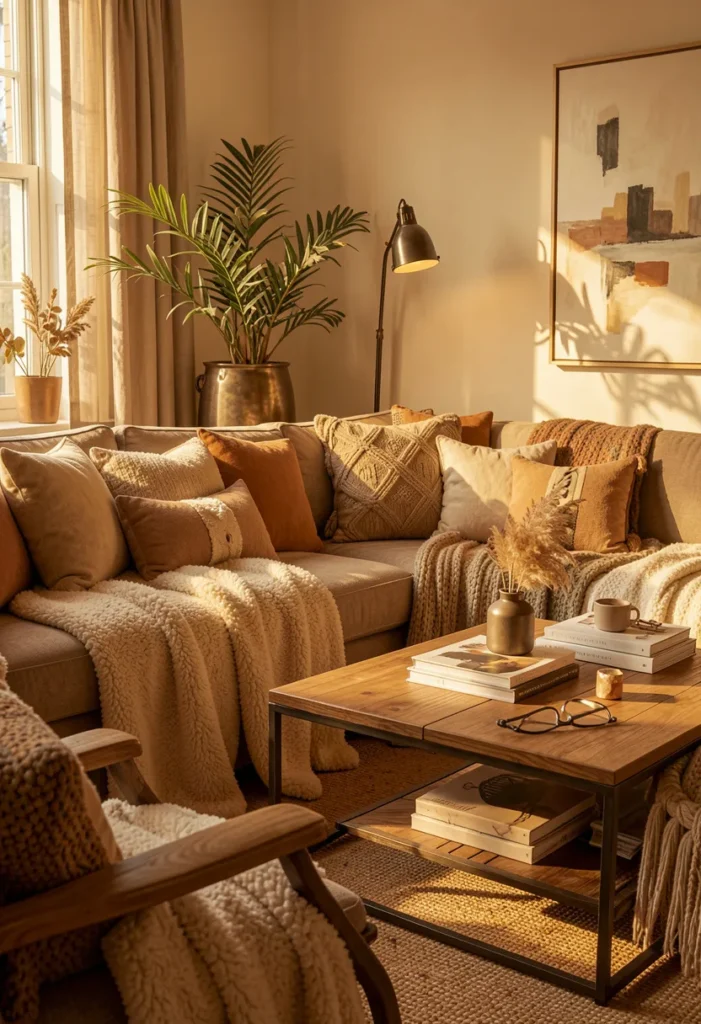
A room with only one texture can feel flat and uninteresting. Mixing textures adds richness and dimension. Combine materials like wood, metal, glass, and fabrics. Soft elements like rugs, cushions, and curtains balance harder surfaces.
For example, a leather sofa paired with a soft throw blanket creates contrast and warmth. Layering textures makes your space feel cozy and visually engaging.
8. Keep Clutter Under Control
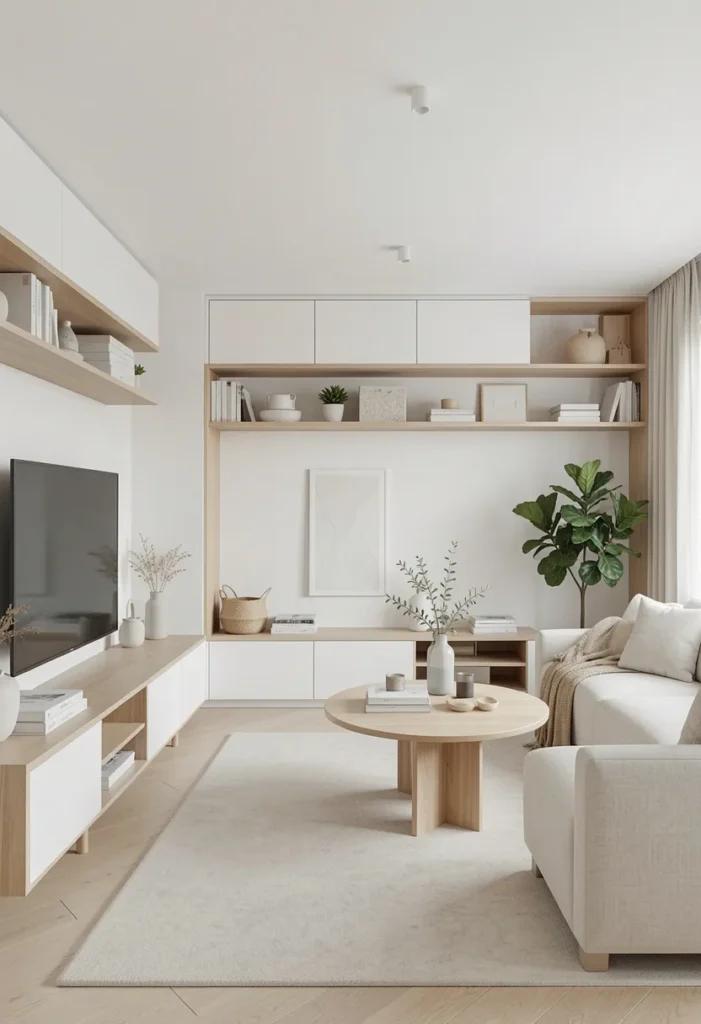
Clutter can ruin even the most beautifully designed space. Keeping your home organized is key to maintaining a clean and stylish look.
Use smart storage solutions like shelves, baskets, and cabinets to keep items out of sight. Regularly declutter and only keep items that serve a purpose or bring joy. Negative space is just as important as filled space. It allows the room to breathe and highlights your decor.
9. Rugs Should Fit the Space
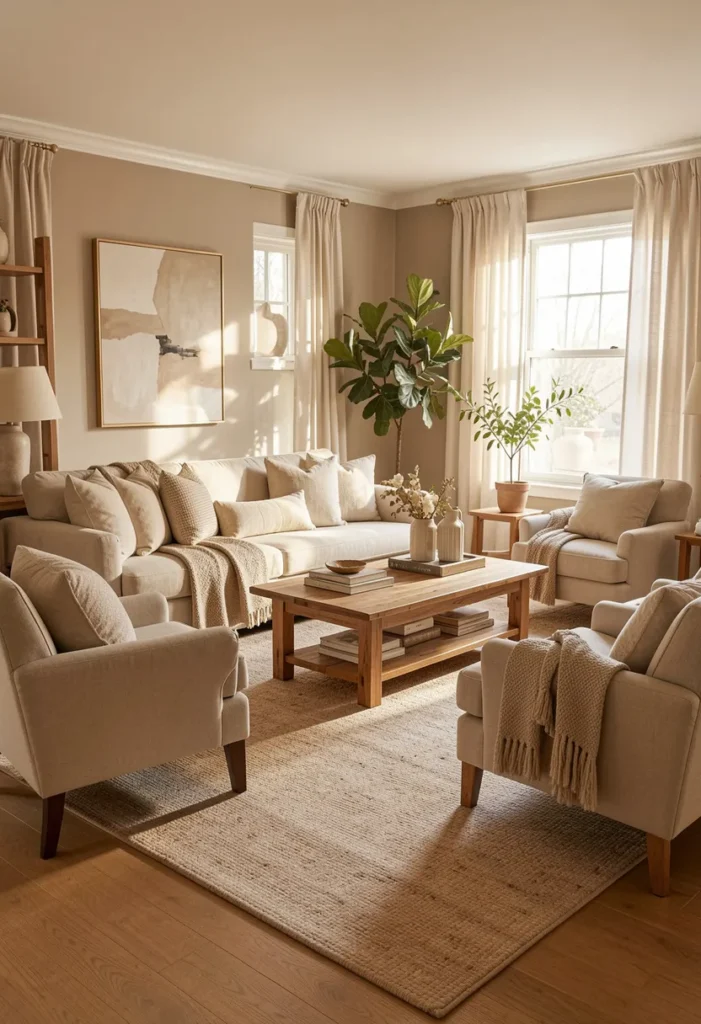
A common mistake is choosing rugs that are too small. A properly sized rug anchors the room and ties everything together.
In living rooms, at least the front legs of furniture should sit on the rug. Ideally, all furniture should fit within its boundaries. In dining areas, the rug should extend beyond the table so chairs remain on it when pulled out. Choosing the right rug size enhances the overall layout.
10. Artwork Should Be at Eye Level
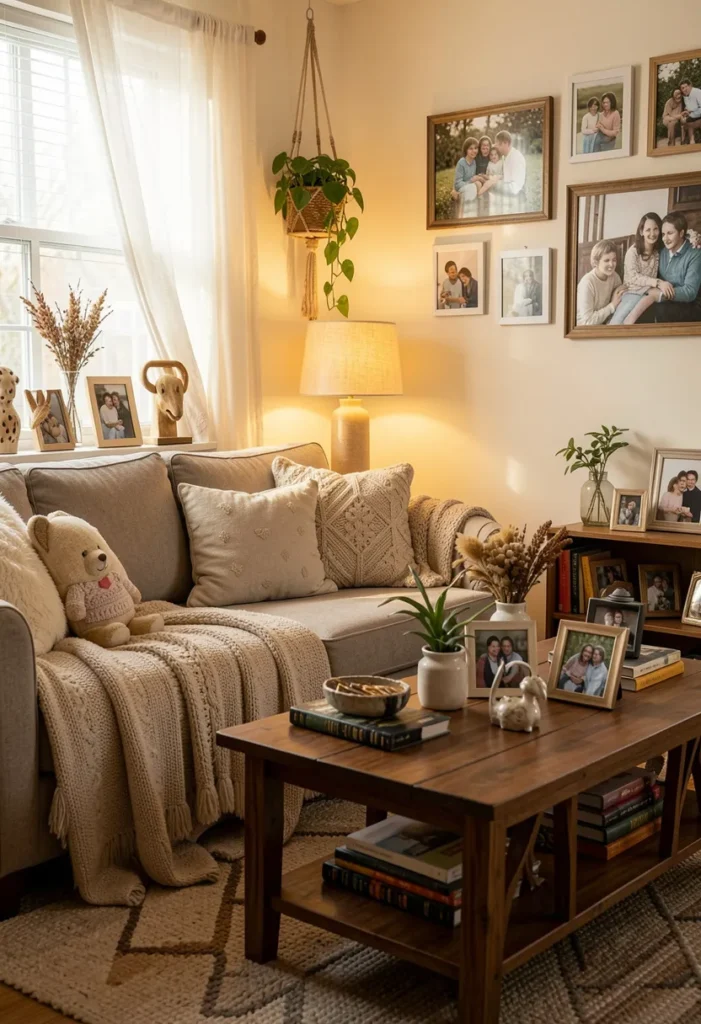
Hanging artwork too high is a common design mistake. It should be placed at eye level for the best visual impact.
The center of the artwork should be about 57–60 inches from the floor. When placing art above furniture, leave a small gap to connect the pieces visually. Gallery walls should be planned carefully to maintain balance and spacing. Properly placed artwork enhances the room’s overall look.
11. Add Personal Touches
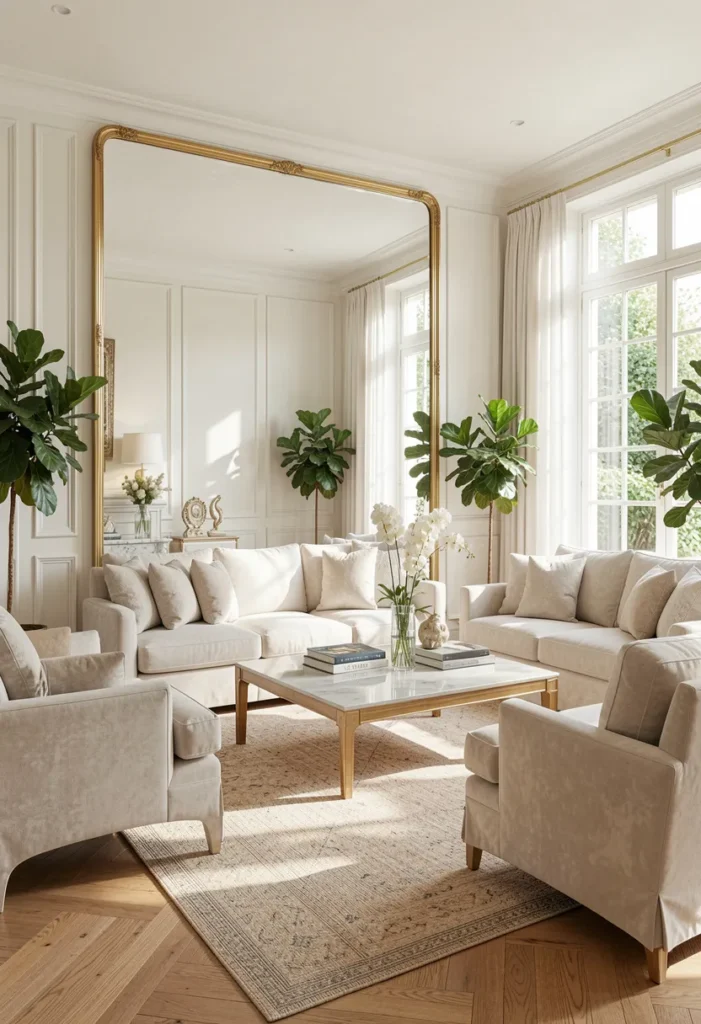
Your home should reflect your personality, not just design trends. Personal touches make a space feel warm and unique.
Incorporate items like family photos, travel souvenirs, or meaningful artwork. These elements tell your story and add character. Avoid copying designs exactly from magazines add your own twist instead. A personalized home feels more comfortable and authentic.
12. Use Mirrors Strategically
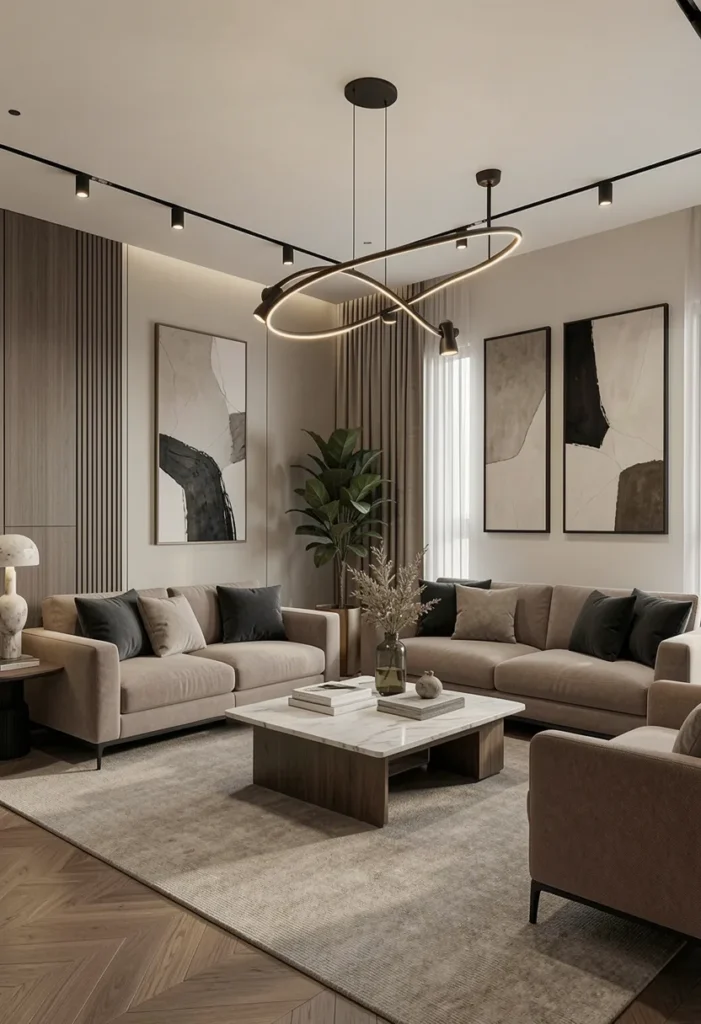
Mirrors are powerful tools in interior design. They reflect light and make spaces appear larger. Place mirrors opposite windows to maximize natural light. In small rooms, they can create the illusion of depth.
Choose frames that match your decor style for a cohesive look. Strategically placed mirrors enhance both function and aesthetics.
13. Stick to a Theme or Style
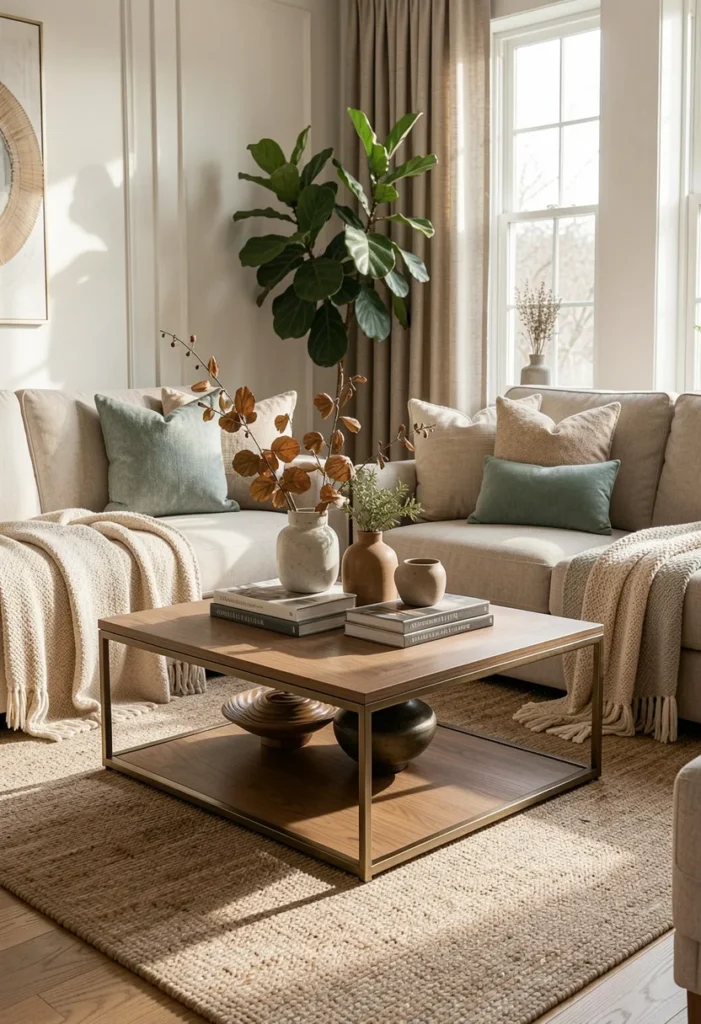
Mixing too many styles can make a room feel chaotic. Choosing a clear design direction helps create cohesion. Whether it’s modern, rustic, or minimalist, stick to a consistent theme. You can mix elements, but they should complement each other.
Consistency in colors, materials, and shapes helps unify the space. A well-defined style makes your home feel polished and intentional.
14. Function Comes First
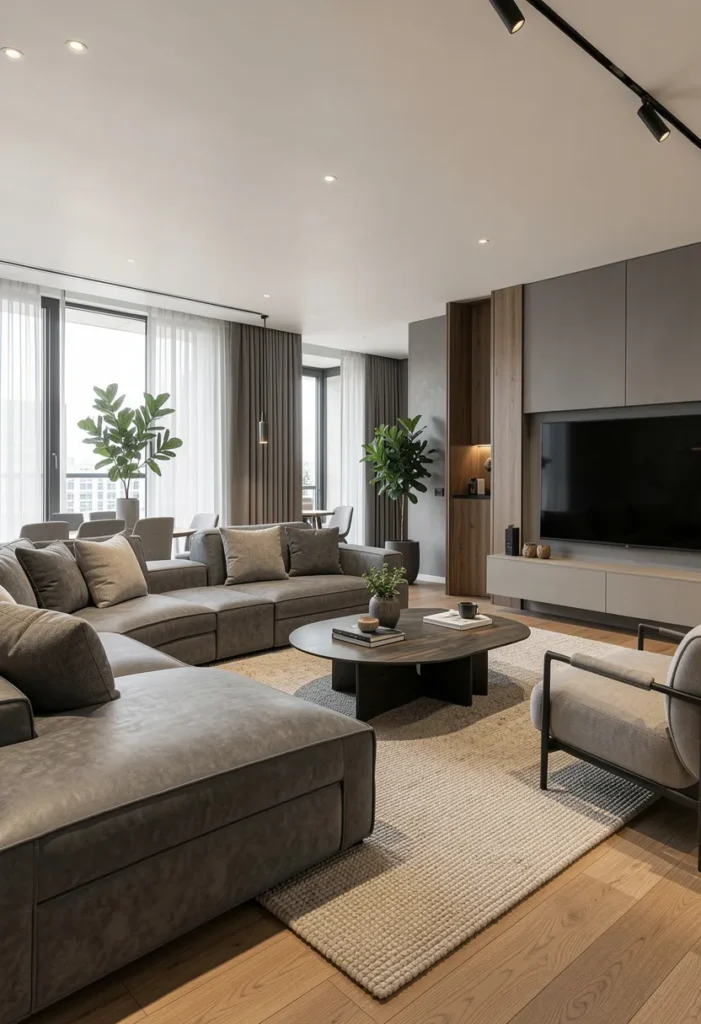
No matter how beautiful a room looks, it must be functional. Design should always support your lifestyle. Consider how you use the space daily. Arrange furniture for comfort and accessibility. Ensure there’s enough lighting and storage.
Avoid sacrificing comfort for aesthetics. A stylish but impractical room won’t be enjoyable. When function and beauty work together, your home becomes truly livable.
Final Words
Interior design doesn’t have to feel overwhelming when you break it down into simple, practical rules. By applying these 14 interior design principles, you can create a home that feels balanced, stylish, and comfortable without second-guessing every decision. The key is to focus on harmony, functionality, and personal expression rather than striving for perfection.