13 Home Decor Styling Tips Designers Actually Use
Creating a beautifully styled home isn’t about copying trends — it’s about understanding the principles professionals rely on every day. These 13 Home Decor Styling Tips Designers Actually Use are rooted in balance, proportion, layering, and intentional design choices. Interior designers don’t randomly place furniture or decor; they carefully curate each element to create harmony and flow.
Often, the difference between a room that feels “almost right” and one that feels complete comes down to small styling adjustments. The right lighting, properly scaled furniture, layered textures, and thoughtful editing can completely transform a space. Whether you’re refreshing one corner or redesigning an entire room, applying these expert techniques will instantly elevate your home. Let’s explore the designer-approved strategies that make spaces look polished, inviting, and professionally styled.
1. Define a Strong Focal Point
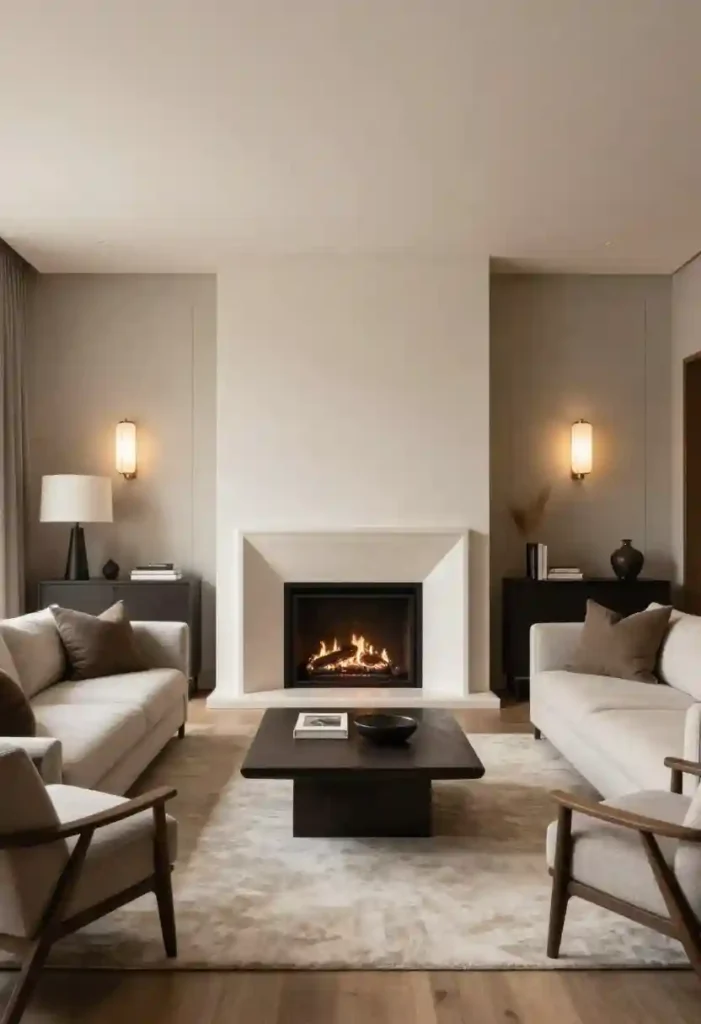
Every professionally styled room begins with a clear focal point. Designers never leave the eye wandering without direction. A focal point anchors the space and sets the visual tone for the entire room. This could be a fireplace, a large piece of artwork, a statement sofa, or even a dramatic headboard. Once identified, all other furniture and decor elements are arranged to support and enhance that main feature rather than compete with it.
Designers often use contrast, scale, or color to highlight the focal point. For example, placing bold artwork above a neutral sofa instantly draws attention. In bedrooms, an accent wall behind the bed can create depth and emphasis. If your room feels scattered or unbalanced, it may be missing a clear centerpiece. Choose one element to stand out, and build the layout around it intentionally.
2. Layer Lighting for Warmth and Depth
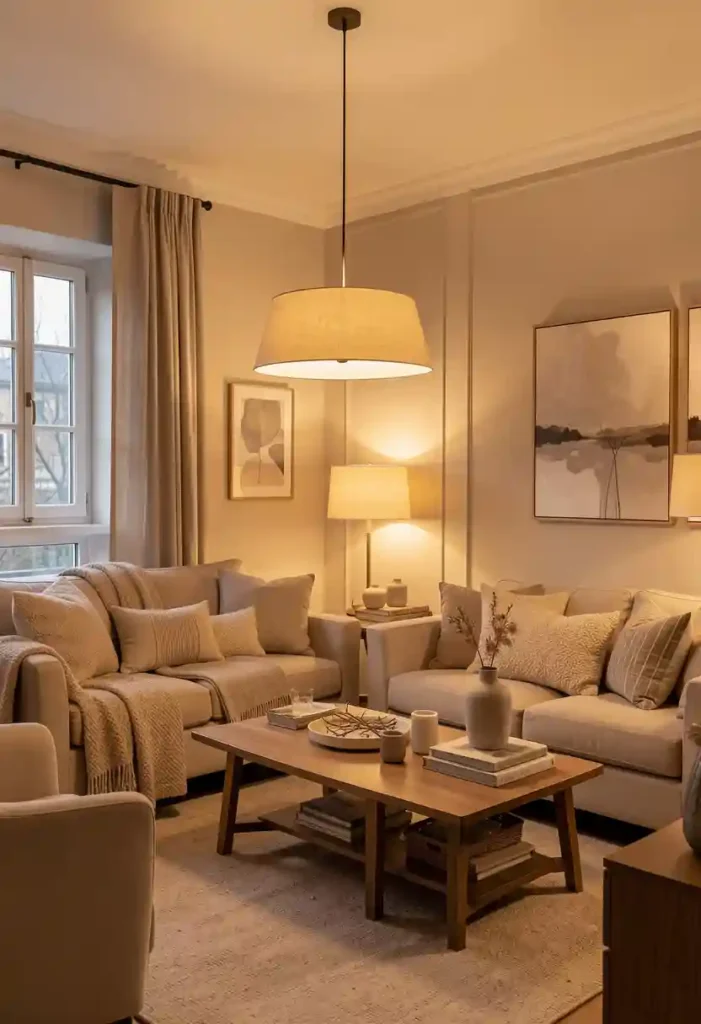
Lighting is one of the most powerful tools designers use. Instead of relying on a single ceiling fixture, professionals layer multiple light sources at different heights. A well-designed room typically includes ambient lighting (overhead), task lighting (lamps for reading or working), and accent lighting (wall sconces or decorative lighting). This layering creates warmth, reduces harsh shadows, and adds dimension.
For example, combining a pendant light with table lamps and a floor lamp instantly makes a room feel cozy and inviting. Designers often choose warm-toned bulbs to enhance comfort. If your space feels flat or cold, adding layered lighting may completely transform the atmosphere without changing any furniture.
3. Follow the Rule of Three
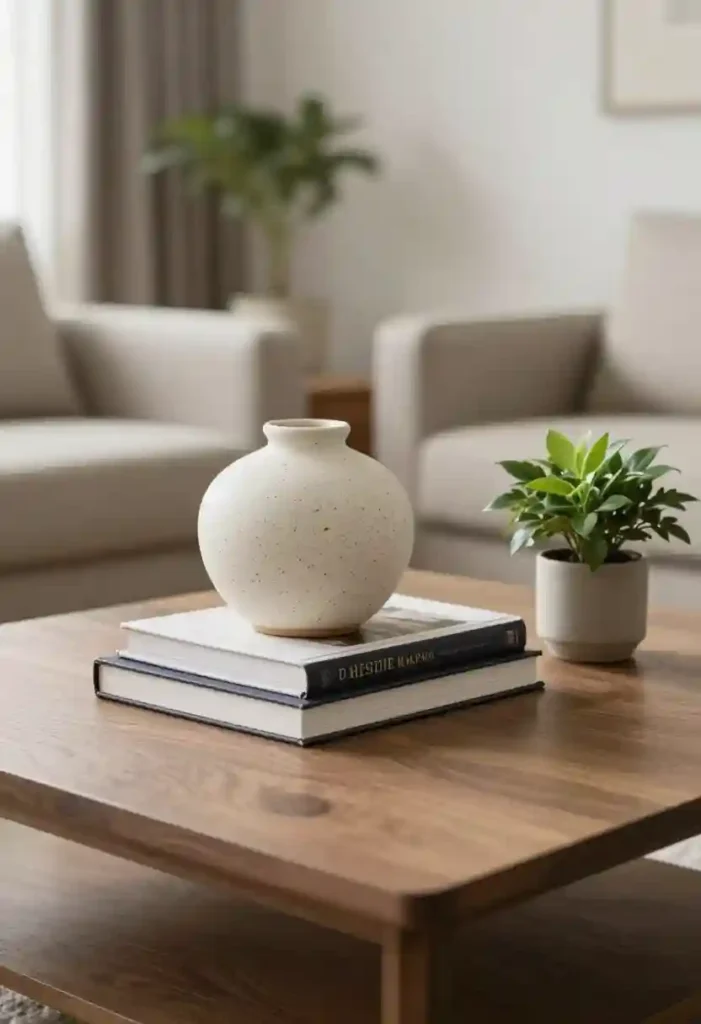
One of the simplest yet most powerful principles in 13 Home Decor Styling Tips Designers Actually Use is the rule of three. Designers rely on odd-number groupings — especially sets of three — because they create a more natural, dynamic, and visually appealing arrangement. Even numbers can sometimes feel too symmetrical or rigid, while threes introduce movement and balance. For example, when styling a coffee table, designers often combine a stack of books, a decorative object, and a small plant. Each item varies in height and texture, but together they form a cohesive cluster. On shelves, they group decor into small curated trios, adjusting scale so the eye travels comfortably from one piece to the next.
The key is variation. Combine tall, medium, and short items. Mix smooth and textured finishes. Keep spacing intentional rather than scattered. Instead of spreading decor evenly across a surface, create focused groupings. This technique instantly makes your home feel curated rather than cluttered — a subtle difference that professionals always prioritize.
Read Also: 12 Decor Mistakes To Avoid That Ruin a Room
4. Mix Textures to Add Depth
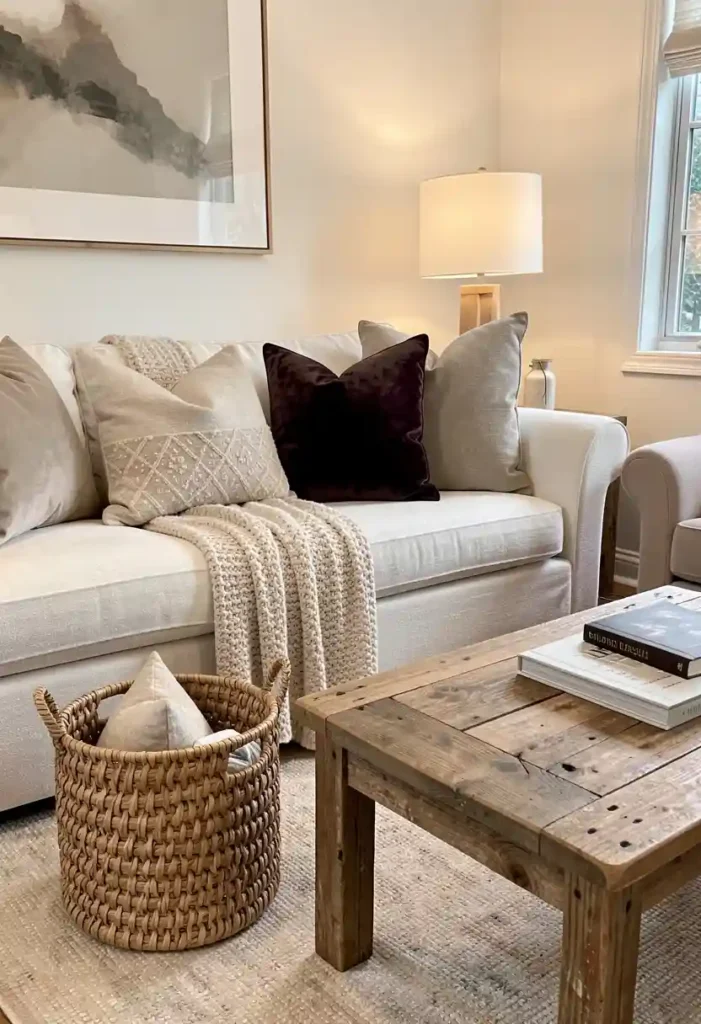
Designers know that texture is what gives a room dimension. Even when working within a neutral color palette, layering different materials prevents the space from feeling flat or lifeless. Texture creates contrast, visual interest, and warmth without overwhelming the design. Think about combining linen curtains, velvet pillows, woven baskets, wooden furniture, metal accents, and ceramic decor. A leather sofa paired with a chunky knit throw and a sleek marble coffee table instantly feels rich and layered. These subtle contrasts are what make professionally styled rooms feel sophisticated.
Texture also affects how light interacts with a space. Soft fabrics absorb light, while glossy finishes reflect it. This interplay adds depth and energy to the room. if your home feels unfinished, don’t rush to add bold colors. Instead, introduce varied materials and tactile elements. Designers often achieve luxury through texture rather than excess.
5. Choose Properly Scaled Furniture
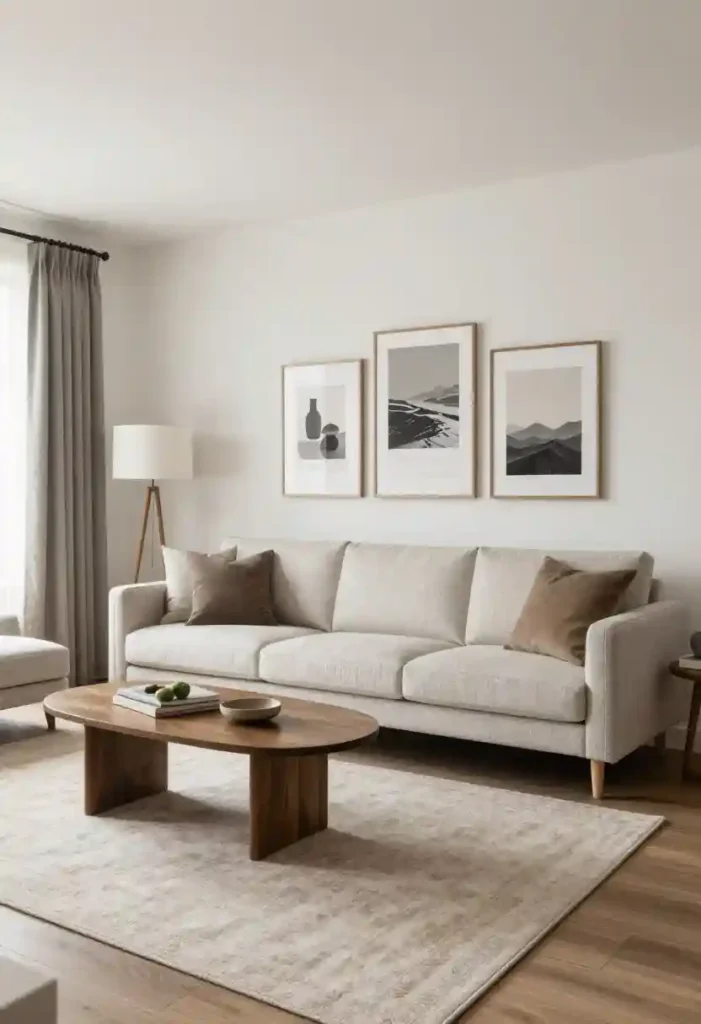
Scale is one of the biggest differences between amateur decorating and professional styling. Designers carefully measure every room before selecting furniture to ensure proportion feels balanced and intentional. A common mistake is choosing a rug that’s too small. In designer-approved layouts, rugs are large enough for at least the front legs of sofas and chairs to sit on them. This anchors the seating area and creates cohesion. Similarly, artwork should be proportionate to the wall and furniture beneath it — not too tiny or overwhelmingly large.
Ceiling height, wall width, and walking space are all considered. Oversized furniture in a small room can feel cramped, while undersized pieces in a large room may look disconnected. Before purchasing anything new, measure carefully and visualize placement. When scale is correct, the room immediately feels comfortable, balanced, and professionally designed.
6. Create Visual Balance
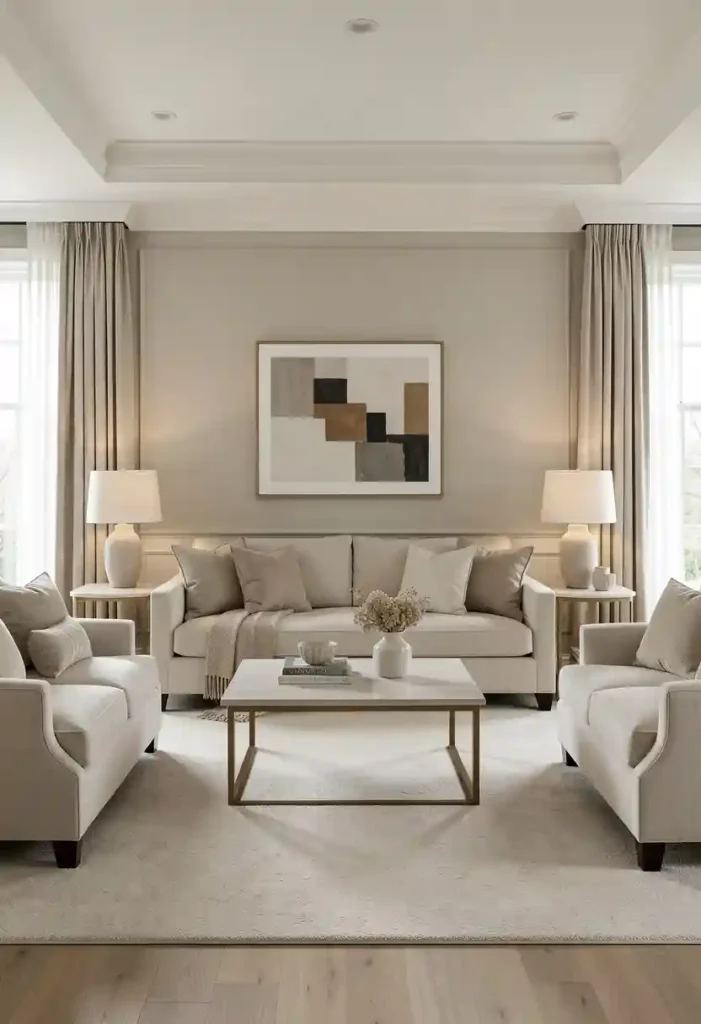
One of the core principles behind 13 Home Decor Styling Tips Designers Actually Use is visual balance. A well-designed room feels stable and harmonious, even if you can’t immediately explain why. That’s because designers carefully distribute visual weight throughout the space. Balance doesn’t always mean perfect symmetry. While symmetrical layouts — like matching nightstands and lamps — create a calm and classic look, asymmetrical arrangements can feel more modern and dynamic. For example, a large piece of artwork on one side of a sofa can be balanced by a tall plant or floor lamp on the other side.
Designers think in terms of weight. Dark colors, large furniture pieces, and bold patterns feel heavier, while lighter tones and smaller items feel lighter. If one side of the room feels too heavy, they counter it with height, light, or texture elsewhere. Step back and observe your space from across the room. Adjust decor placement until the room feels evenly distributed and visually comfortable.
7. Embrace Negative Space
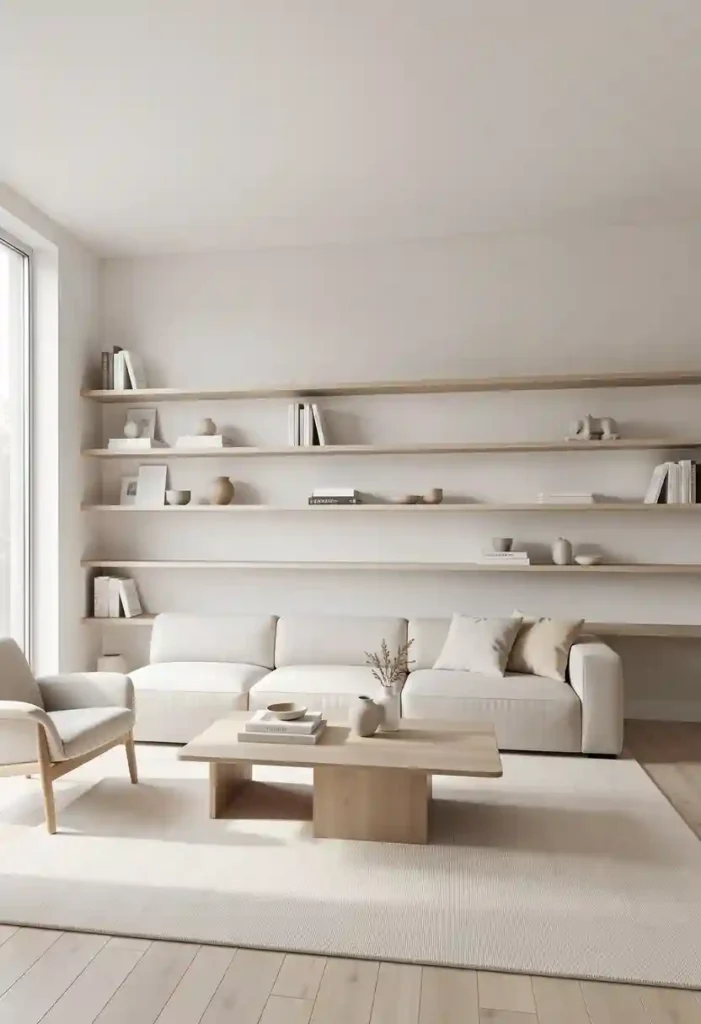
Designers understand that empty space is not wasted space. In fact, negative space is essential for creating calm and clarity in a room. Without breathing room, even beautiful decor can feel overwhelming. Instead of filling every wall, shelf, and corner, professionals intentionally leave areas open. This allows statement pieces to stand out and prevents visual clutter. For example, leaving space around artwork makes it feel more important. Keeping shelves partially empty highlights the objects that remain.
Negative space also improves flow. Rooms feel larger, cleaner, and more sophisticated when they aren’t overcrowded. Designers often edit multiple times, removing items that don’t contribute to the overall vision. If your space feels chaotic, try subtracting rather than adding. Clear surfaces, simplify displays, and allow each element room to breathe. Sometimes the most powerful styling decision is restraint.
8. Incorporate Layers of Soft Furnishings
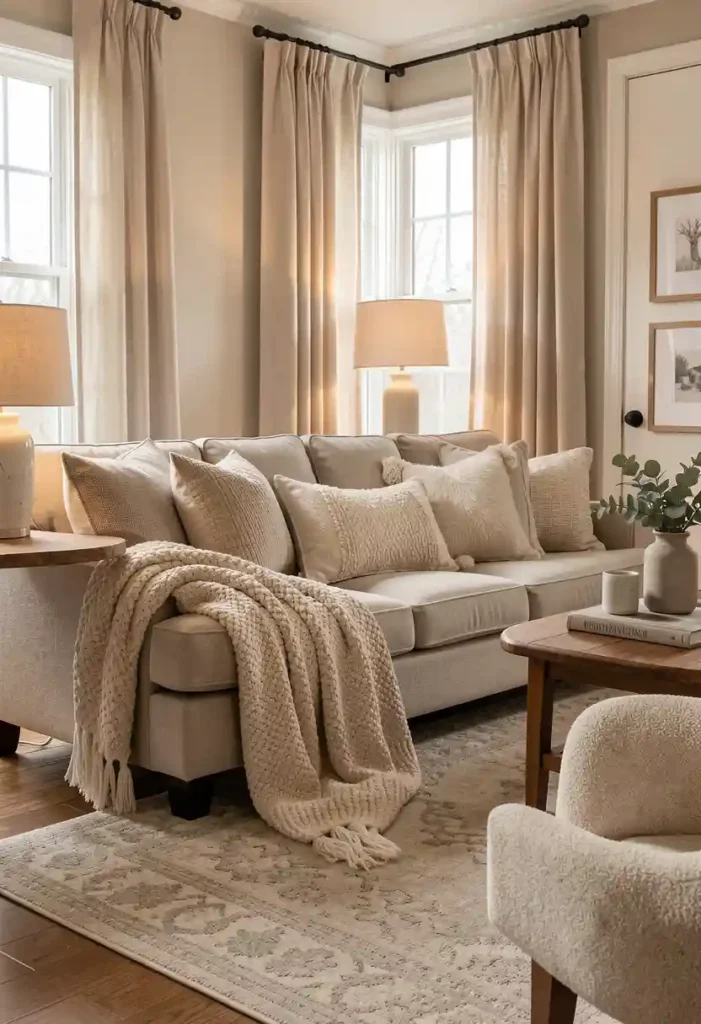
Soft furnishings are one of the easiest ways designers add warmth and personality to a space. Pillows, throws, rugs, and curtains create comfort while also enhancing color, texture, and depth. Instead of using a single flat cushion, designers layer multiple pillows in different sizes and subtle patterns. A large neutral pillow might sit behind a smaller textured one for contrast. Throws are casually draped to soften sharp lines and add a lived-in feel.
Area rugs anchor seating areas and introduce warmth underfoot. Curtains frame windows and add height, making ceilings appear taller. These layers make a room feel complete rather than sparse. If your home feels unfinished or cold, adding soft textiles can instantly change the mood. Designers use fabrics strategically to create spaces that feel inviting, balanced, and comfortable without overwhelming the design.
9. Add Greenery for a Lively Touch
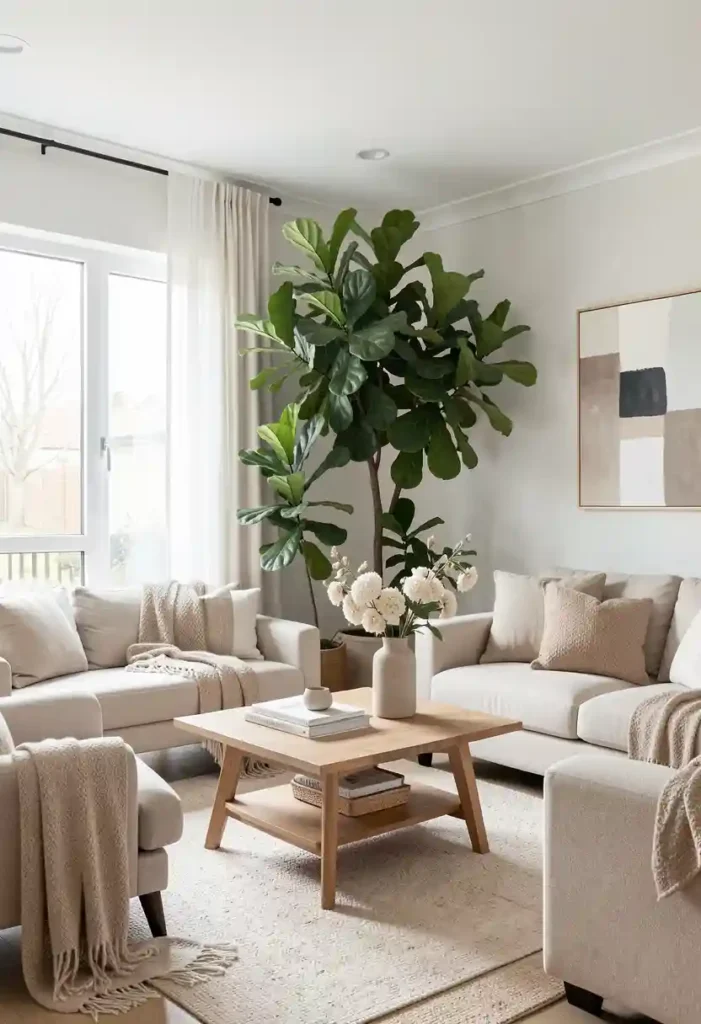
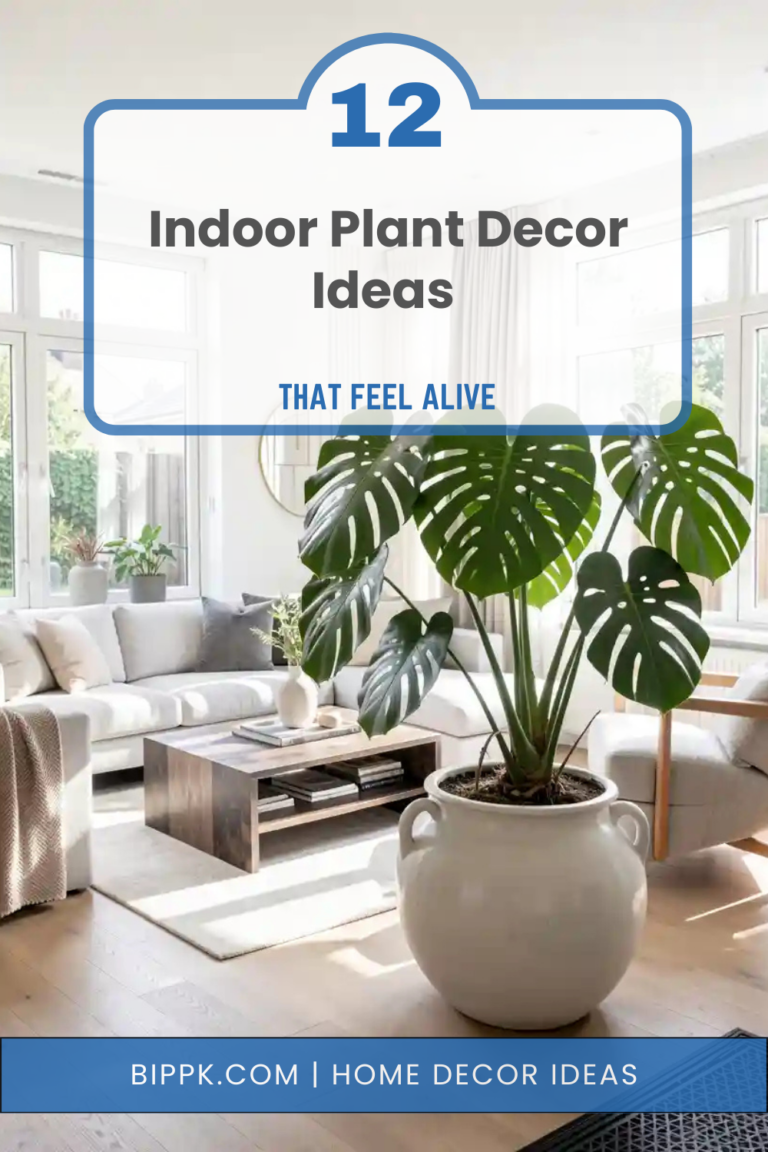
Another essential principle in 13 Home Decor Styling Tips Designers Actually Use is incorporating greenery. Plants instantly breathe life into a room, soften architectural lines, and introduce organic texture that balances hard surfaces like wood, metal, and stone. Designers rarely style a space without at least one natural element. Large floor plants, such as a fiddle-leaf fig or olive tree, are often placed in empty corners to add height and movement. Smaller potted plants can be styled on coffee tables, shelves, and nightstands to create subtle layers. Even kitchens and bathrooms benefit from a touch of greenery.
Plants also improve the overall atmosphere. They make rooms feel fresh, welcoming, and connected to nature. In neutral interiors, greenery adds a gentle pop of color without overwhelming the palette. If maintaining live plants feels intimidating, high-quality faux plants can still achieve a similar visual effect. The key is placement and proportion.
10. Maintain a Cohesive Color Palette
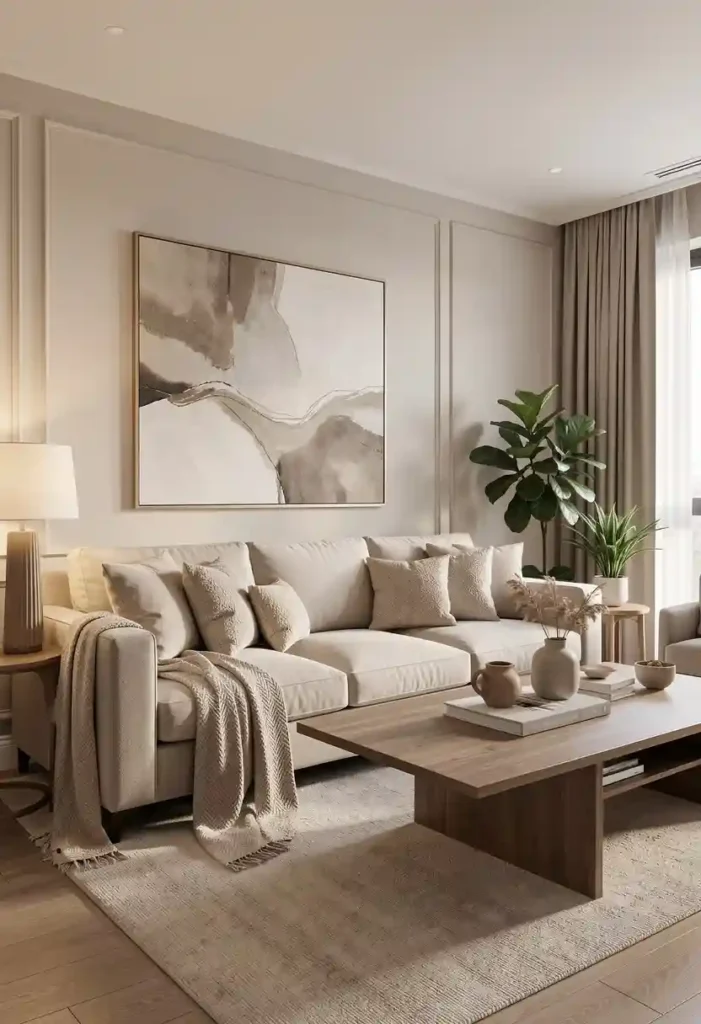
Cohesion is what makes a home feel professionally designed rather than randomly decorated. Designers carefully select a limited color palette and repeat those tones throughout the space for harmony. Typically, they begin with a base neutral such as white, beige, gray, or soft taupe. Then they introduce one or two complementary accent colors. These shades are echoed in pillows, artwork, rugs, and decorative accessories to create flow.
Without a consistent palette, rooms can feel visually chaotic. Too many competing colors disrupt the sense of balance. Designers often create mood boards before purchasing decor to ensure every element works together. Repeating colors in subtle ways helps unify separate areas, especially in open-concept homes. When tones feel connected, the entire space appears polished and intentional.
11. Style in Layers Over Time
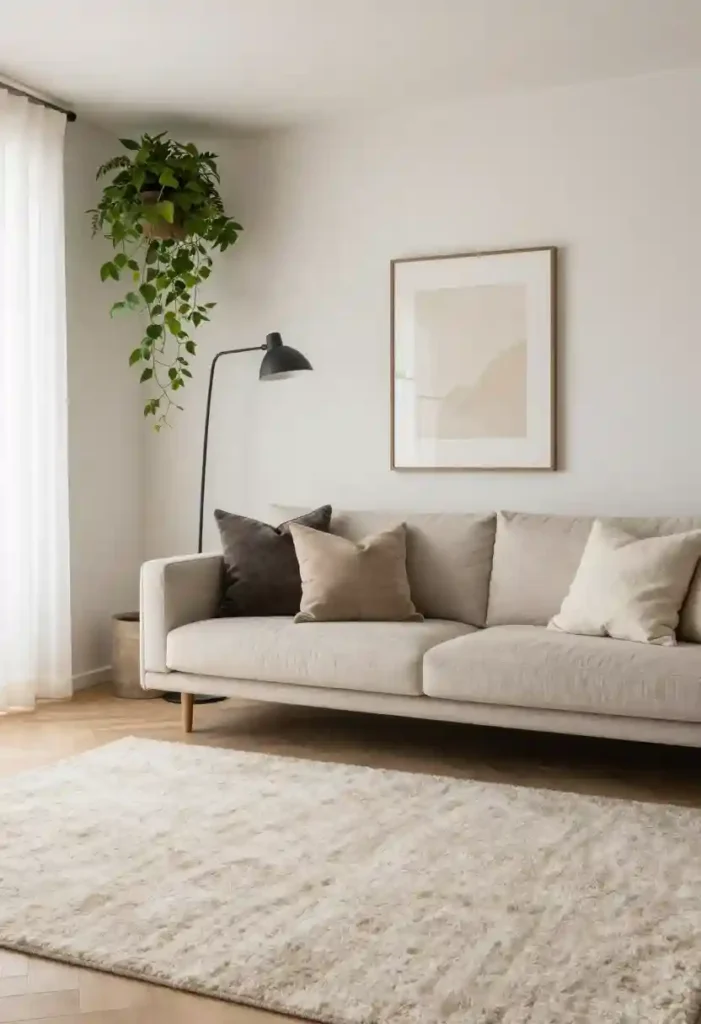
Professional interiors rarely come together in a single day. Designers build rooms gradually, layering elements thoughtfully rather than rushing to fill every corner. This approach creates depth and authenticity. They begin with foundational pieces such as sofas, rugs, and large furniture. Next comes lighting, followed by textiles like curtains and pillows. Finally, accessories, artwork, and personal touches are added. This layered process allows the space to evolve naturally.
Styling over time also encourages editing. Designers step back, reassess, and refine. They may swap accessories, adjust placement, or remove items entirely to maintain balance. When you decorate slowly, your home feels collected rather than staged. It reflects your personality while maintaining structure and harmony. Patience is often the secret ingredient behind beautifully styled rooms.
12. Use Mirrors Strategically
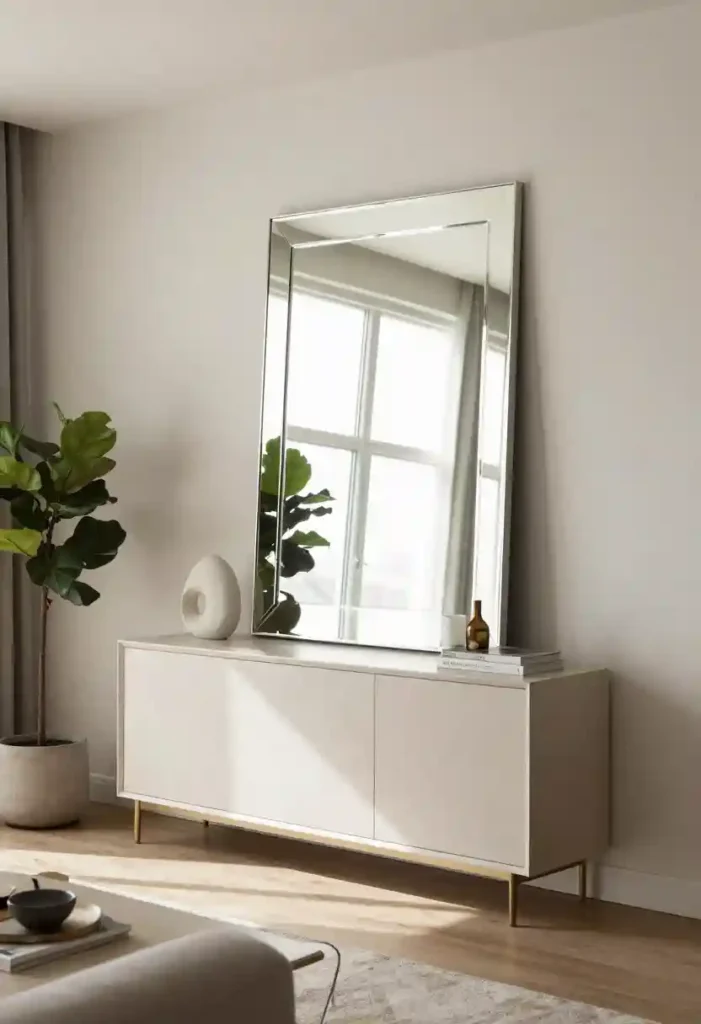
Mirrors are one of the most versatile tools in 13 Home Decor Styling Tips Designers Actually Use. Designers rely on them to reflect light, create depth, and visually expand a room. When placed intentionally, mirrors can completely transform the feel of a space without adding clutter. One of the most effective techniques is positioning a mirror opposite a window. This reflects natural light throughout the room, making it feel brighter and more open. In smaller spaces, a large mirror can create the illusion of extra square footage. Designers often choose oversized mirrors to make a bold statement while enhancing functionality.
Frame style also matters. A sleek black frame works well in modern interiors, while a gold or wood frame complements classic or rustic spaces. Placement should feel intentional — above a console, behind a dining table, or leaning casually against a wall for a relaxed look. Used thoughtfully, mirrors add elegance, light, and balance without overwhelming the room.
13. Edit and Refine Ruthlessly
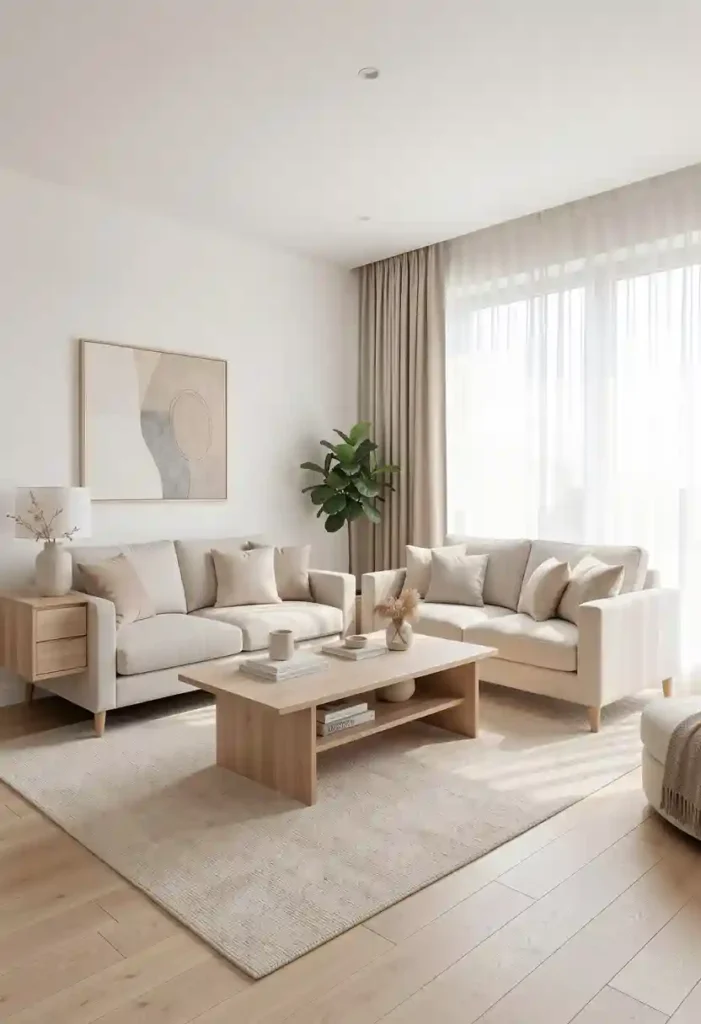
The final and perhaps most important technique in 13 Home Decor Styling Tips Designers Actually Use is editing. Even the most beautiful furniture and decor can lose impact if a space becomes overcrowded. Designers constantly step back and evaluate whether every piece serves a purpose. Editing doesn’t mean stripping a room of personality. It means removing items that don’t enhance the overall vision. If a shelf feels cluttered, designers might remove one or two objects to give the remaining pieces breathing room. If a corner looks busy, they simplify it.
Quality always outweighs quantity. A few well-chosen decor pieces make a stronger statement than many random accessories. This refinement process creates clarity, highlights focal points, and improves flow. If your space feels chaotic or unfinished, try subtracting before adding. Often, less truly is more — and thoughtful editing is what gives a home that polished, professional finish.
Final words
Beautiful interiors don’t happen by accident — they’re built on thoughtful decisions and intentional styling. These 13 Home Decor Styling Tips Designers Actually Use show that professional-looking spaces are less about expensive furniture and more about balance, proportion, lighting, texture, and careful editing.