
How To Mix Metals In Decor Without Clashing
Mixing metal finishes in your home can instantly elevate a space, but without a clear plan, it can also feel chaotic. The secret to mastering How To Mix Metals In Decor Without Clashing is understanding balance, repetition, and contrast. Instead of matching every finish perfectly, modern interiors embrace a layered look that combines brass, chrome, black, and nickel in a thoughtful way.
When done correctly, mixed metals add depth, dimension, and personality to any room. They create visual interest and prevent your decor from feeling flat or overly coordinated. The key is to establish a dominant finish, blend warm and cool tones carefully, and distribute metals evenly throughout the space.
1. Start With a Dominant Metal
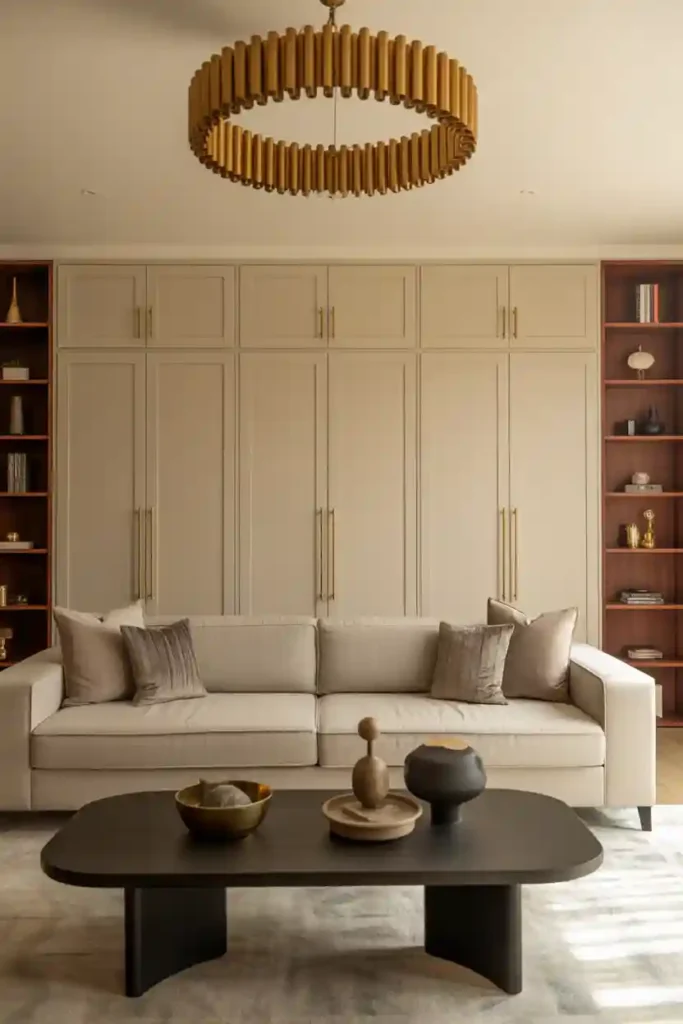
One of the most important steps in How To Mix Metals In Decor Without Clashing is choosing a dominant metal finish. This primary metal acts as the anchor for your space and should appear most frequently. It might be your cabinet hardware, light fixtures, faucet, or furniture legs. By establishing a dominant finish, you create structure and direction. Without it, mixed metals can feel random. For example, if brushed brass is your main choice, allow it to show up in larger elements such as chandeliers or drawer pulls. Secondary metals, like matte black or polished chrome, should appear in smaller accent pieces.
This hierarchy keeps the room balanced. The dominant metal creates consistency, while the supporting metals add contrast and personality. Think of it like building an outfit. Your dominant metal is the main clothing piece, and the others are accessories. When one finish clearly leads, the mix feels curated rather than cluttered.
2. Balance Warm and Cool Metal Tones
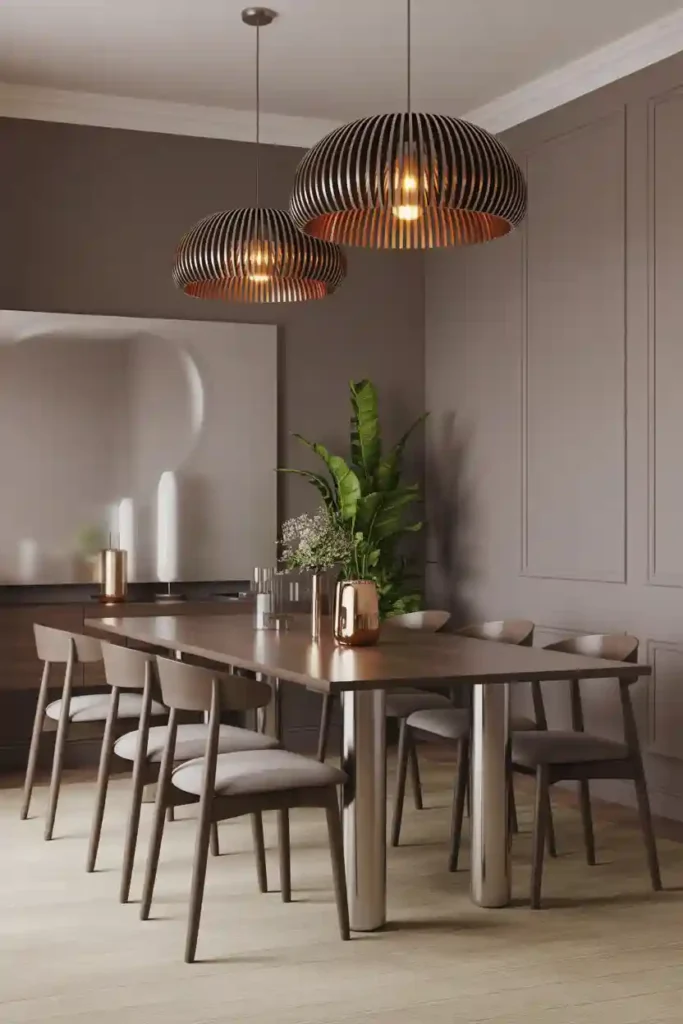
Understanding temperature is essential when learning How To Mix Metals In Decor Without Clashing. Metals fall into warm tones (brass, gold, copper) and cool tones (chrome, nickel, stainless steel). Mixing them adds depth, but balance is key. If your room features warm wood flooring and beige walls, introducing cool metals like chrome can create refreshing contrast. On the other hand, a gray-toned space with marble surfaces can benefit from the warmth of brass or gold accents.
The goal is to distribute warm and cool finishes evenly throughout the room. Avoid clustering all warm metals in one corner and cool ones in another. Spread them out to create visual harmony. Adding textiles such as neutral rugs, woven baskets, or mixed-tone artwork can help bridge the gap between finishes. When warm and cool tones echo each other across the space, the overall design feels intentional and balanced.
Read Also: 13 Living Room Styling Tips for a Polished Look
3. Repeat Each Metal Finish at Least Twice
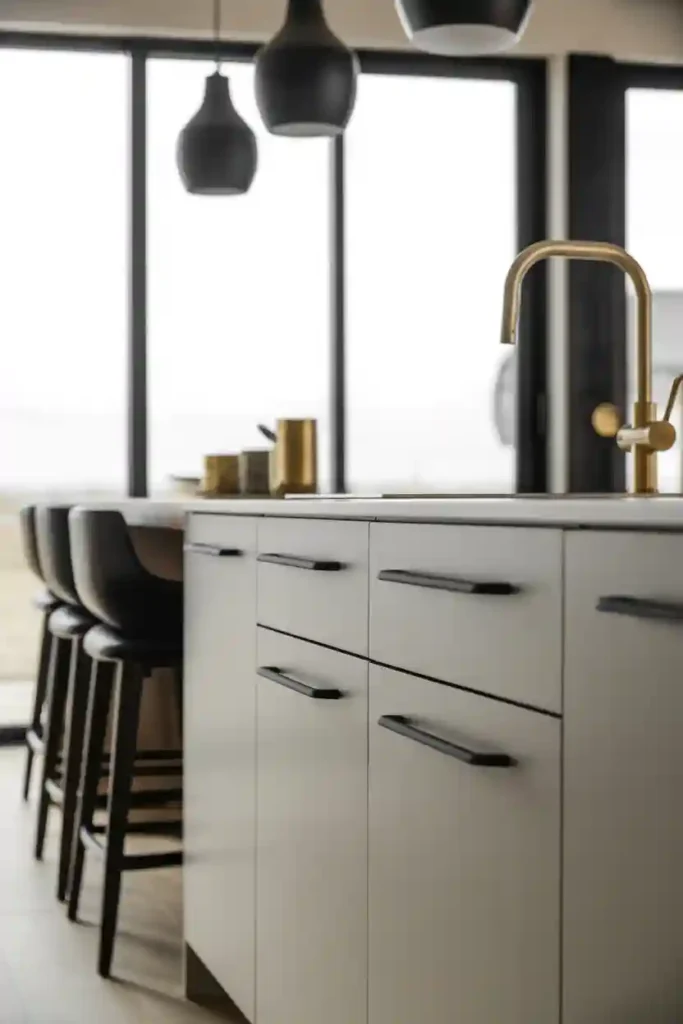
Repetition builds cohesion. A practical rule for How To Mix Metals In Decor Without Clashing is ensuring each metal appears at least twice within the space. If you use matte black cabinet pulls, repeat that finish in a mirror frame, light fixture, or furniture base. When a metal shows up only once, it can feel accidental. Repeating it creates rhythm and strengthens the overall design.
This doesn’t mean everything must match perfectly. The finishes can vary slightly in tone or sheen, but they should feel connected. Even small decor pieces like trays, candlesticks, or picture frames can help reinforce the look. Limit yourself to two or three metal finishes in one room. Too many can overwhelm the visual flow. Repetition ensures that your mix feels layered and intentional rather than busy.
4. Mix Textures and Finishes for Depth
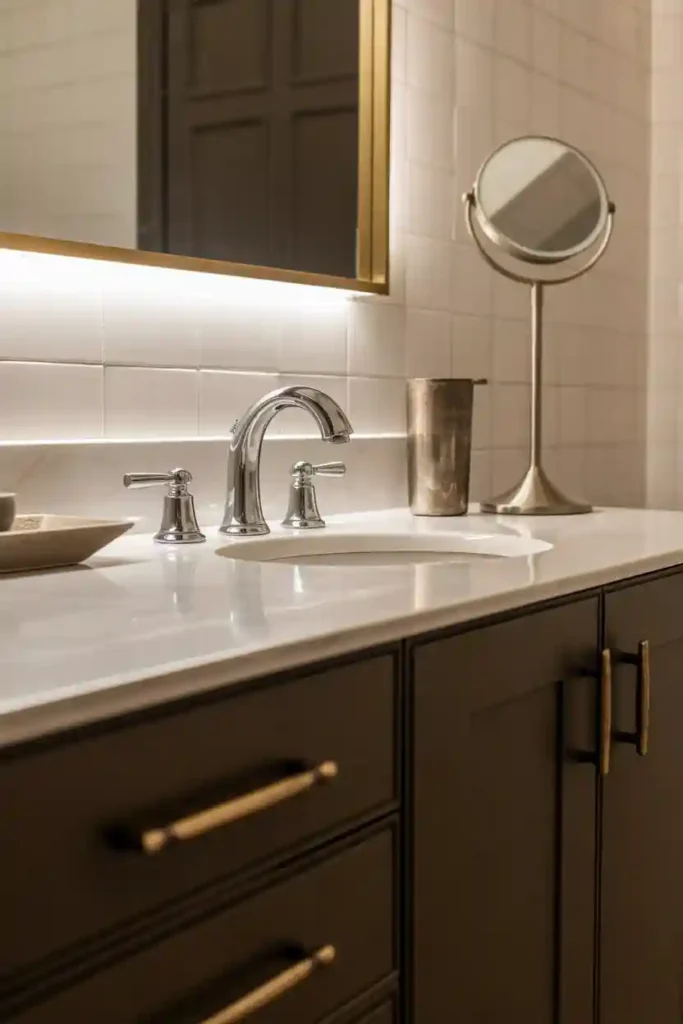
Mixing metals isn’t just about color. Texture plays a major role in How To Mix Metals In Decor Without Clashing. Combining polished, brushed, matte, or antiqued finishes creates dimension and prevents monotony. For example, pairing a polished chrome faucet with brushed brass hardware adds visual contrast without overwhelming the space. A matte black light fixture next to a shiny gold mirror frame creates balance through texture variation.
Reflective metals draw attention and bounce light around the room, while brushed or matte finishes feel softer and more understated. Blending these effects creates a layered look that feels sophisticated. Texture differences also soften bold combinations. Highly polished gold can feel flashy alone, but when paired with aged bronze or matte black, it appears grounded. Varying texture is an easy way to make mixed metals look intentional and refined.
5. Assign Metals by Function
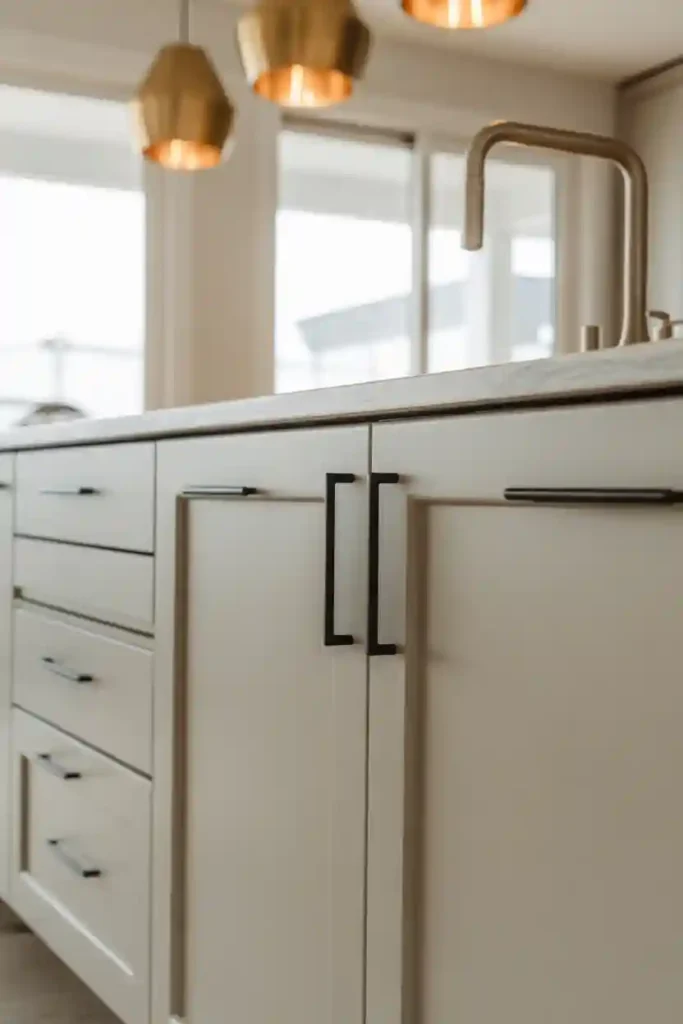
A structured method for mastering How To Mix Metals In Decor Without Clashing is organizing finishes by function. This technique creates invisible order in your design. For instance, use one finish for plumbing fixtures, another for lighting, and a third for decorative accessories. In a kitchen, you might choose brushed nickel for faucets, matte black for cabinet hardware, and brass for pendant lights.
Because each finish serves a clear purpose, the mix feels thoughtful rather than random. This method works especially well in open-concept spaces where multiple surfaces are visible at once. By grouping metals according to their role, you create visual organization while still enjoying variety. The space feels layered and interesting without appearing chaotic.
6. Use Neutrals to Ground the Look
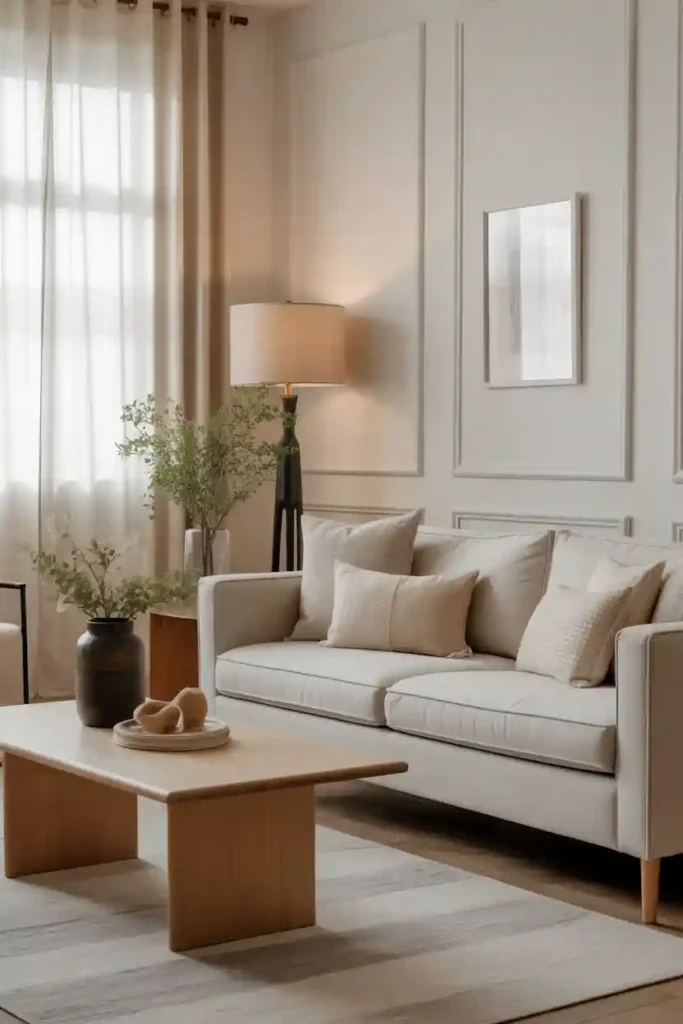
Neutrals act as the foundation for How To Mix Metals In Decor Without Clashing. When walls, furniture, and flooring remain calm and understated, mixed metals stand out without competing. White, beige, gray, or soft earthy tones provide breathing space between different finishes. Without a neutral base, multiple metallic elements can feel overwhelming.
Natural materials like wood, linen, stone, and leather also help soften the shine of metal. A wooden coffee table beneath brass lighting and black accents instantly balances contrast. If you feel unsure about combining finishes, simplify your color palette first. A quiet backdrop allows mixed metals to shine in a curated way. Neutrals ensure your space feels harmonious and polished rather than busy.
Final Words
Mastering How To Mix Metals In Decor Without Clashing comes down to balance, repetition, texture, and thoughtful placement. By choosing a dominant metal, balancing warm and cool tones, repeating finishes, varying textures, assigning metals by function, and grounding everything with neutrals, you can create a space that feels layered and sophisticated.