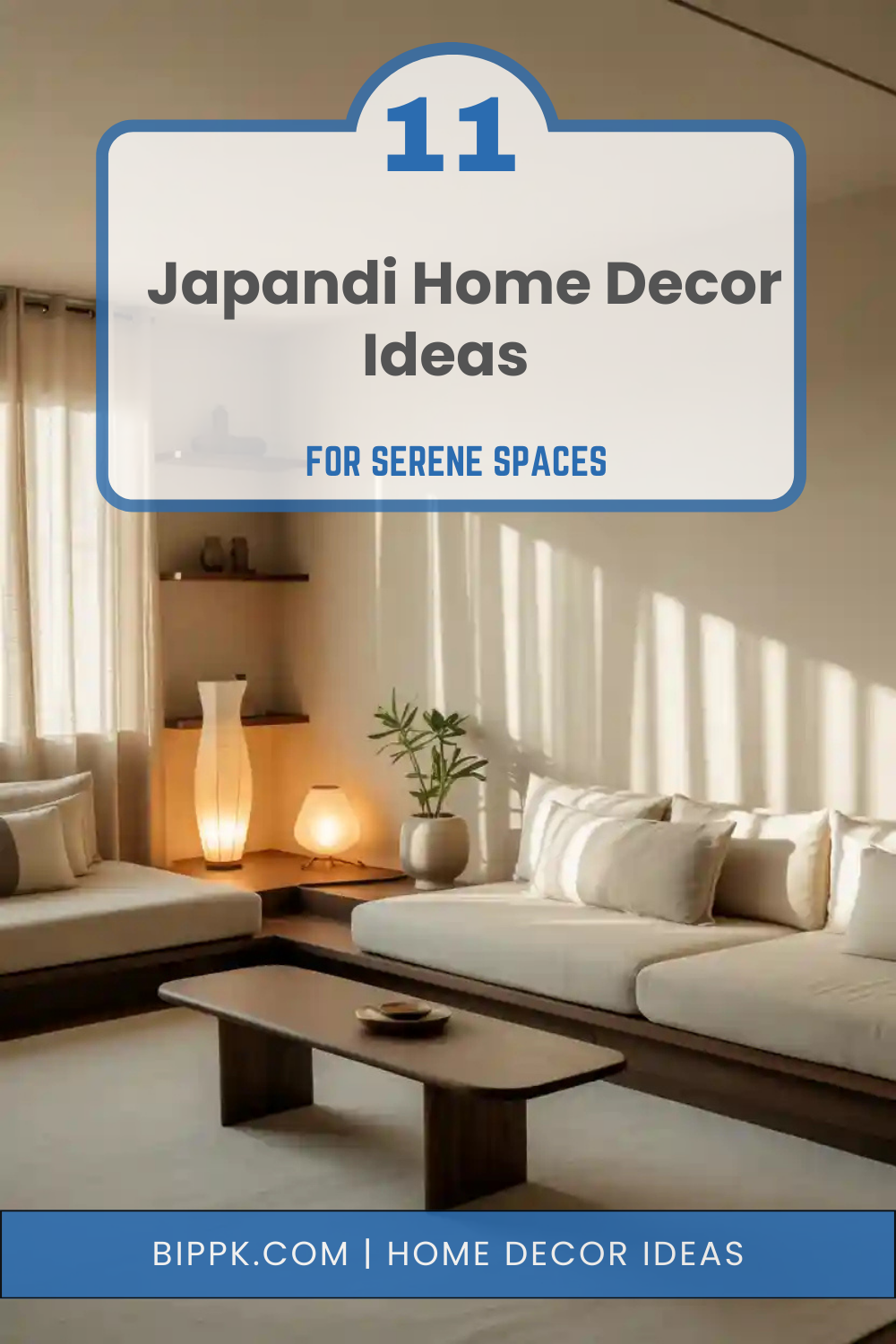
11 Japandi Home Decor Ideas for Serene Spaces
Japandi design is a harmonious blend of Japanese minimalism and Scandinavian comfort, creating interiors that feel calm, functional, and beautifully intentional. This style focuses on simplicity, natural materials, and meaningful design choices that eliminate clutter while enhancing warmth. Japandi spaces are not just visually appealing they are designed to support peaceful living by emphasizing balance, craftsmanship, and a connection to nature.
Neutral tones, clean lines, soft textures, and carefully selected decor pieces work together to create an environment that feels both modern and timeless. Rather than filling a room with unnecessary items, Japandi celebrates quality over quantity, allowing each object to have purpose and presence. Whether you want to refresh a single room or redesign your entire home, these Japandi ideas will help you cultivate serene spaces that encourage relaxation, mindfulness, and everyday comfort.
1. Embrace a Soft, Neutral Color Palette
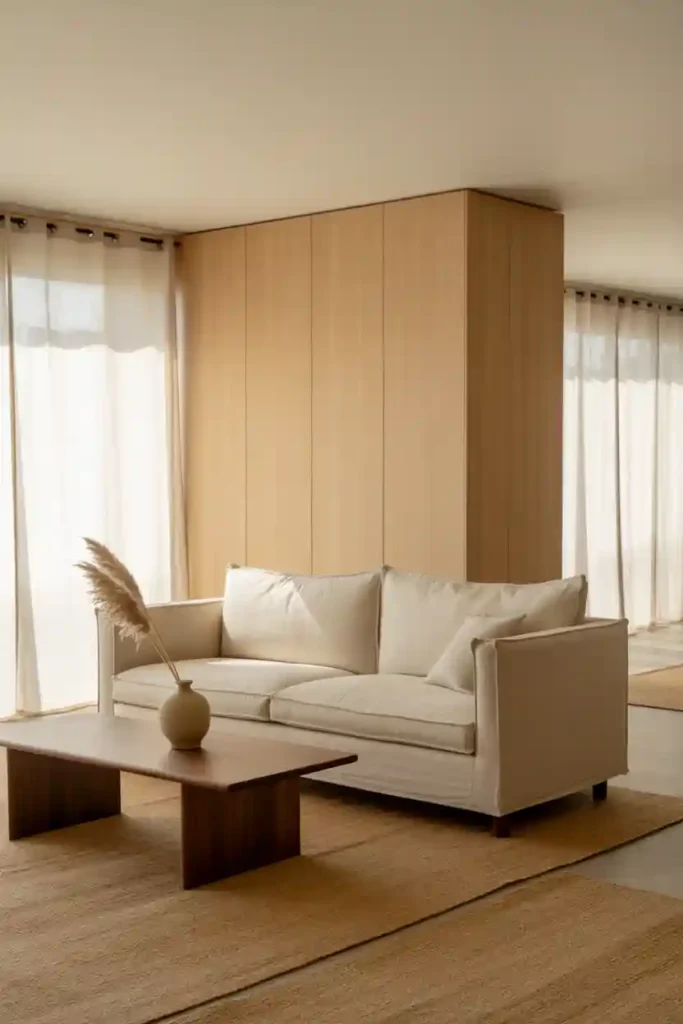
Japandi interiors rely on calming, nature-inspired colors to create a peaceful foundation. Shades like warm white, soft beige, muted gray, and gentle taupe help establish a soothing environment without feeling cold. Unlike stark minimalism, Japandi neutrals are layered to add warmth and depth. You can combine lighter walls with slightly darker furnishings or introduce earthy undertones to prevent monotony.
These colors reflect natural light beautifully, making rooms feel airy yet grounded. Avoid overly bold hues; instead, focus on tonal harmony that allows materials and textures to stand out. A well-balanced palette creates visual continuity throughout the home, encouraging relaxation and clarity. The result is a space that feels refined yet welcoming never sterile, always tranquil.
2. Choose Low, Streamlined Furniture
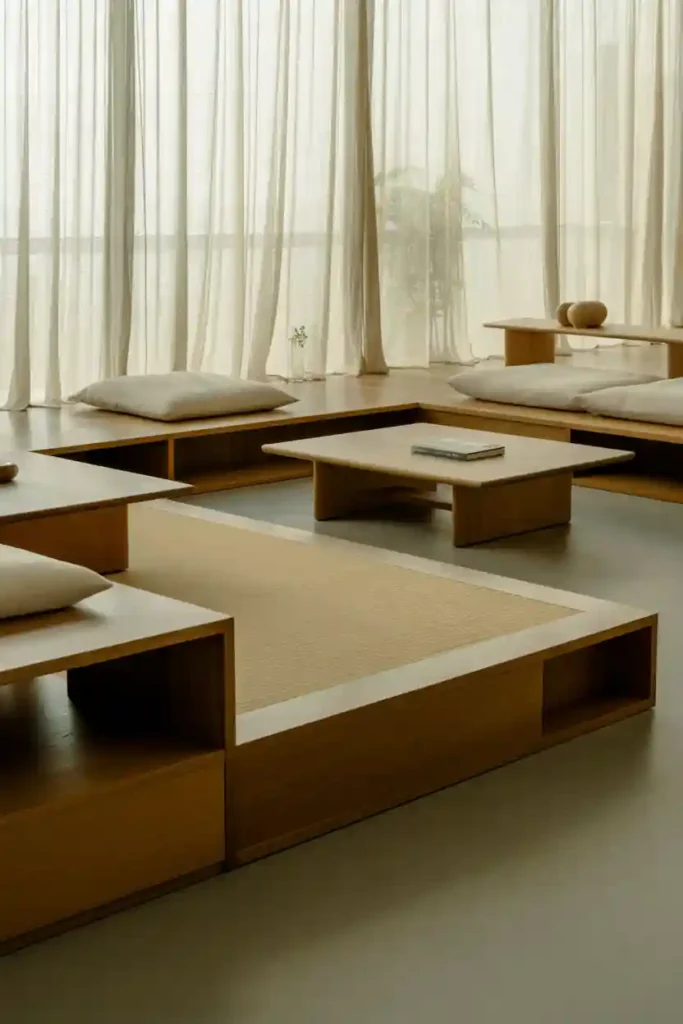
Furniture in Japandi design is intentionally low-profile, reflecting Japanese influences while maintaining Scandinavian comfort. Pieces are simple, functional, and free from unnecessary ornamentation. Think clean-lined sofas, low wooden tables, and platform-style seating that encourages a grounded, relaxed posture.
This design approach visually expands a room, making ceilings feel higher and spaces more open. Each item should serve a purpose while contributing to the overall harmony. Avoid bulky or overly decorative furniture; instead, select designs that feel light yet substantial. The emphasis is on craftsmanship and proportion, ensuring that every piece complements the architecture of the room. Low furniture also fosters a sense of calm by creating a closer connection to the environment.
Read Also: 12 Farmhouse Home Decor Ideas That Feel Fresh
3. Highlight Natural Materials and Craftsmanship
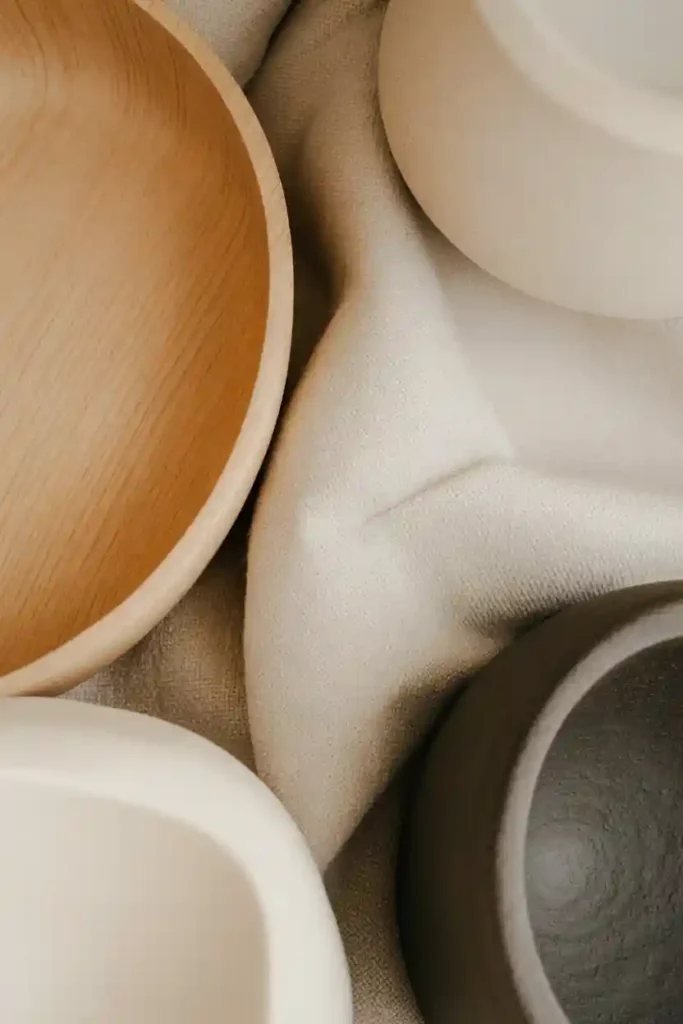
Natural materials are essential in Japandi spaces because they bring warmth and authenticity. Wood, stone, linen, bamboo, and clay add tactile richness while maintaining simplicity. Rather than glossy finishes, opt for matte or lightly treated surfaces that showcase texture and grain.
Handcrafted details are especially valued, as they introduce uniqueness and subtle imperfections that feel human and grounding. Combining Scandinavian light woods with deeper Japanese tones creates visual balance. These materials age gracefully, reinforcing the timeless nature of the style. By focusing on quality and sustainability, Japandi interiors feel both elegant and enduring, connecting modern living with traditional craftsmanship.
4. Declutter and Focus on Intentional Living
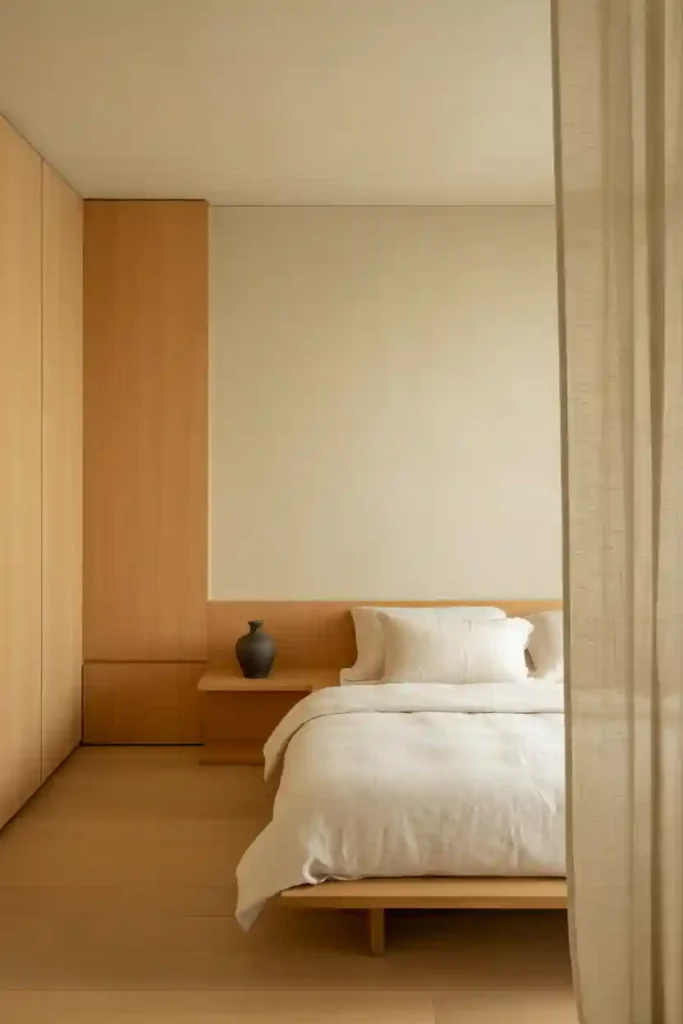
Japandi design encourages mindful curation rather than accumulation. Every object should have a purpose, whether functional or meaningful. Removing unnecessary decor allows the room to breathe and promotes a sense of calm. Storage solutions should be discreet, keeping visual noise to a minimum while maintaining practicality.
This philosophy transforms the home into a sanctuary rather than a storage space. By prioritizing essentials and eliminating excess, you create clarity not only in design but also in daily routines. Thoughtful organization enhances the aesthetic while supporting a slower, more intentional lifestyle.
5. Layer Warm, Minimal Textures
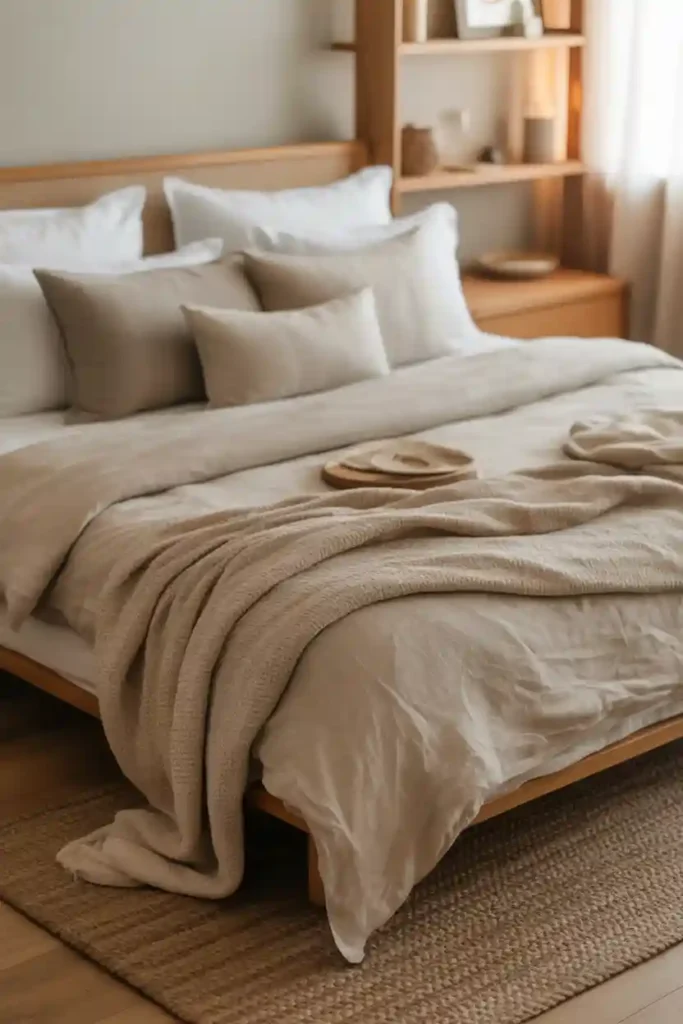
While Japandi is minimalist, it never feels cold because texture plays a vital role. Soft woven rugs, linen curtains, and subtle upholstery add comfort without overwhelming the design. Layering textures in similar tones creates depth while preserving simplicity.
Choose tactile elements that invite touch like handwoven fabrics or lightly textured walls. These layers soften clean lines and make spaces feel livable and welcoming. The goal is understated coziness rather than decorative excess. Texture becomes the visual interest, replacing busy patterns with quiet sophistication.
6. Incorporate Nature Through Plants and Light
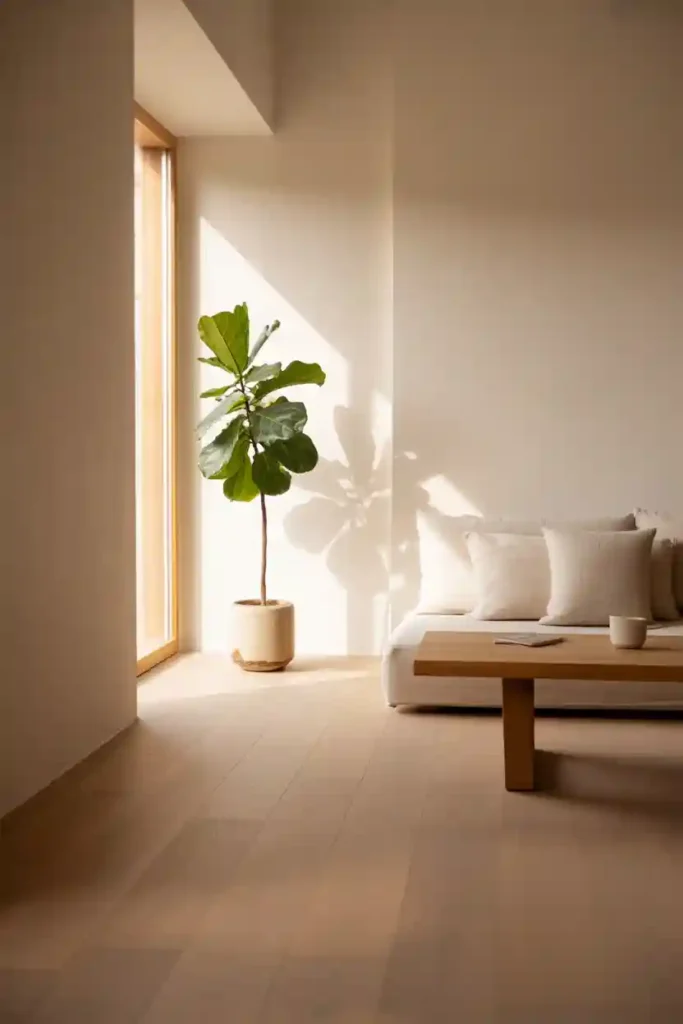
Nature is central to Japandi philosophy, so bringing the outdoors inside is essential. Use a few carefully chosen plants instead of dense arrangements. Sculptural greenery, such as a single branch or a simple potted plant, can create a strong yet calming presence. Natural light should be maximized through sheer window treatments or unobstructed openings.
This connection to nature enhances well-being and reinforces the tranquil atmosphere. Materials and light work together to create a rhythm that changes throughout the day, making the home feel alive and balanced.
7. Use Functional Decor with Purpose
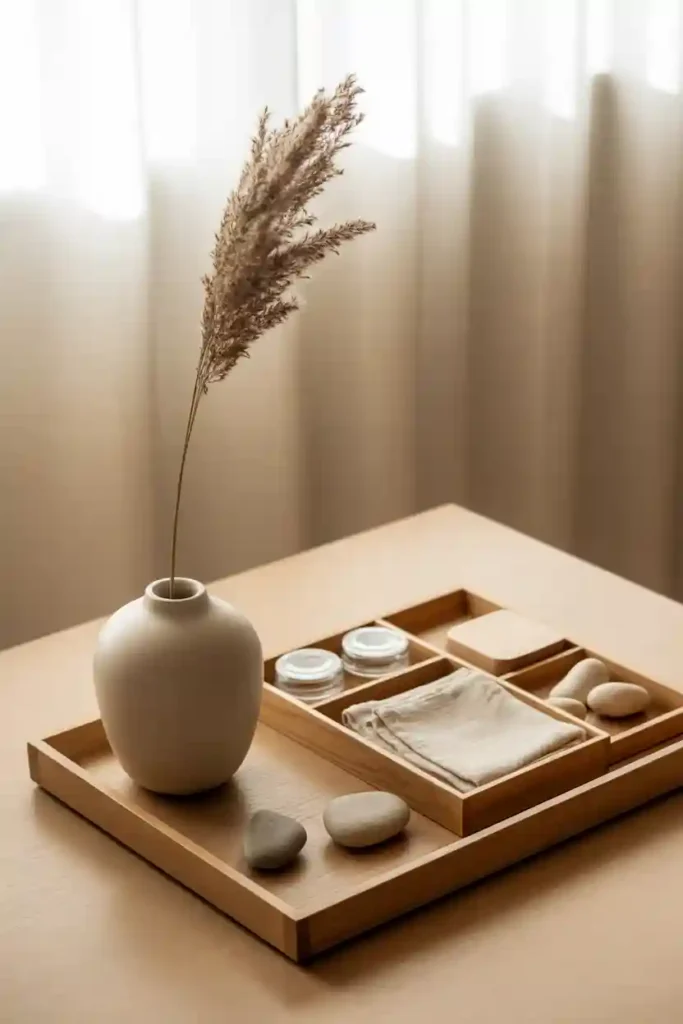
Decor in Japandi interiors is never purely ornamental. Items such as ceramics, trays, or books are selected for both beauty and utility. A handcrafted bowl or a simple vase becomes art through its form and placement.
This approach prevents overcrowding while ensuring every object contributes meaningfully to the environment. Functional decor reinforces the philosophy of intentional living, where design enhances daily rituals rather than distracting from them.
8. Create Balance with Negative Space
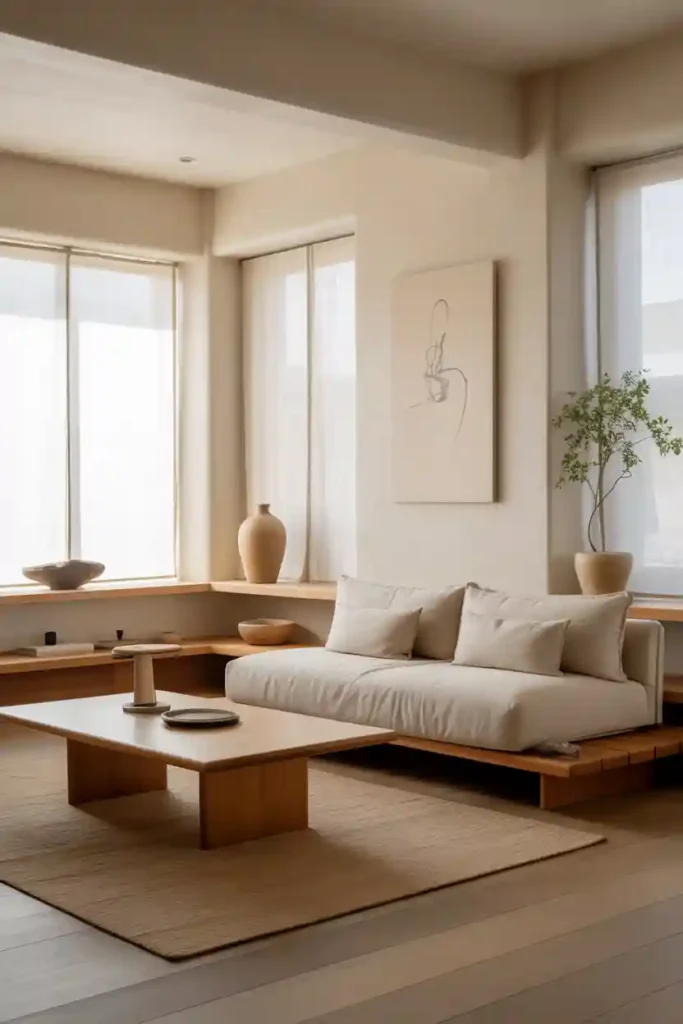
Empty space is just as important as filled space in Japandi design. Leaving areas intentionally open allows the eye to rest and highlights the beauty of individual pieces. This concept of balance creates harmony and prevents rooms from feeling busy.
Instead of filling every wall or corner, allow breathing room around furniture and decor. Negative space emphasizes proportion, structure, and calmness, making the overall design feel more refined and meditative.
9. Add Subtle Contrast with Dark Accents
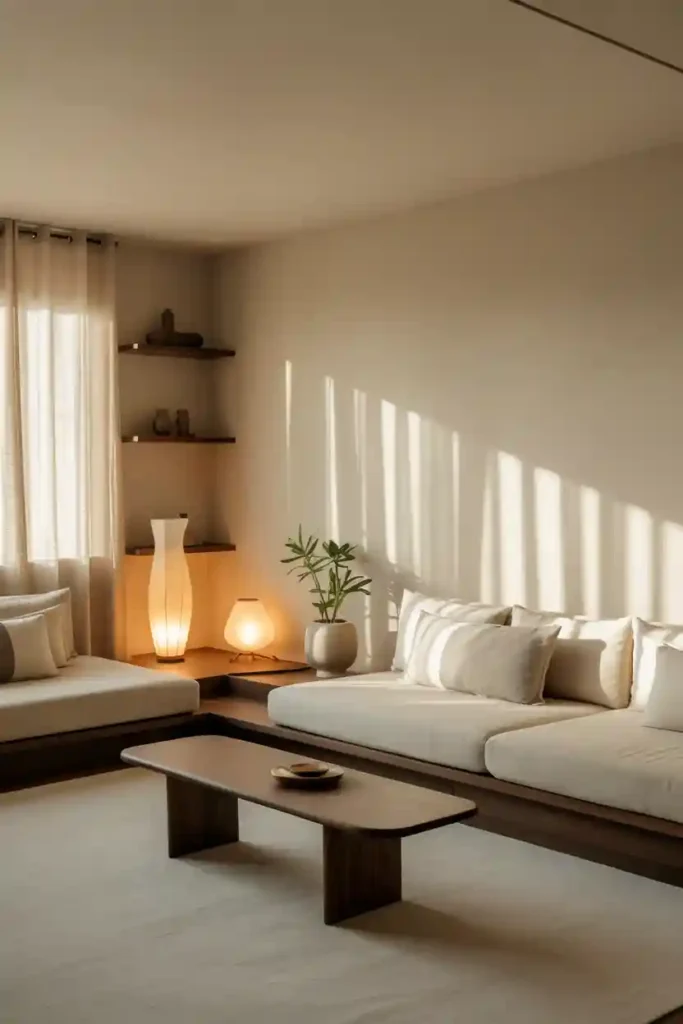
While the palette is mostly light and neutral, Japandi interiors benefit from small moments of contrast. Dark wood, charcoal textiles, or black metal accents provide grounding and definition. These elements create visual structure without disrupting the serene mood.
Contrast should remain understated used sparingly to frame the space rather than dominate it. This balance between light and dark reflects the fusion of Scandinavian brightness and Japanese depth.
10. Focus on Calm, Ambient Lighting
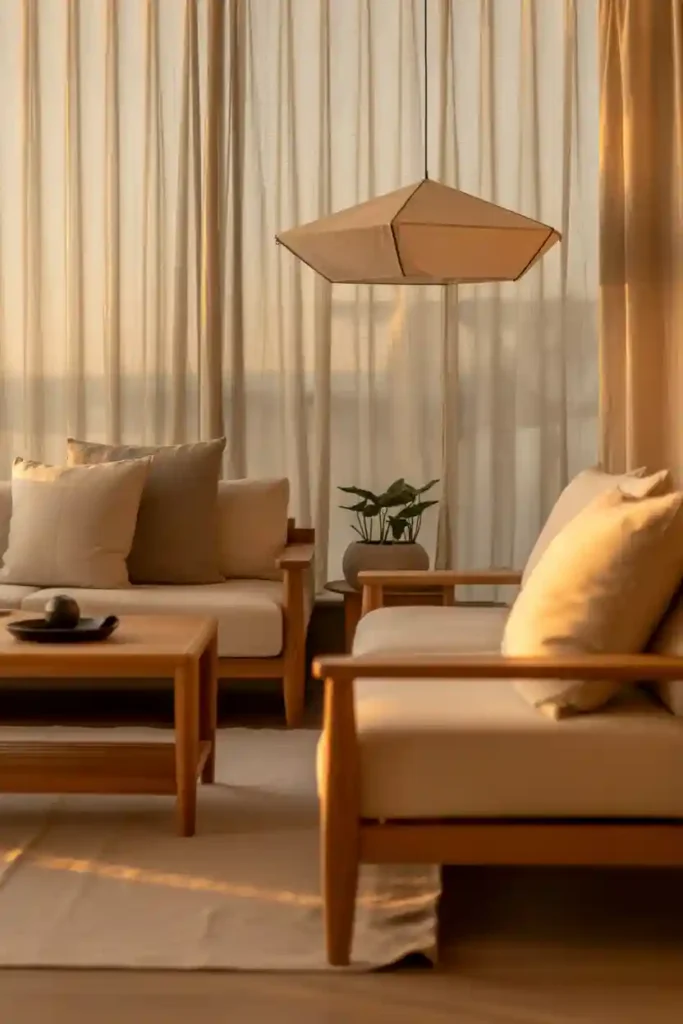
Lighting should feel gentle and atmospheric rather than harsh or overly bright. Use paper-style shades, simple pendants, or diffused lamps that create a warm glow. Soft lighting enhances textures and encourages relaxation, especially in the evening.
Layered illumination combining natural light by day and warm ambient light by night supports the peaceful rhythm of Japandi living. Thoughtful lighting design helps maintain the tranquil tone throughout the home.
11. Celebrate Handmade and Organic Elements
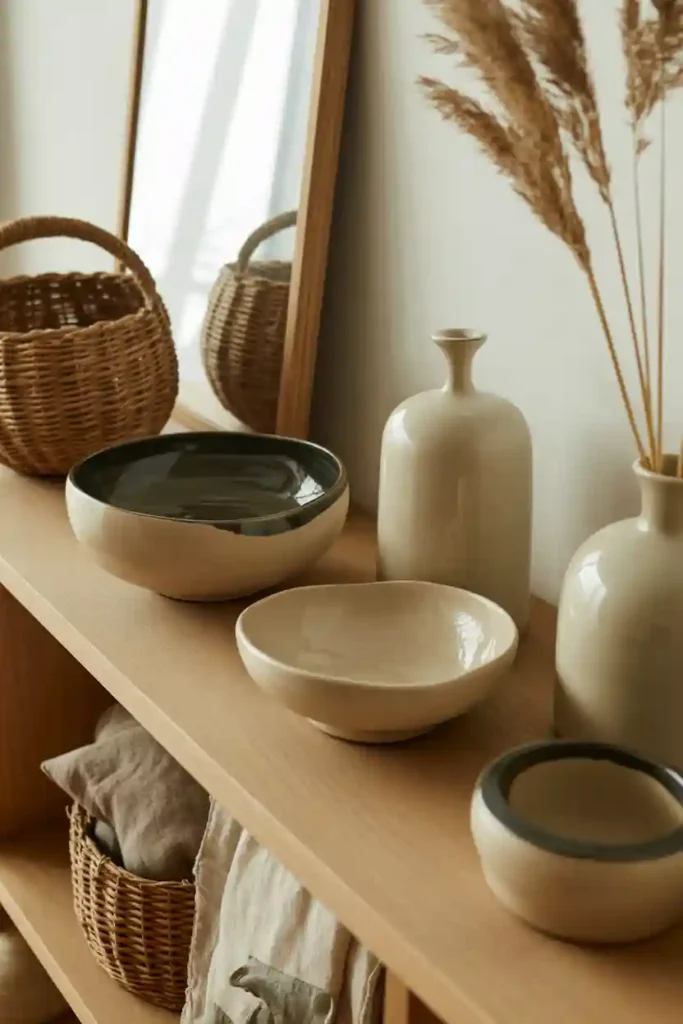
Japandi spaces honor the beauty of imperfection through handcrafted and organic pieces. Handmade pottery, woven baskets, and artisanal decor introduce individuality while staying true to the minimalist aesthetic. These elements add soul to the space, reminding us that design is about connection as much as appearance.
Choosing items with visible craftsmanship creates authenticity and emotional warmth. This final layer completes the Japandi philosophy where simplicity, nature, and human touch exist in perfect harmony.
Final Words
Japandi design is more than a decorating style it’s a philosophy rooted in simplicity, balance, and mindful living. By combining the warmth of Scandinavian comfort with the calm minimalism of Japanese interiors, you can create spaces that feel both functional and deeply peaceful.